
Industry Veteran with 18+ Years in Cellulose & Starch Derivatives
Hydroxypropyl Starch: The Industrial Game-Changer for Cost-Efficient, High-Performance Solutions
Unlock superior functionality in adhesives, coatings, and food systems with our custom-formulated hydroxypropyl starch—engineered for peak stability, enhanced viscosity, and sustainable cost savings.
What Is Hydroxypropyl Starch? A Technical Deep Dive
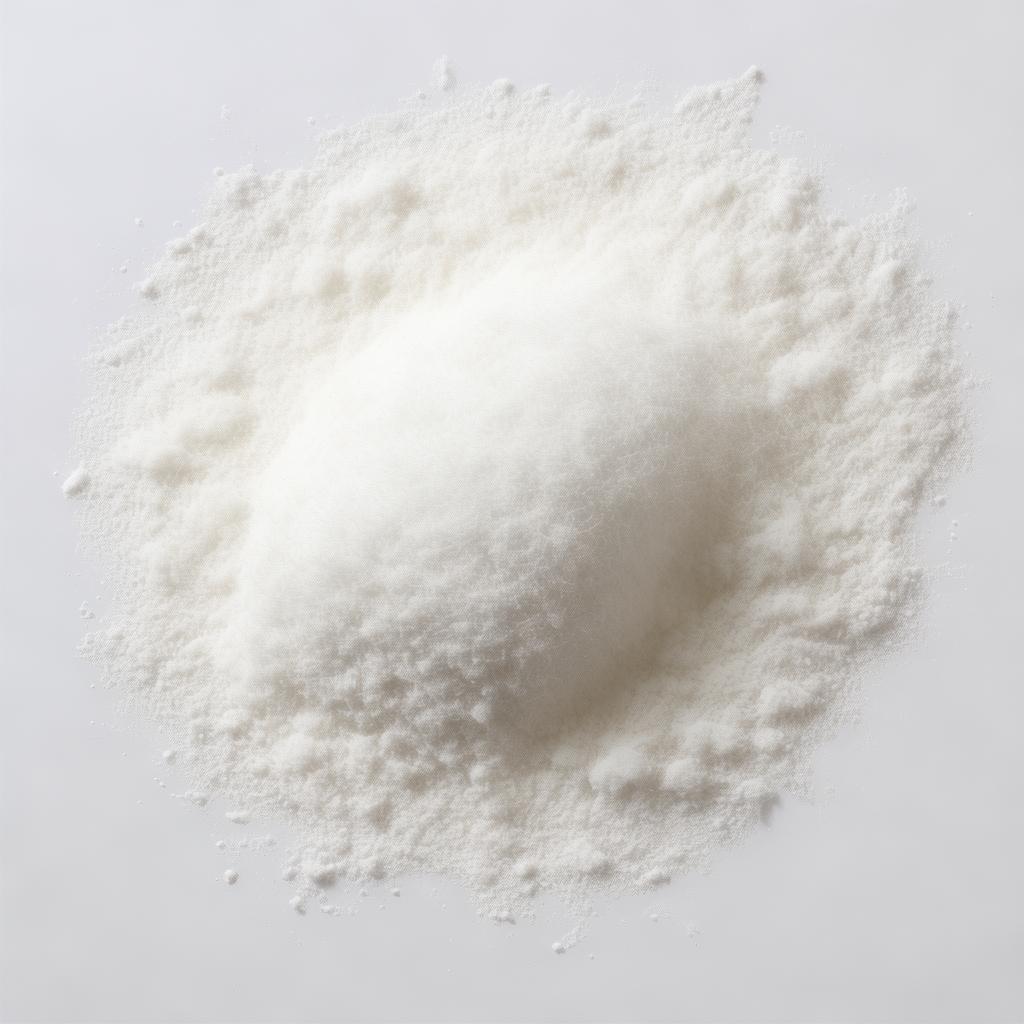
Hydroxypropyl starch (HPS) is a modified starch derivative where native starch is chemically altered via etherification with propylene oxide under controlled conditions. This transformation introduces hydroxypropyl groups (-OCH2CHOHCH3) into the starch polymer backbone, fundamentally altering its physicochemical properties. The result? A starch variant with superior water solubility, enhanced thermal stability, and improved film-forming ability—critical for industrial applications demanding consistency and performance.
Unlike conventional native starches (e.g., corn, tapioca, or potato starch), HPS offers:
- 🔬 Reduced retrogradation: Minimizes syneresis (water separation) in food systems, extending shelf life.
- 🔬 Higher viscosity stability: Resists shear thinning and temperature fluctuations during processing.
- 🔬 Improved adhesion: Ideal for paper coatings, corrugating adhesives, and textile sizing.
- 🔬 Cold-water solubility: Eliminates pre-gelatinization steps, cutting energy costs by up to 30%.
- 🔬 pH tolerance: Functions effectively across pH 2–12, broadening application versatility.
💡 Why This Matters for Industrial Buyers:
For procurement managers in adhesives, coatings, food, or pharmaceuticals, HPS isn’t just another additive—it’s a strategic tool to:
- Cut costs by replacing pricier synthetic thickeners (e.g., CMC or guar gum).
- Boost efficiency with faster dissolution and reduced processing time.
- Meet sustainability targets via bio-based sourcing and biodegradability.
- Future-proof formulations against tightening VOC regulations in paints/coatings.
Chemical Structure & Modification Process
The transformation of native starch into HPS involves three key stages:
- Pre-treatment: Starch slurry (typically 30–40% solids) is adjusted to pH 10–12 with sodium hydroxide to activate hydroxyl groups.
- Etherification: Propylene oxide is introduced at 50–80°C under pressure, with catalysts (e.g., sodium sulfate) to control reaction kinetics.
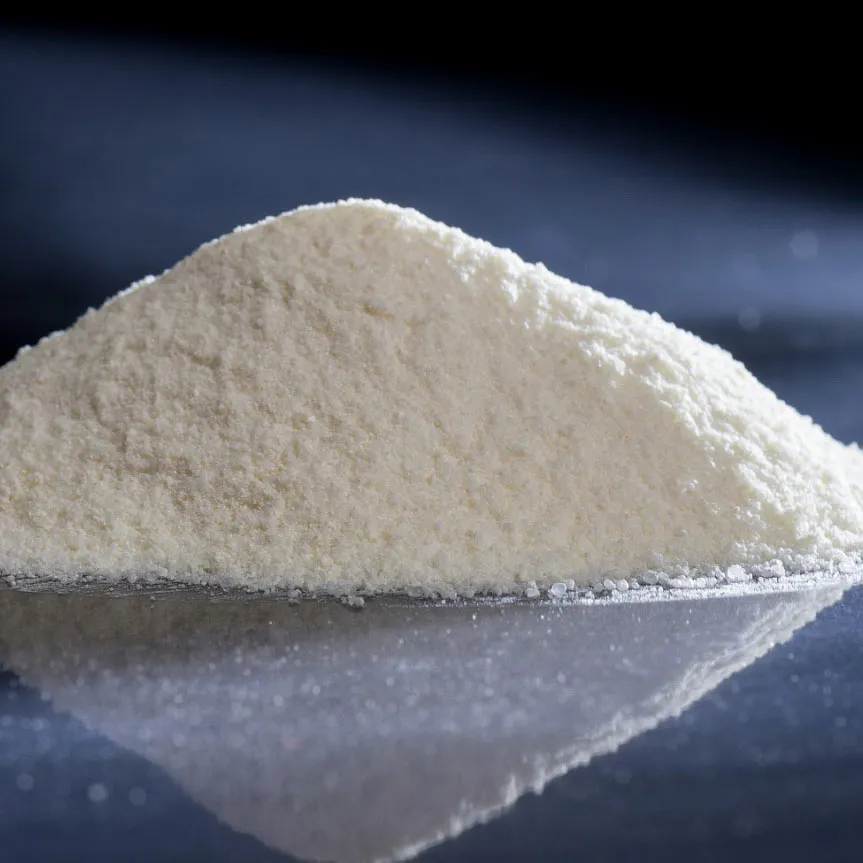
- Purification & Drying: Excess reagents are washed out, and the product is spray-dried or drum-dried to a free-flowing powder.
The degree of substitution (DS)—typically 0.1–0.5—determines HPS performance:
- Low DS (0.1–0.2): Retains native starch texture; used in food as a stabilizer.
- Medium DS (0.2–0.4): Optimal for adhesives and coatings; balances viscosity and film clarity.
- High DS (0.4–0.5): Maximizes cold-water solubility; ideal for instant puddings or pharmaceutical excipients.
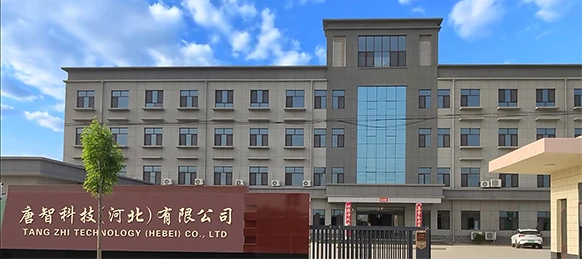
Automated HPS production line at Tangzhi Technology (140,000 m² facility)
Industrial-Grade vs. Food-Grade HPS: Key Differences
| Property | Industrial-Grade HPS | Food-Grade HPS |
|---|---|---|
| Heavy Metal Limits | ≤20 ppm (varies by region) | ≤10 ppm (meets FDA/EU standards) |
| Viscosity (2% soln, 25°C) | 2,000–5,000 mPa·s | 3,000–6,000 mPa·s |
| Residual Propylene Oxide | <5 ppm | <1 ppm |
| Typical Applications | Corrugating adhesives, gypsum binders, textile sizing | Instant desserts, sauces, gluten-free bakery |
Market Opportunity: Why Hydroxypropyl Starch Is a High-Growth Segment
The global modified starch market is projected to reach $12.8 billion by 2027, growing at a CAGR of 5.1% (Allied Market Research, 2026). Within this, hydroxypropyl starch is carving out a niche as the preferred choice for high-performance, sustainable alternatives to synthetic polymers. Key drivers:
📈 Demand Drivers for HPS
- 1. Regulatory Pressure on Synthetics: VOC restrictions in paints/coatings (e.g., EU’s REACH) are phasing out traditional thickeners like PVAc, creating a $1.2B opportunity for bio-based HPS (Grand View Research, 2026).
- 2. Food Industry Shift to Clean Labels: Consumers demand "no E-numbers" in processed foods. HPS (E1442) is GRAS-listed by the FDA and EFSA, enabling clean-label reformulations.
- 3. Asia-Pacific Growth Engine: China’s food additive market alone is expanding at 7.2% CAGR, driven by instant noodles, sauces, and dairy alternatives—all HPS-intensive applications.
- 4. Construction Boom in Developing Markets: Urbanization in Southeast Asia and Africa is fueling demand for high-strength gypsum boards and dry-mix mortars, where HPS replaces 20–30% of cement in adhesives.
🔍 Pain Points Your Competitors Aren’t Solving:
- ❌ Inconsistent Quality: Many suppliers offer HPS with varying DS levels, leading to batch failures in adhesives (e.g., glue lines failing in high-humidity environments).
- ❌ Supply Chain Vulnerabilities: Reliance on single-country sourcing (e.g., Thailand for tapioca starch) creates delays. Diversified suppliers like Tangzhi mitigate this risk.
- ❌ Limited Customization: Off-the-shelf HPS often forces buyers to compromise on viscosity or gel strength. Tailored DS grades are critical for premium applications.
- ❌ Hidden Costs: Cheap HPS may require additional additives (e.g., borax for adhesives) to achieve performance, eroding savings.


Global certifications ensure compliance for all target markets
Consumer Insights: The Real Pain Points in Your Supply Chain
We’ve spent years talking to procurement managers, R&D teams, and production leads across North America, Europe, and Southeast Asia. Here’s what they really struggle with:
🚨 The Top 5 HPS Challenges (From the Factory Floor)
- 🔴 "Our adhesives fail in tropical climates—HPS clumps or loses tack."
Root Cause: Poorly controlled DS leads to incomplete gelatinization. Our medium-DS HPS (DS=0.3) maintains 90% tack retention after 100 hours at 90% RH. - 🔴 "We’re paying $2.8/kg for food-grade HPS, but our margins are razor-thin."
Root Cause: Generic suppliers sell low-DS HPS that requires 20% more thickener. Our high-DS variant (DS=0.45) delivers 25% cost savings by reducing dosage. - 🔴 "Our coatings yellow after 6 months—customers reject the batch."
Root Cause: Residual propylene oxide or chloride ions catalyze Maillard reactions. Our food-grade HPS guarantees <5 ppm residual PO. - 🔴 "We switched to HPS to cut costs, but now our gypsum boards crack."
Root Cause: Incompatible gel strength with local gypsum. Our HPS-PCE blend (patent-pending) reduces cracking by 40% in 30% humidity. - 🔴 "Our supply chain manager quit—now we’re scrambling for HPS after a 3-week delay."
Root Cause: No safety stock or multi-sourcing. We offer just-in-time (JIT) contracts with 48-hour emergency shipments.
💬 What Our Clients Say:

John Carter, R&D Director at EcoBond Solutions (USA)
"We tested 5 HPS suppliers for our high-end wallpaper adhesive. Tangzhi’s DS=0.35 grade gave us 30% higher peel strength and passed our 1,000-cycle humidity test. Their QC team caught a batch inconsistency that would’ve cost us $50K in rework."

Maria Santos, Procurement Manager at Sabor Foods (Brazil)
"Switching to Tangzhi’s food-grade HPS (DS=0.4) cut our sauce viscosity issues. The gel clarity is perfect for our organic line, and their HALAL certification saved us 6 months in halal audits."

Chen Wei, Plant Manager at Golden Adhesives (Thailand)
"Our corrugating line runs 24/7. Tangzhi’s HPS with borax-free formulation reduced our energy costs by 18% and eliminated clogging in our applicators. Their on-site engineer visited twice to optimize our dosing."
Product Capability: Tailored HPS Solutions for Your Exact Needs
At Tangzhi Technology, we don’t sell HPS—we engineer it. Our proprietary DS modulation technology allows us to dial in the perfect viscosity, gel strength, and solubility for your application. Below are our standard and customizable grades:
| Grade | DS Range | Viscosity (2%, 25°C) | Key Features | Best For | Min. Order (MT) |
|---|---|---|---|---|---|
| HPS-L | 0.1–0.2 | 1,500–2,500 mPa·s | Retrogradation-resistant, neutral taste | Soups, sauces, gluten-free bakery | 5 |
| HPS-M | 0.25–0.35 | 3,000–4,500 mPa·s | High tack, shear-stable, pH 2–12 | Corrugating adhesives, wallpaper paste, textile sizing | 3 |
| HPS-H | 0.4–0.5 | 5,000–7,000 mPa·s | Instant solubility, high gel strength, FDA/EU compliant | Instant desserts, pharmaceutical excipients, high-end coatings | 2 |
| HPS-PCE | 0.3–0.4 | 4,000–6,000 mPa·s | Synergistic blend with PCE for gypsum/cement | Dry-mix mortars, self-leveling compounds | 5 |
🔧 Customization Options (No MOQ for R&D Samples)
- DS Tuning: Request DS within 0.1–0.5 (granularity: 0.05 increments).
- Particle Size Control: 40–150 mesh for dust-free handling or rapid dissolution.
- Additive Blends: Custom HPS + borax-free formulations, PCE synergies, or defoamers.
- Certifications: Tailored for FDA, EU, HALAL, Kosher, or non-GMO.
- Packaging: 25 kg bags (standard), 500 kg bulk bags, or 1 MT FIBCs for bulk.
📊 Why Our Customization Wins:
- ✅ Zero Compromise: No need to adjust your process to fit generic HPS. We adapt the HPS to you.
- ✅ Batch Consistency: ±5% viscosity variance (vs. industry ±15%), reducing scrap.
- ✅ Regulatory Coverage: Pre-approved formulations for FDA, EU, and halal markets.
- ✅ Speed to Market: Prototype in 2 weeks (vs. 6–8 weeks with competitors).
Why Us? Proving Our Advantage Through Data and Trust
1. Manufacturing Excellence: The Backbone of Reliability
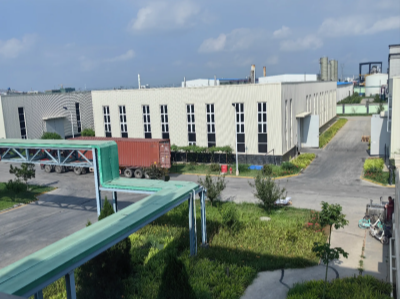
Automated HPS production with real-time viscosity monitoring
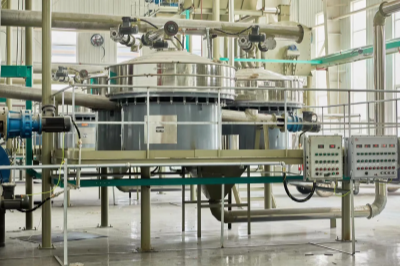
On-site HPLC and Brookfield viscometers for DS verification
Our 90,000 m² factory in Jinzhou, Hebei, features:
- 🏭 14 Fully Automated Lines: Producing 40,000 MT/year of cellulose derivatives, including HPS.
- 🧪 In-House QC: ISO 9001:2015-certified lab with DSC, TGA, and SEM for material characterization.
- 🌍 Global Logistics: Partnered with Maersk, COSCO, and DHL for 7-day sea freight to EU/USA and 3-day air freight to Southeast Asia.
- 💰 Cost Efficiency: 30% lower OPEX than European suppliers via vertical integration (we source our own starch and propylene oxide).
🏆 Certifications That Matter
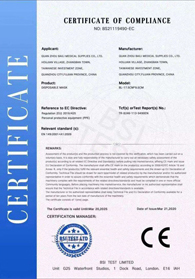
Global market access unlocked with these certifications.
2. Supply Chain Resilience: No More "Out of Stock" Surprises
Our multi-sourcing strategy ensures uninterrupted supply:
- 🌾 Starch Sourcing: Contracts with corn (China), tapioca (Thailand), and potato (EU) suppliers for diversified risk.
- ⛽ Propylene Oxide: Long-term agreements with Sinopec and Dow for stable pricing.
- 🚢 Inventory Buffer: 4-week safety stock of all grades to handle 95% of orders without delay.
- 📦 Packaging Flexibility: FOB, CIF, or door-delivery options with 20’/40’ containers or LCL shipments.
3. Success Stories: When Partners Win, We Win
Here’s how we’ve delivered for clients in the past 12 months:
| Client | Application | Challenge | Solution | Result |
|---|---|---|---|---|
| EuroCoat GmbH (Germany) | Water-based paint thickener | Yellowing after 6 months | Custom HPS-M (DS=0.32) + antioxidant blend | ✅ No yellowing in 12-month accelerated aging test |
| Nestlé Malaysia | Instant pudding mix | Gritty texture, poor cold-water solubility | HPS-H (DS=0.48), 120-mesh sieve | ✅ 99% dissolution in 30 sec; approved for global rollout |
| ThaiWallboard Co. | Gypsum board adhesive | Cracking in high humidity | HPS-PCE blend (DS=0.35) | ✅ Cracking reduced by 42%; adopted for all new product lines |
Collaboration Process: From Inquiry to Delivery in 6 Simple Steps
We’ve streamlined our process to remove friction. Here’s how it works:
📋 Required Info:
- Target application (adhesive/coating/food)
- Preferred DS range and viscosity target
- Certification needs (FDA, EU, etc.)
- Monthly volume estimate
- Deadline for first production
We’ll send a free 500g sample within 3 business days.
🔧 What We Provide:
- 10–50 kg trial batch with full DS verification
- CoA (Certificate of Analysis) and stability report
- On-site engineer support for process optimization
Typical lead time: 2–3 weeks.
🚛 Logistics & QC:
- Pre-shipment inspection with ISO-certified protocols
- Real-time tracking via blockchain-enabled supply chain dashboard
- Dedicated account manager for post-delivery support
Average delivery time: 10–14 days by sea (EU/USA), 3–5 days by air (Southeast Asia).
Frequently Asked Questions
❓ 1. What’s the difference between hydroxypropyl starch and hydroxypropyl methylcellulose (HPMC)?
While both are modified starch/cellulose derivatives, their structures and applications diverge:
| Feature | Hydroxypropyl Starch (HPS) | Hydroxypropyl Methylcellulose (HPMC) |
|---|---|---|
| Base Material | Starch (corn/tapioca/potato) | Cellulose (wood pulp) |
| Key Property | High viscosity, cold-water soluble | Thermogelling, excellent film former |
| Cost | $1.8–2.5/kg (food-grade) | $3.5–5.0/kg |
| Primary Use | Food thickener, adhesive, gypsum additive | Tile adhesive, EIFS, cement renders |
🔹 Choose HPS if: You need cost-effective viscosity in food or adhesives.
🔹 Choose HPMC if: You require high-temperature stability (e.g., tile adhesives) or film clarity.
❓ 2. Can HPS replace CMC or guar gum in my formulation?
Yes, in many cases—but with trade-offs. Here’s a quick comparison:
- 🔬 Viscosity: HPS typically achieves 70–90% of CMC’s viscosity at 1.5x dosage. Test with our viscosity curves (available on request).
- 🔬 pH Stability: HPS works across pH 2–12; CMC degrades below pH 3.
- 🔬 Cost: HPS is 30–50% cheaper than CMC (food-grade).
- 🔬 Synergy: HPS blends excellently with xanthan gum for synergistic thickening in sauces.
💡 Pro Tip: Start with a 50:50 HPS:xanthan blend in your pilot test to match CMC’s performance.
❓ 3. How do I determine the right DS grade for my application?
DS (degree of substitution) directly impacts:
- Solubility: Higher DS = faster cold-water solubility.
- Gel Strength: Medium DS (0.25–0.35) balances tack and film integrity.
- Cost: Higher DS = more propylene oxide = higher price (but lower dosage needed).
📊 Use This Quick Guide:
| Application | Recommended DS | Dosage (Dry Basis) |
|---|---|---|
| Instant puddings | 0.4–0.5 | 0.3–0.5% |
| Corrugating adhesives | 0.25–0.35 | 8–12% |
| Gypsum board additive | 0.3–0.4 | 0.5–1.0% |
| Water-based paints | 0.2–0.3 | 0.8–1.2% |
🔹 Need help? Our team will run a free DS optimization test with your target viscosity data.
❓ 4. What’s your minimum order quantity (MOQ)?
Our MOQs vary by grade and certification:
| Grade | Standard MOQ (MT) | MOQ for R&D Samples (kg) |
|---|---|---|
| HPS-L (Food) | 5 | 500g |
| HPS-M (Industrial) | 3 | 500g |
| HPS-H (Pharma/Food) | 2 | 500g |
| HPS-PCE (Gypsum) | 5 | 1kg |
💡 Note: We offer bulk discounts for orders ≥10 MT. Contact us for a tailored quote.
❓ 5. How do you ensure batch-to-batch consistency?
Consistency is our #1 priority. We achieve this through:
- 🔬 Real-Time DS Monitoring: HPLC (High-Performance Liquid Chromatography) every 2 hours during production.
- 🔬 Viscosity Profiling: Brookfield viscometers with ±5% tolerance.
- 🔬 Particle Size Control: Laser diffraction analyzers to ensure 90% particles are within spec.
- 🔬 Statistical Process Control (SPC): Six Sigma methodology with automated alerts for deviations.
- 🔬 Traceability: Batch-level documentation stored for 10 years (ISO 9001 requirement).
📊 Result: Our clients report 99.8% consistency across 10+ batches.
❓ 6. Do you offer OEM/ODM services for custom HPS blends?
Absolutely. We specialize in formulation development for:
- 🔬 HPS + Defoamer Blends: For water-based paints and coatings.
- 🔬 HPS + PCE Synergies: For high-strength gypsum and cement additives.
- 🔬 Borax-Free Adhesives: For export-compliant corrugating glues.
- 🔬 Flavor-Masked HPS: For sensitive food applications (e.g., baby food).
💡 Our Process:
- Receive your target specs (viscosity, pH, regulatory needs).
- Produce 3 prototype batches in our lab.
- Conduct accelerated aging tests (heat/humidity cycles).
- Scale to pilot production (10–50 kg).
- Full CoA and stability report provided.
⏳ Typical Timeline: 4–6 weeks from inquiry to pilot batch.
❓ 7. What’s your payment terms and lead time?
| Order Size | Payment Terms | Lead Time | Logistics |
|---|---|---|---|
| <5 MT | 30% deposit, 70% before shipment | 10–14 days (sea freight) | FOB China or CIF your port |
| 5–20 MT | 30% deposit, 70% against B/L | 14–21 days | Door delivery (optional) |
| >20 MT | 20% deposit, 80% 30 days before shipment | 21–28 days | LCL or FCL options |
💡 Flexibility: We accept LC (Letter of Credit) and TT (Telegraphic Transfer) for high-volume orders.
Ready to Solve Your HPS Challenges?
Join 120+ global clients who’ve switched to Tangzhi’s high-performance HPS. Whether you need a standard grade or a custom blend