How Are Starch And Cellulose Different In Their Composition
How Are Starch and Cellulose Different in Their Composition?
Understanding the core differences between starch and cellulose starts at their molecular level. As a production manager at Tang Zhi Technology (Hebei) Co., Ltd., I've spent years working with cellulose derivatives in industrial applications. Buyers often mix them up because both come from plants. But in manufacturing, getting this right affects everything from product stability to cost efficiency.
Starch breaks down easily in our bodies and processes. Cellulose doesn't. That's the quick operational truth. Let's dig in without the fluff.
Table of Contents
- Molecular Structure Breakdown
- Chemical Composition Details
- Starch vs. Cellulose: Side-by-Side
- Real-World Applications
- Procurement Buyer's Guide
- Why Tang Zhi for Cellulose Derivatives
- Frequently Asked Questions
- What Buyers Say
The Molecular Backbone: Where It All Starts
Starch and cellulose both chain glucose units together. But the linkages? Night and day.
Cellulose links beta-1,4-glycosidic bonds. Straight chains, rigid like steel cables in a bridge. That's why plants use it for structure—think tree trunks holding up against wind. No give. In factories, this translates to cellulose ethers like HPMC forming gels that don't slump under load.
Starch? Alpha-1,4 bonds mostly, with branches at 1,6. Helical coils, flexible. Amylose spirals; amylopectin bushes out. Perfect for energy storage in potatoes or corn. Enzymes chew it up fast. I've seen starch-based mortars weaken in humid storage because they hydrolyze too readily.
One field observation: During a trial run for tile adhesives, starch variants swelled and lost tack after 48 hours exposed. Our MHEC-held mix stayed consistent. Composition drives performance.
Degree of Polymerization Reality Check
Cellulose polymers hit 7,000-15,000 glucose units long. Massive fibrils via hydrogen bonds. Starch tops at 4,000 for amylose, less for amylopectin. Shorter chains mean quicker solubility but poorer film-forming.
In export terms, this matters for shelf life. Cellulose derivatives ship stable across oceans. Starch can gel prematurely if moisture sneaks in during container loading.
Purity and Functional Groups: The Hidden Divides
Both are polysaccharides, C6H10O5 repeating. But substituents and modifications set them apart in procurement specs.
Native cellulose? Pure beta-D-glucose polymer. We modify it at our Jinzhou facility—hydroxypropyl on HPMC, methyl on MHEC. Adds ether groups for water solubility without losing that rigid backbone. Starch needs heavy processing for industrial use, often with cross-linking agents that introduce impurities.
Here's a practical breakdown:
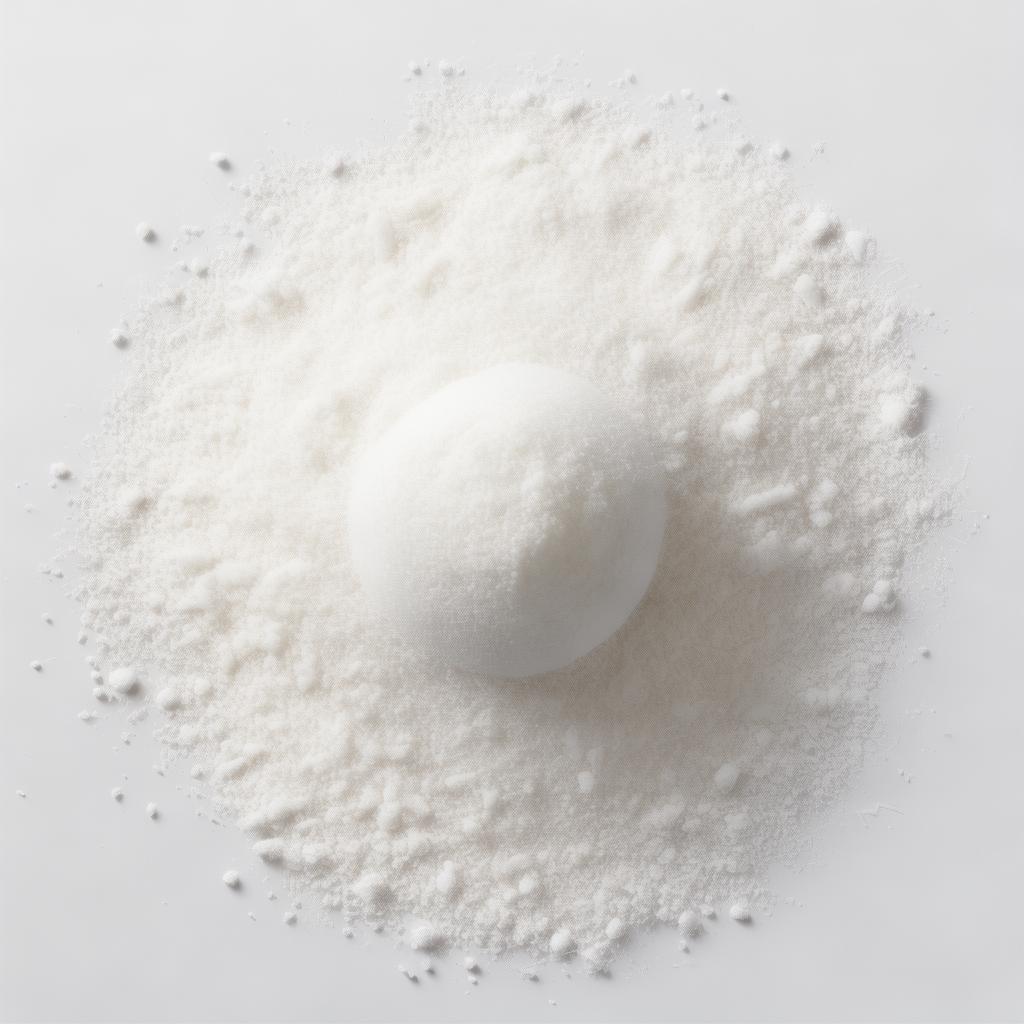
- Starch: 25-28% amylose, 72-75% amylopectin. Phosphorus esters in amylopectin affect viscosity.
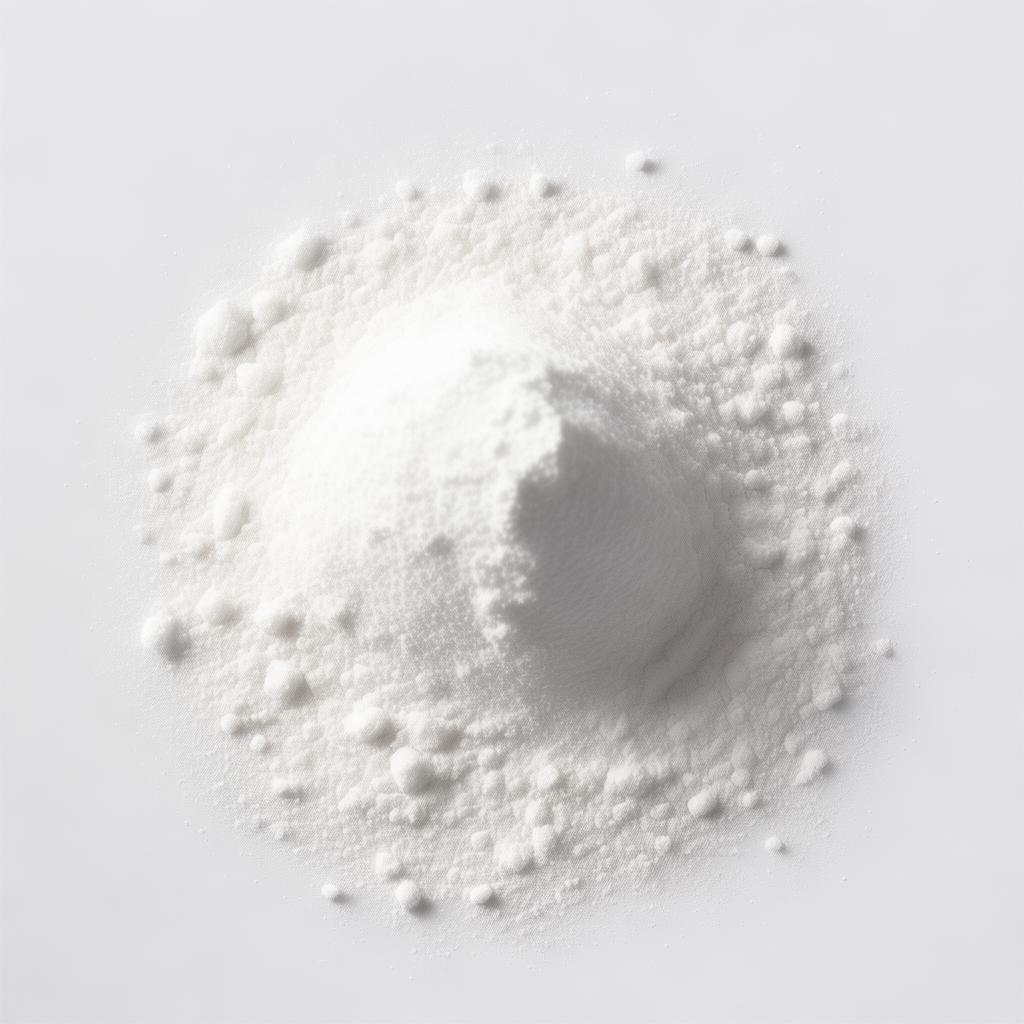
- Cellulose: 100% linear glucose backbone pre-modification. Post-etherification, tailored methoxyl/hydroxypropyl ratios (e.g., 19-30% for construction HPMC).
Procurement tip: Always check DS (degree of substitution). Low DS cellulose gels slowly; high DS snaps viscosity. Starch's branching makes control trickier—batches vary by crop year.
| Property | Starch | Cellulose (Native) | Modified Cellulose (e.g., HPMC) |
|---|---|---|---|
| Glycosidic Bond | α-1,4 / α-1,6 | β-1,4 | β-1,4 + ether groups |
| Structure | Helical/Branched | Linear/Fibrillar | Tailored solubility |
| Solubility in Water | Hot water swells | Insoluble | Cold/hot soluble |
| Enzymatic Digestibility | High (amylase) | Low (cellulase needed) | Engineered resistance |
difference between starch and cellulose what are the difference between starch and cellulose what is the difference between cellulose and starch
This table comes from our internal testing. We've compared against starch imports for years. Cellulose wins on consistency.
Head-to-Head in Manufacturing Scenarios
Composition differences hit hard in use cases. Starch shines in food—puddings, papers. But for dry-mix mortars? Cellulose rules.
Take water retention. HPMC holds 30-50% more under shear than starch ethers. I've pulled failed batches where starch dehydrated too fast, cracking tiles on install.
One importer from Texas shared: Switched to our CMC after starch lots fermented in transit. Cellulose's beta bonds resist microbial attack better.
Cost angle: Starch cheaper upfront, but rework kills margins. Cellulose derivatives cut labor by extending open time—mortar workable 20-30% longer.
Warning from the Factory Floor: Avoid starch in alkaline mixes. Saponifies fast. Cellulose ethers thrive at pH 8-12.
Logistics note: Our 25kg bags of RDP-VAE or HPMC stack 26-28 per pallet. Starch often needs anti-caking, adding weight.
Where Each Fits in B2B Supply Chains
Starch: Food thickeners, adhesives, textiles. Soluble, biodegradable fast.
Cellulose: Broader. Construction (HPMC in plasters), pharma (HEC as suspending agent), coatings (MHEC for rheology). Our PCE superplasticizers pair with them for concrete.
Case from operations: A Midwest contractor used our gypsum retarder with HPMC. Slowed set time 45 minutes vs. starch, no segregation.
- Pharma: Cellulose for vegan capsules; starch swells in humidity.
- Building: HPMC prevents bleeding in grouts.
- Personal Care: MHEC stabilizes emulsions; starch clouds.
Tang Zhi's edge? We blend custom viscosities. 50,000 cps standard, up to 200,000 on request.
Procurement Guide: Spotting the Right Supplier
Don't chase rock-bottom starch. Look for cellulose with ISO 9001, REACH compliance. We hold both.
Lead times: 15-25 days FOB Tianjin. Full container? Discounts kick in at 20 tons.
- Verify viscosity curves—Brookfield data mandatory.
- Test gel temp; cellulose hits 58-65°C reliably.
- Sample first. We ship 1-2kg free to serious buyers.
- Check ash content <1.5% for purity.
Risk: Offshore starch adulterated with dextrins. Our lab tests every batch via HPLC.
Tang Zhi Technology: 140,000 sqm Cellulose Powerhouse
Located in Jinzhou, Hebei. 90,000 sqm built space, automated lines for 40,000+ tons/year. HPMC, MHEC, CMC, RDP-VAE, PCE—all under one roof.
Export to 50+ countries. CE, ISO certified. Contact: +86-15032625168 (WhatsApp/Call) | admin@tangzhicellulose.com | Room 2308, Dongsheng Plaza 2, No. 508 Zhongshan East Road, Chang’an District, Shijiazhuang, Hebei, China.
We've optimized for USA importers: Palletized, fumigated for smooth CBP clearance.
FAQs from Procurement Teams
Q: Can starch replace cellulose in tile adhesives?
A: Rarely. Loses water retention above 2% dosage. HPMC at 0.3-0.5% suffices.
Q: What's the composition impact on price?
A: Cellulose production higher energy (alkali cook), but stable supply from wood pulp beats crop-volatile starch.
Q: Lead time for samples?
A: 3-5 days DHL. Full MOQ 1 ton trial.
Q: Vegan compliant?
A: All our cellulose from non-animal sources. Kosher/Halal on request.
Q: Storage warnings?
A: Cool, dry. Cellulose lasts 2+ years; starch risks clumping post-12 months.
Feedback from Importers and Managers
John Reyes, Procurement Director, Texas Construction Supply: "Tang Zhi's HPMC explanation cleared up why starch failed our mixes. Switched, cut rework 25%. Fast samples too."
Laura Chen, Ops Manager, Midwest Pharma Distributor: "Detailed comp breakdown helped spec CMC over starch. Consistent viscosity, no batch issues. Recommended."
Mike Patel, Supply Chain Lead, California Coatings: "Beta bonds matter. Their MHEC holds better than starch imports. Logistics smooth, 18-day delivery."
Sarah Kline, Project Engineer, Florida Builder: "Buyer guide spot-on. OEM blend for gypsum worked perfect. Talked engineer via WhatsApp—real expertise."
By Li Wei, Production Manager, Tang Zhi Technology (Hebei) Co., Ltd. 15+ years in cellulose ether manufacturing. Connect on LinkedIn.
Ready to Source Reliable Cellulose?
Get factory-direct pricing, free samples, or custom formulation advice.
Call/WhatsApp: +86-15032625168 | admin@tangzhicellulose.com
Meta Title: How Are Starch and Cellulose Different in Their Composition? | Industrial Guide - Tang Zhi
Meta Description: Expert breakdown of starch vs cellulose composition: bonds, structure, industrial uses. Why cellulose derivatives like HPMC excel for manufacturing. Factory-direct from China supplier.