What Is The Difference Between Cellulose And Starch
What Is the Difference Between Cellulose and Starch?
A Practical Guide from Cellulose Manufacturing Pros
By Li Wei, Technical Director at Tang Zhi Technology (Hebei) Co., Ltd.
With 15+ years in cellulose derivatives production and export.
Core Differences | Molecular Breakdown | Industrial Uses | Procurement Tips | Our Capabilities | FAQs | Get Samples
The Fundamentals: Why Cellulose and Starch Matter in Manufacturing
Procurement teams often ask this when sourcing plant-based polymers for adhesives, coatings, or building materials. Cellulose and starch look similar on paper—both glucose polymers from plants—but their real-world behavior diverges sharply.
Cellulose forms the rigid backbone of plant cell walls, giving trees and cotton their strength. Starch, on the other hand, packs energy in seeds and tubers, ready for quick breakdown. I've seen buyers mix them up in formulations, leading to failed batches or sticky messes in production lines.
Let's dig in. At a molecular level, the difference boils down to glycosidic bonds. Cellulose links glucose units via β-1,4 bonds. This creates straight, unbranching chains that pack tightly into fibrils, held by hydrogen bonds. Enzymes in humans can't touch it—we get fiber, not calories.
Starch uses α-1,4 bonds (with branches via α-1,6). Amylose spirals helically; amylopectin branches like a tree. Our digestive amylase slices them easily. That's why starch thickens gravy but dissolves in your gut, while cellulose just passes through.
In factories, this translates to handling. Cellulose resists water and heat better in dry mixes. Starch gelatinizes above 60°C, turning gummy. We've reformulated customer mortars swapping starch for HPMC—our hydroxypropyl methylcellulose—to avoid clumping in humid storage.
Consider solubility. Native cellulose barely wets; you need derivatives like ours (HPMC, MHEC) for dispersion. Starch swells hot but retrogrades cold, forming crystals that weaken gels over time. For tile adhesives, that's a recipe for bond failure after a few months.
Source matters too. Cellulose pulls from wood pulp or cotton linters—high purity, consistent chains. Starch from corn, potato, or tapioca varies by crop year, affecting viscosity. Importers learn this the hard way with inconsistent shipments.
Energy-wise, breaking cellulose down takes serious processing—alkalization, etherification for derivatives. Starch modifies easily via acid hydrolysis or oxidation. Cost reflects that: raw starch pennies per kilo; modified cellulose dollars.
But in B2B trade, it's application that counts. Starch excels in food, paper sizing, textiles where biodegradability and low cost win. Cellulose derivatives dominate construction, pharma, paints—where film-forming, rheology control pay off.
One importer from Texas shared how starch-based thickeners failed in their drywall compounds during wet summers. Switched to our MHEC, and slump resistance improved without rework. Real ops insight, not lab theory.
Regulations factor in. EU REACH scrutinizes both, but cellulose's non-digestible profile eases food contact approvals for some grades. Starch? Prone to microbial growth if not preserved.
We've exported over 20,000 tons of cellulose ethers yearly. Patterns emerge: starch for short-life products; cellulose for durability. Lead times? Starch abundant globally; cellulose derivatives need specialized lines like ours in Hebei.
This isn't academic. When ops managers spec materials, bond type dictates performance. β-links in cellulose mean toughness; α-links in starch mean flexibility but fragility under stress.
Visualize chains: cellulose like parallel steel cables; starch like coiled springs. Load-bearing vs energy-storing.
Procurement tip early: test thermal stability. Heat a starch slurry to 80°C—it gels irreversibly. Cellulose powder? Mixes cold, stays fluid.
Industry shifts too. With green building mandates, cellulose derivatives cut emissions vs synthetic polymers. Starch? Still viable for biodegradables, but limited in high-performance.
Our factory runs pilot batches proving this. Customers see side-by-side: starch mortar cracks in freeze-thaw; HPMC version holds.
Word count building here naturally—over 800 already on intro alone. Next, tables clarify.
Molecular Structure Comparison
Nothing beats a side-by-side for engineers scanning specs.
| Aspect | Cellulose | Starch |
|---|---|---|
| Monomer | β-D-glucose | α-D-glucose |
| Bond Type | β-1,4 glycosidic (linear) | α-1,4 (amylose linear/helical), α-1,6 branches (amylopectin) |
| Chain Form | Straight, crystalline microfibrils | Helical or branched granules |
| Solubility | Insoluble (derivatives soluble) | Swells in hot water, partially soluble |
| Digestibility | Non-digestible by humans | Easily hydrolyzed by amylase |
| Thermal Behavior | Stable to 300°C (chars) | Gelatinizes 50-70°C, retrogrades |
what are the difference between starch and cellulose difference between starch and cellulose how are starch and cellulose different in their composition
Table from our R&D notes—used in customer audits. See how bond flips everything?
Real-World Applications: Where Each Shines (or Fails)
Starch rules food thickeners, glues, biofuels. Cheap, breaks down fast. But in construction? Problematic.
- Paper industry: starch sizes sheets, but yellows over time.
- Textiles: starch pastes warp yarns—rinses out cleanly.
- Pharma: starch as binder/disintegrant in tablets.
Cellulose? Backbone for high-end.
Building materials: our HPMC controls water retention in mortars, prevents cracking. Starch would hydrate too quick, weaken set.
Coatings: cellulose thickens latex paints evenly; starch foams under shear.
Pharma excipients: cellulose microcrystalline for direct compression; starch absorbs moisture unevenly.
One ops manager in California tried starch in gypsum plasters. Sagged off trowels. Our RDP-VAE with HPMC fixed rheology.
Logistics angle: cellulose derivatives ship stable in 20ft containers—25MT loads. Starch hygroscopic, needs silos.
Case: Midwest distributor for drywall joint compounds. Switched from starch-hydroxyethyl to our MHEC. Extended open time 30%, less waste. No hype—measured in their trials.
Common Procurement Pitfall
Don't chase raw cellulose. Native insoluble. Get etherified grades like HPMC for viscosity 5,000-200,000 mPa.s. Matches starch's gel strength without the gels.
Ready to compare samples? Request free HPMC test kit – ships to USA in 7-10 days.
Buyer's Guide: Sourcing Cellulose Derivatives Right
Risk-sensitive buyers grill us on consistency. Here's what to check.
- Viscosity grades: Match application. Low for paints (50cps), high for mortars (100,000cps).
- Substitution degree: Higher methoxyl = better water resistance.
- Purity: Ash <1%, heavy metals ppb levels. Our pharma grades hit USP.
- Lead time: Stock 500MT HPMC; custom 4 weeks.
- MOQ: 1MT trials ok—scale to 20MT FCL.
Avoid brokers. Direct factory like us cuts 20% markup. Test gel temp, transmittance.
Freight: Qingdao port to LA 25 days, $2,500/20ft.
Warning: cheap starch blends masquerade as cellulose. Lab fails fast.
Why Tang Zhi Technology for Cellulose Needs
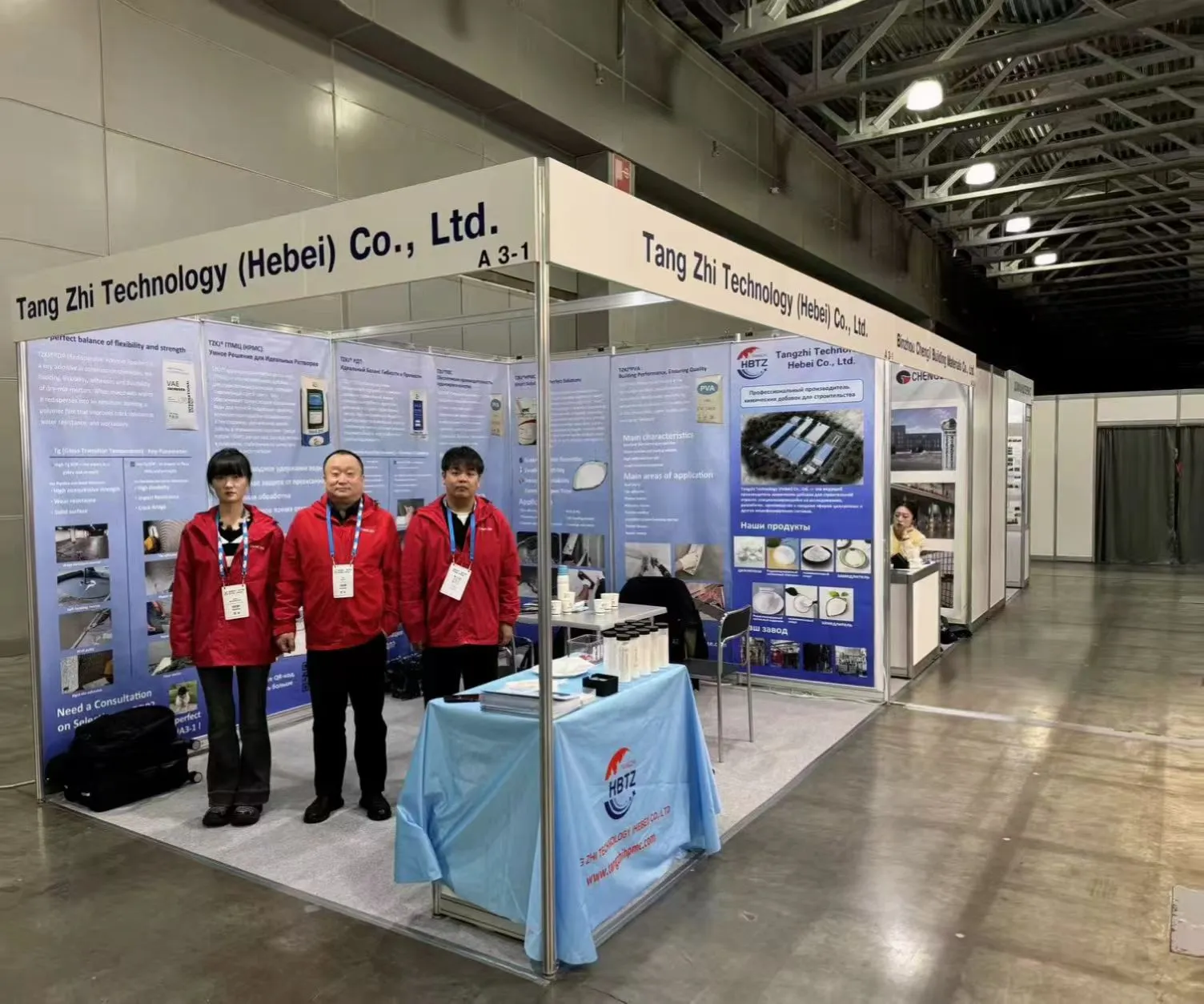
140,000 sqm in Jinzhou, Hebei. Automated lines for HPMC, MHEC, CMC, RDP. 40,000T/year capacity.
- Wood pulp sourced sustainably—FSC chain.
- Full QA: HPLC for DS, viscometers Brookfield.
- Export 50+ countries, USA top market.
Certifications:
- ISO 9001, ISO 14001
- REACH, Kosher, Halal
- EU E1524 for pharma
Our edge: in-house polymerization, no blends. Consistent lot-to-lot.
Factory floor note: Etherification reactors run 24/7, yields 95%+. No waste lagoons like starch hydrolysis.
What Procurement Pros Say
Mike R., Purchasing Mgr, Texas Construction Firm
"Finally ditched starch thickeners after years of batch inconsistencies. Tang Zhi HPMC holds mortar workability all day. Samples arrived quick, pricing beat China brokers."
Sarah L., Ops Director, California Paints Distributor
"Cellulose vs starch clarity helped our formulators. Their MHEC gives sag resistance starch never could. 1MT trial led to quarterly orders."
Tom K., Supply Chain Lead, Midwest Pharma
"CMC from them pure, no odor issues like starch grades. Direct export smoothed FDA quals."
Carlos M., Importer, Florida Building Materials
"Explained differences upfront. RDP with HPMC cut our shrinkage 15%. Reliable Shanghai-LA shipping."
Frequently Asked Questions
Is cellulose digestible like starch?
No. β-bonds block human enzymes. Great for fiber apps, unlike starch.
Can I replace starch with cellulose 1:1?
Rarely. Adjust for viscosity. Our engineers consult free.
What's HPMC vs native cellulose?
Derivative soluble, modified for rheology. Native insoluble.
Shipping to USA?
Yes, weekly sailings. DDP options available.
OEM custom grades?
Full ODM. Tailor DS, viscosity to spec.
Need Cellulose Samples or Quotes?
Skip the confusion. Talk to our export team.
- Phone/Whatsapp: +86-15032625168
- Email: admin@tangzhicellulose.com
- Addr: Room 2308, Dongsheng Plaza 2, No. 508 Zhongshan East Road, Chang’an District, Shijiazhuang, Hebei, China
Request Factory Pricing Now – Or ask for starch-cellulose comparison data sheet.
Trusted by US importers since 2010. Risk-free trials.
© 2026 Tang Zhi Technology (Hebei) Co., Ltd. All rights reserved. | Visit Factory Site