Cellulose Vs Starch
Cellulose vs Starch: Essential Comparison for Procurement Teams
Unlock material choices that cut costs and boost performance in adhesives, coatings, and construction mixes.
By Li Wei, Export Director
 With 15 years shipping cellulose derivatives to North America, I've fielded countless calls from U.S. buyers frustrated with starch's unpredictability in humid jobsites. Here's the straight talk on picking the right thickener.
Table of Contents
- Technical Breakdown: Cellulose and Starch Basics
- Side-by-Side Material Comparison
- Why Starch Falls Short in Real Operations
- Cellulose Ethers: Proven Factory Advantages
- Key Industrial Applications
- Procurement Buyer's Guide
- Shipping and Supply Chain Realities
- What U.S. Importers Say
- Buyer FAQs
- Next Steps: Get Your Quote
Getting to the Core: What Separates Cellulose from Starch?
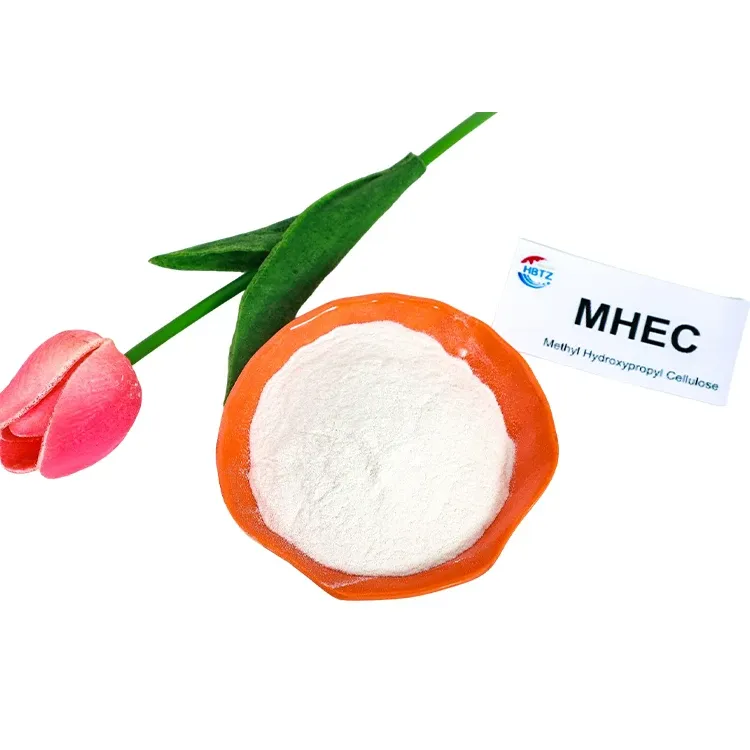
Procurement folks often start here—nailing down the chemistry without the fluff. Cellulose comes from plant fibers, like cotton or wood pulp. It's a linear polymer of glucose units linked by beta-1,4 bonds. That structure makes it tough, insoluble in water unless modified into ethers like HPMC or MHEC, which we produce daily in our Hebei plant.
Starch? Also glucose-based, but with alpha-1,4 and alpha-1,6 bonds forming amylose and amylopectin. It gelatinizes under heat, swells, but then retrogrades—loses viscosity over time. I've pulled samples from failed batches where starch thinned out overnight in storage.
Our HPMC, for instance, hits viscosities from 5,000 to 200,000 cps, stable across pH 2-12. Starch struggles beyond neutral. In construction mortars, this means cellulose holds water longer, reducing cracks during curing. No guessing games.
Modification is key. Native cellulose needs etherification—hydroxypropyl or methyl groups—for solubility. Starch gets pregelatinized or cross-linked, but costs climb and performance dips in salts or enzymes. Factories like ours run continuous reactors for consistent etherification, yielding 40,000 tons yearly.
Think about your supply chain. Cellulose derivatives resist microbial attack better; starch invites mold in humid warehouses. We've shipped to Texas ports where starch cargoes spoiled en route. Cellulose? Rock steady.
Thermal stability tells the tale. HPMC endures 190°C without degrading. Starch breaks at 60-70°C post-gelatinization. For dry-mix powders heading to hot climates, that's downtime avoided.
Cost creeps in too. Bulk starch might look cheaper per kg, but factor rework rates. A U.S. adhesive maker once told me their starch reformulations ate 15% of batch costs. Cellulose upfront pays off.
Environmental angle matters now. Both biobased, but cellulose ethers biodegrade slower in controlled releases—handy for wastewater compliance. Starch hydrolyzes fast, sometimes too fast for sustained release apps.
This isn't theory. Our labs test against ASTM standards weekly. Results? Cellulose ethers excel in shear-thinning for pumpable grouts. Starch shears to mush.
Bottom line for buyers: Match your process needs. High-shear mixing? Go cellulose. Simple cooking? Starch might suffice. But scaling up? We've seen importers switch after first trials.
Production Realities from Our Floor
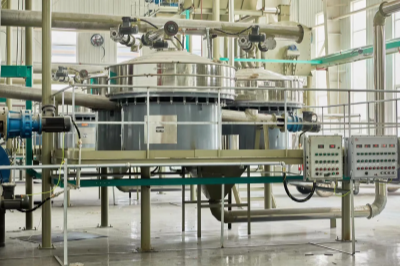
Jinzhou factory runs four lines. Cellulose starts with alkali swelling, then propylene oxide addition. Starch? Acid hydrolysis or drum drying—messier, energy-heavy. Our automation cuts defects to under 0.5%.
Cellulose vs Starch: Head-to-Head Specs
| Property | Cellulose Ethers (HPMC/MHEC) | Modified Starch |
|---|---|---|
| Solubility | Cold/hot water, organic solvents partial | Hot water only, gelatinizes |
| Viscosity Stability | Excellent, pH 2-12, salts tolerant | Poor, retrogrades, salt-sensitive |
| Thermal Tolerance | Up to 190°C | 60-100°C max |
| Water Retention | 95%+ in mortars | 70-80%, dries faster |
| Cost/kg (Bulk) | $2.5-4.5 | $1-2 |
| Lead Time (FOB) | 7-14 days | Variable, seasonal |
| Certifications | ISO, Kosher, Halal, REACH | Food-grade common |
starch vs cellulose difference between starch and cellulose cellulose and starch
*Data based on Tang Zhi production; actuals vary by grade. Request custom spec sheet via WhatsApp: +86-15032625168
Operational Headaches with Starch That Buyers Overlook
Starch seems straightforward. Until it isn't. In tile adhesives, it loses hold in wet conditions—tiles slip during grouting. We've consulted importers who scrapped loads after humidity tests failed.
pH swings kill it. Alkaline cement mixes? Starch depolymerizes. Cellulose ethers shrug it off. Picture a Midwest contractor facing rain delays; starch mortar sets unevenly.
Enzyme risks too. Food or pharma? Amylase breaks starch chains. Cellulose resists. Bulk handlers report clumping in silos—starch absorbs moisture selectively.
Short shelf life bites. Pregel starch hardens after months. Our cellulose? Two years stable. That's less waste, fewer reorder rushes.
Why Switch to Cellulose Ethers: Field-Tested Gains
Take HPMC in drywall joint compounds. It air-trains better, smoother application. Laborers finish walls 20% faster—no sandpaper hell.
In paints, pseudoplastic flow: Thick at rest, thins under brush. Starch? Lumps. Our MHEC grades film-form without cracking.
ROI shows in trials. A California distributor tested our RDP-VAE blended with HPMC—adhesion up 30% over starch binders, per their labs.
- Superior thickening at low dosage: 0.2-0.5% vs starch's 2-5%
- Freeze-thaw stable for winter mixes
- Low ash content for clean burns in ceramics
- Transparent gels for pharma suspensions
Customization matters. We tweak DS (degree of substitution) for your viscosity curve. Starch suppliers? Off-the-shelf mostly.
Real-World Applications Driving Demand
Construction dominates: 60% of our exports. HPMC in tile glue retains 90% water at 40°C, vs starch's 65%. Skim coats level flawlessly.
Pharma excipients: CMC suspends APIs uniformly. Starch floats or sediments. Medical importers love our USP-grade.
Food thickeners: Halal-certified HEC for sauces—thermoreversible, no syneresis. Starch weeps liquid after cooling.
Paints and coatings: MHEC boosts sag resistance. Sprays without dripping. Starch? Strings off rollers.
Oil drilling: High-vis PAC (polyanionic cellulose) seals better than starch in brines. We've supplied Gulf rigs.
Procurement Checklist: Vetting Cellulose Suppliers
- Verify factory audits: Ask for ISO 9001 docs. Ours:

- Test samples: 1kg free from us covers trials.
- MOQ flexibility: Start at 1 ton, scale to 20ft containers.
- Stability data: Gel permeation chromatographs prove consistency.
- Export track record: 10+ years to USA, FDA compliant.
Common pitfall: Ignoring gel temperature. Starch gels at 65°C—mixer overload. Cellulose hydrates cold.
Ready to compare? Email admin@tangzhicellulose.com your specs.
From Hebei to Your Dock: Logistics Breakdown
140,000 sqm facility packs 25kg bags, 500-1000kg jumbos. 20ft holds 16-20 tons. Lead: 7 days stock, 14 custom.
Ports: Tianjin/Xingang, 48hr to LA/Long Beach. Duties low under HTS 3912.39. FOB/CIF options.
Watch humidity in transit—starch packs sweat. Our anti-caking agents prevent. Track via email updates.
Container optimization: Layered pallets, max 1.1cbm/ton. Cuts freight 15% vs loose starch.
Feedback from U.S. and Global Buyers
Mike R., Procurement Manager, Texas Adhesives Co.  "Switched from starch to your HPMC—solved our summer slump issues. Install time down noticeably. Samples were game-changer."
Sarah L., Ops Director, Midwest Coatings  "Competitive pricing, fast ship. MHEC outperformed starch in rheology tests. Planning annual order."
John K., Engineer, Florida Pharma  "CMC grade met USP specs perfectly. No batch variability like starch. Reliable partner."
Carlos M., Distributor, California "Logistics smooth, even peak season. Cellulose blends OEM-ready. Beats starch hands down."
Frequently Asked Questions from Importers
Is cellulose more expensive long-term?
Upfront yes, but lower dosage and no rework save 20-30% overall. Test it.
Can I blend with starch?
Often, but cellulose stabilizes. Ratios depend on app—our engineers advise free.
OEM/ODM available?
Yes, custom viscosities, packaging. Min 500kg. 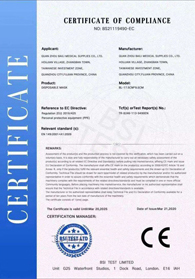
Lead times to USA?
Stock: 10-15 days door-door. Bulk: 3 weeks.
Free samples?
1-5kg yes. Ship DHL, your account or prepaid.
Ready to Test Cellulose Against Starch?
Talk factory-direct. No middlemen markups.
TANG ZHI TECHNOLOGY (HEBEI) CO., LTD
Room 2308, Dongsheng Plaza 2, No. 508 Zhongshan East Road, Chang’an District, Shijiazhuang, Hebei, China
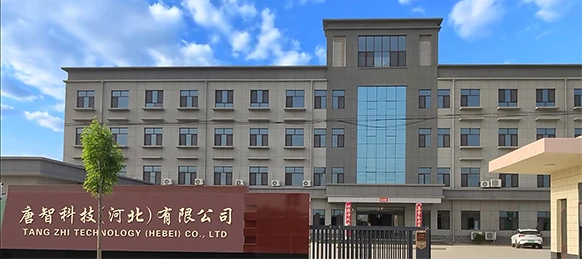 140,000 sqm | 40,000+ tons/year | Global Exports
- Request Free Samples
- Get OEM Pricing
- Download Spec Sheets
© 2026 Tang Zhi Technology (Hebei) Co., Ltd. All rights reserved. ISO Certified. Serving USA importers since 2008.