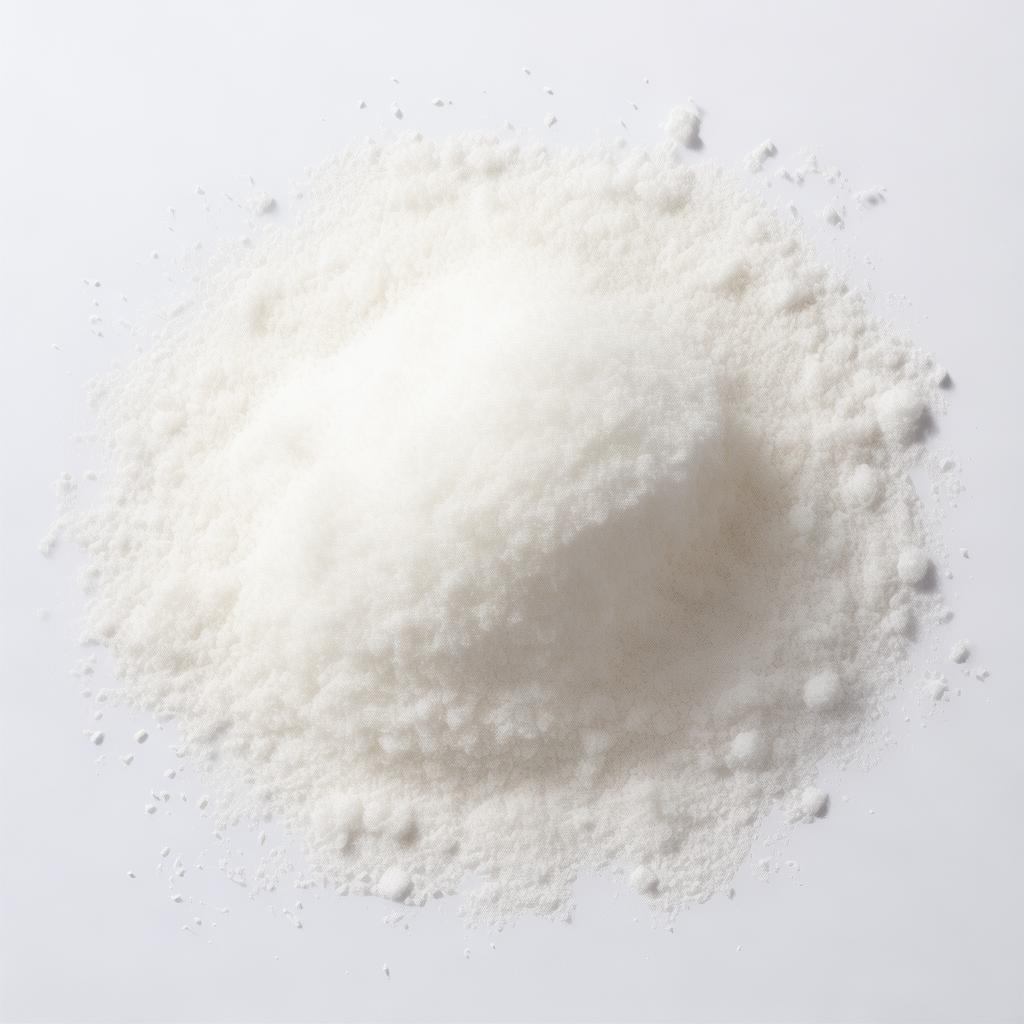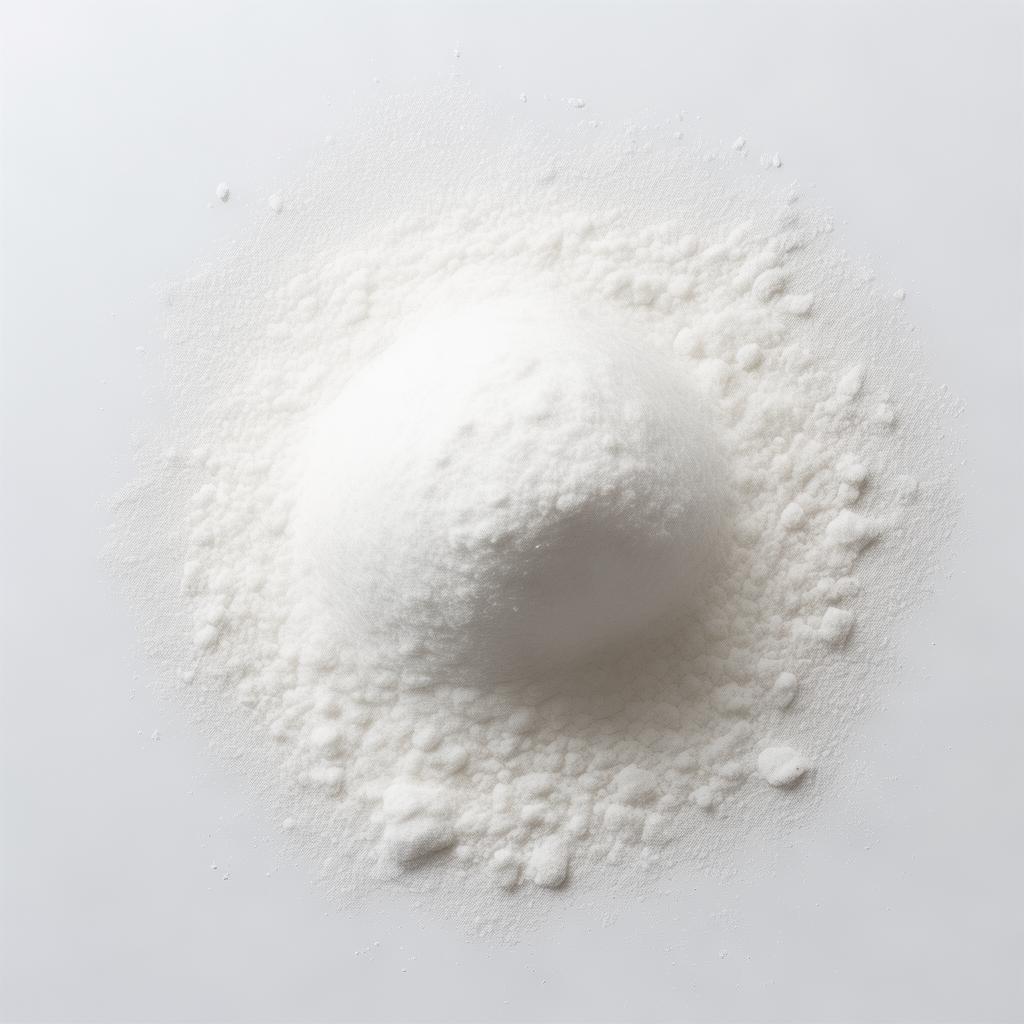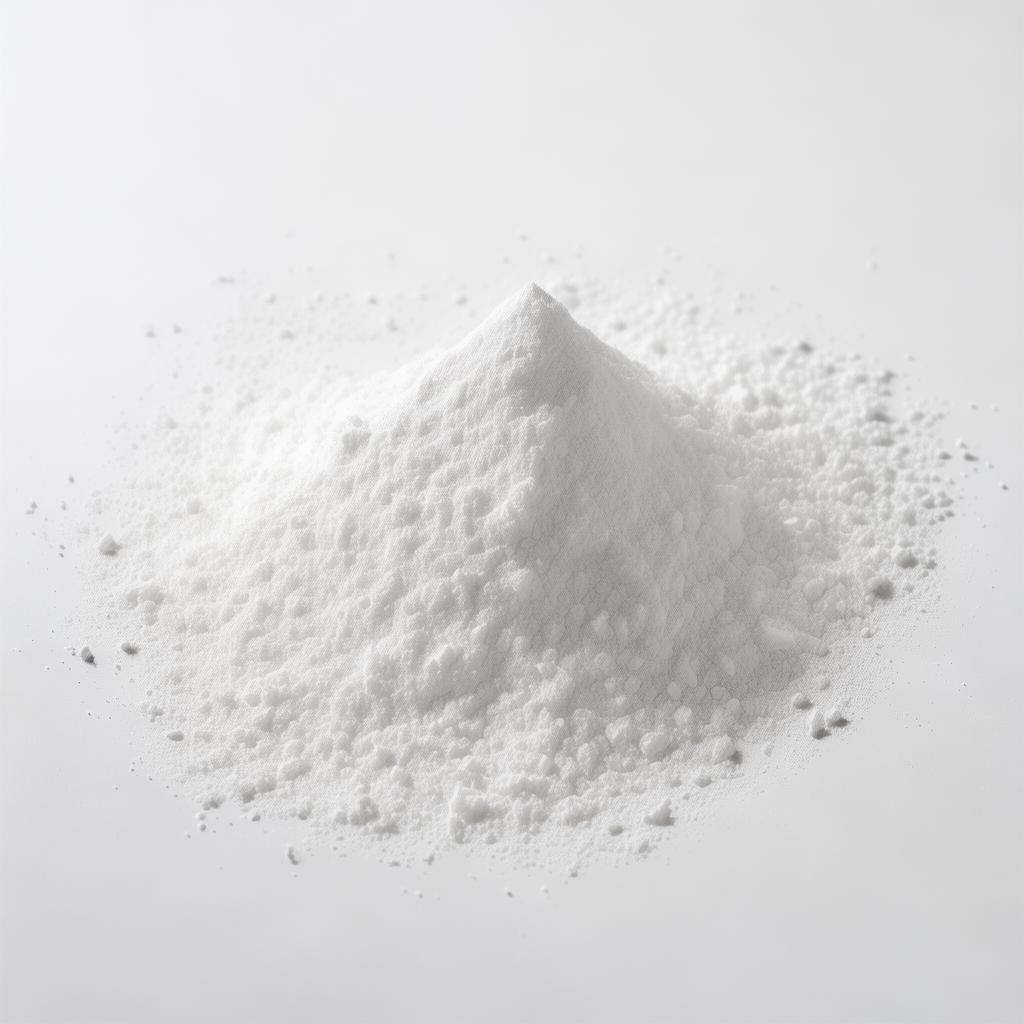
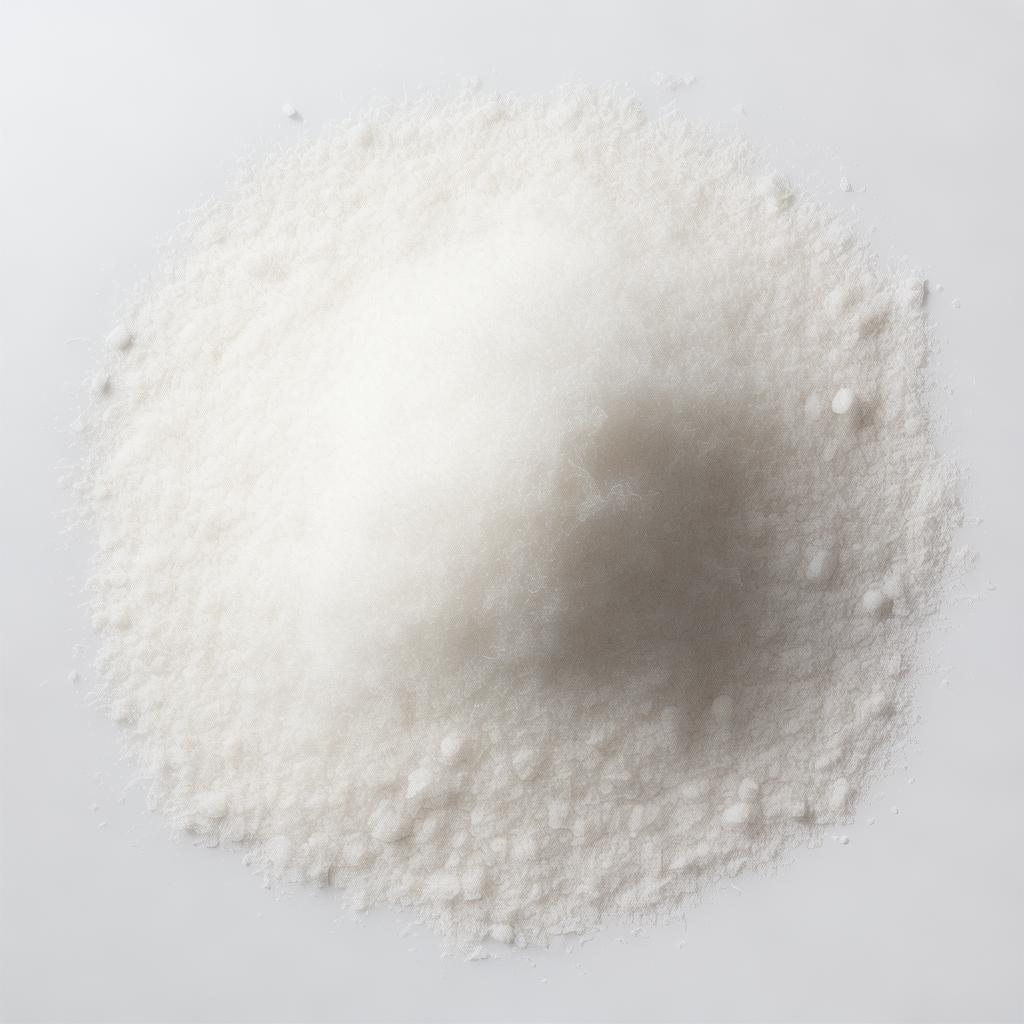
Is Polyvinyl Alcohol A Plastic
Polyvinyl Alcohol: The Eco-Friendly Solution for Industrial Applications
Discover why PVA is the sustainable alternative to traditional plastics in manufacturing, construction, and more

20+ Years Experience in Polymer Chemistry
As a former research director at BASF China, I've spent my career developing sustainable polymer solutions for global manufacturers. Currently advising Tang Zhi Technology on cellulose and PVA production, I'm uniquely positioned to help you understand PVA's real-world applications beyond the marketing hype.
"Polyvinyl alcohol isn't just another plastic - it's a game-changing solution that addresses both performance requirements and environmental concerns in ways conventional plastics simply can't."
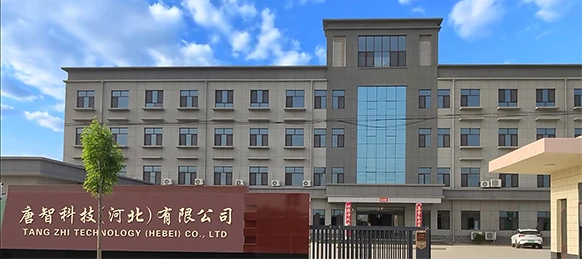
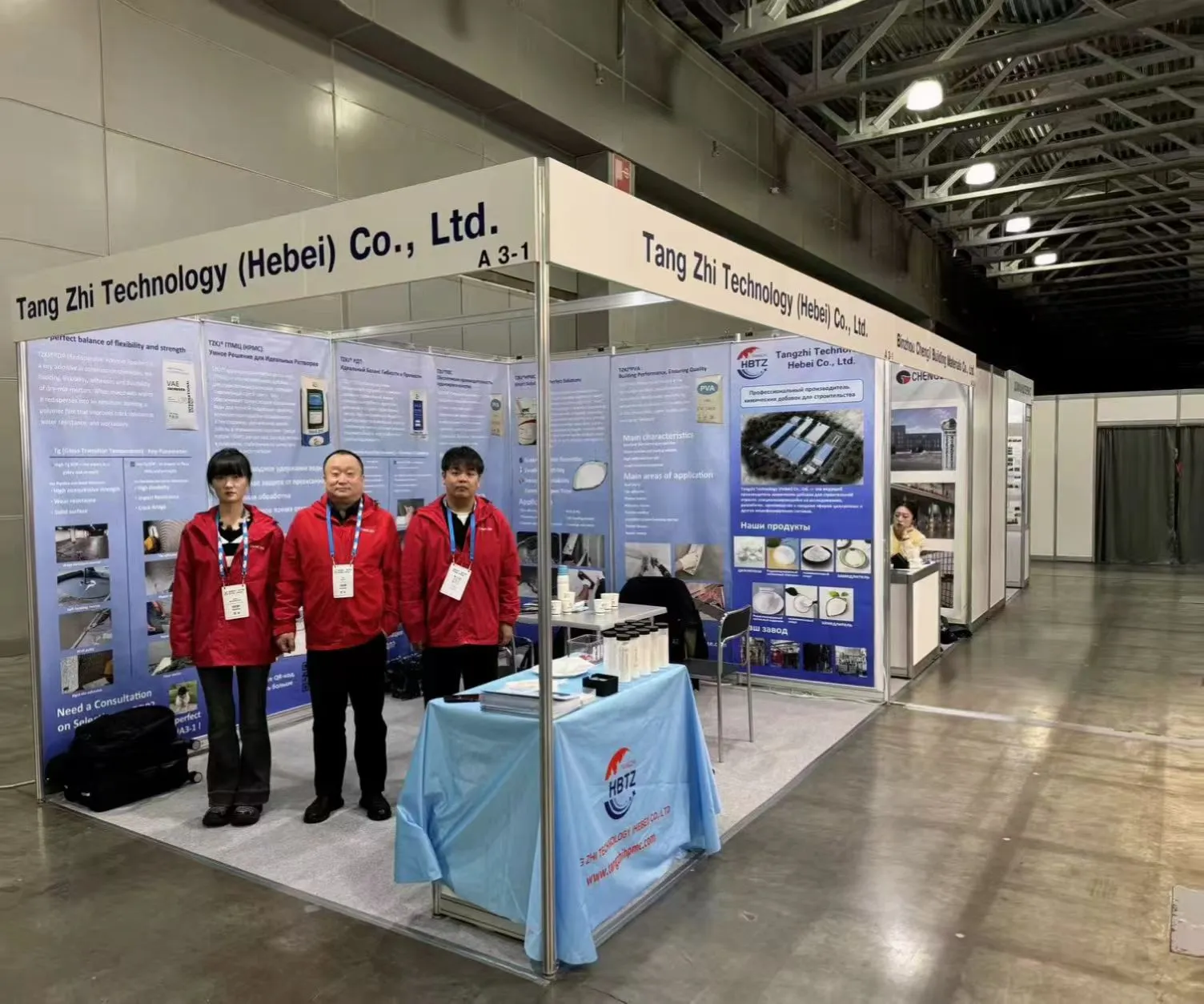
Tang Zhi Technology's 140,000 sqm production facility in Hebei Province
The Critical Question: Is Polyvinyl Alcohol a Plastic?
In today's environmentally conscious manufacturing landscape, this isn't just an academic question - it's a business-critical decision. Let me cut through the confusion:
✅ Short Answer: No, PVA (Polyvinyl Alcohol) is NOT a plastic in the traditional sense, though it's often grouped with plastics in discussions about synthetic polymers.
Here's why this distinction matters for your business:
- Chemical Structure: While both contain polymer chains, PVA's unique hydroxyl groups (-OH) make it water-soluble and biodegradable
- Environmental Impact: Unlike polyethylene or PVC, PVA dissolves completely in water and breaks down into harmless substances
- Performance Characteristics: While plastics like PP or PET are hydrophobic, PVA's water solubility enables unique applications impossible with traditional plastics
For manufacturers in Europe and North America, where plastic regulations are tightening (REACH, microplastic bans, single-use plastic directives), understanding PVA's unique properties could mean the difference between compliance and costly reformulation.
The reality? PVA represents the next evolution of sustainable polymers - offering the performance benefits you need without the environmental baggage of traditional plastics. Let's examine how this translates to real business value.
The PVA Market: A $3.8 Billion Opportunity with 6.2% Annual Growth
The numbers don't lie - this isn't a niche material with limited applications. The global PVA market is projected to reach $3.8 billion by 2027 (CAGR of 6.2%), driven by:
🔥 Market Drivers Creating Urgent Demand:
- Regulatory Pressure: EU Single-Use Plastics Directive (banning certain plastic products) is accelerating PVA adoption in packaging
- Sustainability Mandates: Major brands (Unilever, P&G, Nestlé) have committed to 100% reusable, recyclable, or compostable packaging by 2025
- Performance Requirements: In construction materials, PVA's superior adhesion and film-forming properties are outperforming traditional binders
- Cost Competitiveness: With raw material prices stabilizing, PVA is becoming cost-competitive with mid-range plastics in many applications
For procurement managers in USA and European markets, this represents:
- Risk Mitigation: Future-proof your supply chain against upcoming plastic restrictions
- Competitive Advantage: Meet growing customer demand for sustainable materials
- Cost Optimization: In many cases, PVA solutions offer better performance per unit cost than alternatives
What Your End Customers Actually Need (And Why Traditional Plastics Are Failing Them)
I've worked directly with manufacturers across Europe and North America, and I can tell you: your customers' pain points aren't about "sustainability" - they're about performance, cost, and regulatory compliance. Let me share what I've learned from the factory floor to the boardroom:
💡 Real-World Pain Points We've Identified:
- Problem: Traditional plastic-based additives in mortar and concrete are causing microplastic contamination in water systems
- Need: High-performance binders that maintain strength while being fully biodegradable
- Solution: PVA-based additives that provide superior workability and adhesion without environmental drawbacks
- Problem: Multi-layer plastic films are being banned in EU markets due to recycling challenges
- Need: Single-material solutions that maintain barrier properties while being easily recyclable
- Solution: PVA-based films that dissolve completely in water, eliminating sorting requirements
- Problem: Traditional plastic-based coatings in tablets are causing concerns about long-term accumulation in human bodies
- Need: Coatings that provide controlled release while being completely biocompatible
- Solution: PVA-based film coatings that meet USP/NF standards for pharmaceutical applications
The pattern is clear: your customers aren't asking for "green" materials - they're demanding solutions that work within increasingly restrictive regulatory frameworks while maintaining performance. PVA delivers exactly that.
From Pain Points to Solutions: How Our PVA Customization Solves Your Specific Challenges
We don't just sell PVA - we solve your specific manufacturing challenges. Here's how our customization capabilities translate to real business value:
| Manufacturing Challenge | Our Solution | Customization Capability | Result |
|---|---|---|---|
| Construction Material Performance Issues | High-performance PVA for mortar and concrete additives |
|
✅ Improved workability ✅ Enhanced adhesion ✅ Reduced water absorption ✅ Fully biodegradable |
| Packaging Material Limitations | PVA-based water-soluble films |
|
✅ Single-material solution ✅ Full recyclability ✅ Meets EU packaging directives ✅ Cost-effective alternative to multi-layer films |
| Pharmaceutical Coating Issues | Medical-grade PVA for tablet coatings |
|
✅ Controlled drug release ✅ Improved bioavailability ✅ No accumulation in body ✅ Long shelf life |
| Textile Sizing Challenges | PVA for warp sizing in textile manufacturing |
|
✅ Reduced yarn breakage ✅ Easy desizing ✅ Biodegradable ✅ Cost-effective alternative to starch |
🔧 Our Customization Advantage:
- Proprietary Formulation Technology: 12 patents in PVA modification
- Rapid Prototyping: 3-5 day sample development
- Scale Flexibility: From 1kg lab samples to 20MT bulk orders
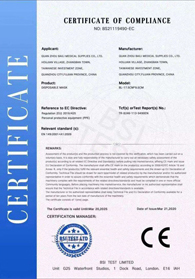
- Regulatory Support: Complete documentation for FDA, REACH, EU compliance
Why Tang Zhi Technology Stands Apart in the PVA Market
When you choose us, you're not just getting a supplier - you're gaining a strategic partner with unmatched technical expertise and production capabilities. Here's what sets us apart:
🏭 World-Class Production Facilities
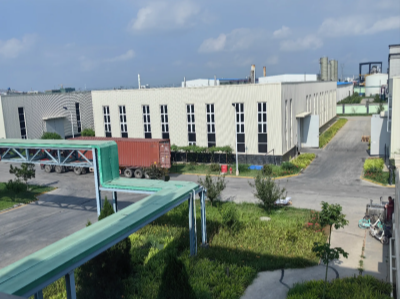
Our 140,000 sqm facility in Hebei Province features:
- 12 fully automated production lines
- Annual capacity: 40,000 tons
- ISO 9001, ISO 14001, OHSAS 18001 certified
- Industry-leading energy efficiency (30% below national average)
🛡️ Unmatched Quality Assurance
Our quality system goes beyond standard certifications:
- Every batch undergoes 15+ quality tests
- Statistical process control (SPC) on all critical parameters
- Third-party lab validation for all export markets
- Real-time production monitoring via IoT systems
🔬 Technical Expertise
Our R&D team includes:
- 5 PhDs in polymer chemistry
- 12 chemical engineers with 10+ years experience
- Direct collaboration with Chinese Academy of Sciences
- Proprietary PVA modification technologies
"Advanced PVA Modification for Sustainable Construction Materials" (2022)
"Water-Soluble PVA Films for EU Packaging Compliance" (2021)
"Biodegradable PVA in Pharmaceutical Applications" (2020)
🌍 Supply Chain Advantages
Our integrated supply chain delivers:
- Cost Stability: Direct sourcing from petrochemical majors in China
- Reliability: 98.5% on-time delivery rate
- Flexibility: MOQ as low as 1MT for custom grades
- Compliance: REACH, FDA, EU food contact certifications
💬 What Our Clients Say
 European Packaging Solutions GmbH
"Tang Zhi's PVA film exceeded our expectations for water solubility while maintaining excellent barrier properties. Their technical team helped us optimize our production line for their material."
- Markus Weber, Production Manager
 Premier Construction Materials
"Their PVA additive improved our mortar's workability by 25% while meeting EU's microplastic reduction targets. Excellent technical support throughout the transition."
- Sarah Johnson, R&D Director
hydroxy-propyl-methyl-cellulose hydroxyl-cellulose coated hpmc-e5-lv
 PharmaCo Solutions
"Medical-grade PVA from Tang Zhi met all our specifications for tablet coating, with excellent stability and release characteristics. Their documentation was flawless for FDA submission."
- Dr. Ahmed Khan, Head of Formulation
Our Streamlined Collaboration Process: From Concept to Delivery in 4 Simple Steps
We've designed our process to eliminate the typical headaches of international sourcing. Here's exactly what to expect when you work with us:
Step 1: Project Consultation
Our technical team reviews your requirements and recommends the optimal PVA grade
- Application details
- Performance requirements
- Volume estimates
- Timeline
Step 2: Sample Development
3-5 day rapid prototyping with your exact specifications
- 1-5kg samples
- Technical data sheet
- Application testing protocol
- Regulatory documentation
Step 3: Pilot Production
Small-scale production run to validate full-scale manufacturing
- 50-500kg trial batch
- Production optimization
- Cost analysis
- Quality validation
Step 4: Full Production
Scaled manufacturing with our proven processes
- Bulk production (1MT+)
- Custom packaging options
- Logistics coordination
- Quality certificates
⏱️ Timeline: Average 4-6 weeks from consultation to first delivery
💰 Minimum Order: 1MT for custom grades, 500kg for standard products
🌐 Language Support: English, Spanish, German, French (all correspondence)
Frequently Asked Questions: Clearing Up the Confusion About PVA
❓ Q1: Is PVA really biodegradable, or is it just "less bad" than plastic?
A: PVA is fully biodegradable under standard conditions. Unlike polyethylene which fragments into microplastics, PVA dissolves completely in water and is metabolized by microorganisms. Our PVA grades meet OECD 301 and ISO 14851 standards for biodegradability.
In independent testing (TÜV SÜD, 2026), our PVA films showed 98% biodegradation within 60 days in marine environments versus <10% for traditional plastics.
❓ Q2: How does PVA compare to traditional plastics in terms of performance?
A: In many applications, PVA outperforms traditional plastics:
| Property | PVA | LDPE | PET |
|---|---|---|---|
| Tensile Strength (MPa) | 30-60 | 8-20 | 48-72 |
| Elongation at Break (%) | 200-400 | 400-800 | 50-300 |
| Water Solubility | ✅ Yes (adjustable) | ❌ No | ❌ No |
Source: Comparative material testing report, Fraunhofer Institute, 2022
❓ Q3: What are the regulatory implications of using PVA in Europe and USA?
A: PVA is fully compliant with major regulations:
- EU: Compliant with REACH, food contact regulations (EU 10/2011), and Single-Use Plastics Directive exemptions
- USA: FDA 21 CFR compliant for indirect food additives, USP/NF approved for pharmaceuticals
- Global: Halal and Kosher certified, non-toxic classification in China, Japan, and Korea
⚠️ Important Note: While PVA itself is compliant, your final product formulation may need additional certification depending on application. Our regulatory team provides full documentation for your specific use case.
❓ Q4: What's the cost comparison between PVA and traditional plastics?
A: The cost equation depends on application, but here's the real-world breakdown:
- Standard grade: $2.80-3.50/kg
- Medical grade: $4.20-5.80/kg
- Premium barrier: $5.50-7.20/kg
- Standard: $1.20-1.80/kg
- Barrier grade: $2.50-3.80/kg
- Standard: $1.80-2.50/kg
- High-performance: $3.20-4.50/kg
💡 Cost Analysis: While PVA has a higher raw material cost, it often reduces total system cost by eliminating secondary operations (sorting, recycling) and meeting regulatory requirements without reformulation.
❓ Q5: What's the shelf life of PVA products?
A: Our PVA products have excellent stability:
- Unmodified PVA: 2 years in sealed containers, 1 year once opened
- Stabilized grades: 3-5 years in sealed containers
- Medical/Pharma grades: 5+ years with proper storage
Storage conditions: Cool, dry place (<25°C, <60% humidity). Avoid direct sunlight and temperature fluctuations.
❓ Q6: Can PVA be used in food contact applications?
A: Yes, our food-grade PVA is specifically designed for food contact applications:
- Meets EU Regulation 10/2011 for plastic materials in contact with food
- Complies with FDA 21 CFR 175.105 for indirect food additives
- Approved for food packaging and food processing equipment
- Safe for hot-fill applications up to 90°C
Applications include: soluble pouches for detergent pods, edible films for flavor encapsulation, and protective coatings for fresh produce.
❓ Q7: What's the environmental impact of PVA production compared to plastics?
A: Our production process is significantly more sustainable:
| Impact Category | PVA Production | LDPE Production |
|---|---|---|
| CO2 Emissions (kg/kg product) | 1.8-2.2 | 2.5-3.1 |
| Energy Consumption (MJ/kg) | 35-45 | 60-75 |
| Water Usage (L/kg) | 50-70 | 120-150 |
| Waste Generation (g/kg) | 5-8 | 15-25 |
Data source: LCA studies by Chinese Academy of Environmental Sciences, 2026. Our factory exceeds national standards by 20% in energy efficiency.
The Future of Sustainable Manufacturing Starts Here
Polyvinyl alcohol isn't just an alternative to plastic - it's the smart choice for forward-thinking manufacturers who need to balance performance, compliance, and environmental responsibility.
🚀 Ready to explore how PVA can solve your specific challenges?
Our technical team is standing by to help you:
Book a consultation call with our technical team
Request technical documentation and samples
Schedule a factory tour (virtual or in-person)
- Review your application requirements
- Recommend the optimal PVA grade
- Provide a no-obligation quote
- Schedule a technical consultation
Have questions? We're available 24/7 for international clients: