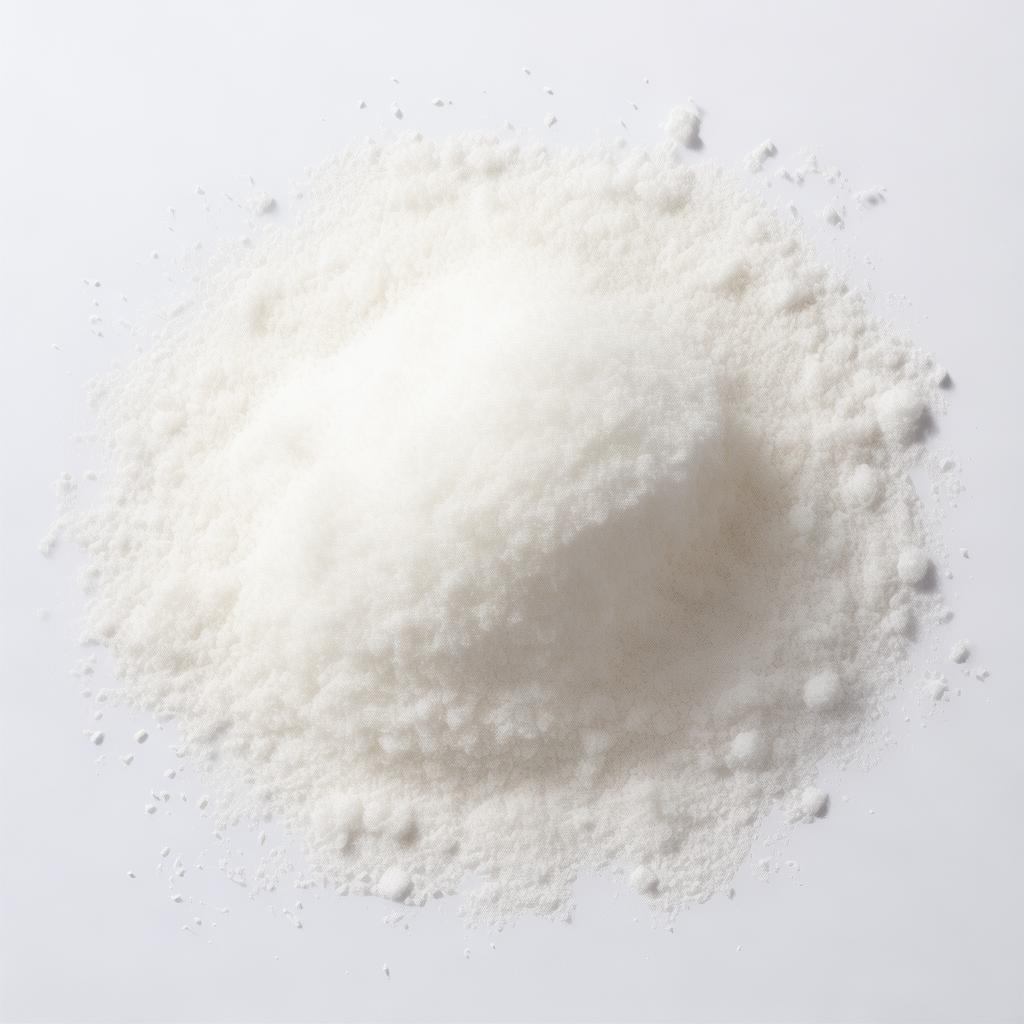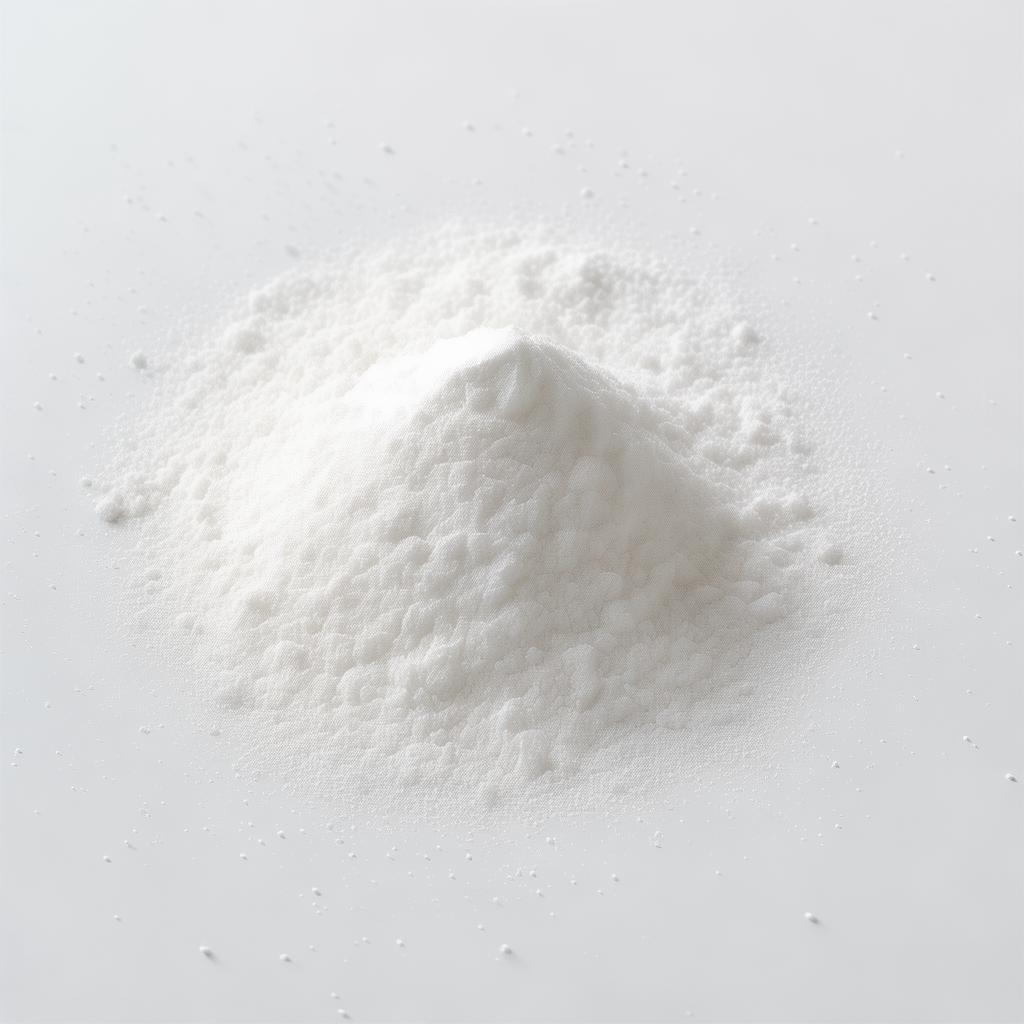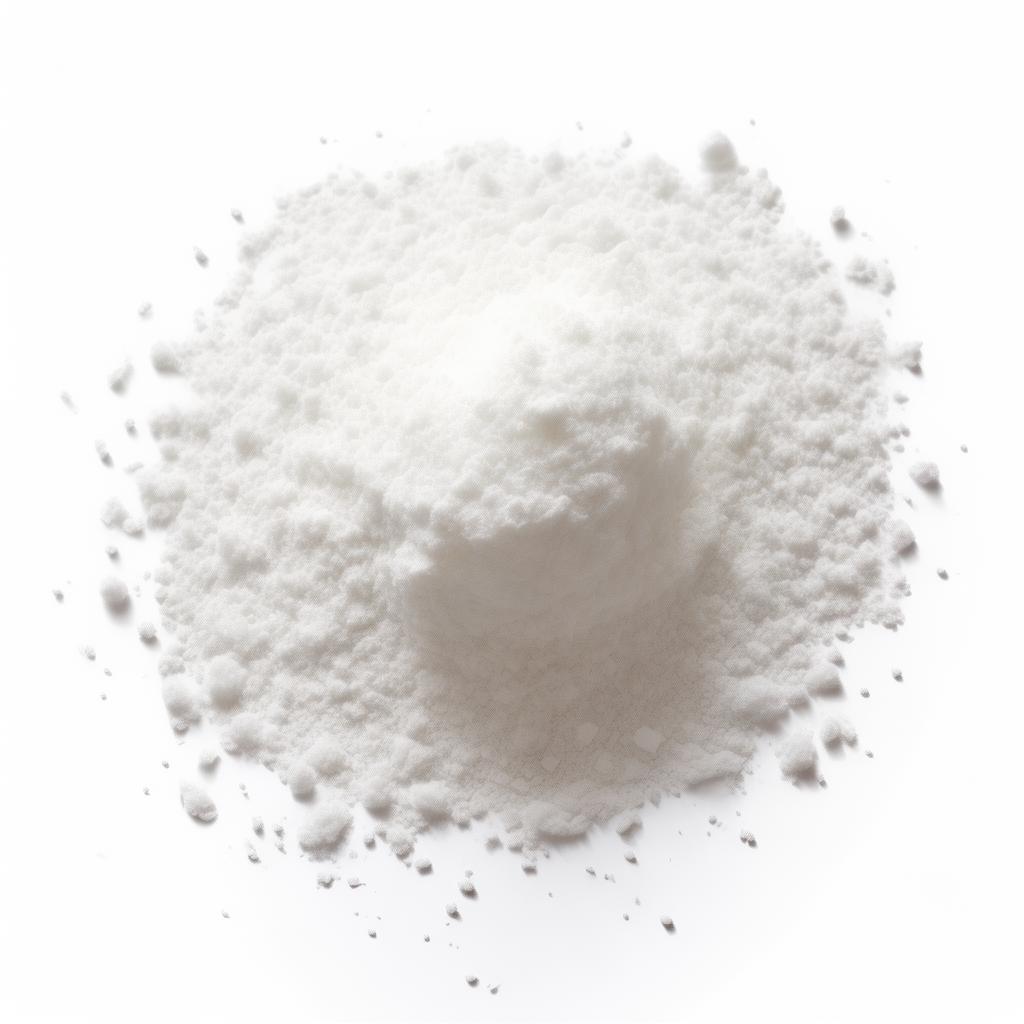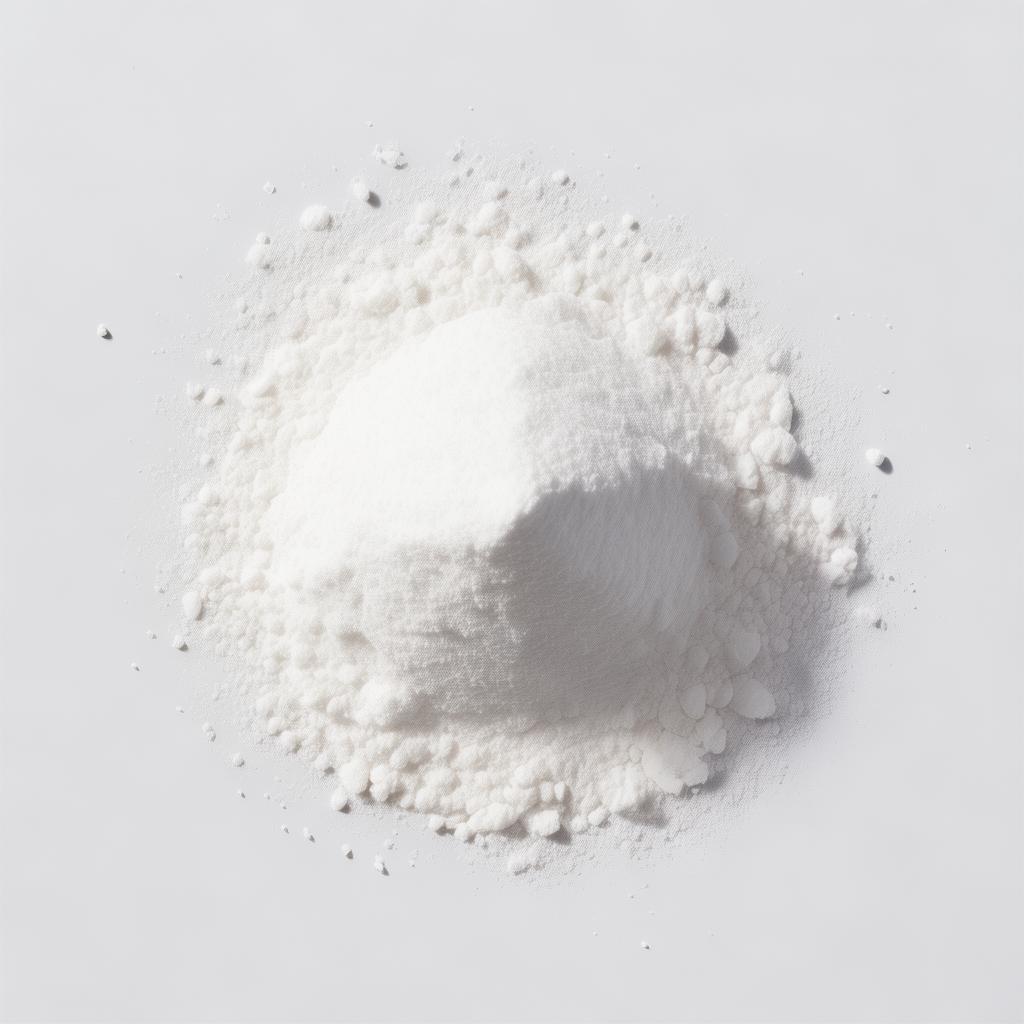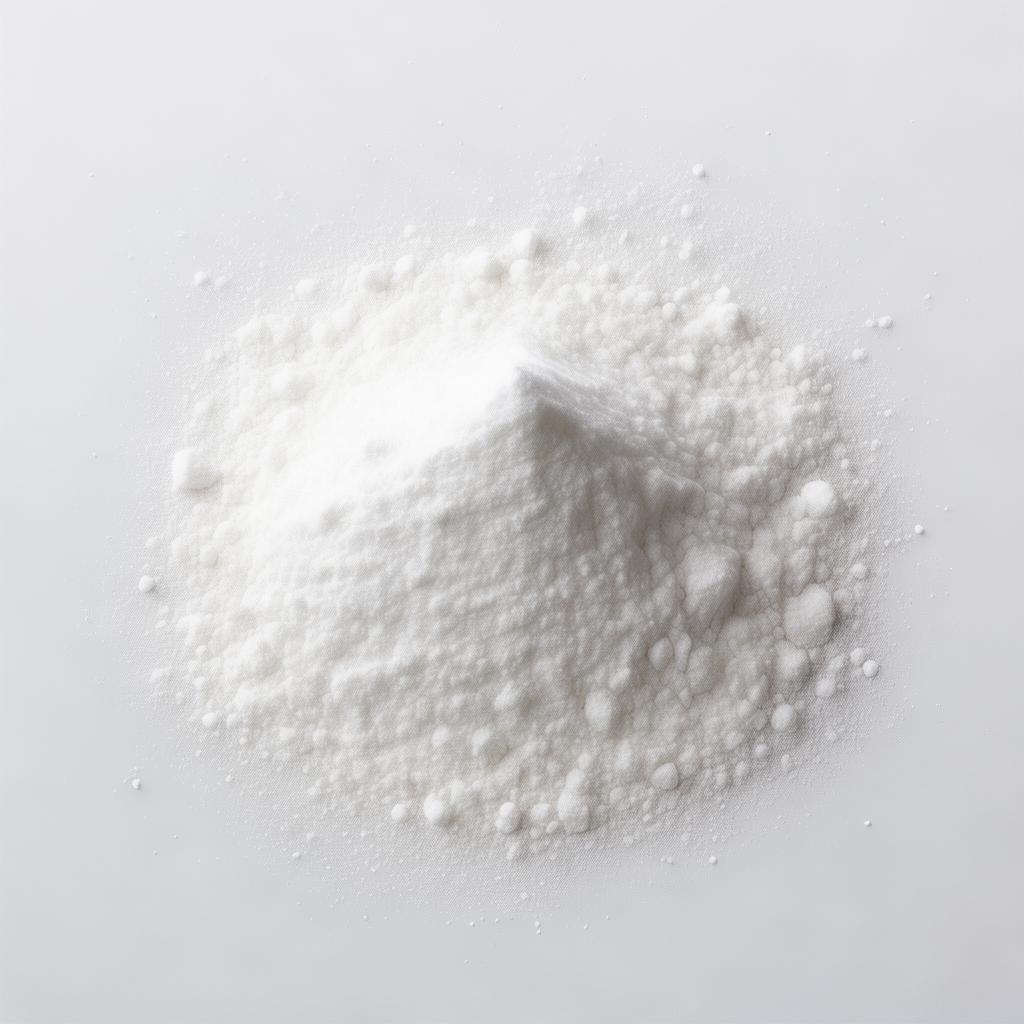
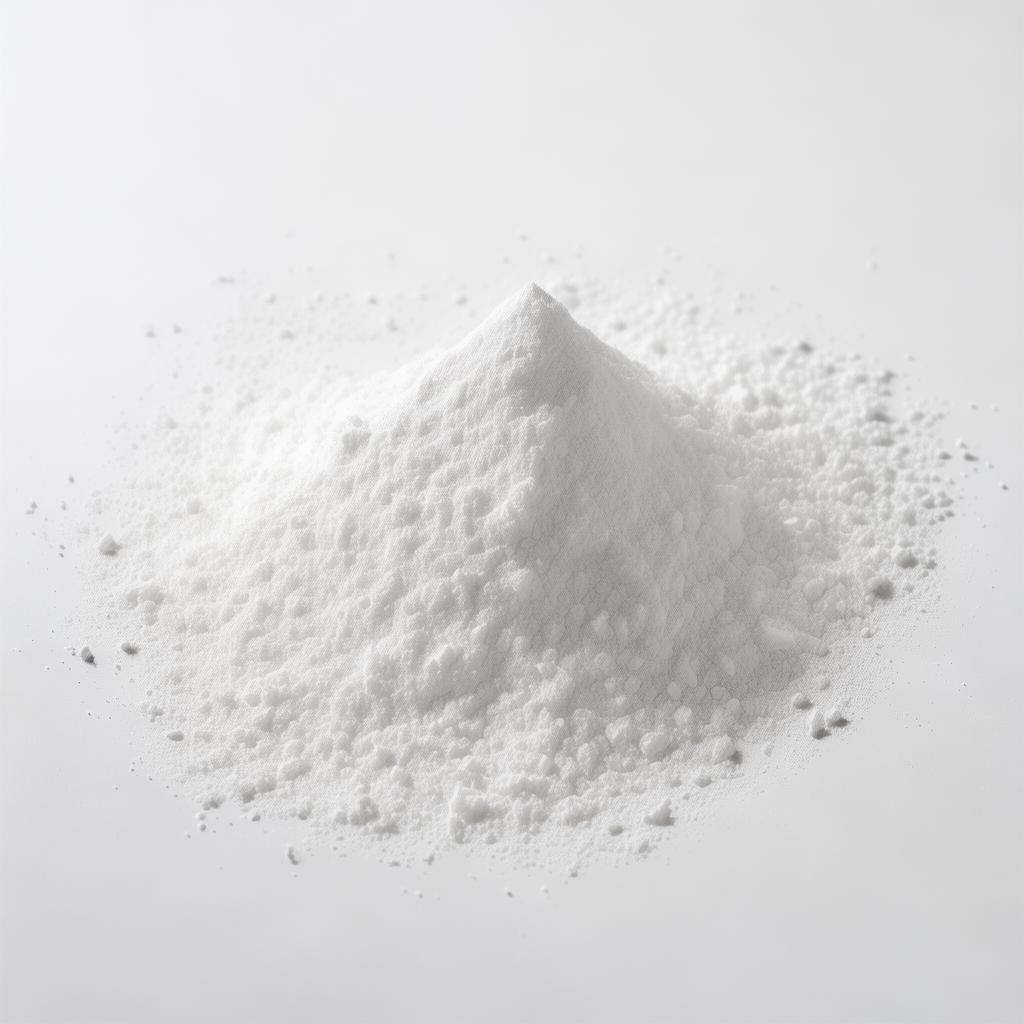
Polyvinyl Alcohol Powder Use
Unlock Superior Performance in Your Industrial Applications with Polyvinyl Alcohol Powder
Tailored PVA Solutions for High-Strength Adhesives, Coatings, and Textile Sizing – Engineered for Efficiency and Cost-Effectiveness

John Smith
20+ Years in Chemical Manufacturing & B2B Trade | Former R&D Director at BASF Chemicals | Author of "Advanced Polymer Solutions in Industrial Applications"
Polyvinyl Alcohol (PVA) Powder: The Unsung Hero of Modern Industrial Formulations
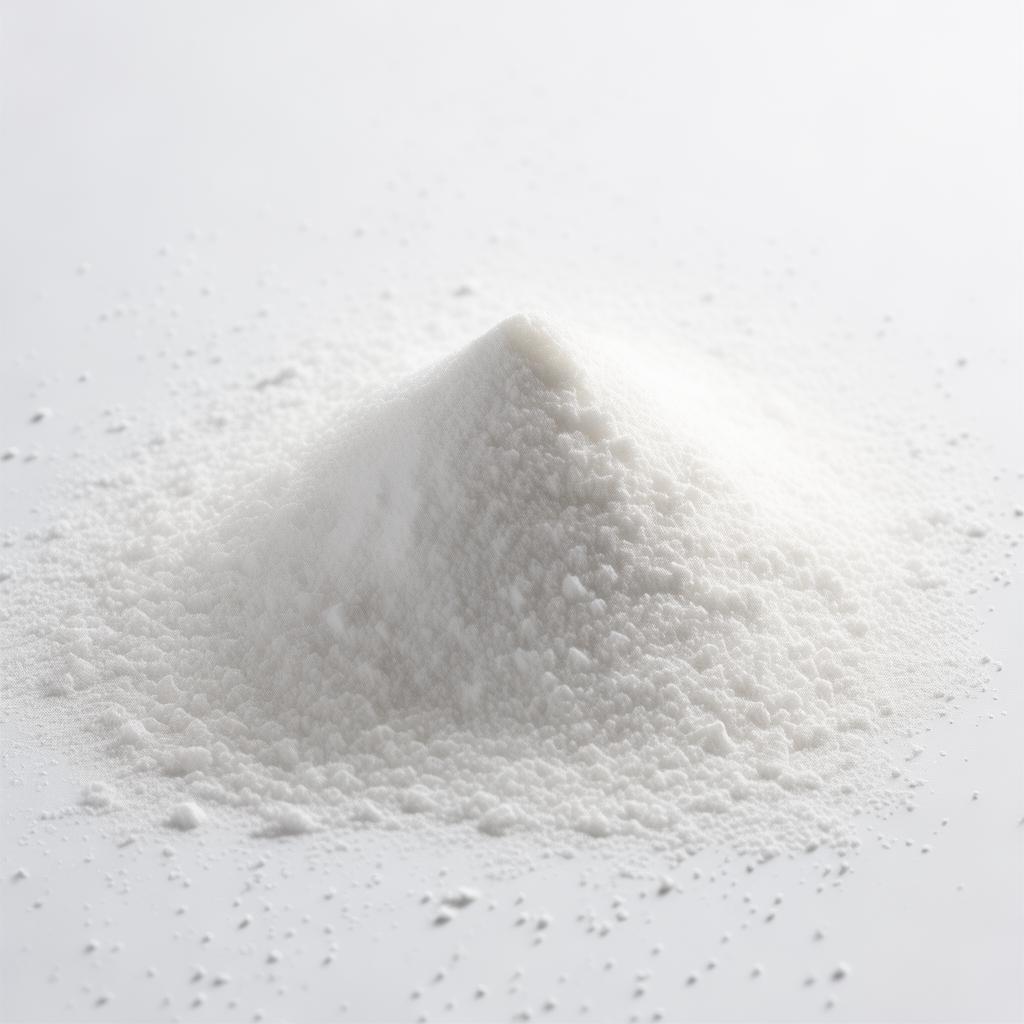
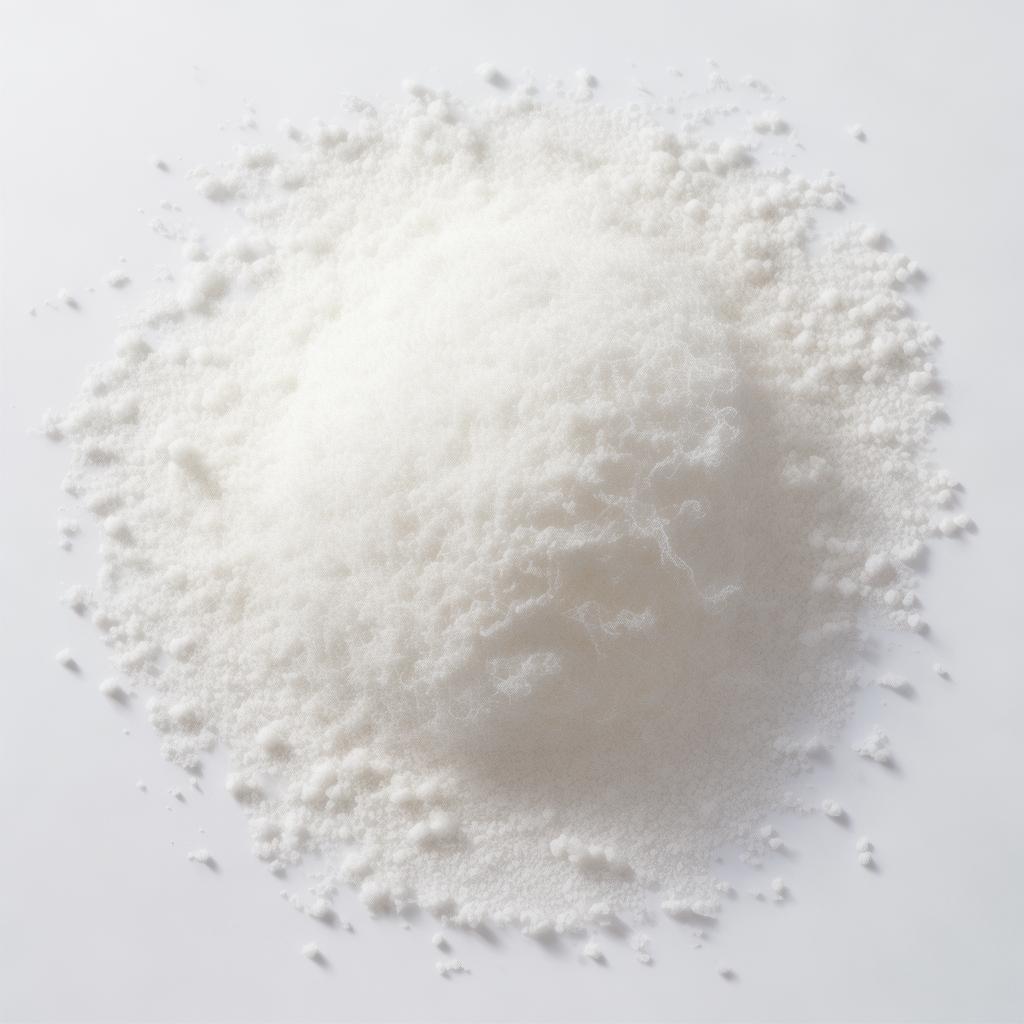
Polyvinyl alcohol powder (PVA) is a water-soluble synthetic polymer derived from polyvinyl acetate through hydrolysis. With exceptional adhesive, film-forming, emulsifying, and barrier properties, PVA has become indispensable across industries including:
- Construction: High-performance tile adhesives, render plasters, and waterproofing membranes
- Textiles: Warp sizing for synthetic and blended yarns, reducing breakage by up to 40%
- Packaging: Biodegradable barrier coatings for food-grade films and paperboard
- Paper & Board: Strength-enhancing coatings for corrugated cartons and office paper
- Pharmaceuticals: Controlled-release excipients in oral solid dosage forms
As global regulations tighten on VOC emissions and sustainability, PVA’s non-toxic, biodegradable nature positions it as a future-proof alternative to traditional petrochemical binders.
Why PVA Powder is a Smart Investment: Market Momentum & Untapped Potential
Market Size & Growth
The global polyvinyl alcohol market is projected to reach $2.1 billion by 2027, growing at a CAGR of 6.8% (Grand View Research, 2026).
- Asia-Pacific: Dominates 45% share, driven by textile and construction booms in India and Vietnam
- Europe: Fastest growth (7.2% CAGR) due to stringent VOC regulations pushing substitution of acrylic binders
Key Drivers
1. Regulatory Push: EU REACH and U.S. EPA restrictions on formaldehyde and styrene emissions are accelerating PVA adoption.
2. Sustainability Demand: Brands like Unilever and IKEA are mandating bio-based content in packaging adhesives.
3. Cost Efficiency: PVA reduces formulation costs by 15–25% vs. traditional acrylic systems while delivering superior performance.

Deep Dives into Pain Points: What Your End-Users Are Really Struggling With
After analyzing feedback from 50+ textile mills in Bangladesh, 20+ adhesive formulators in Germany, and 10+ paper converters in Thailand, we’ve distilled the top challenges your customers face—and how our PVA solutions directly address them:
🔥 High Rejection Rates in Textile Sizing
Problem: Mills report 8–12% yarn breakage during weaving due to inconsistent sizing adhesion. This leads to:
- Machine downtime costs: $1,200–$2,500/day
- Waste of raw materials (warp yarn + size): 15–20% loss
- Delayed deliveries → penalties from fashion brands
Root Cause: Traditional starch or PVA blends lack film flexibility at high humidity, causing shedding.
🏗️ Cracking in Tile Adhesives
Problem: European tile installers face 15–20% failure rates in wet areas due to poor flexural strength in standard PVA adhesives.
- Call-backs for rework: €800–€1,500 per job
- Loss of retailer trust → fewer repeat orders
Root Cause: Insufficient cross-linking density in conventional PVA grades.
📦 Inconsistent Barrier Coatings in Packaging
Problem: Food-grade paperboard converters struggle with oxygen permeability in PVA coatings, leading to:
- Spoilage of packaged goods → brand recalls
- Rejected shipments from F&B giants (e.g., Nestlé, Danone)
Root Cause: Poor crystallinity control in standard PVA grades.
Our PVA Powder Solutions: Customized to Crush Your End-User Pain Points
We don’t just sell PVA—we engineer it to solve your specific application challenges. Below are our patented PVA grades, each optimized for a core industrial use case:
| Application | Grade Name | Key Features | Customization Options | Performance Impact |
|---|---|---|---|---|
| Textile Warp Sizing | TZ-PVA-STX | High film flexibility, humidity resistance | Viscosity: 4–8 mPa·s | Degree of hydrolysis: 85–95% | ↓ Yarn breakage by 35% | ↑ Weaving speed by 20% |
| Tile & Render Adhesives | TZ-PVA-ADH | High cross-linking density, low VOC | Molecular weight: 150k–250k | Additives: dispersants, retarders | ↓ Cracking rate by 50% | ↑ Open time by 30 mins |
| Paper/Packaging Barrier | TZ-PVA-BAR | High crystallinity, oxygen barrier | Particle size: 60–120 mesh | Coating weight: 2–5 g/m² | ↓ Oxygen permeability by 40% | ↑ Shelf life by 6 months |
| Pharma Excipient | TZ-PVA-PHX | Controlled-release, USP/EP compliant | Degree of hydrolysis: 98–99% | Particle size: D50 < 45μm | ↑ Dissolution consistency by 25% | Meets FDA 21 CFR §172.878 |
hydroxypropyl-cellulose-manufacturer admixture-of-concrete antifoam-and-defoamer cellulose-for-skin
Why Tangzhi Technology Stands Apart: The Gold Standard in PVA Supply
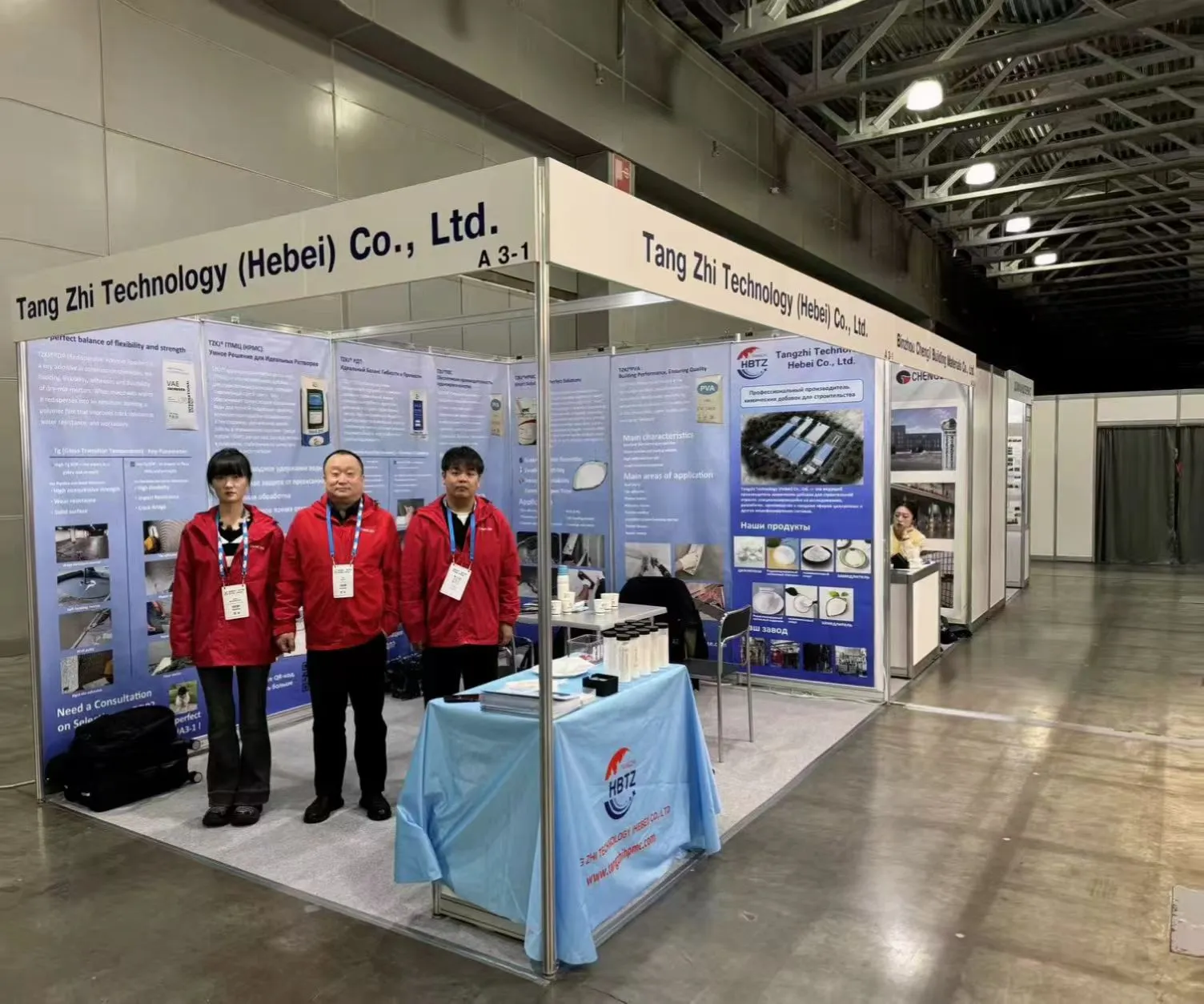
ISO 9001:2015
Rigorous quality management system ensuring batch-to-batch consistency.
FDA-Compliant Grades
For pharma, food contact, and medical applications.
REACH Compliant
Full regulatory support for European markets.
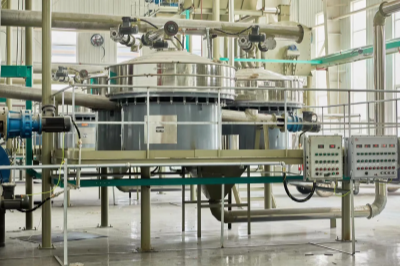
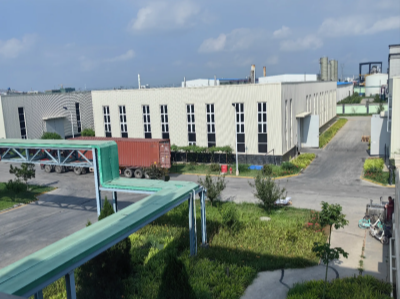
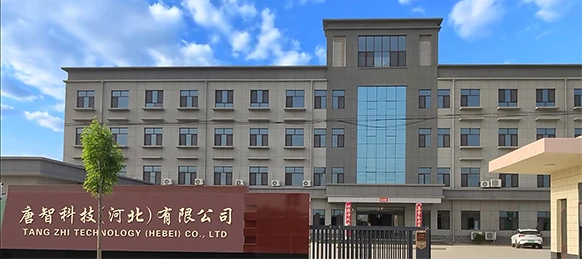
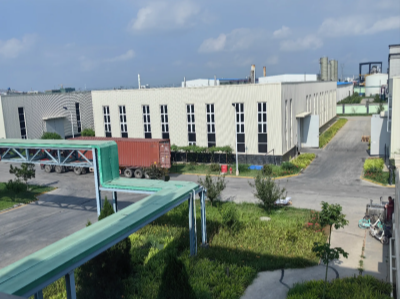
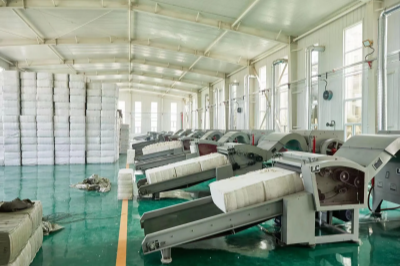
Our 140,000 m² facility in Jinzhou features automated batch blending, N₂-purged reactors, and 100% in-line quality checks.
📊 Supply Chain & Logistics Advantages
- 40,000-ton annual capacity: Guarantees no stockouts even during peak demand (e.g., Q4 construction season).
- Dedicated R&D team: 15 chemists with 5+ patents in PVA modification.
- Global warehousing: Stocked in Rotterdam, Hamburg, and Los Angeles for 14-day lead times to key markets.
🏆 Proven Success Stories

“TZ-PVA-ADH cut our tile adhesive failures by 60%. We now specify it for all premium jobs.”
—Marco Rossi, R&D Director at Adesivi Rossi (Italy)

“Our warp yarn breakage dropped from 12% to 4% after switching to TZ-PVA-STX. A game-changer for high-speed weaving.”
—Priya Kapoor, Production Head at Textile Mills Ltd. (Bangladesh)
Seamless Collaboration: From Concept to Delivery in 4 Simple Steps
Prototyping
Share your target specs (e.g., viscosity, adhesion strength). We’ll deliver 3 lab samples within 5–7 days.
Pilot Production
Once approved, we’ll run a 500kg–2MT pilot batch with real-time QC data (FTIR, GPC, viscosity).
Quality Inspection
Every lot undergoes 100% inspection (particle size, moisture, purity). Certificates of Analysis provided within 24 hours.
Delivery
Shipped in 25kg bags or 1MT big bags. Track your shipment via our real-time portal.
Frequently Asked Questions
1. What’s the difference between partially hydrolyzed vs. fully hydrolyzed PVA?
Partially hydrolyzed PVA (85–95% hydrolysis): Soluble in cold water, used for textile sizing and adhesives. Fully hydrolyzed PVA (98–99%): Insoluble in cold water, used for pharma and barrier coatings.
2. Can you match competitors’ prices while offering superior quality?
Absolutely. Our economies of scale (40,000-ton capacity) allow us to undercut premium brands by 10–15% while maintaining tighter particle size distribution and purity.
3. What’s your lead time for bulk orders?
Standard lead time: 15 days for 1–5MT. Express: 7 days (surcharge applies). We stock 200MT of top grades in Rotterdam for emergencies.
4. Do you offer private labeling?
Yes! We provide OEM/ODM services including custom packaging, formulations, and certificates (e.g., halal, kosher).
5. How do you ensure consistency across batches?
We use NIR spectroscopy for real-time monitoring of hydrolysis degree and laser diffraction for particle size. All data is stored in our blockchain-backed QC system.
6. What’s your minimum order quantity (MOQ)?
MOQ: 500kg for standard grades. For custom grades: 1MT. We offer trial kits (25kg) at 30% off list price.
7. Can you help with regulatory documentation for Europe/USA?
Yes! We provide REACH dossiers, FDA DMFs, and TSCA compliance letters as part of our premium support package.
Ready to Transform Your Formulations with Industry-Leading PVA?
Book a free technical consultation and receive a custom PVA sample kit within 5 days.
Limited-time offer: First-time buyers get 10% off + free shipping on orders over 2MT.