What Is Pva Used For
What Is PVA Used For? A Practical Guide for Industrial Buyers
 With 15 years in cellulose and polymer exports, I've helped procurement teams from the US to Europe source reliable PVA for adhesives, textiles, and construction. Based out of our 140,000 sqm factory in Jinzhou, Hebei, we handle everything from spec matching to container loading.
Table of Contents
- What Exactly Is PVA?
- Key Properties That Drive Its Uses
- Core Industrial Applications
- PVA in Construction and Building Materials
- Adhesives and Coatings Breakdown
- Procurement Guide: Sourcing PVA Right
- Technical Specifications Table
- PVA vs. Other Binders
- Shipping and Logistics Realities
- Buyer FAQs
- What Buyers Say
- Next Steps
What Exactly Is PVA? Starting from the Basics
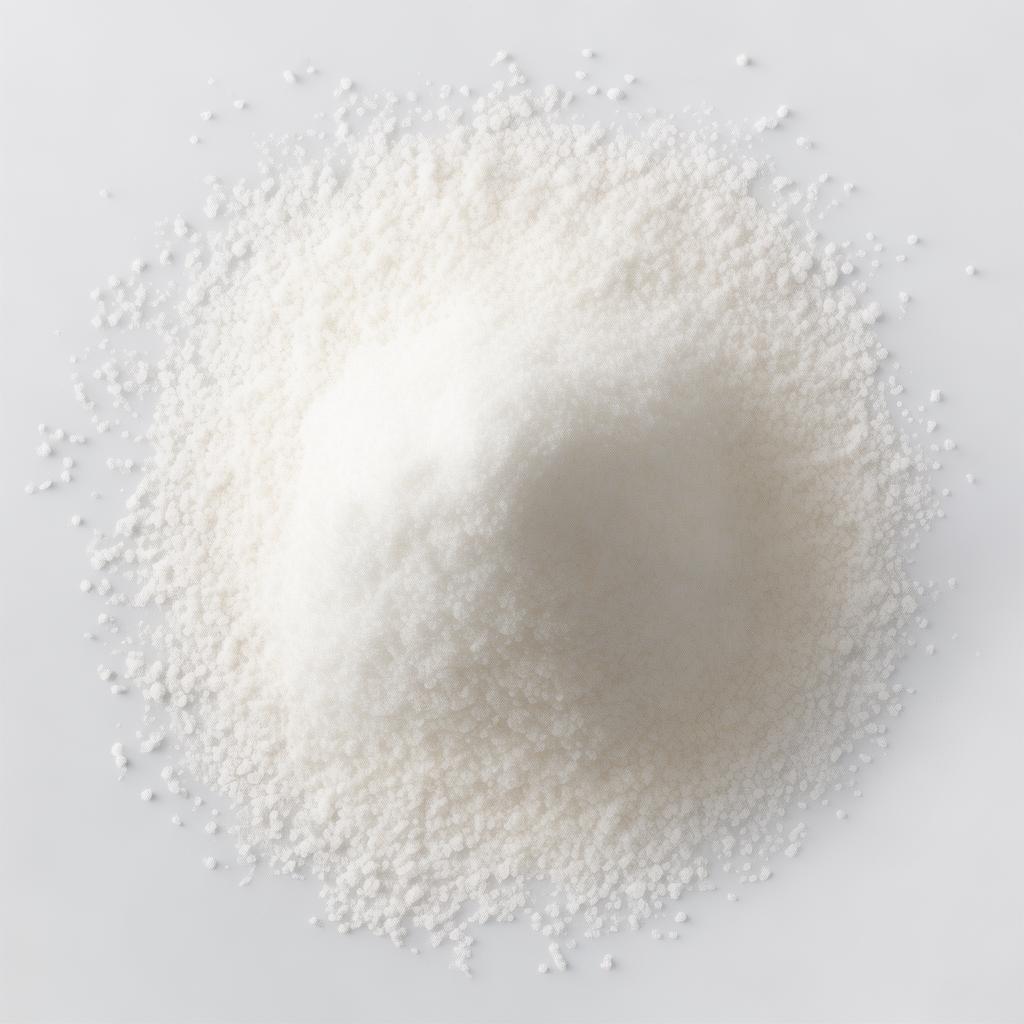
Polyvinyl alcohol, or PVA as most buyers call it, isn't some mystery chemical. It's a water-soluble synthetic polymer made by hydrolyzing polyvinyl acetate. Think of it as a versatile workhorse in manufacturing—sticky when needed, film-forming, and stable under heat or cold.
In our factory here in Hebei, we produce it in grades from partially hydrolyzed (low viscosity for textiles) to fully hydrolyzed (high strength for paper sizing). Annual output? Over 40,000 tons across our lines, including HPMC and RDP-VAE blends where PVA plays a supporting role. But what draws procurement managers to PVA specifically? Its ability to bind, emulsify, and protect without complicating formulations.
I've seen teams overlook it at first, assuming it's just another glue base. Reality hits when they need something that dissolves clean in water, resists oils, or forms barriers in packaging. No wonder searches for "what is PVA used for" spike among importers handling adhesives or nonwovens.
Digging deeper, PVA's structure—those repeating vinyl alcohol units—gives it hydrogen bonding prowess. That means excellent adhesion to cellulose, glass, or metals. In practice, this translates to fewer rejects on production lines. One US buyer last year switched to our fully hydrolyzed PVA 1799 and cut coating cracks by noticeable margins. Not magic, just chemistry doing its job.
But let's not gloss over limitations. PVA isn't ideal for high-alkali environments; it can gel or lose solubility. That's why we spec it carefully during inquiries. For export managers like me, matching buyer needs to grade—88% hydrolyzed for adhesives, 99% for ceramics—avoids those painful rejections.
Historically, PVA traces back to 1924 Japan, but modern grades exploded post-WWII with synthetic fiber booms. Today, it's everywhere from school glue (that white stuff kids use) to high-end pharma excipients. In B2B, though, it's the industrial punch that counts: binding mortars, stabilizing emulsions, or even in 3D printing filaments.
Procurement tip: Always ask for hydrolysis degree and viscosity upfront. A mismatch there turns a good deal sour fast. We've shipped tons to Southeast Asia ports, and those details make or break smooth unloading.
Word to the wise—PVA isn't biodegradable in standard conditions, so if green certs matter, pair it with our cellulose lineup like HPMC for hybrid formulas. Our ISO 9001 lines ensure consistency, which importers crave amid supply chain wobbles.
Key Properties That Drive Its Industrial Uses
PVA shines because of a few standout traits. Water solubility tops the list—fully miscible up to 90°C, forming clear solutions without heat surprises.
Then adhesion. It bonds to cotton, wood, or PVC like few others, thanks to polar groups. Film strength? High tensile, low permeability to gases. Add emulsifying power, and you've got a stabilizer for paints or latex.
Viscosity grades range from 4 cps (thin for sprays) to 60,000 cps (thick gels). We control this via polymerization degree—lower DP for quick dry, higher for durability.
- Thermal stability: Up to 180°C before degradation.
- pH tolerance: Stable 3-11, but watch extremes.
- UV resistance: Fair; often blended with stabilizers.
One operational note from the floor: During mixing, add PVA slowly to avoid lumps. We've tweaked our packing—25kg bags with PE liners—to cut moisture pickup in transit.
Core Industrial Applications Where PVA Delivers
Textiles first. PVA sizes warps, reducing breaks by 20-30% in weaving. Dissolves in hot water post-process, no residue. Importers love it for spandex or denim lines.
Paper industry? Surface sizing for grease resistance. Think food packaging—our 1788 grade seals pores without yellowing.
Packaging films. Blown or cast, PVA barriers oxygen, extending shelf life for meats or cheeses. Water-soluble grades even make dissolvable pods.
Ceramics and refractories. As binder in slips, it burns out clean at 500°C. No ash issues that crack molds.
Shorter take: PVA fits where solubility and bonding intersect. We've exported to US coaters who blend it 5-10% for better scrub resistance.
PVA in Construction: Mortars, Renders, and Tile Adhesives
Builders swear by PVA emulsions in grouts. Improves flexibility, water retention. Mix 1-2% with cement, and you get crack bridging.
In renders, it enhances workability—less slumping on verticals. Paired with our HPMC, it's standard for EIFS systems.
Tile guys? PVA boosts wet strength, cutting callbacks. One Florida importer noted easier troweling on porcelain installs.
Caveat: Overdose leads to efflorescence. Stick to specs.
Adhesives, Coatings, and Emulsion Polymers
Wood glue? PVA's backbone—D3/D4 grades for interiors/exteriors. Sets fast, sands smooth.
Coatings: Thickener and coalescent. In latex paints, 0.5% PVA minimizes splatter.
Emulsions: Stabilizes PVAc or acrylate latices. Factory trials show 15% better shelf stability.
Technical Specifications: Common PVA Grades We Supply
| Grade | Hydrolysis % | Viscosity mPa.s | Key Uses |
|---|---|---|---|
| 17-88 | 87-89 | 20-30 | Adhesives, textiles |
| 24-88 | 87-89 | 45-55 | Paper sizing |
| 1799 | 98-99 | 65-72 | Ceramics, construction |
| 2699 | 98-99 | 70-80 | High-strength films |
All grades ISO-tested, volatile <5%, ash <0.5%. Custom viscosities available.
Procurement Guide: How to Source PVA Without Headaches
Start with end-use. Adhesives? Mid-hydrolysis. Construction? High.
Check supplier scale. Our 90,000 sqm plant runs 24/7, lead times 10-20 days FOB Tianjin.
Vet certs: ISO 9001, REACH compliant. We pack in 25kg multi-ply for sea freight—fits 18MT/20' container.
- Hydrolysis and viscosity match?
- Sample trial first?
- FOB/CIF terms clear?
- Storage: Cool, dry under 30°C?
Common pitfall: Ignoring ash content. High ash fouls mixers. Request COA every batch.
For US buyers, we handle FDA indirects where needed. Talk OEM? We modify for RDP blends.
PVA vs. Other Binders: Quick Comparison
| Property | PVA | Starch | CMC |
|---|---|---|---|
| Water Solubility | Excellent | Good | Superior |
| Adhesion to Synthetics | High | Low | Medium |
| Cost per Ton (est.) | $2,200-2,800 | $1,000 | $2,500 |
pva use type of pva pva product
PVA wins on versatility, especially nonwovens.
Logistics and Delivery: What Importers Need to Know
From Hebei to LA port: 25-35 days sea. Air for samples—3 days DHL.
Container: 25mt/20ft, palletized optional (+$50/mt). Humidity control critical; we use desiccants.
Customs? REACH, RoHS ready.  Our docs streamline it.
Frequently Asked Questions from Buyers
- Is PVA safe for food contact?
- Partially hydrolyzed grades meet indirect FDA. Confirm with us.
- Minimum order?
- 1 ton trial, 10mt full container.
- Shelf life?
- 24 months sealed. Store below 30°C.
- Can you blend with HPMC?
- Yes, common for dry mixes. Request samples.
- Pricing tiers?
- Volume-based. Get quote for your spec.
What Our Industrial Buyers Say
 Mike R., Procurement Manager, Texas Adhesives Co.
"Switched to Tang Zhi's 1788 PVA. Dissolves cleaner than previous supplier. Installation time down, no lumps. Solid for our wood lines."
 Anna L., Ops Director, Florida Tile Distributor
"PVA 1799 in our grouts. Better grab on porcelain. Freight on time, COA matched specs. Will reorder 20mt next quarter."
 Carlos M., Plant Engineer, Cali Packaging
"Used for barrier films. Oxygen block improved 15%. Factory direct pricing beat brokers. Logistics smooth to West Coast."
Ready to Spec PVA for Your Operation?
Get factory-direct pricing, free samples, or custom blends. No risks—start with a 1-ton trial.
Tang Zhi Technology (Hebei) Co., Ltd. | Room 2308, Dongsheng Plaza 2, Shijiazhuang, Hebei, China | ISO Certified Factory