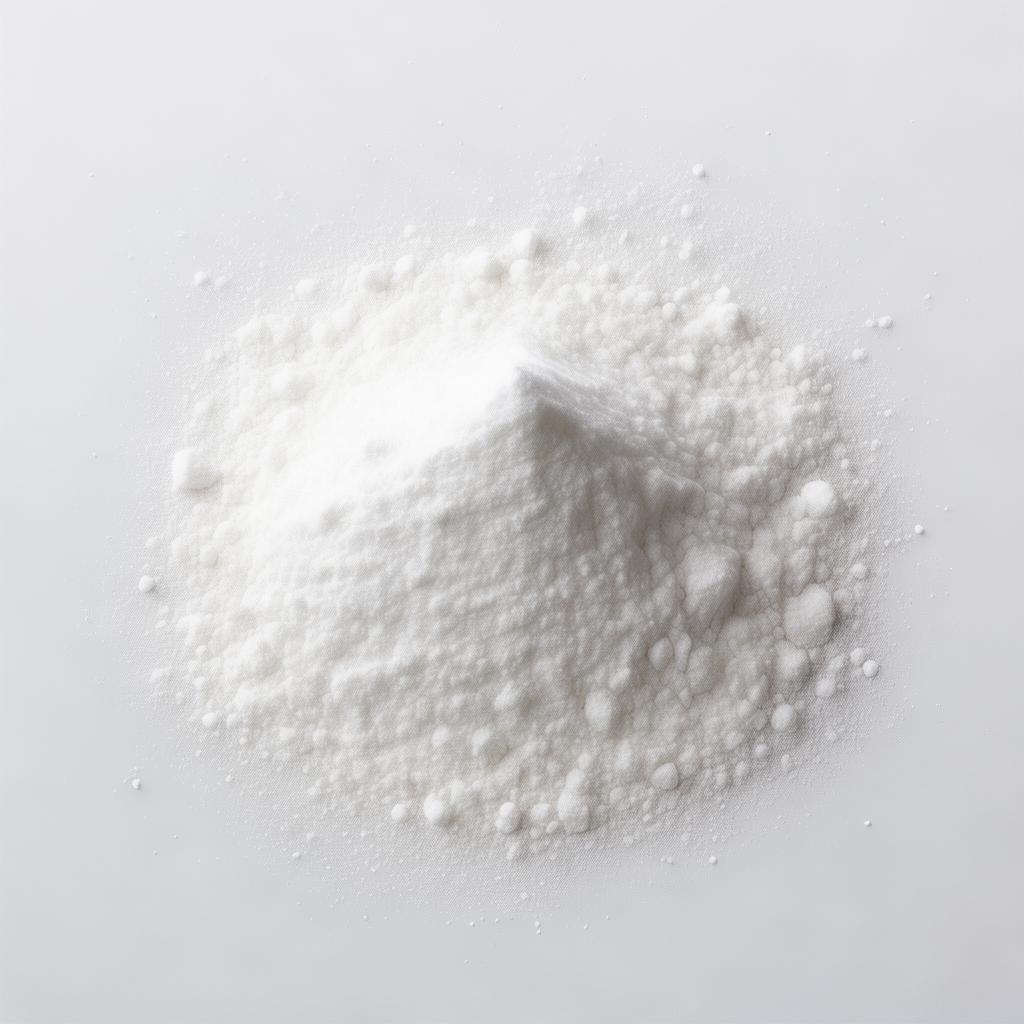
Is Polyvinyl Alcohol Plastic
Is Polyvinyl Alcohol a Plastic? What Industrial Buyers Really Need to Know
Straight talk from the factory floor: PVA isn't your typical plastic. It's a water-soluble polymer that punches above its weight in adhesives, films, and binders. Sourcing it right saves headaches in production.
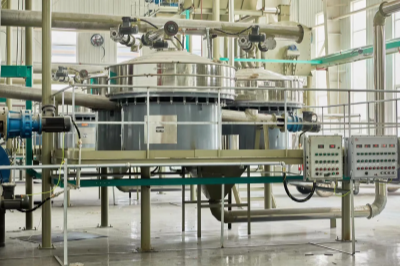
Table of Contents
- What Exactly Is Polyvinyl Alcohol?
- Key Properties: Why It's Not "Just Another Plastic"
- Real-World Applications in Manufacturing
- Procurement Guide: Sourcing PVA Without Risks
- PVA vs. Other Polymers: Quick Comparison
- Why Source from Tang Zhi Technology?
- Shipping and Lead Times to USA/EU
- Buyer FAQs
- What Importers Are Saying
What Exactly Is Polyvinyl Alcohol? A No-Nonsense Breakdown
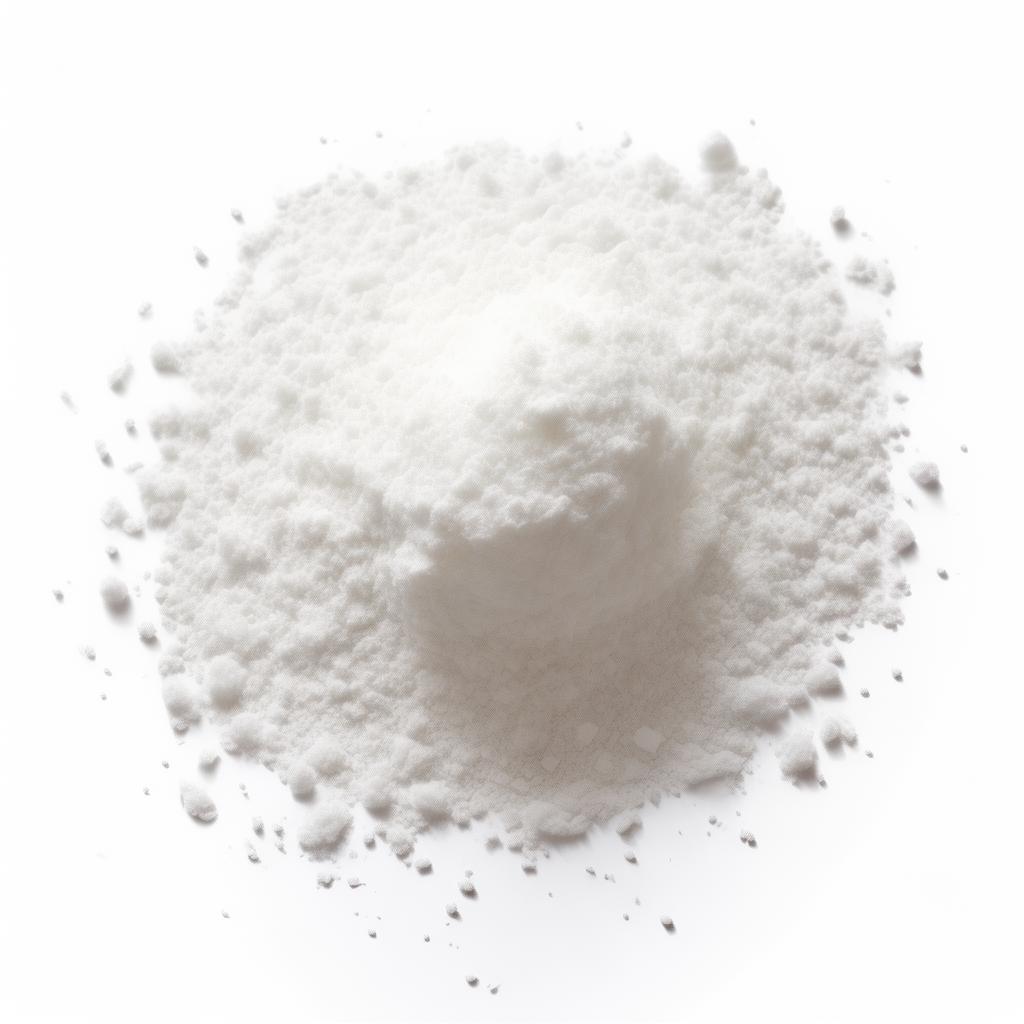
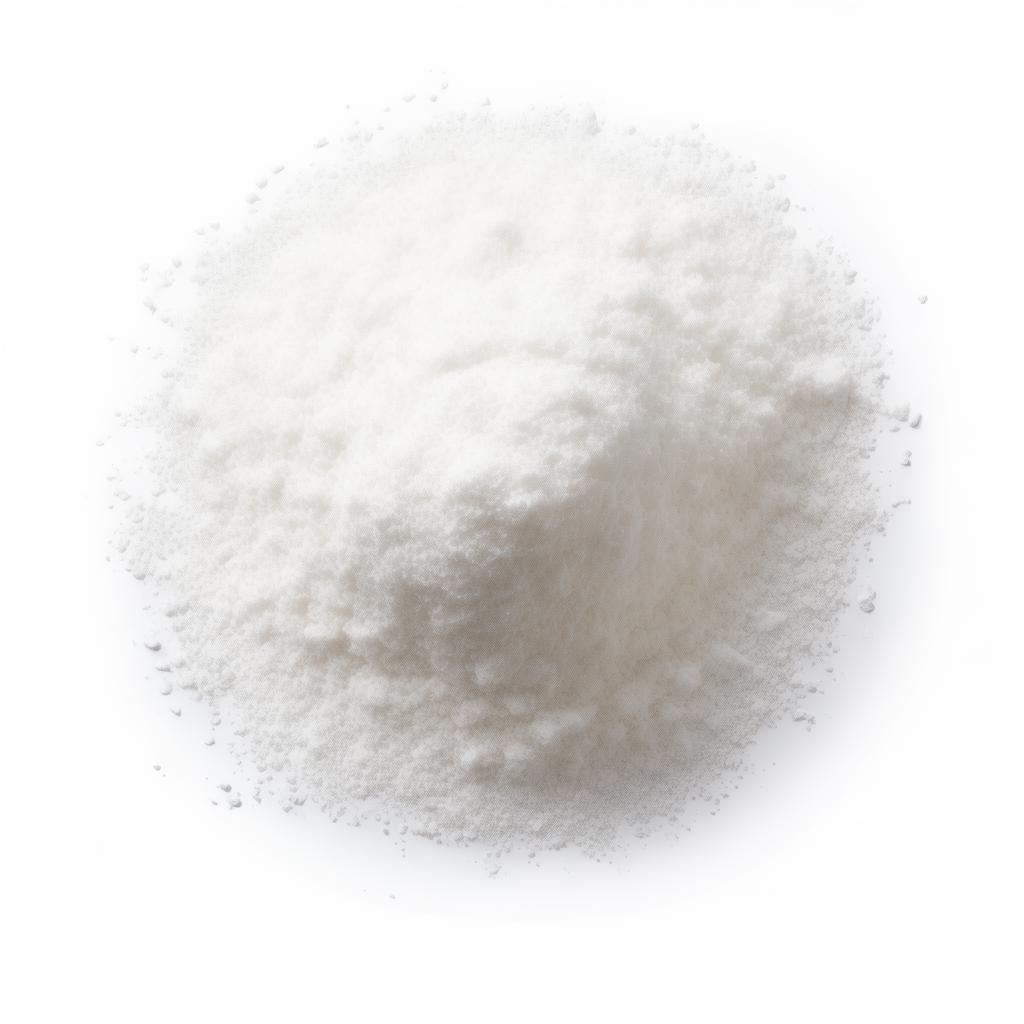
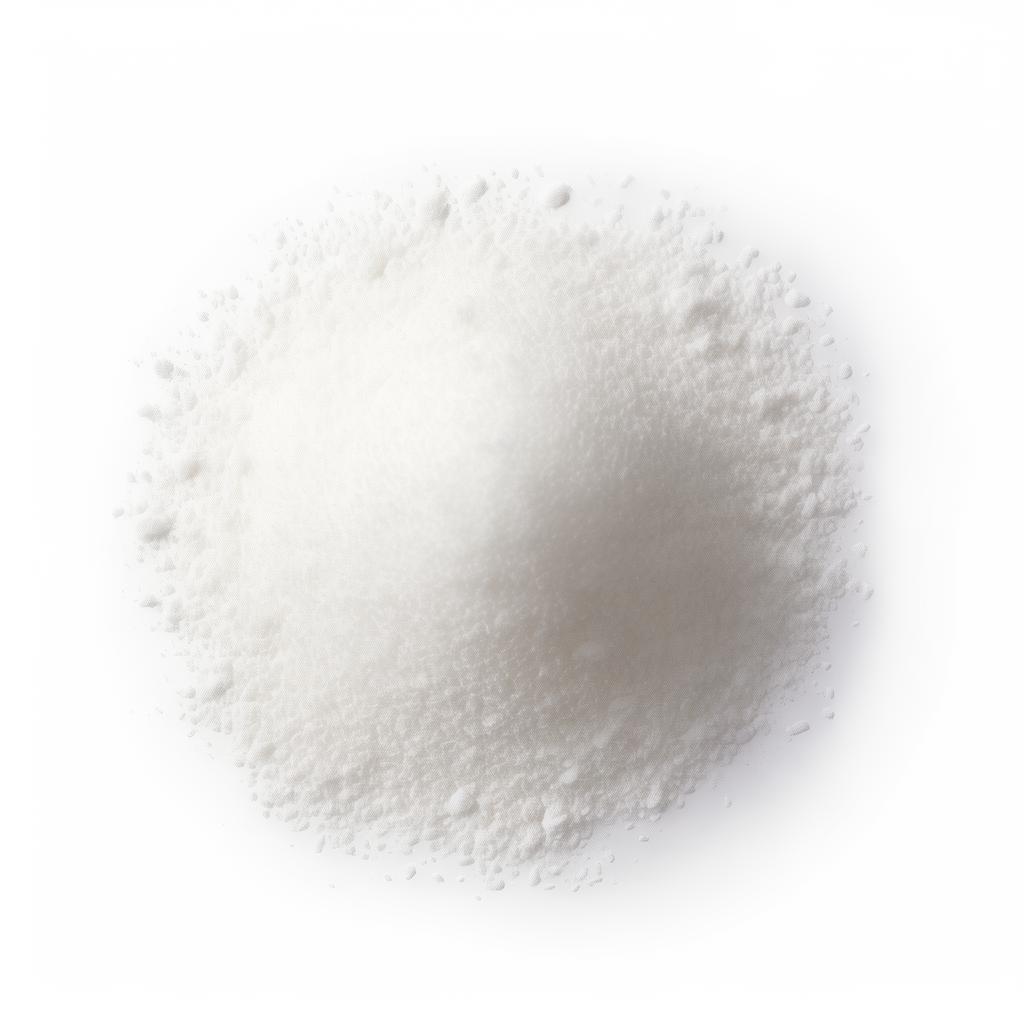
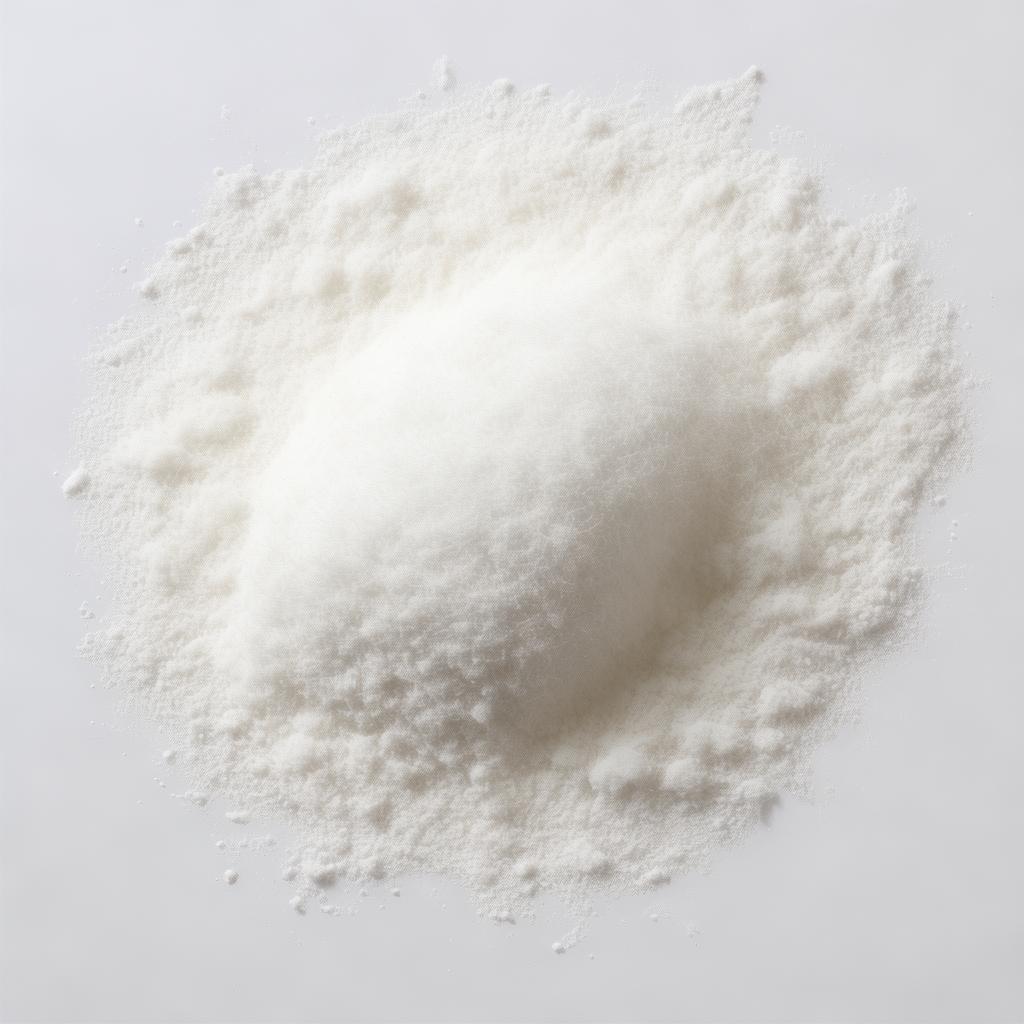
Procurement teams often hit this question early: is polyvinyl alcohol plastic? Short answer: sort of, but not in the rigid, non-soluble way you're thinking. PVA, or poly(vinyl alcohol), starts as polyvinyl acetate, hydrolyzed into a water-soluble synthetic polymer. We've been producing it here in our Hebei facility for years, and it's far from the commodity plastics like PE or PP.
Picture this: you're scaling adhesive production for packaging lines. Traditional plastics melt or repel water. PVA dissolves cleanly, forms films, and binds like nothing else. Chemically, it's (CH2CHOH)n – a chain of vinyl alcohol units. Partial hydrolysis degrees (88% or 99%) dictate solubility and strength. Our lines handle both, with tight control on viscosity for consistent batches.
From an engineering standpoint, PVA bridges resins and water-based systems. It's thermoplastic in processing but biodegradable under the right conditions. EU regs love that for eco-labels. We've shipped tons to US textile mills reformulating for sustainability mandates. No fluff – it's a workhorse polymer with plastic-like traits minus the persistence.
Manufacturing insight: saponification process is key. Acetate groups swap for hydroxyls in methanol. Mess it up, and you get gels instead of powder. Our automated reactors hit 99%+ purity routinely. Buyers skip headaches by spec'ing hydrolysis level upfront.
One ops manager from a Midwest adhesives plant told us last quarter: "Switched to your 1799 grade PVA. Dissolution time dropped 20% in our mixers." Real results, not hype. If your team's debating PVA classification, it's a polymer – plastic-adjacent for practical purposes.
Molecular Weight and Grades We Stock
- Low MW (20,000-50,000): Fast-dissolving films
- Medium (80,000-100,000): Adhesives and binders
- High (150,000+): Textiles, paper sizing
Customization? We do partial acetates too. Lead time: 7-14 days post-order for standards.
Properties That Matter to Industrial Buyers
PVA shines where solubility meets film strength. Water-soluble up to 90°C, but forms barriers against oils and gases. Tensile strength? 50-100 MPa depending on plasticizer. We've tested ours against competitors – holds up in humid storage, critical for container shipments.
Thermal stability tops out at 180°C before degradation. Add borax for cross-linking, and it gels into slurries for ceramics. Procurement tip: always request ash content under 0.5%. Ours averages 0.2%. Volatility in processing? Minimal, under 0.5% loss.
Biodegradability: 70-90% in wastewater per OECD 301. US EPA nods for green claims. pH neutral (5-7), non-toxic. REACH compliant, no heavy metals. We've got lab reports if your compliance team needs them.
| Property | Typical PVA Value | Why It Matters |
|---|---|---|
| Solubility | Hot water (80-90°C) | Easy mixing, no clumps |
| Viscosity | 4-50 cps (4% sol) | Predictable flow in extruders |
| Film Strength | 20-80 MPa | Durable packaging |
| Biodegradability | 80%+ in 28 days | Eco-compliance |
Warning: store dry, below 60% RH. We've seen batches cake up in transit – ventilate containers.
Where PVA Delivers in the Field
Adhesives first. Wood glue? PVA emulsion base. Our powder disperses into emulsions yielding 10-15 MPa bonds. Textile sizing: prevents yarn breaks, 20% less downtime reported by spinners.
Paper: surface sizing for printability. Construction: mortars with RDP-VAE pair – we make both, synergy. Films for packaging, agriculture mulch. Medical: binders in tablets, excipients.
Case from last year: US packaging firm reformulated barrier films. PVA layer blocked oxygen, extended shelf life by weeks. No plasticizers needed. Ceramics: green body binders burn out clean.
- Textiles: Warp sizing, desizing
- Construction: Tile adhesives (with HPMC)
- Packaging: Soluble pouches
- Pharma: Sustained release matrices
Sourcing PVA: A Buyer's Checklist
Skip brokers. Direct from factory like ours cuts 20-30% cost. Check hydrolysis degree, MW polydispersity. Request 5% solution viscosity certs. MOQ? Ours 1 ton, flexible for trials.
Risks: inconsistent purity leads to batch failures. We've audited suppliers – ash, volatiles kill emulsions. Logistics: 25kg bags, 1 ton jumbo. Palletized for FCL.
PVA vs. Alternatives: Head-to-Head
| Material | Solubility | Strength | Cost/Ton | Eco? |
|---|---|---|---|---|
| PVA | High (water) | High | $$ | Yes |
| PVP | Medium | Medium | $$$ | Yes |
| PEG | High | Low | $ | Yes |
| PVC | None | High | $ | No |
is polyvinyl alcohol a plastic polyvinyl alcohol plastic polyvinyl alcohol microplastic
PVA wins on balance for most apps. Cheaper long-term than PVP.
Tang Zhi Technology: Your PVA Partner
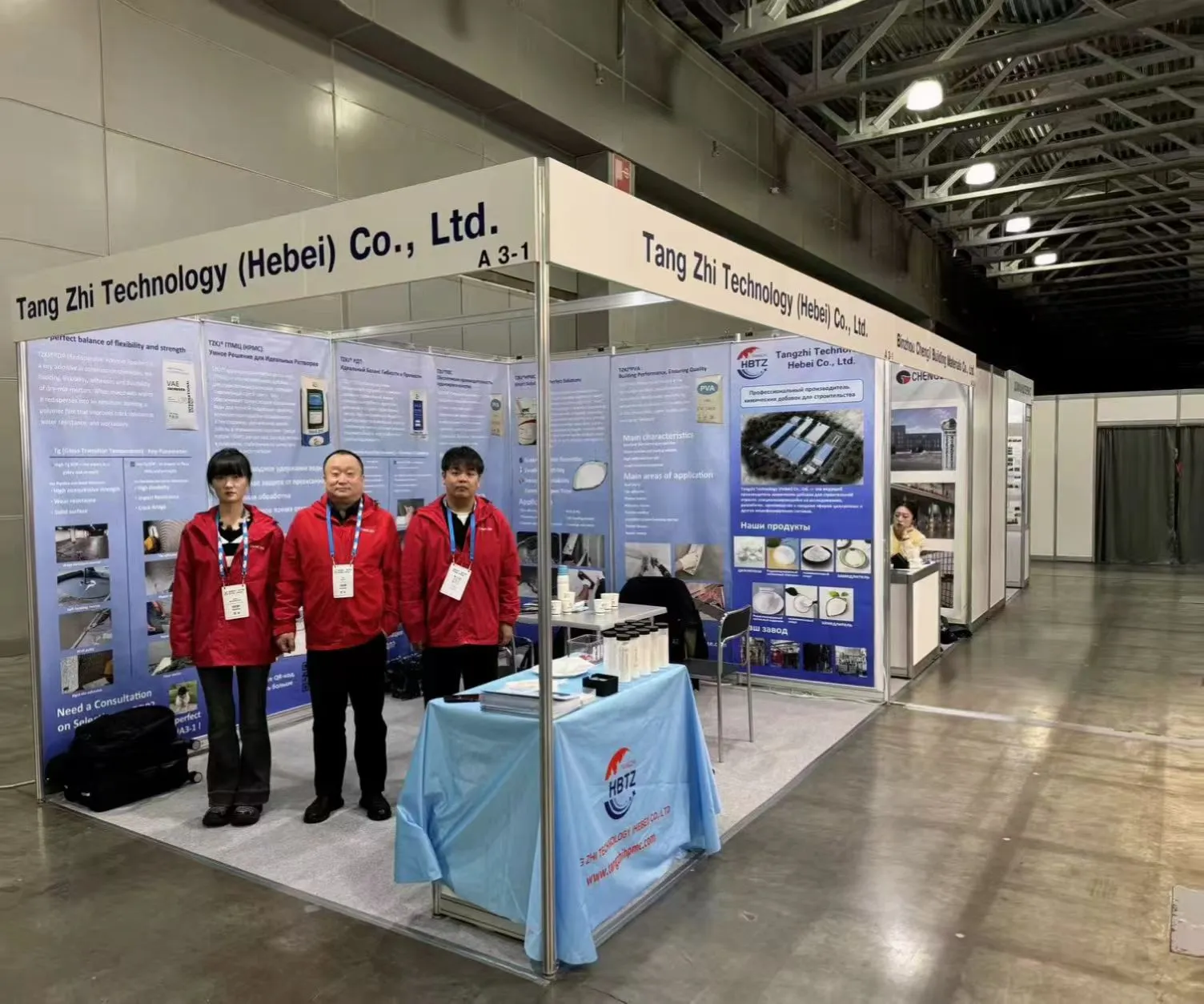
140,000 sqm in Jinzhou, Hebei. 40,000 tons/year capacity across PVA, HPMC, RDP. ISO 9001, REACH. Lines from Japan/Germany. Export to 50+ countries, USA top market.
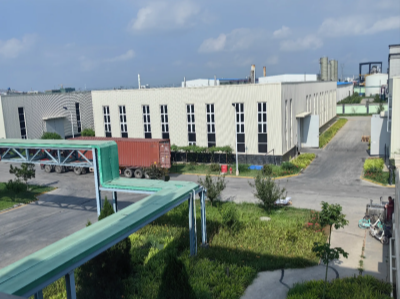

Vertical integration: own hydrolysis, drying. Consistent 88-99% grades. OEM/ODM welcome – private label your blends.
From Hebei to Your Dock: Realistic Timelines
Lead time: 10-20 days production + shipping. LCL to LA 25 days, FCL 18 days. 20' container: 16 tons PVA. Duties? HS 3905.30, check your tariff.
Incoterms: FOB Tianjin/CNF your port. We handle palletizing, fumigation. Track via WhatsApp.
FAQs from Procurement Pros
- Is polyvinyl alcohol plastic or not?
- Polymer with plastic properties, but water-soluble. Ideal for non-permanent apps.
- What's the price per ton?
- FOB $2,200-3,500 USD depending on grade. Volume discounts apply.
- Can you do small orders?
- 1 ton min. Free sample 5kg for qualified buyers.
- Certifications?
- ISO, REACH, Kosher on request. Lab COA per batch.
- Shelf life?
- 2 years dry. Test viscosity on arrival.
Feedback from Real Importers

John Ramirez, Adhesives Inc., Texas
"Tang Zhi's PVA 1799 grade dissolved perfectly. No gels, bonds strong. Saved us on reformulation."

Elena Kowalski, EuroTextiles
"Sizing trials exceeded expectations. Lead time beat promises. Repeat orders incoming."

Mike Chen, PackSolutions, California
"Film strength spot-on. Biodegradable claim verified. Good partner for sustainability push."

Sarah Lee, BuildChem, Florida
"Blended with RDP – mortar workability up. Logistics smooth despite port delays."
Ready to Source PVA?
Talk specs with our engineers. No obligation.
TANG ZHI TECHNOLOGY (HEBEI) CO., LTD | Room 2308, Dongsheng Plaza 2, No. 508 Zhongshan East Road, Chang’an District, Shijiazhuang, Hebei, China

Li Wei, Export Director
25 years in cellulose polymers. From lab to loading docks, I've seen what works for US/EU buyers.