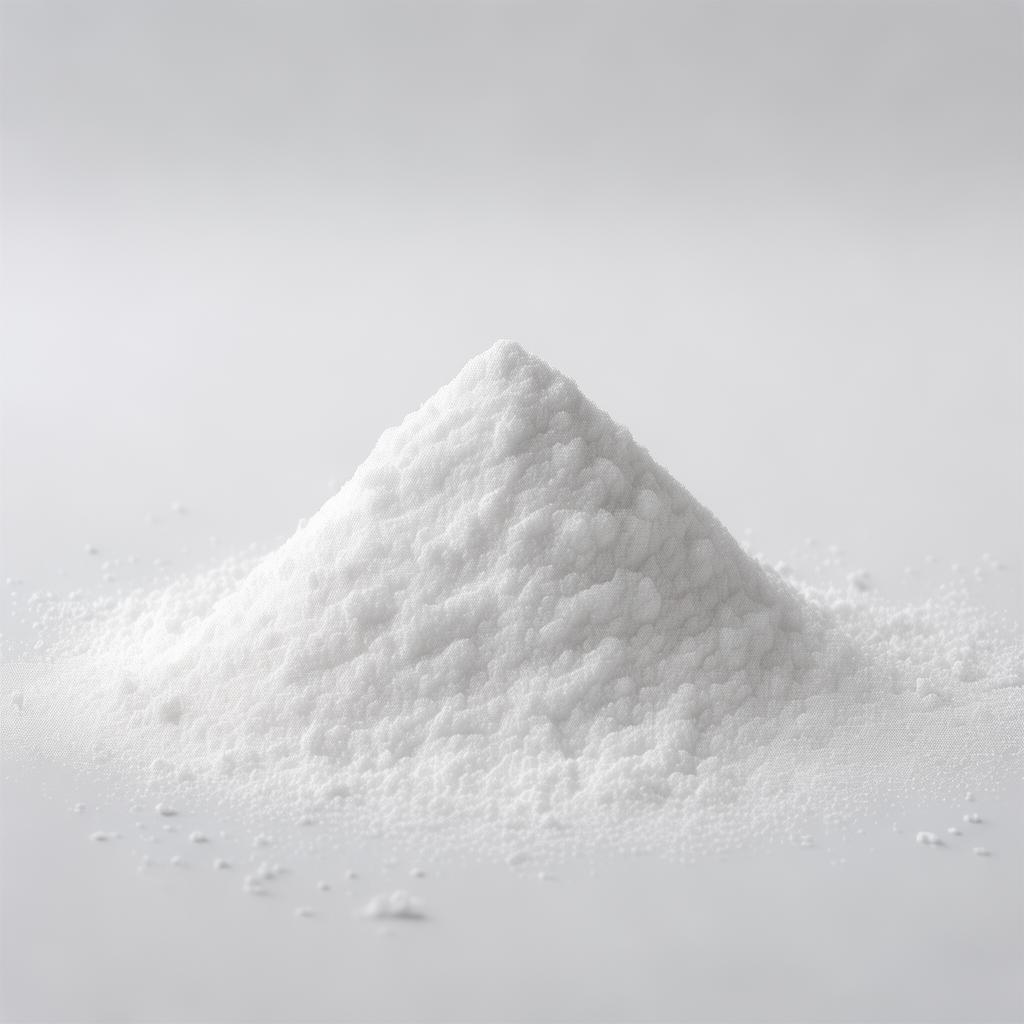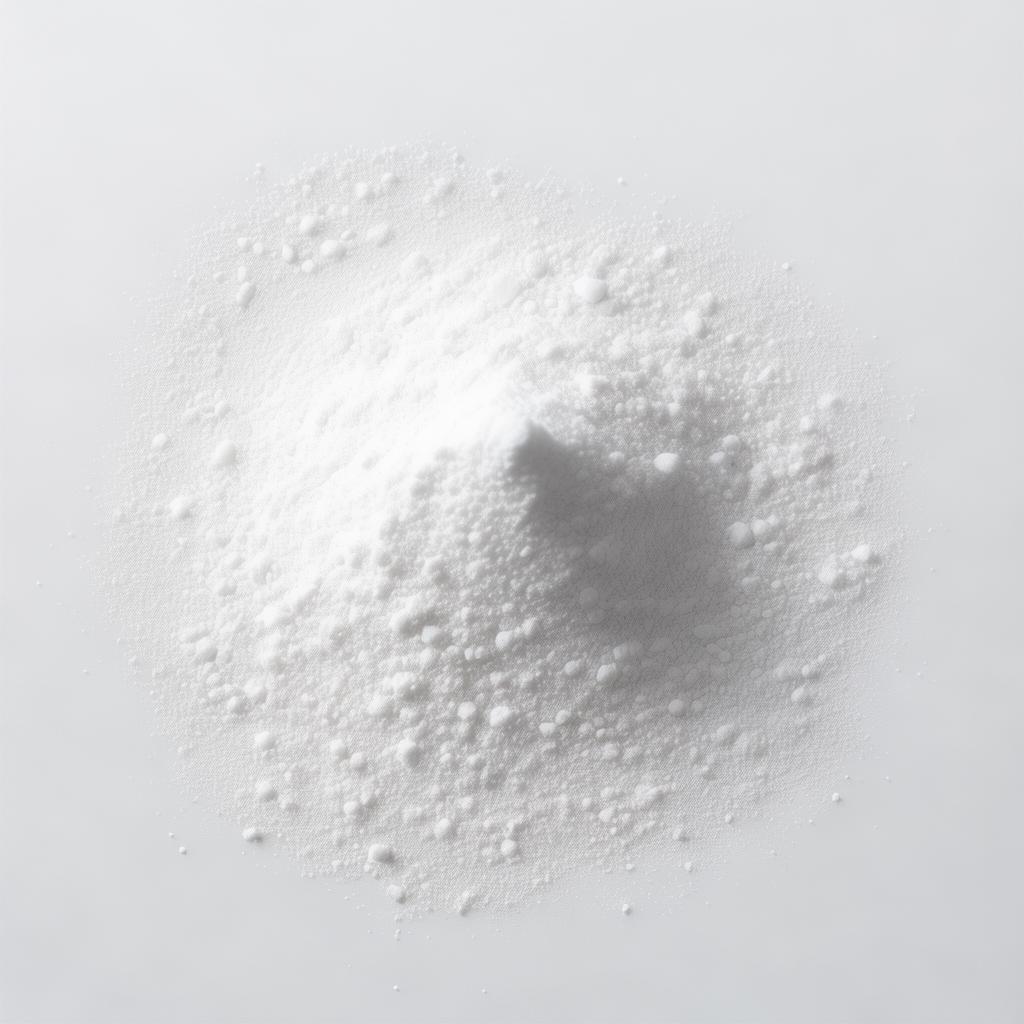
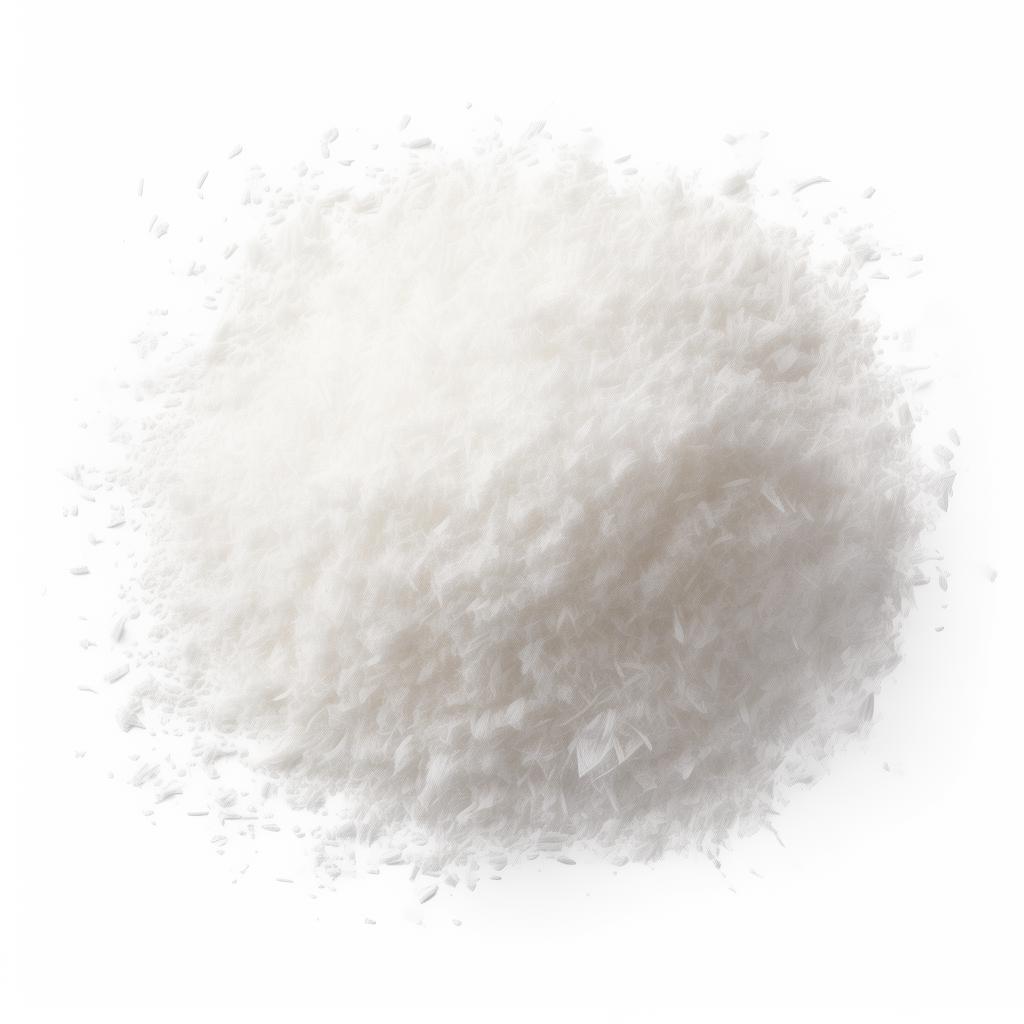
Polycarboxylate
Polycarboxylate Superplasticizer PCE: Reliable High-Performance Concrete Admixture from Factory Direct
Sourcing top-grade polycarboxylate ether for your concrete mixes? We've shipped millions of tons worldwide. Proven slump retention, water reduction up to 40%. Talk specs with our engineers today.
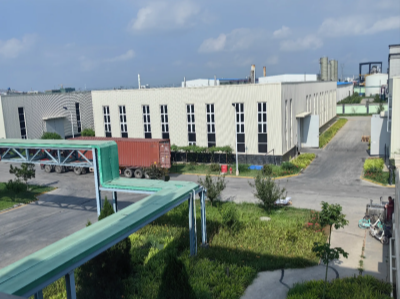
Table of Contents
- Market Trends in PCE Admixtures
- Common Challenges in Concrete Procurement
- Key Features of Our Polycarboxylate PCE
- Real-World Applications
- PCE vs Traditional Superplasticizers
- Technical Specifications
- Procurement Guide for Buyers
- Dosage and Mixing Insights
- Global Shipping Details
- Our Manufacturing Capabilities
- Certifications and Compliance
- What Buyers Say
- Frequently Asked Questions
Shifting Demands in the Polycarboxylate Market
Concrete projects keep getting bigger and more demanding. High-rises in the US, infrastructure rebuilds across Europe—everyone wants mixes that pump easily, hold shape on site, and cure strong without cracks. That's where polycarboxylate ethers step in.
Over the last few years, PCE demand has spiked. Importers tell us they're ditching older naphthalene-based reducers because PCE gives better workability at lower doses. We've seen orders double from precast yards in Texas alone. It's not hype; it's what happens when you need self-compacting concrete that doesn't segregate mid-pour.
Supply chains are tight, though. Lead times stretch if you're stuck with unverified suppliers. We keep stock ready for 20-40 ton lots, FOB Xingang or CIF to major ports.
Pain Points Procurement Managers Face with PCE Sourcing
Ever had a batch arrive with off-spec pH? Or worse, one that foams up during mixing? We've heard it all from US buyers. Cheap polycarboxylate from unvetted mills often lacks the comb polymer structure needed for sustained dispersion.
Another issue: logistics delays. Containers stuck in customs because of missing REACH docs or improper labeling. Then there's the dosage guesswork—overdosing jacks up costs, underdosing kills slump.
Operations folks complain about compatibility too. PCE that works fine in lab trials but retards set time in field mixes with your local cement. Real-world variability bites.
- Flocculation in high-slump pours.
- Poor early strength in cold weather.
- Air entrainment issues with fly ash blends.
- Extended shelf life claims that don't hold.
We've ironed these out over 10+ years exporting PCE. Stick with factories like ours that test against ASTM C494 standards.
Jump to Buyer GuideWhat Sets Our Polycarboxylate PCE Apart
Our PCE is a third-generation superplasticizer, built on polycarboxylate ether backbones with grafted side chains. This steric hindrance keeps cement particles dispersed longer than sulfonated options.
Water reduction hits 30-40% typically. Slump life? 2-3 hours retention without vibration loss. And it plays nice with silica fume or slag cements—critical for HPC mixes.
We've tuned viscosities for different apps: powder PCE for dry mixes, liquid for ready-mix trucks. No chlorides, low alkali—safe for prestressed concrete.
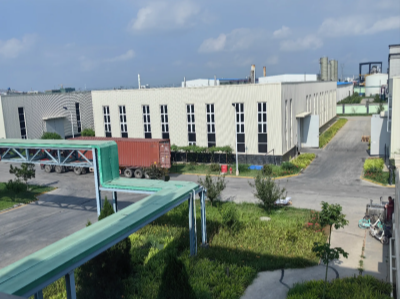
From the plant floor: Our reactors run continuous polymerization, not batch. Means uniform molecular weight distribution. Buyers notice fewer rejections downstream.
One more: Color stability. Yellowing under UV? Not here. Holds up in exposed aggregates.
Get Sample for TestingWhere Polycarboxylate PCE Delivers in the Field
Precast plants love it for tunnel segments—high flow, no honeycombing. We've supplied projects like LA metro extensions.
Ready-mix operators use our PCE for long-haul deliveries. Holds 200mm slump over 90 minutes, even in summer heat.
Self-consolidating concrete? Ideal. Fills complex molds without vibration, saving labor.
- High-strength columns (60MPa+)
- Pumping to upper floors
- Mass pours with low heat rise
- Marine structures (sulfate resistance blends)
Contractors report 20% less cement use. Not magic—better particle packing.
PCE vs Older Superplasticizers: Side-by-Side
| Feature | Polycarboxylate PCE | Naphthalene (NSF) | Melamine (SMF) |
|---|---|---|---|
| Water Reduction | 30-40% | 18-25% | 20-25% |
| Slump Retention | 2-3 hours | 30-60 min | 1 hour |
| Dosage | 0.2-0.5% | 0.7-1.5% | 0.5-1.0% |
| Compatibility | Excellent | Fair | Good |
| Cost per Performance | Lower long-term | Higher dosage | Moderate |
Ours outperforms on retention without sensitivity to temperature swings.
Detailed Technical Specifications
| Parameter | Standard PCE Liquid | Powder PCE | Test Method |
|---|---|---|---|
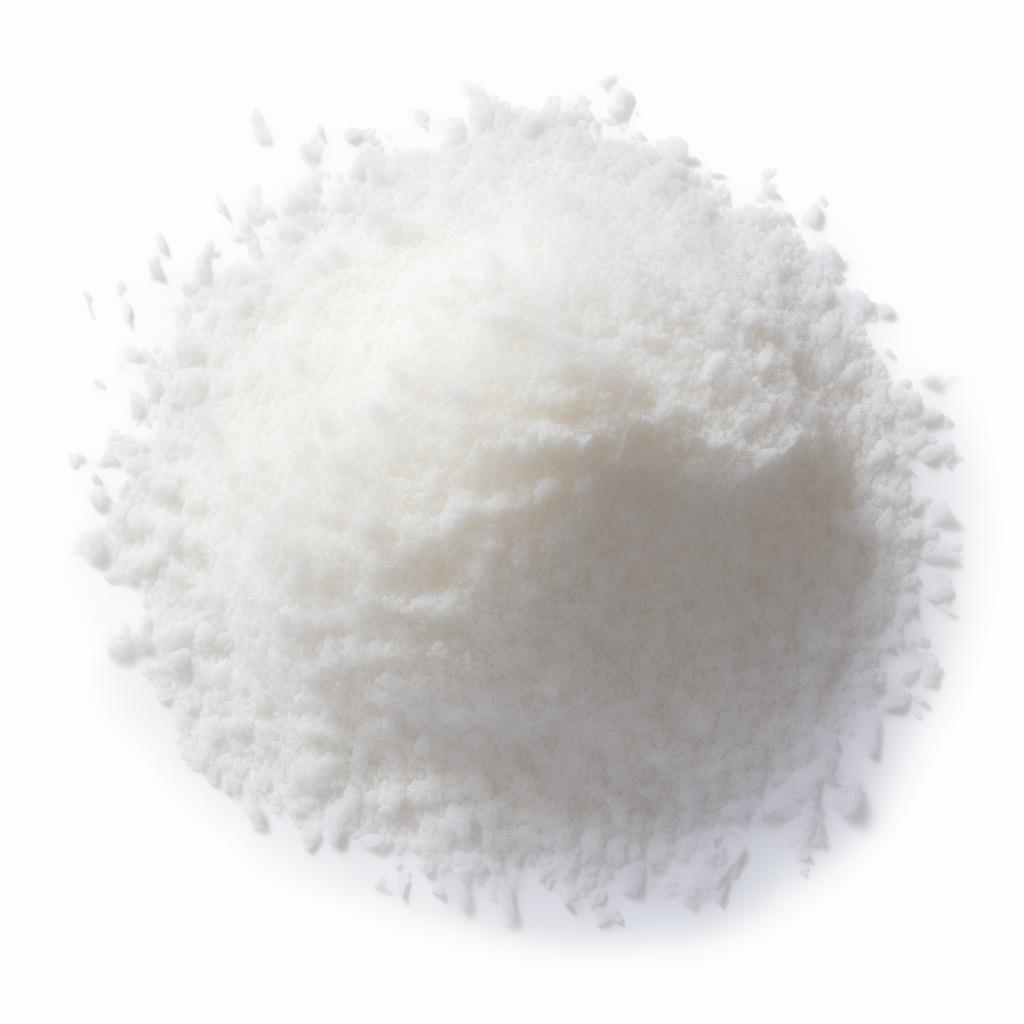
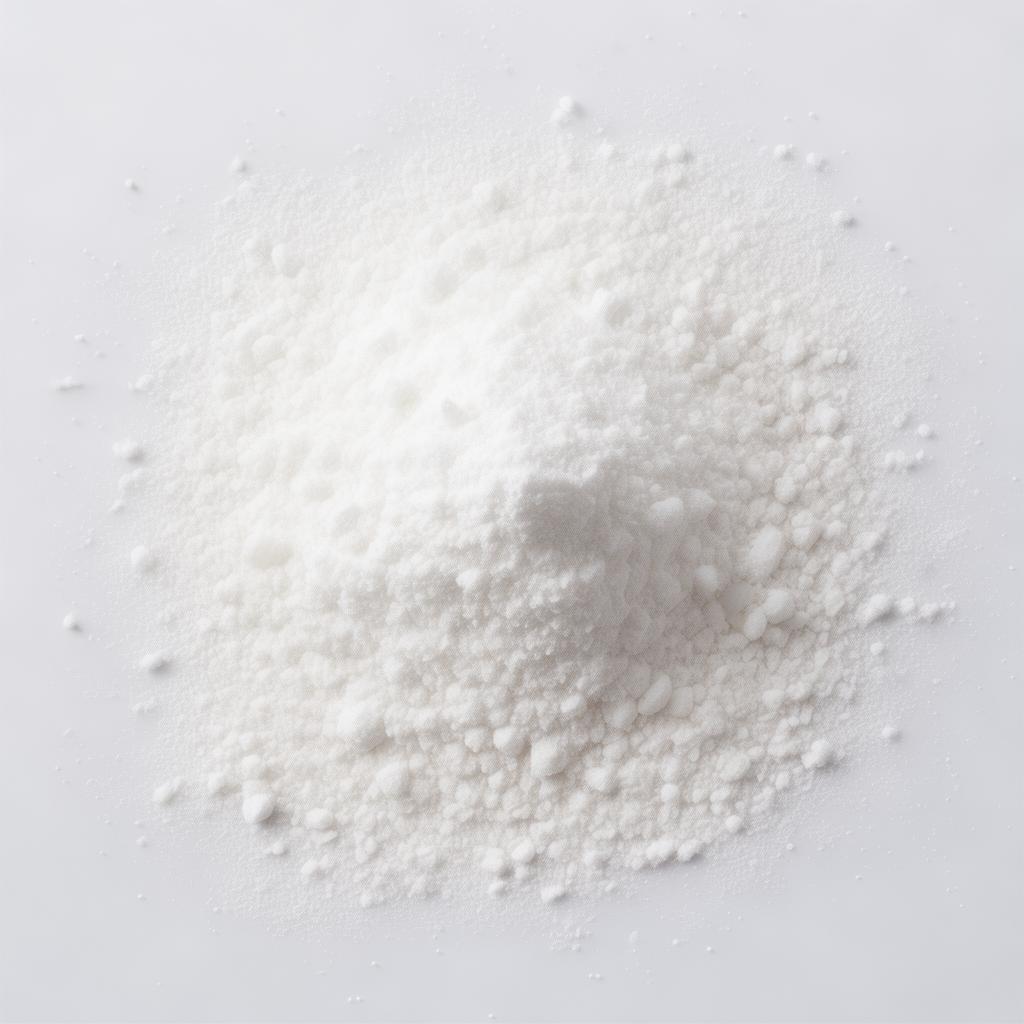
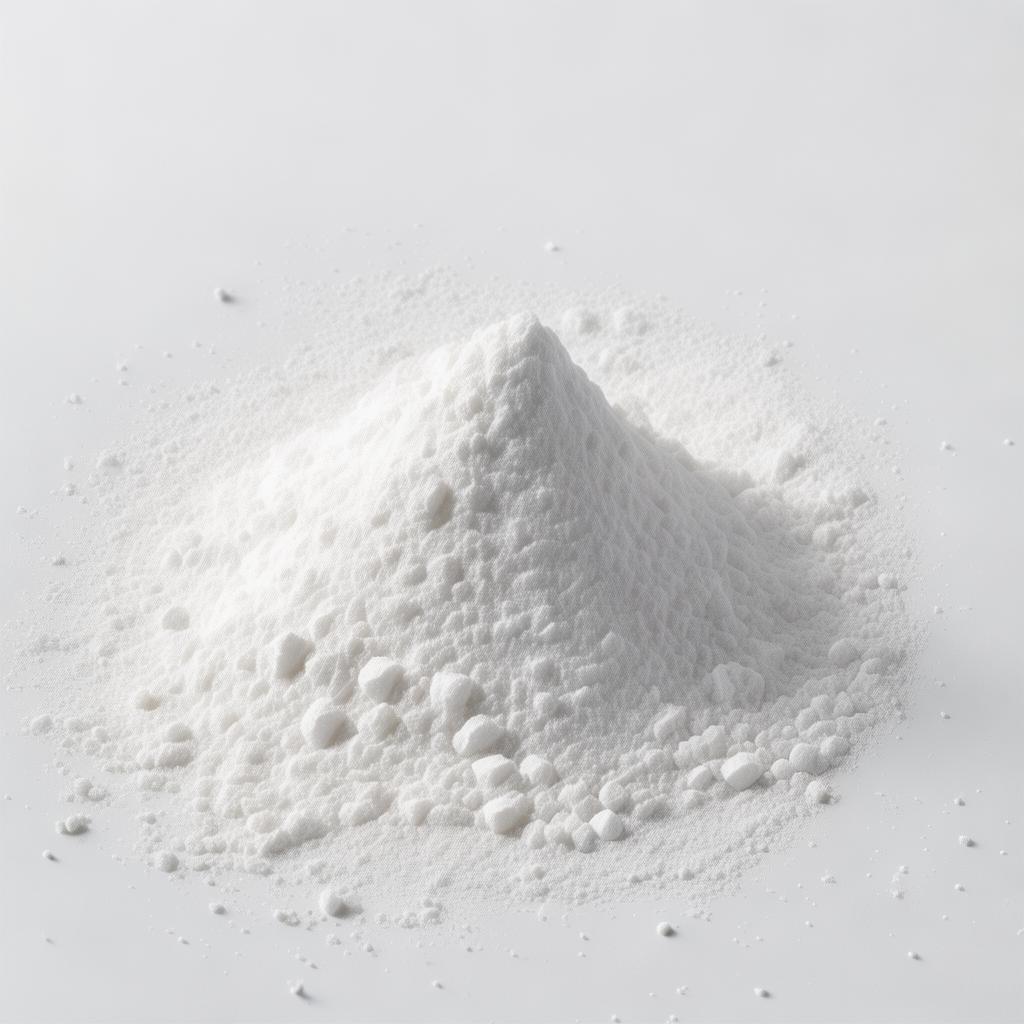
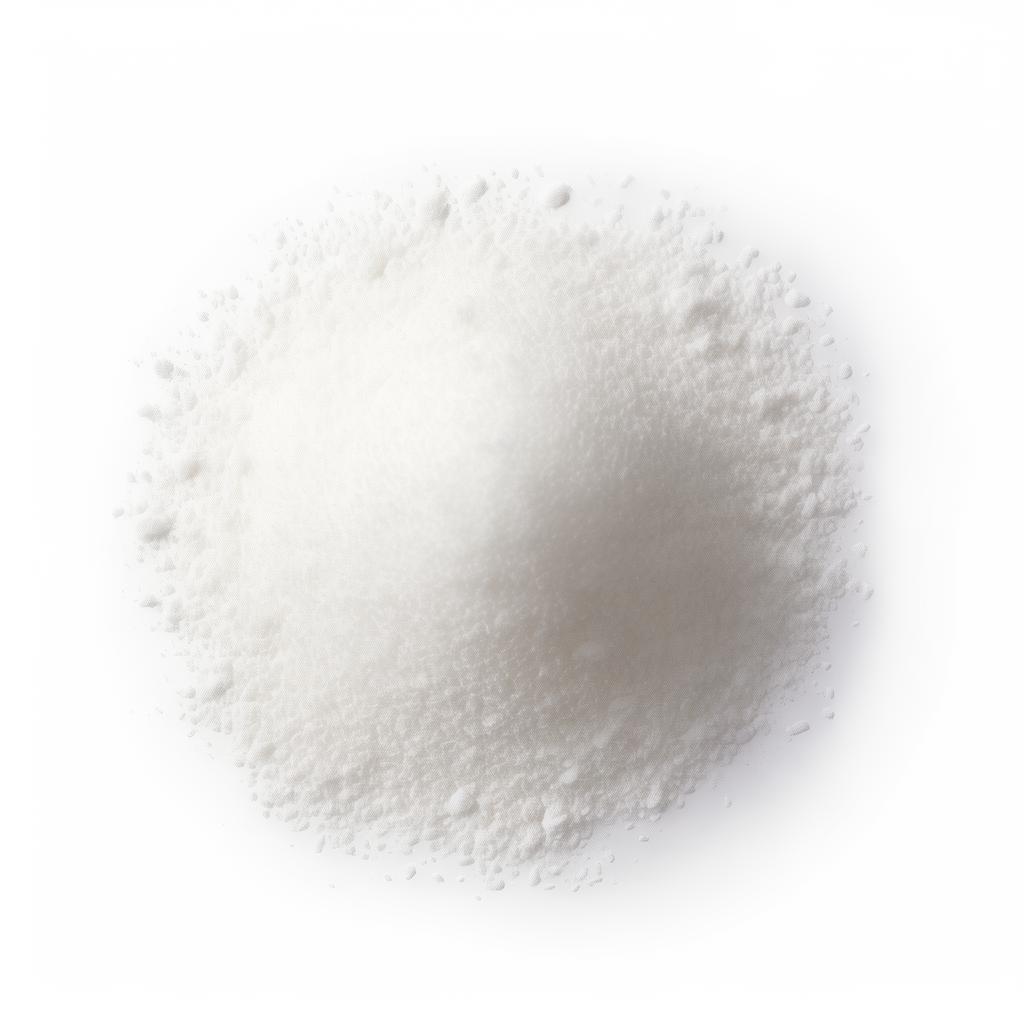
| Appearance | Light yellow liquid | White powder | Visual |
| Solid Content | 40% ±1 | 98% min | Oven dry |
| pH (20% sol) | 6-8 | 7-9 | GB 8076 |
| Cl- Content | <0.02% | <0.02% | HG/T 2873 |
| Water Reduction | ≥30% | ≥28% | GB 8076 |
| Shelf Life | 12 months | 24 months | Sealed |
Custom formulations available. Meets ASTM C494 Type F/G.
How to Source Polycarboxylate PCE Without Risks
Start with factory audits. Ask for polymerization process details—spray drying vs extrusion for powders. Verify annual output; small mills can't scale.
Request third-party tests. SGS or Intertek reports on water reduction and set time.
Sample first. Trial in your mix design. Check for bleeding or segregation.
Negotiate Incoterms early. FOB for control, CIF for simplicity. Factor 20-25 days to US West Coast.
Dosage Rates and On-Site Mixing Advice
polycarboxylate admixture polycarboxylate manufacturer polycarboxylate plasticizer
Base dosage: 0.3-0.6% by cement weight for liquids. Adjust up 20% for fly ash heavies.
Mix sequence: Water first, then PCE, aggregates last. Premix PCE if temps over 30C.
Watch set time. Our PCE retards 1-2 hours standard; faster variants available.
Field tweak: Add 10% extra for recycled aggregates—they absorb more.
Common mistake: Overdosing for slump. Hits strength hard. Test curves first.
Shipping Polycarboxylate Worldwide
Liquid in 200L drums/IBC totes, 22MT/20FCL. Powder 25kg bags, 16-18MT/20FCL.
Ports: Xingang/Tianjin. To LA/Long Beach: 18-22 days. Miami: 30 days.
Docs: CO, CIQ, fumigation for wood pallets. REACH pre-reg for EU.
Storage: Cool, dry. Liquids stable to 40C short-term.

We handle consolidation for LCL trials.
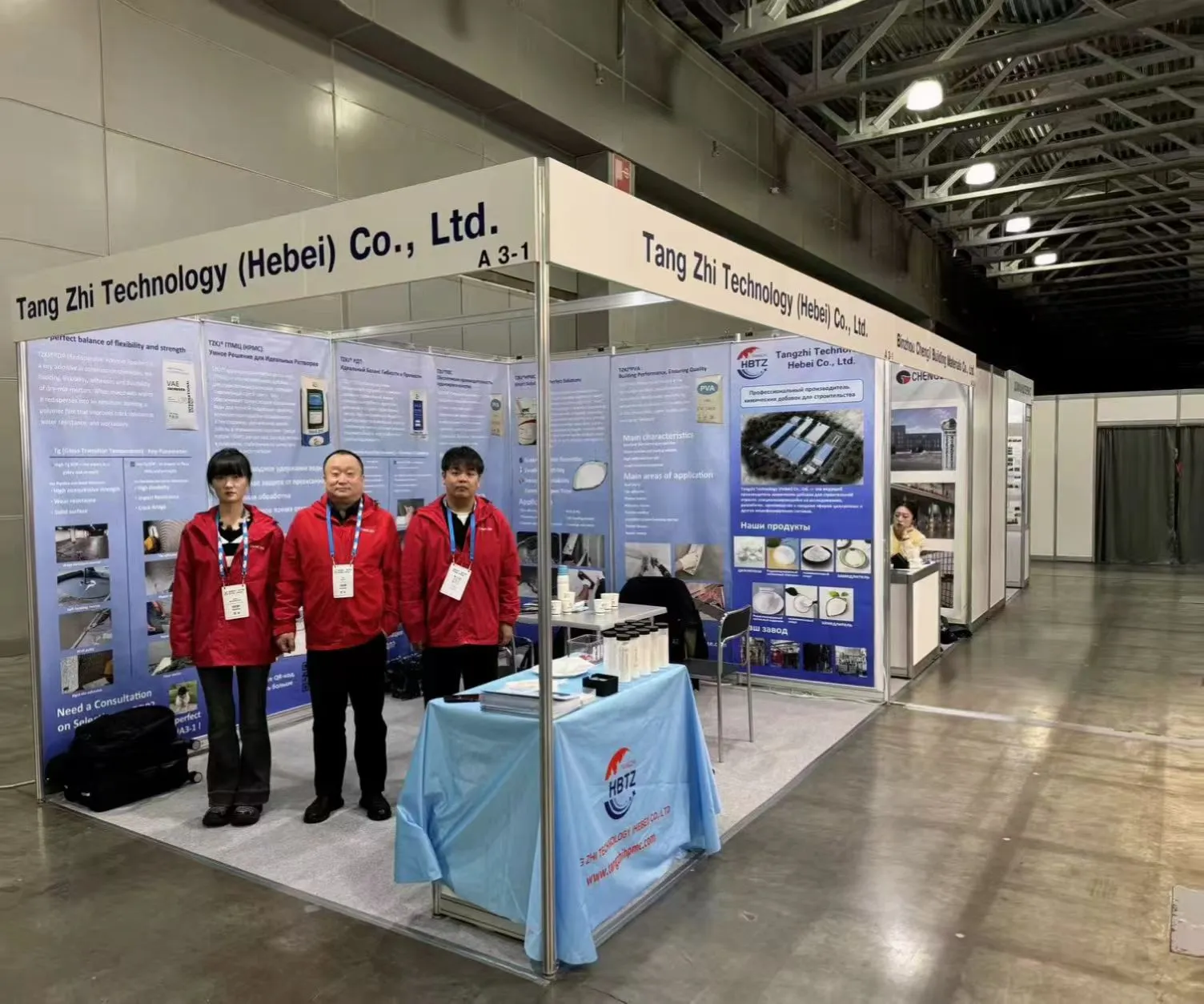
Inside Tang Zhi Technology (Hebei) Co., Ltd.
140,000 sqm site in Jinzhou, Hebei. 90,000 sqm buildings. Fully automated lines for PCE, HPMC, RDP—40,000 tons/year capacity.
200+ staff, 50 in R&D. Etherification reactors from Germany. Spray dryers hit 99% purity.
Export to 50+ countries. US batch records: 500MT/month avg.
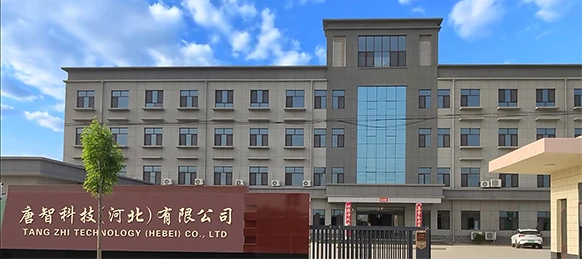
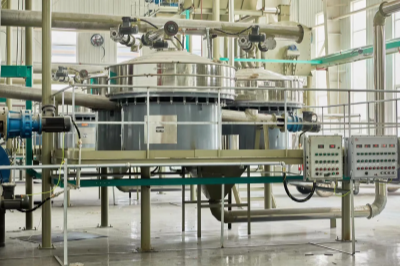
Not just PCE—full cellulose lineup for one-stop sourcing.
Certifications Backing Our PCE

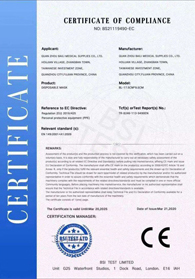


ISO 9001:2015, ISO 14001. Tested to GB 8076, ASTM C494. Halal/Kosher on request.
Feedback from Repeat PCE Buyers

John M., Texas Precast
"Switched to Tang Zhi PCE last year. Slump holds 2.5hrs now, cut cement 8%. Samples were spot-on match to trials. Fast reorder."

Maria G., Florida Ready-Mix
"Hot weather performer. No segregation in SCC. Shipping to Miami on time, docs perfect. Pricing beats competitors for volume."

Raj P., California Contractor
"PCE for pumpable high-rises. Early strength solid. OEM powder under our label—clients impressed. Recommend."

Mike L., Midwest Distributor
"Reliable supply, no shortages. Works with our lignosulfonate blends. Good margins reselling."
PCE FAQs for Importers and Engineers
A: 1MT samples ok. Production from 5MT. Full container discounts.
A: Yes. Ether/acrylate ratios adjustable. Test data provided.
A: Powder 24 months sealed. Liquid 12 months. Avoid direct sun.
A: Fully. Lab-tested on Portland, blended cements.
A: 30% T/T advance, balance B/L copy. L/C at sight for new buyers.
More questions? Email us.
Ready to Optimize Your Concrete Mixes?
Factory-direct PCE at scale. No middlemen, proven quality. Let's discuss your specs.
Tang Zhi Technology (Hebei) Co., Ltd.
Room 2308, Dongsheng Plaza 2, No. 508 Zhongshan East Road, Chang’an District, Shijiazhuang, Hebei, China
Email: admin@tangzhicellulose.com | Phone: +86-15032625168

Li Wei, Export Director
15+ years in concrete admixtures. Handled 100+ US projects. "PCE sourcing done right saves headaches."
© 2026 Tang Zhi Technology. All rights reserved. | Visit Factory Site