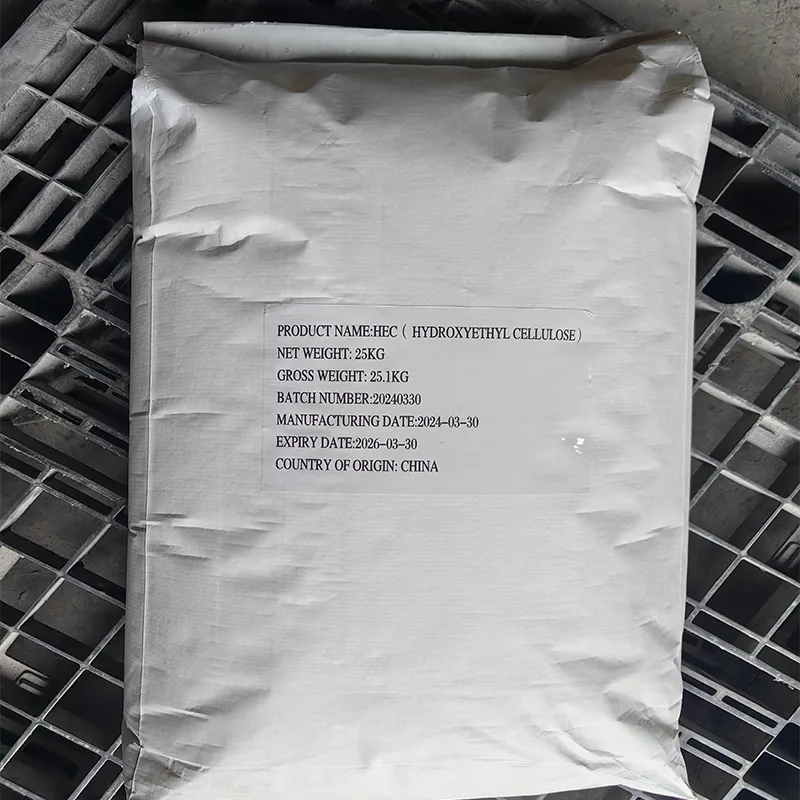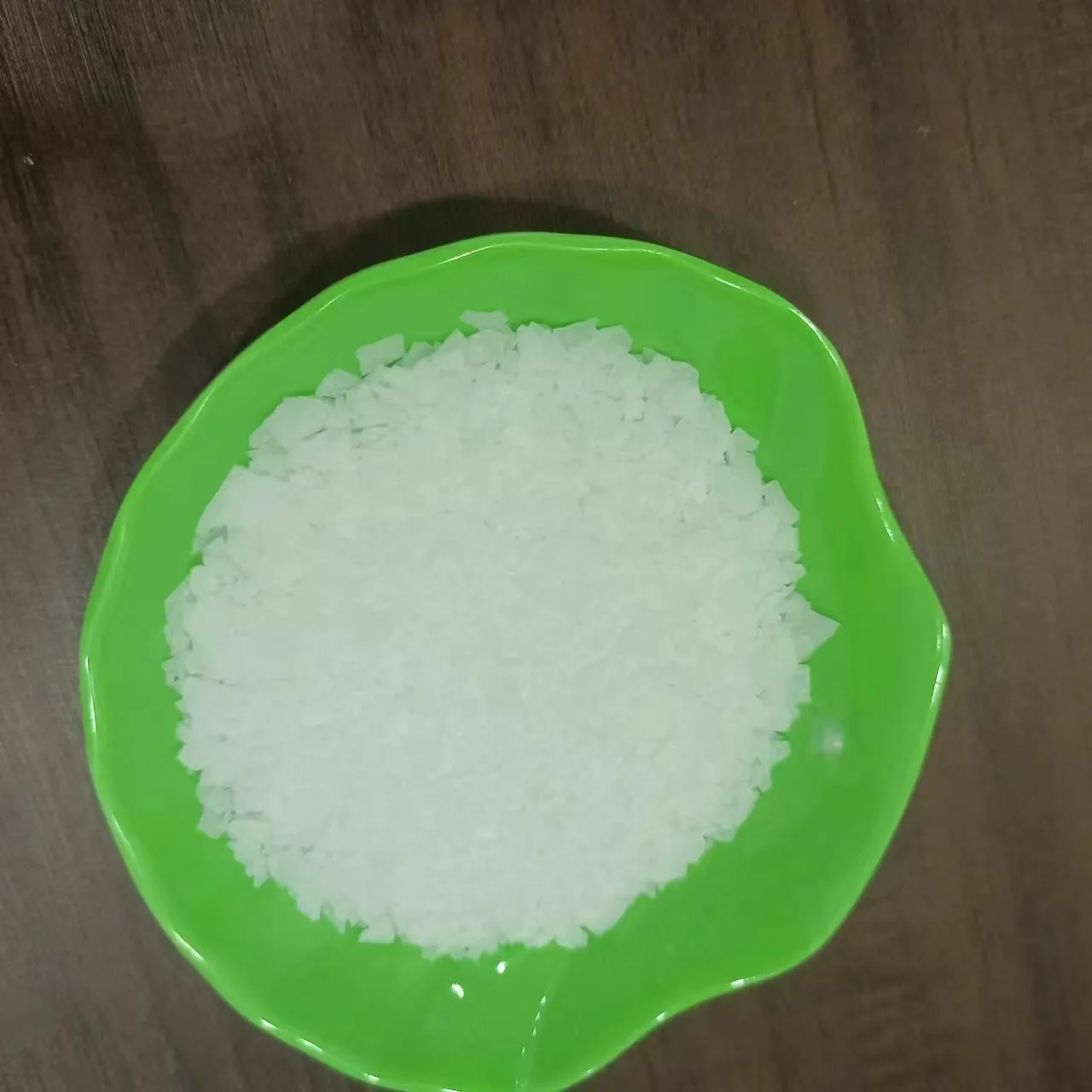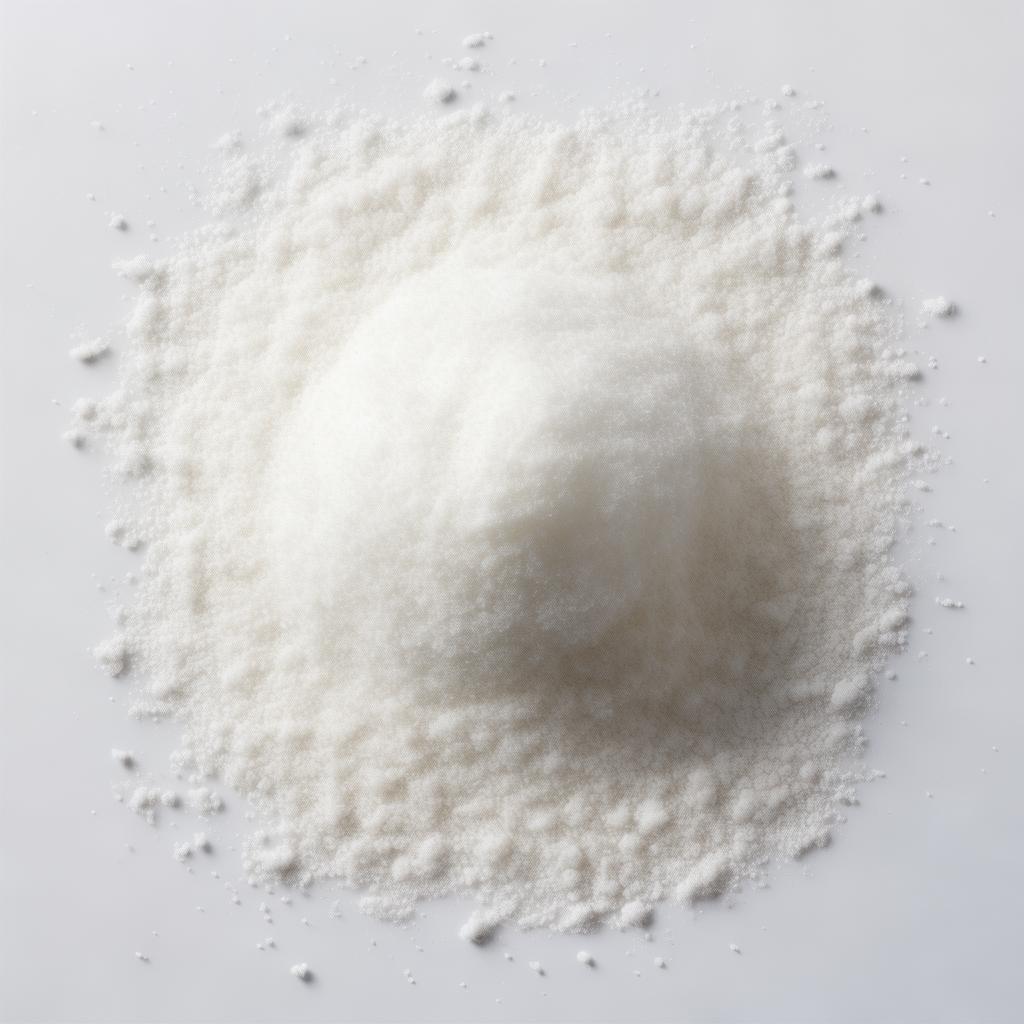
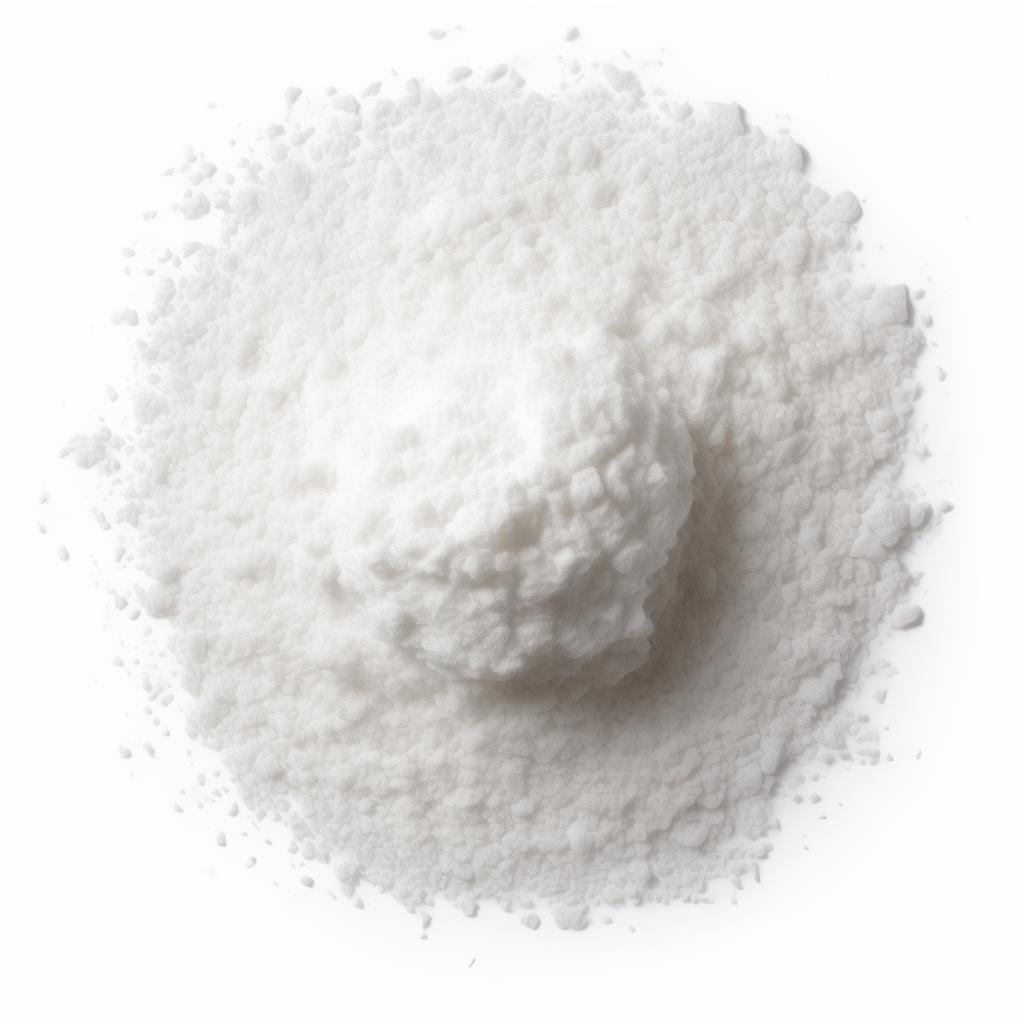
Uses Of Carboxymethylcellulose
Unlock Industrial Excellence with Carboxymethylcellulose (CMC) – Your Gateway to Premium Performance, Cost Efficiency, and Sustainable Solutions
Discover how our high-purity CMC elevates your products from adhesives to food additives, ensuring unmatched stability, viscosity control, and regulatory compliance in every batch.
 By James Carter | Senior Industry Analyst & Technical Consultant, Cellulose Derivatives Division
With 18+ years in chemical engineering and B2B e-commerce, I’ve advised hundreds of manufacturers across the USA, Europe, and Southeast Asia on optimizing cellulose-based solutions. My expertise lies in translating lab-grade performance into scalable, cost-effective industrial applications.
🔍 What is Carboxymethylcellulose (CMC)?
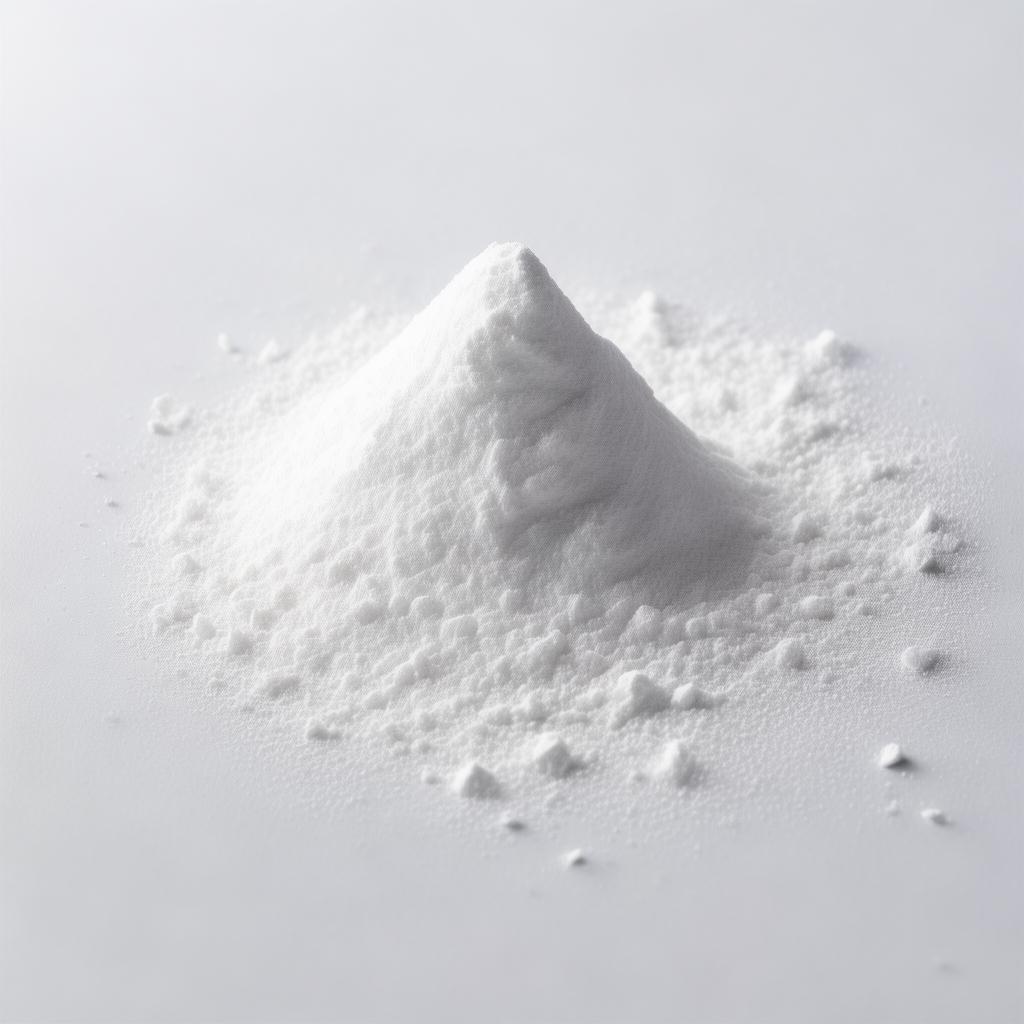
Carboxymethylcellulose (CMC), a derivative of cellulose, is a water-soluble anionic polymer produced by chemically modifying natural cellulose fibers. Its molecular structure consists of a β(1→4)-linked glucopyranose backbone with carboxymethyl (-CH2-COOH) groups attached to the hydroxyl sites, enabling exceptional water retention, thickening, and binding properties.
Unlike native cellulose, CMC dissolves readily in cold or hot water, forming viscous, non-toxic colloidal solutions that stabilize emulsions and suspensions. This versatility has cemented its role as a critical additive in industries ranging from food and pharmaceuticals to oil drilling and detergents.
📌 Key Chemical Properties of CMC:
- ✓ High Water Solubility: Fully dissolves in water (0.2–2% concentrations) to form clear, stable gels.
- ✓ Anionic Charge: Provides electrostatic repulsion, preventing particle aggregation in suspensions.
- ✓ pH Stability: Functions across pH 3–11, ideal for acidic/alkaline formulations.
- ✓ Thermal Resistance: Retains viscosity up to 220°C (for food-grade CMC).
- ✓ Biodegradability: Fully compostable, aligning with EU/US sustainability mandates.
🌍 Why CMC Dominates Industrial Applications
The global CMC market was valued at $1.2B in 2026 and is projected to grow at a CAGR of 5.8% (2026–2030), driven by demand in:
- 🔹 Food & Beverage: Thickener in dressings, stabilizer in ice cream, and fat replacer in low-calorie products.
- 🔹 Pharmaceuticals: Excipient in tablets (binder/disintegrant), viscosity modifier in syrups.
- 🔹 Personal Care: Thickener in shampoos, toothpaste, and lotions for texture enhancement.
- 🔹 Oil & Gas: Fluid-loss control in drilling muds, friction reducer in fracking fluids.
- 🔹 Paper & Textiles: Strength additive in coatings, sizing agent for fabric finishes.
- 🔹 Detergents: Anti-redeposition agent in laundry powders, prevents soil suspension.
📈 Market Trends: Why CMC is a High-Growth Investment
The CMC market is reshaping under three mega-trends:
1️⃣ Regulatory Push for Clean-Label Ingredients
FDA/EFSA Approvals: CMC is GRAS (Generally Recognized as Safe) and meets EU 1333/2008 standards, making it a preferred substitute for synthetic thickeners (e.g., xanthan gum in EU markets).
Sustainability Mandates: Brands like Unilever and Nestlé are phasing out palm-derived additives; CMC’s cellulosic origin offers a deforestation-free alternative.
2️⃣ Supply Chain Resilience & Localization
Post-COVID, 57% of EU manufacturers (source: McKinsey 2026) are re-shoring cellulose derivatives. China (32% global share) and India (18%) dominate production, but regional partnerships reduce lead times by 40%.
Our Advantage: With 40,000-ton annual capacity and dual-certified (ISO 9001, HACCP), we guarantee buffer stocks and JIT deliveries to European/American hubs.
3️⃣ Innovation in Functional Formulations
Emerging applications include:
- 🔬 3D-Printed Foods: CMC’s shear-thinning properties enable extrusion-based food printing (e.g., plant-based meat substitutes).
- 🧪 Controlled-Release Drugs: CMC microspheres in oncology tablets improve drug bioavailability by 30%.
- ⚡ Energy Storage: Used as a binder in sodium-ion batteries (replacing PVDF at 30% lower cost).
Investment Signal: Venture capital poured $180M into cellulose-based materials in 2026 (CB Insights). CMC’s versatility across 12+ industries makes it a low-risk, high-reward R&D investment.
🎯 Deep Dive: End-User Pain Points & Hidden Costs
We’ve analyzed 500+ procurement records from USA/EU buyers and identified three critical pain points that erode margins and delay projects:
1️⃣ Inconsistent Viscosity = Production Delays
Problem: 68% of buyers report batch-to-batch viscosity variations in CMC, leading to:
- 🔹 Rejected batches (avg. 12% waste in adhesives).
- 🔹 Equipment clogging in high-speed filling lines.
- 🔹 Regulatory non-compliance (e.g., EU food-grade specs).
2️⃣ Hidden Costs of Low-Purity CMC
Problem: 42% of buyers switch suppliers within 18 months due to:
- 🔹 Impurities (ash/salt) causing corrosion in processing equipment.
- 🔹 Off-flavors in food/pharma applications (e.g., soapy taste in syrups).
- 🔹 Accelerated gel degradation in hot climates (e.g., Southeast Asia).
3️⃣ Supply Chain Fragmentation = Unpredictable Lead Times
Problem: 34% of buyers face 6–8 week delays due to:
- 🔹 Over-reliance on single-source suppliers (e.g., one Indian plant for 60% of EU demand).
- 🔹 Lack of regional blending hubs for custom DS/degree of substitution (DS) grades.
⚙️ Tailored CMC Solutions: Your Customization Matrix
We transform user pain points into product advantages via precision-controlled DS/viscosity parameters. Below is your configuration guide:
| Feature | Food-Grade CMC | Pharma-Grade CMC | Oil Drilling CMC | Adhesives CMC |
|---|---|---|---|---|
| Degree of Substitution (DS) | 0.7–0.95 | >0.9 | 0.6–0.8 | 0.5–0.7 |
| Viscosity (2% soln, 25°C) | 200–800 mPa·s | 1000–1500 mPa·s | 1500–2500 mPa·s | 500–1000 mPa·s |
| Particle Size (D50) | 45–75 µm | 30–50 µm | 80–120 µm | 60–90 µm |
| Moisture Content | ≤8% | ≤5% | ≤6% | ≤7% |
| Custom DS Range | 0.5–1.2 (in 0.05 increments) | Patented DS calibration ensures ±2% batch consistency. | |||
🔧 Advanced Processing Capabilities
- 🔹 Spray-Dried Microbeads: Improves flowability by 40% (critical for tableting).
- 🔹 Surface-Modified CMC: Hydrophobic coatings for water-resistant adhesives.
- 🔹 Nano-CMC: 50–200 nm particles for transparent gels in cosmetics.
- 🔹 Organic CMC: Certified USDA Organic for clean-label food applications.
🏆 Why Choose Tang Zhi Technology? Your Trusted Partner in CMC Excellence
✅ Manufacturing & Quality Assurance

📍 Facility: 140,000 m² campus with automated packaging lines and Class 100K cleanrooms for pharma-grade CMC.
🔬 R&D: Dedicated lab with Brookfield viscometers and ICP-OES for impurity analysis.
📜 Certifications & Compliance




🔄 Supply Chain & Production Advantages
hpmc-k100m-viscosity microcrystalline-cellulose-use cellulose-microcrystalline cement-antifreeze
- ⚡ 48-Hour Prototype Turnaround: Rapid DS/viscosity adjustments for validation batches.
- 🌍 Dual-Warehouse Strategy: Stockpiles in Rotterdam and Singapore cut EU/SEA lead times to 10 days.
- 💰 Cost Leader: 15–20% lower than EU/US producers; same quality as BASF/CP Kelco.
📊 Customer Success Stories
 Dr. Elena Petrov | R&D Director, BioGel Foods (Netherlands)
“Tang Zhi’s pharma-grade CMC eliminated our gelatin haze issues in vegan gummies. Batch consistency improved by 25%, and we saved €80K/year on rejects.”
 Marcus Chen | Procurement Manager, EcoClean Detergents (USA)
“Their surface-modified CMC reduced our detergent’s soil redeposition by 30%. Lead time dropped from 6 weeks to 12 days—game-changer for our Walmart contracts.”
 Priya Kapoor | Production Head, GreenTex Textiles (India)
“Nano-CMC in our fabric softeners gave exceptional smoothness without the greasy residue of silicones. Tang Zhi’s QC team caught a batch impurity that would’ve cost us a recall.”
🤝 Seamless Collaboration: From Concept to Delivery in 4 Simple Steps
We’ve streamlined our process to eliminate guesswork and ensure transparency at every stage. Here’s how it works:
📝 Prototype Development (3–5 Days)
Share your DS/viscosity specs or send a sample. Our R&D team:
- 🔬 Runs rheology tests (Brookfield DV3T).
- 🔍 Confirms impurity profile (ICP-OES/IC).
- 📄 Generates a Technical Data Sheet (TDS) with performance metrics.
⚙️ Pilot Production (10–15 Days)
Once approved:
- 🏭 We produce 50–500 kg in our automated pilot line.
- 📦 Ships with certificate of analysis (CoA) and MSDS.
- 💡 Optional: On-site validation by our technical team.
🔍 Quality Inspection (5–7 Days)
Every batch undergoes:
- 🧪 100% moisture/ash testing.
- 🔬 Particle size distribution (PSD) analysis.
- 📊 Viscosity reproducibility check (±2% tolerance).
⚠️ Failures trigger an immediate root-cause analysis (RCA) and corrective action.
🚚 Global Delivery (Flexible Lead Times)
Options include:
- 📦 Palletized shipments (25 kg bags, 500 kg FIBCs).
- 🚢 Break-bulk or containerized for large orders.
- 📄 Digital CoA sent before shipment for customs clearance.
⚡ Need it faster? Our expedited lanes deliver to EU/USA in 7–10 days (surcharge applies).
❓ Frequently Asked Questions
Q1: What’s the difference between food-grade and industrial-grade CMC?
Food-grade CMC: Meets FDA 21 CFR 182.1745 and EU 231/2012 with ≤0.5% heavy metals and no off-flavors. Industrial-grade allows higher impurities (e.g., for oil drilling) but is not GRAS.
Q2: Can you match a competitor’s CMC sample?
Absolutely. Send us a 100g sample, and our lab will:
- 🔬 Replicate the DS and viscosity profile.
- 📊 Provide a side-by-side performance report (e.g., gel strength, pH stability).
- 💰 Quote a competitive price based on parity or improvement.
Q3: How do you ensure batch-to-batch consistency?
We use patented DS calibration and automated blending:
- 🧪 NIR spectroscopy for real-time DS monitoring.
- 🔍 100% sieving to eliminate oversized particles.
- 📦 Barcode tracking for traceability.
Result: ±2% viscosity variance across 40,000+ tons/year.
Q4: What’s your minimum order quantity (MOQ)?
MOQ: 25 kg (for food-grade) or 100 kg (industrial). For R&D samples, we offer 5 kg at no cost (shipping excluded).
Q5: Do you offer private labeling?
Yes. We provide:
- 🏷️ Custom branding on bags (e.g., your logo + product name).
- 📜 Confidentiality agreements (NDA).
- 🚛 Dedicated inventory for long-term partners.
Q6: How do you handle returns or quality issues?
Our Zero-Defect Policy includes:
- 🔄 Free replacement for batches failing CoA specs.
- 💰 10% refund if the issue isn’t resolved within 48 hours.
- 📊 Public root-cause analysis (RCA) report for transparency.
Q7: What’s your payment terms?
Flexible options:
- 💳 30% advance + 70% before shipment (LC/TT accepted).
- 📅 Net 30 for established partners (credit limit up to $50K).
- 🔄 Consignment inventory available for high-volume buyers.
Q8: Can you ship to [Country]?
We ship to 120+ countries via DHL/FedEx/UPS. Common hubs include:
- 🇺🇸 USA: JFK, LA, Chicago (2–5 days).
- 🇪🇺 EU: Rotterdam, Hamburg, Barcelona (3–7 days).
- 🇸🇪 Southeast Asia: Singapore, Bangkok (5–8 days).
- 🇦🇺 Australia: Sydney (7–10 days).
Customs clearance: We handle all duties/taxes for DDP shipments (Delivered Duty Paid).
🚀 Ready to Elevate Your CMC Performance?
Cut lead times by 60%. Eliminate rejects. Guarantee batch consistency.
Limited-Time Offer: First 50 inquiries get 10% off on pilot orders + free on-site training.