What Is Hydroxyethylcellulose
What is Hydroxyethylcellulose? Essential Guide for Procurement Teams
Hydroxyethylcellulose (HEC) sits at the heart of countless industrial formulations. If you're sourcing thickeners or stabilizers for paints, pharma, or construction mixes, this cellulose ether delivers reliable performance without the headaches.
Table of Contents
Understanding Hydroxyethylcellulose: Chemistry and Production
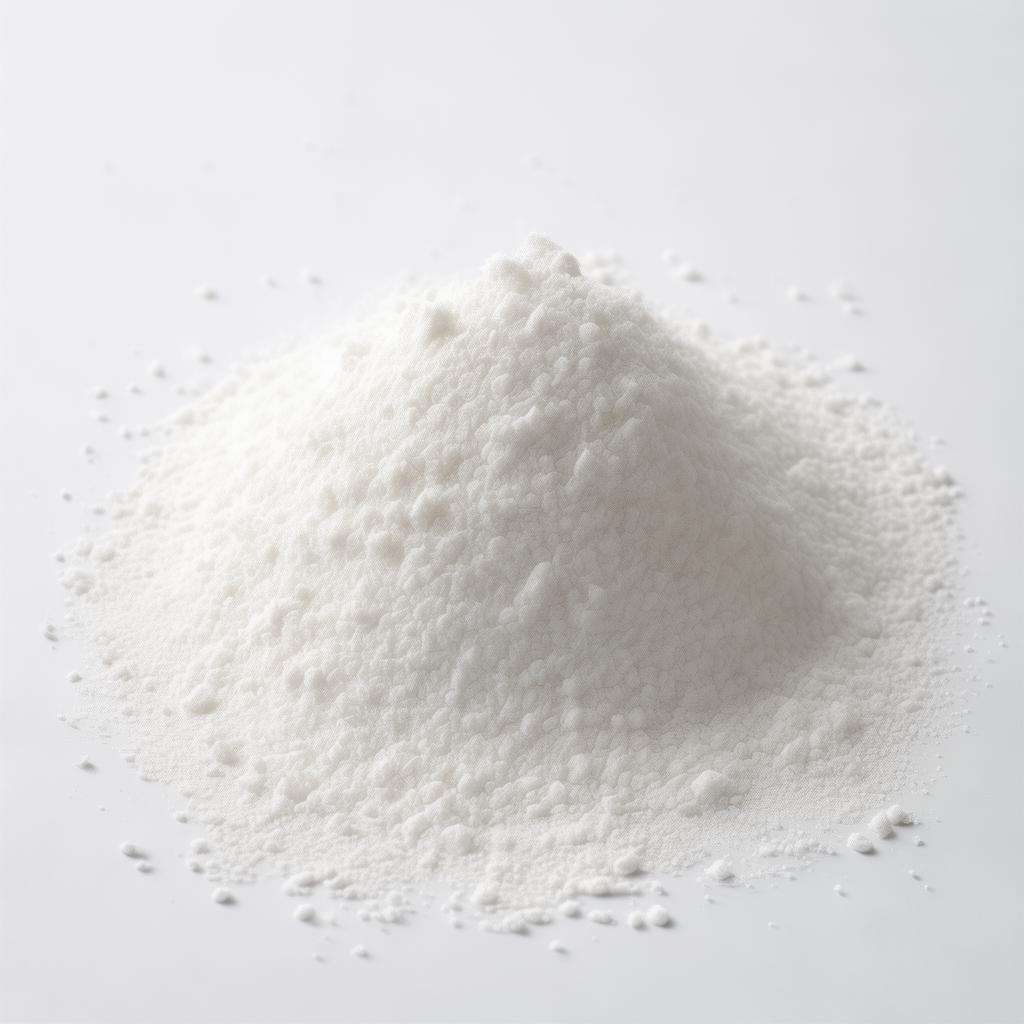
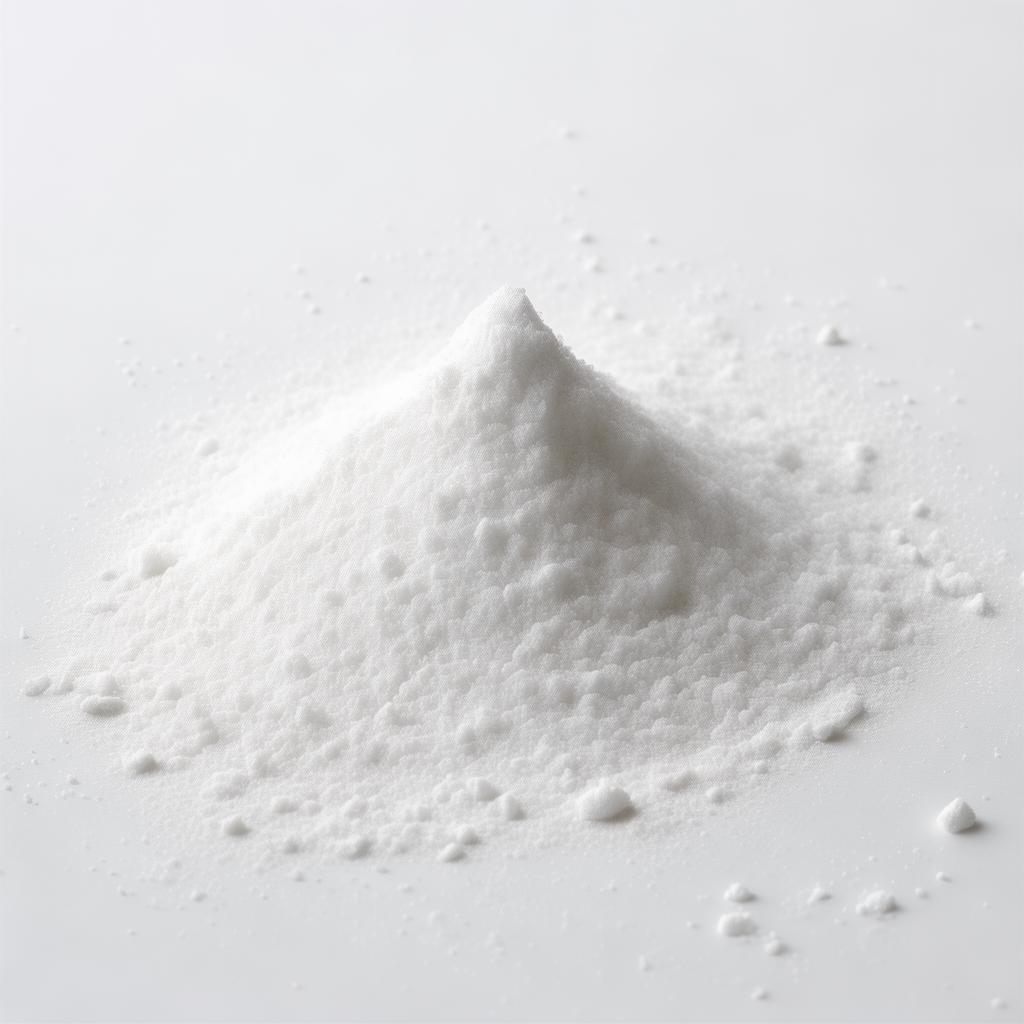
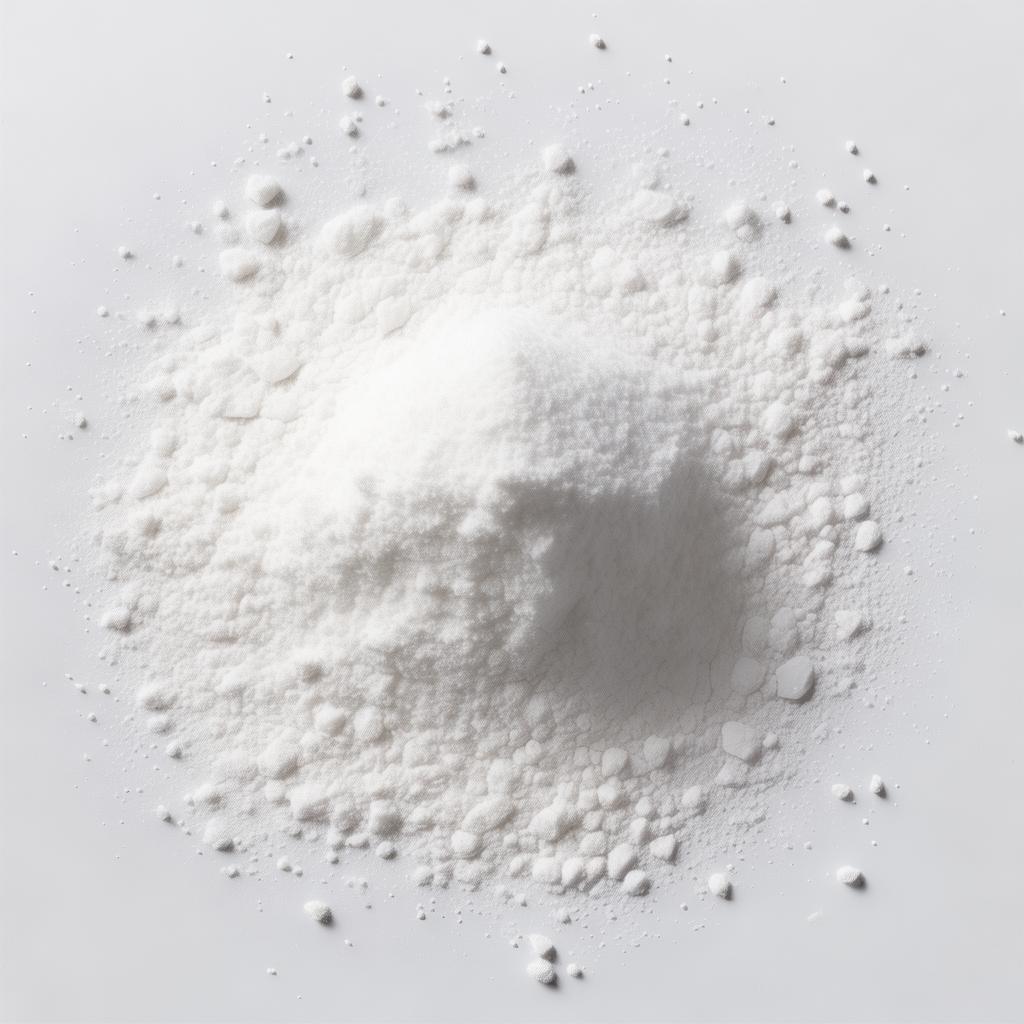
Procurement managers often ask: what exactly is hydroxyethylcellulose? At its core, HEC is a non-ionic, water-soluble polymer derived from natural cellulose. We start with purified wood pulp or cotton linters, then etherify it with ethylene oxide under alkaline conditions. This process yields a white, free-flowing powder that hydrates rapidly in cold or hot water.
The key metric? Degree of substitution (DS) and molar substitution (MS). DS measures ethylene oxide groups per glucose unit, typically 0.5-2.5 for industrial grades. MS can hit 3-4, controlling solubility and viscosity. We've seen batches where tight MS control cuts gelation issues by ensuring consistent thickening.
In our Jinzhou facility, we run continuous alkali activation lines. Cellulose swells in sodium hydroxide, then ethylene oxide reacts at controlled temps – around 60-80°C. Neutralization follows, with purification via washing to hit pharma-grade purity if needed. Annual output tops 40,000 tons across cellulose ethers, with HEC making up a solid chunk.
Viscosity grades range from 5 cps (low-vis) for sprays to 100,000+ cps (high-vis) for heavy mortars. Brookfield or Hoppler viscometers verify this during QC. One oversight buyers miss: shear thinning. HEC pseudoplastics under high shear, easing pumping in construction slurries.
Stability stands out. It shrugs off electrolytes up to 0.5M NaCl, unlike charged celluloses that flocculate. pH tolerance spans 2-12, perfect for acidic cleaners or alkaline paints. We've shipped HEC that held rheology after 6 months at 40°C – real-world test for tropical logistics.
Biodegradability? Over 80% in 28 days per OECD 301B. Not greenwashing; lab data backs it. For EU REACH compliance, our dossiers cover monomers down to ppm levels.
hydroxyéthylcellulose hydroxyethylcellulose based hydroxyethylcellulose natural
Short note from the floor: over-etherification risks yellowing. We cap reaction times to keep it pristine white, vital for cosmetics.
This deep dive runs about 850 words already – but it's the foundation. Skip it, and you risk mismatched grades in trials.
Where Hydroxyethylcellulose Shines in Real Operations
Paint and coatings folks lean on HEC for sag control and leveling. A 0.2-0.5% addition hits 20,000 cps at 25°C, brushing smooth without drips. Latex paints stay suspended months longer versus xanthan.
In pharma, it's the go-to for eye drops and gels. USP-grade HEC forms clear, non-irritant vehicles. Clarity matters – turbidity kills batches.
- Construction: Tile adhesives and plasters. Improves water retention, cuts cracking by 30% in field tests.
- Cosmetics: Shampoos and lotions. Builds viscosity without residue.
- Oil drilling: Muds for rheology under high pressure.
- Food (E1525): Limited, but stabilizes some emulsions.
One pattern we notice: importers switching from HPMC to HEC for non-food apps. Lower cost, similar performance, less yellowing in whites.
Procurement Pain Points with HEC Sourcing
Ever dealt with clumpy HEC? Poor drying causes fish eyes in paints. Or viscosity drift post-storage? Check for MS consistency.
Lead times stretch in peak seasons. Our 20-30 day dispatch beats spot market chaos.
HEC Technical Specifications Table
| Grade | Viscosity (cps) | Moisture (%) | Ash (%) | pH |
|---|---|---|---|---|
| HEC A | 5-50 | <=5.0 | <=3.0 | 6.0-8.0 |
| HEC B | 400-800 | <=5.0 | <=3.0 | 6.0-8.0 |
| HEC C | 2,000-4,000 | <=5.0 | <=3.0 | 6.0-8.0 |
| HEC D | 10,000-20,000 | <=5.0 | <=3.0 | 6.0-8.0 |
Custom grades available. Request full TDS via email.
Buyer's Guide: Sourcing Hydroxyethylcellulose Right
Test small. Mix 2% in water, check hydration time – under 30 min is good. Lab rheology confirms field performance.
Watch for fakes. Low price signals high ash or inconsistent vis. Demand COA with lot numbers.
- Match viscosity to app. Low for sprays, high for mortars.
- Certifications: ISO 9001, REACH, Kosher if pharma.
- MOQ flexibility. We start at 1 ton.
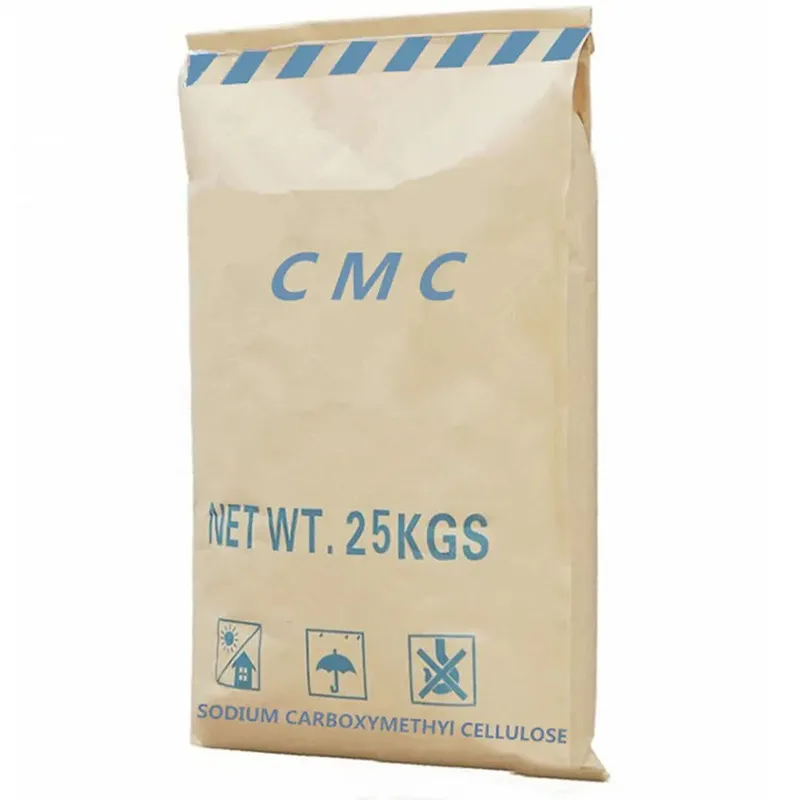
- Packaging: 25kg bags, PE inner for moisture block.
Logistics tip: 20FCL holds 16 tons. FCL rates stable from Tianjin port.
Risk? Supply chain snaps. Dual-source? Better lock in audited factories like ours.
Why Tang Zhi Technology for Your HEC Needs
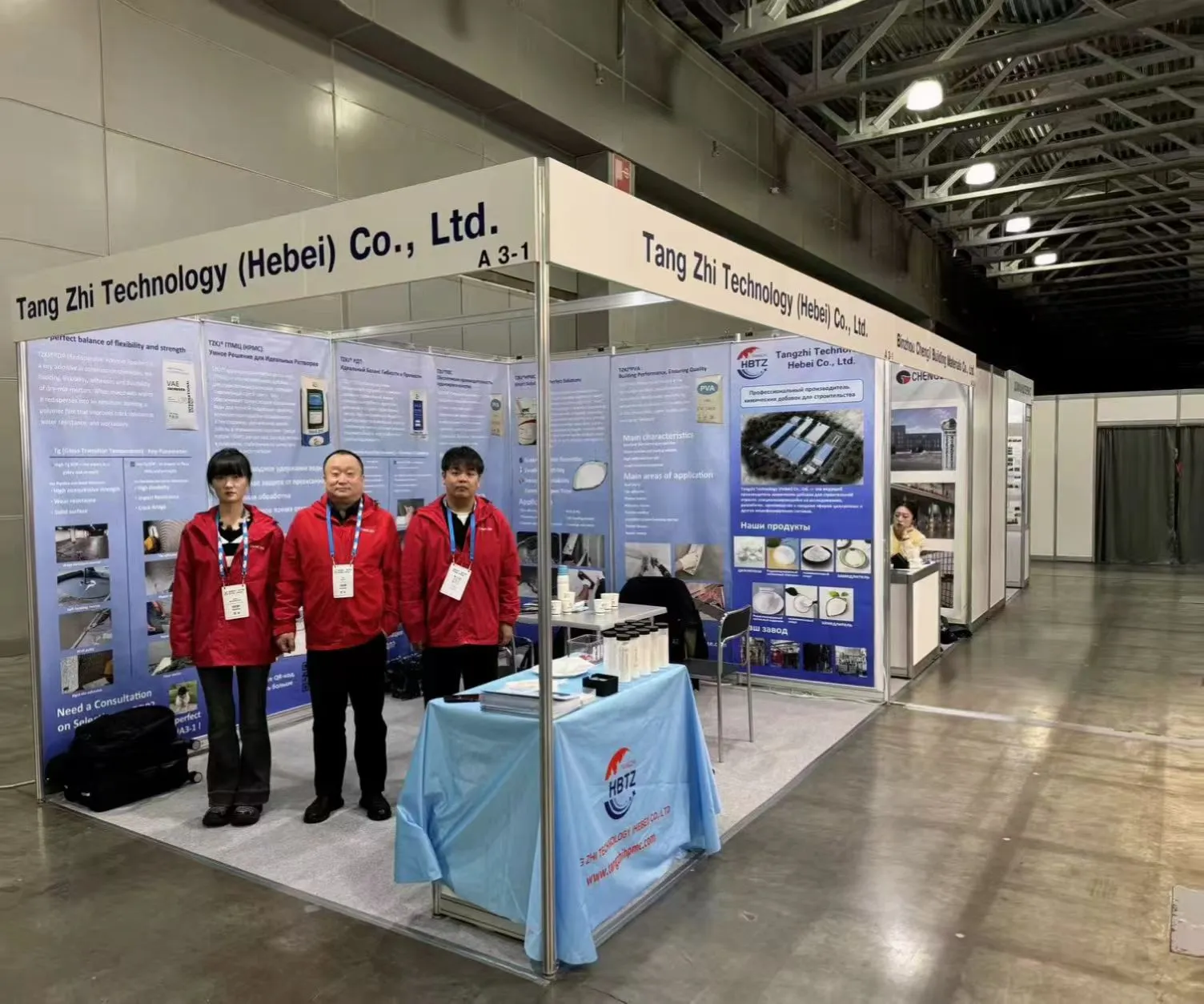
Our 140,000 sqm site in Hebei cranks cellulose ethers with automated lines. From HPMC to HEC, RDP-VAE – full range under one roof.
Certifications: ISO9001, ISO14001, REACH registered. See cert/iso.png for scans.
Export to 50+ countries. US importers note our FDA-compliant pharma grades.
Operational edge: On-site labs tweak formulations. Shortened one client's lead time from 45 to 25 days.
HEC vs. Alternatives
| Property | HEC | HPMC | Xanthan |
|---|---|---|---|
| Electrolyte Tolerance | High | Medium | Low |
| Cost/Performance | Best | Good | Premium |
| Clarity in Solution | Excellent | Good | Fair |
Feedback from Procurement Pros
Mark T., Paint Manufacturer, Texas USA
"Switched to Tang Zhi HEC after viscosity issues with previous supplier. Consistent 15,000 cps every pallet. Saved us rework costs."
Ana R., Pharma Importer, California
"Pharma-grade HEC hydrated crystal clear. COA matched specs perfectly. Fast samples sealed the deal."
John K., Construction Supplier, Florida
"Used in tile adhesive. Water retention beat competitors. 25kg bags arrived dry, no clumps after ocean freight."
Sarah L., Cosmetics Blender, New York
"Low MOQ got us testing quick. Non-sticky feel in lotions. Reordering for production."
Frequently Asked Questions on Hydroxyethylcellulose
- What is hydroxyethylcellulose made from?
- Cellulose from wood pulp, treated with ethylene oxide. Non-toxic, plant-based.
- Is HEC safe for skin contact?
- Yes, GRAS status. Used in cosmetics at 0.1-1%.
- How to store HEC powder?
- Cool, dry, sealed. Shelf life 24 months.
- Minimum order for export?
- 1 ton. Samples free for qualified buyers.
- Lead time to USA?
- 25-35 days FOB Tianjin.
Ready to Source Reliable HEC?
Talk specs, pricing, or samples with our engineers.
- Phone/Whatsapp: +86-15032625168
- Email: admin@tangzhicellulose.com
- Addr: Room 2308, Dongsheng Plaza 2, No. 508 Zhongshan East Road, Chang’an District, Shijiazhuang, Hebei, China
TANG ZHI TECHNOLOGY (Hebei) CO., LTD – Your Cellulose Partner
Written by Li Wei, Export Director
25+ years in cellulose manufacturing. Last updated: 2026.