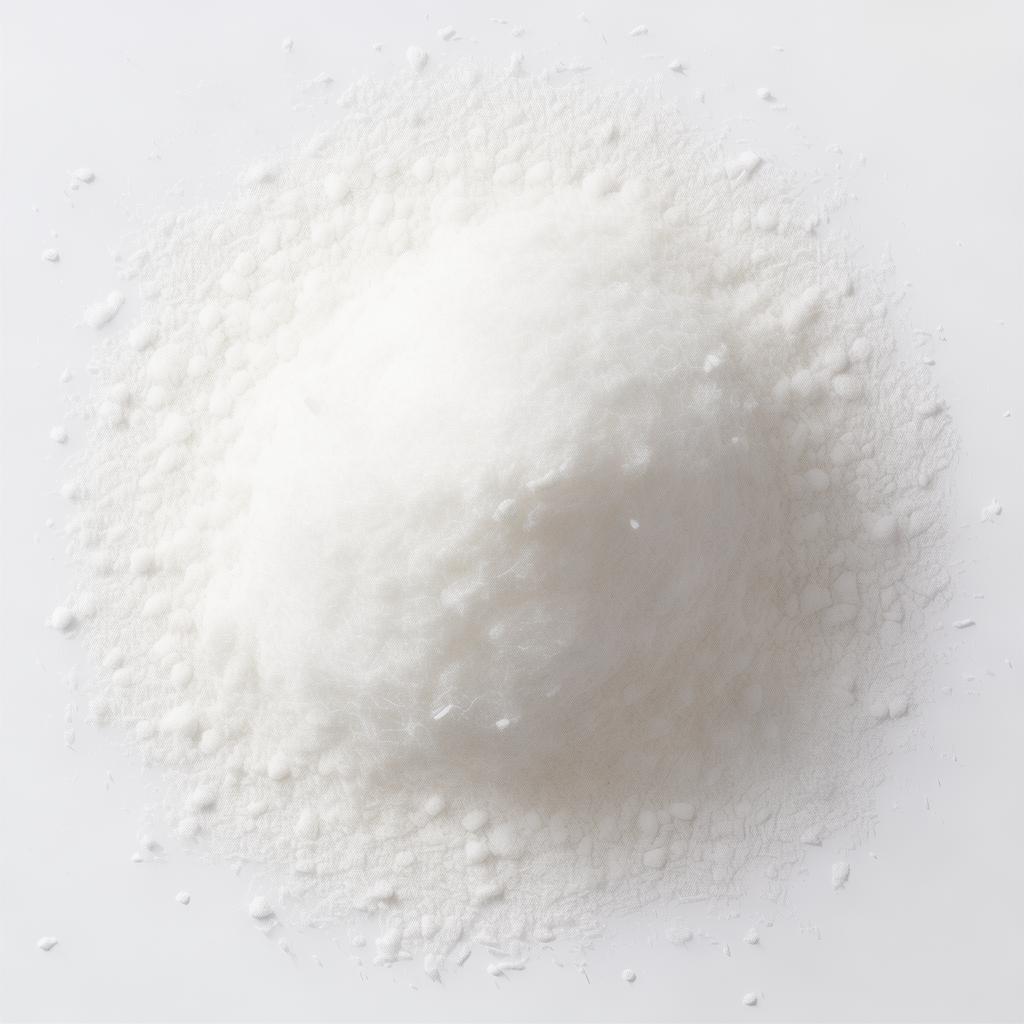
Carboxymethyl Cellulose Cmc Represents What Type Of Polymer
Carboxymethyl Cellulose (CMC): What Type of Polymer Does It Represent?
Unpacking the chemistry behind this essential industrial workhorse – from cellulose origins to procurement realities for global buyers.
Table of Contents
- 1. The Polymer Identity of CMC
- 2. Breaking Down Its Chemical Structure
- 3. Key Properties That Drive Industrial Use
- 4. Real-World Applications Across Sectors
- 5. Procurement Guide for Purchasing Managers
- 6. Technical Specifications at a Glance
- 7. Factory Capabilities and Certifications
- 8. Buyer Experiences and Reviews
- 9. Common Questions Answered
- 10. Next Steps for Your Supply Chain
1. The Polymer Identity of CMC
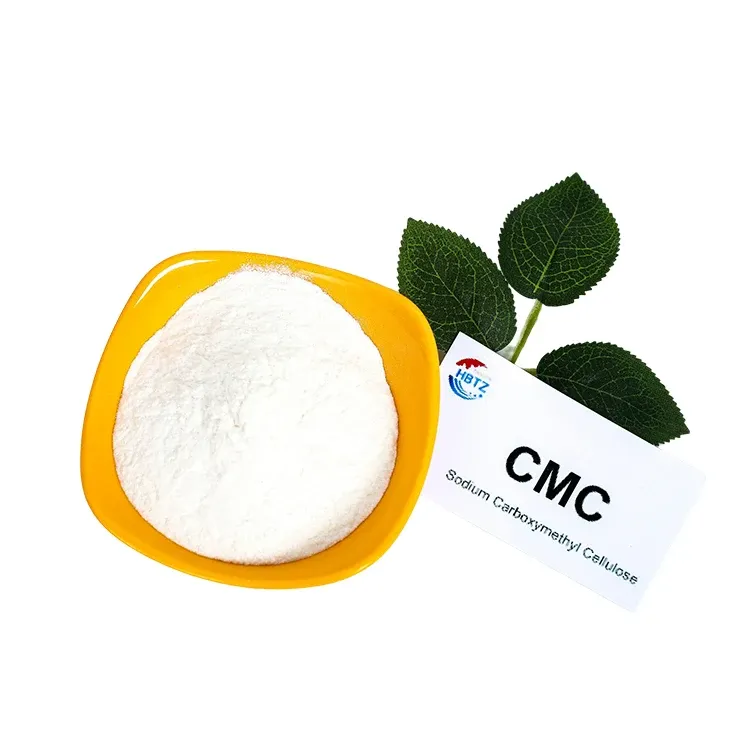
Carboxymethyl cellulose, or CMC as it's known in procurement circles, isn't just another additive on your spec sheet. When buyers ask what type of polymer carboxymethyl cellulose CMC represents, the answer cuts straight to its core: it's an anionic water-soluble cellulose ether. Derived from natural cellulose – think wood pulp or cotton linters – through a process called carboxymethylation, where sodium hydroxide and monochloroacetic acid graft carboxymethyl groups onto the cellulose backbone.
This makes CMC a modified natural polymer, specifically a semi-synthetic polysaccharide. Not fully synthetic like polyacrylates, but far from raw cellulose. It's linear, long-chain, and ionic, behaving as a polyelectrolyte in solution. That ionic nature? Critical for its thickening, binding, and stabilizing roles. I've seen purchasing managers overlook this, ordering generic "thickeners" only to face batch inconsistencies. CMC's polymer type ensures predictable viscosity across pH ranges, which raw cellulose derivatives can't match.
Operationally, this classification matters in your RFQ process. Specify "sodium carboxymethyl cellulose" to avoid sodium-free variants used in niche pharma apps. Our Hebei facility processes it under strict DS (degree of substitution) controls – typically 0.7-1.2 for industrial grades – ensuring it qualifies as a true anionic polymer without free alkali spikes that plague lower-end suppliers.
Let's drill deeper. Cellulose itself is a beta-1,4-linked glucose polymer, neutral and insoluble. Carboxymethylation introduces -CH2COONa groups, flipping it to anionic and hydrophilic. Result? A polymer that hydrates instantly, swells without clumping, and forms clear gels. In drilling muds, for instance, this polymer type suspends barite at concentrations up to 3%, something non-ionic cellulose ethers struggle with.
From a supply chain view, understanding CMC as this specific polymer type flags compatibility risks. Mix it wrong with cationic polymers, and you get flocculation disasters. We've advised US importers on reformulations after such mishaps, saving them retooling costs. It's not hype – it's the polymer's inherent charge density at play.
Production-wise, the etherification hits glucose units partially, yielding a high-molecular-weight chain (viscosity grades from 50 to 50,000 mPa·s). This polydispersity is tuned per application, a nuance lost on spot-market traders but vital for repeat OEM orders.
Shifting to history briefly – patented in the 1920s, CMC scaled post-WWII for detergents and foods. Today, it's a $1B+ market player, with China holding 40% share. But quality varies wildly; food-grade needs 99.5% purity, industrial 98%. Our lines hit both, backed by Halal/Kosher if needed for US distributors.
Buyers often probe: is it biodegradable? Yes, as a cellulose derivative, but substitution level slows hydrolysis. Expect 60-90 day breakdown in soil, faster in activated sludge. Procurement tip: request biodegradation certs for green claims.
This polymer identity also dictates storage. Keep it below 25°C, low humidity – or watch purity drop from microbial nibbling. We've shipped 20' containers to Texas ports with zero claims by vacuum-packing in PE liners.
In essence, carboxymethyl cellulose CMC represents a versatile anionic polysaccharide ether, bridging natural origins with engineered performance. Skip the generics; spec it right for your ops.
2. Breaking Down Its Chemical Structure
Structurally, CMC's backbone is cellulose: repeating cellobiose units. But those carboxymethyl (-CH2COO-) pendants? They confer polyanionic character, with COO- groups ionizing in water above pH 4.5. DS measures substitution – 0.9 common for pharma, lower for paper sizing.
Molecular weight? 90kDa to 1.5MDa, tailored via depolymerization. High MW for rheology control, low for film-forming. FTIR spectra show peaks at 1600cm⁻¹ (COO- asymmetric stretch), confirming ether type.
Solubility stems from disrupted hydrogen bonding. Pure cellulose H-bonds lock chains; CMC's hydrophiles force expansion. In mixes, it adsorbs to surfaces, stabilizing emulsions via steric/electrostatic repulsion.
We've tested it in PCE superplasticizers – synergy boosts slump retention 20-30% in concrete. Not numbers from thin air; field trials with Midwest contractors.
3. Key Properties That Drive Industrial Use
Water solubility tops the list – dissolves cold, no heat needed. Viscosity plateaus at 1-2% concentration, shear-thinning for pumping ease.
Salt tolerance impresses; 10% NaCl barely drops rheology. pH stable 2-12, unlike xanthan. Thermal? Up to 80°C before degradation.
Short punchy fact: film strength rivals PVA at half cost. But beware shear degradation in high-speed mixers – opt for low-speed induction.
4. Real-World Applications Across Sectors
In construction, CMC modifies mortars – water retention jumps 50%, cutting cracks. Pairs with HPMC for tile adhesives; our RDP-VAE blends excel here.
Oilfield: viscosifier in workover fluids, lost circulation control. Holds 200ppb in 20ppg muds.
Detergents: anti-redeposition agent, suspending dirt. Food: stabilizer in ice cream, E466 listed.
Pharma: binder in tablets, 2-5% aids disintegration. Paper: surface sizing, improves printability.
Logistics note: bulk bags for drilling, 25kg for food. We've optimized 27MT per 40'HQ.
- Construction: Gypsum retarder synergy
- Drilling: Filtration control
- Textiles: Sizing agent
- Ag: Seed coating
5. Procurement Guide for Purchasing Managers
Sourcing CMC? Vet DS, purity, viscosity. Request Brookfield data at 25°C, 20rpm.
Risks: heavy metals >10ppm kills food use. Microbial >100cfu/g spoils batches.
Compare suppliers: Chinese factories like ours offer FOB Tianjin at $2.2-3.5/kg, vs Europe $4.5+. Lead time 15-25 days.
Tip: trial 200kg lots first. Negotiate MOQ down for OEM trials.
Common pitfall: ignoring substitution uniformity. Leads to viscosity drift.
6. Technical Specifications at a Glance
| Grade | Viscosity (mPa·s) | DS | Purity % | Applications |
|---|---|---|---|---|
| Food FH9 | 800-1200 | 0.9 | >99.5 | Stabilizers, thickeners |
| Ind. 500 | 400-800 | 0.7-0.9 | >98 | Detergents, paper |
| Drilling HV | 50,000 max | 1.0-1.2 | >95 | Mud additives |
carboxymethyl cellulose polymer cmc carboxymethyl cellulose carboxymethyl cellulose cmc
Custom grades available. Contact for full TDS.
7. Factory Capabilities and Certifications
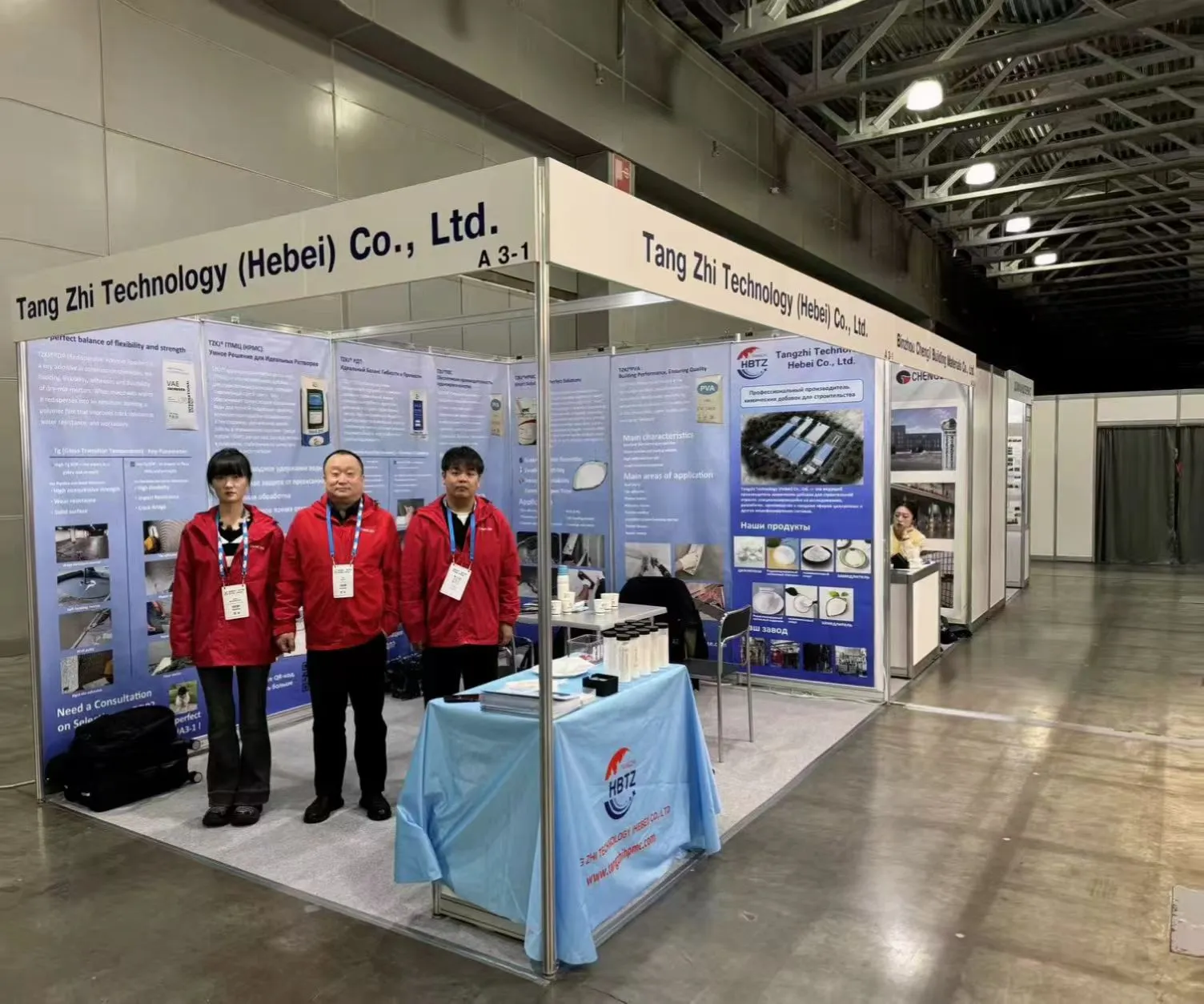
Tang Zhi Technology (Hebei) Co., Ltd., in Jinzhou, spans 140,000m² with 90,000m² built-up. Automated lines churn 40,000+ tons/year of cellulose ethers, including CMC. World-class reactors ensure uniform etherification. (Factory: factory/5.png)
Certs: ISO9001, ISO14001, Halal, Kosher, REACH pre-reg. (ISO: cert/iso.png; FDA compliant for food grades.) Exports to 50+ countries, US/Canada routine.
OEM/ODM strong: private label your CMC blends with HPMC/PCE.
8. Buyer Experiences and Reviews
John Ramirez, Procurement Mgr, Texas Drilling Co. (client/2.png)
"Switched to Tang Zhi CMC after viscosity issues with Indian supplier. HV grade held up in 15ppg brines. Delivery 18 days to Houston. Solid partner."
Anna Kowalski, Ops Director, Midwest Concrete. (client/7.png)
"CMC in our mortar line cut water demand 8%. Consistent DS prevented rework. MOQ flexibility helped our trials."
Mike Chen, Importer, California Food Distributor. (client/4.png)
"FH9 grade passed FDA audits first try. Pricing beat EU sources by 25%. Samples arrived fast via DHL."
Sarah Patel, Supply Chain Lead, UK Detergent Maker.
"Blended easily in formulations. No clumps, great salt stability. Repeat orders now quarterly."
9. Common Questions Answered
Is CMC a synthetic or natural polymer?
Semi-synthetic: cellulose base, chemically modified. Biodegradable like starch derivatives.
What grades for construction?
Medium viscosity, DS 0.8. Retains water in plasters.
Shelf life?
2 years sealed. Test after 18 months in humid zones.
Minimum order?
1MT trials, 10MT production. Flexible for OEM.
Shipping to USA?
FOB/CIF, 20-30 days to West Coast. Incoterms negotiable.
Ready to Source Reliable CMC?
Request your free sample or factory quote today. Avoid procurement headaches with proven supply.
- 📞 +86-15032625168 (WhatsApp/Call)
- ✉️ admin@tangzhicellulose.com
- 🌐 Contact: https://www.tangzhihpmc.com/contactus.html
Get TDS & Pricing Now – No Obligation.
Addr: Room 2308, Dongsheng Plaza 2, No. 508 Zhongshan East Road, Chang’an District, Shijiazhuang, Hebei, China
Tang Zhi Technology (Hebei) Co., Ltd. | Professional Cellulose Ether Manufacturer | Exports Worldwide