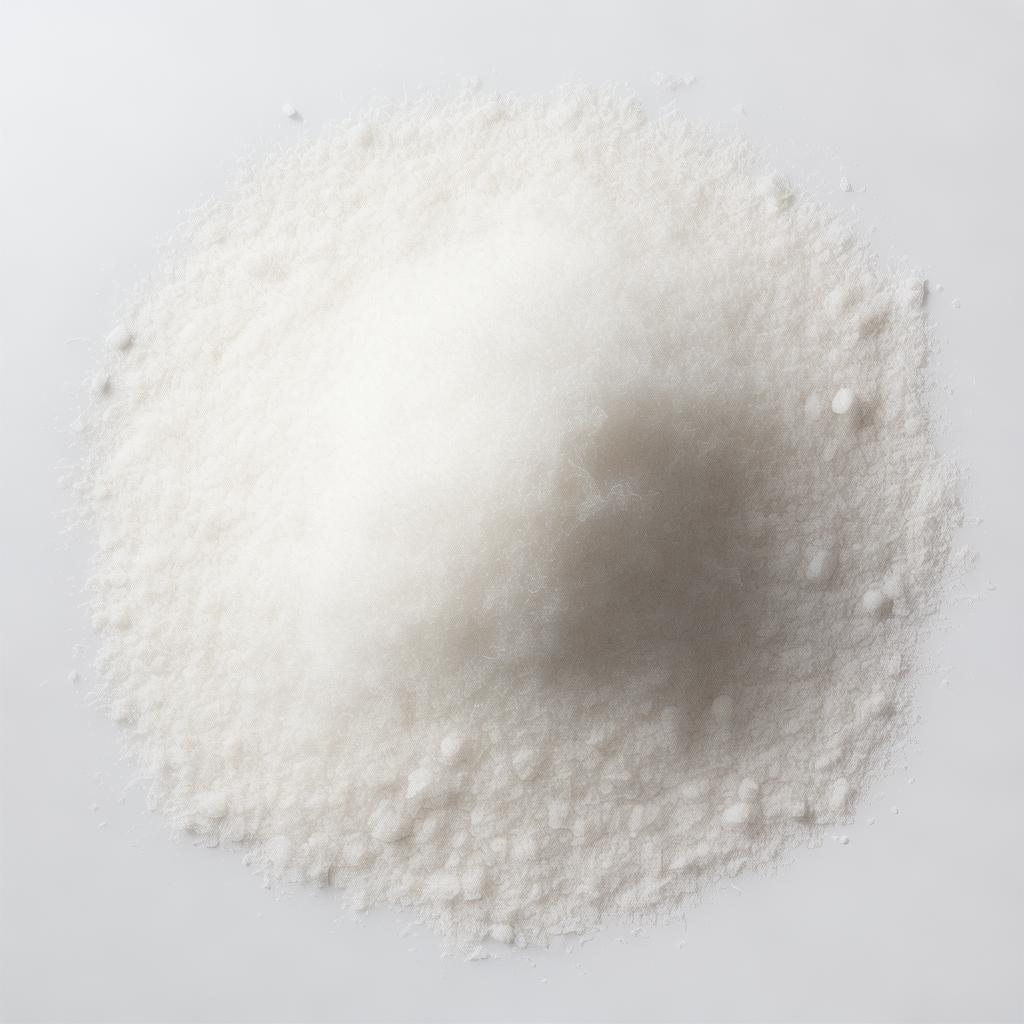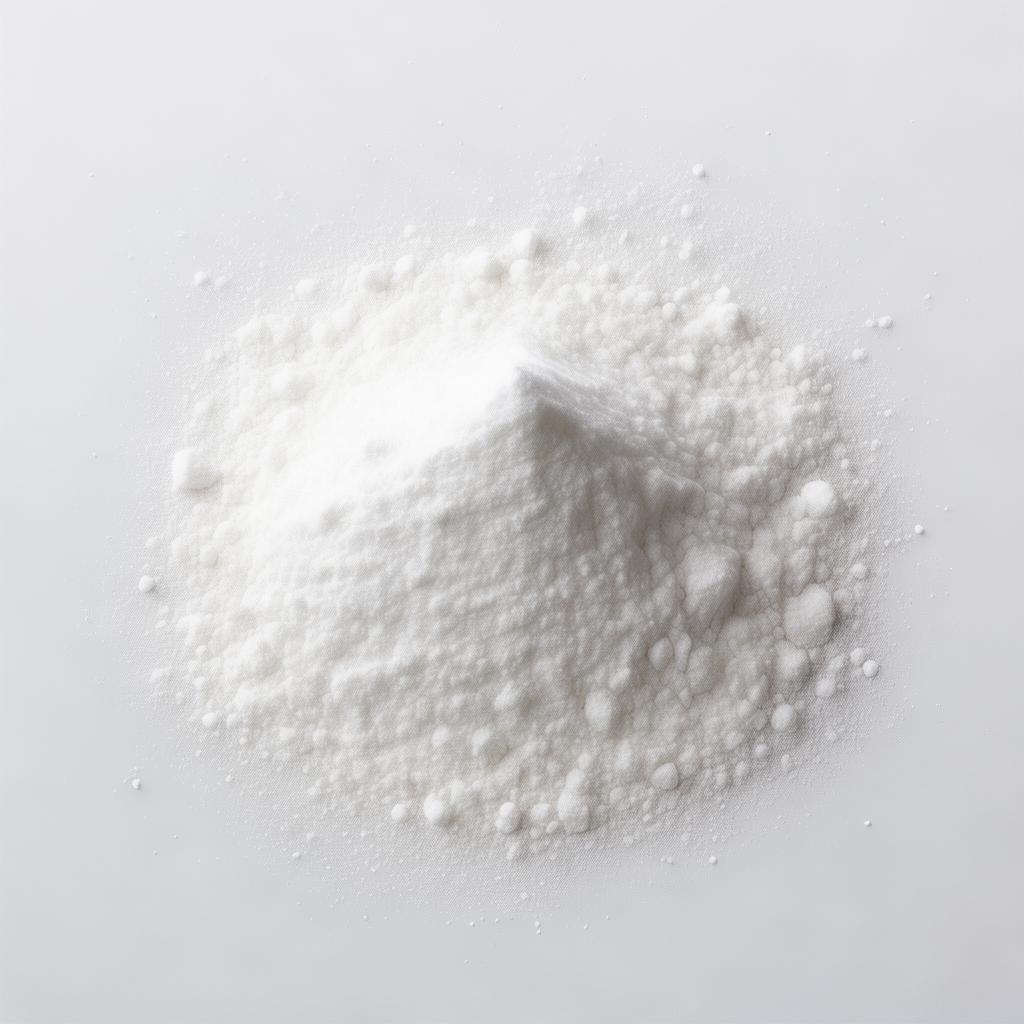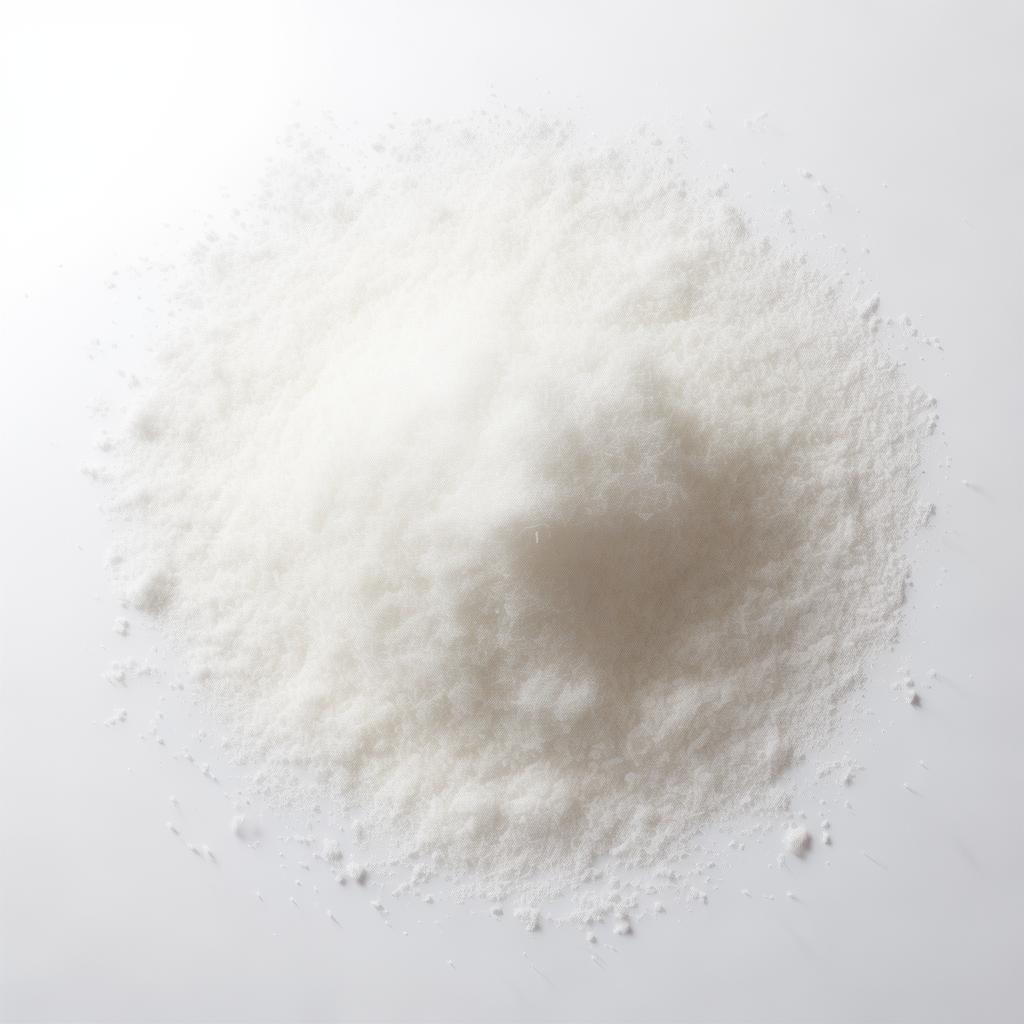
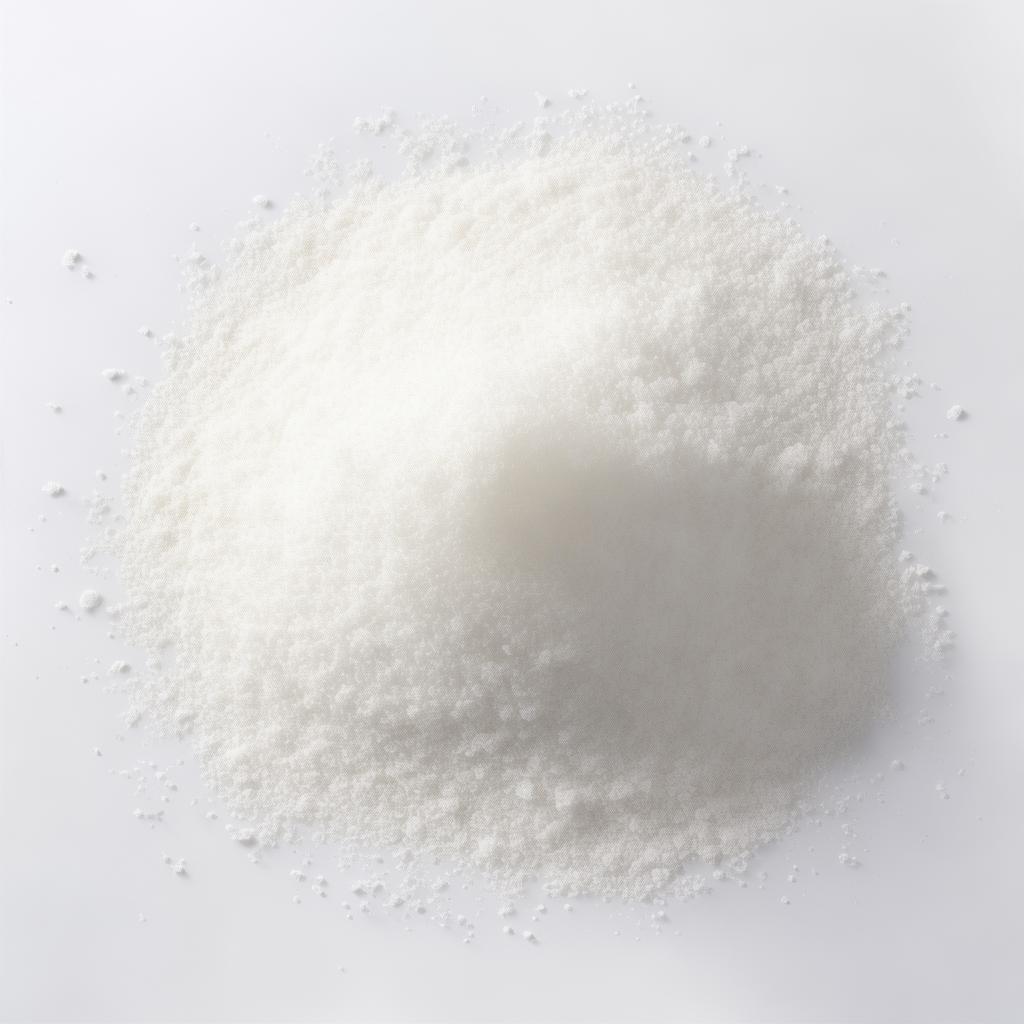
Concrete Fibre
Concrete Fibers: Proven Reinforcement for Industrial Concrete Projects
From warehouse floors to bridge decks, our polypropylene concrete fibers deliver the toughness procurement teams demand. Direct from Hebei factory.
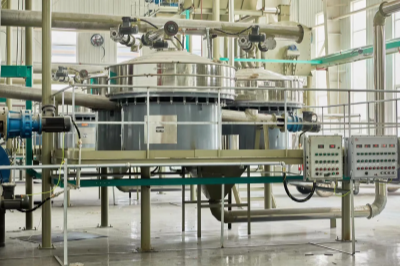
Understanding Concrete Fibers in Modern Construction
Concrete fibers aren't some new gimmick. They've been around for decades, quietly preventing cracks in everything from industrial slabs to shotcrete tunnels. If you're a procurement manager scouting suppliers, you know the drill: standard rebar works for big jobs, but for distributed reinforcement across a slab? Fibers make more sense.
Our polypropylene concrete fibers—both micro and macro types—get mixed right into the batch. They bridge those tiny micro-cracks before they turn into headaches. Think parking garage floors that last longer without joints failing early. Or precast elements shipped overseas without warping. We've seen importers cut callback rates just by switching.
Why PP specifically? Steel fibers rust in alkaline mixes over time. Glass shatters under flex. Polypropylene holds up to mixing, pumping, and finishing without breaking down. It's hydrophobic too, so no freeze-thaw issues in colder climates like the US Midwest.
Dosage runs 3-9 kg per cubic meter for macro fibers, less for micros. That's not guesswork; it's based on ACI 544 guidelines that many engineers reference. We produce fibrillated and monofilament styles. Fibrillated grips better for impact resistance; monofilament disperses evenly for shrinkage control.
From our Hebei plant, we've shipped tons to US distributors handling everything from ready-mix to tunnel linings. Lead times? 15-25 days FOB Xingang, depending on container mix. No minimums that scare off mid-sized buyers.
Procurement tip: Always request a trial batch. Test slump and air content first. Most specs call for under 10% air entrainment from fibers. We've had clients overlook that and end up with sticky mixes.
The market's shifting too. With labor shortages, contractors want fewer joints. That means secondary reinforcement like fibers. EPA pushes for longer-life concrete to cut rebuilds. Our fibers fit right in, boosting post-crack toughness without complicating pours.
Let's break it down operationally. In a 100m³ slab pour, fibers add minutes to mixing but save weeks on repairs. Contractors report 20-30% fewer saw cuts needed. Not magic—just physics holding micro-cracks to under 0.3mm.
We've dealt with picky specifiers demanding ASTM C1116 compliance. Our fibers pass Type I, II, III classifications. Fibrillated for plastic shrinkage, monofilament for drying. Export docs include test reports from SGS labs.
One importer from Texas shared how our macro fibers handled a 5,000m² warehouse floor. No random cracks after two winters. That's the kind of feedback that keeps us refining extrusion lines.
Enough intro. If you're comparing suppliers, note our vertical integration. We pull virgin PP resin—no recycled junk that clumps. Annual output hits 5,000 tons, so scaling for your OEM needs isn't an issue.
Next, trends pushing fiber uptake.
Market Trends Fueling Concrete Fiber Adoption
Fiber-reinforced concrete isn't niche anymore. US ready-mix plants dosed 15% more fibers last year, per industry chatter. Why? Jointless floors cut maintenance. Bridges need ductility for seismic zones.
Infrastructure bills pour billions into highways. Specifiers want fibers for overlays lasting 20+ years. Precast yards push fibers for thinner panels without rebar nests.
Supply chain snags exposed rebar price swings. Fibers? More stable. Polypropylene dipped 5% globally last quarter. Chinese factories like ours lock in costs with in-house compounding.
Green angle: Fibers extend slab life, slashing CO2 from rebuilds. LEED projects favor them. We've supplied for data centers where downtime costs millions—fibers keep floors solid under racks.
Asia exports dominate 70% of global PP fiber volume. Hebei's logistics hub status helps. From Jinzhou to LA ports: 28 days door-to-door.
What Sets Our Concrete Fibers Apart
- High Dispersibility: No balls in the mix. Twisted monofilaments unwind evenly.
- UV Stable: Outdoor stockpiles fine for months. No degradation.
- Alkali Resistance: pH 13 holds up over decades.
- Custom Denier: 3000-8000 for your tensile needs.
Operations guys like the finishability. Trowels glide without pulling fibers out. Pumpable too—up to 100m lines no issue.
Compared to steel: Lighter by 90%. No corrosion pitting slabs. Vs. cellulose fibers: Better for wet environments.
Installation Insights from the Field
Don't overthink it. Add fibers post-water, pre-cement. High-shear mixers disperse best—paddle style for trucks.
Slump drops 20-50mm. Compensate with 5-10L extra water per m³, but watch strength. Finish with pan floaters early; fibers stiffen quick.
Warning: Low dosages underperform. Test panels first. For shotcrete, use 5-7kg/m³ macro. Accelerator timing stays the same.
Sawing? Delay 12-24 hours. Fibers let you space joints 1.5x wider.
| Dosage Rate | Application | Joint Spacing |
|---|---|---|
| 3 kg/m³ | Shrinkage control | 4-5m |
| 6 kg/m³ | Slabs | 6-8m |
| 9 kg/m³ | Shotcrete | N/A |
Logistics: Getting Fibers to Your Site
20ft container holds 16 tons. Bags: 20kg PP valve bags, palletized. Moisture-proof liners standard.
FOB Xingang/Tianjin. To US West Coast: $2500-3500/container. Duty? 5.6% on HS 550340.
We handle fumigation certs for wood pallets. Lead time: Stock 7 days; custom 21 days.
Pro tip: Mix with HPMC orders from us—our cellulose cuts admixture needs.
Detailed Technical Specifications
| Property | Micro Fiber | Macro Fiber | Test Method |
|---|---|---|---|
| Length | 6-20mm | 40-60mm | Visual |
| Diameter | 18-34 micron | 0.8-1.2mm | ASTM |
| Tensile Strength | >450 MPa | >550 MPa | ASTM D2256 |
| Melting Point | 165°C | 165°C | ISO |
| Specific Gravity | 0.91 | 0.91 | ASTM |
Custom lengths available. All fibers alkali-proof, UV-resistant.
Applications Across Projects
- Industrial floors: Warehouses, factories.
- Shotcrete: Tunnels, pools.
- Precast: Panels, pipes.
- Overlays: Road repairs.
- HVAC slabs: Light-loaded.
Engineers pair with PCE superplasticizers—we supply those too.
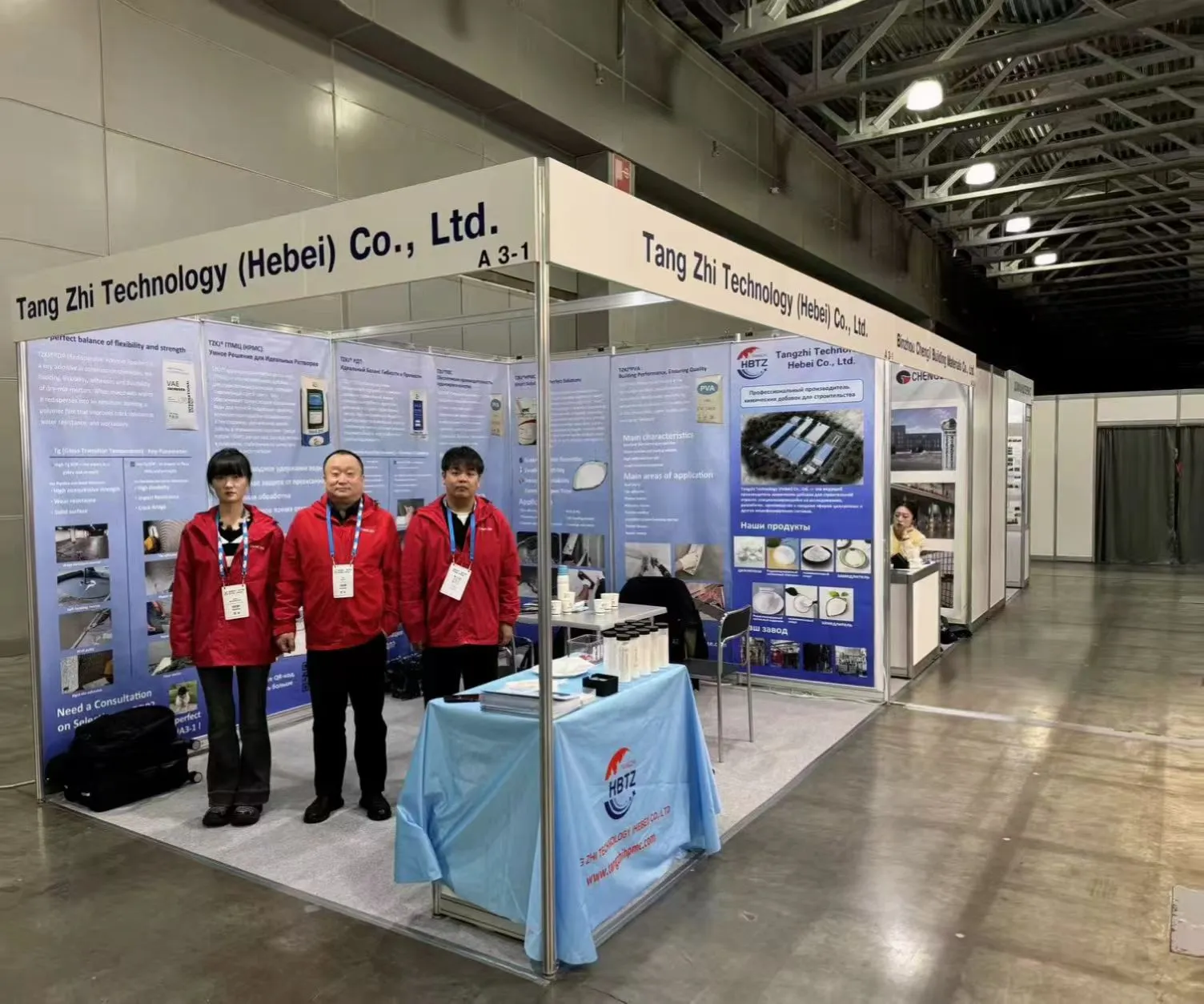
Tang Zhi Technology: Factory Capabilities
140,000m² site in Jinzhou, Hebei. Automated extrusion lines churn 40,000 tons cellulose and fibers yearly. World-class melt-spinning gear.
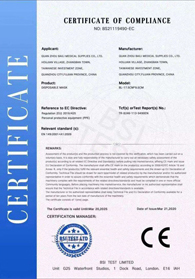
ISO 9001, CE marked products. SGS audited. Export to 50+ countries.


Contact: +86-15032625168 | admin@tangzhicellulose.com
fibre reinforced concrete pp fiber concrete fiber for concrete reinforcement
Room 2308, Dongsheng Plaza 2, No. 508 Zhongshan East Road, Chang’an District, Shijiazhuang, Hebei, China
Frequently Asked Questions from Importers
- Do your fibers comply with US specs?
- Yes, ASTM C1116 Type III for macro. Test data provided.
- Minimum order?
- 1 ton trial. Full container preferred for pricing.
- OEM labeling?
- Full ODM. Private label your brand.
- Shelf life?
- Indefinite if bags sealed. Store dry.
- Mix design changes?
- Minimal. Add to dry batch. Adjust water slightly.
Feedback from Procurement Teams

John Ramirez, Purchasing Mgr, Texas Concrete Co.
"Switched to Tang Zhi macros for slabs. Joints spaced 7m now. No cracks first winter. Logistics smooth."

Sarah Kim, Ops Director, Midwest Precast.
"Micros perfect for overlays. Dispersed clean, pumpable. Samples led to 10-ton order."

Mike Chen, Importer, Cali Dist.
"Competitive on price. CE certs helped spec approval. Fast WhatsApp response."
Ready to Reinforce Your Next Project?
Factory-direct pricing. Free engineering consult. Global delivery.
Written by Li Wei, Export Director | 15+ years in concrete additives & fibers

Tang Zhi Technology (Hebei) Co., Ltd. | www.tangzhihpmc.com