Fibre Reinforced Concrete
Fibre Reinforced Concrete: Durable Solutions from Proven Additives
Tang Zhi Technology supplies high-performance cellulose ethers and polymer powders tailored for fibre reinforced concrete applications. From precast panels to industrial flooring, our products deliver consistent results for demanding projects.
Ready to optimize your FRC mixes? Contact our engineers now: +86-15032625168
Table of Contents
- 1. Procurement Challenges in Fibre Reinforced Concrete
- 2. Current Market Trends Shaping FRC Demand
- 3. Our Additive Solutions for Superior FRC Performance
- 4. Technical Specifications at a Glance
- 5. Real-World Applications and Case Insights
- 6. Factory Capabilities and Production Scale
- 7. Installation and Handling Practicalities
- 8. Logistics from Hebei to Your Site
- 9. Certifications and Compliance
- 10. Customer Experiences
- 11. Frequently Asked Questions
- 12. Next Steps for Your Project
Procurement Challenges in Fibre Reinforced Concrete
Buying materials for fibre reinforced concrete isn't straightforward. Purchasing managers know the drill: fibers clump if the mix isn't right, leading to uneven dispersion and weak spots. We've seen importers struggle with additives that promise too much but deliver poor water retention under high fiber loads.
One common headache? Inconsistent workability. Standard concrete admixtures falter when you add 5-10kg/m³ of polypropylene fibers. The batch thickens too fast, pumpability drops, and you're left adjusting on site. Then there's shelf life—powders that cake up in humid warehouses, wasting inventory.
Risk goes beyond quality. Lead times from unreliable suppliers stretch projects. A delayed shipment of RDP or HPMC can halt precast production. And compliance? USA buyers demand clear REACH or ASTM alignment, but some exporters skimp on documentation. We've fielded calls from operations managers mid-project, scrambling for verified sources.
It's not just about cost per ton. Total ownership matters: mixing efficiency, reduced cracking callbacks, easier finishing. Skimp here, and maintenance eats margins. Smart procurers prioritize suppliers with proven FRC track records.
Market Trends Driving FRC Adoption
Fibre reinforced concrete demand spikes in infrastructure rebuilds. Think USA's bridge retrofits or warehouse expansions. Engineers favor synthetic fibers over steel for corrosion resistance—no rust in de-icing salt zones.
Precast surges too. Factories push thinner slabs with fiber reinforcement, cutting weight and transport costs. Additives like our PCE superplasticizers enable this, keeping slump consistent despite fiber volume.
Sustainability pushes the needle. Recycled polyethylene fibers pair well with low-carbon cements, and our cellulose ethers boost early strength for faster formwork turnover. Expect more hybrid mixes: FRC with self-healing polymers.
Global trade shifts favor Asia sourcing. Hebei factories like ours ship container loads to US ports weekly, undercutting local premiums while matching specs. But watch tariffs—procure direct from certified OEMs to lock in stability.
Our Additives: Tailored for Fibre Reinforced Concrete
At Tang Zhi Technology, we focus on what works in FRC. Our HPMC (hydroxypropyl methylcellulose) grades excel at thickening without air entrainment. Dosages around 0.2-0.5% cement weight stabilize fiber suspensions, preventing settling in transit to molds.
RDP-VAE redispersible powders flex the matrix. They bond fibers to paste, slashing micro-cracks from shrinkage. Contractors mixing 6kg/m³ PP fibers report smoother troweling—less rebound on vertical pours.
MHEC variants handle high-alkali environments, ideal for shotcrete FRC. PCE water reducers stretch water demand by 25-30%, packing more fibers without slump loss. We've tuned these for OEM precast lines.
Not one-size-fits-all. Select grades for pump mixes, others for dry-pack. All lab-tested for fiber compatibility—no balling, no segregation. Years of export feedback refined this lineup.
Technical Specifications
Here's a quick reference for our key products in FRC applications. All data from in-house testing per industry norms.
| Product | Key Property in FRC | Dosage (% cement) | Viscosity (mPa.s) | pH |
|---|---|---|---|---|
| HPMC TZ-400 | Water retention, fiber suspension | 0.2-0.4 | 300,000-500,000 | 6.0-8.0 |
| RDP-VAE TZ-RP50 | Flex strength, adhesion | 1.0-3.0 | N/A | 7.0-9.0 |
| MHEC TZ-M200 | Thickening for shotcrete | 0.15-0.3 | 200,000-400,000 | 5.5-7.5 |
| PCE TZ-SP40 | Dispersion, high fiber load | 0.5-1.5 | >250 | 6.5-8.5 |
fiber for concrete reinforcement concrete fibre concrete reinforcing fiber
*Custom grades available. Test data on request.
Applications Across Industries
Our additives shine in tunnel linings. Fibers control explosive spalling; HPMC keeps the mix pumpable over long distances. Industrial floors benefit too—PP fibers with RDP cut joint spacing, easing expansion planning.
Precast parking structures use these for thinner lifts. Less weight means bigger truckloads. Overlay repairs on highways: quick-set PCE versions speed reopenings.
We've supplied mixes hitting 8-12kg/m³ fiber totals without compromise. Wastewater plants favor the chemical resistance. It's versatile stuff.
Our Factory: Scale and Expertise in Hebei
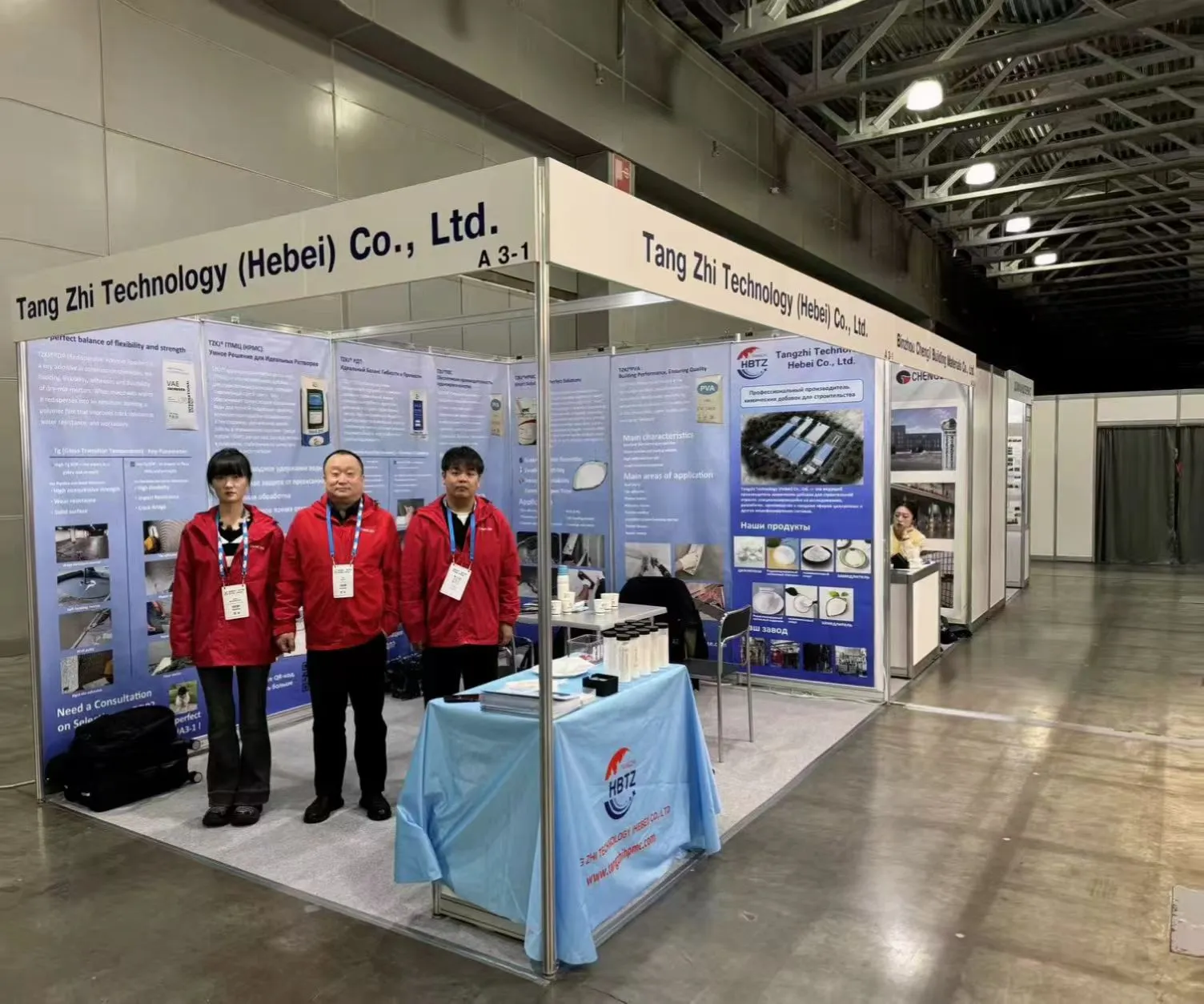
Tang Zhi Technology (Hebei) Co., Ltd. spans 140,000 sqm in Jinzhou, with 90,000 sqm built. Automated lines churn out 40,000+ tons yearly of cellulose ethers and polymers. Dedicated silos prevent cross-contam, key for FRC purity.
QA runs 24/7: particle size lasers, rheometers mimic your mixer. Export team handles 20ft/40ft loads, fumigation certificates included. OEM/ODM? We private-label for US distributors.
From batch to dock in 7-10 days post-order. That's real capacity.
Installation and Handling Tips
Mix fibers dry first, then liquids. Our PCE goes last for max dispersion. Target 180-220mm slump. Pump lines over 100mm diameter avoid clogs.
Finish soon—FRC sets firm. Power trowel at 4-6 hours. Cure wet 7 days minimum. Watch temps over 30°C; retarders available.
Common pitfall: overloading fibers without thickener. Starts fine, ends lumpy. We've tweaked dozens of recipes for clients.
Logistics: Hebei to USA Ports
FOB Tianjin standard. 25-35 days to LA/Long Beach. 1MT bags on pallets fit 20-25 tons per 20ft. Bulk bags for volume.
DDP options via partners. Track via WhatsApp. Humidity packs included. Duties? HS code 3912.39 for HPMC.
Past hiccups like port jams taught us backups. Reliable.
Certifications You Can Trust
- ISO 9001:2015 – Quality management
- REACH compliant for EU/US
- Halal/Kosher on request
- Third-party lab verified (SGS)
- ASTM C494 Type S alignment for PCE
Full docs with quotes. No surprises at customs.
What Buyers Say
John Ramirez, Procurement Manager, Texas Precast Inc.
"Switched to Tang Zhi HPMC for our fiber slabs. Workability holds up better than previous brands. Shipped on time despite holidays. Solid partner."
Sarah Chen, Ops Director, Midwest Concrete Suppliers
"RDP from them cut our crack complaints by half on parking garage pours. Easy redispersion, no lumps. Pricing beats locals."
Mike Kowalski, Project Engineer, Florida Infrastructure
"PCE enabled 10kg fiber loads without water hike. Pumped 300m no issue. Engineer chat pre-order was gold."
David Patel, Import Coordinator, Cali Distributors
"Clean paperwork, fast clearance. Consistent batches quarter after quarter. Recommended."
Frequently Asked Questions
What fibers pair best with your additives?
PP monofilaments 12-54mm, glass or macro-synthetics. We test combos.
MOQ for trial?
500kg mixed pallet. Samples 5-10kg free with freight collect.
Custom formulations?
Yes, for specific fiber types or climates. Lab support included.
Shelf life?
24 months dry, sealed. Avoid direct sun.
USA compliance?
Fully documented for Prop 65, TSCA. No heavy metals.
Ready for Your FRC Project?
Talk specs with our team. Get factory-direct pricing, samples or a custom mix plan.
+86-15032625168 (WhatsApp/Call)
Email: admin@tangzhicellulose.com
Addr: Room 2308, Dongsheng Plaza 2, No. 508 Zhongshan East Road, Chang’an District, Shijiazhuang, Hebei, China
Request Your Quote Today