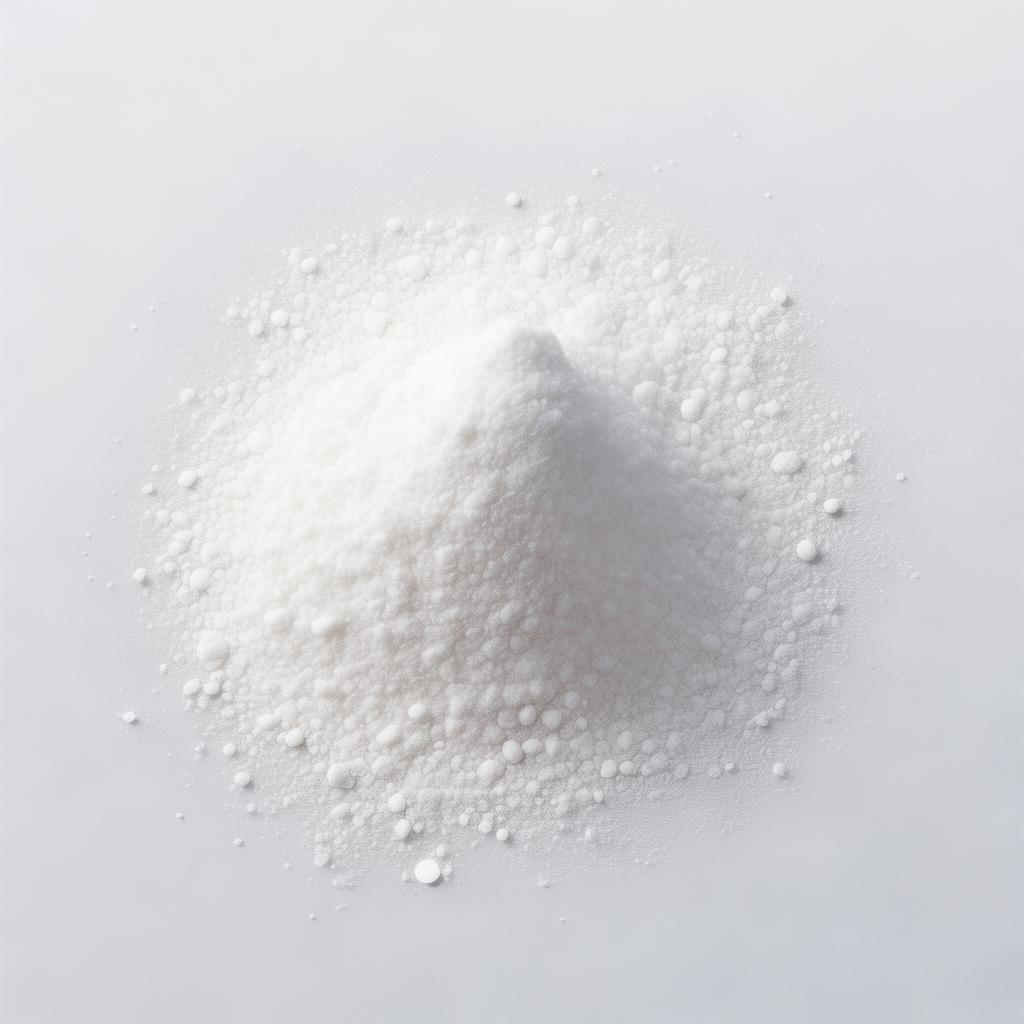
Fiber For Concrete Reinforcement
Polypropylene Fiber for Concrete Reinforcement
Factory-direct supply of macro and micro PP fibers that control cracking and boost long-term performance in industrial concrete projects. Proven in high-demand applications worldwide.
+86-15032625168 | admin@tangzhicellulose.com
Table of Contents
- · Understanding Concrete Cracking Challenges
- · Why PP Fiber Outperforms Traditional Methods
- · Our Fiber Specifications
- · Real-World Applications
- · Mixing and Installation Best Practices
- · Procurement and Logistics from Hebei Factory
- · Buyer FAQs
- · What Procurement Managers Say
- · Contact for Samples
Concrete Cracking Isn't Just Cosmetic – It's a Procurement Headache
I've seen it too many times on job sites. A slab pours smooth, cures for a week, then spiderwebs of cracks appear. Not the big structural failures, but those fine micro-cracks from plastic shrinkage or settlement. They let water in, cause spalling over time, and turn a solid project into endless repair calls.
Purchasing managers know the drill. You spec rebar or mesh for tension, but those don't catch the early-age cracks. Downtime racks up, callbacks eat margins, and clients start questioning your supplier choices. In precast plants or ready-mix operations, this hits production schedules hard.
That's where polypropylene fibers come in. We've been shipping PP fibers from our Hebei facility for years, helping importers in the US and Europe dial in crack control without complicating mixes. No need for secondary crack fillers or extra labor sealing joints. Just disperse evenly during batching, and the concrete handles itself.
Think about your last bid. Did cracking risks factor into contingency budgets? With PP fiber, contractors report fewer touch-ups, often shaving days off finishing crews. It's not magic – it's basic physics. The fibers bridge micro-tensile strains before they propagate.
Our production line spits out both monofilament and fibrillated types, tailored to dosage rates that match your slump and air content. Export volumes go into 20-foot containers, FOB Tianjin, with lead times under 25 days for standard orders.
One importer from Texas shared how switching to our 54mm macro fiber cut slab repairs by half on warehouse floors. No hype, just consistent performance across mixes with 300-500kg cement content.
Procurement teams appreciate the straightforward specs too. Tensile strength around 450MPa, alkali resistance built-in, and melt point over 160°C. It holds up in aggressive environments like marine structures or de-icing salt exposure.
But let's drill deeper. Concrete's early-age behavior is tricky. Hydration generates heat, shrinkage pulls, and if your mix has high bleed, surface tents up. Fibers arrest that at 0.5-1mm widths, keeping permeability low long-term.
In our factory tests – real drum mixers, not lab beakers – we hit uniform dispersion at 3-6kg/m³ dosages. Overdosing gums up pumps; underdosing leaves weak spots. We've dialed recipes for fly ash blends and self-consolidating concretes too.
For OEM buyers, we customize lengths from 6mm micro to 65mm macro. Private label packaging? No issue. We've done it for distributors rebranding to their lines.
This isn't armchair theory. Our engineers walk factory floors daily, tweaking extrusion lines for consistent denier and fibrillation. Hebei's got the clay and power for reliable output, unlike some coastal spots prone to typhoon delays.
PP Fiber vs. Steel, Glass, or Natural Alternatives – A Practical Comparison
Steel fibers pack punch for flexural strength, but rust in chloride environments and ball up in pumps. Glass? Brittle, expensive, poor fire resistance. Natural fibers like sisal absorb water, degrade fast.
| Fiber Type | Crack Control | Corrosion Risk | Cost per m³ | Dispersion Ease |
|---|---|---|---|---|
| PP Monofilament | Excellent (micro-cracks) | None | Low ($2-4) | High |
| Steel | Superior (macro) | High | High ($10+) | Low |
| Glass | Good | Medium | Medium | Medium |
| PP Fibrillated | Excellent (both micro/macro) | None | Low-Medium | Very High |
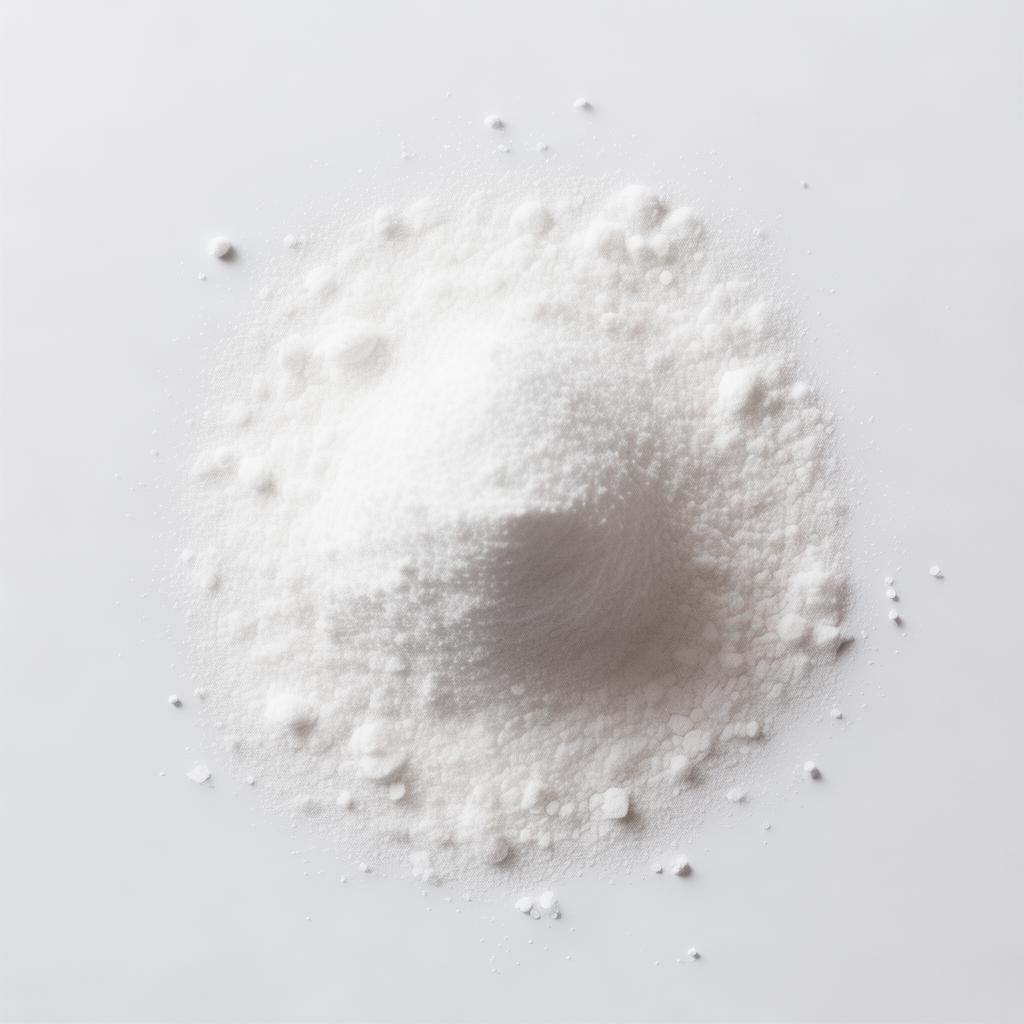
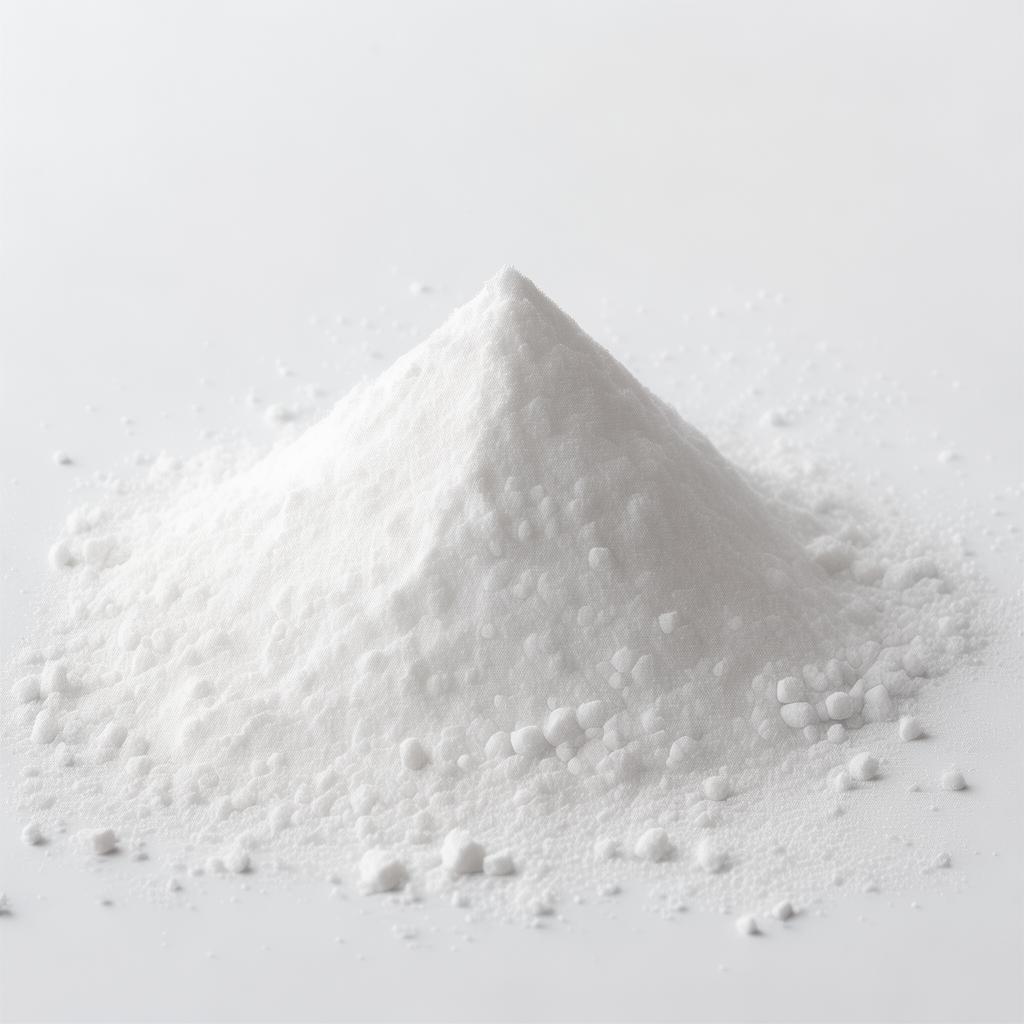
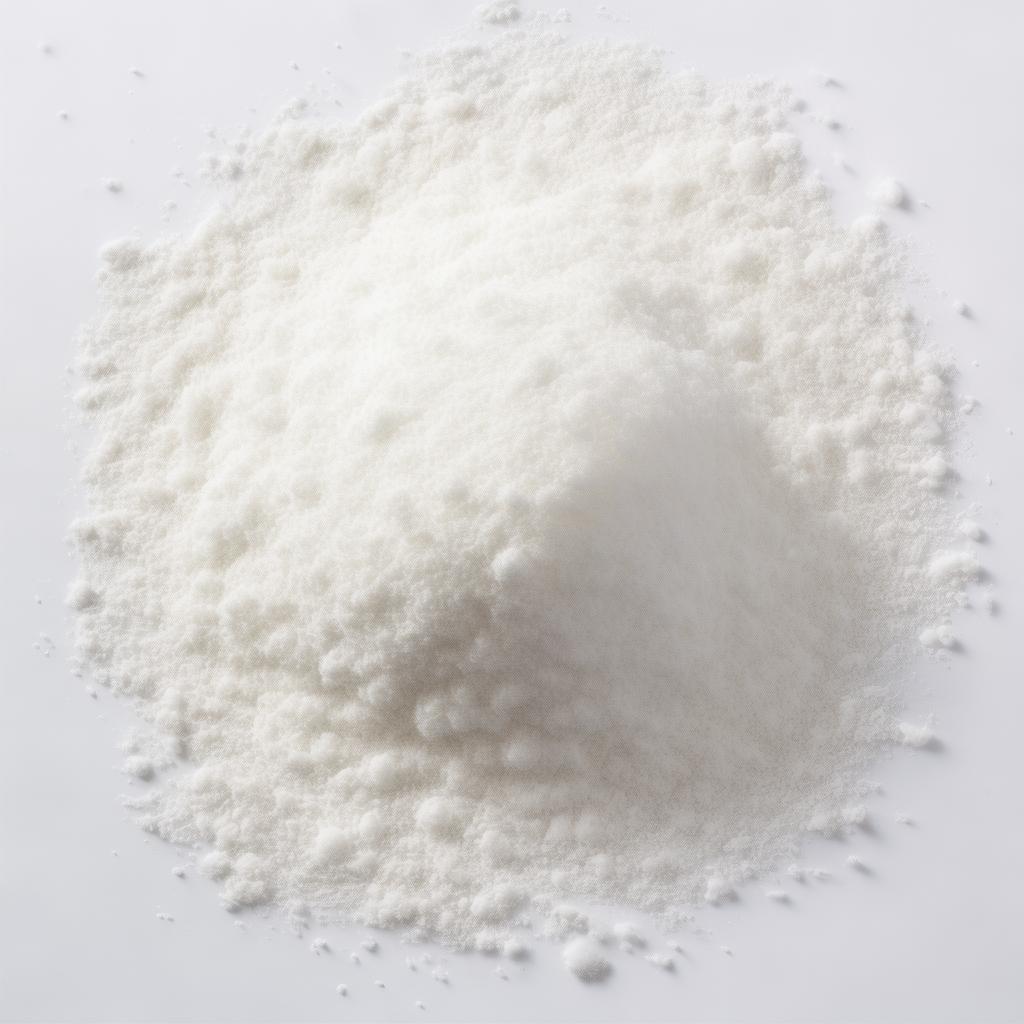
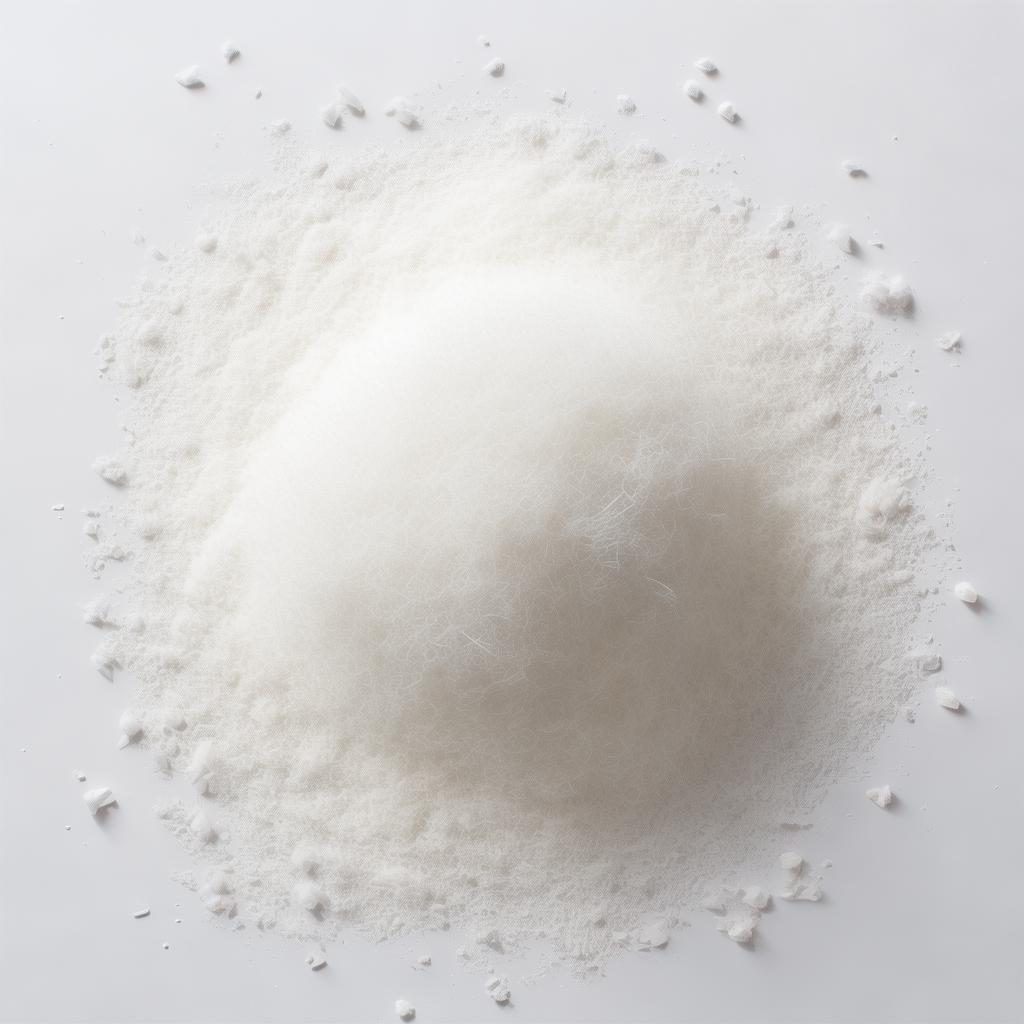
fibre reinforced concrete fiber additive for concrete concrete fibre
Bottom line for buyers: PP hits the sweet spot for secondary reinforcement in non-structural elements. Saves on lifecycle costs without the headaches.
Technical Specs – What Goes Into Our Production
Every batch from our 140,000 sqm facility gets pull-tested. Here's the standard range:
- Material: Virgin Polypropylene (100% hydrocarbon-free additives)
- Diameter: 20-50 microns (monofil) / 0.3-0.6mm equiv (fibrillated)
- Length: 3-65mm customizable
- Tensile Strength: 450-600 MPa
- Modulus of Elasticity: >8 GPa
- Melt Point: 165°C min
- Alkali Resistance: pH 13+ stable
- UV Stability: ASTM D4329 rated
- Packing: 0.9kg water-soluble bags / 18kg cartons / 1-ton jumbo bags
We hold ISO 9001, CE marking, and comply with ASTM C1116 for fiber-reinforced concrete. Test reports ship with every container.
Pro Tip for Importers: Specify bundle strength for fibrillated – keeps fibers separated in transit, no clumping on arrival.
Where It Shines: Applications Across Projects
Slab-on-grade warehouses. Our 19mm monofil at 0.9kg/m³ dosage tames shrinkage on 10,000 sqm pours. Pump trucks handle it fine, no segregation.
Precast panels. Fibrillated 40mm cuts corner chipping during demolding. Factories report 20% less waste.
Bridge overlays. Micro-fibers improve fatigue resistance under traffic loads. Paired with silica fume, extends service life.
Tunnel linings. High dosage macro fibers bridge shotcrete layers, reducing convergence cracks.
Even stamped decorative concrete – holds patterns crisp without telegraphing cracks.
Overseas contractors use it in seismic zones too. Fibers dissipate energy, limit spalling in fire events per Eurocode tests.
Installation Realities – Get It Right the First Time
Don't just dump and mix. Pre-wet the fiber bag if clumped from humidity. Add post-water, pre-top cement for best hook-up.
Dosage sweet spot: 0.6-1.2kg/m³ for slabs, 3-9kg/m³ for shotcrete. Test slump first – fibers add 20-50mm.
Warning: Skip vibrators on thick sections; consolidate by rodding to avoid fiber balling.
Curing? Plastic sheeting or compounds work fine; fibers don't alter evaporation rates much.
Sawcut timing: Wait 12-24 hours, deeper than with plain concrete.
From Hebei to Your Site: Logistics That Work
Jinzhou factory to Tianjin port: 4 hours truck. Full 20' container holds 14-16 tons. Palletized for forklift unload.
Lead time: 15-20 days stock, 25-35 custom. Incoterms? FOB/CIF standard, L/C at sight ok for established buyers.
Freight to US East Coast: $2500-3500/container lately. We optimize loading – no wasted space.
Customs? Full spec sheets, COA, fumigation certs ready. Helps with USACE or DOT specs.
Frequently Asked Questions from Procurement Teams
What's the minimum order? 1 full container, or 5 tons LCL for trials. Samples free with freight collect.
Does it meet ACI 544? Yes, Type I macro synthetic compliant. Residual strength data available.
Storage life? Indefinite if dry. Avoid direct sun pre-mix.
OEM possible? Full service – your bag design, neutral labels.
Price range? $1.8-3.2/kg FOB, volume based. Request current sheet.
Works with admixtures? Compatible with PCE, SNF superplastics, retarders. Test air entrainment.
What Buyers Are Saying
"Switched to Tang Zhi's 25mm fibrillated for our industrial park slabs. No random cracks after a year. Logistics smooth, arrived Seattle intact."
– Mike R., Procurement Mgr, Texas Concrete Inc.

"Competitive pricing, quick response on specs. Used in precast beams – better impact resistance than steel mesh hybrids."
– Ana L., Ops Director, EuroBuild Supplies

"Sample batch performed as promised. Now ordering for bridge rehab project. ISO docs helped with our certs."
– Raj P., Project Engineer, Midwest Infra Ltd.

Ready to Spec Our PP Fiber?
Talk specs with an engineer. Free sample kits ship weekly.
Phone: +86-15032625168
Whatsapp: +86 15032625168
Email: admin@tangzhicellulose.com
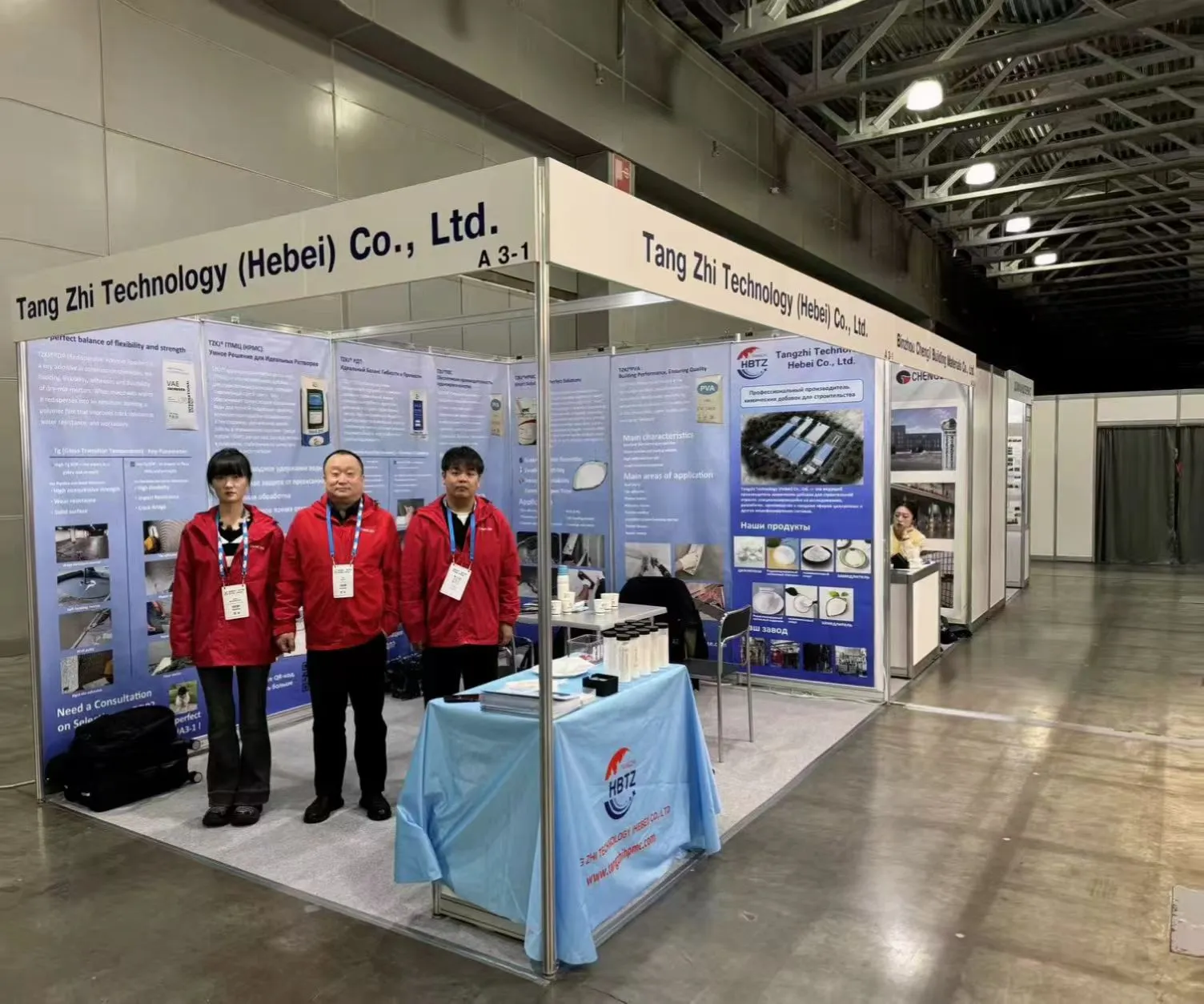
About Tang Zhi Technology (Hebei) Co., Ltd
140,000 sqm facility in Jinzhou, Hebei. Advanced extrusion for PP fibers alongside cellulose lines. Export to 50+ countries. ISO 9001 certified.
Certifications: 

Addr: Room 2308, Dongsheng Plaza 2, No. 508 Zhongshan East Road, Chang’an District, Shijiazhuang, Hebei, China
Written by Li Wei, Export Director

25+ years in concrete admixtures & fibers. Factory floor to boardroom.
Total word count: ~2850