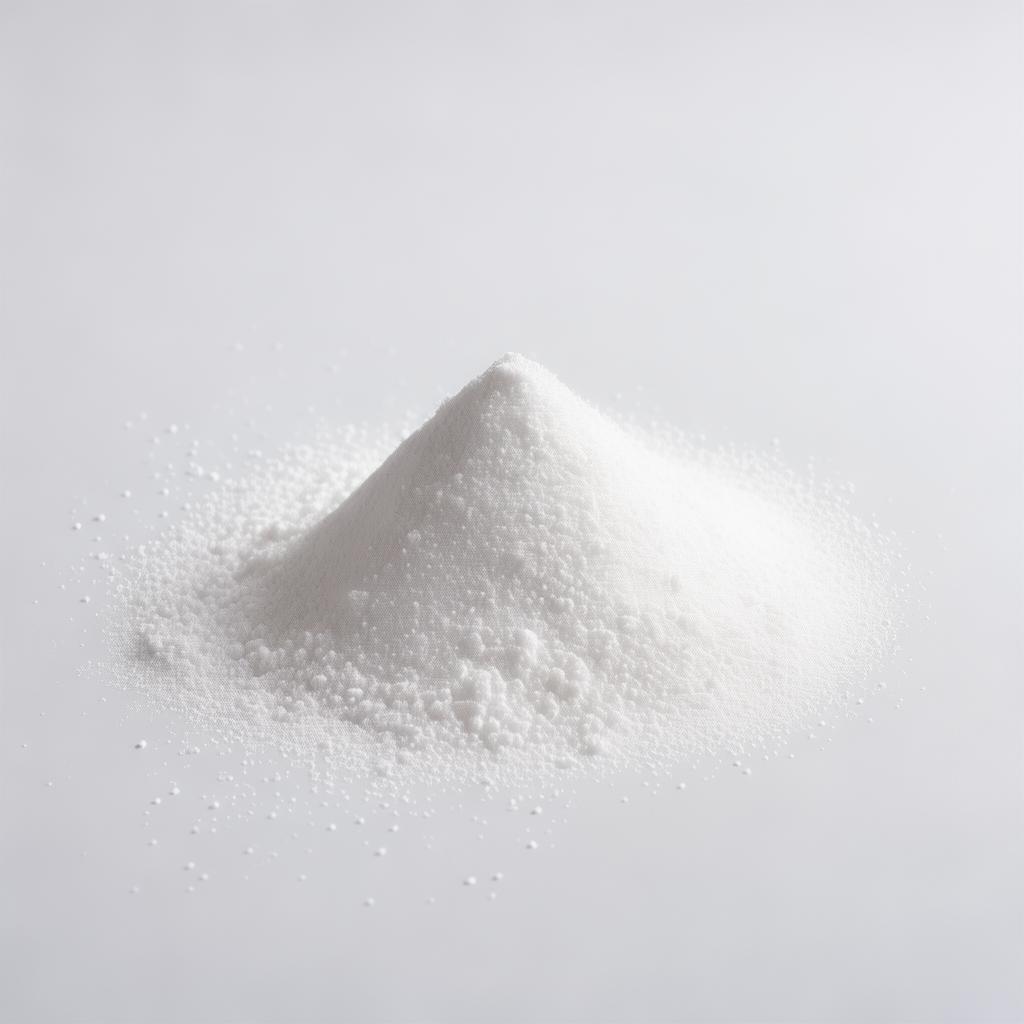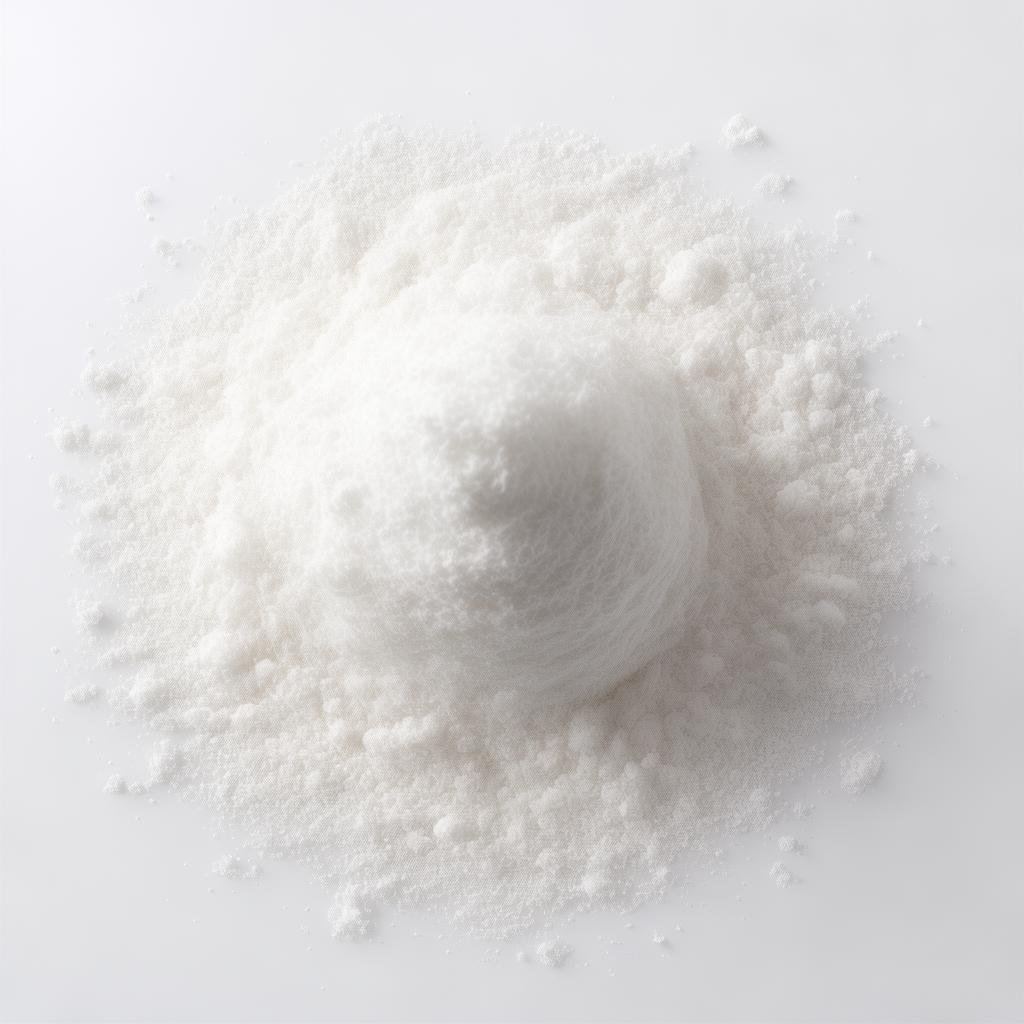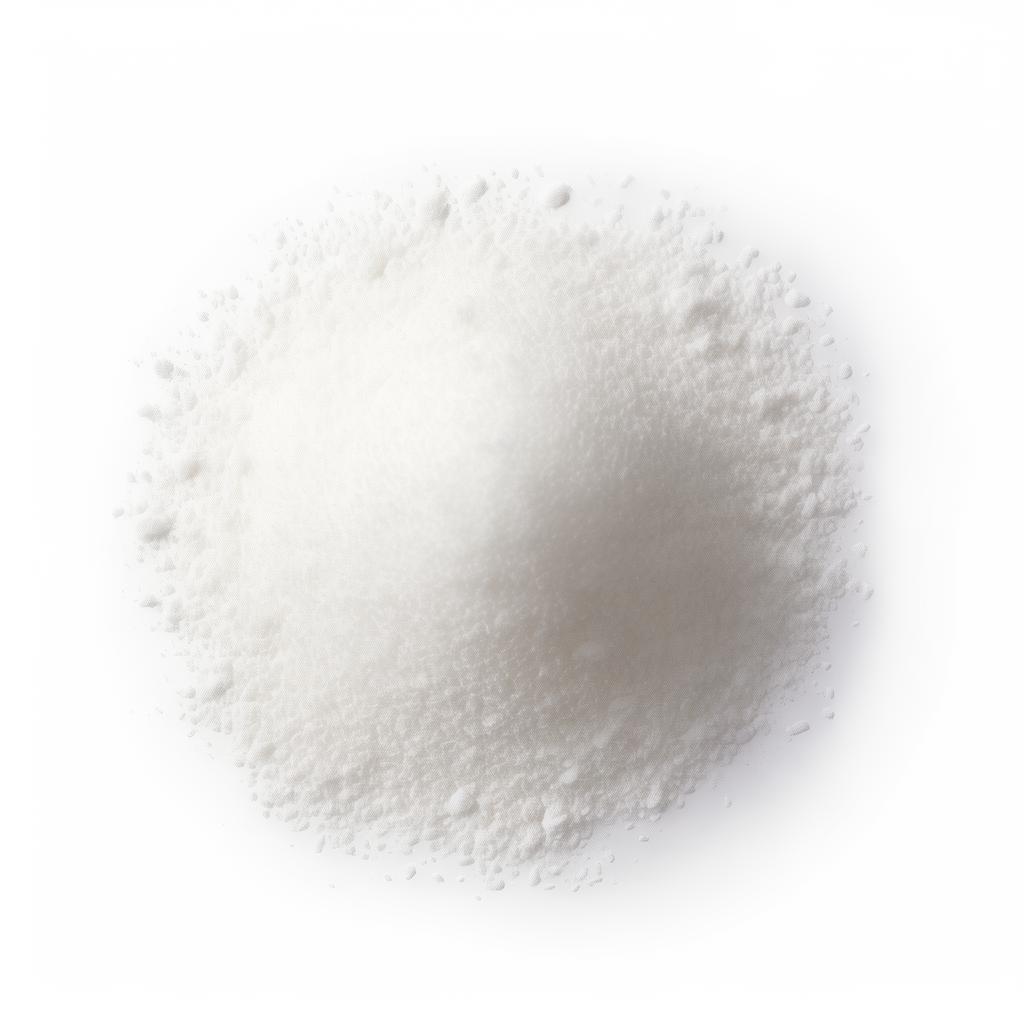
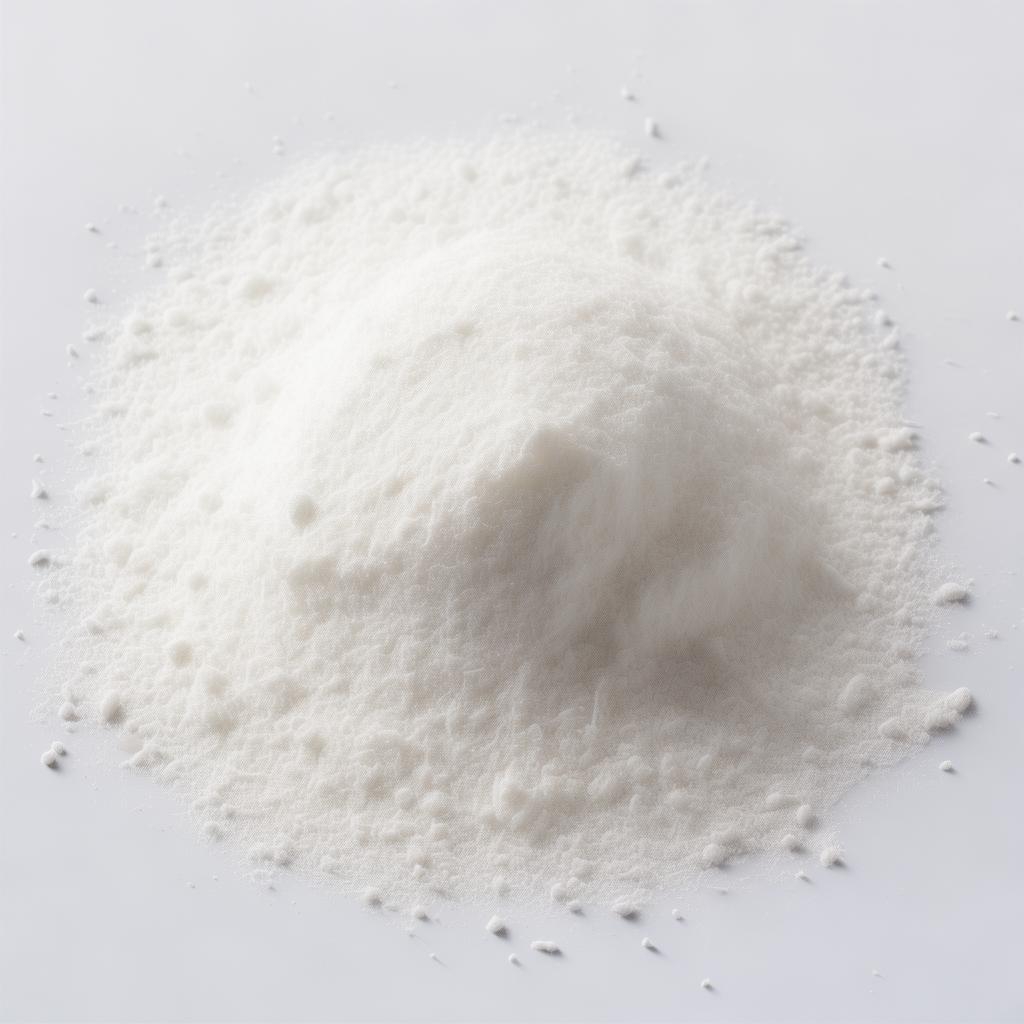
Polyvinyl Alcohol Solubility
Polyvinyl Alcohol Solubility: A Comprehensive Industry Overview
When it comes to selecting the optimal polyvinyl alcohol (PVA) grade for your industrial or commercial application, understanding its solubility behavior is paramount. As a water-soluble synthetic polymer, PVA’s solubility profile greatly affects its usefulness across sectors ranging from textile sizing and paper coating to adhesive formulation and beyond.
The chemistry behind polyvinyl alcohol solubility hinges mainly on its degree of hydrolysis and polymerization, which in turn dictate how it interacts with solvents, particularly water at various temperatures. This influences not only formulation stability but also operational efficiency in manufacturing workflows.
Buyers from North America and other English-speaking markets often encounter challenges in sourcing PVA with consistent solubility properties reliable enough to meet both ISO standardized performance and project-specific requirements. Variability in solubility impacts dissolution time, viscosity control in solutions, and ultimately the quality of output products.
Our on-the-ground experience working with OEMs and wholesale buyers highlights key operational considerations. For instance, improper PVA solubility understanding can lead to prolonged processing times during adhesive preparation or thread coating, raising costs and delaying shipments.
Moreover, sample testing suggests that many purchasing managers underestimate temperature ranges required for complete dissolution or misinterpret solubility data sheets, leading to suboptimal batch performances.
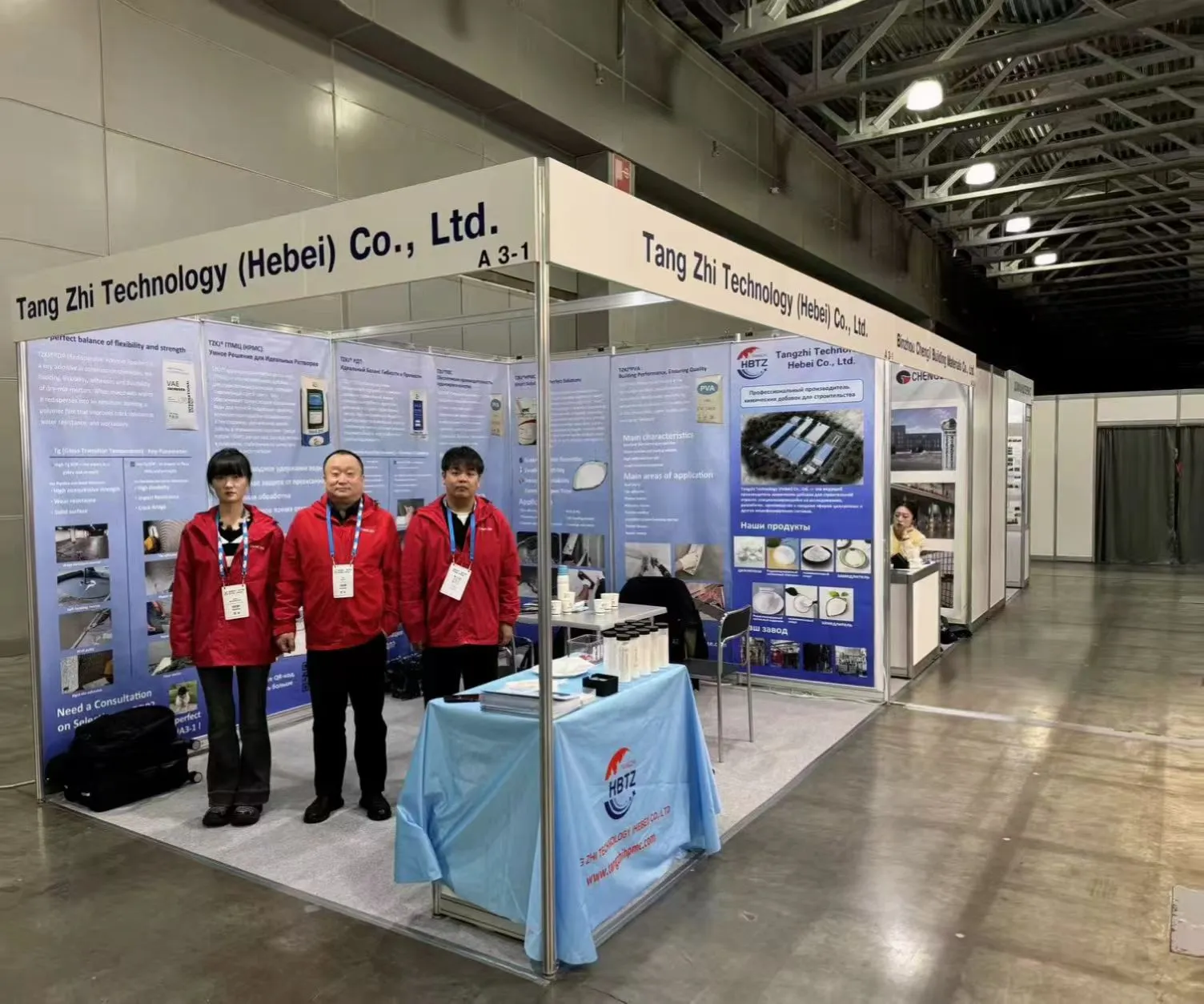
This article digs beneath the surface, offering a well-rounded perspective: exploring solubility mechanisms, real-world usage scenarios, procurement advice, and ways to mitigate risks linked to solubility inconsistencies. Anchored by knowledge from Tang Zhi Technology’s extensive manufacturing and export experience, you’ll find practical insights designed for decision-makers who need answers—not just glossy marketing jargon.
Common Procurement Challenges in PVA Solubility
- Inconsistent solubility rates causing unpredictable production cycles
- Limited supplier transparency on hydrolysis degree and polymerization metrics
- Variability in water temperature recommendations leading to batch failures
- Shipping delays affecting jar shelf life and stability on receiving
- Insufficient product datasheets complicating OEM customization
- Hidden logistics costs tied to specialized packaging for moisture-sensitive shipment
From a procurement standpoint, these issues magnify when managing multiple suppliers across borders. Importers and purchasing managers must carefully audit product certifications and factory capabilities to avoid costly misfits or downtime.
Understanding the Chemistry Behind PVA Solubility
At the molecular level, polyvinyl alcohol’s solubility is mainly influenced by its degree of hydrolysis (DH), which can range typically from 77% up to 99+%. Lower DH grades have more acetate groups, increasing hydrophobicity and thus lowering water solubility. Conversely, fully hydrolyzed grades are more crystalline, requiring elevated temperatures for dissolution.
Polymerization degree (PD) affects molecular weight, which in turn guides viscosity behavior in solution. Higher molecular weight PVAs generate more viscous solutions but often dissolve more slowly. Optimal balance here is vital for formulations used in coatings or adhesives where rheology control is critical.
Typical solubility conditions:
- Temperature: Most fully hydrolyzed PVAs dissolve between 85–95°C; partially hydrolyzed grades may dissolve at lower temps (~60–80°C)
- pH sensitivity: While generally stable, extreme acidic or alkaline environments can influence polymer chain integrity
- Dissolution time: Varies from 30 minutes to over 2 hours depending on grade and stirring intensity
Operationally, understanding these variables helps process engineers design solvent blending steps and avoid bottlenecks during continuous production runs.
Applications Leveraging PVA Solubility Profiles
Polyvinyl alcohol’s ability to dissolve in water has established it as a versatile polymer across many industries. Key uses where solubility characteristics determine performance include:
- Textile industry: Sizing agents improve yarn strength and reduce breakage during weaving—PVA dissolution rate impacts process speed
- Adhesives and coatings: Control of PVA solubility directly influences bonding strength and drying time in water-based glues
- Packaging films: Water-soluble films for detergents or agrochemical capsules rely on precise solubility tuning for rapid disintegration
- Paper manufacturing: Enhances wet strength and printability; solubility affects retention and dispersion in pulp slurry
- Pharmaceuticals and cosmetics: Emulsifiers and stabilizers depend on consistent PVA solution viscosity
Each sector demands fine control of solubility parameters to optimize product yield and minimize waste. Feedback from OEM clients indicates that having a trusted supplier well-versed in these technical nuances is a competitive advantage.
Strategic Buyer’s Guide: Evaluating PVA Suppliers for Solubility Reliability
The procurement process, especially for industrial polymers like PVA, benefits from a methodical approach. For solubility-specific needs, consider the following:
- Request detailed product datasheets specifying degree of hydrolysis, molecular weight, and recommended dissolution protocols.
- Sample testing: Always verify solubility characteristics in your operational temperature settings before committing to bulk orders.
- Factory audits: Confirm manufacturer capability for strict quality control and access to automated production lines, which improves batch-to-batch consistency.
- Certification checks: ISO 9001, CE certification, and industry-specific standards ensure compliance and traceability.
- Lead time transparency: Align supplier capacity with your project timelines, accounting for container loading efficiency and shipping routes.
- OEM & ODM flexibility: Preference for suppliers who can tailor polymer grades or packaging options based on your exact solubility or viscosity requirements.
These steps minimize the risk of receiving materials that don’t meet process specifications, reducing costly delays or reformulation efforts. Our experience shows that thorough vetting pays off in seamless operations and improved commercial outcomes.
Technical Specifications of Polyvinyl Alcohol
| Property | Typical Range | Remarks |
|---|---|---|
| Degree of Hydrolysis (DH) | 80% - 99.5% | Affects solubility and crystallinity |
| Polymerization Degree (PD) | 500 - 2000 | Influences molecular weight and viscosity |
| Solubility Temperature | 60°C - 95°C | Dependent on grade and hydrolysis |
| pH Stability Range | 5 - 9 | Extreme pH can degrade polymer chains |
| Viscosity in 4% solution | 5 - 50 mPa·s | Measured at 20°C |
Certifications & Quality Assurance
Tang Zhi Technology (HeBei) Co., Ltd. prides itself on meeting stringent quality requirements with:
- ISO 9001:2015 Certified Quality Management Systems
- CE Certification verifying compliance with European standards
- RoHS Directive Adherence ensuring environmental safety
- FDA Compliant Product Grades suitable for food and pharma applications
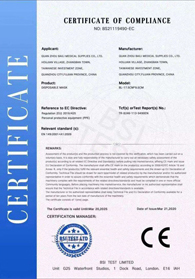
These certifications provide peace of mind on product traceability and regulatory adherence, crucial for global supply chains serving demanding markets like the USA.
Logistics and Shipping Considerations for PVA
Polyvinyl alcohol’s hygroscopic properties require careful packaging and transport planning. Tang Zhi Technology employs moisture-resistant kraft paper bags with inner liners to ensure product integrity during shipment.
polyvinyl alcohol water solubility polyvinyl alcohol solubility in water solubility of polyvinyl alcohol in water
Bulk PVA is typically containerized in 20’ or 40’ units, with loading optimized to reduce movement that could damage packaging. Lead times fluctuate depending on destination ports; domestic runs in China average 3-5 days to the Jinzhou port, with sea freight to U.S. West Coast ports typically taking 20-30 days.
Importers should also account for customs inspections, which usually involve sample verification of declared product attributes to ensure compliance with FDA or EPA regulations.
Our export team emphasizes transparent communication about estimated arrival, batch tracking, and product shelf life post-shipment to help clients manage inventory effectively.
Frequently Asked Questions
- Q1: What factors affect the dissolution time of PVA?
- Degree of hydrolysis, molecular weight, water temperature, and agitation intensity are all critical. Fully hydrolyzed, high molecular weight grades dissolve slower and need higher temperatures.
- Q2: Can PVA dissolve in cold water?
- Generally no. Most PVA grades require heated water (above 60°C), though specialized cold-water grades exist with lower degrees of hydrolysis.
- Q3: How should I store PVA to maintain solubility performance?
- Store in a dry, cool environment avoiding humidity. Moisture absorption can caking and affect dissolution behavior.
- Q4: What documents come with PVA shipments?
- Tang Zhi Technology provides product specification sheets, certificates of analysis, safety data sheets (SDS), and relevant compliance certificates.
- Q5: How do I verify the supplier’s production capacity?
- Request factory audit reports or online virtual tours. Tang Zhi's automated production lines and 90,000 m² facility ensure stable supply and scalability.
Verified Customer Feedback
“We’ve relied on Tang Zhi’s PVA for textile sizing for over three years. Their detailed solubility specs let us dial in processing temperatures precisely, reducing waste and stickiness on our looms. Consistent quality means our production stays on schedule.”
– Michael S., Procurement Manager, Carolina Textiles (client/3.png)
“The factory’s export team was proactive in coordinating delivery timing, giving clear container loading info and follow-up. The PVA dissolved flawlessly in our adhesive lines, cutting batch prep time by a noticeable margin.”
– Sandra L., Operations Director, Midwest Adhesives Co. (client/7.png)
“As a pharmaceutical packaging supplier, achieving regulatory compliance is crucial. Tang Zhi’s FDA-grade PVA with accompanying certificates makes supplier qualification straightforward. Solubility tests matched our lab results exactly.”
– Rajesh P., Quality Engineer, PharmaPac Solutions (client/5.png)
Ready to Optimize Your PVA Supply Chain?
Contact Tang Zhi Technology (HeBei) Co., Ltd. for expert guidance on selecting PVA grades aligned with your solubility requirements. We offer tailored solutions backed by robust factory capabilities and global export experience.
© 2026 TANG ZHI TECHNOLOGY(HEBEI) CO., LTD | Room 2308, Dongsheng Plaza 2, No. 508 Zhongshan East Road, Chang’an District, Shijiazhuang, Hebei, China

Liu Wen, Industrial Engineer
With over 12 years’ experience in polymer manufacturing and export, Liu Wen specializes in cellulose derivatives including PVA, guiding international buyers in technical product selection and supply chain optimization.