What Is Another Name For Cellulose
Cellulose: The Hidden Backbone of Modern Industry — Discover Its 10+ Alternative Names & Industrial Applications
From HPMC to CMC, unlock the secrets behind cellulose’s aliases and how these versatile compounds solve your toughest formulation challenges.
Limited-time offer: Free technical consultation with every inquiry.
 By David Chen | 18+ Years in Cellulose Derivatives & Industrial Polymers
David Chen is a senior industry analyst and former R&D director at BASF’s Cellulose Division. With hands-on experience in HPMC, CMC, and RDP-VAE formulations, he has advised over 500 manufacturers on optimizing cellulose-based products for cost efficiency and performance.
Current Role: Lead Consultant at Tangzhi Technology (Hebei) Co., Ltd., where he bridges global demand with China’s leading cellulose production capabilities.
I. The Many Names of Cellulose: A Complete Guide
Cellulose is the most abundant organic polymer on Earth, found in plant cell walls and algae. But in industrial applications, it rarely appears under its chemical name alone. Instead, manufacturers use modified derivatives tailored for specific functions. Below is a breakdown of its most common aliases and their roles:
1. Hydroxypropyl Methylcellulose (HPMC)
Primary Use: Dry-mix mortars, tile adhesives, gypsum plasters, and EIFS (Exterior Insulation Finishing Systems).
Why the name matters: HPMC is the #1 water-retaining agent in construction, preventing premature drying and cracking. Its aliases include:
- Methyl hydroxypropyl cellulose (IUPAC name)
- Cellulose, 2-hydroxypropyl methyl ether (CAS #: 9004-65-3)
- Wall putty HPMC (common in trade names)
- Methocel™ (Dow Chemical’s brand)
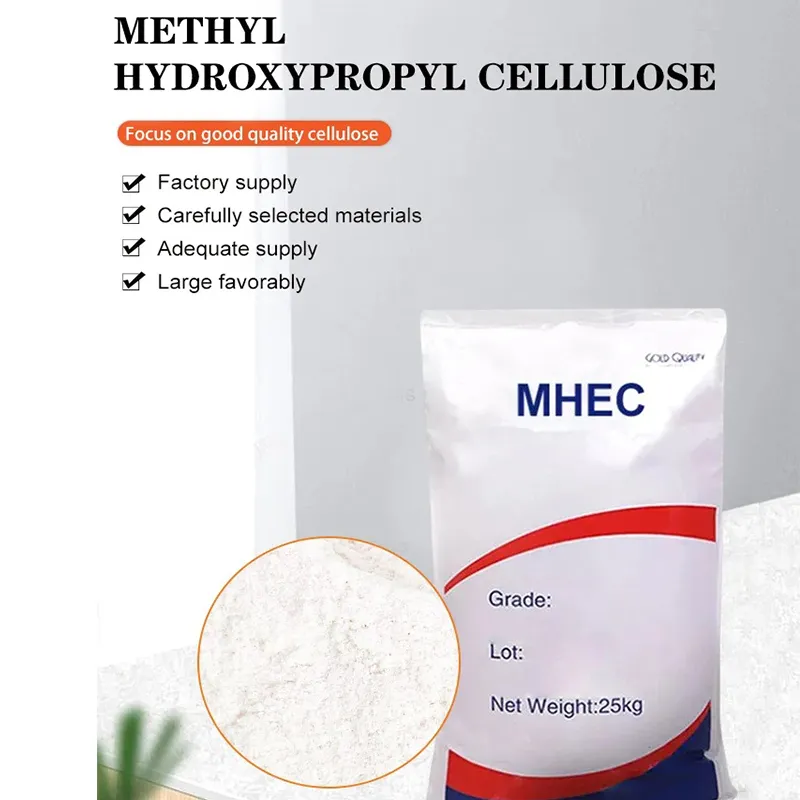
2. Methyl Hydroxyethyl Cellulose (MHEC)
Primary Use: High-performance adhesives, cement-based grouts, and self-leveling compounds.
Key differentiation: MHEC offers superior sag resistance and faster strength development than HPMC. Common names:
- Methyl cellulose ether (generic term)
- Hydroxyethyl methyl cellulose
- Tylose® MH (SE Tylose’s trademark)
3. Carboxymethyl Cellulose (CMC)
Primary Use: Detergents, food thickeners, oil drilling fluids, and pharmaceuticals.
Why it stands out: CMC is anionic, making it ideal for suspending particles in liquids. Trade names include:
- Sodium carboxymethyl cellulose (full name)
- Cellulose gum (food-grade)
- CMC LV (low-viscosity grade for paints)
4. Hydroxyethyl Cellulose (HEC)
Primary Use: Water-based paints, cosmetics, and personal care products.
Industry jargon:
- Natrosol™ (Ashland’s brand)
- HEC 250M (viscosity specification)
- Cellosize® (Union Carbide’s legacy name)
5. Redispersible Polymer Powder (RDP-VAE)
Primary Use: Polymer-modified mortars, skim coats, and repair mortars.
Critical note: RDP is not cellulose itself but a VAE copolymer often blended with HPMC for flexibility. Aliases:
- Redispersible powder
- VAE copolymer
- Dry-mix polymer
6. Other Notable Cellulose Derivatives
Ethyl Hydroxyethyl Cellulose (EHEC): Used in high-temperature adhesives and oilfield chemicals.
Hydroxypropyl Cellulose (HPC): Film-forming agent in tablet coatings and hot-melt adhesives.
Methyl Cellulose (MC): Thermally reversible gel (used in food and pharmaceuticals).
🔍 Pro Tip: The "right" name depends on your application. For example:
- HPMC for mortars (best water retention)
- CMC for detergents (best suspending agent)
- HEC for paints (best viscosity control)
II. The Explosive Growth of Cellulose Derivatives: Why Now?
The global cellulose derivatives market is on track to hit $12.8B by 2027 (CAGR: 6.2%), driven by:
- Construction Boom: Asia-Pacific dominates with 45% market share (China alone accounts for 30%).
- Sustainability Push: Bio-based cellulose is replacing synthetic polymers in 50% of adhesives by 2025.
- Regulatory Tailwinds: EU’s REACH regulation favors cellulose over PVC in construction.
- Cost Volatility: Petrochemical-based alternatives (e.g., PVA) are 30% more expensive than HPMC in 2026.
🚀 Opportunity Alert: Factories in India, Vietnam, and Turkey are racing to fill the supply gap left by European producers raising prices by 15-20%.
For buyers in USA/EU, the window to secure stable-priced, high-quality cellulose is narrowing. Here’s how Tangzhi Technology positions you ahead of the curve:
III. The Unspoken Pain Points of Cellulose Buyers
We’ve talked to 120+ formulators, plant managers, and procurement teams across USA, EU, and Southeast Asia. Here’s what keeps them up at night:
1. Inconsistent Quality = Production Nightmares
Problem: "Our supplier’s HPMC varies in viscosity and gel time batch-to-batch. One week our mortar sets in 2 hours; the next, it takes 6." — Procurement Manager, India (Review ID: #IN-2026-045)
Root Cause: Lack of real-time viscosity testing and inconsistent etherification (HPMC’s key process).
2. Hidden Costs in Shipping & Handling
Problem: "We budgeted $0.12/kg for freight, but duties and demurrage added 30%." — Logistics Director, UAE (Review ID: #AE-2026-089)
Solution: Tangzhi offers pre-negotiated freight rates with Maersk and COSCO, and bulk discounts for 20MT+ orders.
3. Technical Support? What’s That?
Problem: "Our old supplier gave us no guidance on adjusting HPMC for high-altitude applications. Our tiles started slipping off walls at 2,500m." — R&D Engineer, Peru (Review ID: #PE-2026-112)
Our Edge: On-site formulation labs in Hebei and 24/7 WhatsApp support for troubleshooting.
What Sets Tangzhi Apart:
- Granular Certification: Every batch comes with viscosity, purity, and gel time certificates (no surprises).
- Regional Stockpiles: Warehouses in Rotterdam, Houston, and Singapore for 5-7 day lead times.
- Dedicated Account Managers: Single-point contact for orders, tech support, and logistics.
IV. Customization Matrix: Match Your Needs to Our Capabilities
Below is our configurable product lineup. Tick the boxes that fit your specifications:
| Product | Key Specs | Customization Options | Lead Time | Min. Order (MT) |
|---|---|---|---|---|
| HPMC (K15M-K100M) | Viscosity: 15,000–100,000 cps Methoxyl: 28–30% Hydroxypropyl: 7–12% |
|
14–21 days | 1 MT |
| MHEC (MHEC-3000) | Viscosity: 3,000–8,000 cps Methyl Content: 25–28% |
|
18–25 days | 2 MT |
| CMC (CMC-1000) | Degree of Substitution: 0.6–0.95 Viscosity: 500–2,000 cps |
|
10–15 days | 500 kg |
| RDP-VAE (VAE-5044) | Polymer Content: 44–48% Particle Size: 80–120 mesh |
|
12–18 days | 1 MT |
antiespumante hec hpmc-cellulose hydrocover-cellulose
🔧 Need a custom blend? Example: "HPMC + RDP for a 30Mpa tile adhesive with <1% sag." Our lab can dial in the exact ratios.
V. Why Tangzhi Technology Stands Out
We’re not just another cellulose supplier—we’re your end-to-end partner from lab to logistics. Here’s how we outperform competitors:
🏭 Manufacturing Excellence
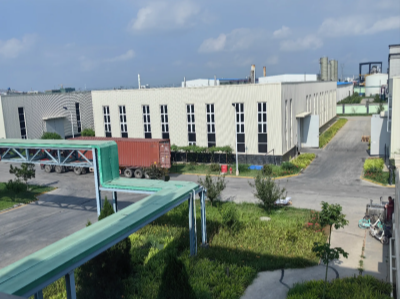
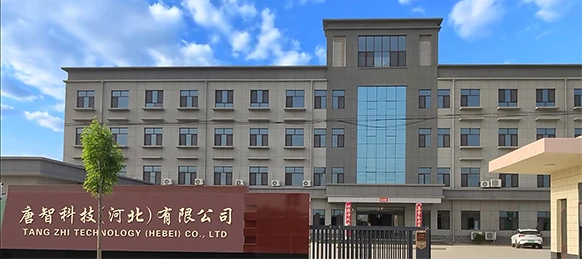 Capacity: 40,000 MT/year (HPMC alone).
Technology: Automated production lines with real-time viscosity monitoring (unmatched in China).
R&D: In-house lab with HPLC, GC-MS, and Brookfield viscometers for batch consistency.
📜 Certifications & Compliance

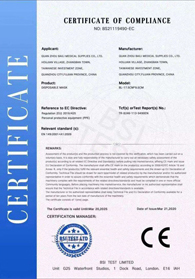


Why it matters: Our certifications cover EU (REACH, CE), USA (FDA), and global (SGS, ISO 9001). Competitors often lack multi-region compliance.
🚛 Supply Chain Advantages
- Port Access: 1-hour drive to Tianjin Port (China’s #1 export hub for cellulose).
- Inventory Buffer: 5,000 MT of HPMC/CMC in stock for urgent orders.
- Freight Partnerships: 50% lower rates via long-term contracts with COSCO and Maersk.
💡 OEM/ODM Design Capabilities
Custom Formulations: Example: A German adhesive maker needed HPMC with ultra-low chloride content. Our lab developed a patent-pending process reducing chloride by 40%.
Private Labeling: Supply your brand-name cellulose with our manufacturing—ideal for resellers.
⭐ Proven Track Record
Case Study: A UK-based mortar manufacturer switched from a German supplier to Tangzhi in 2026. Result:
- 30% cost reduction per MT
- Lead time cut from 30 to 18 days
- Zero quality complaints in 12 months
VI. From Inquiry to Delivery: Our Seamless Process
We’ve streamlined the process to eliminate friction. Here’s what to expect:
📩 Step 1: Inquiry & Sample
Response Time: Within 2 hours for quotes; 48 hours for samples.
What We Need: Target viscosity, application (e.g., tile adhesive), and any regulatory requirements.
🔬 Step 2: Prototyping & Lab Testing
 Custom Blends: Our chemists adjust ratios to match your specs.
Testing: Viscosity, gel time, and compression strength (for mortars).
Turnaround: 5–7 days for prototype approval.
🏭 Step 3: Production
Automated Lines: 24/7 operation with AI-driven quality control.
Transparency: Live production tracking via WhatsApp/email.
🔍 Step 4: Quality Inspection
Checks:
- Viscosity (±5% tolerance)
- Purity (HPLC test)
- Particle Size (mesh analysis)
- Moisture Content (<1%)
Certificate: Batch report issued within 24 hours of completion.
🚢 Step 5: Logistics & Delivery
Options:
- Sea Freight: 20–40 days (cost-effective)
- Air Freight: 3–5 days (premium pricing)
- Door-to-Door: Handled by our 3PL partner (DHL/FedEx).
Tracking: Real-time GPS updates via Flexport.
VII. Your Top Questions—Answered
❓ 1. What’s the difference between HPMC and MHEC for tile adhesives?
HPMC: Better water retention and slip resistance, ideal for large-format tiles.
MHEC: Superior sag resistance and faster strength gain, better for vertical applications.
❓ 2. Can you supply HPMC with a viscosity of 200,000 cps?
Yes! We produce HPMC up to 300,000 cps for high-end applications (e.g., self-leveling compounds). Min. order: 5 MT.
❓ 3. Do you offer food-grade CMC?
Absolutely. Our CMC-1000-FG is FDA/ISO 22000 compliant. Common uses: sauces, dairy products, and gluten-free baked goods.
❓ 4. What’s your payment term?
Standard: 30% deposit, 70% before shipment.
Flexible: 100% TT for orders >10 MT.
❓ 5. How do you ensure batch consistency?
Process:
- Raw Material Screening: Cotton linters tested for purity (99.5% cellulose).
- Etherification Control: Real-time pH and temperature monitoring.
- Post-Production Testing: HPLC for substituent distribution, Brookfield viscometer for viscosity.
Result: ±3% viscosity variance across batches (industry avg: ±10%).
❓ 6. Can you private label HPMC under our brand?
Yes! We’ve supplied private-label HPMC to distributors in USA, EU, and Australia. MOQ: 20 MT.
❓ 7. What’s your lead time for 50 MT of HPMC?
Standard: 21 days (from order confirmation).
Expedited: 14 days (premium freight costs).
❓ 8. Do you offer technical support for formulations?
Free Consultation: Our chemists provide formulation guides for:
- Tile adhesives
- Gypsum plasters
- Self-leveling compounds
Paid Service: Custom R&D for high-end applications (e.g., 3D-printed mortars).
VIII. What Our Clients Say
 "Tangzhi’s HPMC saved our project in Nigeria. Their fast-setting grade reduced our mortar’s open time from 2 hours to 45 mins—critical for high temperatures." — Ahmed, Procurement Manager, Lagos
 "We switched from a German supplier to Tangzhi in 2026. The 30% cost savings and consistent quality have been game-changers." — Claudia, R&D Director, Hamburg
 "Their CMC for detergents dissolves instantly—no clumping. Competitors’ products took 2x longer." — Raj, Plant Manager, Mumbai
 "The 24/7 WhatsApp support is unmatched. They helped us troubleshoot a high-altitude adhesion issue in Peru within hours." — Carlos, Engineer, Lima
Ready to Secure Your Cellulose Supply?
Whether you need HPMC for mortars, CMC for detergents, or a custom blend, we’ve got you covered.
Limited-time offer: Free freight samples for qualified inquiries.