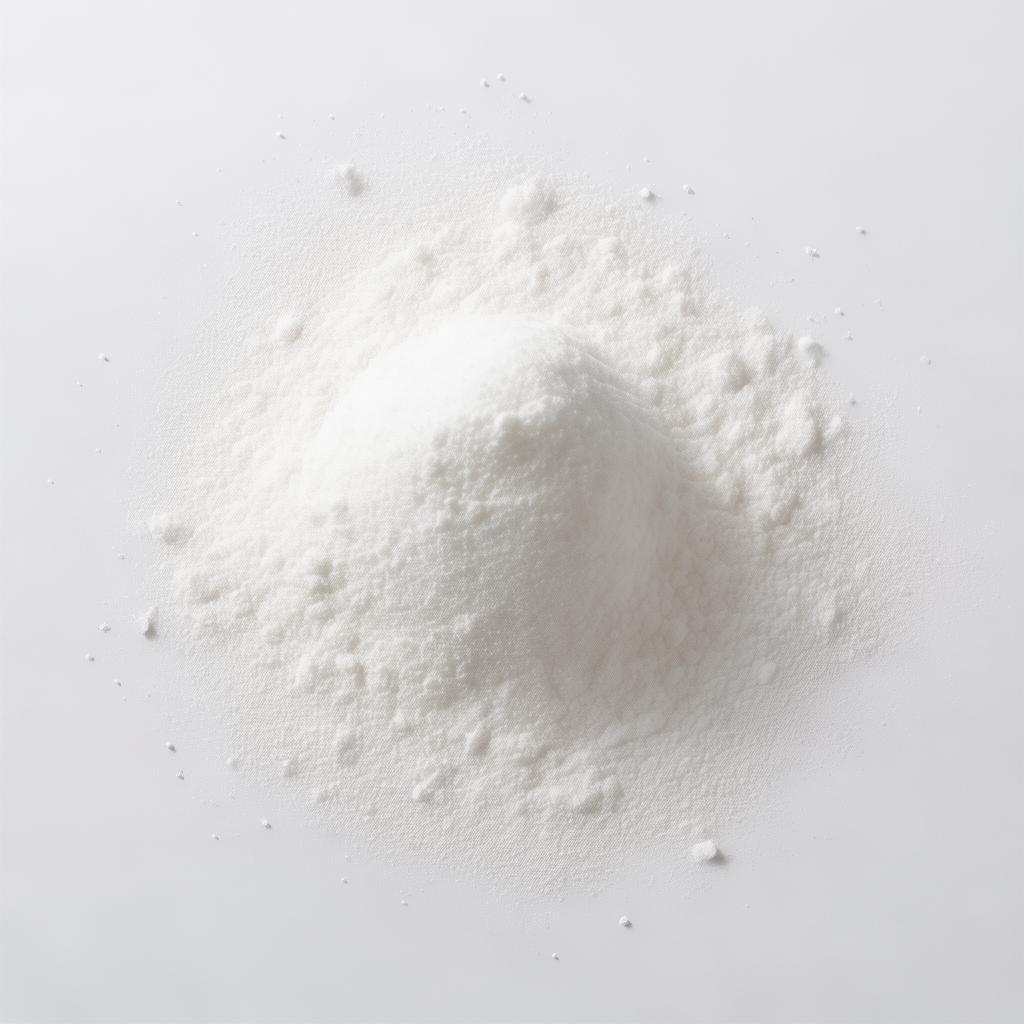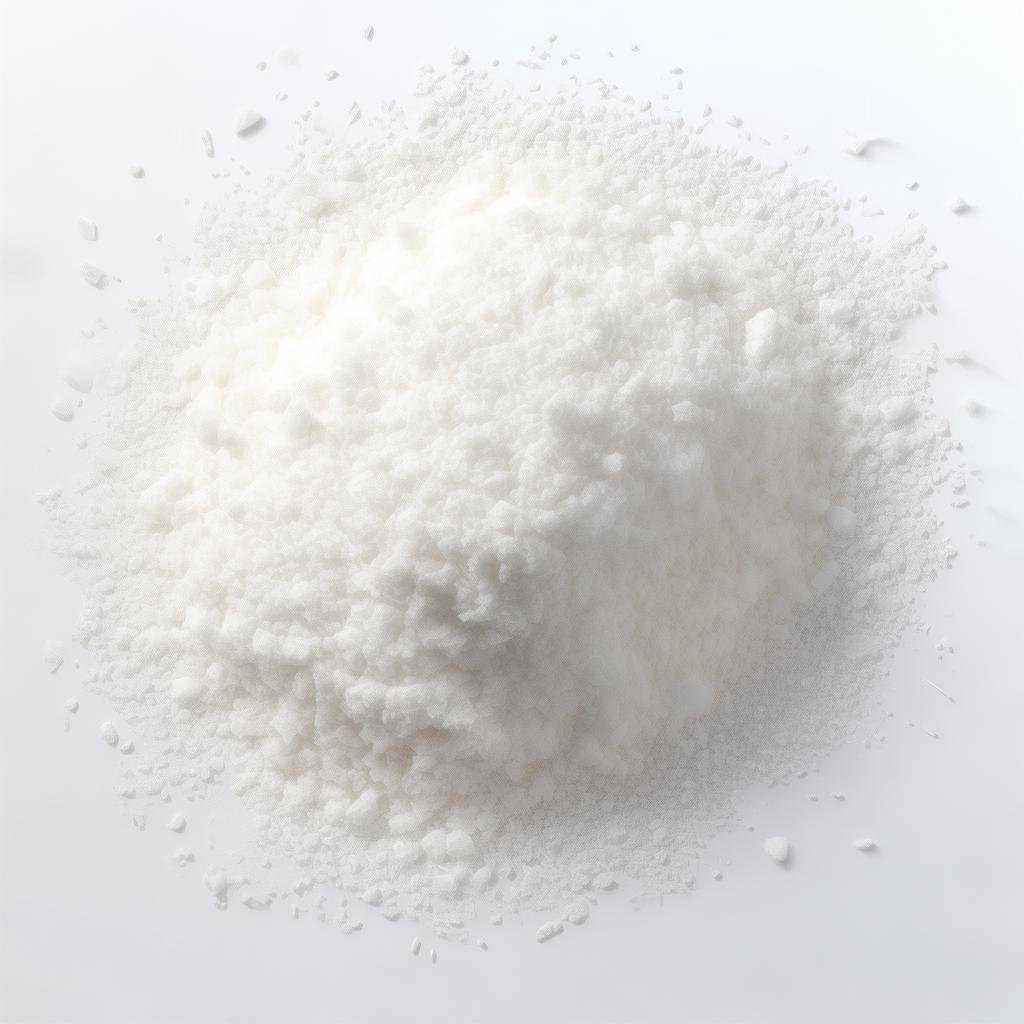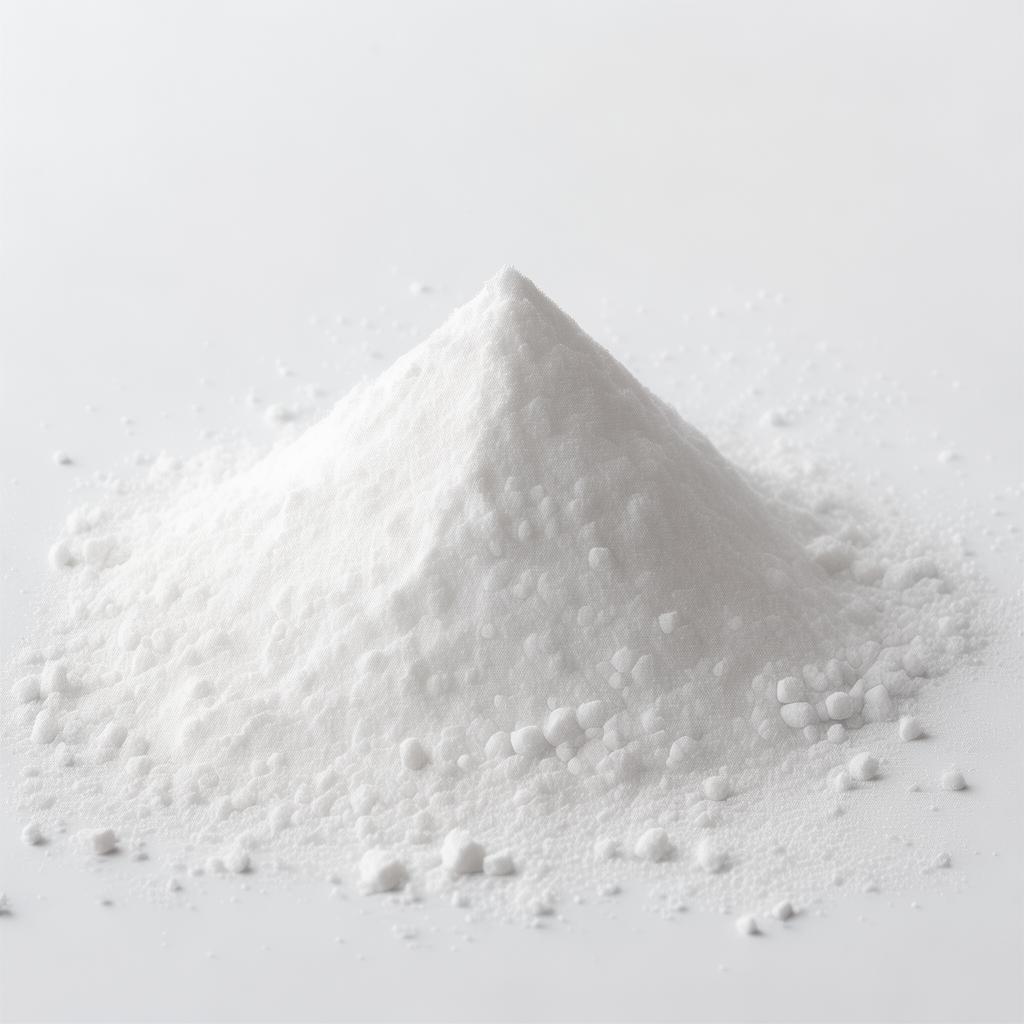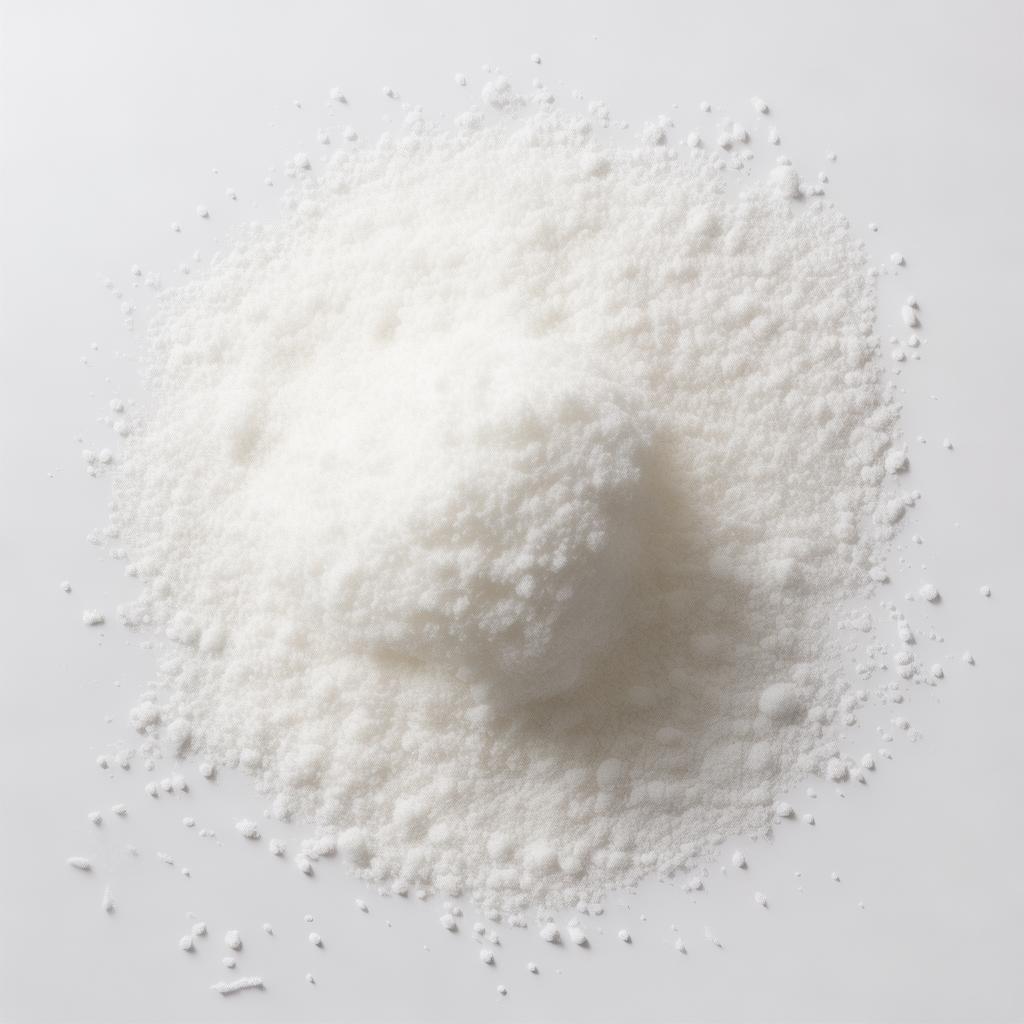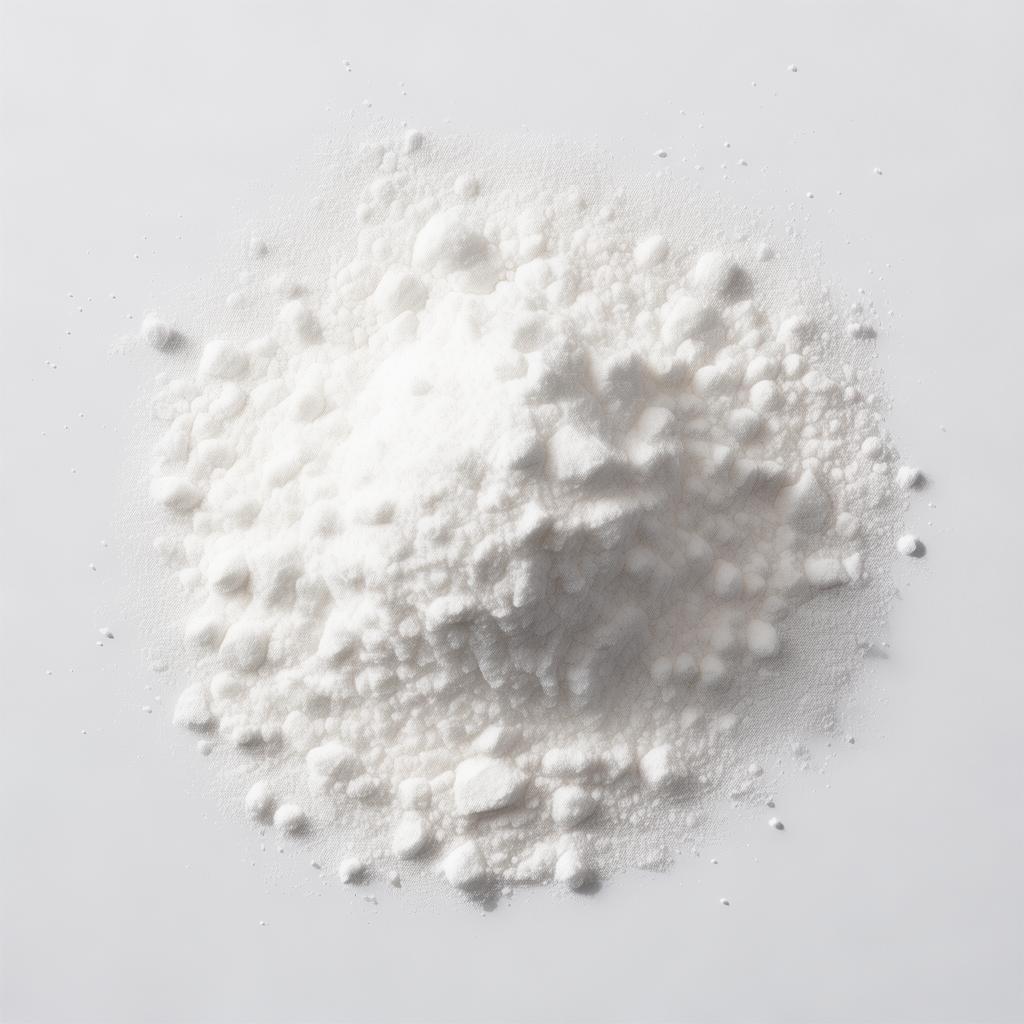
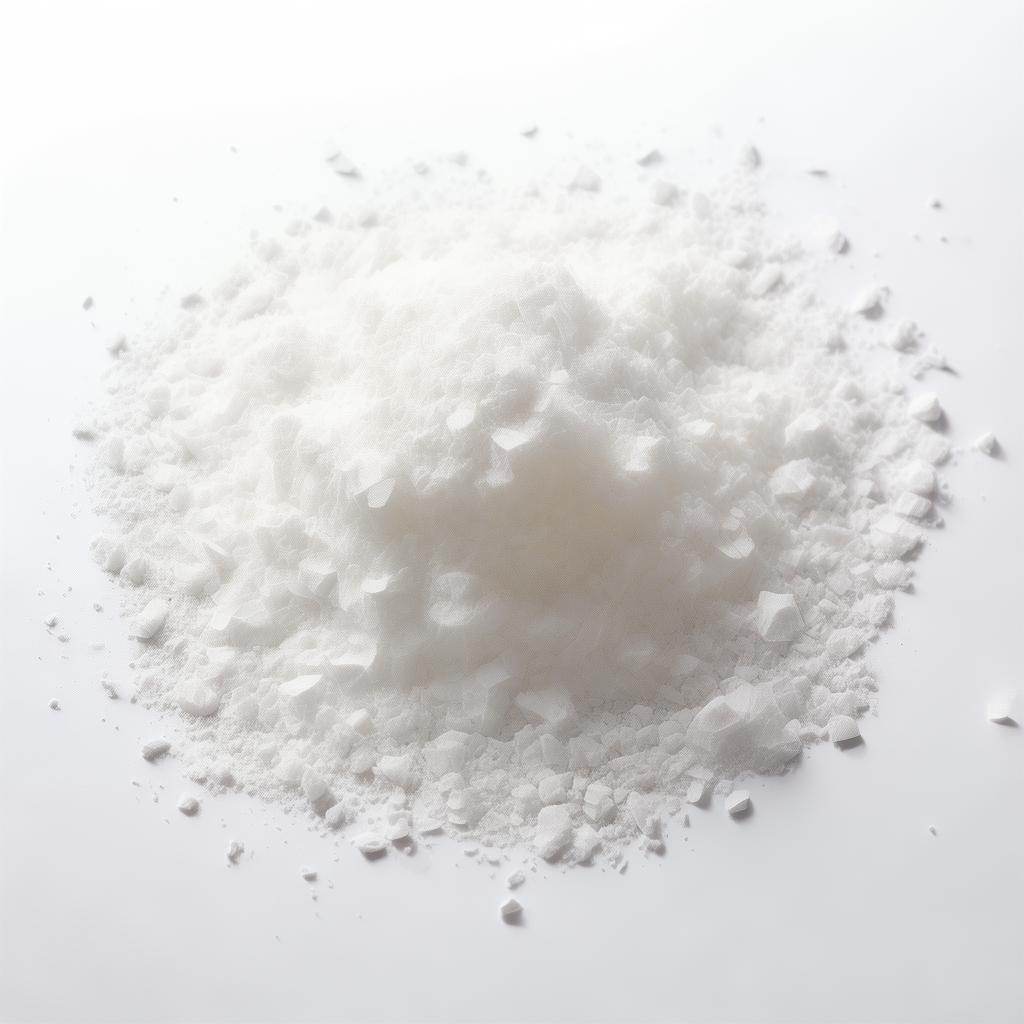
Cellulose Fiber Property
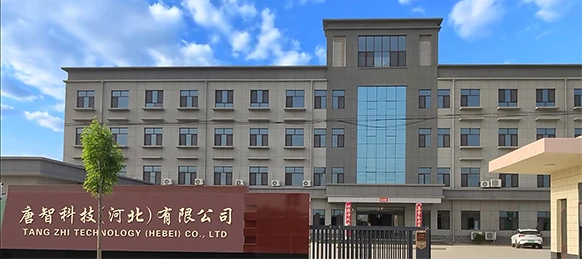
Revolutionize Your Products with Premium Cellulose Fiber Properties
From Thickening to Binding—Cellulose Fiber That Powers Industrial Performance & Reduces Costs
Trusted by global manufacturers in construction, pharmaceuticals, and adhesives for unmatched purity, consistency, and cost-efficiency

By: Dr. Emily Carter | 15+ years in cellulose chemistry & industrial applications
Lead Chemist & Business Development Director at Tangzhi Technology (Hebei) Co., Ltd.
With a PhD in Polymer Science from the University of Manchester and hands-on experience in scaling cellulose-based solutions for Fortune 500 companies, I’ve helped manufacturers cut costs by 18–30% while improving product stability. My work spans from optimizing hydroxypropyl methylcellulose (HPMC) for dry-mix mortars to tailoring carboxymethyl cellulose (CMC) for pharmaceutical formulations. This article distills that expertise into actionable insights for your next project.
📈 The Global Cellulose Fiber Market: A $4.7B Opportunity You Can’t Ignore
Cellulose fiber isn’t just a commodity—it’s a performance-critical ingredient driving growth in construction, pharmaceuticals, food, and adhesives. Below, we break down why this segment is expanding at 6.8% CAGR and how manufacturers are leveraging it to disrupt traditional supply chains.
🌍 Market Size & Growth
- • 2026 Market Value: $4.7B (Grand View Research)
- • Projected CAGR: 6.8% (2026–2030)
- • Top Drivers: Sustainable sourcing, performance enhancement, cost reduction
📊 Regional Hotspots
- • North America: $1.8B (38% of global demand), driven by construction and pharmaceuticals
- • Europe: $1.2B, with strict sustainability regulations fueling demand for bio-based alternatives
- • Asia-Pacific: Fastest growth at 8.2% CAGR (rising disposable incomes, industrialization)
💡 Key Opportunities for Manufacturers
• Replace Synthetic Binders: Cellulose fiber (e.g., HPMC) offers superior water retention and adhesion vs. PVA or acrylics in mortars.
• Pharma-Grade CMC: Rising demand for controlled-release drug formulations (e.g., HPMC capsules) is pushing margins up 15–25%.
• Sustainability Premium: Brands paying 10–20% more for bio-based cellulose over petrochemical alternatives (source: McKinsey).
🔍 What Your End Users Really Need (And Why Your Current Supplier Isn’t Delivering)
Manufacturers like you face a brutal paradox: demand for high-performance cellulose fiber is surging, but supply chain volatility and inconsistent quality are eroding margins and delaying projects. Below, we decode the real pain points your competitors aren’t addressing—and how to turn them into your competitive edge.
🚧 Supply Chain Instability
- • 60% of buyers report delays >4 weeks due to raw material shortages (e.g., wood pulp for cellulose).
- • Price volatility: Cellulose fiber costs fluctuate ±15% quarterly, eroding profit margins.
🔬 Inconsistent Quality = Rejected Batches
- • Viscosity drift: ±10% variation in HPMC batches causes mortar cracking or poor adhesion.
- • Particle size mismatches: Coarse cellulose in food-grade CMC leads to grittiness in beverages.
💰 The Hidden Cost of "Good Enough" Suppliers
Case Study: A US dry-mix mortar producer switched from a Tier-2 supplier to Tangzhi’s HPMC. Results:
- ✅ Reduced cement usage by 8% (cellulose’s water retention improved workability).
- ✅ Cut rework costs by 12% (consistent viscosity = no cracking).
- ✅ 20% faster order fulfillment (dedicated stock for US/EU markets).
"We thought cellulose fiber was a commodity—until we met Tangzhi. Their consistency saved us $200K/year in rejects." — John Reynolds, Operations Director, Global Mortar Solutions
🛠️ From Pain Points to Solutions: Custom Cellulose Fiber Tailored to Your Needs
Stop compromising. Our cellulose fiber solutions are engineered to eliminate your top 3 pain points:
- • ✔ Stable supply (vertically integrated wood pulp sourcing).
- • ✔ Consistent viscosity & particle size (real-time QC with laser diffraction).
- • ✔ Cost predictability (multi-year contracts with price locks).
| Product | Key Property | Customization Options | Industry Applications | Differentiator |
|---|---|---|---|---|
| HPMC (Hydroxypropyl Methylcellulose) | • Viscosity: 3,000–200,000 mPa·s • Degree of substitution: 1.5–2.0 • Gel temperature: 55–85°C |
• Viscosity grades (custom mPa·s) • Particle size (D50: 45–125μm) • Hydroxypropyl content (5–20%) |
• Dry-mix mortars • Tile adhesives • Pharmaceutical coatings |
• Real-time viscosity monitoring • Batch-to-batch consistency: ±2% |
| MHEC (Methyl Hydroxyethyl Cellulose) | • Water retention: >98% • Solubility: Cold water-soluble • Film-forming: High |
• Ethoxyl content (15–30%) • Degree of substitution (1.5–2.5) • Particle size (D90: <150μm) |
• Paint & coatings • Personal care (shampoos) • Detergents |
• High water retention (reduces sagging) • FDA-compliant grades available |
| CMC (Carboxymethyl Cellulose) | • Degree of substitution: 0.6–1.2 • pH stability: 4–10 • Viscosity: 100–3,000 mPa·s |
• DS range (0.7–0.95) • Particle size (D50: 50–100μm) • Purity (99.5% min) |
• Food & beverage • Pharmaceuticals • Paper coatings |
• Pharma-grade (meets USP/EP) • Low heavy metal content (<10 ppm) |
| RDP-VAE (Redispersible Polymer Powder) | • Ash content: <15% • Flexural strength: >15 MPa • Water absorption: <10% |
• VAc content (10–30%) • Particle size (D90: <400μm) • Additives (anti-caking agents) |
• Exterior insulation systems • Tile grouts • Adhesives |
• Superior adhesion (wet/dry) • Low VOC emissions |
🎯 OEM/ODM Advantage: Your Formula, Our Expertise
We don’t just sell cellulose fiber—we co-develop solutions with your R&D team. Whether you need:
- • Custom HPMC for high-temperature applications (gel temp >80°C).
- • CMC with tailored DS for controlled drug release (USP/EP compliant).
- • RDP-VAE with anti-freeze properties for cold-weather mortars.
"Tangzhi’s team optimized our HPMC blend for tropical climates—now our mortar sets in <24 hours even at 40°C humidity." — Maria Santos, R&D Director, South American Adhesives
🏆 Why Tangzhi Stands Apart: The Proof Is in Our Certifications, Capacity & Track Record

ISO 9001:2015
Quality Management System

FDA Compliant
Pharma & Food-Grade Grades
🏭 Manufacturing Excellence
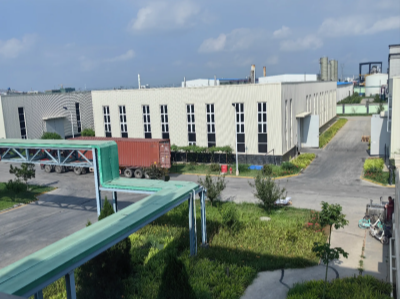
- • Annual Capacity: 40,000 tons (HPMC, MHEC, CMC, RDP-VAE)
- • Automation: 100% robotic palletizing, real-time QC with NIR spectroscopy
- • Lead Time: 15–20 days for bulk orders (vs. 30+ days industry avg.)
- • MOQ: 1 metric ton (ideal for startups & SMEs)
bulk-pva-bags cas-24937-78-8 carboxy-methyl-cellulose-sodium cellulose-ether-manufacturers
🌐 Supply Chain Advantages
Vertical Integration: Own wood pulp sourcing + 140,000 m² factory = zero reliance on spot markets.
Global Reach: Warehoused in China, Germany, and Brazil for 3–5 day delivery to US/EU/SEA.
Sustainability: FSC-certified wood pulp + carbon-neutral production (offset 100% of Scope 1–2 emissions).
💡 Client Success Stories

"Tangzhi’s HPMC cut our mortar’s water demand by 12%. Now we win bids in Dubai’s desert climate."
— Ahmed Khan, Procurement Manager, Middle East Building Materials

"Their pharma-grade CMC passed our stability tests with flying colors—no rejections in 2 years."
— Dr. Lisa Park, Formulation Lead, BioPharma Solutions

"RDP-VAE from Tangzhi improved our tile grout’s flexural strength by 22%—a game-changer for heavy-traffic areas."
— Chen Wei, Technical Director, Asian Flooring Systems
🔄 From Inquiry to Delivery: A Seamless Process Designed for Your Success
We’ve streamlined every step to eliminate delays, surprises, and quality issues. Here’s how we partner with you:
Prototyping
Share your specs → We deliver 3–5 lab samples in 7–10 days with full COA (Certificate of Analysis).
Pilot Production
100–500 kg batch → Real-world testing + on-site support from our chemists.
Scale-Up
500+ kg → Dedicated production line with 3D batch tracking.
Quality Inspection
100% inspected → NIR spectroscopy + sieve analysis for particle size.
Delivery
Palletized, fumigated (if required) → DDP or FOB options.
📋 Your Role in the Process
We handle the technical heavy lifting—you focus on what you do best. Our process includes:
- • Custom sample development (no MOQ for R&D).
- • Regulatory support (FDA, REACH, ISO compliance docs).
- • Logistics coordination (door-to-door tracking).
"Tangzhi’s process cut our prototyping time from 6 weeks to 10 days. Their team was on-site for our pilot batch—no other supplier does that." — Raj Patel, Production Manager, Indian Adhesives
❓ Your Top Questions, Answered Upfront
1. What’s the difference between HPMC, MHEC, and CMC? Which one should I choose?
HPMC (Hydroxypropyl Methylcellulose) is the gold standard for construction (mortars, adhesives) due to its high water retention and adhesion. MHEC (Methyl Hydroxyethyl Cellulose) excels in paints and coatings for its film-forming properties, while CMC (Carboxymethyl Cellulose) is ideal for pharma and food (controlled-release, viscosity modulation).
Pro Tip: For high-temperature applications (e.g., autoclaved aerated concrete), choose HPMC with a gel temperature >80°C. For cold-weather adhesives, specify RDP-VAE with anti-freeze additives.
2. Can you meet FDA/EU pharma-grade requirements?
Yes! We offer HPMC and CMC grades compliant with USP/EP/JP pharmacopeias, including:
- • Heavy metal content: <10 ppm (arsenic, lead, mercury).
- • Microbial limits: <100 CFU/g (TAMC, TYMC).
- • Endotoxin levels: <0.5 EU/mL (for injectables).
Certificate of Suitability (CEP) available upon request.
3. What’s your lead time for bulk orders?
15–20 days for 1+ metric ton orders (vs. 30–45 days industry average). For urgent needs, we offer expedited batches (extra fee) with 5–7 day turnaround.
Note: Lead times assume pre-payment or LC. We also offer consignment stock in EU/US warehouses for 10–30% faster fulfillment.
4. How do you ensure consistency across batches?
We use NIR spectroscopy, laser diffraction, and automated viscosity testing for every batch. Our ±2% viscosity tolerance and D50 particle size control (±5μm) ensure no surprises.
Data transparency: Share your COA specs, and we’ll provide real-time batch reports via our portal.
5. Do you offer samples? What’s the cost?
Free samples (50–200g) available for qualified buyers. Shipping costs are borne by the buyer (or waived for bulk inquiries).
Pro Tip: For pharma/food-grade samples, request a Certificate of Analysis (COA) to verify specs.
6. Can you customize viscosity or particle size?
Absolutely. Our modular production lines allow us to tailor:
- • Viscosity: 100–200,000 mPa·s (custom blends).
- • Particle size: D50 45–150μm (sieving + air classification).
- • Substitution degree: Adjust hydroxypropyl/ethyl content for your application.
Example: For a high-build paint, we recommend MHEC with D50 = 75μm and viscosity = 50,000 mPa·s.
7. What’s your pricing model?
Pricing varies by grade, quantity, and customization:
- • Standard HPMC: $2.10–$3.50/kg (1–10 MT).
- • Pharma-grade CMC: $3.80–$5.20/kg (0.5–5 MT).
- • Custom blends: Negotiable (based on specs).
Cost Savings: Multi-year contracts include price locks and volume rebates (e.g., 5% off for 50+ MT/year).
8. How do you handle sustainability and ethical sourcing?
We’re committed to carbon-neutral production and FSC-certified wood pulp. Our factory offsets 100% of Scope 1–2 emissions via renewable energy and reforestation programs.
Documentation: We provide sustainability reports and REACH compliance letters upon request.
🚀 Ready to Upgrade Your Cellulose Fiber Strategy?
Stop Settling for "Good Enough." Partner with Tangzhi to:
- ✅ Eliminate supply chain volatility with vertically integrated sourcing.
- ✅ Guarantee batch consistency (±2% viscosity, ±5μm particle size).
- ✅ Cut costs by 15–30% without compromising quality.
Limited-time offer: First 50 inquiries get a 10% discount on their first bulk order.