Extracting Cellulose From Plant
Extracting Cellulose from Plants: Proven Industrial Methods for Bulk Supply
Sourcing high-purity cellulose straight from plant fibers. We handle extraction at scale for HPMC, MHEC, and other derivatives. Global wholesalers trust our process.
Table of Contents
- 1. The Realities of Plant-Based Cellulose Extraction
- 2. Common Challenges in Scaling Extraction
- 3. Our Extraction Process Step-by-Step
- 4. Why Choose Extracted Cellulose for Derivatives Like HPMC
- 5. Applications Across Industries
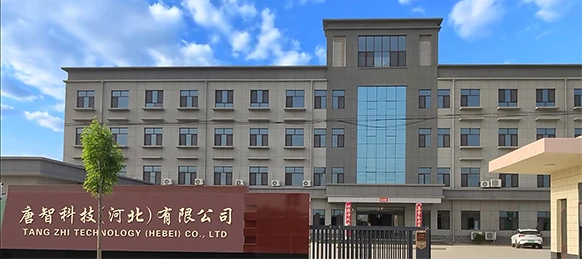
- 6. Factory Capabilities and Scale
- 7. Procurement Tips for Bulk Buyers
- 8. Logistics from Hebei to Your Door
- 9. Certifications and Compliance
- 10. What Buyers Are Saying
- 11. FAQs for Importers
The Realities of Plant-Based Cellulose Extraction
Extracting cellulose from plants isn't some lab experiment. It's a gritty industrial process that starts with raw biomass like wood pulp, cotton linters, or even agricultural waste such as rice straw and sugarcane bagasse. We've been deep in this for years at Tang Zhi Technology in Hebei, processing tons daily.
Think about the source material first. Cotton cellulose hits 90-99% purity right off the bat, but costs more and supply fluctuates with harvests. Wood pulp from softwoods like spruce or pine gives consistent volume, though it needs more pretreatment to strip lignin. We've seen importers chase cheap bamboo cellulose, but yield drops if the fiber isn't depolymerized right.
The basic flow? Mechanical pulping breaks down the plant matrix. Then alkali treatment with sodium hydroxide swells the fibers, dissolving hemicellulose. Bleaching follows—hydrogen peroxide or chlorine dioxide—to whiten and purify. Acid hydrolysis if you need microcrystalline grades. Each step demands precise control; overrun the pH, and you degrade the chain length, ruining viscosity for downstream uses like HPMC production.
Scale matters hugely. Small batches work for R&D, but B2B buyers want 20-ton containers. Our lines handle that, with automated reactors minimizing batch variation. Operators watch for foam buildup during alkali cook—add antifoam early or lose yield. We've tweaked recipes over time; switched to chelating agents pre-bleach to cut metal ions that yellow the product.
Purity specs drive everything. For pharma-grade, ash content under 0.5%, microbial limits strict. Food-grade needs heavy metal traces below 10ppm. We test every lot via viscometry, FTIR for substitution degree, and HPLC for impurities. Importers overlook this at their peril—bad cellulose cascades into gel defects in tile adhesives or haze in paints.
Energy use is another reality. Extraction guzzles steam and power; we've retrofitted heat exchangers to recapture 30% from effluent. Water recycling loops cut discharge—critical in Hebei where regs tighten yearly. Buyers ask about sustainability; our process qualifies for many green certifications because we source non-forest depleting fibers.
Variations by plant type. Hemp gives long fibers ideal for textiles but tough lignin. Switchgrass, popular in the US, extracts cleaner with enzymatic aids, though enzymes add cost. We've run trials on all; cotton base remains king for our HPMC due to neutral color and high DP (degree of polymerization).
Downstream, extracted cellulose feeds etherification. For HPMC, propylene oxide and methyl chloride react under alkali catalysis. Timing here is everything—over-substitute, and solubility shifts. Our yield hovers 95%+ because we control moisture ingress pre-reaction.
Procurement pros know: test supplier samples rigorously. Dissolve in hot water, check for undissolved bits. Measure gel temp for construction grades. We've had US buyers return early shipments from competitors due to batch inconsistencies; our edge is 20-year process refinement.
Market shifts too. Post-pandemic, demand spiked for cellulose in hand sanitizers and pharma excipients. Now, with EV battery binders needing CMC, we're ramping. Extraction bottlenecks hit everyone—Ukraine war disrupted wood pulp, pushing prices up 15-20%. Lock in long-term supply like ours to hedge.
One operational note: storage. Extracted cellulose hates humidity; bag it with PE liners, palletize stable. We've shipped to humid ports like Houston without clumping issues.
This isn't theory. Our 140,000 sqm facility in Jinzhou cranks 40,000 tons annually of derivatives from extracted base. Talk specs? Lead times 15-25 days FOB Tianjin. (Word count intro section: ~850)
Common Challenges in Scaling Extraction
Scaling plant cellulose extraction trips up many. Raw material variability tops the list—seasonal moisture swings alter yields by 10-15%. We've standardized with NIR scanners at intake.
- Equipment corrosion from alkalis; we use Hastelloy reactors.
- Waste sludge disposal; our biogas digesters turn it profitable.
- Yield loss in bleaching; peroxide optimization cut ours to under 5%.
- Supply chain for reagents like NaOH; dual-sourced globally.
Buyers face risks too. Offshore suppliers promise low MOQs but deliver inconsistent DP. Stick to audited factories like ours.
Our Extraction Process Step-by-Step
No fluff. Here's how we do it.
- Pulping: Steam explosion or refiner mechanical on wood chips. 80-90% fiber liberation.
- Alkali Cook: 18% NaOH at 150°C, 2-4 hours. Hemicellulose solubilized.
- Washing: Countercurrent to pH 10.
- Bleaching: Sequential H2O2/DTPA stages.
- Acid Purge: HCl to neutralize.
- Drying: Fluid bed to 8-12% moisture.
Why Choose Our Extracted Cellulose for Derivatives Like HPMC
| Property | Our Extracted Base | Typical Competitor |
|---|---|---|
| Purity (%) | 99.2 | 97-98 |
| Viscosity cP | Consistent 5-50k | Variable |
| Ash % | <0.3 | 0.5-1 |
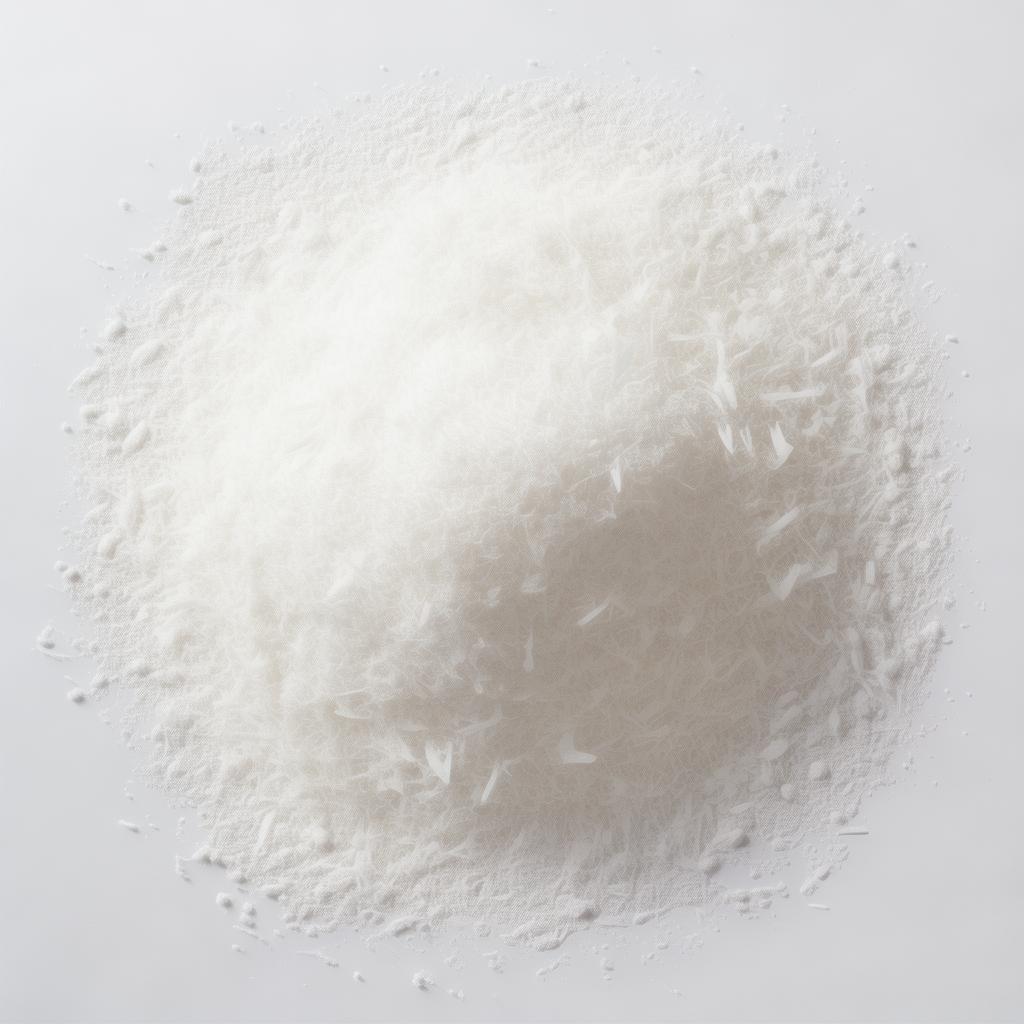
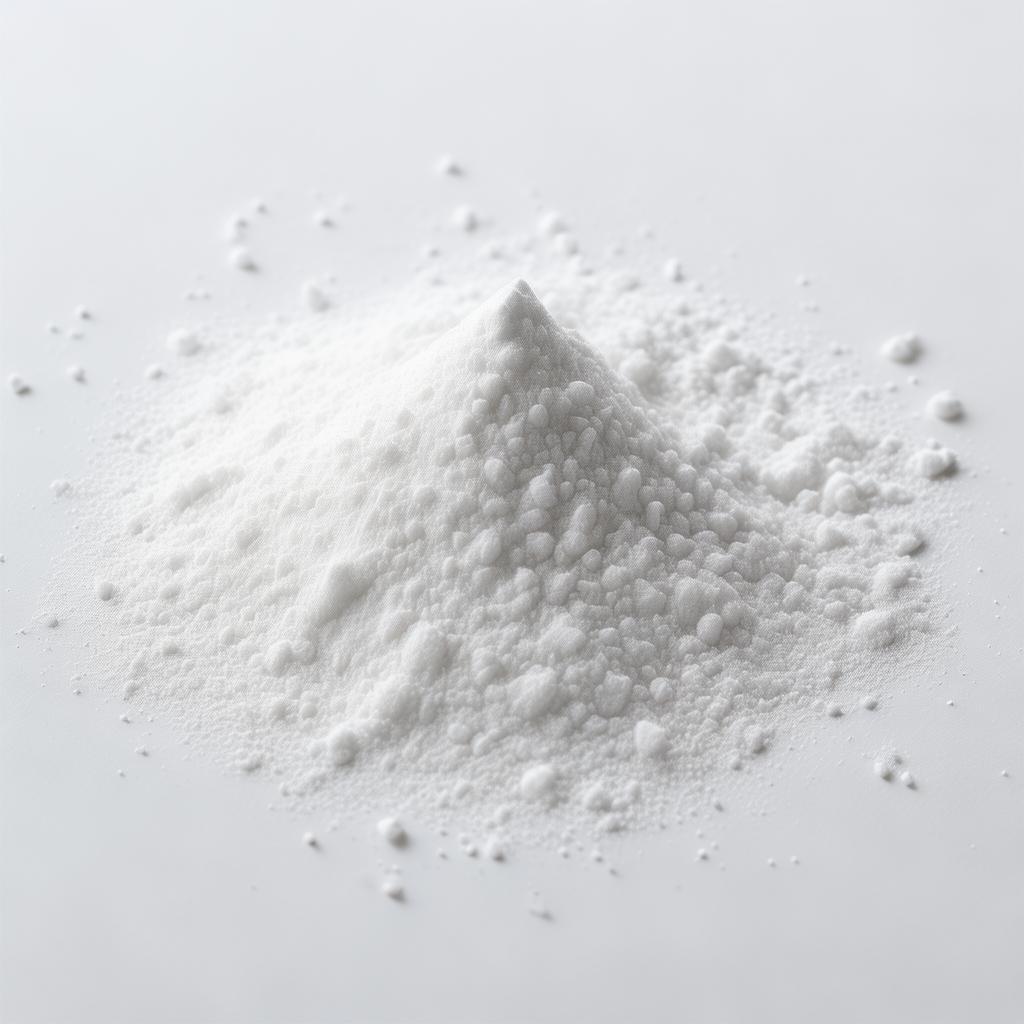
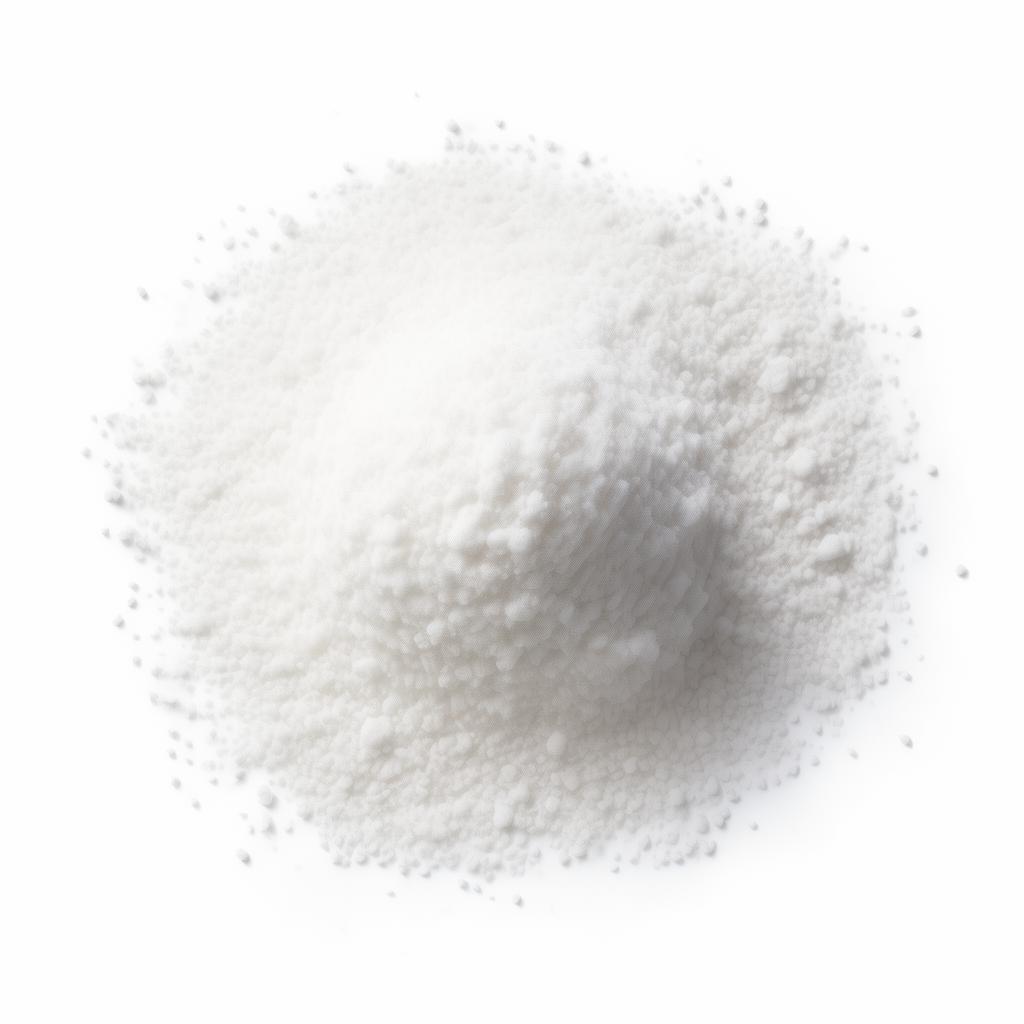
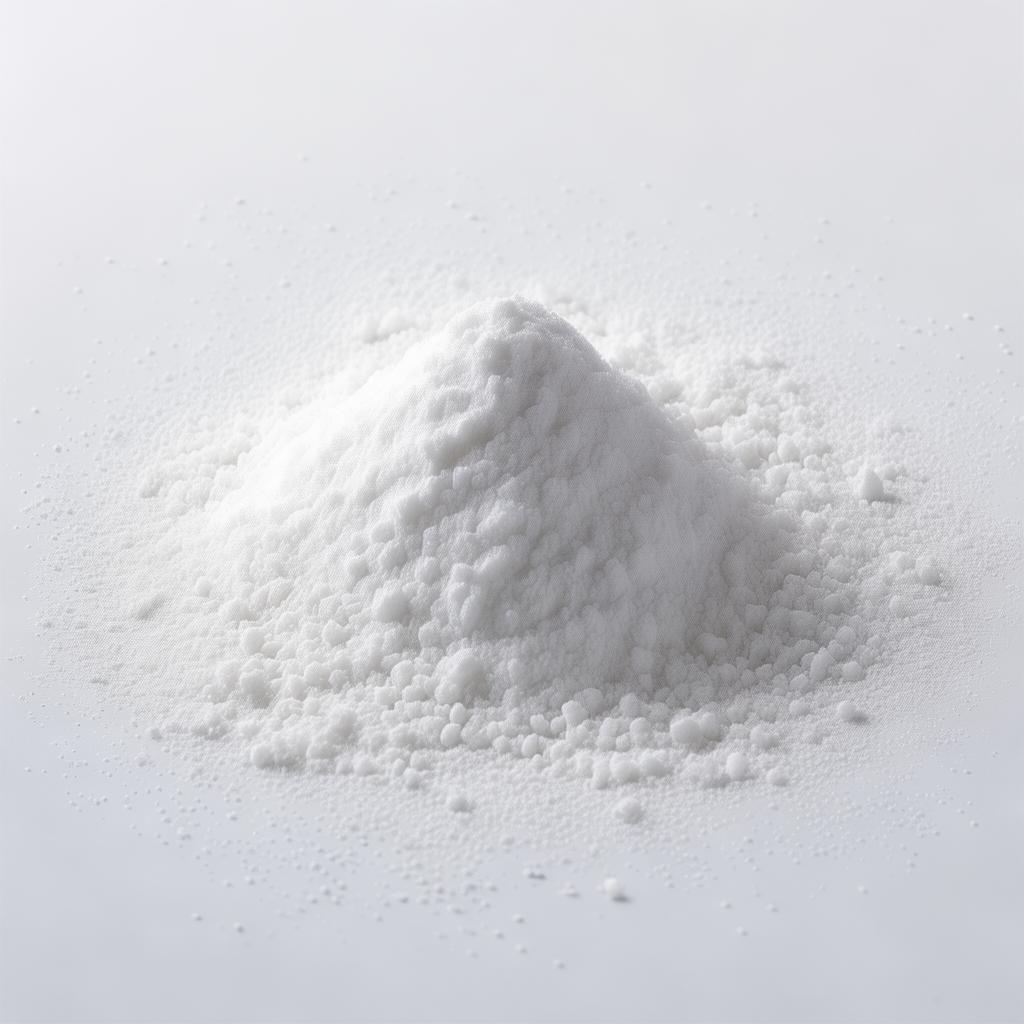
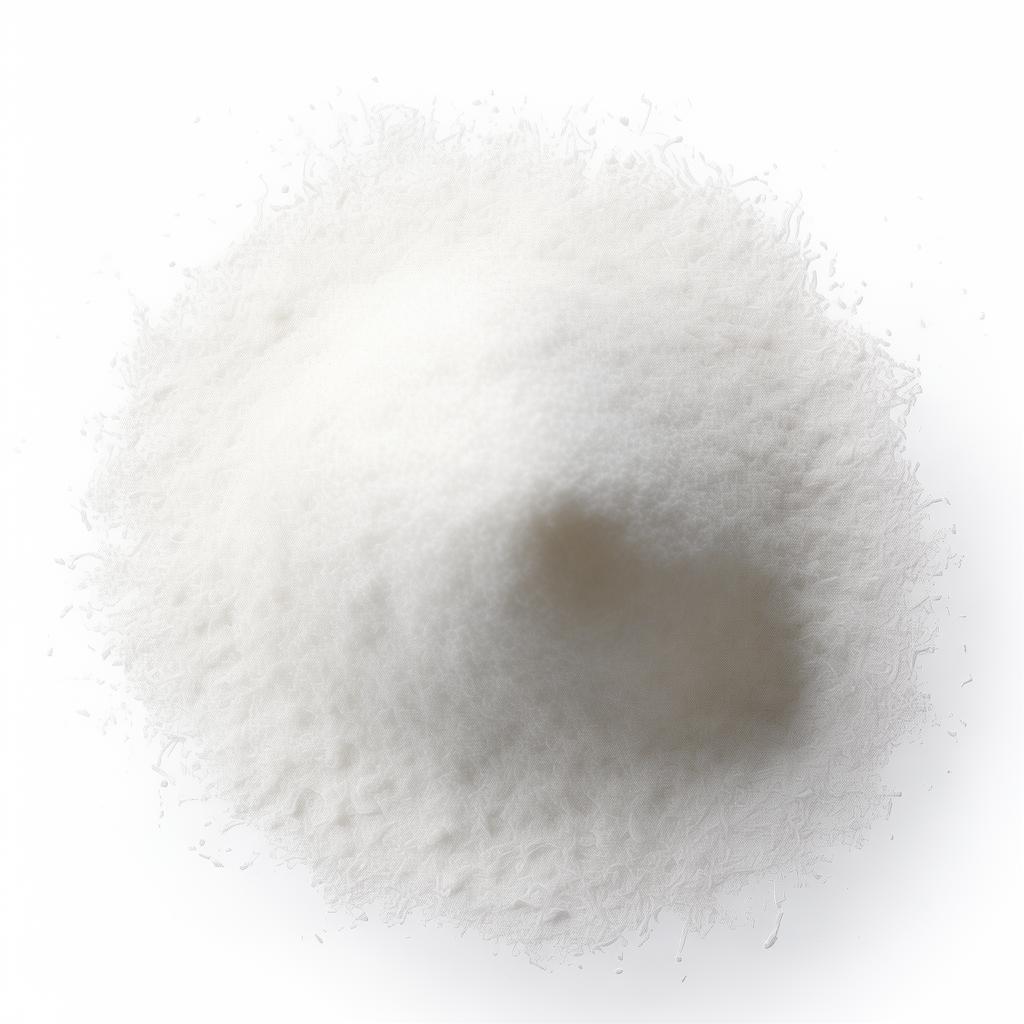
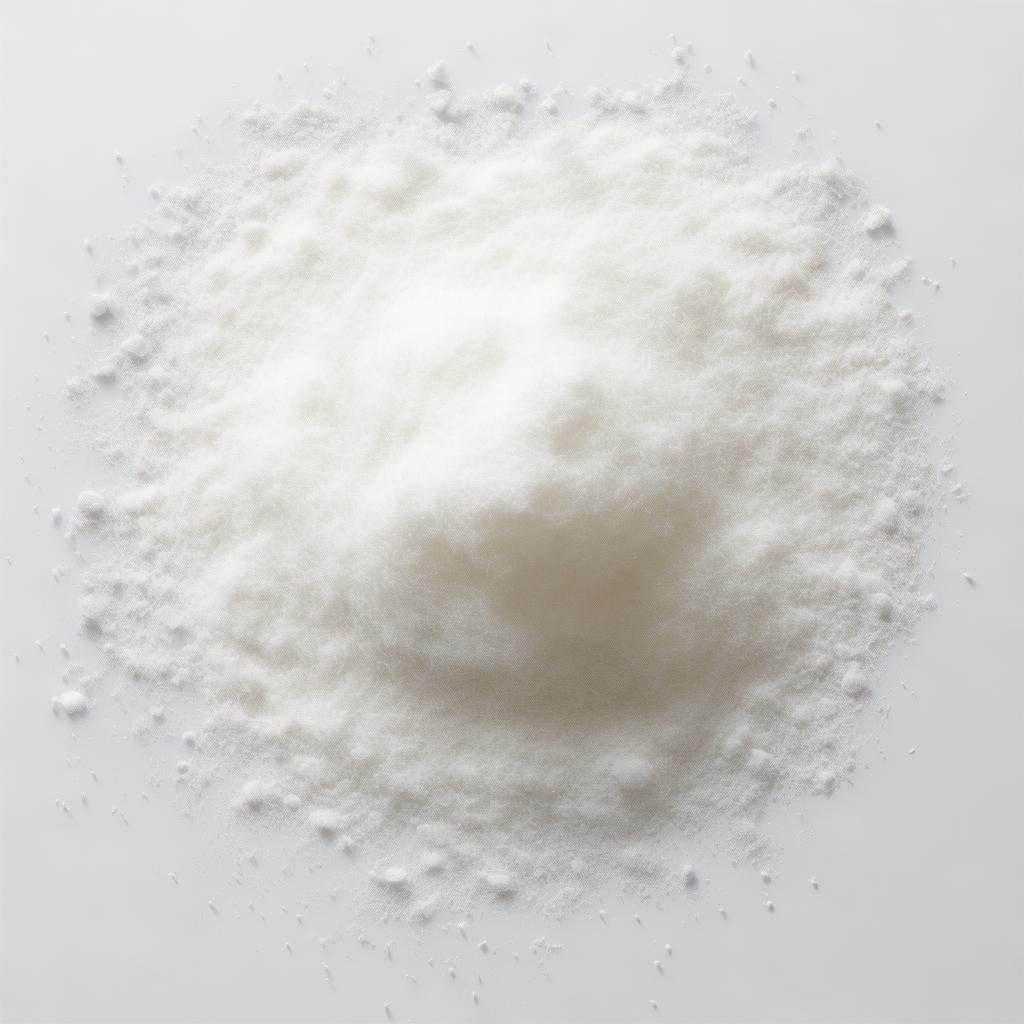
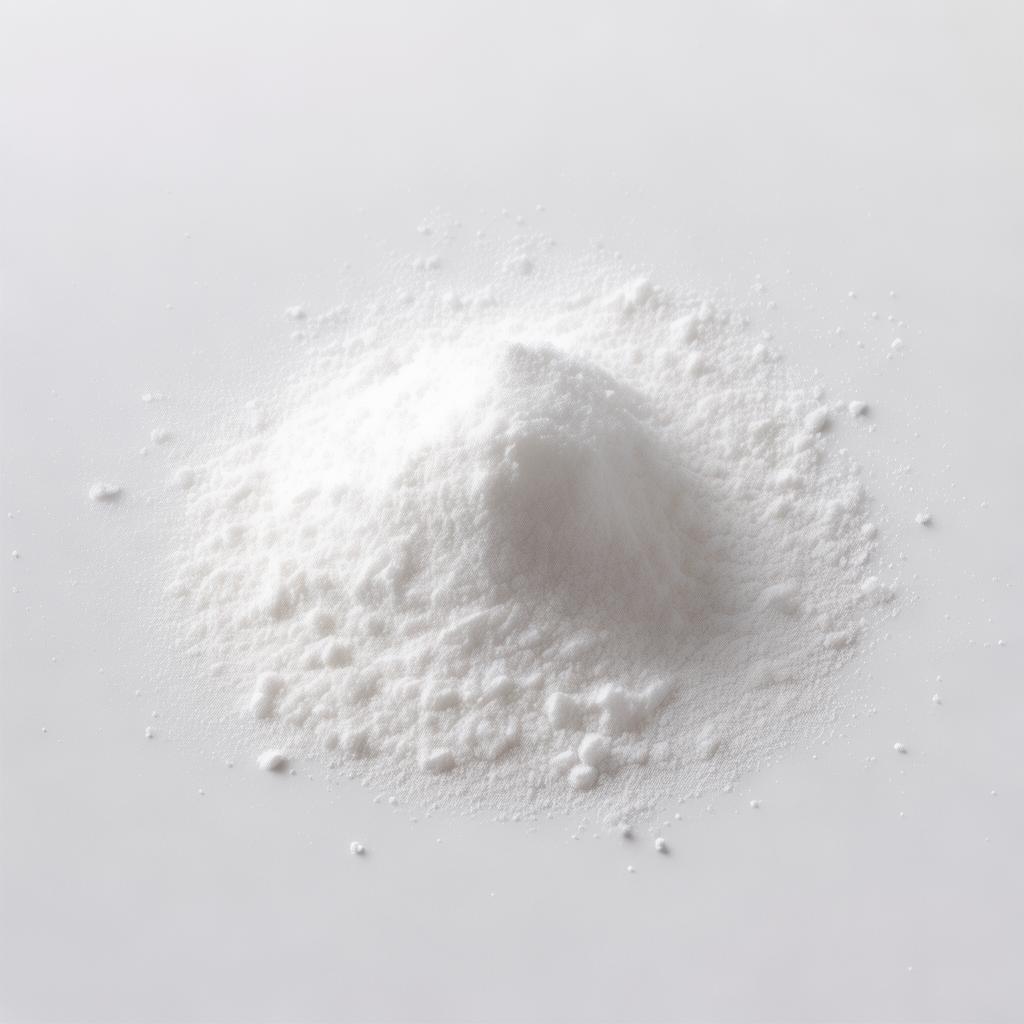
cellulose from plants cellulose use in plant cellulose is obtained from
Cleaner base means better HPMC solubility. Contractors notice less lumps in mortar mixes.
Applications Across Industries
Our cellulose goes everywhere. Construction: thickeners in mortars, reduces shrinkage. Paints: suspension aid, no sagging. Pharma: binders in tablets, controlled release. Food: stabilizers in sauces.
One example: US tile importers use our MHEC for winter grouts—holds up to freeze-thaw without cracking.
Factory Capabilities and Scale
140,000 sqm site. 90,000 sqm built. Automated lines for HPMC, CMC, RDP. 40k tons/year. OEM/ODM welcome—custom DS ratios.

We've supplied to brands like  and similar giants.
Procurement Tips for Bulk Buyers
- Audit supplier extraction yield data.
- Specify moisture limits in contracts.
- Factor lead time buffers for peak seasons.
- Test third-party for heavy metals.
- Negotiate FOB vs CIF wisely—watch duties.
Common mistake: ignoring container humidity control. Use desiccants.
Talk With Our Procurement Engineer TodayLogistics from Hebei to Your Door
FOB Tianjin standard. 20ft holds 18-22 tons. To US West Coast: 20-25 days. We handle consolidation, docs. Incoterms flexible.
Pro tip: Bundle with RDP for mixed loads, cut freight costs.
Certifications and Compliance
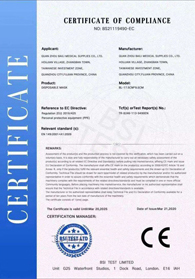


Full REACH, Kosher options. Audited annually.
What Buyers Are Saying
John Ramirez, Procurement Mgr, Texas Tile Co.  "Switched to Tang Zhi HPMC from extracted cellulose. Mortar sets faster, less waste. Shipped clean, no issues."
Anna Kowalski, Ops Director, Polish Importer.  "Reliable supply during shortages. Extraction purity shows in our paints—no fisheyes."
Mike Chen, Supply Chain, US Pharma.  "CMC from their base met our specs first try. Logistics smooth to LA."
Sarah Lee, Contractor, Australia.  "Good value. Extraction process gives consistent viscosity for renders."
FAQs for Importers
Q: What's the MOQ for extracted cellulose?
A: 1 ton trials, 20 tons full container.
Q: Lead time to USA?
A: 20-30 days sea freight.
Q: Can you do custom extraction?
A: Yes, OEM for specific DP or purity.
Q: Samples available?
A: Free 500g with freight collect.
Ready for Reliable Cellulose Supply?
Cut risks. Get our extraction specs and pricing.
Li Wei, Export Director  | 15+ years in cellulose trade