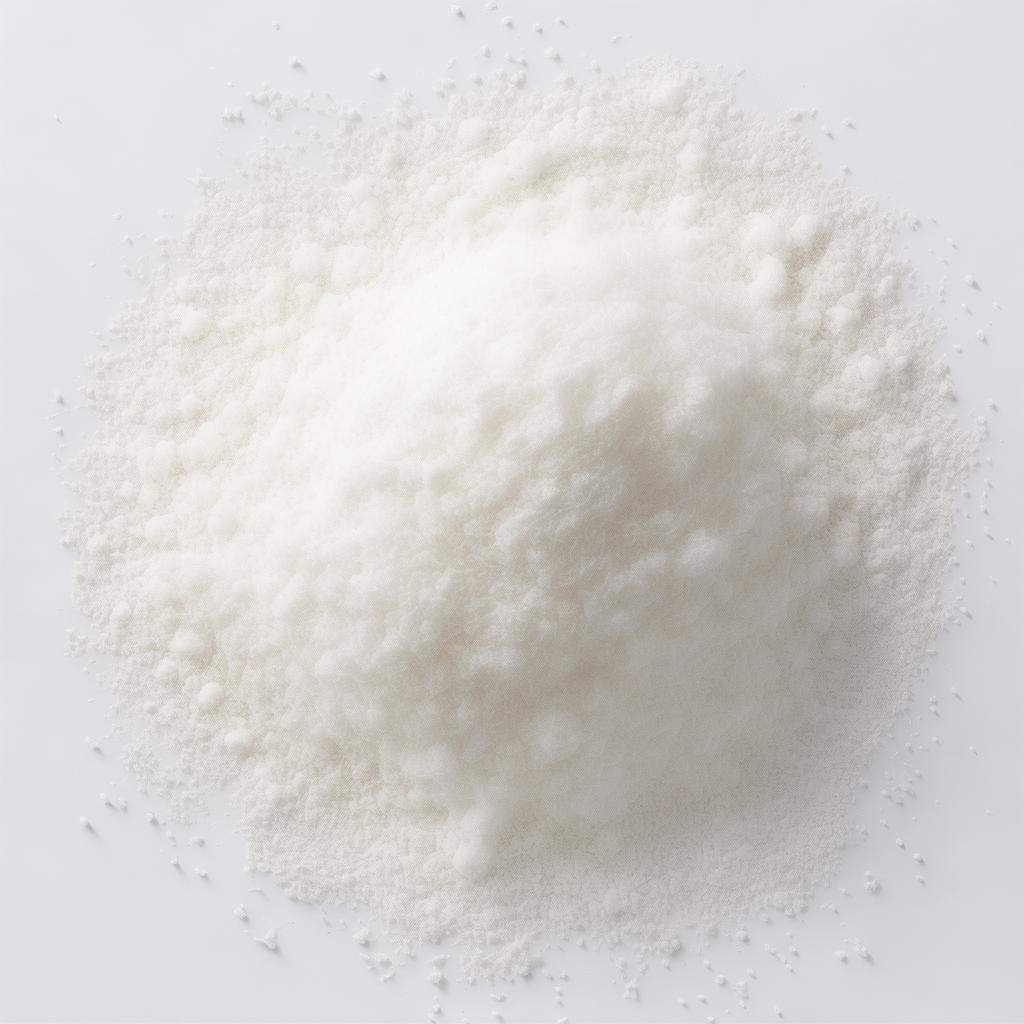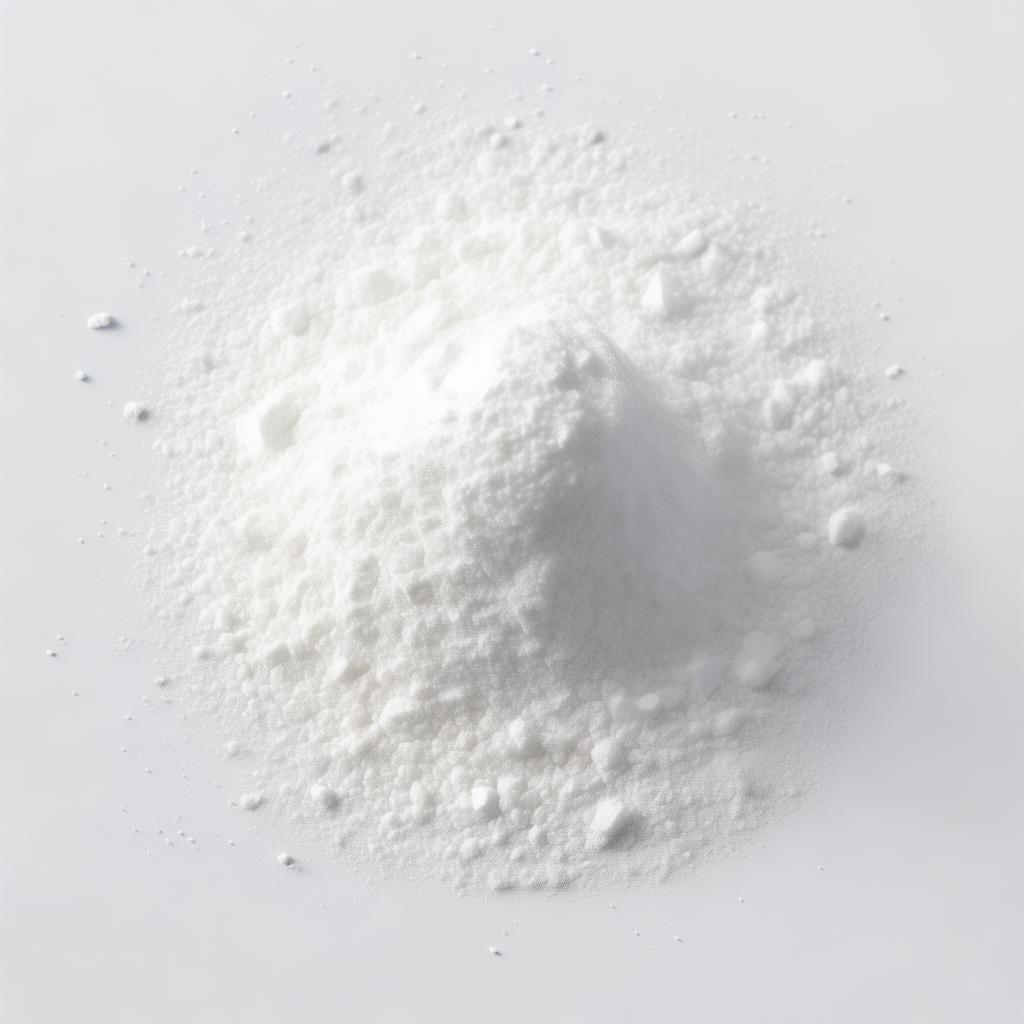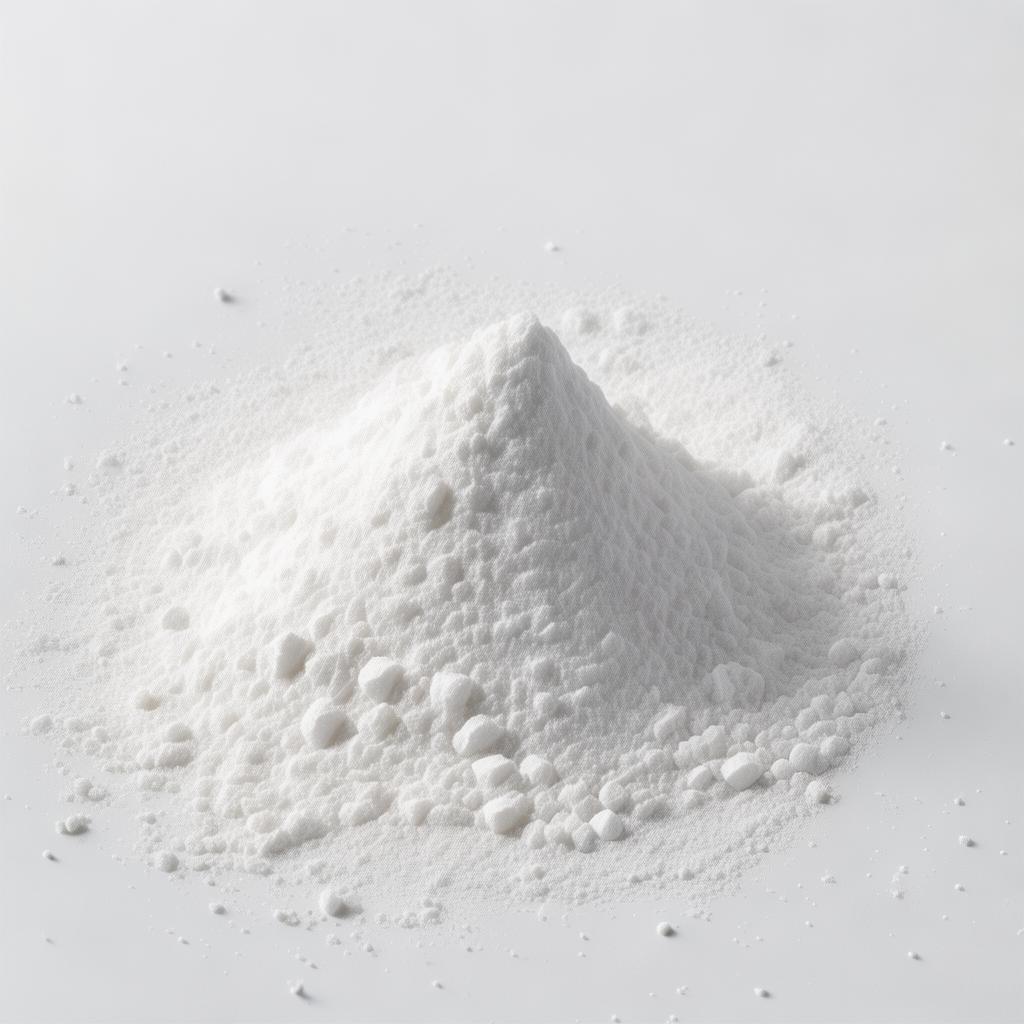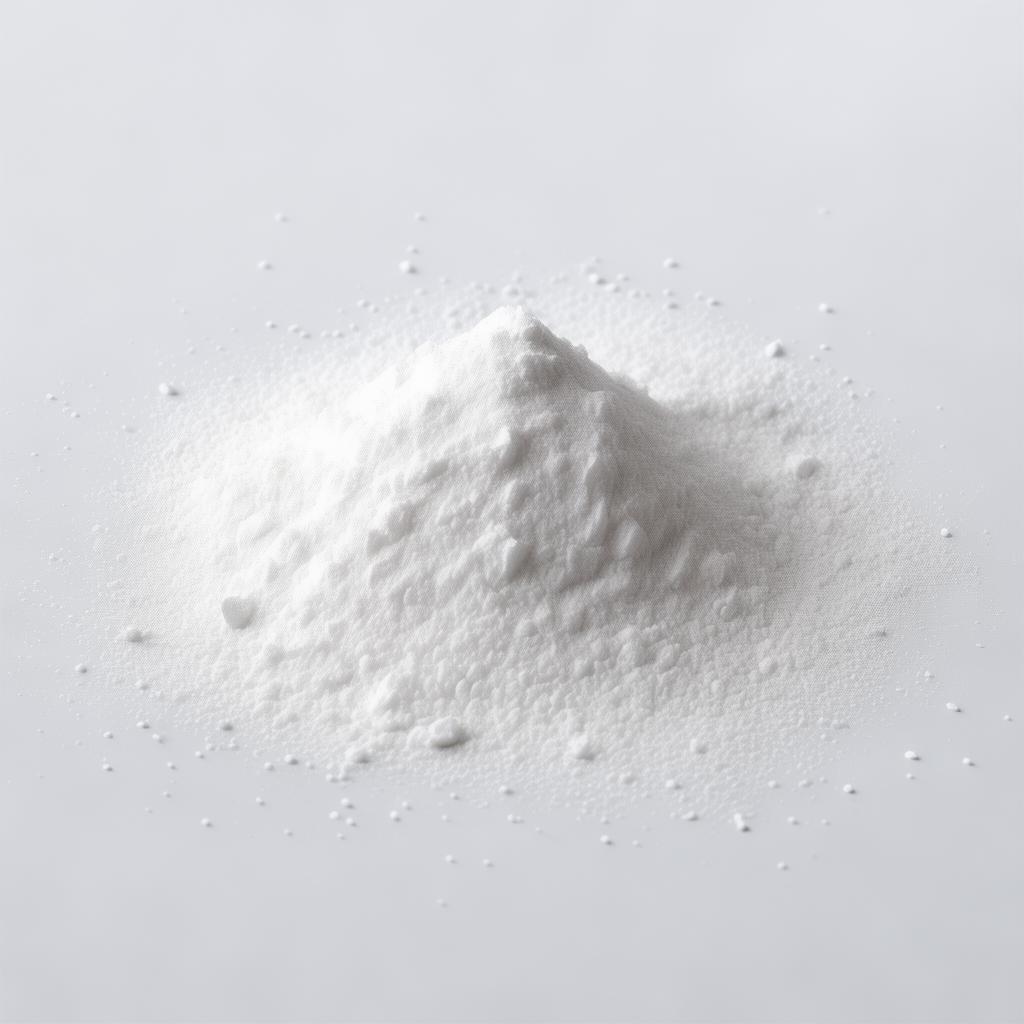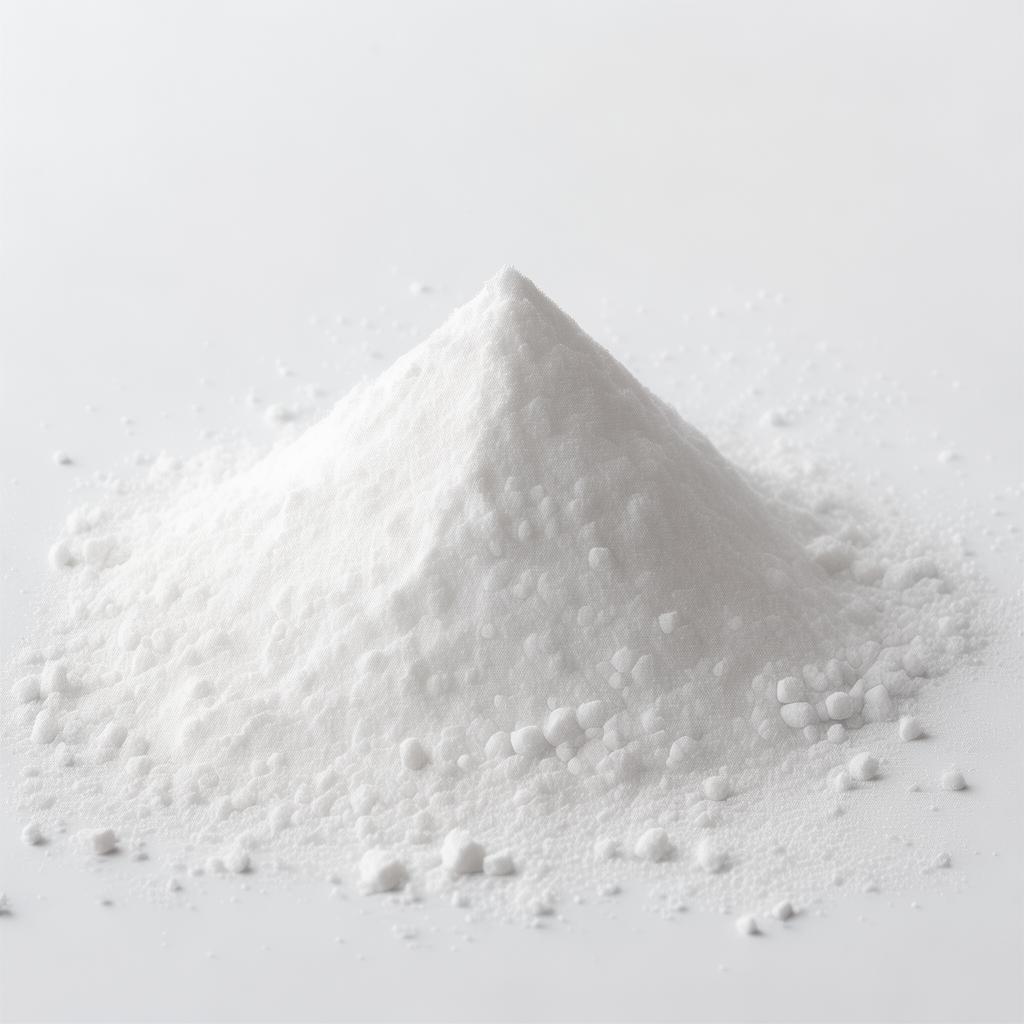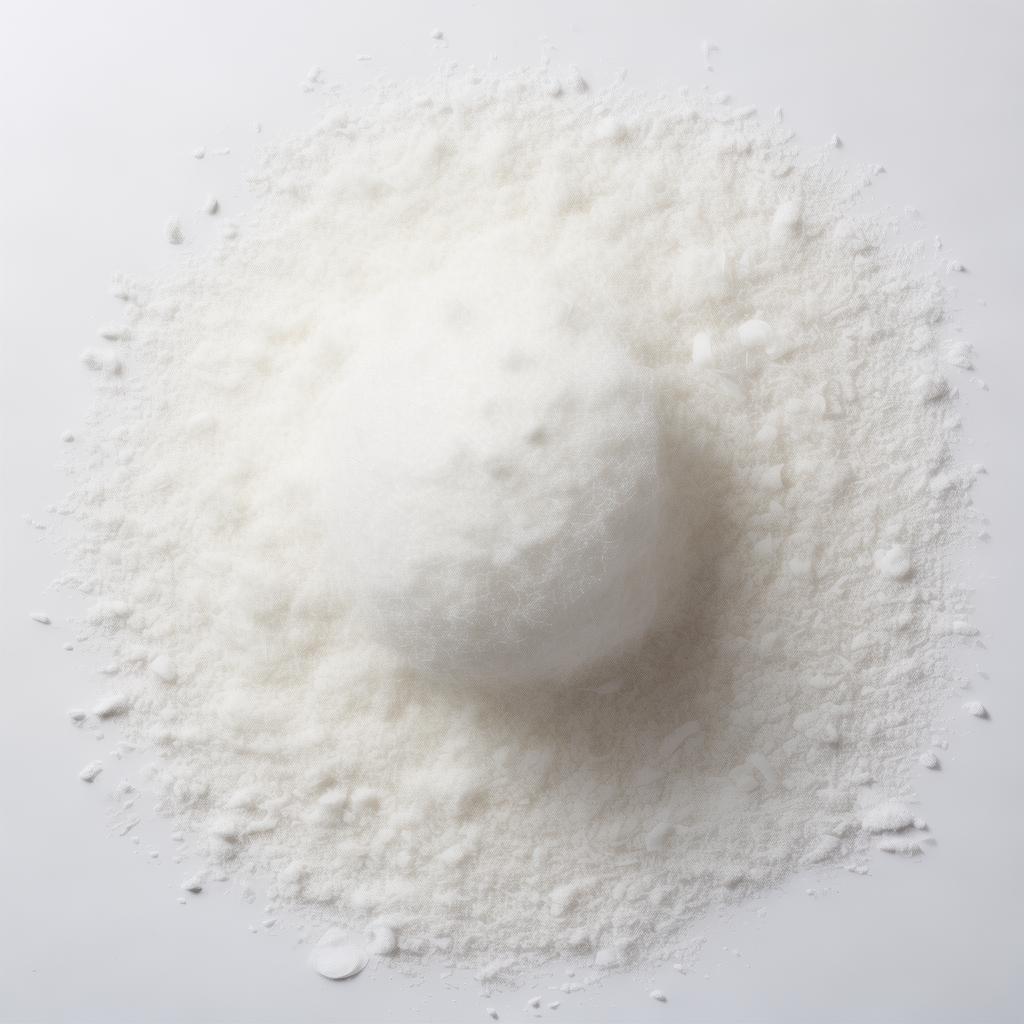
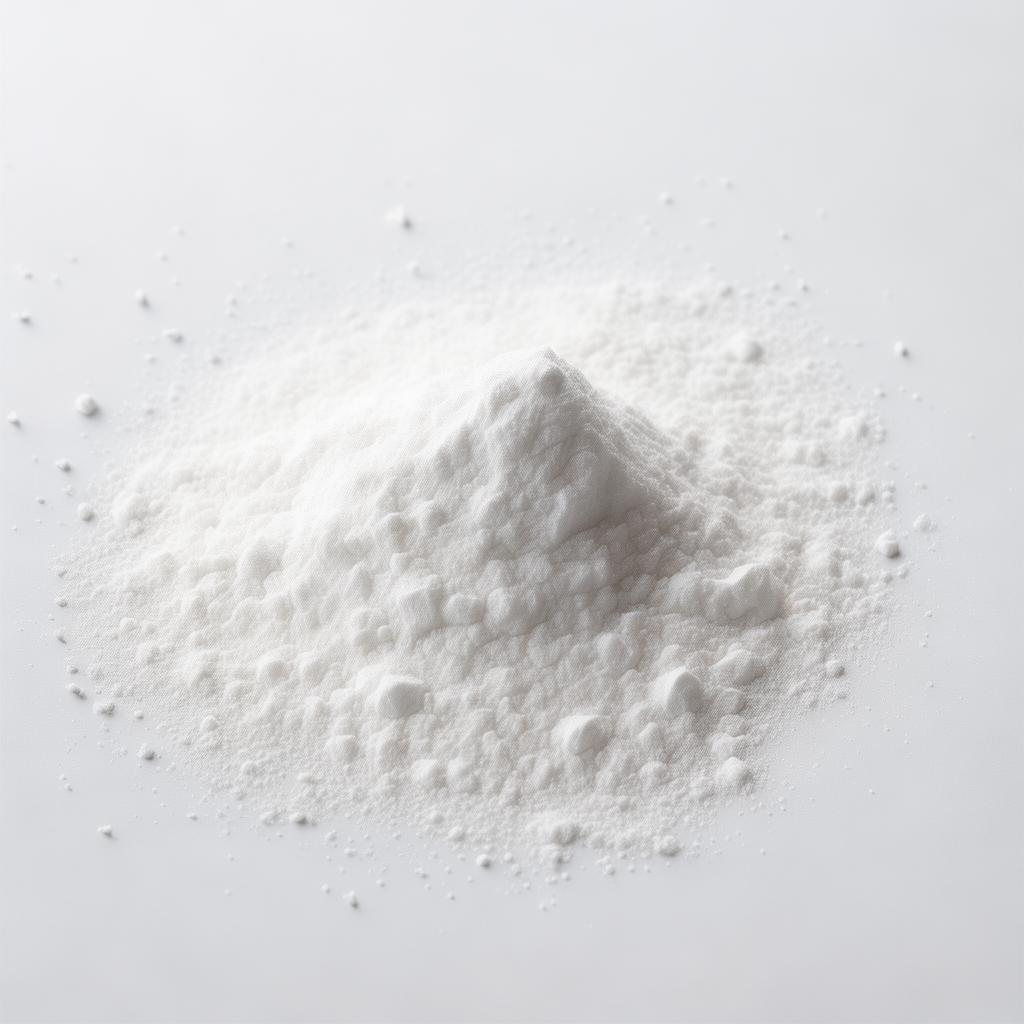
Fiber For Cement Mix
Polypropylene Fiber for Cement Mix: Proven Reinforcement for Tough Concrete Jobs
From precast panels to industrial floors, our PP fibers cut cracking risks and boost durability. Export-ready from Hebei, China – serving US contractors and distributors worldwide.
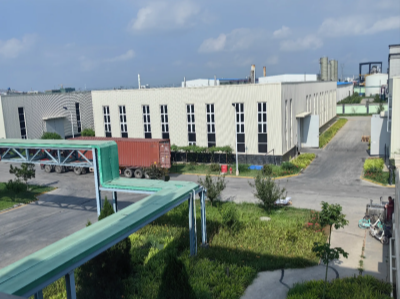
Table of Contents
Common Pitfalls When Sourcing Fiber for Cement Mix
Procurement managers know the drill. You spec out a concrete pour for a warehouse slab, only to see hairline cracks spiderweb across it weeks later. Shrinkage, that's the culprit most times. And when fibers don't disperse right in the mix, you're left chasing callbacks from contractors.
We see it constantly in export inquiries. Importers grab the cheapest PP monofilament from unverified mills, then deal with clumping during batching or fibers too brittle for pumpable mixes. Lead times stretch because suppliers overload containers wrong, causing customs holds. Or worse, no MSDS sheets, halting your QA process.
Take one US distributor we talked to last month. They ordered macro fibers for shotcrete, but got uneven lengths that tangled in the mixer. Project delayed two weeks. Cost them $15k in downtime. Happens more than you'd think with spot-market buys from platforms lacking factory transparency.
Then there's compliance. ASTM C1116 calls for specific fibrillation and tensile strength in synthetic fibers. Skip certified suppliers, and your engineer signs off on risky bids. We've shipped to over 40 countries; certification gaps kill deals fast.
- Clumping in transit: Poor packaging leads to fused fibers.
- Inconsistent dosing: Varying fiber content wrecks uniformity.
- Weak pull-out resistance: Fibers slip under load in high-traffic floors.
Short story: Risk-averse buyers stick to proven exporters. Ones with audited lines and real mix trials.
Tang Zhi's Polypropylene Fiber: Built for Cement Mix Reliability
Our fibers start with virgin PP resin, extruded into monofilaments that fibrillate on demand. No recycled scrap that weakens tensile. Designed for cement mixes from 300kg/m³ to shotcrete applications.
Picture this: A 1% addition by volume slashes plastic shrinkage cracks by locking in hydration stresses. We've tested in labs mimicking US climates – hot Texas pours to cold Midwest slabs. Fibers bridge micro-cracks before they propagate.
Key Edge: Our PP fibers disperse 30% faster than wavy types in high-slump mixes. Less air entrainment issues.
Not just crack control. Impact resistance jumps in overlays. Think parking garage decks taking forklift abuse. Or precast elements surviving transport jolts.
We tweak formulations too. UV-stabilized for outdoor pools. Alkali-resistant for sulfate soils. Buyers mixing with fly ash or slag get uniform hydration without bleed water.
| Fiber Type | Advantage Over Steel | Best For |
|---|---|---|
| Micro PP (6-12mm) | No rust, corrosion-free | Slabs, walls |
| Macro PP (38-54mm) | Lighter, easier pump | Floors, shotcrete |
fiber additive for concrete fiber for concrete reinforcement concrete fibre
Dosage? Typically 0.6-1.2kg per m³. Scales with cement factor. Our tech sheets give exact curves.
One note from the floor: Always pre-blend in aggregates if your mixer lacks shear. Prevents balls.
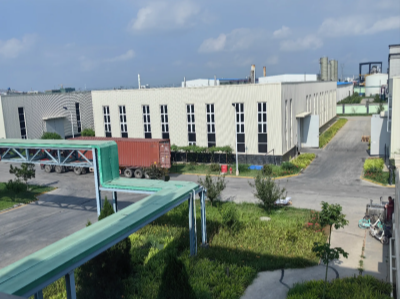
Inside Tang Zhi Technology: 140,000m² Powerhouse in Hebei
Located in Jinzhou, our site spans 140,000 square meters. 90,000 under roof. Fully automated lines churn out 40,000+ tons yearly – that's HPMC, RDP, and our PP fibers alongside PCE superplastics.
Export manager here. We've ramped PP capacity after US demand spiked for seismic zones. Lines use German extruders for precise denier control. 100% inline testing: tensile, dispersion, melt flow.
- ISO 9001 certified process.
- CE marked for EU/US compliance.
- ROHS tested, no heavy metals.
- OEM runs from 5 tons up.

Staff? 300+, many with 15+ years in synthetics. We pair fibers with our cellulose additives for hybrid mixes – better workability, no segregation.
ODM too. Custom lengths, colors for branded bags. Last year, white-labeled for a Texas importer.
Transparency matters. Virtual factory tours via Zoom for serious buyers.
Detailed Technical Specs Table
| Property | Micro Fiber | Macro Fiber | Test Method |
|---|---|---|---|
| Length | 6-20mm | 38-65mm | Visual |
| Diameter | 18-34μm | 25-50μm | Micrometer |
| Tensile Strength | >450 MPa | >640 MPa | ASTM D2256 |
| Melt Point | 160-170°C | 160-170°C | DSC |
| Alkali Resistance | pH 13, 28 days OK | pH 13, 28 days OK | ASTM C1116 |
Full data sheets on request. Matches or beats specs from Grace, Sika equivalents.
Where PP Fiber Shines in Cement Mixes
Industrial floors first. High-bay warehouses need fibers for jointless slabs up to 200mm thick. Reduces saw-cut spacing.
Precast too. Manhole covers, barriers – fibers handle demolding stresses without corner chips.
Overlay repairs. Bridge decks get a fiber-rich topper for fatigue resistance. Pumped neat over old concrete.
Swimming pools. Micro fibers prevent crazing in plaster finishes.
Exotic? Tunnel linings with macro for rockfall protection. Or seismic retrofits in California, bridging expansion joints.
Practical Installation and Dosing Insights
Mix right or bust. Add fibers to dry batch first. 5-10 minutes at full speed. Slump drops 20-50mm; use mid-range plasticizer.
Vibration: Internal works fine. Surface vibrators push fibers down.
Warning: Overdose above 1.5kg/m³, and finishability suffers. Test panels always.
Curing key. Wet cover 7 days min. Fibers don't replace it.
Pro tip: For SCC, pair with our PCE for flow without segregation.
Shipping Fiber for Cement Mix Worldwide
FOB Tianjin/Xingang. 1x20' holds 16-18 tons. PP bags 20kg, palletized.
US transit: 25-35 days LCL, 18-25 FCL. Duty ~3.1% HTS 550340.
We handle docs: CO, CIQ, fumigation. Track via container app.
MOQ 1 ton trial. Bulk discounts tiered.

Feedback from US and Global Buyers
 Mike R., Texas Distributor: "Switched to Tang Zhi micro fibers after clumping issues elsewhere. Even dispersion in 6-yard batches. Saved us rework on a 50,000 sq ft slab."
 Ana L., Florida Contractor: "Macro fibers nailed our parking garage pour. No plastic cracks, even in 95°F heat. Lead time beat promises."
 Raj P., Ontario Importer: "OEM run for private label. Quality consistent batch-to-batch. Good for resale margins."
 Tom K., Midwest Precast: "Fibers held up in autoclave curing. Strong pull-out in tests."
Ready to spec our fibers?
Start Your InquiryFrequently Asked Questions on Fiber for Cement Mix
Q: What's the ideal dosage?
A: 0.6-1kg/m³ for micro, 3-6kg/m³ macro. Lab trials recommended.
Q: Compatible with admixtures?
A: Yes, with PCE, SNF. Avoid over-high air-entraining.
Q: Shelf life?
A: 2 years dry. Keep from moisture.
Q: Custom lengths possible?
A: Absolutely. MOQ applies for ODM.

Li Wei, Export Director at Tang Zhi Technology (Hebei) Co., Ltd.
15+ years in building additives. Handled 500+ US shipments.
Phone: +86-15032625168 | WhatsApp same | Email: admin@tangzhicellulose.com
Addr: Room 2308, Dongsheng Plaza 2, No. 508 Zhongshan East Road, Chang’an District, Shijiazhuang, Hebei, China