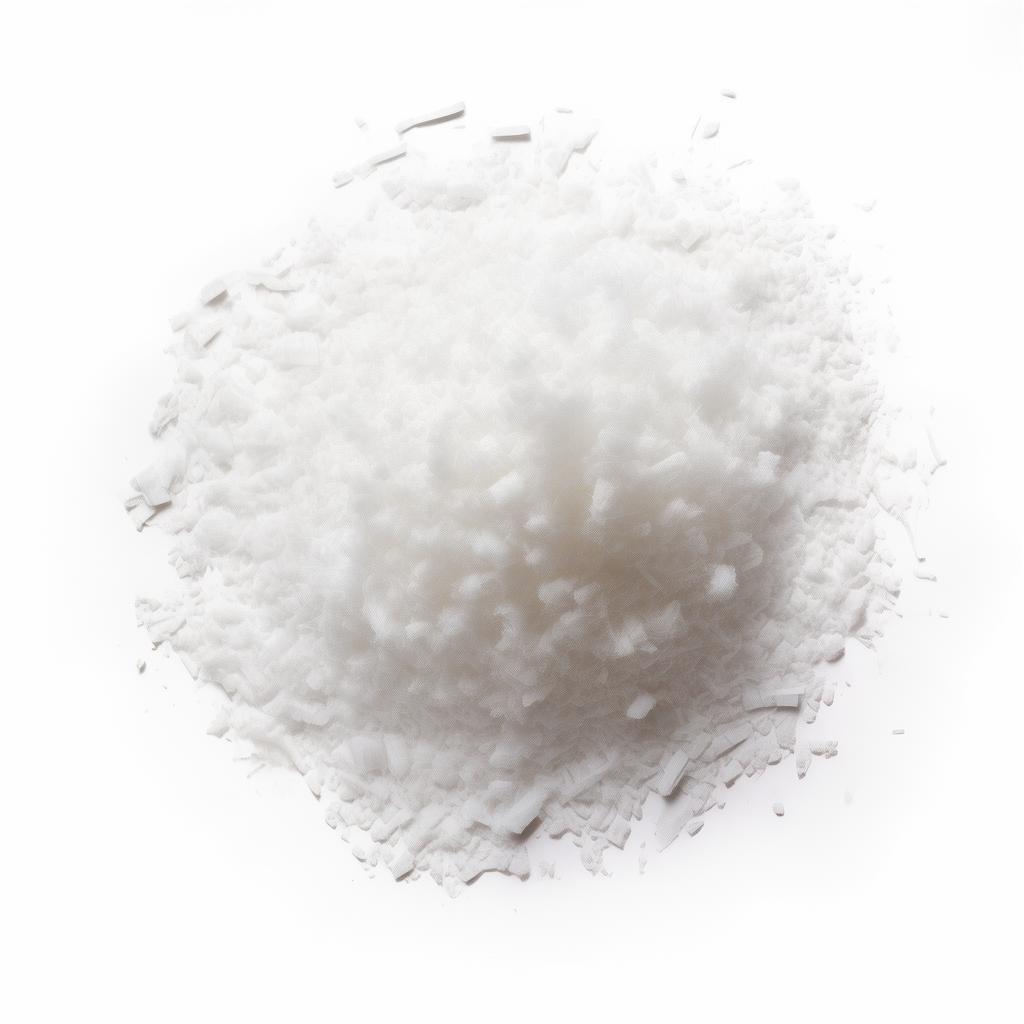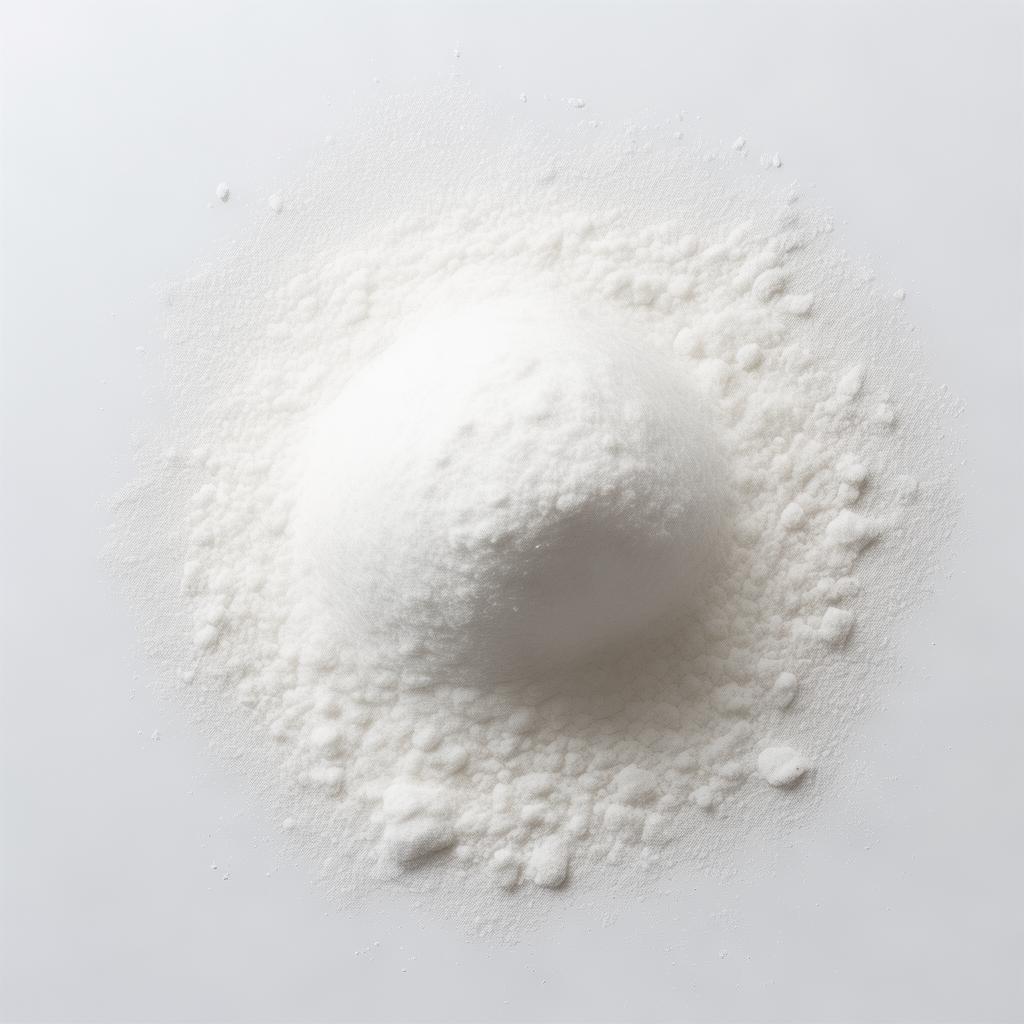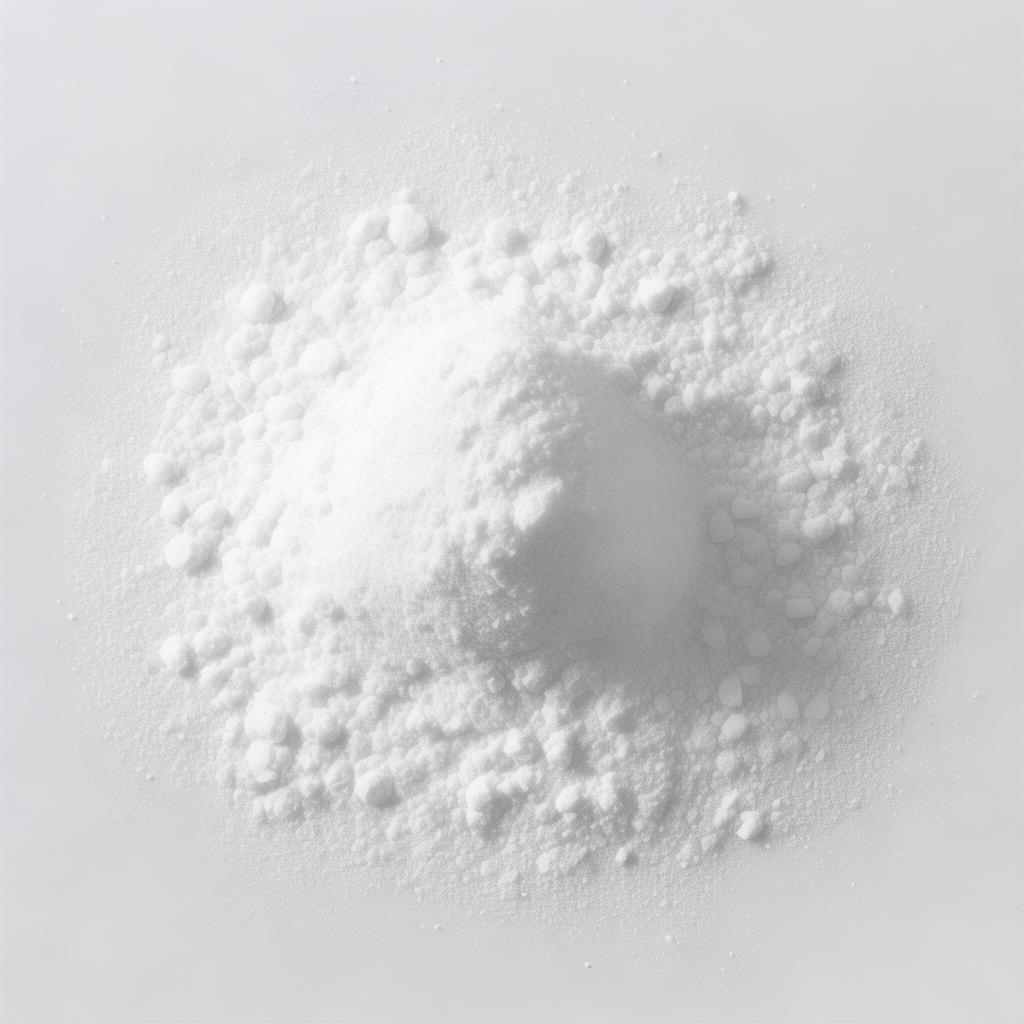

Hpmc 2208 2906 603 606
HPMC 2208 / 2906 / 603 / 606 — Hydroxypropyl Methylcellulose for Tile Adhesives, Gypsum, Paints & Industrial Use
Table of contents:
- Introduction & Market Context
- Key Product Features & Differences
- Technical Specifications (Quick Table)
- Primary Applications & Use Rates
- Installation & Mixing Notes
- Logistics, Packaging & Lead Time
- Procurement & Supplier Evaluation
- Factory Capabilities & Certifications
- Buyer FAQs
- Customer Reviews
- Next Steps / Contact
Introduction — why HPMC 2208 / 2906 / 603 / 606 matters to procurement and technical teams
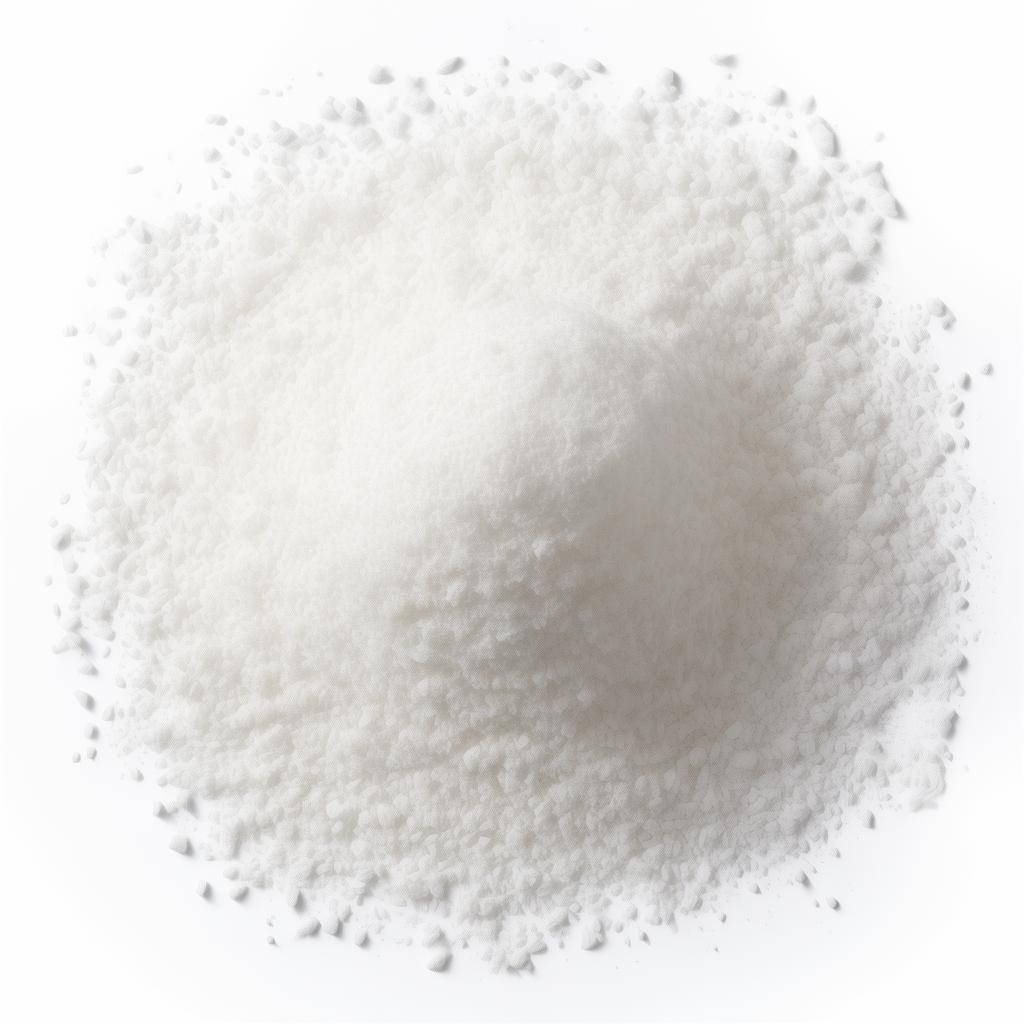
Hydroxypropyl methylcellulose (HPMC) is the cellulose ether most commonly used in cement-based mortars, tile adhesives, plaster, gypsum-based board compounds and waterborne coatings. The particular grades HPMC 2208, 2906, 603 and 606 each address different performance points: hydration control, water retention, open time, sag resistance and rheology tuning. Choosing the right grade has immediate operational consequences — from batch consistency on the mixing line to rework rates on the jobsite.
If you manage procurement for a tile adhesive plant, you know that small changes in viscosity or substitution degree of HPMC can shift mortar spread, trowelability, and bond strength. For gypsum board or interior plaster producers, water retention and workability under variable ambient conditions are critical; the wrong grade means more waste and unpredictable set times. Paint formulators and paper-coating operations require a different balance: consistent rheological profile, minimal foam, and compatibility with dispersants and biocides.
Here’s the practical part. HPMC grades are not interchangeable without testing. HPMC 2208 and 2906 are commonly quoted in adhesive specifications for their balanced viscosity and water retention. HPMC 603 and 606 are often referenced where higher viscosity or extended open time is required. But those shorthand numbers mean little without seeing the actual viscosity (mPa·s), methoxy/hydroxypropyl substitution, and particle size distribution. The buyer who skips technical verification ends up paying for rework or downgraded product performance.
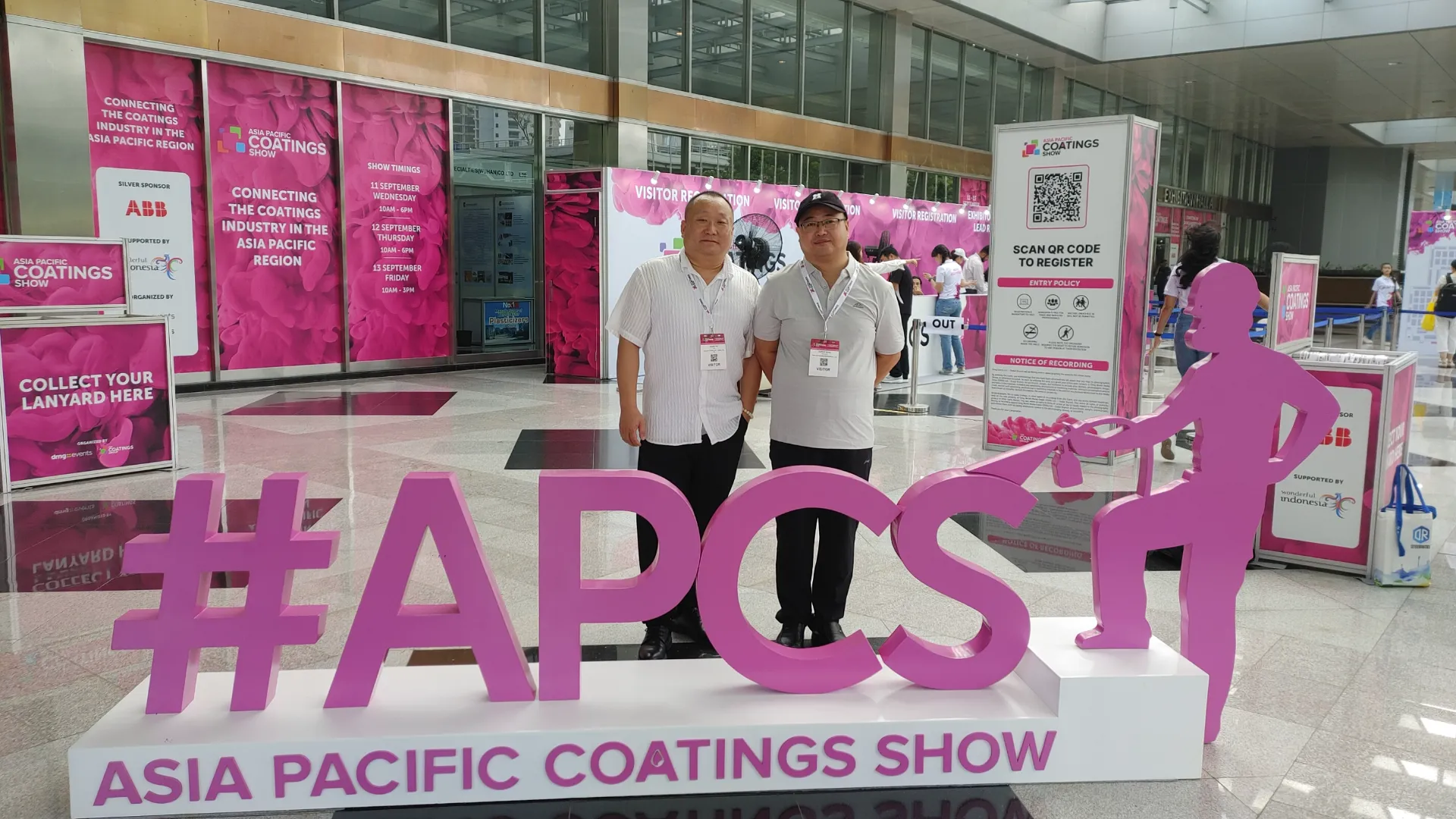
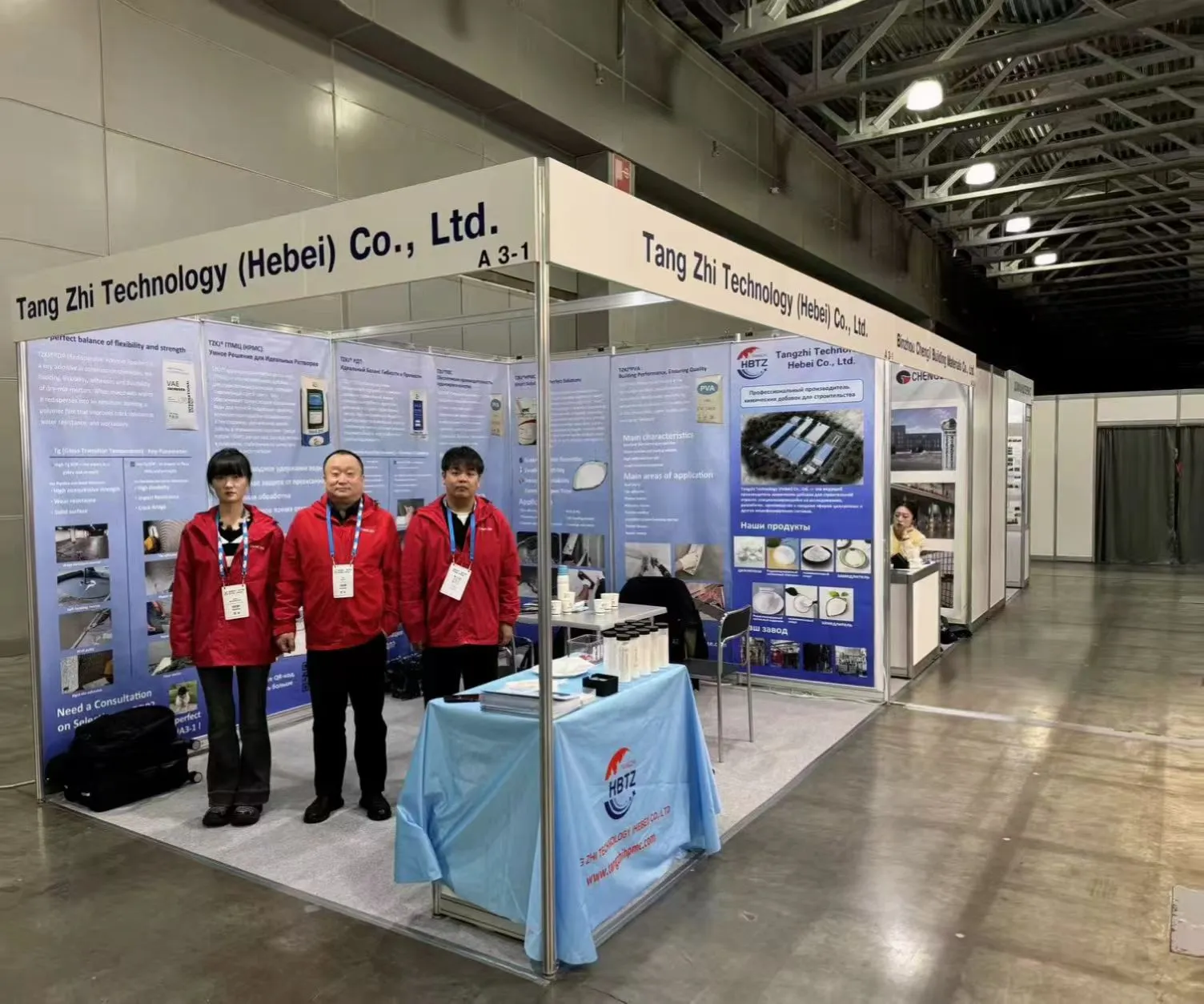
Tangzhi Technology (Hebei) Co., Ltd. manufactures HPMC at scale. We run continuous and batch-controlled processes with an annual capacity that enables stable supply for large projects while preserving batch-to-batch consistency. Over the years we have shipped HPMC to North America, Europe and Southeast Asia. We understand export constraints: documentation, customs testing, and container optimization. Those are not marketing lines — they’re operational realities for importers who need predictable delivery.
A few procurement observations from fieldwork and factory audits:
- Sampling matters — request a 2–5 kg pilot and perform real mix trials under your actual production conditions.
- Viscosity is temperature-sensitive — test at controlled temperature and report conditions in the data sheet.
- Container loading and humidity control influence moisture pickup; insist on sealed bags and desiccants for extended transit.
- OEM packaging is often negotiable — 25 kg paper/plastic composite bags are standard, but bulk flexible intermediate bulk containers (FIBCs) reduce packaging waste for high-volume buyers.
In short: HPMC 2208 / 2906 / 603 / 606 are engineering choices, not commodity guesses. The right grade shortens installation time, reduces jobsite complaints and lowers formulation costs. Below we analyze technical differences, application guidance, and procurement steps so that your specification, trial and scale-up stages are predictable and defensible.
This page is built for purchasing managers, formulation chemists, site supervisors and importers. It focuses on actionable detail: typical dosing ranges, mixing sequences, common formulation pitfalls, logistics checkpoints and how we manage QA at Tangzhi. If you need a data pack or want to schedule a trial with our technical team, an easy contact section is at the end.
Key product features and how the four grades differ
Quick orientation — short bullets to pin the differences:
- HPMC 2208: mid-viscosity, reliable water retention, often specified for cement tile adhesives and general-purpose mortar.
- HPMC 2906: slightly higher substitution for improved open time and slump control under warm conditions.
- HPMC 603: higher viscosity grade, used where greater sag resistance and thicker consistency are needed (thin-bed adhesives, self-leveling topping).
- HPMC 606: premium thickener with superior film-forming aid for gypsum and specialty coatings; extended wet adhesion.
HPMC performance is controlled by:
- Viscosity (Brookfield mPa·s at 2% or 4% solution) — affects spread and sag.
- Substitution degrees (methoxy and hydroxypropyl groups) — affect solubility and hydration kinetics.
- Particle size and bulk density — influence dusting, dispersion and dosing precision.
Operational note: small viscosity changes can be compensated by minor adjustments in water content, but substitution differences usually require reformulation. We recommend a staged testing plan: bench trials, pilot batches, then pre-production trial runs.
Technical specifications — quick reference table
| Grade | Typical Viscosity (mPa·s, 2% 20°C) | Methoxy % | Hydroxypropyl % | Primary Uses |
|---|---|---|---|---|
| HPMC 2208 | 8,000–12,000 | 19–23 | 7–9 | Tile adhesive, cement mortar, plaster |
| HPMC 2906 | 12,000–18,000 | 18–22 | 9–11 | Improved open time, warm climates |
| HPMC 603 | 18,000–28,000 | 20–24 | 8–10 | High-build adhesives, levelling compounds |
| HPMC 606 | 25,000–40,000 | 21–25 | 9–12 | Gypsum, specialty coatings, anti-sag systems |
Note: values above are typical ranges. Always request a grade-specific certificate of analysis for acceptance testing before bulk release.
Application scenarios and recommended dosages
HPMC is a multifunctional additive. Below are use cases with starting dosage ranges — treat these as starting points for lab optimization.
- Tile adhesives (thin-bed): 0.2–0.8% by weight of dry mortar. Start with 0.4% for HPMC 2208; increase to 0.6%–0.8% with 603/606 if thicker bed or greater open time is required.
- Gypsum board compounds: 0.4–1.0%. 603/606 improve wet tack and reduce sag.
- Plaster and stucco: 0.3–0.7%. HPMC 2208 balances water retention with workability.
- Self-leveling screeds: 0.5–1.2%. Higher viscosity grades improve flow control and reduce bleeding.
- Water-based paints: 0.1–0.5%. Use a low-to-mid-viscosity grade and validate foam and compatibility with defoamers.
Practical advice: measure open time, slip, and bond strength in your own lab. Field trials should include temperature and humidity variations representative of your production and jobsite environments.
Installation & mixing insights — from the plant floor to the jobsite
Dispersion is where HPMC proves or fails. The following mixing sequence reduces lumps and speeds hydration:
- Introduce dry powder into water with moderate agitation (not high shear) — avoid dust clouds at the bag opening.
- After initial hydration (5–10 minutes), add other dry fillers slowly while keeping agitation.
- Allow standing time for full swelling — typical bench tests show 10–30 minutes depending on grade and water temperature.
- Final mixing at low shear produces the stable rheology desired for application.
Field note: colder water slows hydration. If plant feeds from cold supply, increase mixing time or slightly warm the water to standardize results. Also: do not use excessive high-shear grinding in the final mix; it can break polymer chains and reduce viscosity.
Jobsite tips:
- Prepare a small sample batch with the same mixing equipment as the jobsite mixing station.
- Measure open time and wet adhesion using standardized tiles or substrates.
- Train tilers on the recommended trowel technique for the grade you supply — higher viscosity HPMC requires slightly different trowel angles.
Logistics, packaging and lead time — realistic expectations for USA imports
We export regularly to North America. Typical options:
- Standard packaging: 25 kg multi-ply paper/plastic composite bags with inner polyethylene liner. Low-dust versions available on request.
- Bulk options: 500–1,000 kg FIBC / jumbo bags for high-volume consumers.
- Documentation: COA, MSDS, packing list, commercial invoice, and certificate of origin. ISO 9001 and specific third-party test reports available per lot on request.
Lead time guidance:
- Sample orders: ships within 3–7 business days.
- Small bulk orders (≤1 x 20ft equivalent): typical lead time 2–4 weeks depending on stock and schedule.
- Large or customized OEM runs: 4–8 weeks depending on production queue and packaging customization.
Container planning (practical): For 25 kg bags you should expect roughly 20–24 metric tons per 20ft equivalent depending on palletizing and local regulations. A 40ft High Cube will hold significantly more. We provide container loading plans to optimize units and reduce freight cost per kg.
Customs and testing: U.S. importers may require additional testing for specific projects or municipal specifications. We assist with lab sampling and pre-shipment testing to speed customs clearance.
Procurement guidance & supplier evaluation checklist
When evaluating suppliers consider these practical checkpoints:
- Batch-to-batch COA access — insist on viscosity, loss on drying, pH and ash content per lot.
- On-site quality control — ask for photos or short videos of the mixing and testing equipment.
- Traceability — ensure lot numbers, production date and storage records are available.
- Stability under transit conditions — verify packaging integrity and moisture control strategies.
- After-sales technical support — supplier should provide formulation troubleshooting and scaled testing help.
Risk reduction: purchase an initial trial quantity and run parallel production for at least two full batches before switching your entire line. That mitigates unexpected interactions with local raw materials.
Pricing: ask for FOB and CIF quotes. Include freight and duty scenarios. We commonly provide EXW, FOB Tianjin, and CIF Los Angeles terms for transparent evaluation.
Factory capabilities, QA and certifications — Tangzhi Technology snapshot
Tangzhi Technology (Hebei) Co., Ltd. at a glance:
- 140,000 m² plant area with 90,000 m² building area and automated production lines.
- Annual production capacity > 40,000 tons across HPMC, MHEC, CMC, PVA and RDP-VAE.
- Dedicated R&D lab for cellulose ether polymer modification and formulation support.
- Export experience to North America, Europe, Middle East and Southeast Asia.
Certifications and compliance:
- ISO 9001 quality management systems (available upon request).
- CE and RoHS-related test reports where applicable for downstream products.
- Material Safety Data Sheets (MSDS) and lot-specific COAs routinely provided with shipment.
Operational note: our production lines include silos, dust control systems and in-line QC checks to control viscosity and substitution ranges. We also perform humidity-controlled storage to minimize moisture pickup prior to shipment.
Buyer FAQs — practical answers from our export & technical teams
Q — Are these grades compatible with PCE superplasticizers?
A — Yes, but compatibility depends on the specific PCE chemistry. Run compatibility testing at the presence concentrations typical for your formulation. We can assist with small-scale trials.
Q — How long does HPMC keep in storage?
A — In sealed bags stored in cool, dry conditions, shelf life is commonly 12–24 months. High humidity or damaged packaging can accelerate moisture absorption; inspect batches before use.
Q — Can you supply OEM packaging with our label?
A — Yes. MOQ and lead time depend on volume and artwork approval. We normally handle OEM orders with a 4–6 week lead time after approval.
Q — Do you provide technical support for on-site trials?
A — We provide formulation advice and can arrange remote or on-site technical support depending on project scale. For large projects, on-site support is recommended for first runs.
Customer reviews — realistic procurement scenarios
Mark Jenkins, Procurement Manager — Midwest Tile Co., USA
We tested HPMC 2208 for our thin-set line. Lab trials matched factory mix behavior within two runs. Tangzhi provided fast COAs and helped optimize dosing. Shipment arrived with clean packaging and no moisture issues.
Isabel Cruz, Technical Lead — GypsumWorks Ltd., Mexico
HPMC 606 improved our wet tack and reduced corner sag on heavy gypsum panels. We used their pilot sample for a month before scaling. Export documentation was complete and customs clearance was straightforward.
Daniel Osei, R&D Manager — AfricCoat Paints, Ghana
We worked with Tangzhi's chemists to adapt HPMC 2906 into our paint base. The grade brought the desired rheology without foam issues after minor adjustments to defoamer. Very practical collaboration.
Next steps — samples, pricing and factory tours
Ready to test? Practical options:
- Request a 2–5 kg free sample — include your application and target dosage.
- Get factory pricing — provide annual volume and preferred packaging.
- Talk with our engineer — schedule a short call to align grade selection and mixing protocol.
Contact details:
Tangzhi Technology (Hebei) Co., Ltd.
Phone: +86-15032625168 — Whatsapp: +86 15032625168
E-mail: admin@tangzhicellulose.com
Address: Room 2308, Dongsheng Plaza 2, No. 508 Zhongshan East Road, Chang’an District, Shijiazhuang, Hebei, China
Contact Page: https://www.tangzhihpmc.com/contactus.html
If you need a tailored shipping plan or export quote to a US port, request "Get Shipping Plan" and include target port, ETA window and desired container type.
Author: Liang Wu — Export Director, Tangzhi Technology
Avatar: author/3.png
Risk reduction & closing notes
Quick takeaways:
- Do not switch grades at scale without staged testing.
- Validate open time, sag, and bond strength under local conditions.
- Request lot COA and pre-shipment samples when sourcing from a new vendor.
- We provide OEM/ODM services for clients designing private-label mortar and screed products.
We know supply chains are tight and specifications must be defensible. Our goal is to deliver predictable HPMC that behaves the same from pilot to production. If you want to compare HPMC 2208 / 2906 / 603 / 606 side-by-side in your specific formulation, tell us your base recipe and we'll prepare a controlled trial package.