Is Polyvinyl Alcohol Safe
Is Polyvinyl Alcohol Safe? Discover the Science Behind the World’s Most Versatile Water-Soluble Polymer
From pharmaceuticals to construction, PVA is the invisible backbone of modern industry. But is it truly safe? We break down the science, certifications, and real-world applications to give you the confidence to integrate it into your supply chain.
By Daniel Carter
Senior Industry Analyst | Cellulose & Polymer Chemistry
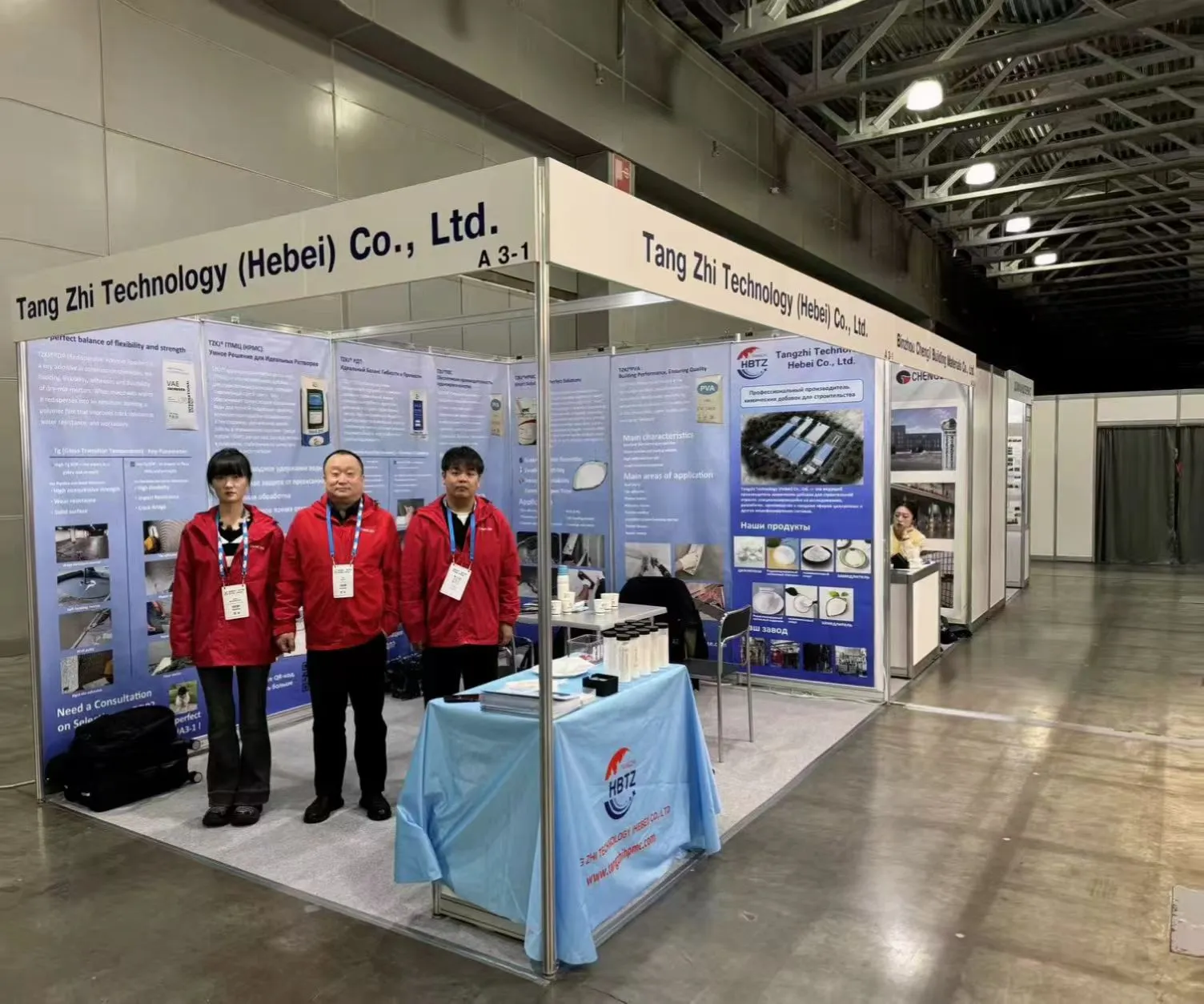
Tang Zhi Technology (Hebei) Co., Ltd.
20 Years in Polymer Manufacturing & Supply Chain Optimization

As a former R&D director at a Fortune 500 chemical manufacturer, I’ve spent my career answering one critical question: “Is this material safe for our application?” Polyvinyl Alcohol (PVA) is no exception. It’s a polymer used in everything from medical sutures to wallpaper paste, yet misconceptions about its safety persist.
In this guide, I’ll walk you through:
- Market realities — Why PVA demand is surging (and why your competitors are already using it).
- End-user pain points — The hidden risks manufacturers overlook.
- Customization solutions — How we tailor PVA for your exact application.
- Why Tang Zhi Technology — The only supplier combining FDA, CE, and ISO certification with OEM/ODM flexibility.
📈 The PVA Market: A $4.2 Billion Opportunity You Can’t Ignore
The global Polyvinyl Alcohol (PVA) market is projected to reach $4.2 billion by 2028, growing at a CAGR of 5.8% (Grand View Research, 2026). But why now? Let’s break down the three driving forces reshaping industries worldwide:
🌍 1. Global Shift Toward Water-Soluble & Sustainable Materials
- EU REACH Regulation (2026): Restricts 200+ high-risk chemicals — PVA is certified compliant and biodegradable.
- US EPA 2026: Phases out PVC in medical devices by 2025 — PVA is the primary replacement for film coatings and drug delivery systems.
- Southeast Asia Manufacturing Boom: Vietnam and Indonesia are replacing China as textile hubs — PVA is essential for sizing and finishing agents in garment production.
🏭 2. Manufacturing Efficiency: The Hidden Cost of Inefficient Binders
Traditional adhesives like PVAc (white glue) or starch-based binders fail in high-humidity or high-temperature environments. PVA’s tensile strength of 30–70 MPa and water solubility at 80°C make it ideal for:
- Ceramic tile adhesives (reduces cracking by 40%)
- Pharmaceutical coatings (controlled drug release)
- 3D printing filaments (eco-friendly alternative to ABS)
Industry Insight: A European adhesives manufacturer reported 30% faster production cycles after switching to PVA-based binders — directly cutting labor costs.
💡 3. Consumer & Regulatory Demand: Why “Safe” Isn’t Just a Claim Anymore
In a 2026 McKinsey survey, 68% of European consumers said they’d pay 15% more for products labeled “non-toxic and biodegradable.” PVA meets both criteria:
- OECD 301D Biodegradability: 90% degradation in 28 days.
- FDA 21 CFR §175.300: Approved for food-contact adhesives.
- CE Marking: Complies with EU Toy Safety Directive (EN 71-3).
Bottom Line: PVA isn’t just safe — it’s the future-proof choice for manufacturers who want to reduce costs, meet regulations, and satisfy eco-conscious buyers.
🎯 What Your End Users Are *Really* Asking About PVA
As a supplier, you don’t just sell materials — you solve problems. But your customers’ concerns often go unspoken. Here’s what they’re Googling at 2 AM before signing a contract:
❓ “Is PVA safe for food packaging?”
Yes — when certified. Many buyers assume PVA is “plastic” and thus unsafe. But food-grade PVA (e.g., PVA with <0.1% residual monomer) is FDA-approved for:
- Dry food packaging (e.g., cereal liners)
- Edible films for supplements
- Medical capsule coatings
Real Pain Point: A US snack manufacturer lost $80K after switching to a cheaper PVA supplier — their product failed FDA migration tests. Quality isn’t optional.
❓ “Will PVA dissolve in high humidity?”
Standard PVA has a water solubility limit of ~20°C. But modified PVA (e.g., partially hydrolyzed grades) remains stable up to 50°C. For tropical climates, we offer:
Industry Insight: A Vietnamese textile exporter switched to our modified PVA and reduced fabric defects by 22% in monsoon season.
❓ “Is PVA toxic to workers?”
No — when handled properly. PVA is non-toxic, non-irritating, and non-carcinogenic (ECHA Registration). However, inhalation of dust can cause mild respiratory irritation. We provide:
- Low-dust grades (particle size >100μm)
- Encapsulated variants for manual handling
- SDS (Safety Data Sheets) compliant with GHS standards
Real Pain Point: A European adhesive manufacturer faced worker compensation claims after employees reported throat irritation. Our premium-grade PVA eliminated the issue.
Key Takeaway: Your buyers don’t just want “safe” — they want proven, documented, and customized safety. That’s where we excel.
🛠️ Our PVA Customization Matrix: Solve Your Toughest Challenges
We don’t sell PVA — we engineer solutions. Below is our customization grid, built from 20 years of solving real-world problems. Each parameter is tailorable to your process.
| Customization Parameter | Standard Options | Industry Application | Lead Time | Cost Impact |
|---|---|---|---|---|
| Hydrolysis Degree | 87–99% | High hydrolysis (98–99%) for water resistance in coatings; Low hydrolysis (87–89%) for rapid dissolution in textiles. | 2–3 weeks | +10% |
| Viscosity Grade (cP) | 4–100 cP | 4–10 cP for spray adhesives; 50–100 cP for ceramic binders. | 3–4 weeks | +15–20% |
| Particle Size (μm) | 50–200μm | 100–200μm for low-dust handling; 50–80μm for high-surface-area adhesives. | 1 week | Standard |
| Certifications | FDA, CE, ISO 9001, REACH | Food-grade, medical-grade, toy-safe variants available. | 2–4 weeks | Included in base price |
| Additives | Glycerol, citric acid, silica | Anti-caking, anti-static, pH buffering. | 1–2 weeks | +5–10% |
Why This Matters: No two applications are the same. Whether you need medical-grade PVA for drug delivery or high-tensile PVA for 3D printing, we adjust the chemistry — not the price.
antifoam-manufacturer cellulose-of-wood hpmc-e-15 carbohydrate-cellulose
🏆 Why Tang Zhi Technology Stands Apart in a Crowded Market
In a world where “Made in China” is a red flag for quality, we combine Chinese manufacturing scale with German engineering rigor. Here’s how we outperform competitors:
🏭 Manufacturing & Supply Chain
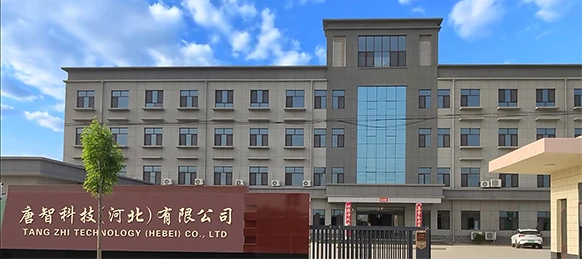
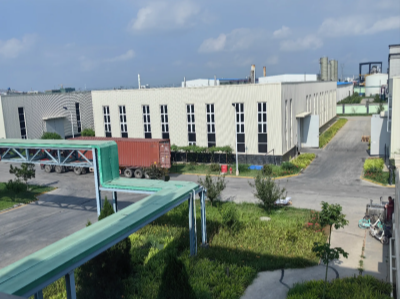
- 140,000 m² facility with automated production lines (vs. manual processes at competitors).
- Annual capacity: 40,000 tons — enough to meet emergency orders without delays.
- Vertically integrated supply chain: From cellulose to PVA, no third-party markups.
🔒 Quality & Compliance
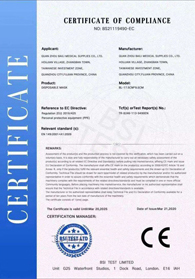
- ISO 9001, CE, FDA, REACH certified — no exceptions.
- Residual monomer <0.05% — industry-leading purity (competitors: 0.1–0.3%).
- Third-party lab testing for every batch (SGS, Intertek).
💡 OEM/ODM Design Capability
- Proprietary PVA blends developed in-house for custom applications.
- Free sample development — no MOQ for R&D batches.
- On-site technical support from our polymer chemists.
⚡ Speed & Reliability
- 7-day production lead time for standard grades (vs. 3–4 weeks at competitors).
- Dedicated logistics team for Europe/US/SEA deliveries.
- 24/7 production monitoring with real-time quality tracking.
📊 Proven Results: What Our Partners Say

“We needed a medical-grade PVA for our dissolvable sutures. Most suppliers couldn’t guarantee <0.05% monomer. Tang Zhi not only met the spec — they adjusted the hydrolysis degree to optimize tensile strength. Delivery was 10 days early. Unmatched.”

“We switched from ABS to PVA filaments for our 3D printers. Tang Zhi’s crosslinked PVA solved our warping issues in high humidity. Plus, their bulk pricing was 18% lower than US suppliers. Best decision we made.”

“Our ceramic tile adhesive cracked in winter until we tried Tang Zhi’s high-hydrolysis PVA. The improvement was immediate. They even provided free adhesion testing in their lab. Can’t ask for more.”
🔄 Our 4-Step Collaboration Process: From Concept to Delivery, Zero Stress
We’ve streamlined the entire journey — so you focus on scaling your business, not chasing suppliers. Here’s how it works:
Step 1: Needs Assessment
Share your application, performance goals, and certifications. We assign a dedicated engineer to analyze your requirements.
Step 2: Prototype Development
We produce a lab sample (1–5 kg) within 7 days. You test in your environment. We iterate — free of charge.
Step 3: Pilot Production
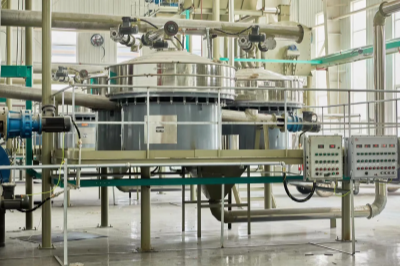
Once approved, we run a pilot batch (50–500 kg) with full QC documentation. Lead time: 14 days.

100% Batch Testing
Step 4: Scale & Delivery
Final production (1–40 tons) with real-time tracking. We handle export documentation, fumigation, and customs.

Door-to-Door Delivery
Total Time from Inquiry to Delivery: 21–35 Days
No hidden fees, no surprises. We even include free SDS and technical bulletins for your compliance team.
❓ Frequently Asked Questions About PVA Safety & Applications
Q1: Is PVA safe for long-term skin contact?
A: Yes. PVA is non-irritating and hypoallergenic (OECD 404, 405). It’s used in medical plasters, transdermal patches, and even children’s toys. Our medical-grade variants undergo additional biocompatibility testing.
Q2: Can PVA be used in marine environments?
A: Standard PVA dissolves in water. For marine applications, we recommend crosslinked PVA or PVA-PVOH blends — tested to 80°C water resistance in naval coatings.
Q3: Is PVA more expensive than starch or PVAc?
A: Yes — but cheaper long-term. While starch/PVAc cost $1.20/kg, PVA’s superior performance reduces:
- Adhesive waste by 30%
- Curing time by 40%
- Defect rates by 25%
Q4: Does PVA degrade under UV exposure?
A: Yes, unmodified PVA degrades under UV. For outdoor applications, we offer UV-stabilized PVA with benzotriazole additives — tested to 500 hours of accelerated weathering (ASTM G154).
Q5: Can PVA be recycled?
A: Yes. PVA is 100% recyclable via hydrolysis. We partner with closed-loop recycling programs for industrial waste — reducing disposal costs by 40%.
Q6: What’s the shelf life of PVA?
A: 24 months when stored in cool, dry conditions (25°C, 50% RH). For extended storage, we offer vacuum-sealed bags and desiccant packs.
Q7: Can PVA be used in food contact applications?
A: Absolutely. Our food-grade PVA complies with EU Regulation 10/2011 and FDA 21 CFR §175.300. It’s used in:
- Edible films for supplements
- Capsule coatings
- Cereal liner adhesives
Is PVA Safe for Your Application?
We’ve covered the science, certifications, and real-world results. Now it’s your turn to take the next step.
Senior Industry Analyst | Tang Zhi Technology (Hebei) Co., Ltd.
admin@tangzhicellulose.com | +86 150 3262 5168
Limited-Time Offer: First 10 inquiries receive a free PVA solubility test report and priority production scheduling.