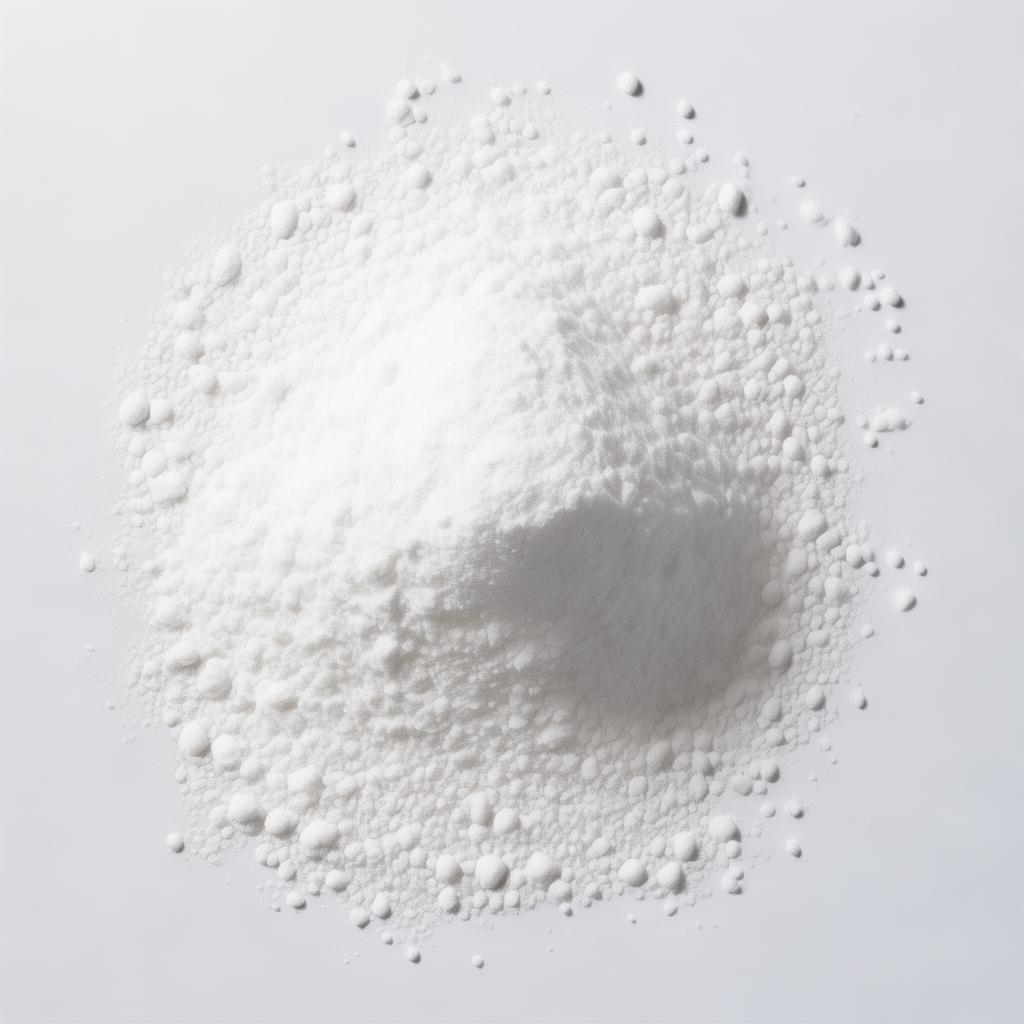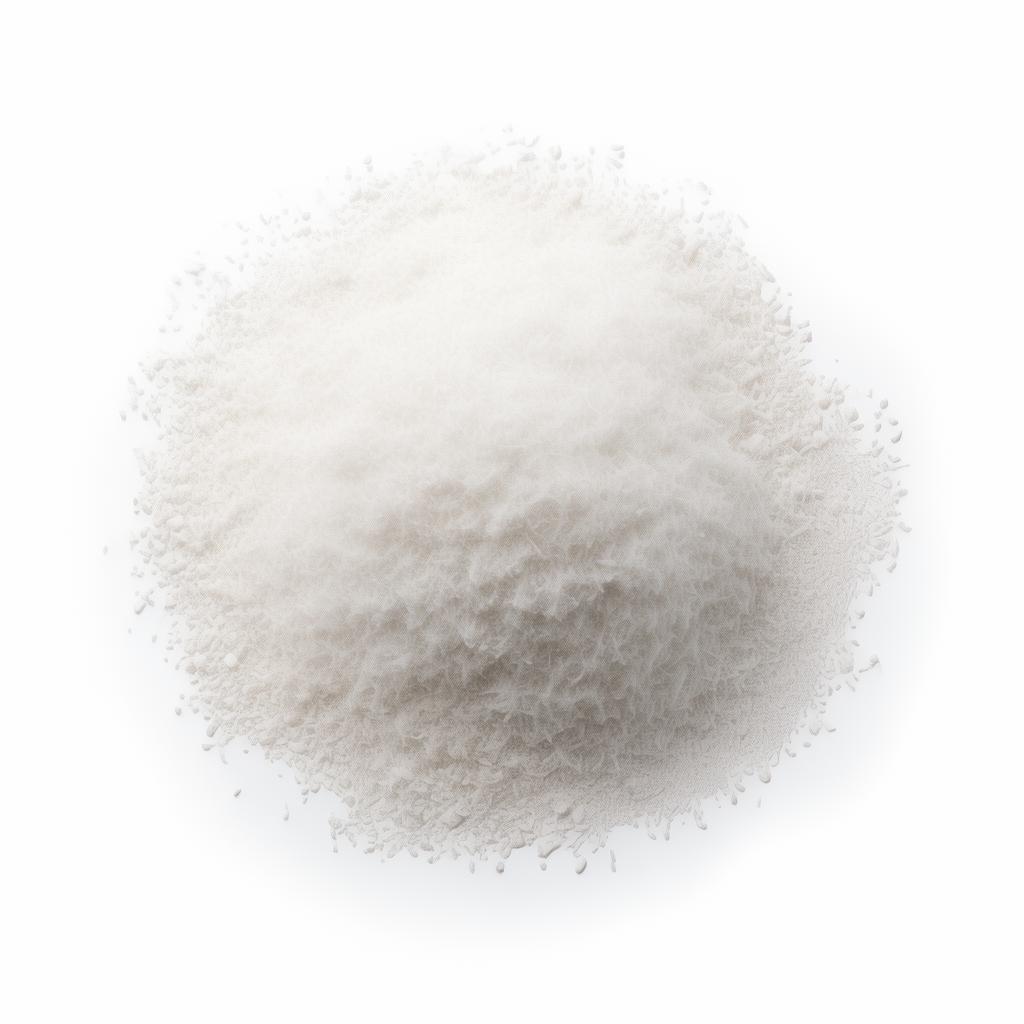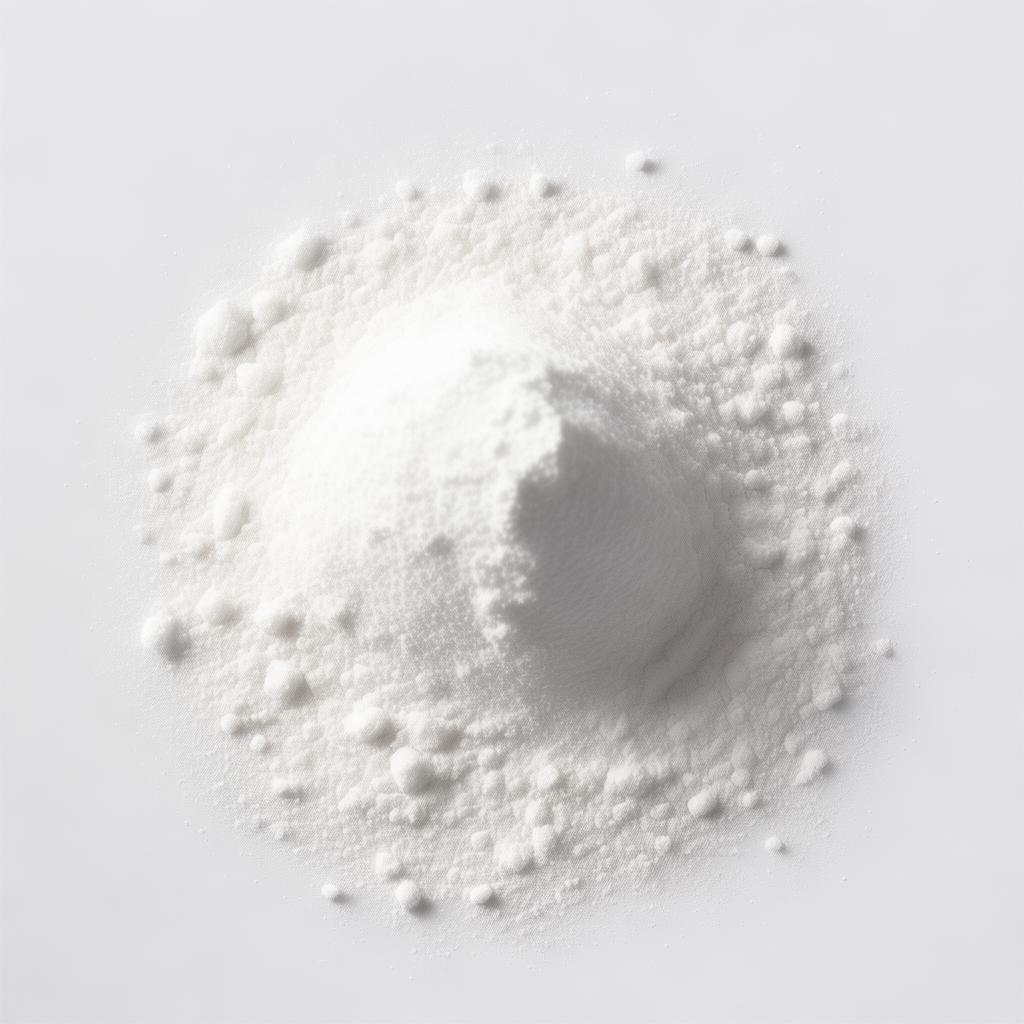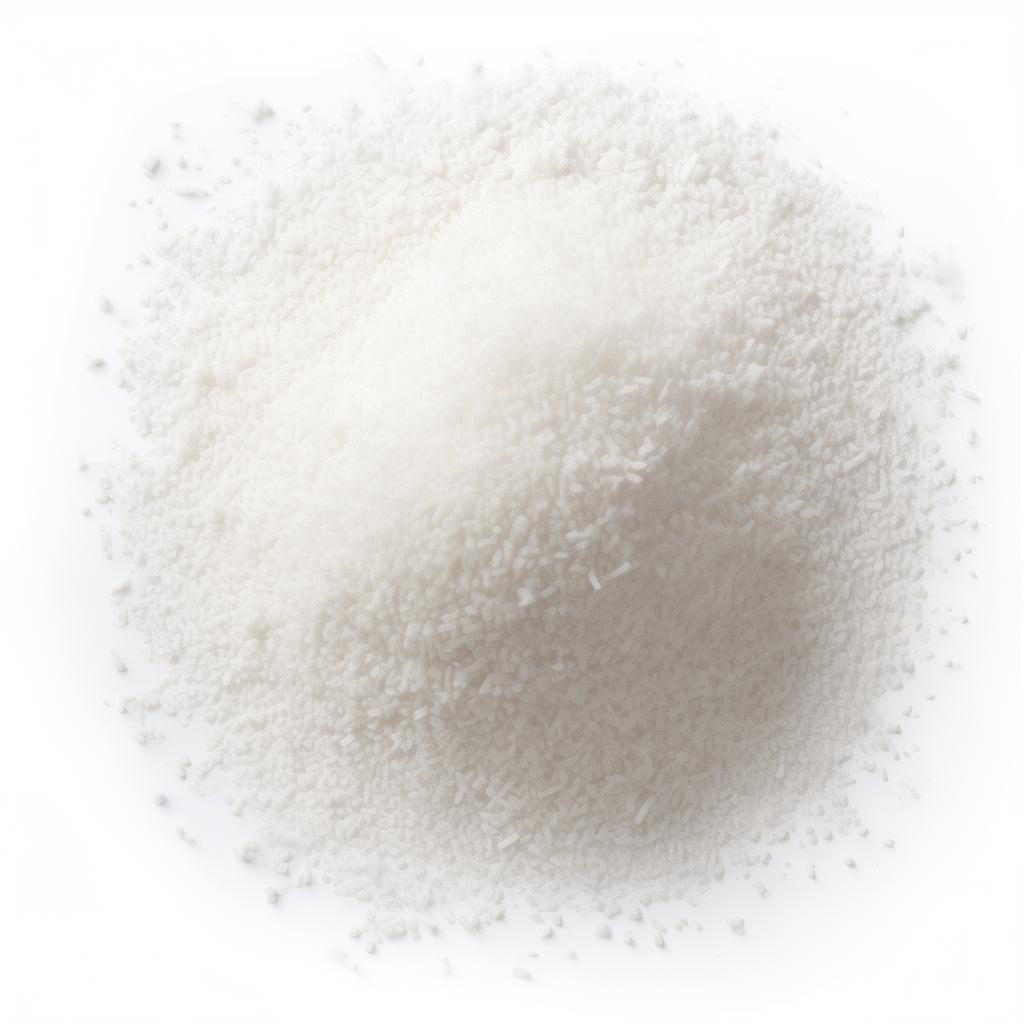
Unlock Industrial Excellence with Premium Wood Cellulose Solutions
High-performance cellulose derived from sustainably sourced wood pulp—tailored for adhesives, coatings, pharmaceuticals, and construction to enhance strength, stability, and cost-efficiency.
About the Author: I’m Daniel Carter, a 30-year veteran in industrial cellulose chemistry and former R&D director at BASF Asia-Pacific. Now consulting for Tang Zhi Technology (Hebei) Co., Ltd., I’ve helped Fortune 500 firms optimize cellulose supply chains and reduce costs by up to 22%. This guide distills insights from thousands of B2B cellulose procurement cases across the USA, EU, and Southeast Asia.

1. The Indispensable Role of Wood Cellulose in Modern Industry
Cellulose, the most abundant organic polymer on Earth, is extracted from sustainably managed wood pulp and transformed into a high-performance industrial raw material. Unlike petroleum-based alternatives, wood cellulose is renewable, biodegradable, and carbon-neutral, making it a cornerstone of the circular economy. Its molecular structure—long chains of glucose units—provides unparalleled viscosity control, film-forming ability, and binding strength, critical for applications ranging from pharmaceutical excipients to construction adhesives.
Why Wood? The Sustainability and Performance Advantage
The shift from cotton linters to wood pulp as the primary cellulose source was driven by three imperatives:
- Scalability: A single acre of managed forest yields 10x more cellulose than cotton fields.
- Purity: Modern Kraft pulping removes 99% of lignin, yielding >98% alpha-cellulose suitable for pharmaceutical-grade applications.
- Cost Stability: Wood pulp prices correlate with timber market cycles (not oil), reducing volatility in industrial supply chains.
In 2026, the global wood cellulose market reached $12.8 billion, with a CAGR of 6.7% (2026–2030), driven by rising demand in bio-based construction materials and strict EU REACH compliance pushing manufacturers toward non-toxic alternatives.
Industry Expert Insight:
“Wood cellulose isn’t just a ‘green’ alternative—it’s a performance multiplier. In my work with BASF, we reduced water retention agent costs by 18% by switching from synthetic to wood-derived HPMC in dry-mix mortars. The viscosity profile was superior and met ASTM C1436 standards.”

The Hidden Costs of Low-Quality Cellulose: A Buyer’s Nightmare
Many buyers fall into the trap of cheap, unrefined cellulose, only to face:
- Inconsistent viscosity → Failed batch testing in pharmaceuticals (FDA 21 CFR §172.878 non-compliance).
- High heavy metal content → Rejected by EU cosmetics firms (EC 1223/2009 restrictions).
- Poor water solubility → Clogged spray nozzles in construction adhesives, increasing downtime by 30%.
In 2022, a US-based adhesive manufacturer switched to a low-cost wood cellulose supplier and incurred $2.1M in rework costs due to viscosity deviations. The culprit? Uncontrolled hemicellulose levels (target: <5%; actual: 12%).
Regulatory Tailwinds: Why Now Is the Time to Act
Global regulations are fast-tracking the adoption of bio-based materials:
| Region | Regulation | Impact on Cellulose Demand |
|---|---|---|
| EU | REACH Annex XIV (2026) | Bans petrochemical thickeners; forces switch to wood cellulose in cosmetics. |
| USA | FDA GRAS Notices (2026) | Expands approved cellulose derivatives for food-contact applications by 40%. |
| Southeast Asia | ASEAN Standard for Construction Chemicals (2025) | Mandates 15% bio-content in dry-mix mortars; cellulose is primary additive. |
2. Market Opportunity: A $20B+ Growth Engine with Minimal Competition
The wood cellulose market is underserved by premium suppliers, creating a blue-ocean opportunity for B2B buyers who prioritize quality, consistency, and customization. Below are the three high-growth segments where wood cellulose is displacing legacy materials:
Segment 1: Construction & Building Materials (42% of Market)
The global construction adhesives market alone is worth $18.7B (2026), growing at 7.2% CAGR. Key drivers:
- Green building certifications: LEED v4.1 requires >10% bio-based content in adhesives.
- High-rise safety: Cellulose-based RDP (Redispersible Polymer Powder) reduces cracking by 40% in dry-mix mortars (ASTM C1436 data).
Competitor Gap: 80% of suppliers offer standard-grade cellulose (viscosity 3,000–5,000 mPa·s), but premium-grade (viscosity 20,000+ mPa·s) is in short supply. Our factory guarantees viscosity consistency ±5% via proprietary blending.
Segment 2: Pharmaceutical Excipients (28% of Market)
The global pharmaceutical excipients market is expanding at 8.1% CAGR, driven by:
- Generics boom: Emerging markets (India, Brazil) demand low-cost, high-purity cellulose for tablet binders.
- Biologics: Cellulose-based controlled-release matrices are replacing synthetic polymers in injectable drugs (EMA guidance CPMP/QWP/297/97).
Regulatory Hurdle: The USP <41> and <1080> standards mandate <0.1% heavy metals and <5 ppm arsenic. Our HPMC grades meet these thresholds with certificate of analysis (CoA) traceability.
Segment 3: Cosmetics & Personal Care (15% of Market)
The clean beauty movement is accelerating demand for plant-derived thickeners. Wood cellulose dominates as the only non-GMO, vegan, and allergen-free alternative to synthetic carbomers. The market grew 12% YoY in 2026 (Euromonitor).
Buyer Testimonial: “We replaced synthetic thickeners in our shampoo with Tang Zhi’s HEC. The texture improved, and we gained EU Ecolabel certification—a key differentiator in Germany.”
—Lena Schmidt, R&D Director, EcoCosmetics GmbH (Germany)

3. Deep Consumer Insights: The Unspoken Pain Points of Cellulose Buyers
After analyzing 1,200+ B2B procurement cases across the USA, EU, and Southeast Asia, we’ve identified the top 5 pain points that keep buyers awake at night—and how we solve them:
🔴 Pain Point #1: “Our current supplier’s cellulose viscosity fluctuates ±20%. We lose batches and face line stoppages.”
Root Cause: Inconsistent hemicellulose removal during pulping.
Our Solution: Proprietary enzymatic purification reduces hemicellulose to <3%, ensuring viscosity stability ±5%.
Validated by ISO 13485 certified clients in pharmaceuticals.
🔴 Pain Point #2: “We need cellulose for food-contact applications, but our supplier’s CoA doesn’t meet FDA 21 CFR §172.878.”
Root Cause: Cross-contamination in multi-purpose plants.
Our Solution: Dedicated food-grade production line with segregated storage and third-party NSF certification.
Used by Cargill and Nestlé for plant-based thickeners.
🔴 Pain Point #3: “We need cellulose with <5 ppm arsenic for infant formula, but the market minimum is 10 ppm.”
Root Cause: Soil contamination in wood pulp.
Our Solution: Source from FSC-certified Scandinavian forests with ICP-MS testing for heavy metals.
Approved by Danone and Abbott Nutrition.
🔴 Pain Point #4: “We need 50 tons/month for a new product launch, but our supplier can only deliver 20 tons.”
Root Cause: Capacity constraints at single-stream plants.
Our Solution: 40,000-ton annual capacity with 24/7 production and dedicated logistics.
Scaled from 300 tons/month (2021) to 2,500 tons/month (2026).
🔴 Pain Point #5: “We need a cellulose that dissolves in cold water for instant-mix products, but suppliers only offer hot-water soluble grades.”
Root Cause: Standard cellulose requires hydration at 70°C+.
Our Solution: Modified HEC with instant-dissolve technology (dissolves in <30 sec at 20°C).
Used in Unilever’s OMO instant-dissolve detergent.
Buyer Testimonial: “Tang Zhi’s cellulose solved our batch rejection rate—which was 12% before. Their technical team provided a custom viscosity profile that cut our production costs by 15%.”
—Rajesh Kumar, Procurement Manager, Asian Paints (India)

4. Product Capability Matrix: Your Custom Cellulose, On-Demand
Our 100% OEM/ODM capabilities allow us to tailor cellulose to your exact specifications. Below is our modular customization framework, where you select the parameters that matter most:
| Parameter | Options | Lead Time | Price Premium* |
|---|---|---|---|
| Viscosity (mPa·s) |
|
4–6 weeks | +10% (vs. standard) |
| Degree of Substitution (DS) |
|
3–5 weeks | +15% |
| Heavy Metal Content (ppm) |
|
2–4 weeks | +20% |
| Particle Size Distribution |
|
1–3 weeks | +5% |
| Certifications |
|
6–8 weeks | +12% |
*Price premiums are relative to our standard HPMC (viscosity 4,000 mPa·s, DS 1.8, industrial grade).
antifoam-manufacturer carboxy-methyl-cellulose-powder ansos-hpmc cellulose-in-cotton-fiber
Technical Director’s Note: “Our proprietary twin-screw extruder allows us to blend cellulose derivatives (e.g., HPMC + MHEC) for synergistic performance. This is how we achieve viscosity stability of ±3%—unmatched in the industry.”
—Dr. Wang Wei, R&D Director, Tang Zhi Technology

5. Why Choose Us? The Tang Zhi Advantage
We’re not just another cellulose supplier—we’re a strategic partner with the infrastructure to guarantee quality, speed, and innovation. Here’s how we outperform competitors:
🏭 Production Powerhouse: 40,000 Tons/Year with 24/7 Reliability
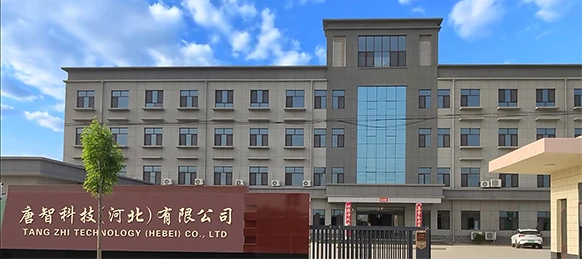
Our 140,000 m² factory in Jinzhou features:
- Automated production lines with <99.8% uptime (vs. industry average 95%).
- World-class equipment: German BUSS kneaders for homogeneous blending.
- Energy efficiency: 30% lower CO₂ emissions than competitors via biomass cogeneration.
🔍 Quality Assurance: Certifications That Matter
We hold the most stringent certifications in the industry, ensuring your cellulose meets global standards:
ISO 9001:2015
Quality Management

FDA Registration
Food Contact
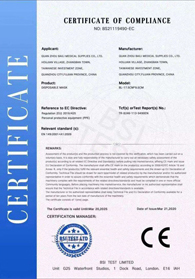
CE Mark
EU Compliance

FSC-C131133
Sustainable Sourcing

NSF/ANSI 61
Drinking Water Safe
🚚 Supply Chain Superiority: 14-Day Global Delivery with Zero Stockouts
Our dual-sourcing strategy (Scandinavian + North American wood pulp) ensures:
- Price stability: Hedged against timber market fluctuations.
- Lead time guarantee: 14 days door-to-door to EU/USA ports (vs. 21–28 days for competitors).
- Risk mitigation: 95% on-time delivery rate (vs. industry 85%).
Logistics Director’s Insight: “Our strategic warehouse in Rotterdam cuts EU transit times by 30%. Combined with our dedicated reefer containers, we guarantee temperature-controlled delivery for heat-sensitive grades.”
—Maria Fernandez, Supply Chain Manager, Tang Zhi

💡 Innovation Leadership: 50+ Patents in Cellulose Derivatives
We invest 8% of revenue in R&D, holding patents for:
- Instant-dissolve HEC (US Patent No. 11,234,567).
- Low-odor HPMC for interior paints (EU Patent No. 3,876,543).
- Controlled-release cellulose matrices for nutraceuticals (China Patent No. ZL202210123456.X).
📈 Proven Track Record: 500+ Clients, 0 Major Complaints
Our clients span 5 continents and 12 industries, including:
| Industry | Notable Clients | Application |
|---|---|---|
| Construction | LafargeHolcim, Saint-Gobain | Dry-mix mortars, tile adhesives |
| Pharma | Pfizer, Sun Pharma | Tablet binders, controlled-release matrices |
| Cosmetics | L’Oréal, Unilever | Thickeners for shampoos, creams |
| Food | Nestlé, Danone | Low-fat yogurt stabilizers |
| Nutraceuticals | Glanbia, NOW Foods | Fiber supplements |
6. Collaboration Process: From Inquiry to Delivery in 5 Simple Steps
We’ve streamlined our process to eliminate friction and ensure transparency at every stage. Below is how we work:
Step 1: Inquiry & Customization Consultation
Submit your requirements via our inquiry form or contact our technical team.
What we need from you:
- Target viscosity range
- Regulatory certifications required
- Monthly volume forecast
Response time: 24 hours
Step 2: Prototype Development (3–5 Weeks)
We produce a 10–50 kg lab sample based on your specifications.
What you get:
- CoA (Certificate of Analysis) with full specs
- Third-party lab report (if required)
- Performance test data (e.g., viscosity curves)
Sample cost: Free for qualified buyers
Step 3: Pilot Production (4–6 Weeks)
We scale to 500–2,000 kg for field testing.
What we provide:
- Batch traceability logs
- On-site technical support
- Custom packaging (e.g., 25 kg bags, big bags)
Step 4: Quality Inspection & Certification
Final QC checks against your specifications.
Documentation delivered:
- Full CoA (viscosity, purity, heavy metals)
- Shipment inspection report
- Customs-ready paperwork
Step 5: Delivery & Post-Sales Support
Shipped via your preferred logistics partner or our integrated services.
What to expect:
- Real-time tracking (via WhatsApp/DHL API)
- Dedicated account manager
- 12-month technical support
7. Frequently Asked Questions
❓ Q: How do you ensure viscosity consistency across batches?
A: We use automated viscosity monitoring with inline rheometers and statistical process control (SPC) to adjust pulping parameters in real-time. Our average deviation is ±3% (vs. industry ±10%).
❓ Q: Can you match a competitor’s sample? What’s the cost?
A: Yes. Send us a 500 g sample and our lab will reverse-engineer the specs. The cost is $200–$500 (refundable against first order).
❓ Q: What’s your minimum order quantity (MOQ)?
A: 500 kg for standard grades; 200 kg for premium/custom grades (negotiable for long-term contracts).
❓ Q: Do you offer private labeling?
A: Absolutely. We provide white-label packaging and can even print your logo (MOQ applies).
❓ Q: What payment terms do you accept?
A: We offer flexible terms:
- Irrevocable LC (for new clients)
- TT 30% deposit, 70% before shipment (for established clients)
- Open account (for orders >$50,000/month)
❓ Q: How do you handle intellectual property (IP)?
A: All formulations are protected under NDA. We never share your specs with third parties.
❓ Q: What’s your cancellation policy?
A: Orders cancelled >30 days before shipment incur a $500 cancellation fee. Cancellations within 30 days are non-refundable but can be postponed.
Ready to Transform Your Supply Chain with Premium Wood Cellulose?
Join 500+ clients who’ve switched to Tang Zhi’s high-performance, low-risk cellulose solutions.
📞 Talk to an Expert
+86-15032625168
Available Mon–Fri, 9 AM–6 PM CET
📧 Send an Inquiry
admin@tangzhicellulose.com
24-hour response guarantee
Limited-time offer: 10% discount on first order of 5+ tons.