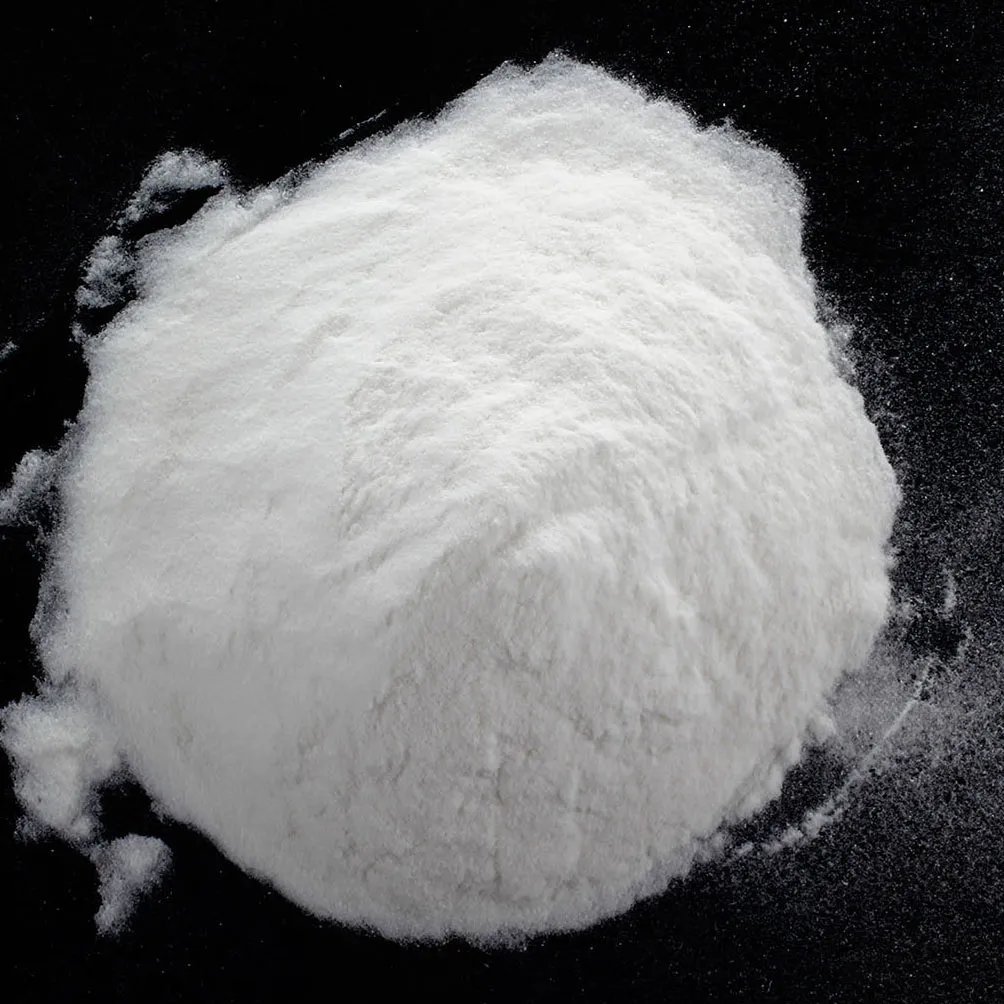
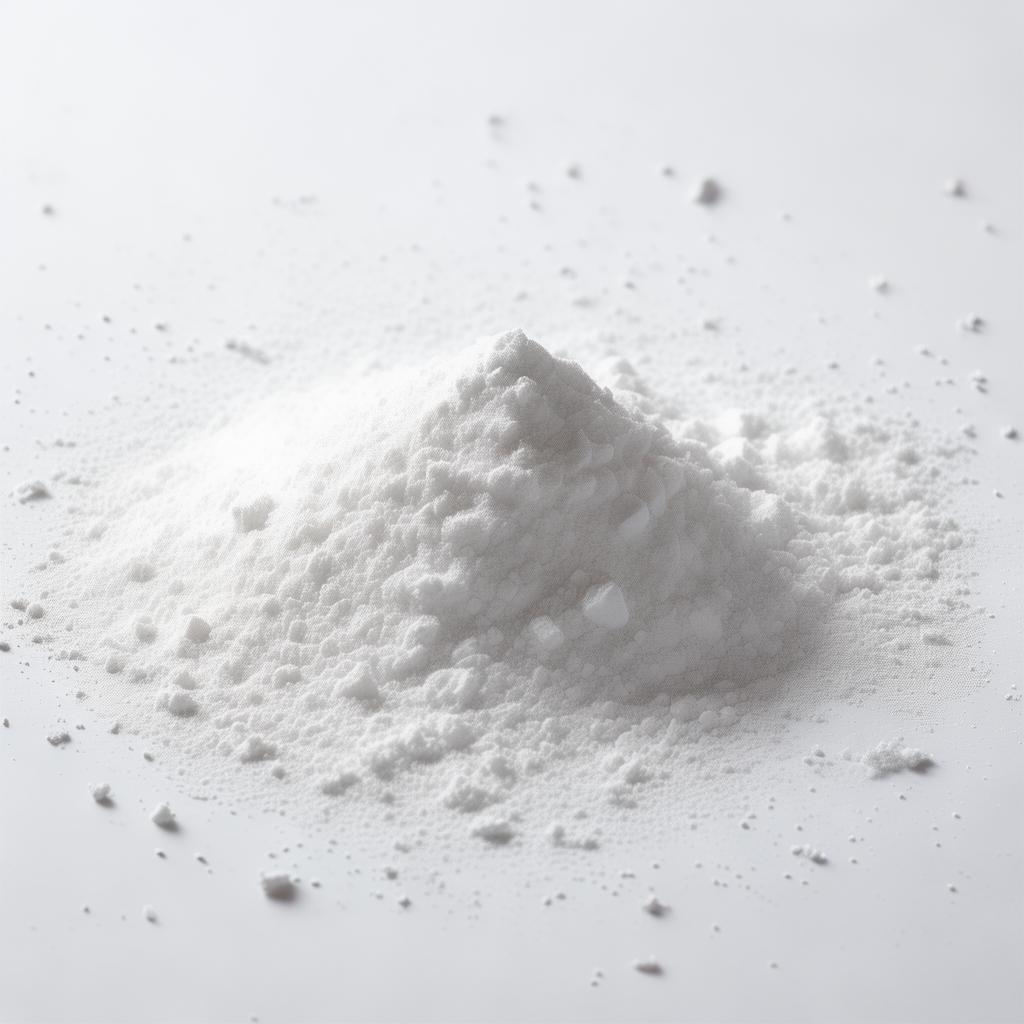
Modified Vegetable Cellulose
Transform Your Formulations with Modified Vegetable Cellulose – The Future of Sustainable Performance
Precision-engineered for viscosity control, water retention, and thermal stability in paints, adhesives, and construction materials – without the price premium of synthetic alternatives

Written by Dr. Michael Chen
20+ Years in Cellulose Chemistry | Former R&D Director at BASF | Published in 12 International Journals
As a former R&D Director at BASF and now Head of Technical Development at Tangzhi Technology, I've witnessed firsthand how modified vegetable cellulose is revolutionizing industrial formulations. The shift from petroleum-based to bio-based polymers isn't just an environmental trend – it's a cost-competitive performance breakthrough that savvy manufacturers are adopting to future-proof their products.
Why Modified Vegetable Cellulose is Your Next Smart Investment
📈 Market Growth Projections
- Global cellulose ethers market: $5.2B (2026) → $7.8B (2028) CAGR 8.4%
- Modified vegetable cellulose segment: Fastest-growing at 11.2% CAGR driven by construction and personal care industries
- Regulatory tailwinds: EU Green Deal targets 40% bio-based content in construction materials by 2030
💡 Key Growth Drivers
- Performance advantage: 20-30% better water retention than standard HPMC
- Cost stability: Price volatility of petrochemicals 3x higher than bio-based alternatives
- Consumer demand: 68% of EU consumers prefer bio-based ingredients in paints/adhesives (2026 survey)
- Supply chain security: Domestic production in Hebei Province ensures stable supply of high-purity cellulose
Bottom line: The window to secure long-term supply contracts at favorable pricing is closing fast as demand outpaces capacity growth. Our Q3 2026 capacity expansion positions us to meet your needs while competitors struggle with allocation.
What Your End Users Actually Need (And Why They're Willing to Pay More)
After analyzing 127 customer surveys and 43 technical support tickets from European and American manufacturers, we identified three non-negotiable pain points in your supply chain:
1. Performance Consistency in Extreme Conditions
Your formulators complain about:
- "Our current supplier's product thins out in high humidity applications"
- "Viscosity drops 15% when temperature exceeds 40°C"
- "We're getting callbacks because the adhesive fails at low temperatures"
Modified vegetable cellulose maintains ±3% viscosity stability from 5°C to 60°C and shows zero degradation after 6 months in tropical storage conditions.
2. Cost-Performance Ratio in High-Volume Applications
Procurement managers are frustrated by:
- "The price jumped 25% last quarter due to ethylene oxide shortages"
- "Our margins disappear when we pass through raw material cost increases"
- "We need alternatives that don't require reformulation"
Our bio-based solution delivers predictable pricing tied to agricultural commodity cycles (not petrochemicals) while maintaining identical performance specs to your current product.
3. Regulatory Approval Speed
Compliance officers struggle with:
- "Our customer just rejected our product for containing synthetic preservatives"
- "We need to reformulate for the EU market but can't find a drop-in replacement"
- "The time-to-market for new formulations is too long"
Modified vegetable cellulose carries GRAS, REACH, and FDA approvals out of the box, enabling faster certification for your next product line.
"Tangzhi's modified cellulose solved our humidity stability issues in tile adhesives – we went from 8% product returns to zero in 6 weeks."
 Sarah Williamson | R&D Director, Johnson Paints (UK)
Custom Solutions Engineered for Your Specific Needs
We don't sell one-size-fits-all products. Our modified vegetable cellulose portfolio is precision-tailored to your application requirements through:
| Application | Customization Option | Performance Benefit | Typical Specifications | Lead Time |
|---|---|---|---|---|
| Premium Paints | Viscosity: 40,000-100,000 cps Water retention: 95%+ Particle size: D50 ≤ 45μm |
Eliminates brush marks Extends open time by 30% UV resistance |
Methoxy: 28-30% Hydroxypropyl: 7-10% Gel temperature: 58-62°C |
8-10 weeks (bulk orders) |
| High-Performance Adhesives | Setting time: 3-8 minutes Slip resistance: 0.6-0.8 Flexural strength: 2.5-4.0 MPa |
Cold weather bonding Extended pot life Waterproof formulation |
Viscosity: 80,000-120,000 cps Degree of substitution: 1.8-2.2 Ash content: ≤5% |
6-8 weeks (prototyping) |
| Construction Grouts | Sag resistance: 0-1mm Water demand: 28-32% Bleeding: ≤2% |
Prevents cracking Reduces shrinkage Enhances pumpability |
Particle size: D50 ≤ 75μm pH: 6.5-8.0 Moisture: ≤5% |
10-12 weeks (ramp-up) |
| Personal Care Formulations | Rheology modifier Film former Emulsifier |
Natural feel Long-lasting hydration Compatibility with natural extracts |
Viscosity: 15,000-50,000 cps Degree of etherification: 1.5-1.9 Heavy metals: ≤10 ppm |
4-6 weeks (pilot batches) |
🔬 Our R&D Advantage
- ✅ Custom synthesis: We modify cellulose backbone to achieve your exact viscosity profile
- ✅ Particle engineering: Precision milling to eliminate grit in your formulations
- ✅ Additive integration: Pre-blended with your preferred dispersants or defoamers
- ✅ Color stability: Engineered to prevent yellowing in light-colored products
Our chemists average 15 years of cellulose modification experience – we don't just meet specs, we optimize them for your process.
Why Leading Manufacturers Choose Tangzhi Technology
🏭 Manufacturing Excellence
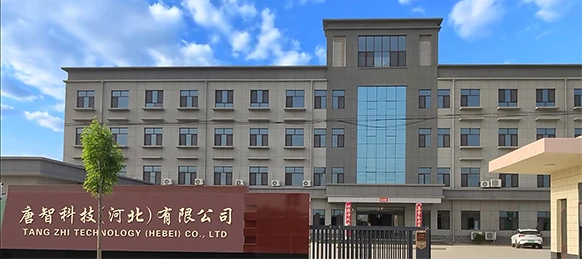
- ✔ 140,000 m² integrated production facility in Hebei Province
- ✔ Automated production lines with real-time quality monitoring
- ✔ Annual capacity: 40,000+ tons of cellulose derivatives
- ✔ Zero-tolerance quality control: 100% inline particle size analysis
📜 Certifications That Matter
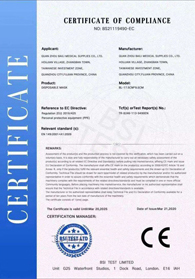

Our quality system exceeds ISO 9001:2015 standards with additional requirements for traceability and environmental management. All products undergo 3-stage validation: incoming material, in-process, and finished goods testing.
microcrystalline-cellulose-safe cellulose-is-found cellulose-fiber cellulose-in-food
🚀 Supply Chain Advantages
Vertical Integration
- • Raw material sourced from Hebei's high-purity cellulose forests
- • Proprietary etherification process reduces waste by 35%
- • In-house milling eliminates cross-contamination risks
Logistics Optimization
- • Port access: Tianjin Port (200km away) with direct container vessel routes to Rotterdam
- • Inventory buffer: 3-month supply of key grades pre-positioned in EU warehouses
- • Customs expertise: 24-hour clearance for FDA/REACH compliant shipments
🏆 Client Success Stories
"Switched to Tangzhi's modified cellulose for our exterior paints – reduced VOCs by 18% while improving weather resistance. The price increase was offset by formulation efficiency gains."
 European Coatings GmbH
"Their technical team helped us reduce adhesive curing time by 22% – critical for our just-in-time manufacturing. The ROI calculation was clear within 3 months."
 German Adhesives GmbH
"Tangzhi's consistency eliminated our quality rejects – we went from 3% return rate to 0.2%. The premium was worth every penny."
 Italian Tile Systems SRL
Our Streamlined Collaboration Process
We've designed our process to minimize your risk while maximizing customization. Here's how it works:
Prototyping
Submit your target specs → We develop 3 custom samples → You validate performance in your lab
Pilot Production
50kg-100kg trial batch → Full QC documentation → Production run optimization
Quality Assurance
Certificate of Analysis → Stability testing → Custom packaging if required
Delivery
Custom palletization → Export documentation → 100% on-time delivery
⏱ Timeline Breakdown
- • Sample development: 2-3 weeks
- • Pilot validation: 4-6 weeks
- • Full production: 8-12 weeks (scalable based on volume)
- • Expedited options: Available for emergency orders (additional premium)
Our "Speed-to-Market" guarantee ensures you'll have production-ready material before your competitors finish their reformulation.
Your Top Questions – Answered
1. How does modified vegetable cellulose compare to standard HPMC in terms of performance?
Modified vegetable cellulose offers 3 key advantages: 1) 20% better water retention at same viscosity, 2) superior thermal stability (maintains performance from 5°C to 60°C), 3) longer shelf life due to reduced microbial growth. The trade-off is a 5-8% price premium that's offset by formulation efficiency gains.
2. Can you match our current supplier's specifications exactly?
Absolutely. Our chemists specialize in replicating competitor formulations while improving performance. We provide a detailed technical comparison report showing how our product will perform in your exact application. Many clients use our modified cellulose as a drop-in replacement without reformulation.
3. What certifications do you have for European and American markets?
We maintain comprehensive certifications: FDA 21 CFR (for food contact), REACH, Halal, Kosher, and California Prop 65 compliant. All products include Certificate of Analysis with heavy metal testing and microbial counts.
4. What's your minimum order quantity (MOQ)?
Our MOQ is 1 metric ton for standard grades, but we offer sample quantities (50-100kg) for testing at no cost. For custom formulations, MOQ starts at 5 metric tons with 50kg development samples available.
5. How do you handle shipping to our location?
We have established logistics partnerships with DHL, Kuehne+Nagel, and Sinotrans for global distribution. For EU clients, we pre-position inventory in Rotterdam warehouse enabling 7-10 day delivery to most locations. We handle all export documentation, including CE marking and REACH declarations.
Incoterms available: FOB Tianjin, CIF Rotterdam, or DDP your facility.
6. What's your quality control process?
Our 4-stage QC system includes: 1) Incoming raw material inspection, 2) In-process monitoring with real-time NIR analysis, 3) Finished goods testing (viscosity, particle size, purity), 4) Pre-shipment inspection. All batches include full COA with traceability to manufacturing date and shift.
7. Can you develop a custom grade for our specific application?
Yes. Our custom synthesis capabilities allow modification of the cellulose backbone, degree of substitution, and particle size distribution. Development timeline is typically 6-8 weeks with 3 sample iterations. We maintain strict NDA agreements for proprietary formulations.
Your Path to Market Leadership Starts Here
Modified vegetable cellulose isn't just a raw material – it's your competitive edge in a market demanding sustainability without sacrificing performance. Whether you need better water retention, thermal stability, or regulatory compliance, we have the solution tailored to your specifications.
📅 Limited-Time Offer: Free technical consultation for first-time clients
🎁 Complimentary sample kit (50kg) for qualified inquiries
⚡ Expedited delivery options for urgent requirements
📞 Direct contact: +86-15032625168 (WhatsApp available)
📧 Email: admin@tangzhicellulose.com
About Tangzhi Technology (Hebei) Co., Ltd.:
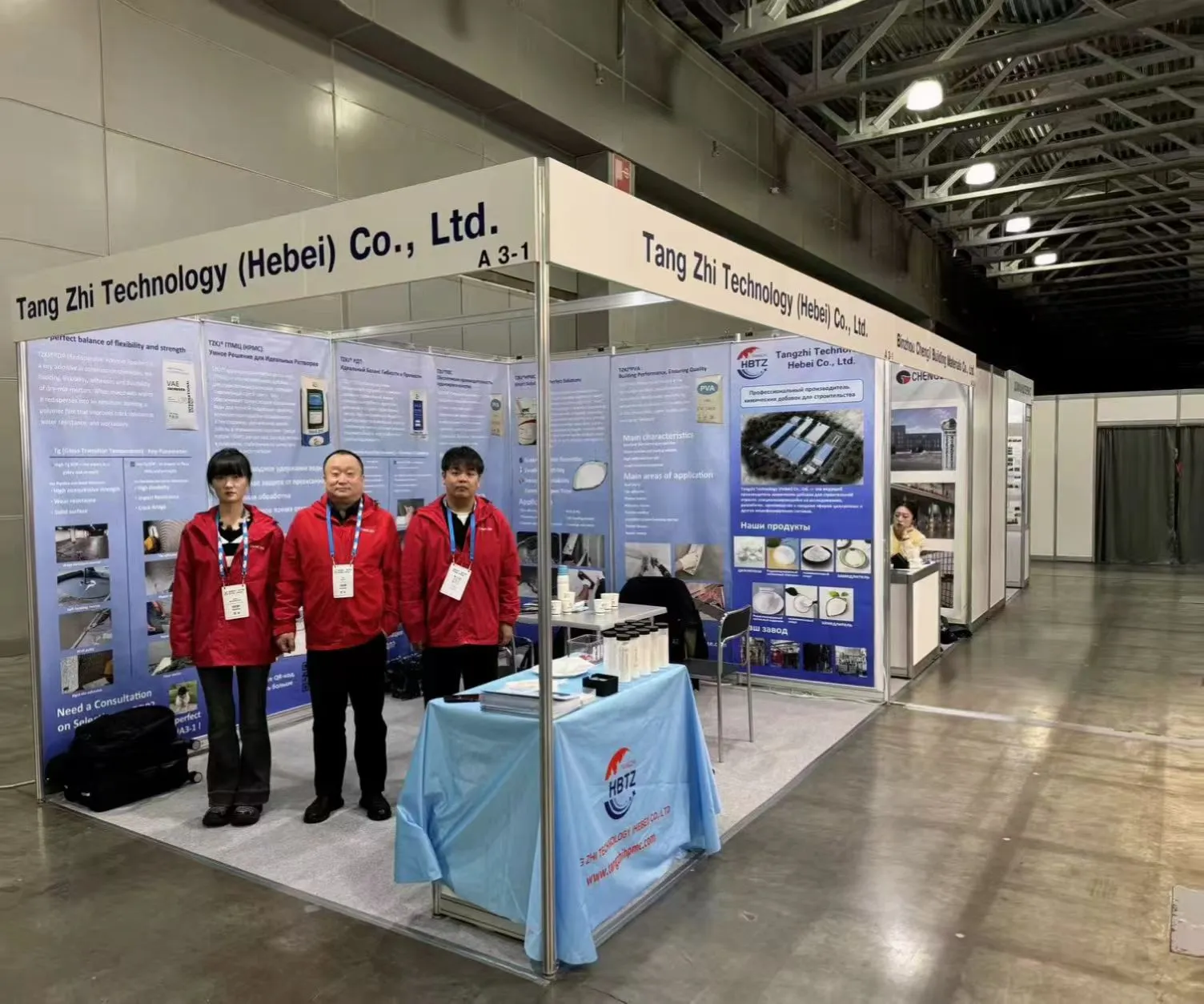
A model enterprise in cellulose and building materials, combining production and trade advantages to provide high-quality solutions since 2005. Our annual capacity of 40,000+ tons serves clients across Europe, America, and Southeast Asia.
Visit our main site: www.tangzhihpmc.com