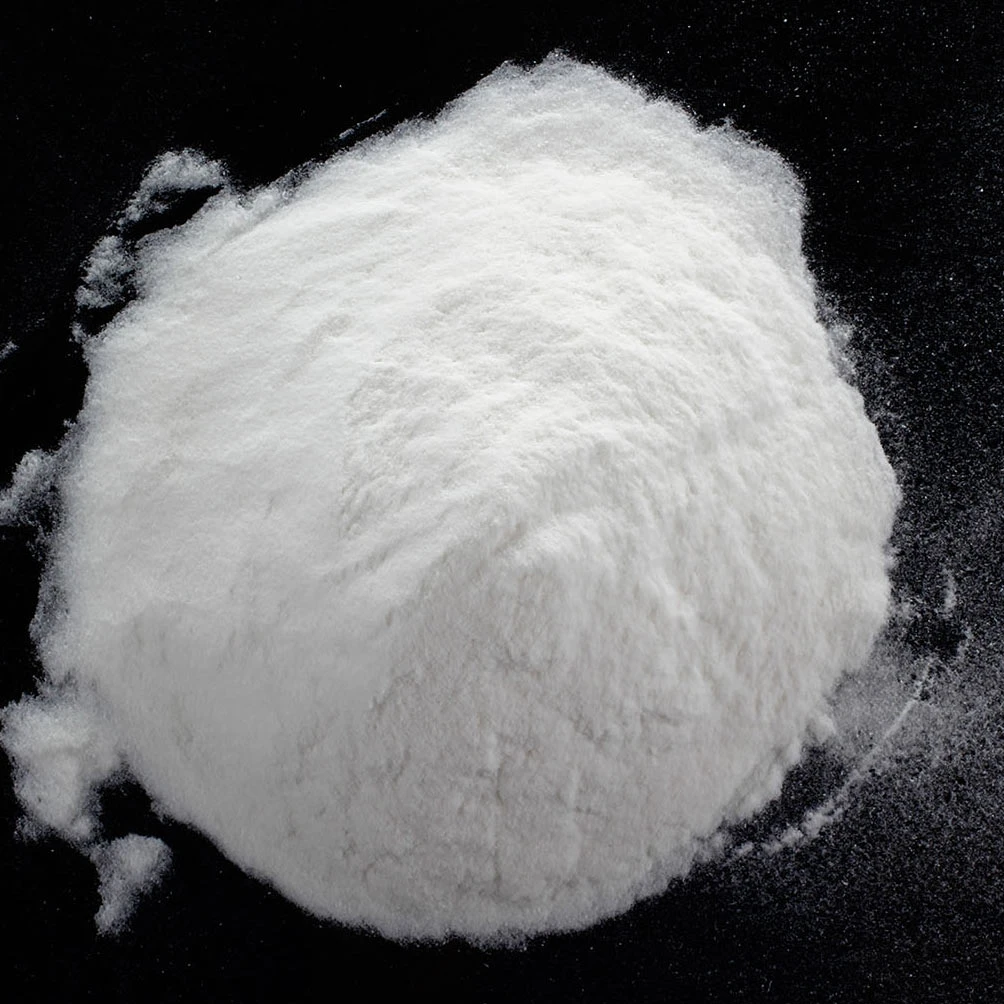
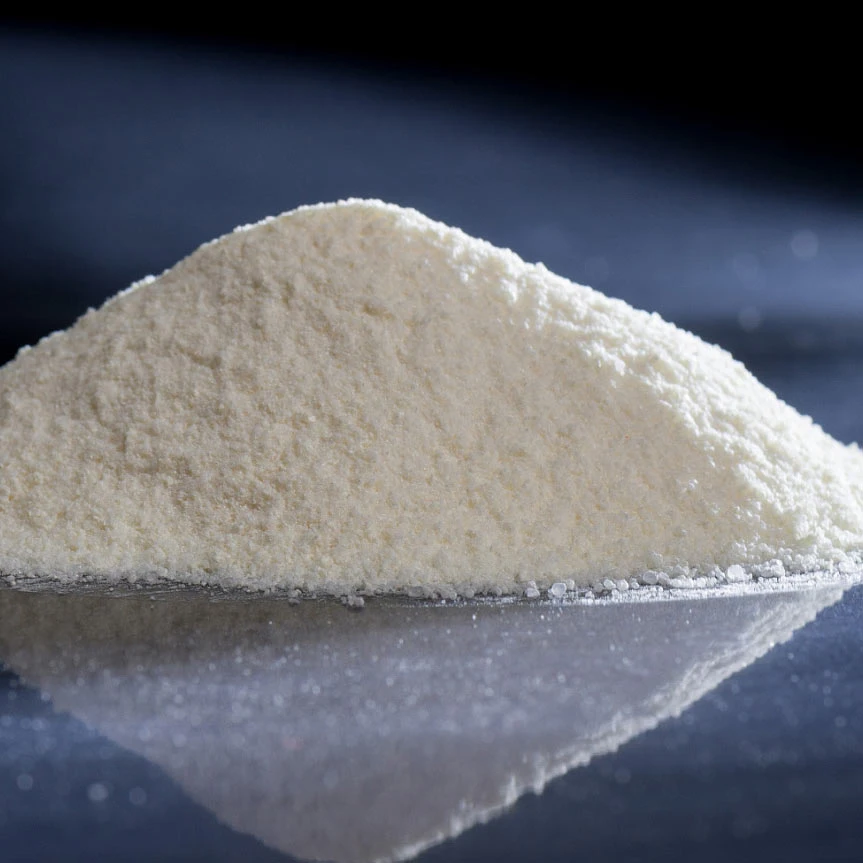
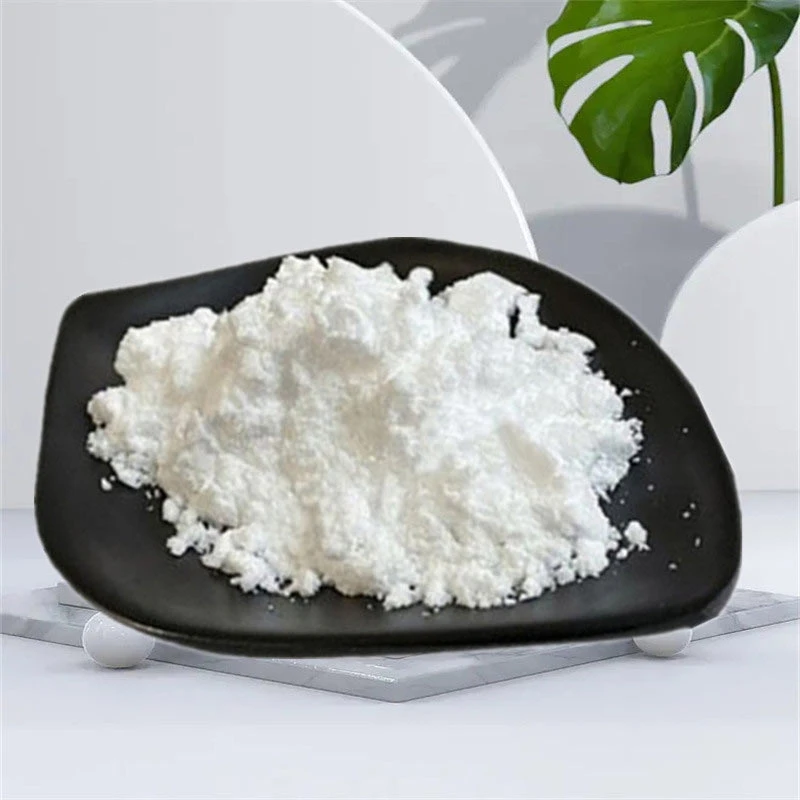
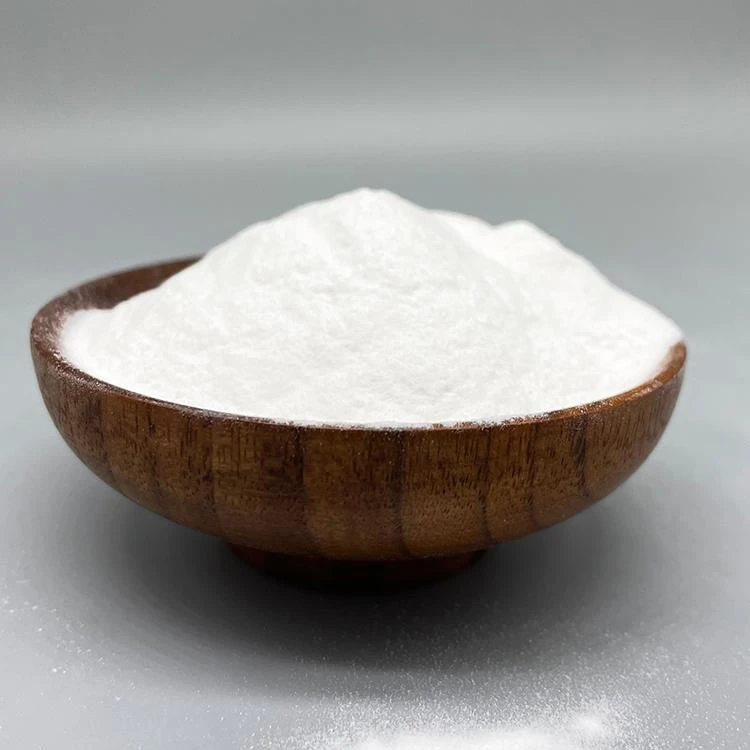
Carboxy Methyl Cellulose Powder: The Unsung Hero of Industrial Applications
Carboxy Methyl Cellulose Powder is a key solution in a lot of industries, specifically within food, pharmaceuticals, and even some surprising industrial applications. It’s something that doesn’t always get the spotlight, but frankly, it’s everywhere once you start looking. This article explores how Tangzhi HPMC supports professionals with durable, high-performance products, and explains why this product is an ideal choice for businesses in these sectors.
Table of Contents
- Carboxy Methyl Cellulose Powder Overview
- Benefits & Use Cases of Carboxy Methyl Cellulose Powder
- Cost, Maintenance & User Experience
- Sustainability & Market Trends
Carboxy Methyl Cellulose Powder Overview
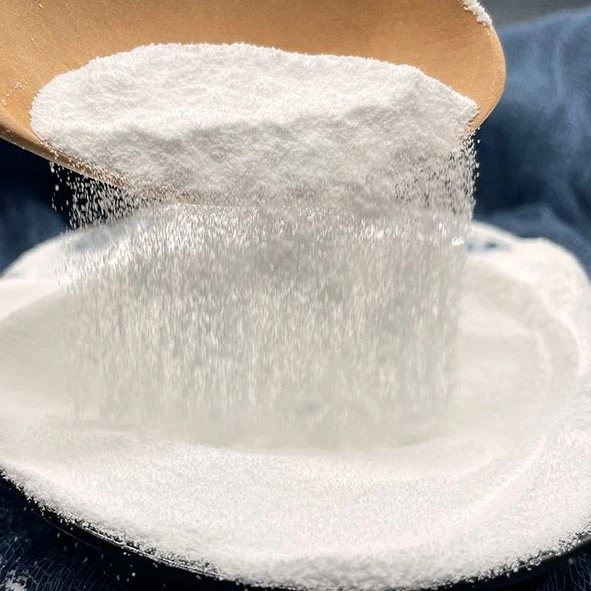
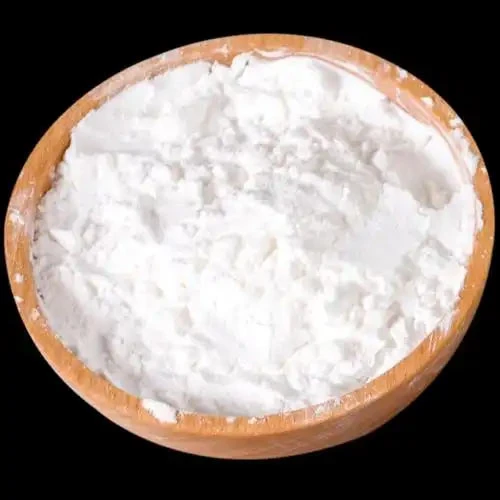
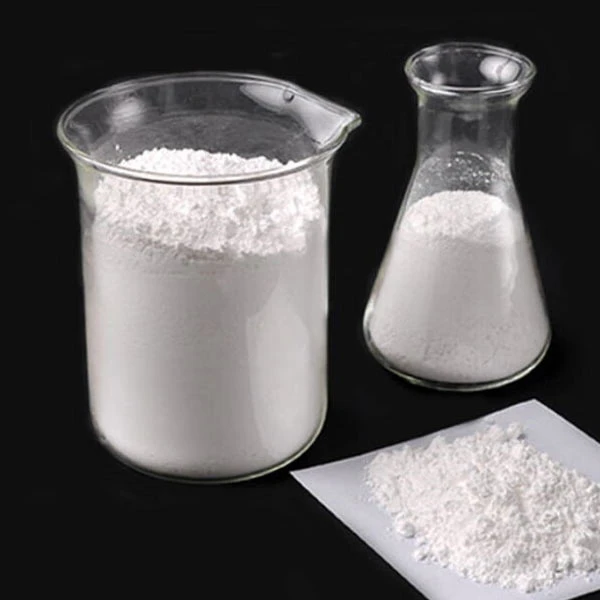
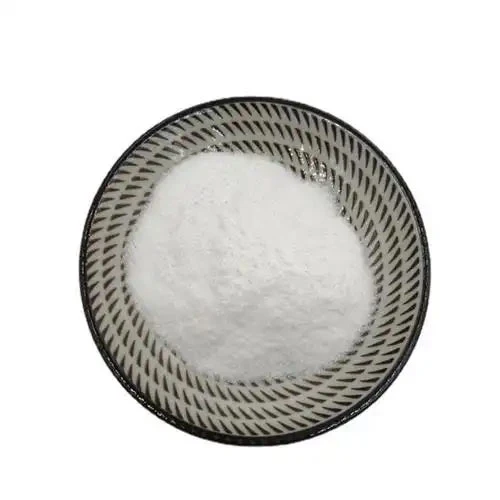
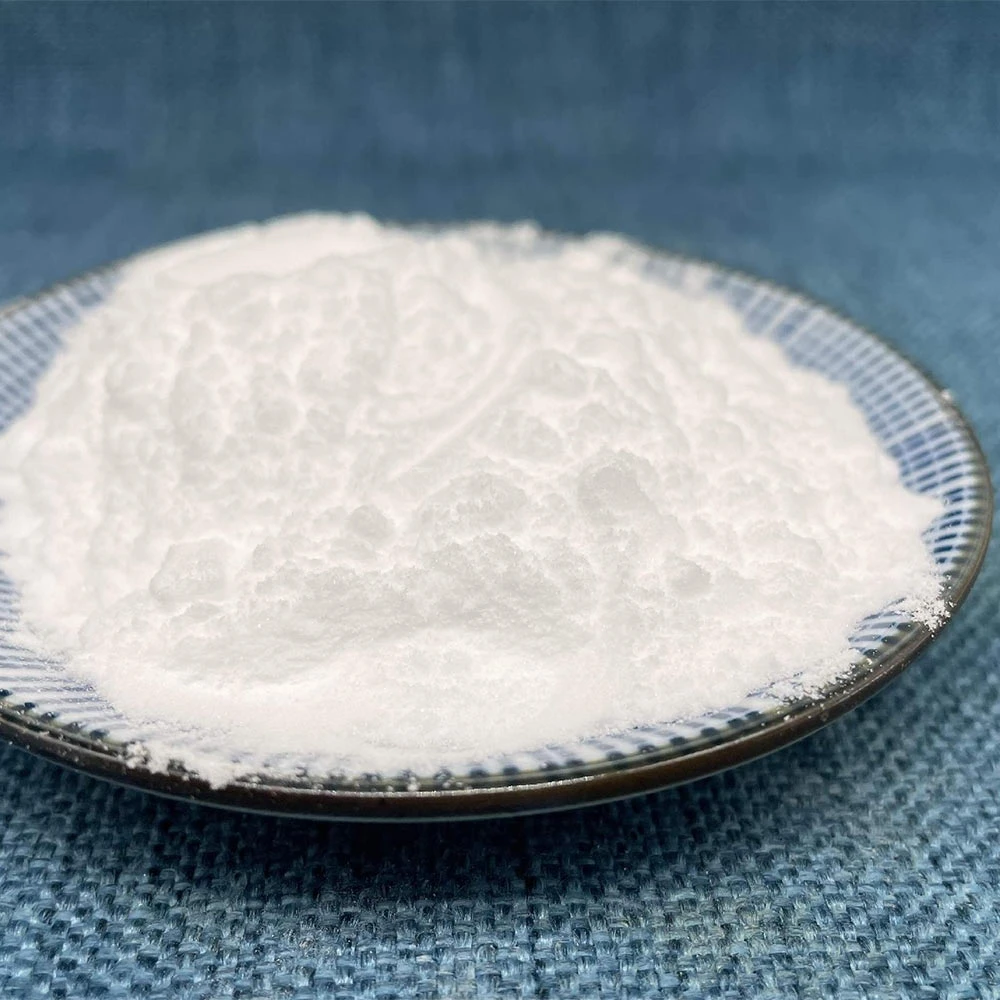
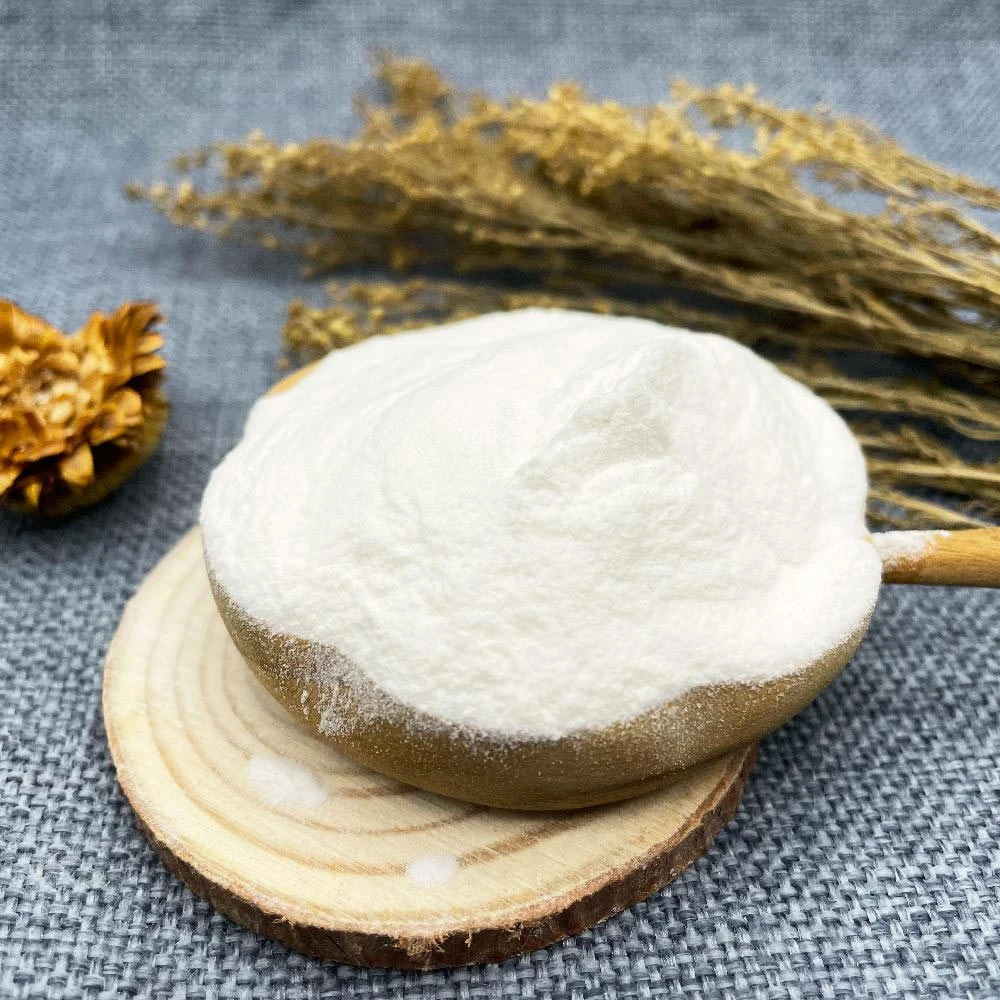
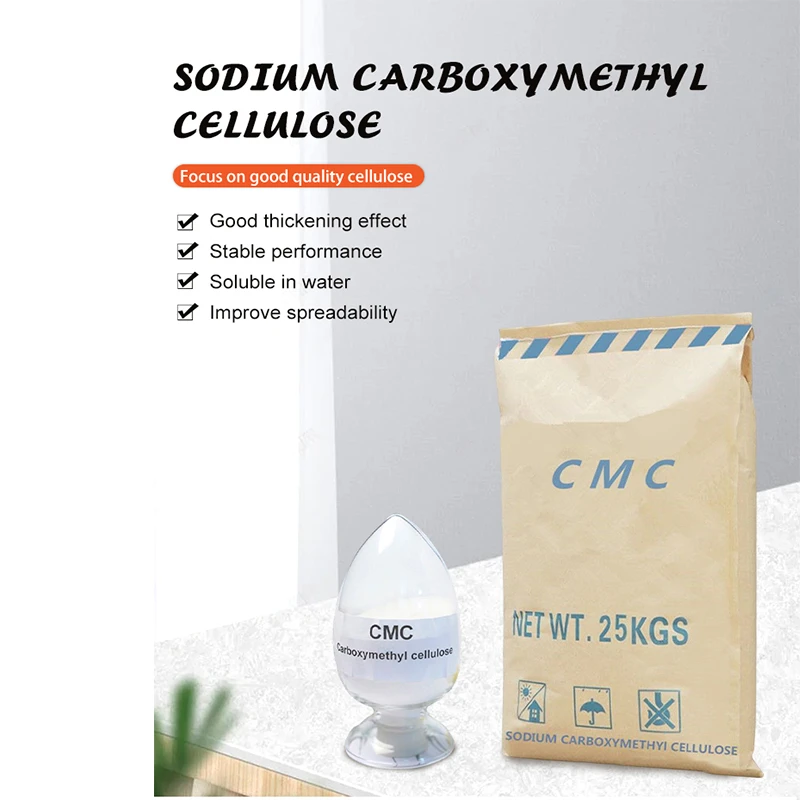
So, what is Carboxy Methyl Cellulose, or CMC, powder? It’s essentially a cellulose derivative, meaning it's made from plant cellulose – often wood pulp or cotton. It's chemically modified to introduce carboxymethyl groups, which is where the “carboxy methyl” part comes from. This modification makes it water-soluble, and gives it those really useful thickening and stabilizing properties. I suppose you could think of it as a highly engineered, plant-based gum, but that doesn't quite do it justice. The molecular weight and degree of substitution influence the final properties quite a bit. You need to get the right grade for the application, which is where a supplier like Tangzhi HPMC really comes in handy. Here are some key specifications:
| Property | Specification |
|---|---|
| Viscosity (2% Solution) | 400 - 4000 mPa·s |
| Degree of Substitution | 0.6 - 1.2 |
| Moisture Content | ≤ 8% |
| Particle Size | 80-200 mesh |
Benefits & Use Cases of Carboxy Methyl Cellulose Powder
Okay, so where do you actually use this stuff? Everywhere, really. In food, it’s a thickener, stabilizer, and emulsifier – think ice cream, sauces, baked goods. In pharmaceuticals, it’s a binder in tablets, a suspending agent in liquid medications… it’s even used in toothpaste! But interestingly, and I only really started noticing this a few years ago, it’s huge in industrial applications. Oil drilling, for instance, uses CMC to control viscosity during fracturing. Paper coatings rely on it for improved strength and surface properties. And in construction, it’s used in tile adhesives and cement-based products. It’s all about controlling rheology, you know? Tangzhi HPMC offers customized grades to fit those very specific needs. Here's a quick vendor comparison:
| Vendor | CMC Grade Range | Customization | Pricing |
|---|---|---|---|
| Tangzhi HPMC | Food, Pharma, Industrial | Extensive | Competitive |
| ABC Chemicals | Industrial Only | Limited | Moderate |
| XYZ Polymers | Food & Pharma | Standard | Higher |
Cost, Maintenance & User Experience
The total cost of ownership is surprisingly low. CMC powder is relatively inexpensive, and a little goes a long way. Storage is also simple - keep it dry, and in a sealed container. No special maintenance. I spoke with an engineer at a tile adhesive manufacturer recently, and he said switching to Tangzhi HPMC’s CMC actually reduced their production costs because they could use less of the material while still achieving the desired viscosity and adhesion. That's a big win. You know, the biggest "maintenance" aspect is really just ensuring proper dispersion during mixing to avoid clumping – which is a common issue with any powder additive, honestly. Many engineers say that proper pre-hydration is the key.
Sustainability & Market Trends
Sustainability is becoming a huge driver. Because CMC is derived from plant cellulose, it’s considered a renewable resource. There's increasing demand for bio-based alternatives to synthetic polymers, and CMC fits the bill. Regulations around food and pharmaceutical additives are also getting stricter, so sourcing from a reputable supplier like Tangzhi HPMC, with strong quality control, is critical. The market for CMC is projected to grow steadily over the next few years, driven by these factors. Oddly enough, there’s a surge in demand for CMC in the cosmetics industry, too…apparently, it’s a fantastic natural thickener for creams and lotions.
Frequently Asked Questions about Carboxy Methyl Cellulose Powder
- What is Carboxy Methyl Cellulose Powder and how does it work?
- Carboxy Methyl Cellulose Powder is a water-soluble cellulose derivative used as a thickener, stabilizer, and binder. It works by forming a viscous solution when dispersed in water, enhancing the properties of various products.
- What are the main benefits of using Carboxy Methyl Cellulose Powder in industrial applications?
- Key benefits include improved viscosity control, enhanced stability, cost-effectiveness, and its renewable sourcing, offering a sustainable alternative to synthetic polymers.
- How does Carboxy Methyl Cellulose Powder compare to traditional alternatives?
- Compared to synthetic polymers, CMC is biodegradable, derived from renewable sources, and often provides comparable or superior performance at a lower cost.
- What industries can benefit most from Carboxy Methyl Cellulose Powder implementation?
- Industries such as food, pharmaceuticals, oil drilling, construction, and paper manufacturing see significant benefits from integrating Carboxy Methyl Cellulose Powder into their processes.
Conclusion on Carboxy Methyl Cellulose Powder from china
So, ultimately, Carboxy Methyl Cellulose Powder is a surprisingly versatile and valuable ingredient across a huge range of industries. It’s not flashy, but it’s essential. And sourcing a reliable, high-quality supplier – like Tangzhi HPMC – is key to unlocking its full potential. Visit our website: https://www.tangzhihpmc.com
- Recap the value of Carboxy Methyl Cellulose Powder.
- - "Visit our website: https://www.tangzhihpmc.com"
-
HPMC High-Performance Thickener | Hebei TangzhiNewsMar.06,2026
-
Wholesale Water Reducing Admixture for Special Cement: Performance and Market InsightsNewsFeb.28,2026
-
The Complete Guide to HPMC: Types, Applications, Grades, and Manufacturing InsightsNewsFeb.28,2026
-
Redispersible Polymer Powder: Types, Applications, and Performance AdvantagesNewsFeb.28,2026
-
Hydroxymethyl Ethyl Cellulose (MHEC): Properties, Applications, and Market InsightsNewsFeb.28,2026
-
Hydroxyethyl Cellulose: Applications, Performance, and Buying GuideNewsFeb.28,2026