Comprehensive Guide to Sodium Carboxymethyl Cellulose Powder and Its Applications
Sodium Carboxymethyl Cellulose Powder: A Comprehensive Guide
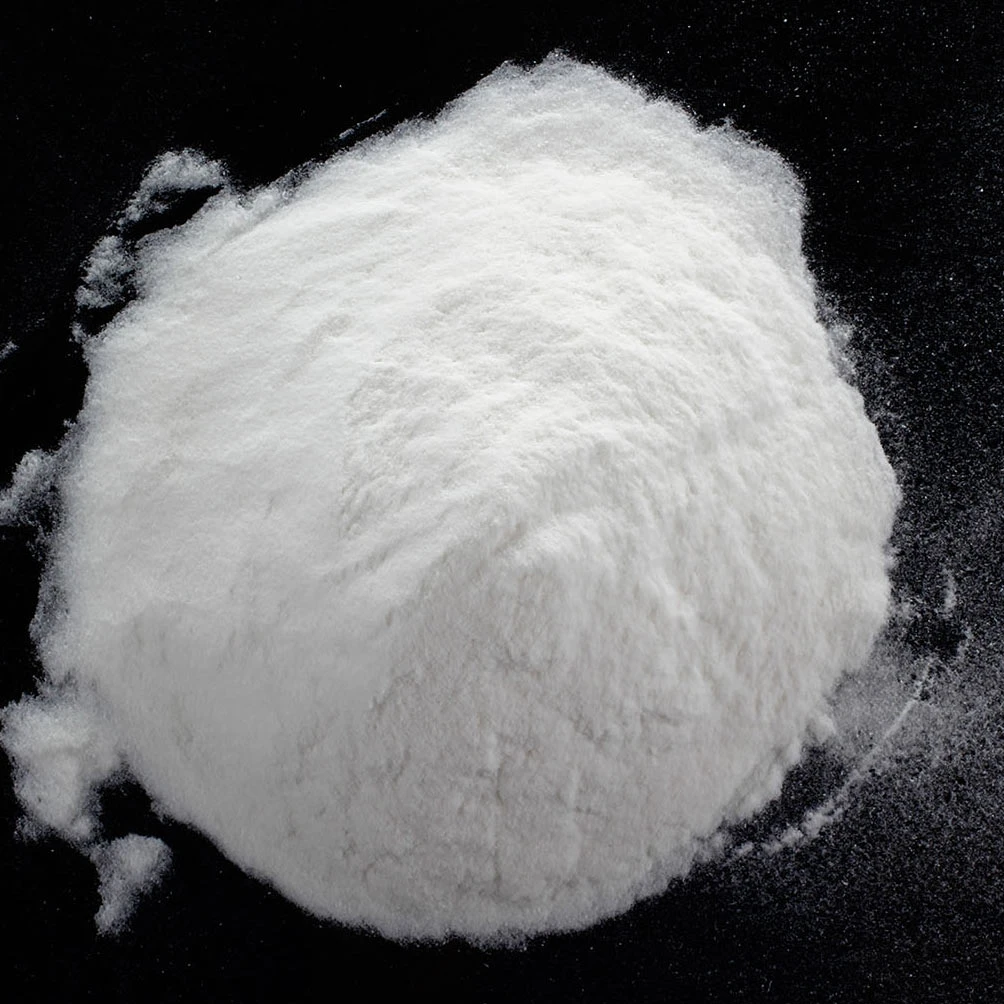
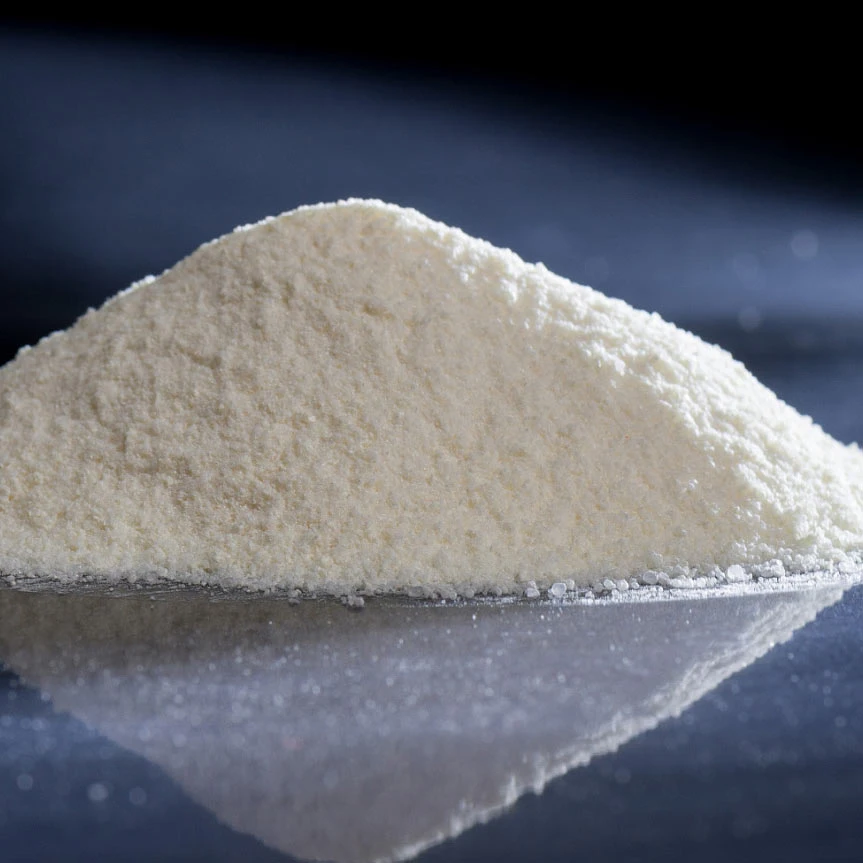
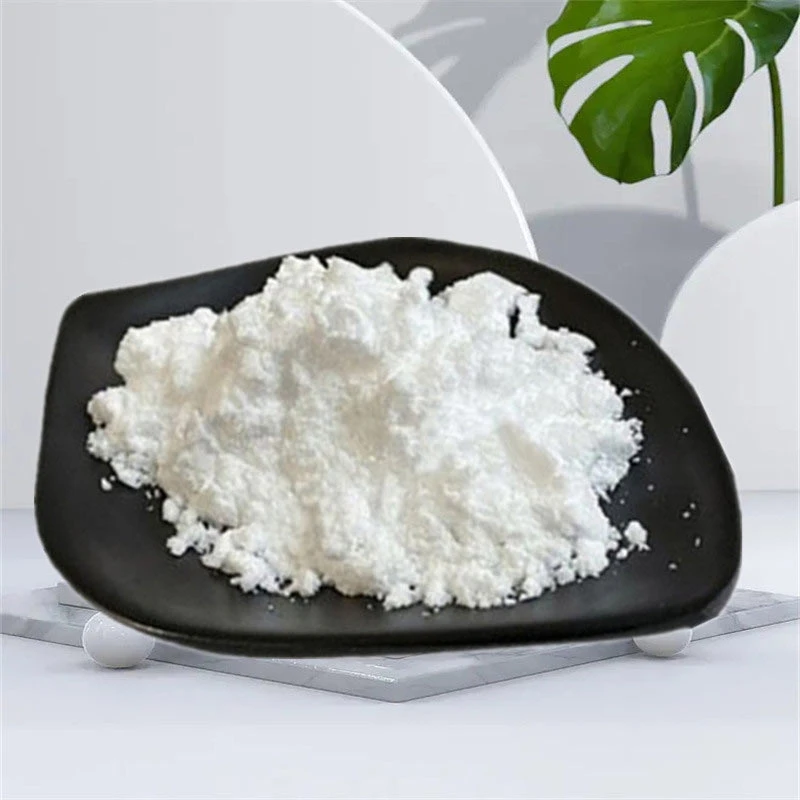
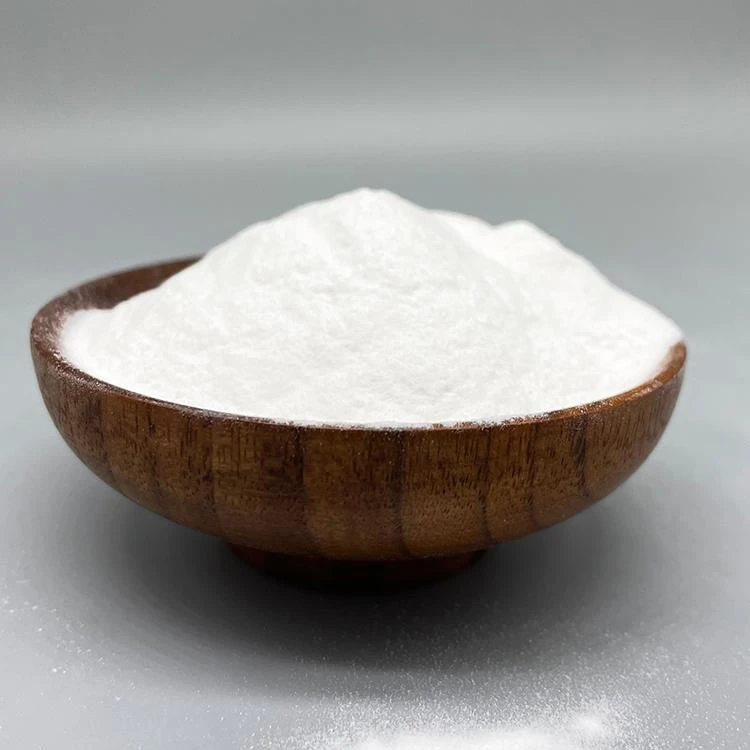
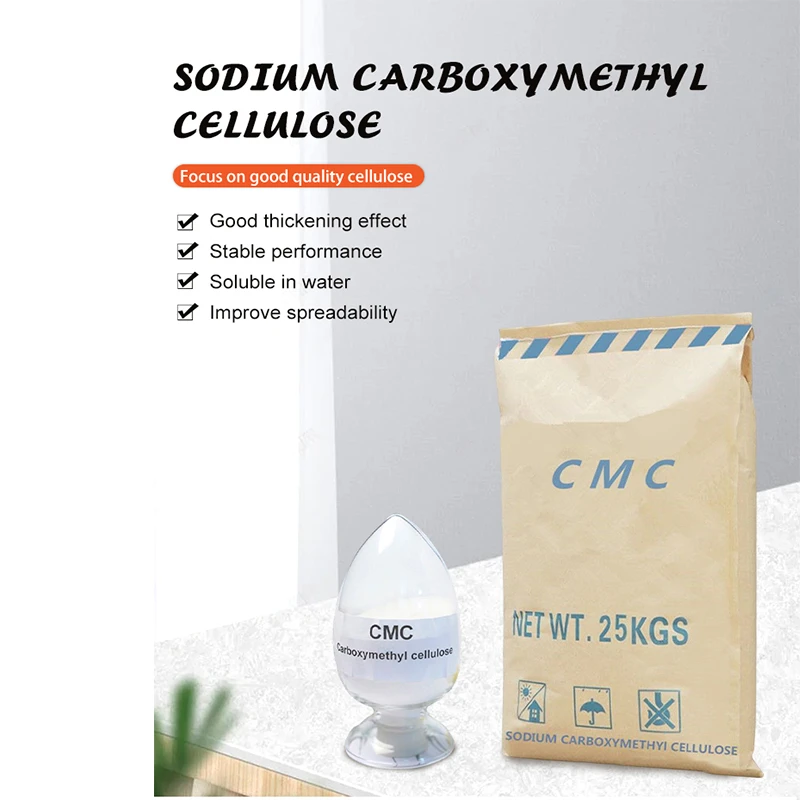
Sodium carboxymethyl cellulose (CMC) powder is a versatile cellulose derivative widely used across various industries, from food and pharmaceuticals to textiles and oil drilling. Its unique properties, including thickening, stabilizing, and binding capabilities, make it an essential ingredient in numerous applications. This article will delve into the characteristics, applications, grades, and sourcing of sodium carboxymethyl cellulose powder, providing a comprehensive overview for professionals and businesses. Understanding the nuances of CMC can lead to optimized product formulations and enhanced performance.
Understanding Sodium Carboxymethyl Cellulose (CMC)
CMC is a water-soluble polymer derived from cellulose. It’s produced by chemically modifying cellulose, typically obtained from wood pulp or cotton linters, through a carboxymethylation process. This process introduces carboxymethyl groups (-CH2COOH) onto the cellulose backbone, giving CMC its characteristic properties. The degree of substitution (DS), representing the average number of carboxymethyl groups per glucose unit, significantly influences the powder’s solubility and viscosity. Higher DS generally leads to greater solubility in cold water. It’s important to note that different grades of sodium carboxymethyl cellulose powder are available to cater to specific application requirements.
Key Highlights: A water-soluble polymer derived from cellulose, offering thickening, stabilizing, and binding properties. The degree of substitution (DS) impacts solubility and viscosity.
Applications of Sodium Carboxymethyl Cellulose Powder
The versatility of CMC stems from its diverse range of applications. In the food industry, it's used as a thickener, stabilizer, and emulsifier in ice cream, sauces, and baked goods. Pharmaceutical applications include tablet binding, viscosity control in suspensions, and as a suspending agent. In the oil drilling industry, CMC acts as a fluid loss control agent, increasing the viscosity of drilling mud. Textile industries utilize CMC for sizing and finishing processes. Its ability to form films and gels also makes it valuable in adhesives, paints, and paper coatings. Furthermore, CMC is even utilized in detergents and toothpaste as a stabilizer and thickener.
Application Areas:
• Food Industry (Thickener, Stabilizer)
• Pharmaceutical Industry (Tablet Binder, Viscosity Control)
• Oil Drilling (Fluid Loss Control)
• Textile Industry (Sizing, Finishing)
CMC Powder Grades and Their Characteristics
Different grades of sodium carboxymethyl cellulose powder are categorized based on their viscosity, degree of substitution (DS), and purity. Low viscosity grades are typically used in applications requiring free-flowing properties, while high viscosity grades provide greater thickening power. Different DS levels impact solubility and stability in various pH environments. Pharmaceutical grades require exceptionally high purity levels, adhering to strict regulatory standards. Selecting the appropriate grade is critical to achieving optimal performance in the intended application.
Sourcing High-Quality Sodium Carboxymethyl Cellulose Powder
When sourcing sodium carboxymethyl cellulose powder, it’s vital to partner with a reputable supplier like Tangzhi HPMC. Consider factors such as consistent quality, adherence to industry standards (USP, FCC, etc.), reliable supply chain, and competitive pricing. Requesting a Certificate of Analysis (COA) for each batch is crucial to verify the product’s specifications. Furthermore, a supplier’s technical support and expertise can be invaluable in optimizing the use of CMC in your specific application.

Factors Affecting CMC Performance
The performance of CMC is influenced by several factors, including pH, temperature, and the presence of salts. CMC is generally most stable in slightly alkaline conditions. High salt concentrations can reduce its viscosity. Temperature affects solubility and viscosity, with higher temperatures often leading to increased solubility but potentially reduced viscosity over time. Understanding these factors is crucial for formulating stable and effective products. The type of water used (deionized, tap water) can also influence CMC performance, as mineral content can affect its solubility and viscosity.
Conclusion: The Power of CMC
Sodium carboxymethyl cellulose powder is a remarkably versatile ingredient with a broad spectrum of applications. By understanding its properties, grades, and sourcing considerations, businesses can leverage its benefits to enhance product performance and achieve optimal results. Partnering with a trusted supplier like Tangzhi HPMC ensures access to high-quality CMC and expert technical support.
Frequently Asked Questions (FAQs)
What is the shelf life of Sodium Carboxymethyl Cellulose powder?
When stored properly in a cool, dry place, protected from direct sunlight, Sodium Carboxymethyl Cellulose powder typically has a shelf life of 2-5 years. Proper packaging, such as airtight containers, is essential to prevent moisture absorption. While the powder may remain usable beyond this period, its performance characteristics (viscosity, solubility) may degrade over time. It's recommended to conduct quality control tests before using older stock to ensure it meets your requirements.
Is CMC safe for use in food products?
Yes, Sodium Carboxymethyl Cellulose is generally recognized as safe (GRAS) by regulatory bodies like the FDA when used in accordance with good manufacturing practices. It's widely used in the food industry as a thickener, stabilizer, and emulsifier. However, it's crucial to use food-grade CMC that meets specific purity standards. The acceptable daily intake (ADI) is not specifically limited, indicating a low level of concern for toxicity at typical usage levels.
How do I dissolve CMC powder effectively?
CMC dissolves more effectively in cold water with continuous stirring. It's best to gradually add the powder to the water while mixing vigorously. Avoid adding CMC to hot water directly, as it can cause clumping. Using a high-shear mixer can expedite the dissolution process, particularly for higher viscosity grades. Allowing the mixture to hydrate for a period of time (e.g., 30-60 minutes) can also improve its consistency and clarity.
What is the difference between CMC and HPMC?
Both CMC and Hydroxypropyl Methylcellulose (HPMC) are cellulose derivatives, but they differ in their chemical structure and properties. HPMC is more soluble in a wider range of temperatures and pH levels than CMC. HPMC also exhibits excellent film-forming properties and thermal gelation. CMC is generally less expensive than HPMC. The choice between CMC and HPMC depends on the specific application requirements and desired characteristics.
-
HPMC High-Performance Thickener | Hebei TangzhiNewsMar.06,2026
-
Wholesale Water Reducing Admixture for Special Cement: Performance and Market InsightsNewsFeb.28,2026
-
The Complete Guide to HPMC: Types, Applications, Grades, and Manufacturing InsightsNewsFeb.28,2026
-
Redispersible Polymer Powder: Types, Applications, and Performance AdvantagesNewsFeb.28,2026
-
Hydroxymethyl Ethyl Cellulose (MHEC): Properties, Applications, and Market InsightsNewsFeb.28,2026
-
Hydroxyethyl Cellulose: Applications, Performance, and Buying GuideNewsFeb.28,2026