Cmc Carboxy Methyl Cellulose: Industrial Applications & Suppliers
Understanding Cmc Carboxy Methyl Cellulose for Industrial Applications
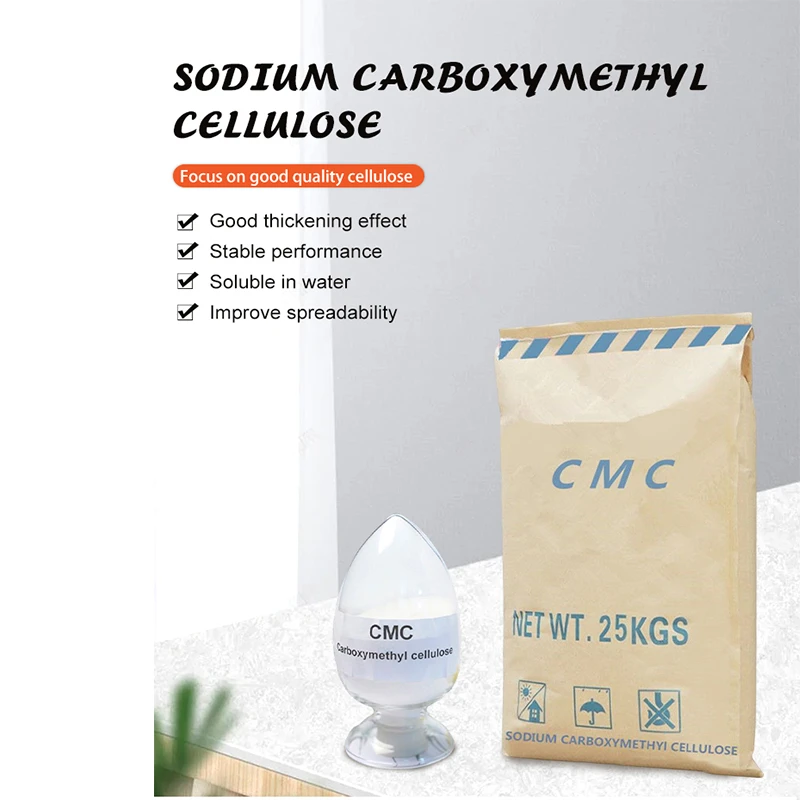
Cmc Carboxy Methyl Cellulose – it’s a mouthful, I know. But frankly, it’s become a pretty crucial component in a lot of industrial processes, particularly where viscosity modification, suspension, and binding are needed. You see it in everything from detergents to textiles, even oil drilling. I’ve spent the last few weeks digging into the specifics, trying to understand why it’s become so ubiquitous, and what makes a good source – like Tangzhi HPMC. It’s more than just a thickening agent, you know… it’s about control and performance.
Table of Contents
- Cmc Carboxy Methyl Cellulose: A Deep Dive
- Applications & Advantages
- Cost, Performance & Alternatives
- Sustainability & Future Trends
Cmc Carboxy Methyl Cellulose: A Deep Dive
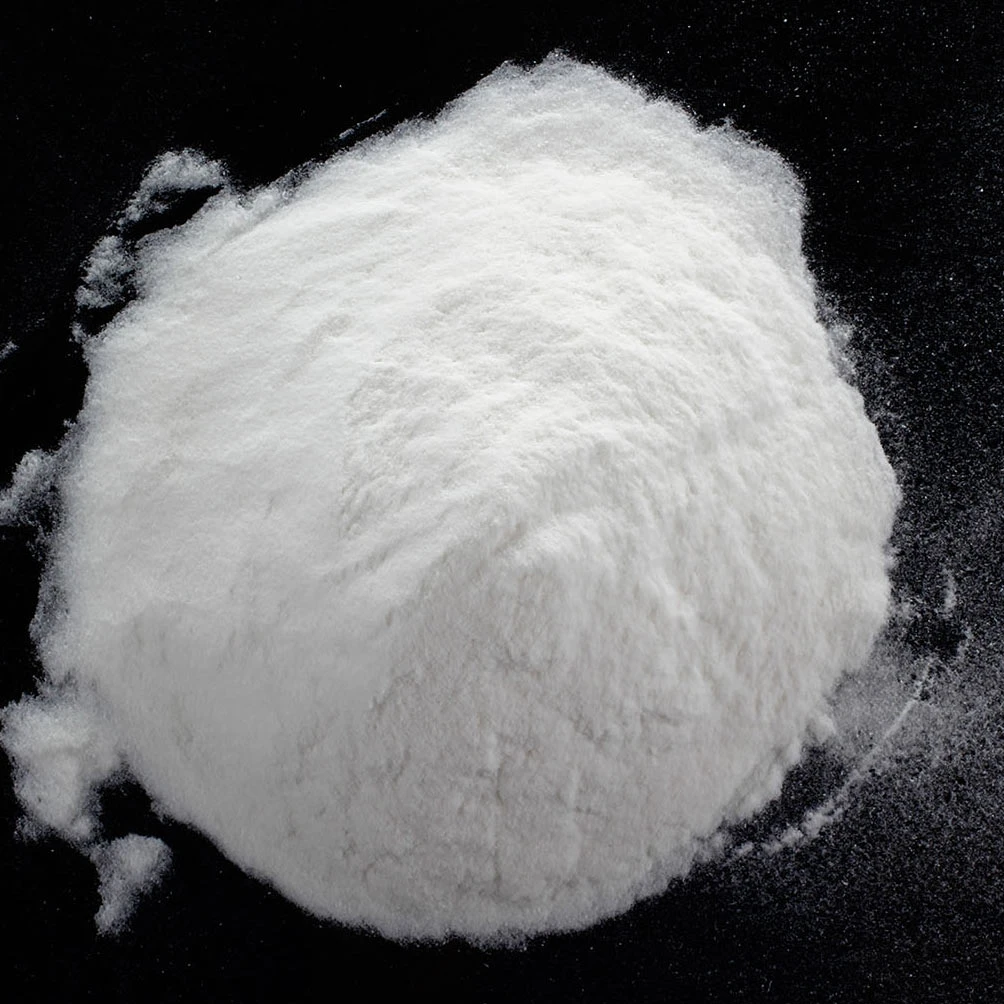
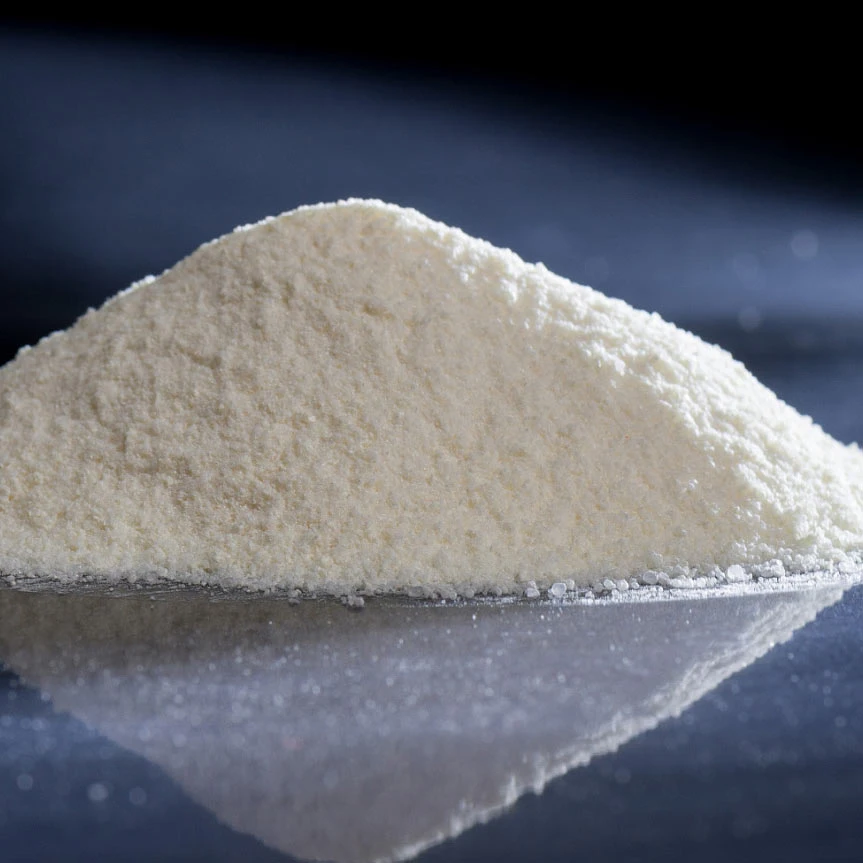
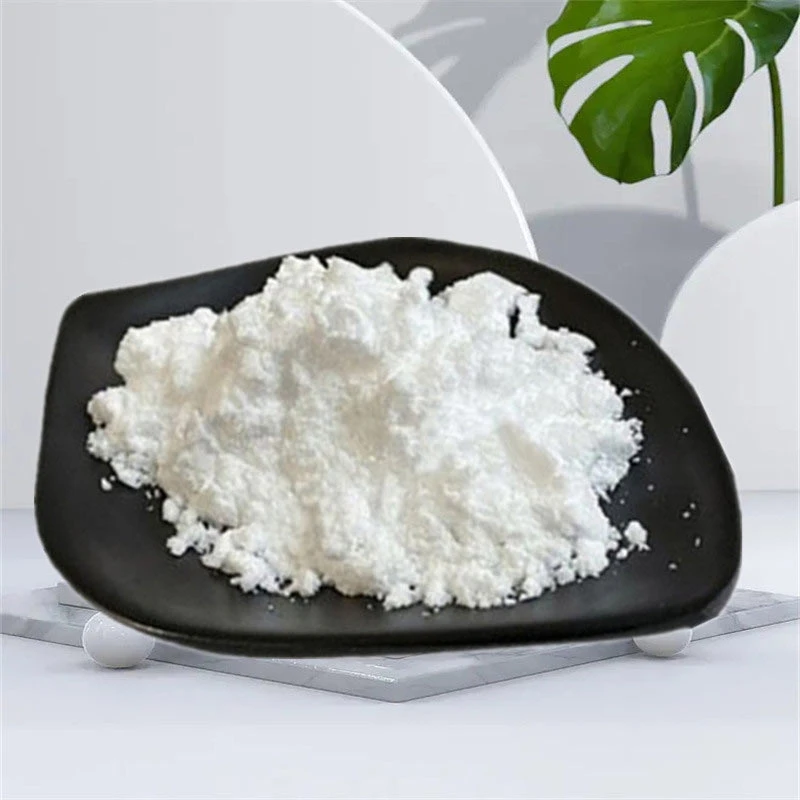
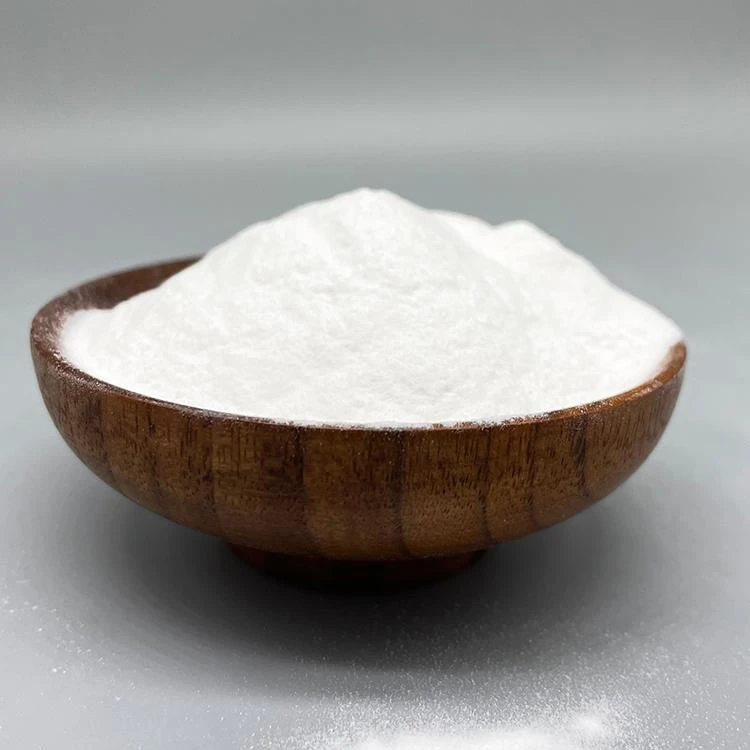
So, what is it? Cmc is essentially cellulose – from plant fibers, usually wood pulp – chemically modified with carboxymethyl groups. This gives it a remarkable ability to dissolve in water and create a viscous solution. The degree of substitution (DS) – how many carboxymethyl groups attach – impacts the viscosity and other properties. Higher DS generally means higher viscosity. Oddly enough, it’s not a new invention, dating back to the early 20th century, but ongoing refinements in manufacturing and purity are constantly expanding its applications. Here’s a quick rundown of typical specs, based on what I've been seeing:
| Property | Typical Value | Test Method |
|---|---|---|
| Viscosity (2% solution) | 6000-12000 mPa·s | Brookfield Viscometer |
| Degree of Substitution | 0.6-1.2 | Alkali Titration |
| Moisture Content | Karl Fischer Titration |
Applications & Advantages
The applications are vast. In the oil and gas industry, it’s a key component of drilling fluids, helping to control viscosity and suspend drilling cuttings. In textiles, it's used as a sizing agent and thickener for printing pastes. I suppose the really interesting thing is how adaptable it is. I was talking to an engineer at a ceramics plant recently, and they're using it to improve the green strength of ceramic bodies, reducing breakage during handling. That was a new one for me! The advantages are pretty clear: it’s relatively inexpensive, readily available, and provides excellent control over rheology. Plus, it’s generally considered non-toxic, which is a big plus in many applications.
Cost, Performance & Alternatives
Cost-wise, Cmc is usually quite competitive compared to other thickeners or suspending agents like guar gum or synthetic polymers. However, performance can vary significantly depending on the grade and manufacturer. Lower-quality Cmc can have inconsistent viscosity or contain impurities. There are alternatives, of course. Polyacrylic acid, for example, offers similar thickening properties. But it’s often more expensive and can be less stable at high temperatures. Here’s a quick look at how some vendors stack up, based on my research:
| Vendor | Price (USD/kg) | Purity | Lead Time |
|---|---|---|---|
| Tangzhi HPMC | $2.50 - $4.00 | >99% | 7-10 days |
| Dow Chemical | $3.00 - $5.50 | >98% | 10-14 days |
| Ashland | $3.50 - $6.00 | >98.5% | 14-21 days |
Sustainability & Future Trends
Sustainability is becoming increasingly important, and Cmc has a relatively good story to tell here. It's derived from a renewable resource – wood pulp – and is biodegradable. Of course, the sourcing of that wood pulp is crucial, and responsible forestry practices are key. I've noticed a growing trend towards using Cmc in more sustainable formulations, like eco-friendly detergents and bioplastics. It feels like the focus is shifting from just functionality to a broader consideration of environmental impact. Regulations are also tightening, pushing industries towards greener alternatives.
Frequently Asked Questions about Cmc Carboxy Methyl Cellulose
- What is Cmc Carboxy Methyl Cellulose and how does it work?
- Cmc is a cellulose derivative that dissolves in water to create a viscous solution, acting as a thickener, stabilizer, and suspending agent. Its molecular structure allows it to bind with water molecules, increasing the fluid's resistance to flow.
- What are the main benefits of using Cmc Carboxy Methyl Cellulose in industrial applications?
- The key benefits include excellent viscosity control, stability in various formulations, cost-effectiveness, and non-toxicity, making it ideal for diverse industrial processes.
- How does Cmc Carboxy Methyl Cellulose compare to traditional alternatives?
- Compared to alternatives like guar gum or synthetic polymers, Cmc often offers a better balance of cost, performance, and sustainability, particularly when consistency and purity are critical.
- What industries can benefit most from Cmc Carboxy Methyl Cellulose implementation?
- Industries such as oil and gas, textiles, ceramics, detergents, and pharmaceuticals all leverage Cmc for its unique properties and versatile applications.
Conclusion on Cmc Carboxy Methyl Cellulose from china
Ultimately, Cmc Carboxy Methyl Cellulose is a remarkably versatile material. Choosing the right supplier – and paying attention to factors like purity and consistency – is critical. It's not just about the price, you know; it’s about getting a product that will consistently perform. Explore options at https://www.tangzhihpmc.com.
- Get the right grade for your application.
-
HPMC High-Performance Thickener | Hebei TangzhiNewsMar.06,2026
-
Wholesale Water Reducing Admixture for Special Cement: Performance and Market InsightsNewsFeb.28,2026
-
The Complete Guide to HPMC: Types, Applications, Grades, and Manufacturing InsightsNewsFeb.28,2026
-
Redispersible Polymer Powder: Types, Applications, and Performance AdvantagesNewsFeb.28,2026
-
Hydroxymethyl Ethyl Cellulose (MHEC): Properties, Applications, and Market InsightsNewsFeb.28,2026
-
Hydroxyethyl Cellulose: Applications, Performance, and Buying GuideNewsFeb.28,2026