Cmc In Drilling Mud: A Comprehensive Guide for B2B Decision Makers
Understanding Cmc In Drilling Mud for Optimal Performance
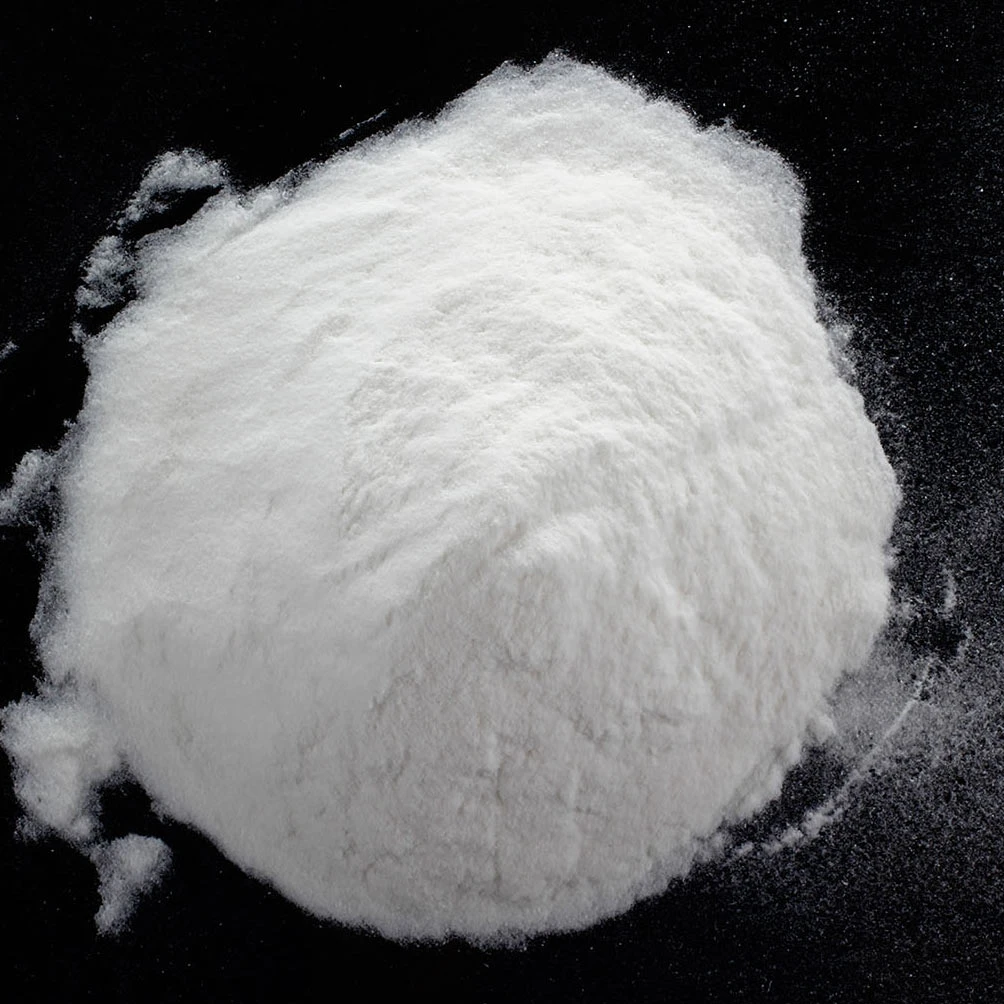
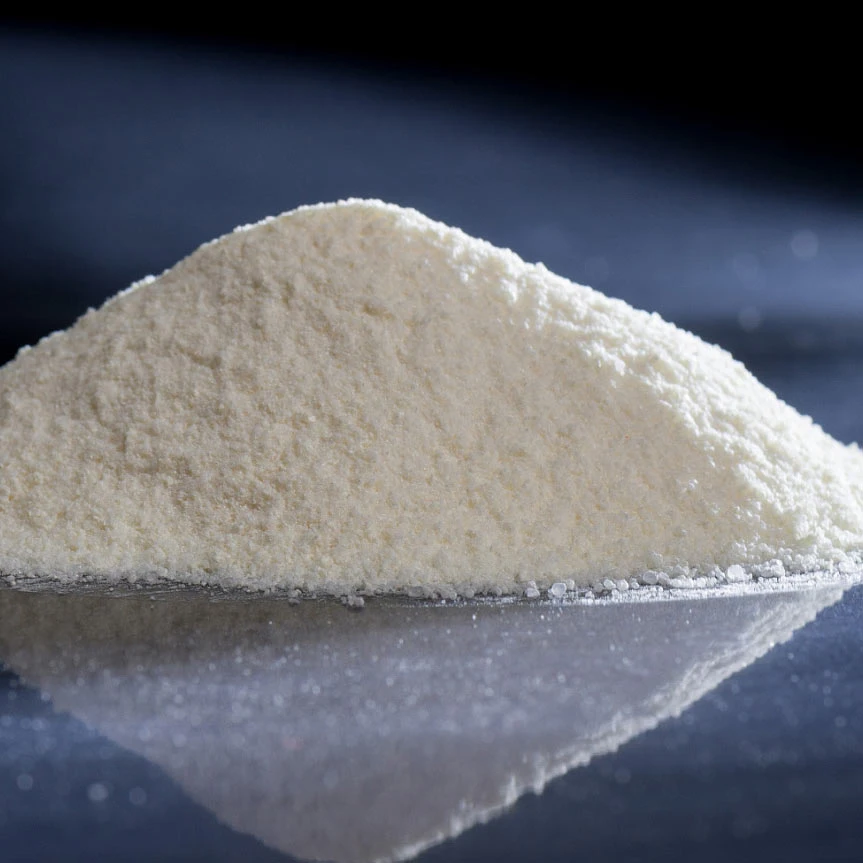
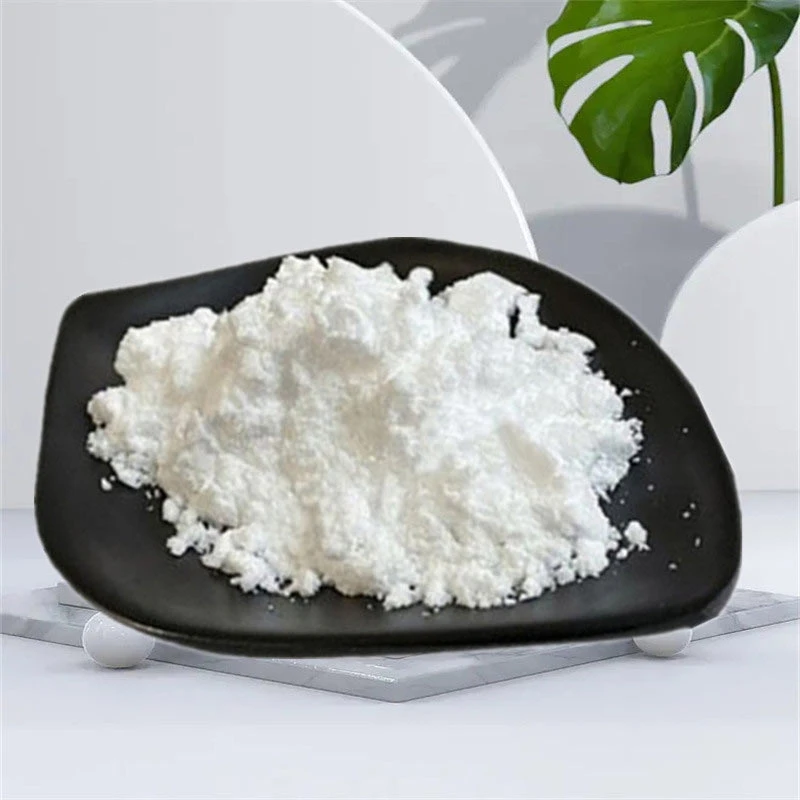
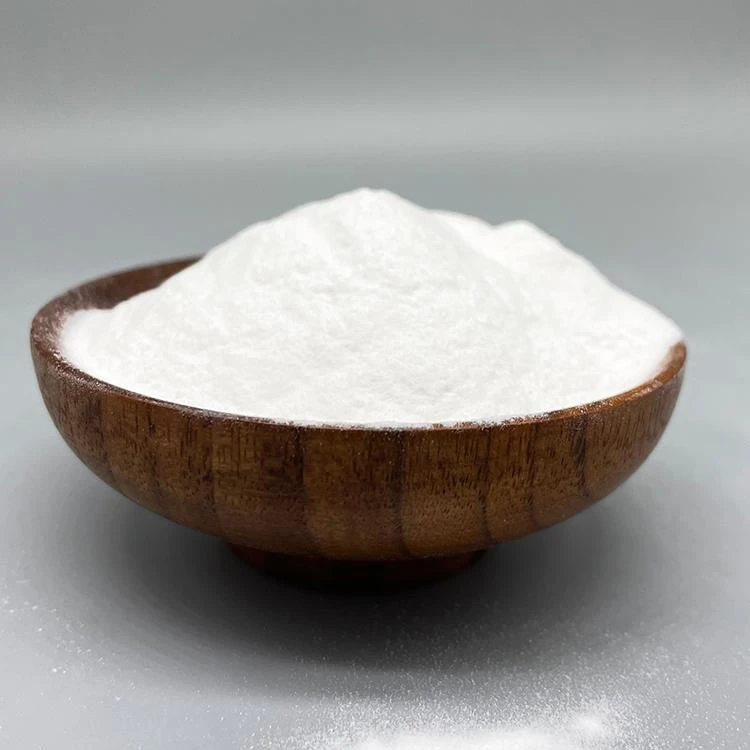
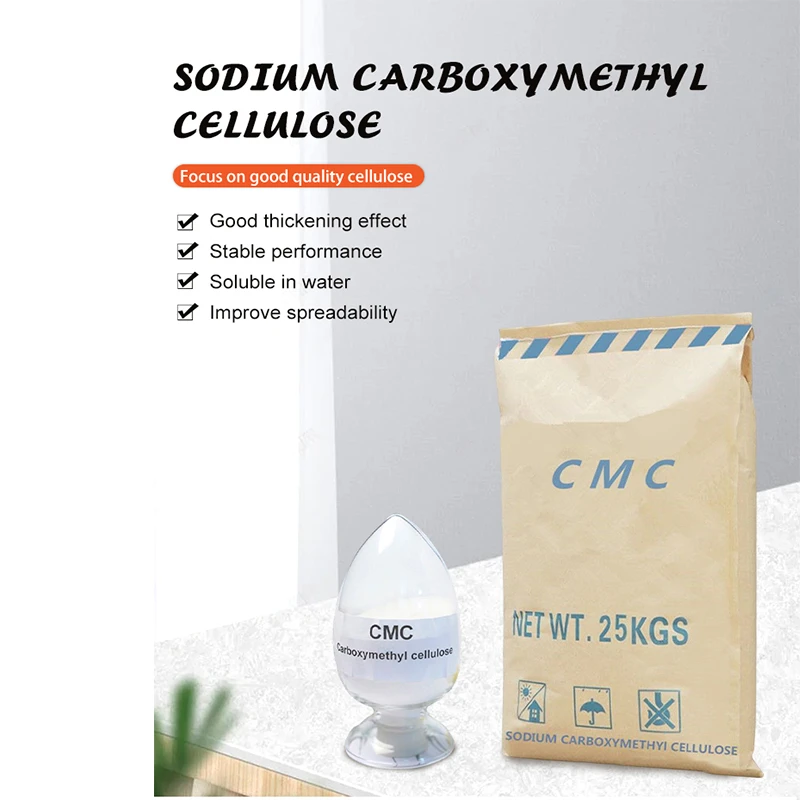
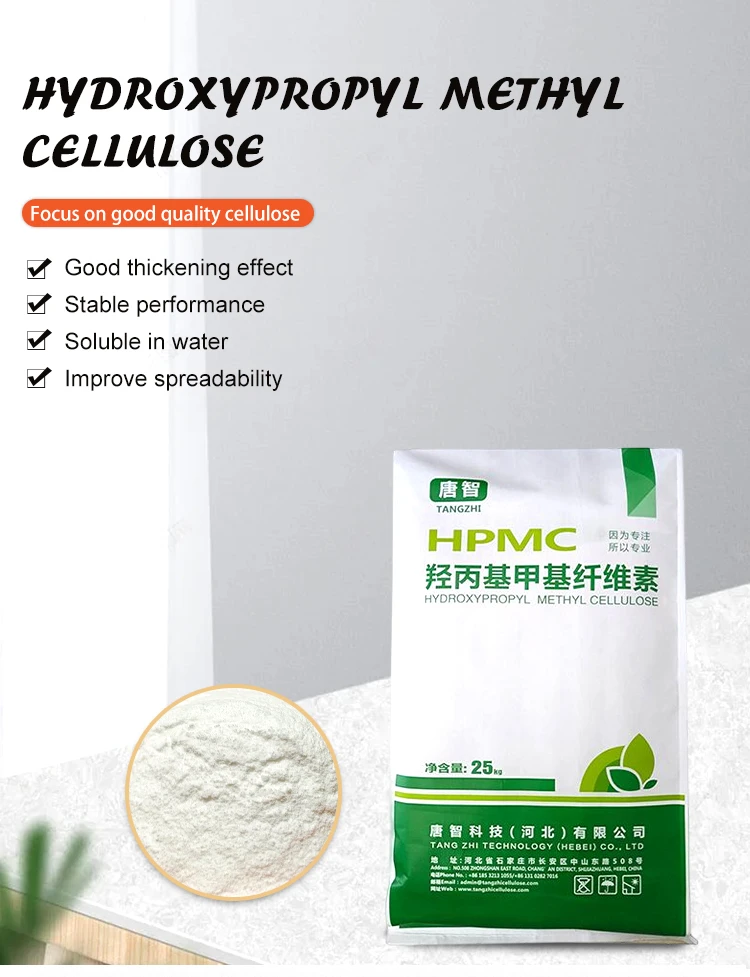
Cmc In Drilling Mud is, frankly, a cornerstone of modern drilling operations. It's not flashy, but without it, things get…complicated. You're looking at controlling viscosity, preventing fluid loss, and keeping boreholes stable. It’s a surprisingly delicate balance, and that’s where the quality of the CMC – carboxymethyl cellulose – really comes into play. Tangzhi HPMC, as you’ll see, focuses on delivering consistently high-performing CMC solutions.
Table of Contents
- Cmc In Drilling Mud: The Basics
- Applications & Benefits
- Cost & Performance Considerations
- Sustainability & Future Trends
Cmc In Drilling Mud: The Basics
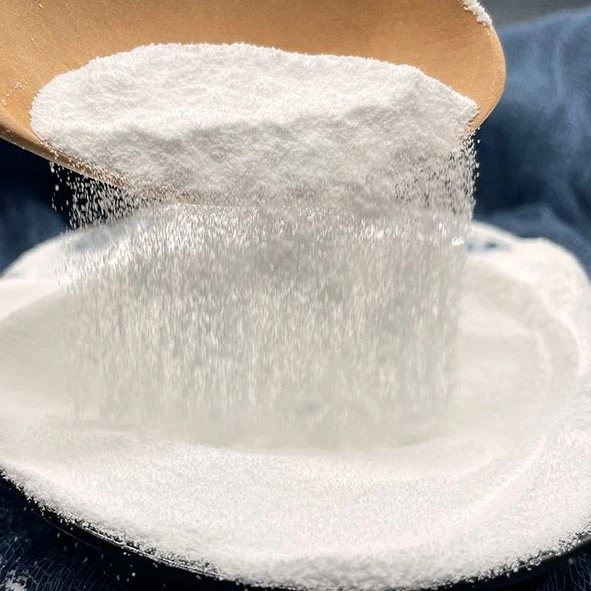
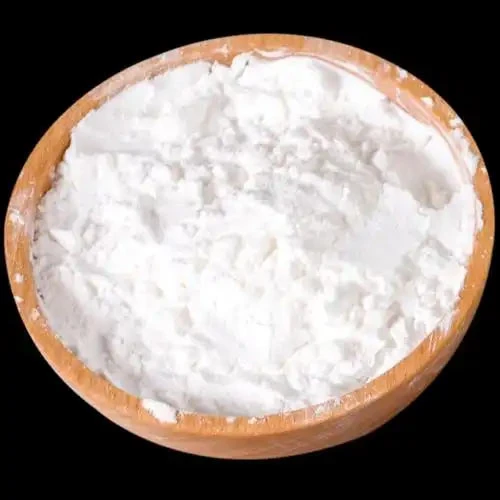
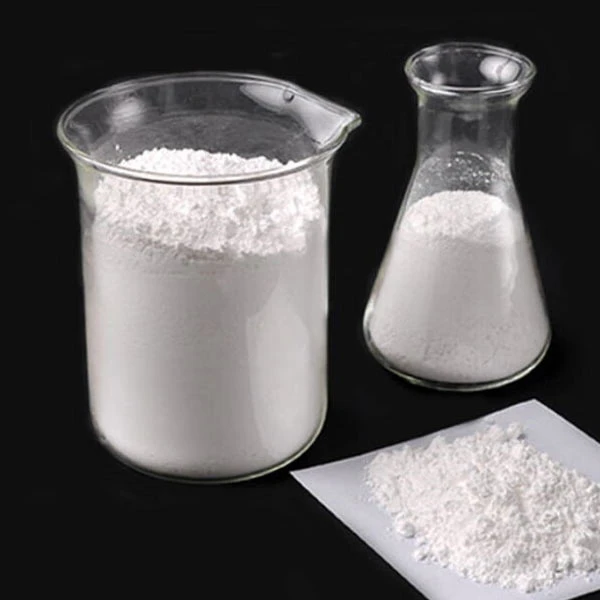
Okay, so what is it, exactly? Cmc in drilling mud acts as a viscosifier, thinning agent, and filtration control additive. It’s a cellulose derivative, meaning it comes from plant matter, which is… good for a start, I suppose, from a sustainability perspective. The key is the degree of substitution – how many carboxymethyl groups are attached to the cellulose backbone. That controls the properties. Tangzhi HPMC offers different grades tailored to specific drilling conditions. Here's a quick look at the specs of their standard offering:
| Property | Value | Test Method |
|---|---|---|
| Viscosity (Brookfield) | 20-30 cP (1% solution) | ASTM D2196 |
| Filtration Loss | API RP 13B-2 | |
| Particle Size | Sieve Analysis |
Applications & Benefits
The applications are broad. Oil and gas drilling is the big one, obviously. But it’s also used in water well drilling, geotechnical investigations, and even horizontal directional drilling. The benefits? Improved borehole stability, reduced fluid loss (which saves money!), and enhanced cuttings transport. Frankly, cuttings transport is huge. If you can’t get those bits out of the hole, you’re in trouble. I’ve seen rigs shut down for days because of that. Tangzhi HPMC’s CMC formulations are designed to maximize those benefits, even in challenging downhole conditions. They’ve really dialed in the particle size distribution for optimal suspension.
Cost & Performance Considerations
Let’s talk money. It's not just about the upfront cost of the Cmc In Drilling Mud, it’s about the total cost of ownership. A cheaper product that fails prematurely or requires more frequent application isn't actually saving you anything. I spoke with an engineer at a shale gas operation last year (he asked to remain anonymous, of course) and he told me they switched to Tangzhi HPMC specifically because of the reduced fluid loss and improved wellbore stability, which translated to fewer lost circulation events – big savings. Here’s a quick vendor comparison, based on publicly available information (and some anecdotal evidence…):
| Vendor | Price (per ton) | Typical Viscosity | Technical Support |
|---|---|---|---|
| Tangzhi HPMC | $800 - $1200 | 25-35 cP | Excellent |
| Competitor A | $700 - $900 | 20-30 cP | Average |
| Competitor B | $900 - $1400 | 30-40 cP | Good |
Sustainability & Future Trends
The industry is, slowly but surely, moving towards more sustainable practices. Using a cellulose-based product like CMC is a step in the right direction, but it’s not a silver bullet. Many engineers are looking at minimizing waste, reducing water usage, and exploring biodegradable additives. I suppose the future will see even more focus on environmentally friendly drilling fluids, and companies like Tangzhi HPMC are positioning themselves to meet that demand. The push for tighter regulations on fluid disposal is definitely a major driver.
Frequently Asked Questions about Cmc In Drilling Mud
- What is Cmc In Drilling Mud and how does it work?
- Cmc In Drilling Mud is a water-soluble polymer derived from cellulose. It increases the viscosity of drilling fluids, improving their ability to carry cuttings and control fluid loss into the formation.
- What are the main benefits of using Cmc In Drilling Mud in industrial applications?
- Key benefits include enhanced borehole stability, reduced fluid loss, improved cuttings transport, and cost-effectiveness due to optimized drilling performance.
- How does Cmc In Drilling Mud compare to traditional alternatives?
- Compared to traditional polymers, Cmc In Drilling Mud often offers superior filtration control and cuttings suspension at a competitive price point. It’s also considered a more environmentally friendly option.
- What industries can benefit most from Cmc In Drilling Mud implementation?
- The oil and gas industry, water well drilling, geotechnical engineering, and horizontal directional drilling are among the primary sectors that benefit from using Cmc In Drilling Mud.
Conclusion on Cmc In Drilling Mud from china
Ultimately, selecting the right CMC for your drilling operation comes down to understanding your specific needs and choosing a supplier you can trust. Tangzhi HPMC offers a range of formulations and a commitment to quality that sets them apart. Don't underestimate the power of a well-formulated drilling fluid – it can save you time, money, and a whole lot of headaches. Visit our website: https://www.tangzhihpmc.com
- Quality CMC leads to efficient and stable drilling operations.
-
HPMC High-Performance Thickener | Hebei TangzhiNewsMar.06,2026
-
Wholesale Water Reducing Admixture for Special Cement: Performance and Market InsightsNewsFeb.28,2026
-
The Complete Guide to HPMC: Types, Applications, Grades, and Manufacturing InsightsNewsFeb.28,2026
-
Redispersible Polymer Powder: Types, Applications, and Performance AdvantagesNewsFeb.28,2026
-
Hydroxymethyl Ethyl Cellulose (MHEC): Properties, Applications, and Market InsightsNewsFeb.28,2026
-
Hydroxyethyl Cellulose: Applications, Performance, and Buying GuideNewsFeb.28,2026