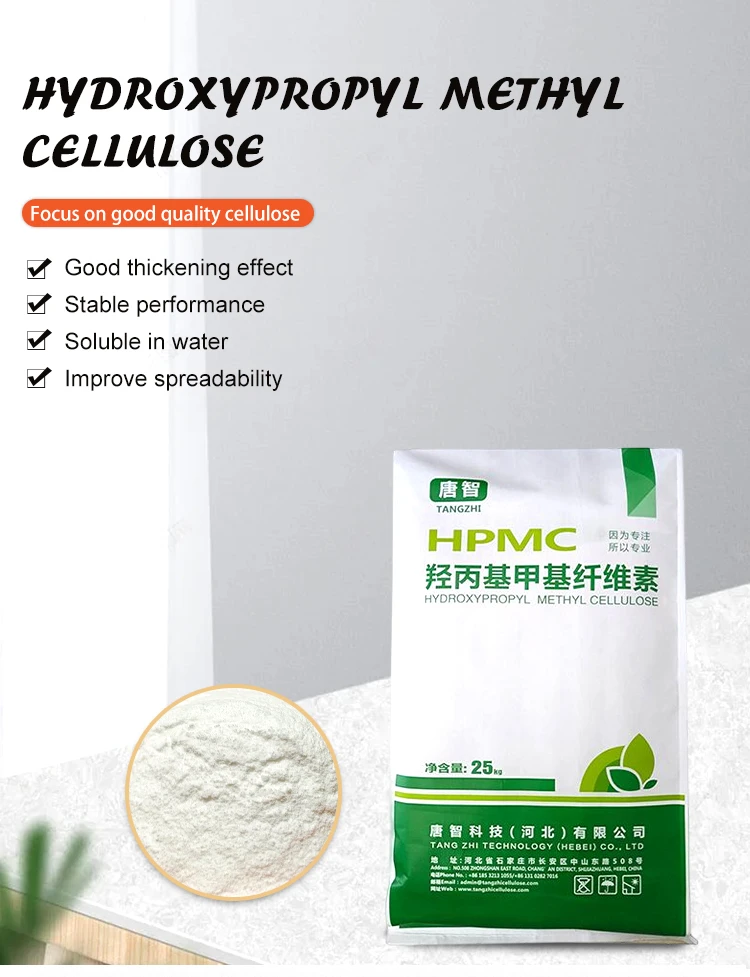
Comprehensive Guide to Polyvinyl Alcohol for Sale and Industrial Applications
Polyvinyl Alcohol for Sale: A Comprehensive Guide
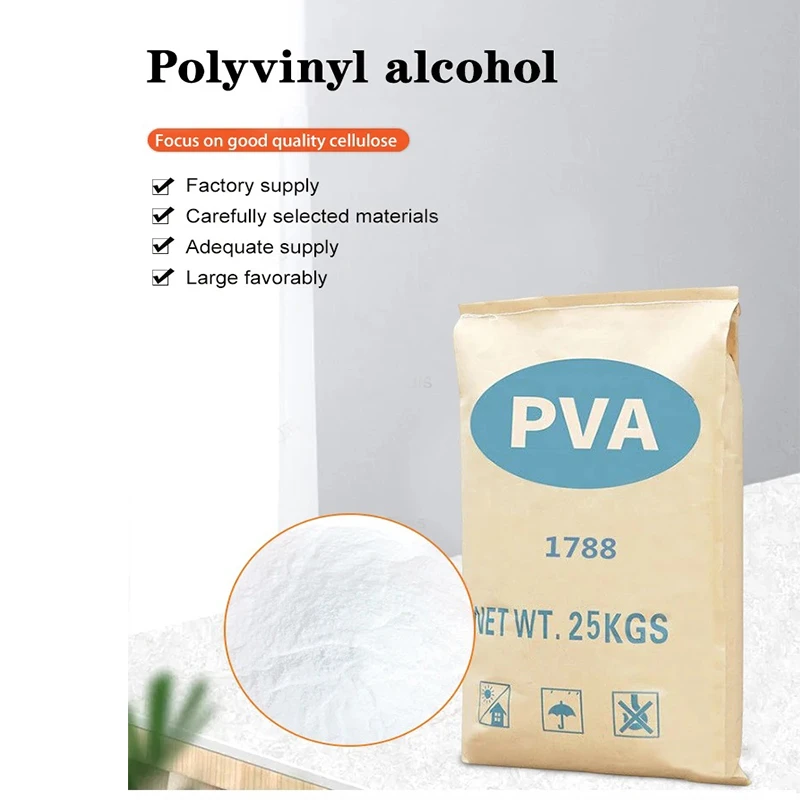
Polyvinyl Alcohol (PVA) is a versatile synthetic polymer with a wide range of industrial applications. Its water solubility, film-forming properties, and emulsifying capabilities make it a crucial component in textiles, adhesives, paper coatings, and more. Finding a reliable PVA supplier is essential for businesses seeking consistent quality and competitive pricing. This guide provides an overview of PVA, its uses, key considerations when purchasing, and why Tangzhi HPMC is a trusted source.
Understanding Polyvinyl Alcohol (PVA)
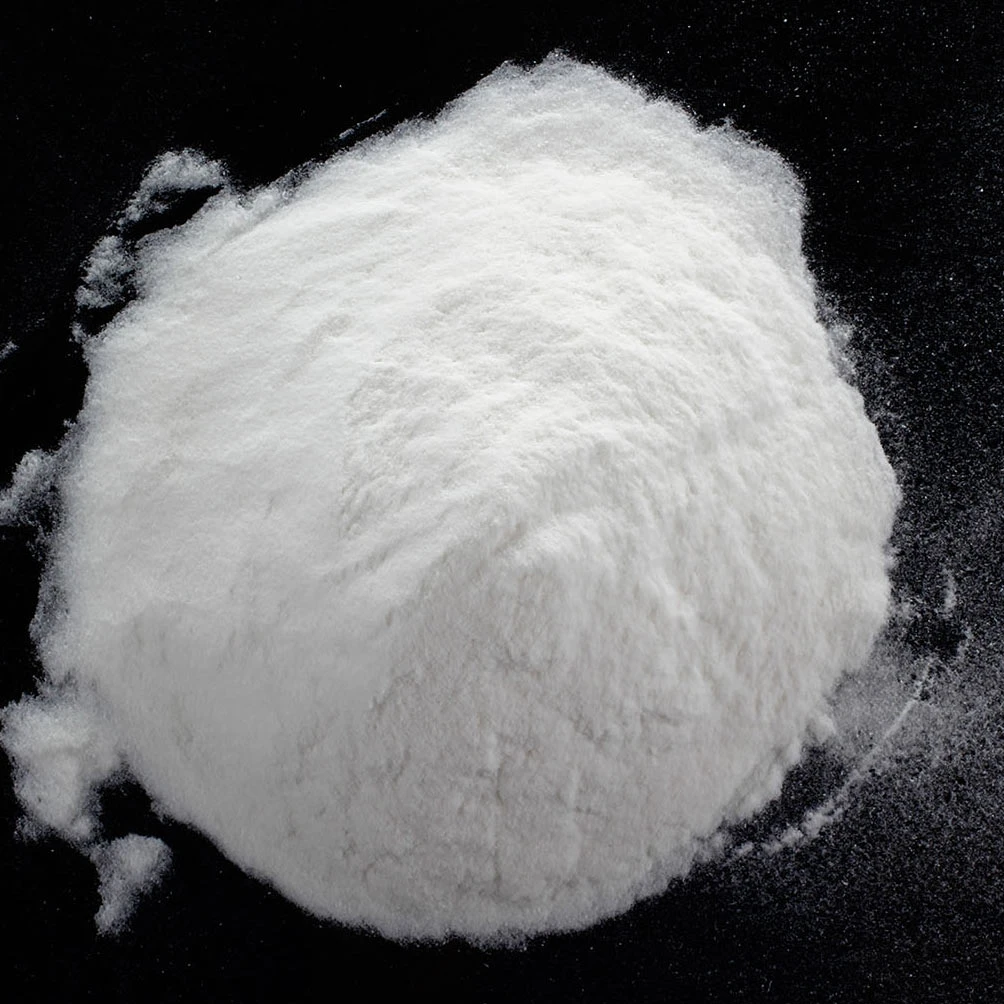
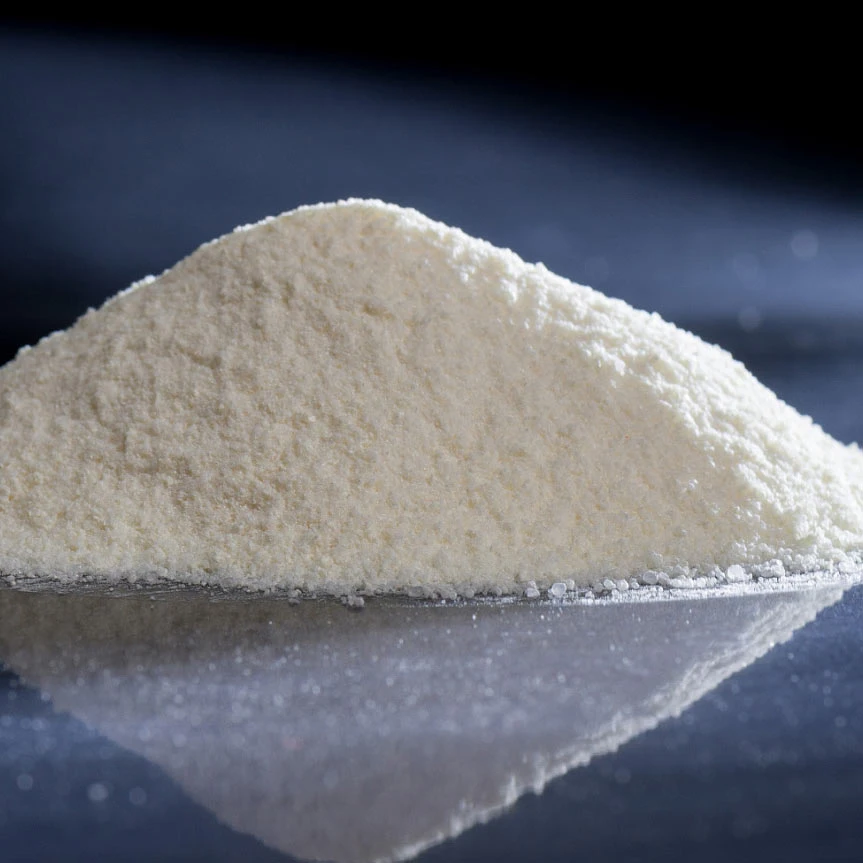
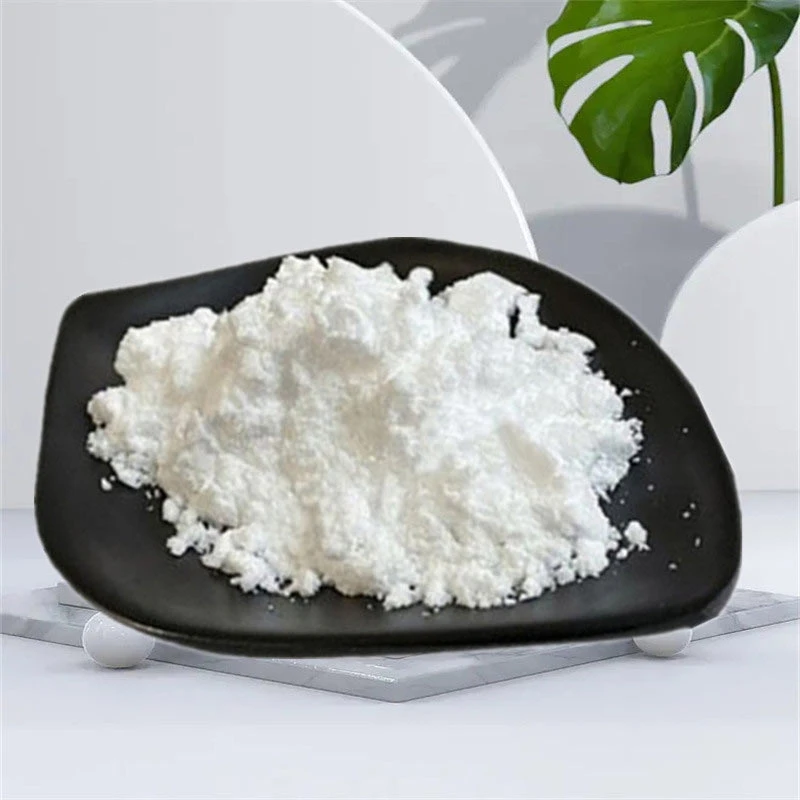
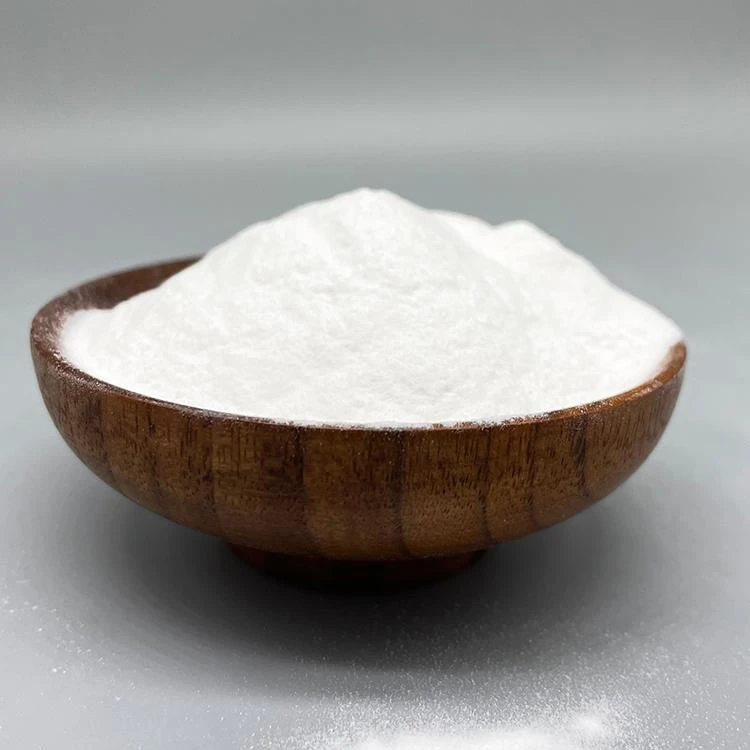
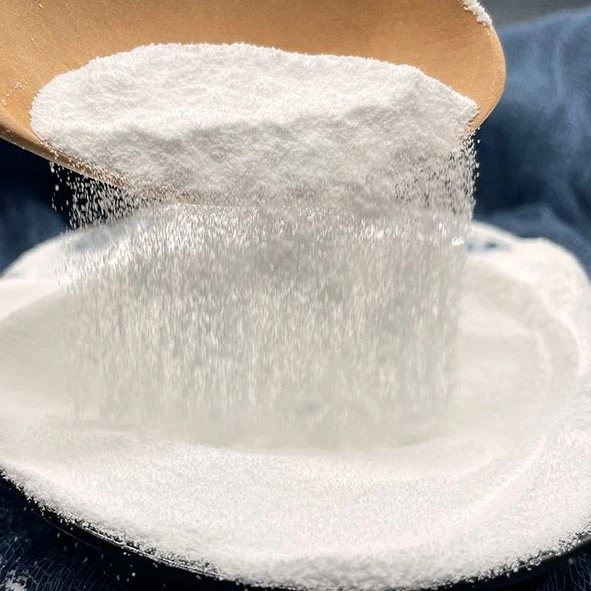
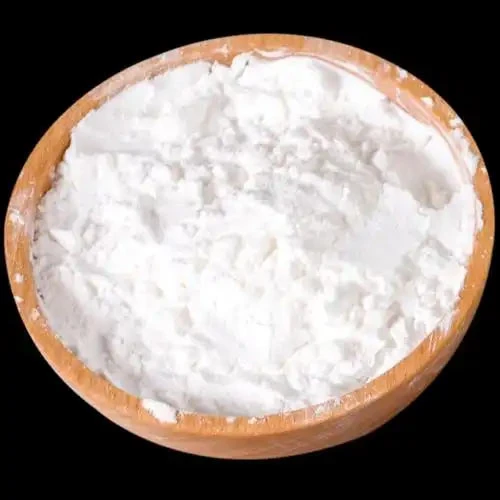
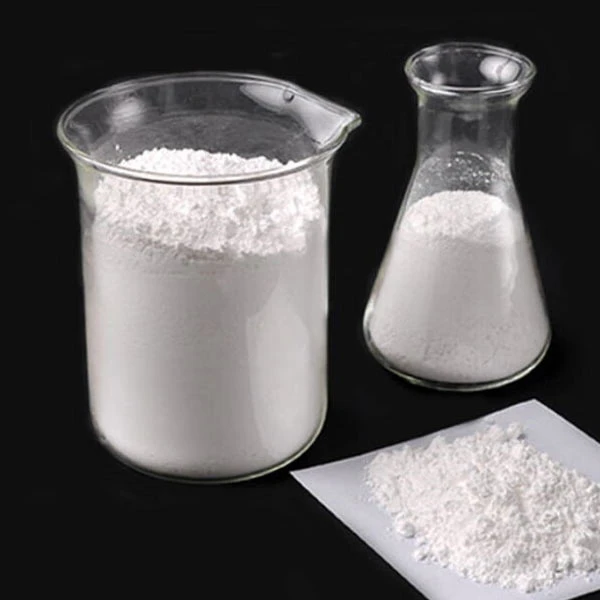
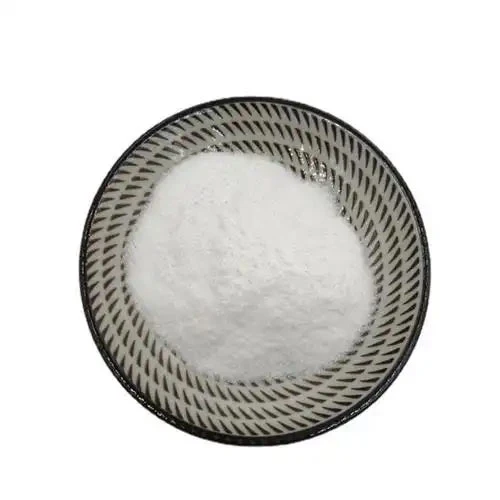
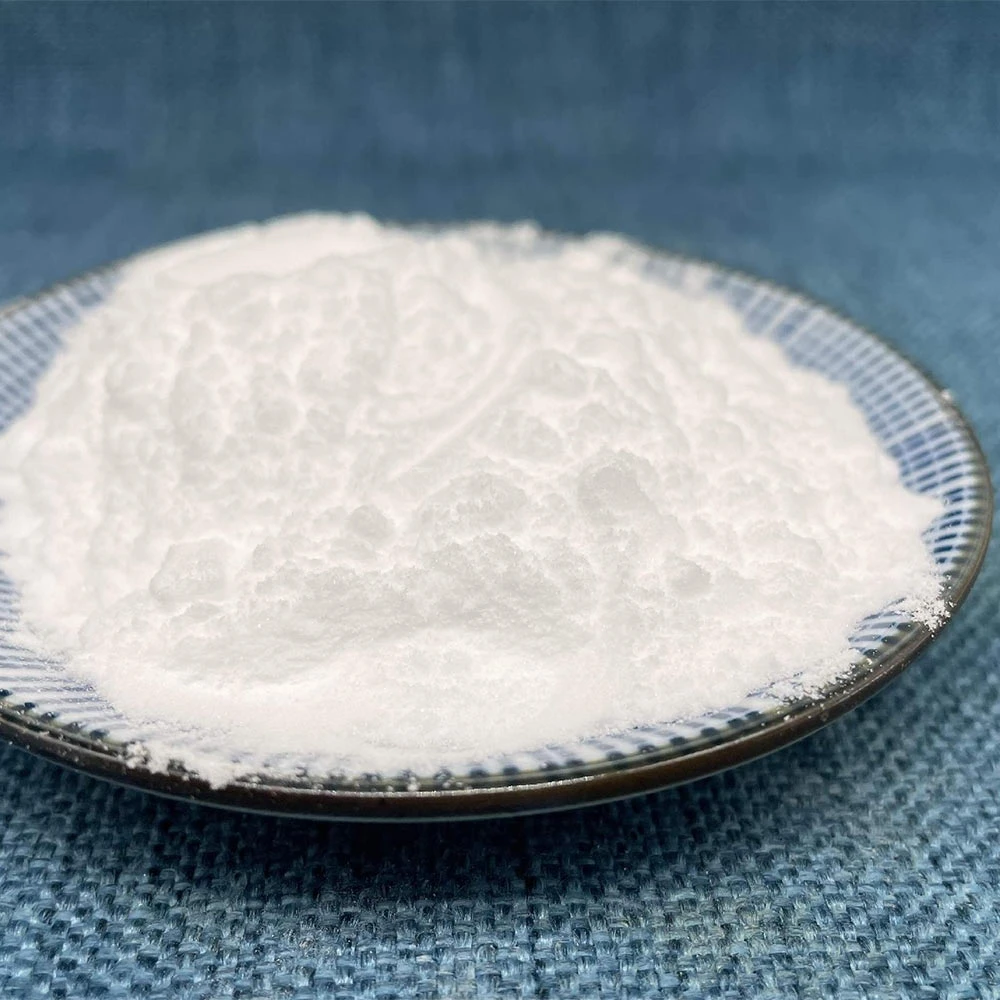
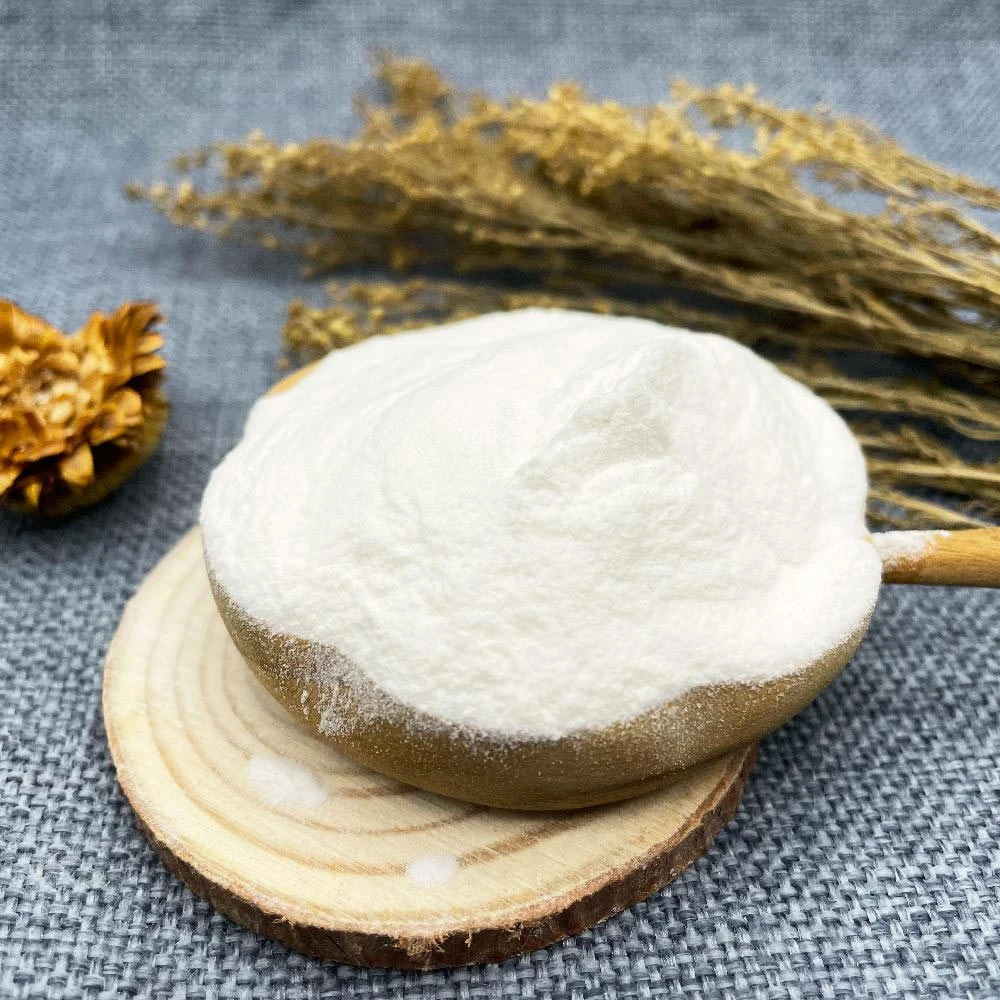
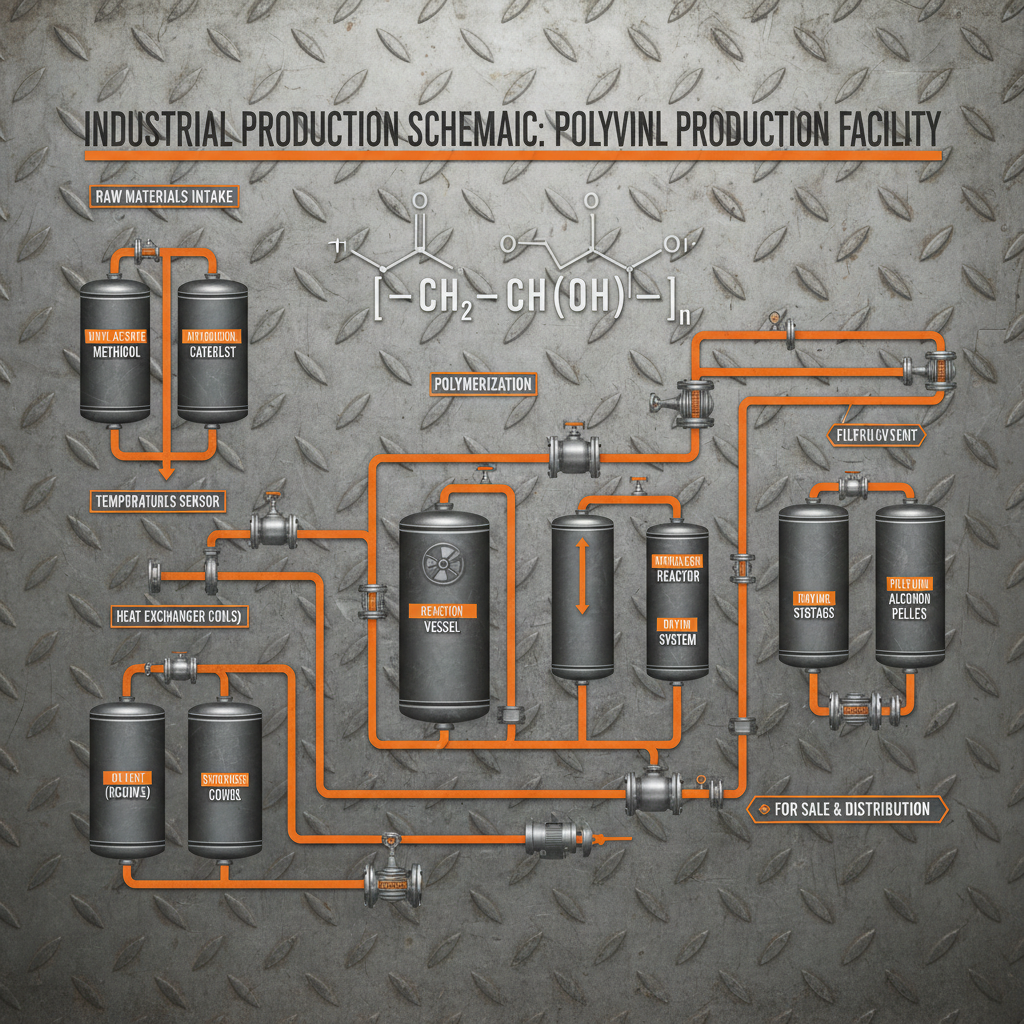
PVA is produced through the polymerization of vinyl acetate followed by hydrolysis. The degree of hydrolysis significantly affects its properties, influencing its solubility and viscosity. Fully hydrolyzed PVA is highly water-soluble, while partially hydrolyzed PVA retains some of its hydrophobic characteristics. Different grades of PVA are available, categorized by their molecular weight and degree of hydrolysis, catering to specific application needs. It is often found as white or cream-colored granules or powders, and is known for its non-toxic nature, making it safe for various consumer applications.
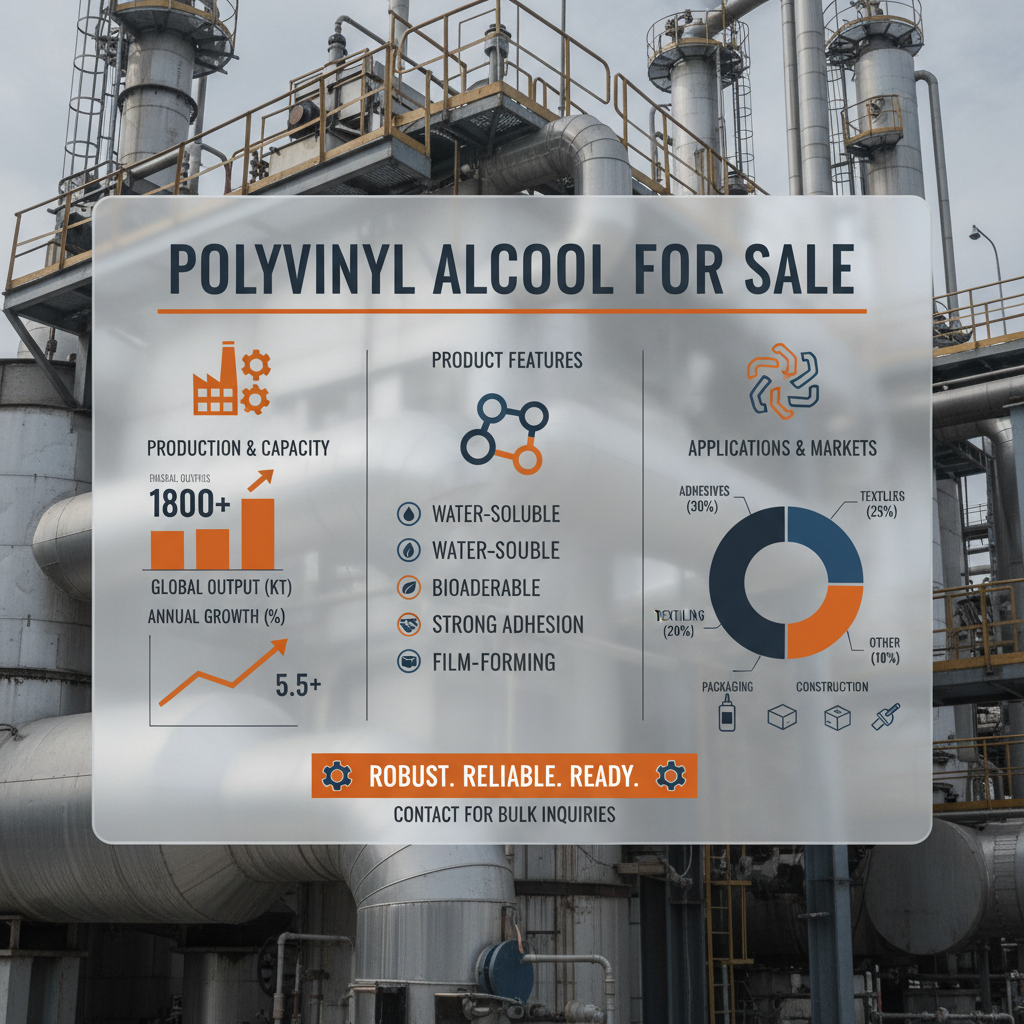
Key Properties: Water solubility, excellent film-forming ability, strong adhesion, chemical resistance, and biocompatibility.
Key Applications of Polyvinyl Alcohol
The versatility of PVA makes it a valuable ingredient across numerous industries. In the textile industry, it’s used as a warp sizing agent to strengthen yarns. Adhesive manufacturers leverage its strong bonding properties for paper, wood, and packaging applications. PVA also plays a crucial role in paper coatings, improving printability and surface smoothness. Furthermore, it finds applications in construction materials, ceramics, and even medical applications due to its biocompatibility.
Common PVA Applications:
• Textile warp sizing
• Adhesives (paper, wood, packaging)
• Paper coatings
• Construction materials
Polyvinyl Alcohol for Sale: Choosing the Right Grade
Selecting the appropriate PVA grade is critical for achieving optimal performance. Factors to consider include the degree of hydrolysis, molecular weight, and viscosity. Higher molecular weight PVA generally exhibits greater strength and viscosity, while a higher degree of hydrolysis leads to increased water solubility. Understanding your specific application requirements will guide you towards the most suitable PVA grade. Tangzhi HPMC offers a wide range of PVA grades to meet diverse industrial needs.
Why Choose Tangzhi HPMC for Your PVA Needs?
At Tangzhi HPMC, we are committed to providing high-quality PVA at competitive prices. We offer a consistent supply, stringent quality control measures, and dedicated customer support. Our experienced team can assist you in selecting the optimal PVA grade for your specific application. We also provide efficient logistics and global shipping options to ensure timely delivery.
Quality Control and Certifications
We adhere to strict quality control standards throughout the production process, from raw material sourcing to final product testing. Our PVA undergoes rigorous analysis to ensure it meets industry specifications and customer requirements. Tangzhi HPMC is committed to sustainable practices and responsible manufacturing.
Conclusion
Finding a reliable polyvinyl alcohol for sale supplier is crucial for business success. Tangzhi HPMC offers quality products, competitive pricing, and exceptional customer service. Contact us today to discuss your PVA requirements!
Frequently Asked Questions (FAQs)
What is the shelf life of PVA?
Generally, PVA has a shelf life of at least two years when stored properly. Proper storage includes keeping it in a cool, dry place, away from direct sunlight and moisture. Exposure to humidity can cause the PVA to absorb water, leading to clumping and reduced performance. Always refer to the manufacturer’s specifications for the most accurate information and ensure the packaging remains sealed when not in use to maintain product quality.
Can PVA be used in cosmetic formulations?
Yes, certain grades of PVA are used in cosmetic formulations as a film former, thickener, and emulsion stabilizer. However, it's crucial to use a cosmetic-grade PVA specifically manufactured for this purpose. The purity and molecular weight of PVA intended for cosmetic use are tightly controlled to ensure safety and compatibility with skin. Always confirm the PVA meets the necessary regulatory requirements for cosmetic ingredients.
What safety precautions should I take when handling PVA?
PVA is generally considered non-toxic, but it's always advisable to follow standard safety precautions when handling any chemical substance. Avoid inhaling PVA dust, as it may cause respiratory irritation. Wear appropriate personal protective equipment, such as gloves and safety glasses, to prevent skin and eye contact. Ensure adequate ventilation in the work area. Refer to the Safety Data Sheet (SDS) for detailed safety information.
What is the difference between fully hydrolyzed and partially hydrolyzed PVA?
The primary difference lies in their water solubility and properties. Fully hydrolyzed PVA (around 99% hydrolysis) is highly water-soluble and exhibits excellent film-forming characteristics, making it ideal for applications like adhesives and paper coatings. Partially hydrolyzed PVA retains some acetate groups, resulting in lower water solubility and improved adhesion to hydrophobic surfaces. This makes it suitable for applications like textile sizing and certain adhesives.
-
HPMC High-Performance Thickener | Hebei TangzhiNewsMar.06,2026
-
Wholesale Water Reducing Admixture for Special Cement: Performance and Market InsightsNewsFeb.28,2026
-
The Complete Guide to HPMC: Types, Applications, Grades, and Manufacturing InsightsNewsFeb.28,2026
-
Redispersible Polymer Powder: Types, Applications, and Performance AdvantagesNewsFeb.28,2026
-
Hydroxymethyl Ethyl Cellulose (MHEC): Properties, Applications, and Market InsightsNewsFeb.28,2026
-
Hydroxyethyl Cellulose: Applications, Performance, and Buying GuideNewsFeb.28,2026