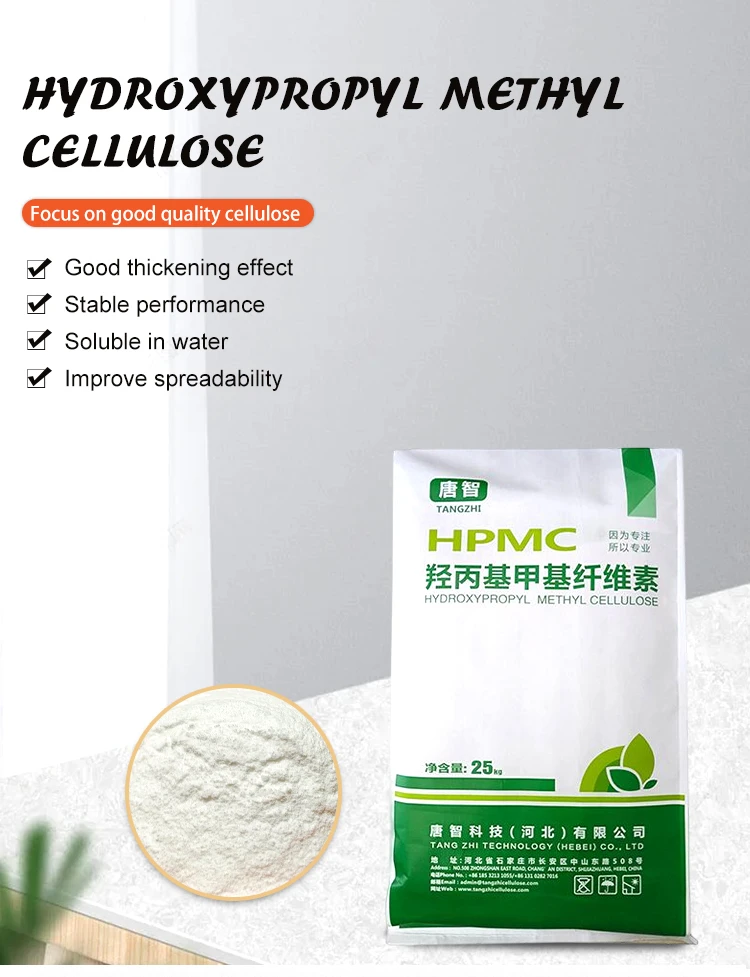
Exploring Polyvinyl Alcohol Applications Benefits and Manufacturing Processes
Polyvinyl Alcohol: A Comprehensive Guide to its Applications and Benefits
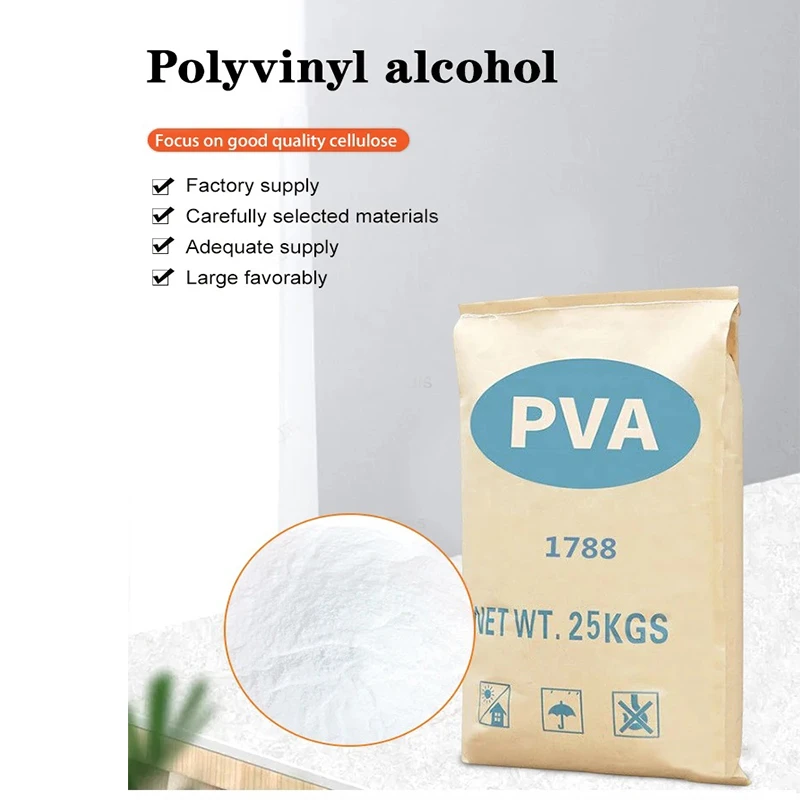
Polyvinyl alcohol (PVA) is a synthetic polymer with remarkable properties making it a versatile material across numerous industries. From textiles and adhesives to packaging and medical applications, PVA’s water solubility, biodegradability, and film-forming capabilities are highly valued. This article provides a detailed overview of PVA, exploring its characteristics, manufacturing process, key applications, and benefits. We’ll delve into the science behind this polymer and highlight why Tangzhi HPMC is a trusted source for high-quality PVA and related products. Choosing the right PVA supplier is crucial for ensuring product performance and consistency.
Understanding Polyvinyl Alcohol: Properties and Characteristics
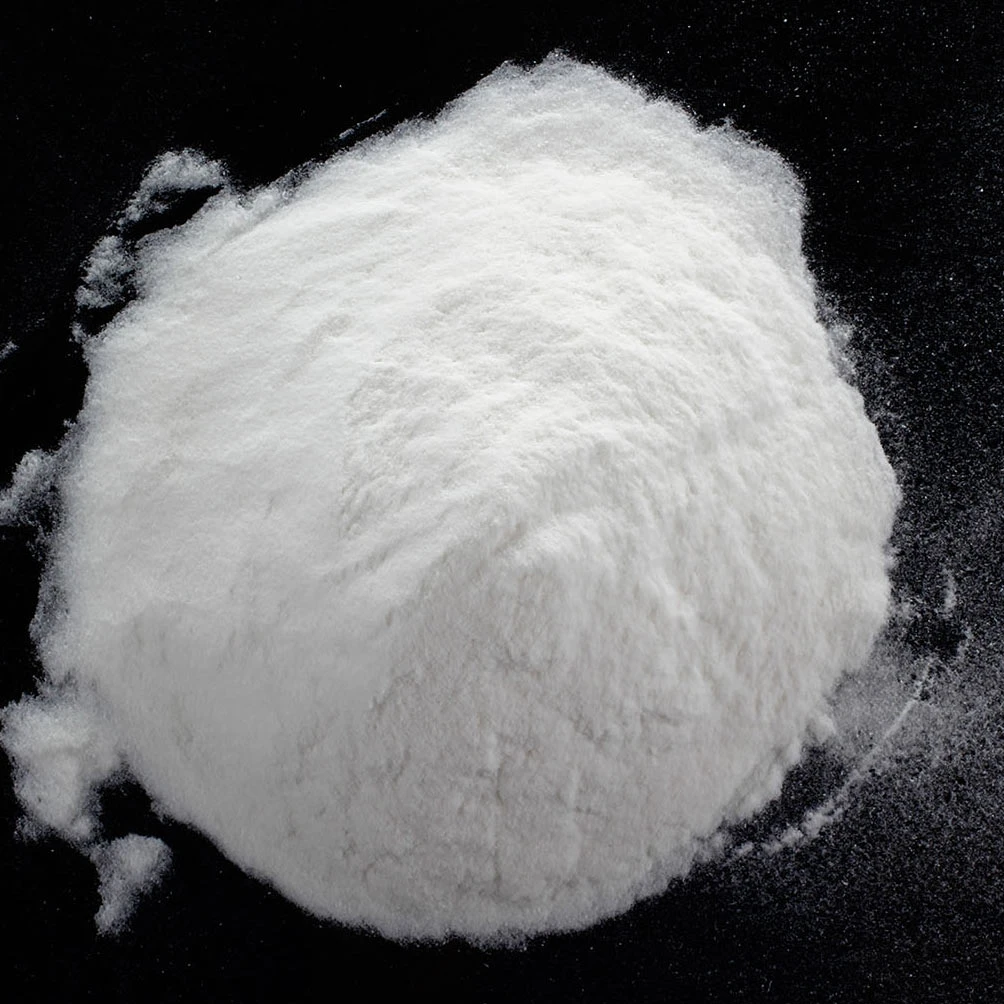
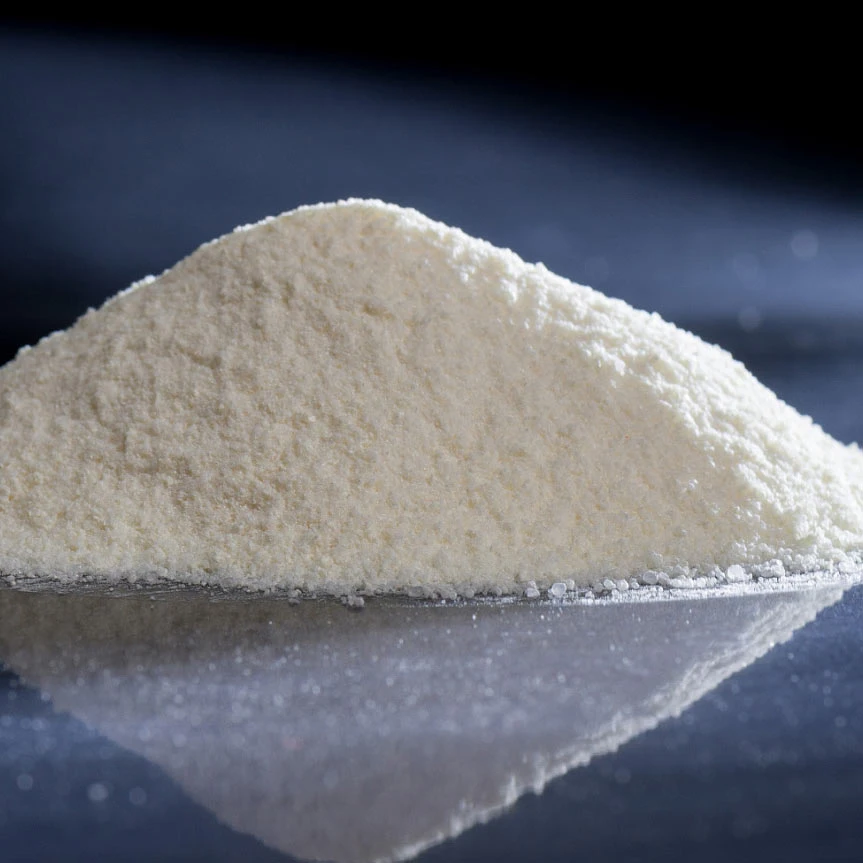
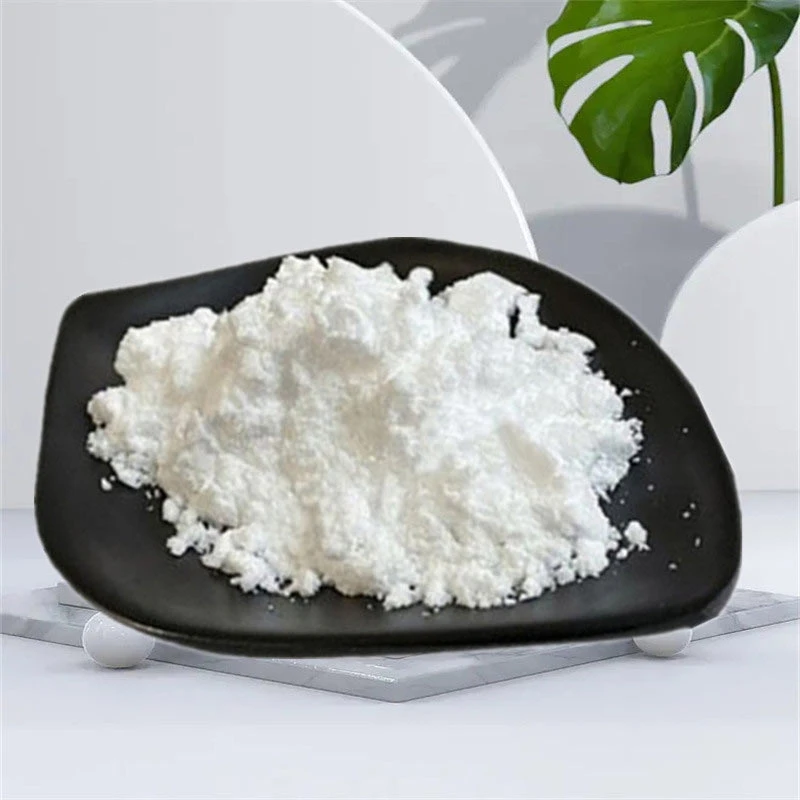
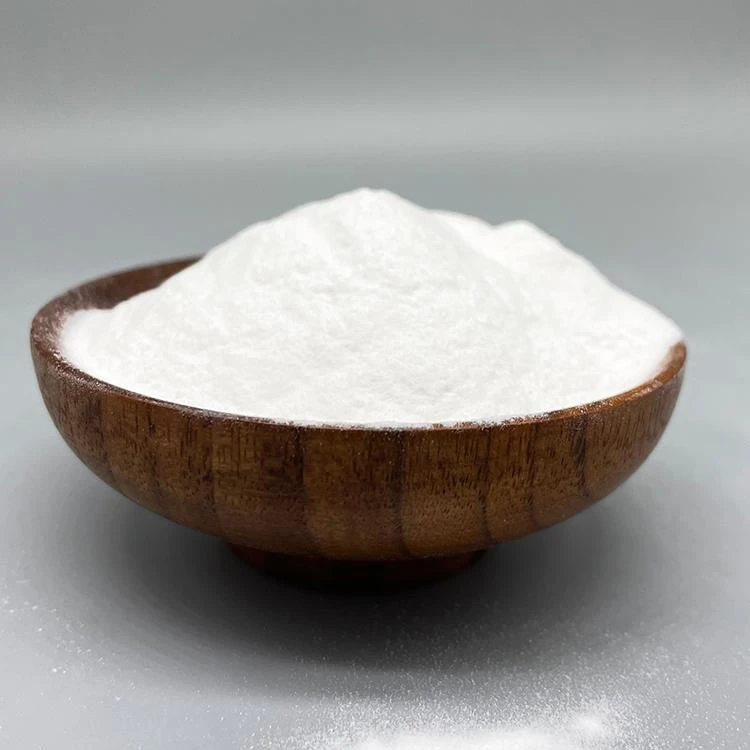
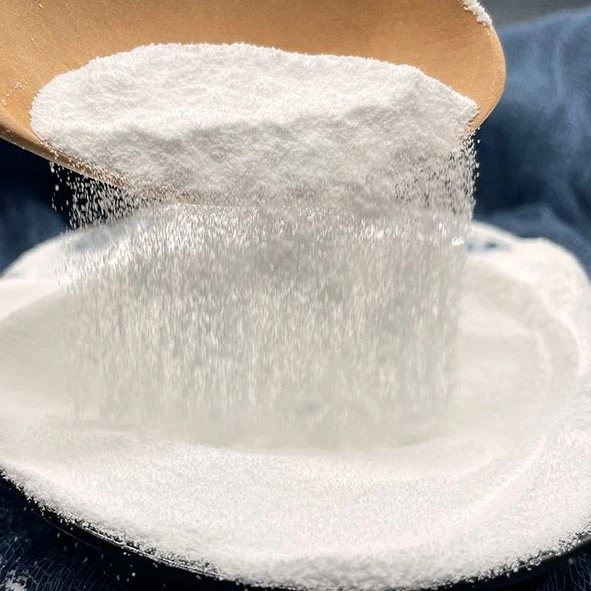
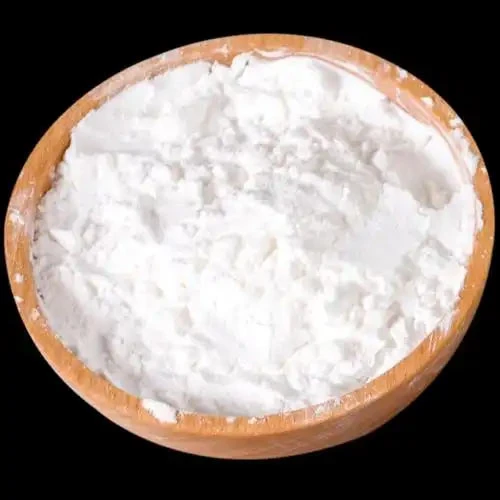
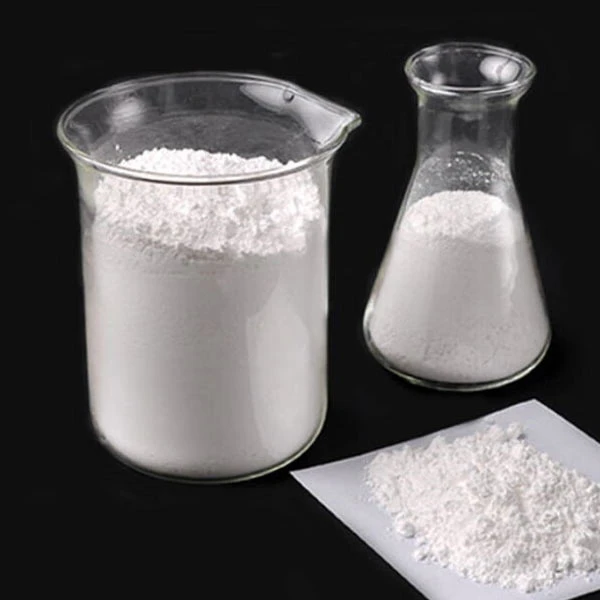
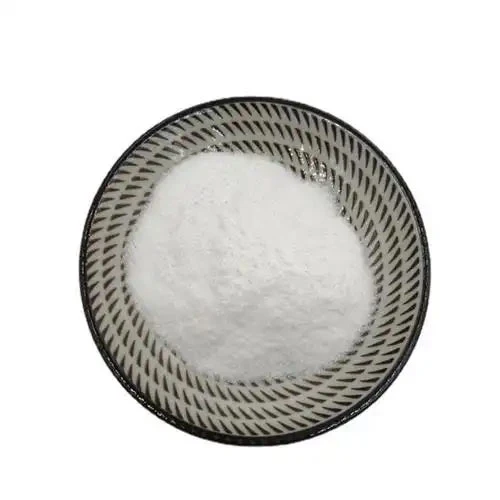
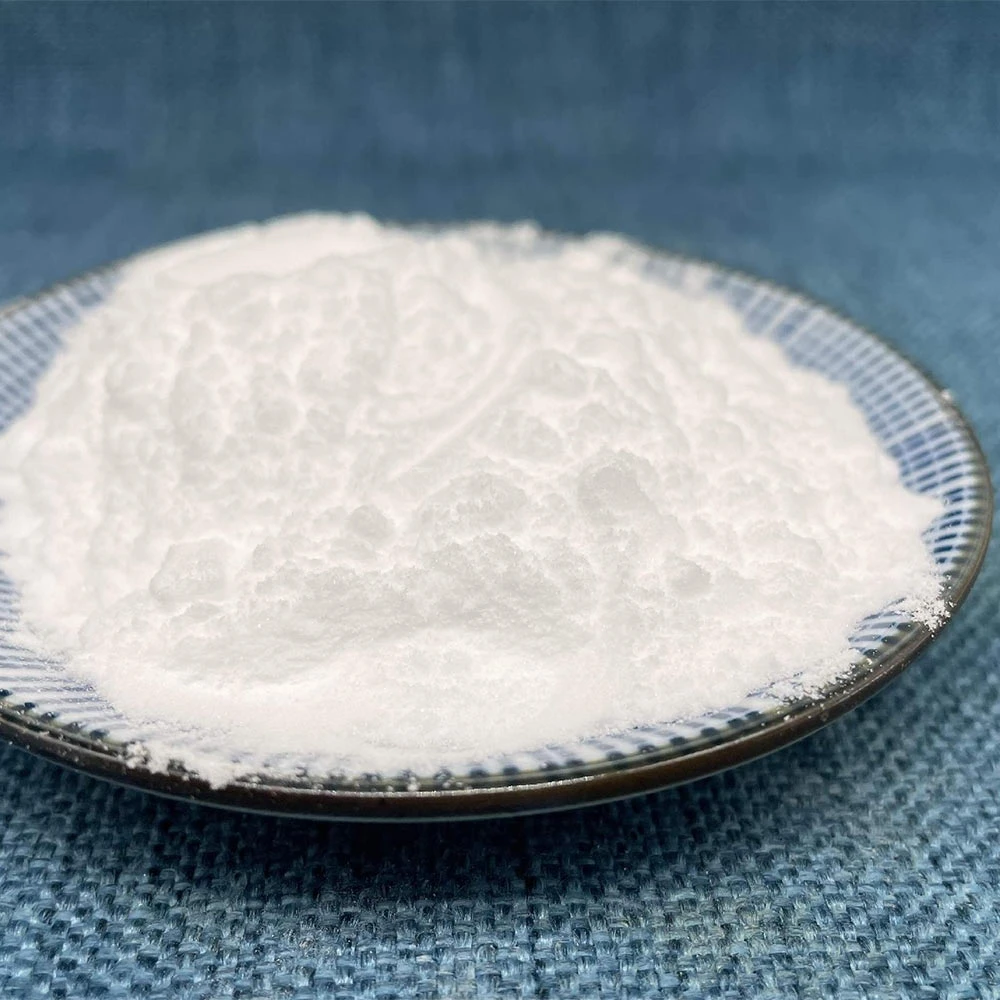
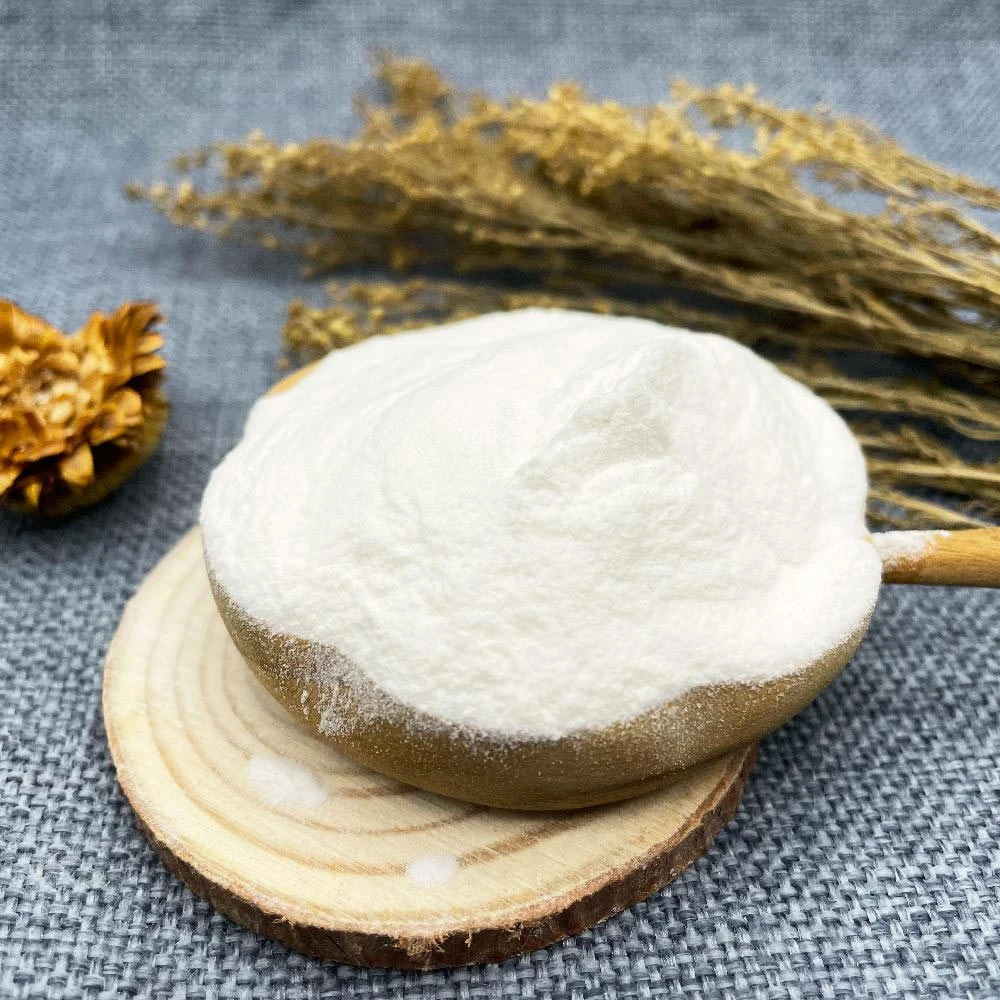
PVA is a colorless, odorless, and non-toxic polymer. Its key properties include excellent film-forming ability, high tensile strength, resistance to oil and grease, and compatibility with a wide range of other materials. Importantly, PVA is readily soluble in water, creating a versatile solution for various applications. The degree of hydrolysis – the percentage of acetate groups converted to alcohol groups – significantly affects PVA’s solubility and mechanical properties. Higher hydrolysis levels generally result in improved water solubility and tensile strength. The molecular weight also impacts viscosity and film characteristics. Tangzhi HPMC offers PVA grades tailored to specific application requirements.
Key Highlights: PVA is a versatile polymer with high tensile strength, excellent film-forming ability, and water solubility. Its properties can be tailored through adjustments in hydrolysis degree and molecular weight.
Manufacturing Process: From Vinyl Acetate to PVA
PVA is primarily produced through the polymerization of vinyl acetate, followed by hydrolysis. Vinyl acetate is first polymerized to polyvinyl acetate (PVAc). This PVAc is then hydrolyzed – reacted with water – to replace the acetate groups with hydroxyl groups, resulting in PVA. The hydrolysis process is carefully controlled to achieve the desired degree of hydrolysis. Different grades of PVA are produced by varying the hydrolysis level and molecular weight during the manufacturing process. Tangzhi HPMC utilizes advanced manufacturing techniques to ensure consistent and high-quality PVA production.
PVA Manufacturing Steps:
• Polymerization of Vinyl Acetate
• Hydrolysis to convert PVAc to PVA
• Controlled Hydrolysis Level & Molecular Weight
• Purification & Drying
Key Applications of Polyvinyl Alcohol
The versatility of PVA leads to its widespread use in diverse applications. Some prominent examples include:
- Textile Industry: As a warp sizing agent to strengthen yarns during weaving.
- Adhesives: In paper adhesives, wood glues, and packaging adhesives due to its strong bonding properties.
- Packaging: As a film for food packaging, offering excellent barrier properties.
- Medical Applications: In drug coatings, artificial organs, and wound dressings due to its biocompatibility.
- Construction: As an additive in cement-based products to improve workability and adhesion.
- Cosmetics: In personal care products as a film former and viscosity modifier.
Polyvinyl Alcohol Grades & Specifications: A Comparative Overview
Different PVA grades are available to meet specific application requirements. These grades vary in terms of hydrolysis degree, molecular weight, and viscosity. Here’s a comparison of common PVA grades:
Benefits of Using Polyvinyl Alcohol
Employing PVA in various applications offers several distinct advantages:
- Water Solubility: Simplifies processing and allows for easy removal with water.
- Biodegradability: Reduces environmental impact compared to some synthetic polymers.
- Excellent Film-Forming Properties: Creates strong, clear, and flexible films.
- Compatibility: Works well with many other materials, enabling formulation versatility.
- Non-Toxicity: Makes it suitable for food and medical applications.
Conclusion: PVA – A Sustainable and Versatile Polymer
Polyvinyl alcohol remains a vital polymer with a broad spectrum of applications, driven by its unique properties and environmental benefits. Choosing a reliable supplier like Tangzhi HPMC ensures access to high-quality PVA tailored to your specific needs. From textiles and adhesives to medical applications, PVA continues to contribute to innovation and sustainability.
Frequently Asked Questions (FAQs)
What is the environmental impact of PVA?
PVA is considered a relatively environmentally friendly polymer because it is biodegradable under certain conditions. While its biodegradation rate depends on factors like molecular weight, hydrolysis degree, and environmental conditions (such as microbial activity and temperature), PVA generally breaks down more readily than many other synthetic polymers. Choosing PVA can contribute to a more sustainable approach to material selection.
How should PVA be stored to maintain its quality?
PVA is hygroscopic, meaning it readily absorbs moisture from the air. Therefore, it should be stored in a cool, dry, and well-ventilated area, tightly sealed in its original packaging. Exposure to humidity can cause clumping and affect its solubility and performance. Protect it from direct sunlight and extreme temperatures. Proper storage is essential to maintain the PVA's integrity and usability.
What industries benefit most from using PVA?
Numerous industries benefit significantly from PVA. The textile industry utilizes it for yarn sizing, the adhesives industry for strong bonding, the packaging industry for barrier films, the construction industry for cement modification, and the medical field for drug delivery and biocompatible materials. The versatility of PVA makes it a valuable component in a wide range of applications across these and other sectors.
Where can I source high-quality PVA?
Tangzhi HPMC is a leading supplier of high-quality polyvinyl alcohol. We offer a comprehensive range of PVA grades tailored to meet diverse application requirements. Our commitment to quality, consistency, and customer satisfaction makes us a trusted partner for businesses seeking reliable PVA solutions. Contact us today to discuss your specific needs.
-
HPMC High-Performance Thickener | Hebei TangzhiNewsMar.06,2026
-
Wholesale Water Reducing Admixture for Special Cement: Performance and Market InsightsNewsFeb.28,2026
-
The Complete Guide to HPMC: Types, Applications, Grades, and Manufacturing InsightsNewsFeb.28,2026
-
Redispersible Polymer Powder: Types, Applications, and Performance AdvantagesNewsFeb.28,2026
-
Hydroxymethyl Ethyl Cellulose (MHEC): Properties, Applications, and Market InsightsNewsFeb.28,2026
-
Hydroxyethyl Cellulose: Applications, Performance, and Buying GuideNewsFeb.28,2026