Exploring PVOH Plastic Properties Applications and Sustainable Sourcing
Understanding PVOH Plastic: Properties, Applications, and Sourcing
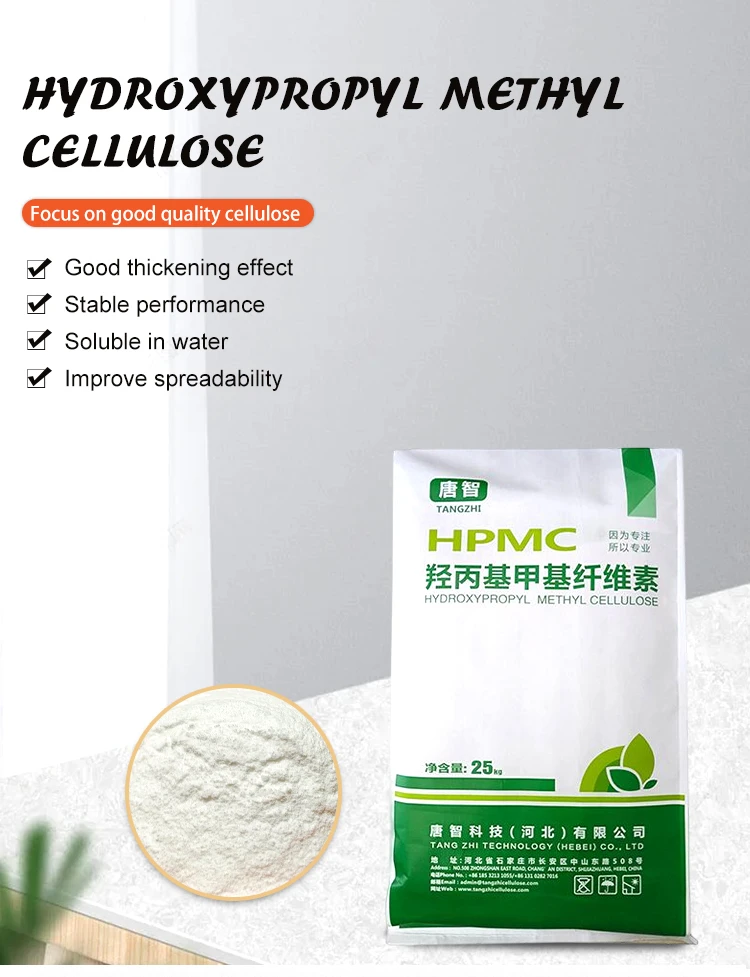
Polyvinyl alcohol (PVOH) plastic is a fascinating synthetic polymer with a unique combination of properties. Its water solubility, biodegradability, and film-forming abilities make it incredibly versatile across numerous industries. This article provides an in-depth look at PVOH plastic, exploring its characteristics, diverse applications, and where to source high-quality PVOH, like the products offered by Tangzhi HPMC. Understanding these aspects is crucial for businesses seeking sustainable and effective materials.
What is PVOH Plastic? A Chemical Overview
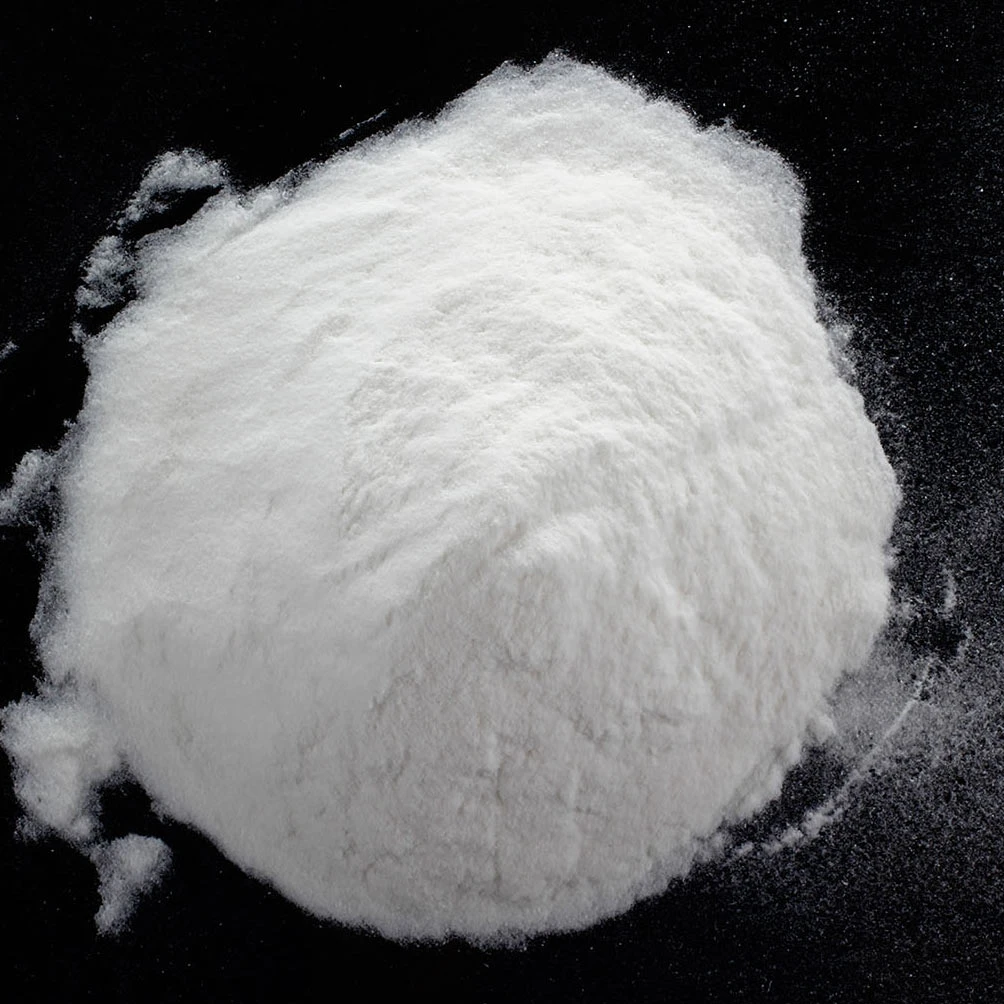
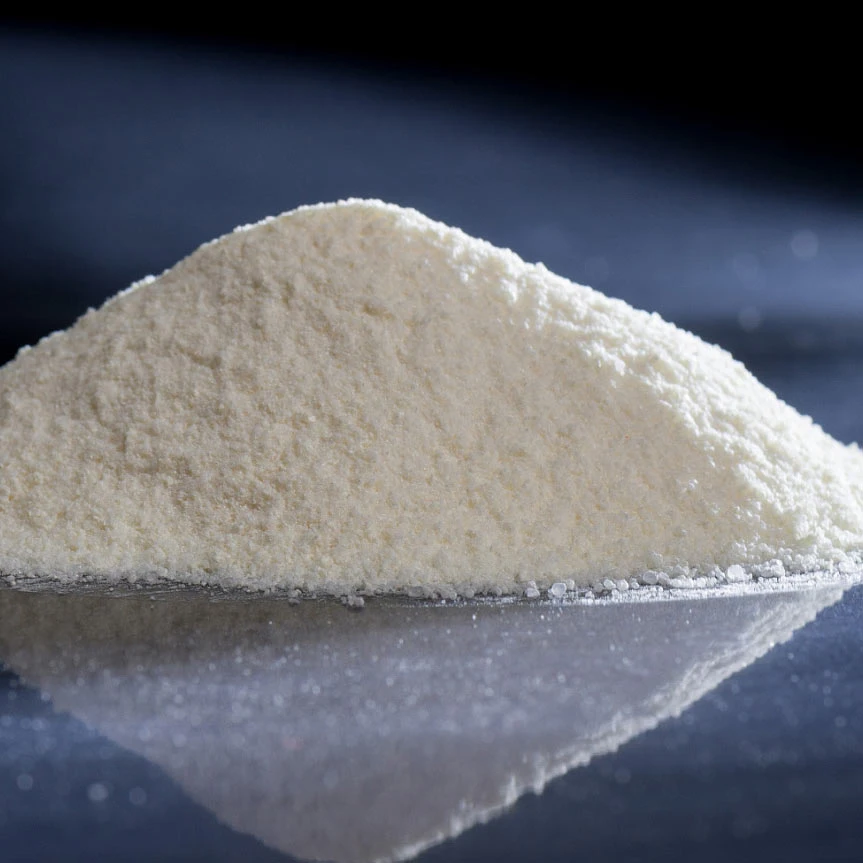
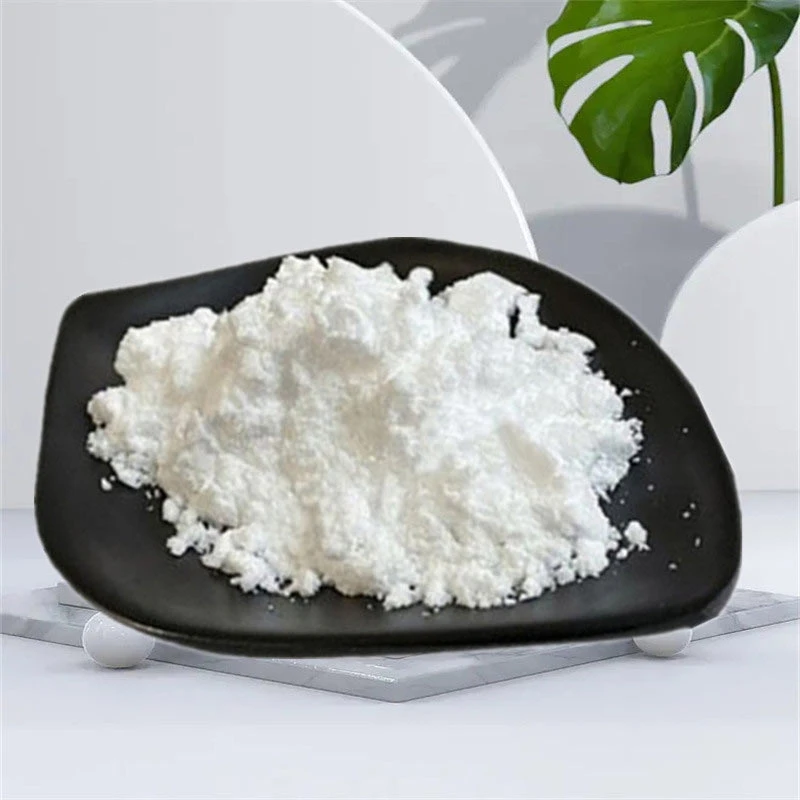
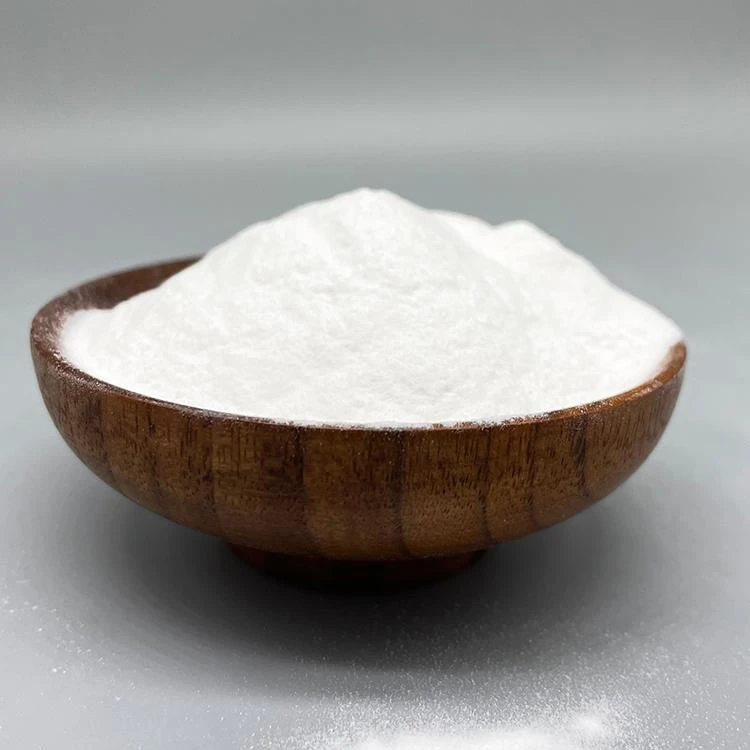
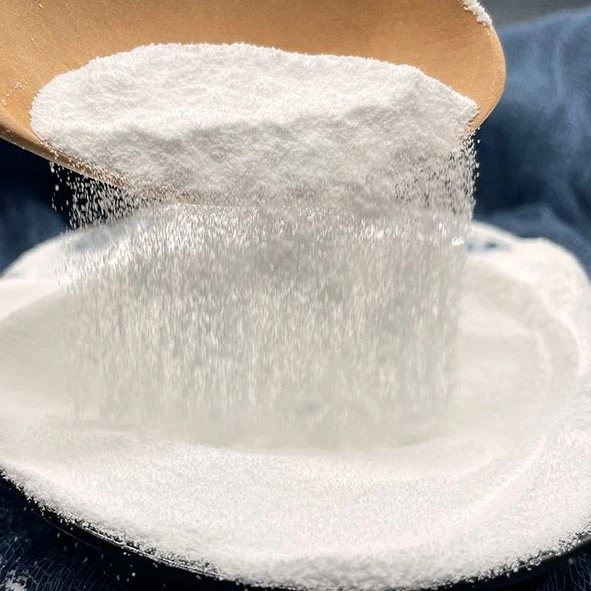
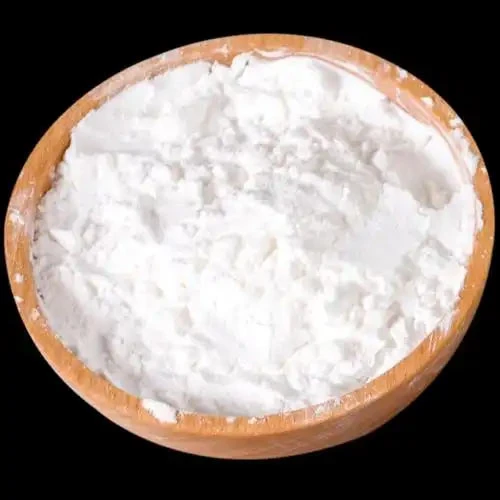
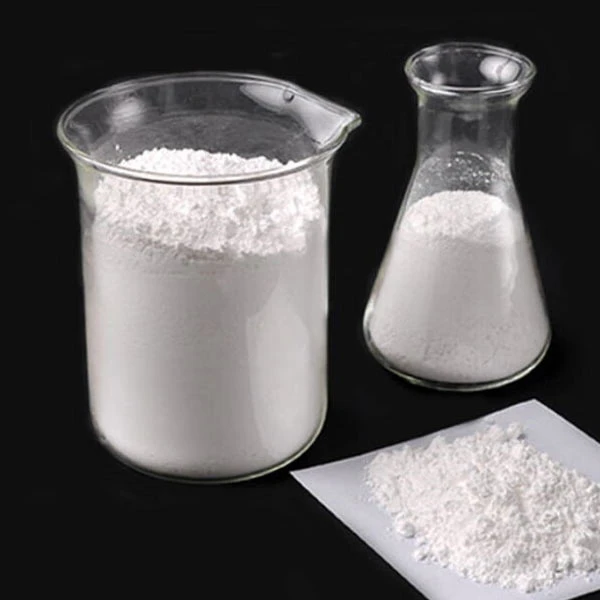
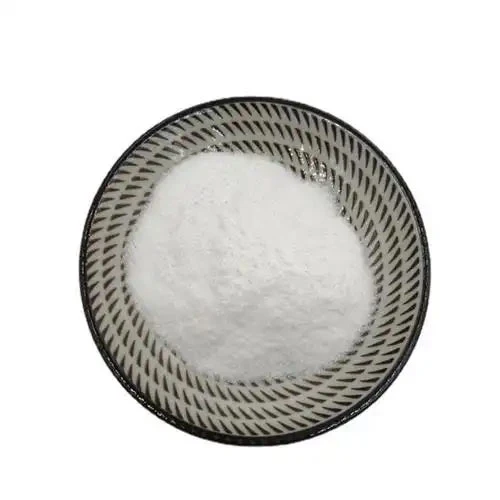
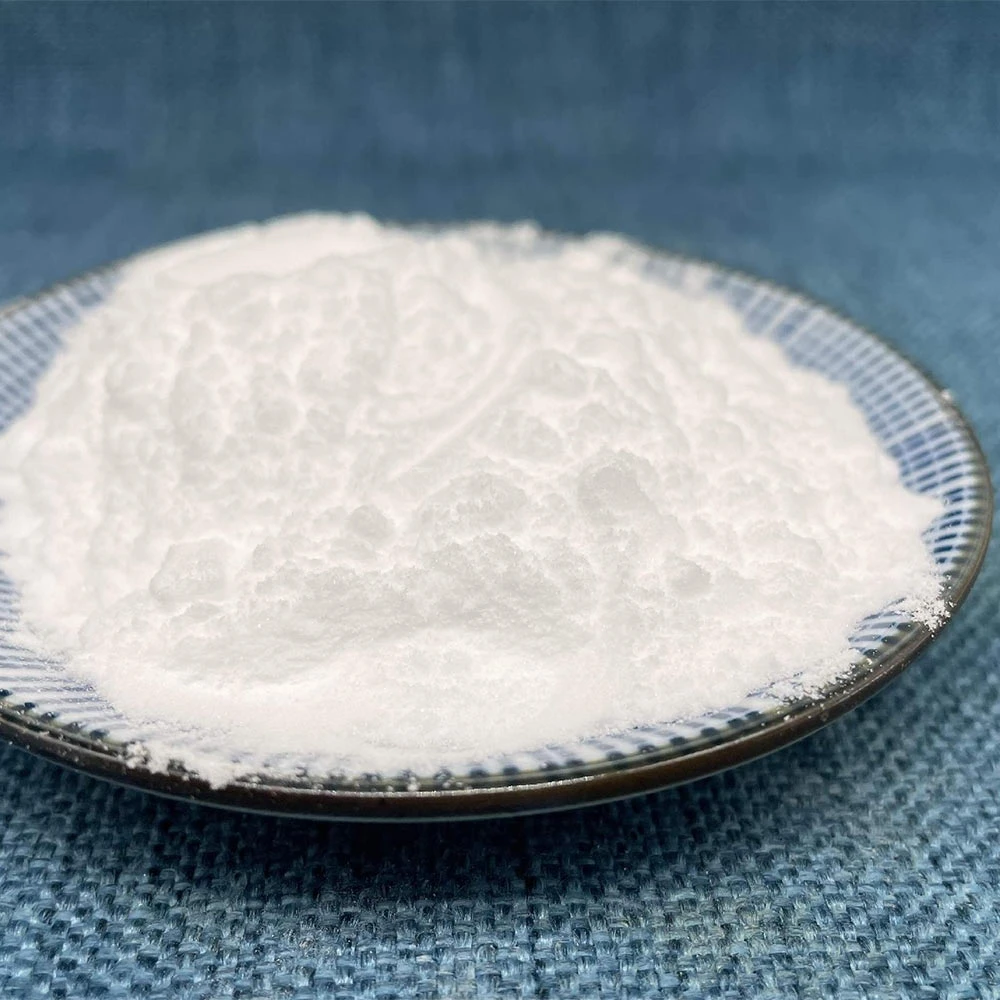
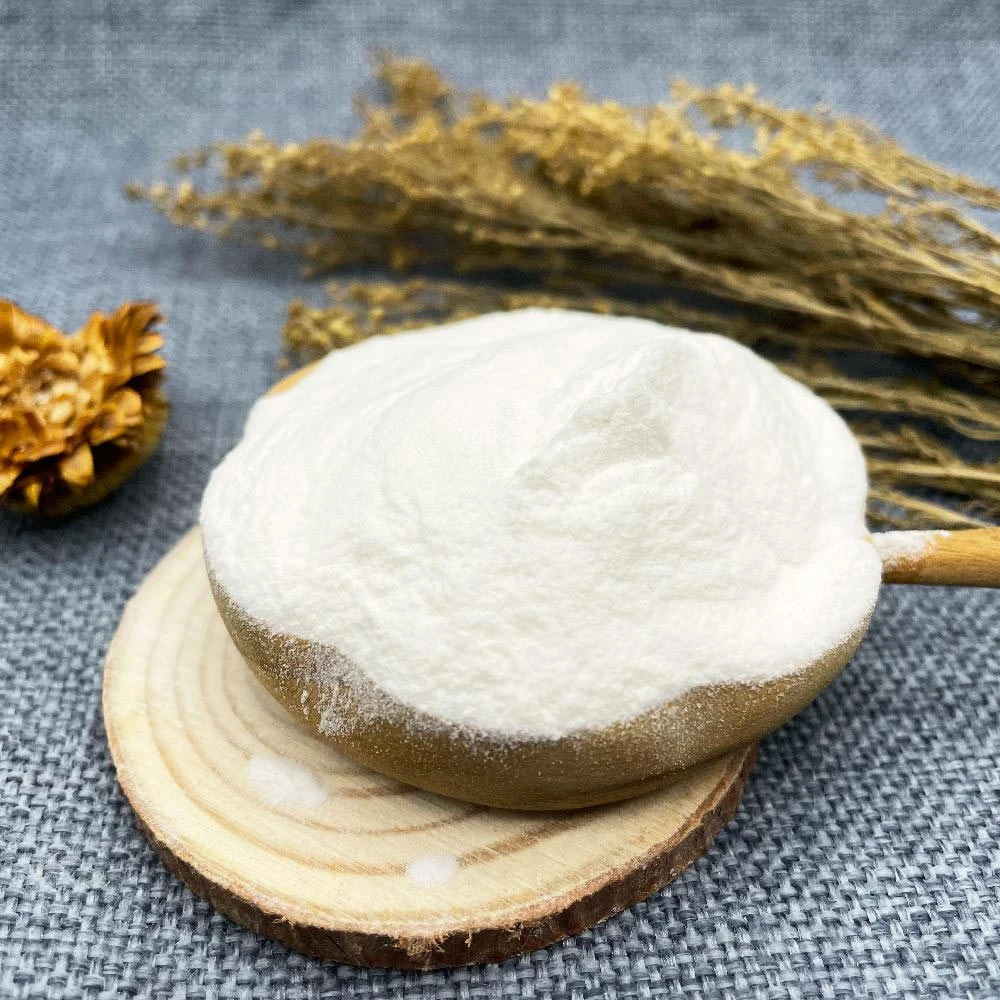
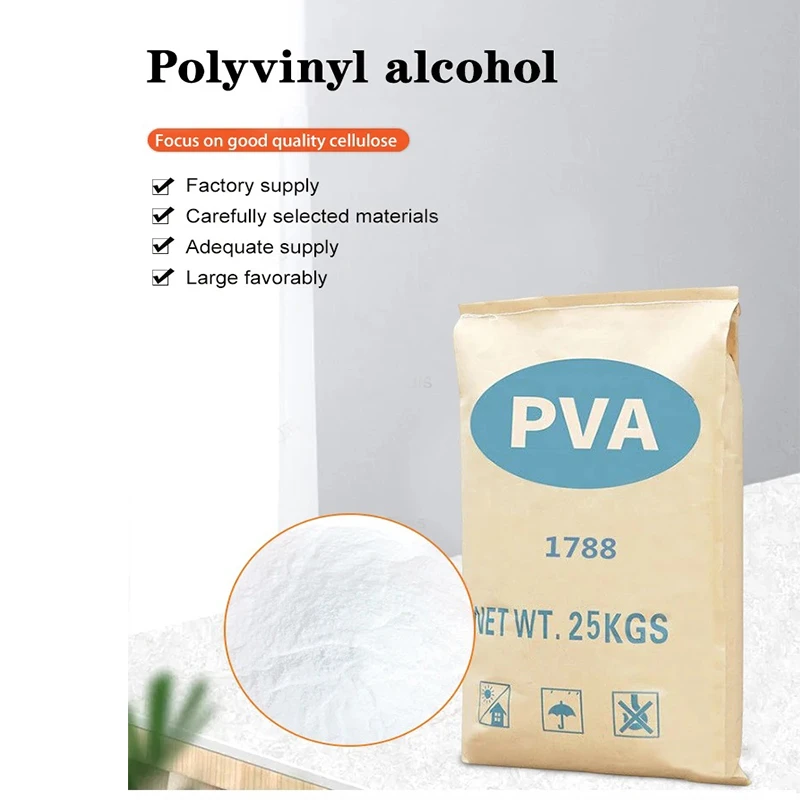
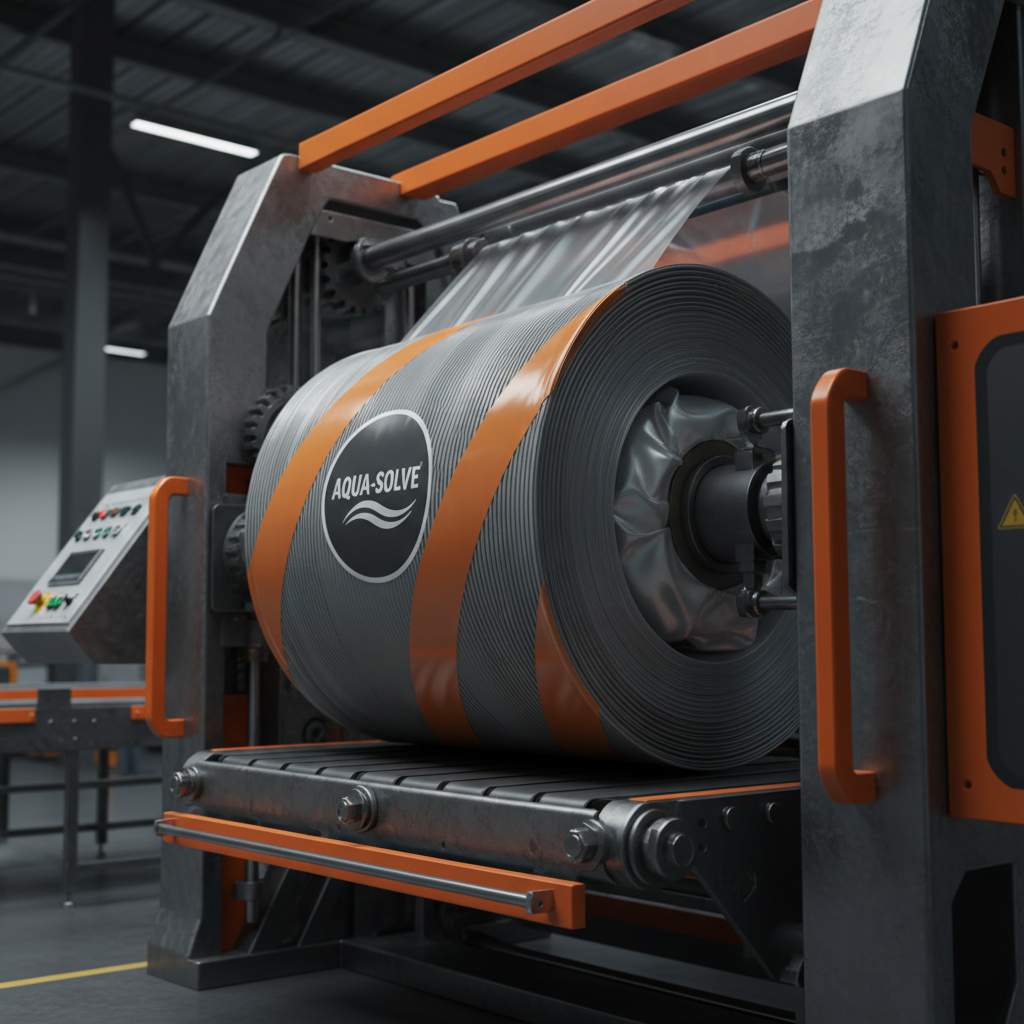
PVOH is created through the hydrolysis of polyvinyl acetate. The degree of hydrolysis determines the water solubility and other key characteristics of the final product. Higher hydrolysis levels generally mean greater water solubility. It appears as a colorless, odorless, crystalline powder or granules. It’s not technically a plastic in the traditional sense of being a non-melting thermoplastic; rather, it's a synthetic polymer that forms films upon drying. Because of its film-forming capabilities and biodegradability, PVOH is gaining prominence as an eco-friendly alternative to conventional plastics in a wide array of applications. Tangzhi HPMC specializes in producing PVOH with tailored properties for specific industrial needs.
Key Highlights: PVOH is created through the hydrolysis of polyvinyl acetate. Higher hydrolysis levels mean greater water solubility. It appears as a colorless, odorless, crystalline powder.
Key Properties of PVOH Plastic
PVOH boasts several remarkable properties that contribute to its wide-ranging utility. Its excellent film-forming characteristics make it ideal for creating coatings, adhesives, and packaging films. It exhibits exceptional resistance to oil, grease, and organic solvents. A standout feature is its water solubility; PVOH films dissolve in water, making it a valuable material for applications where controlled release or easy removal is required. Furthermore, PVOH is biodegradable, decomposing into non-toxic components, making it an environmentally responsible choice. The tensile strength and flexibility of PVOH can be adjusted by modifying the degree of hydrolysis and molecular weight.
PVOH’s Core Characteristics:
• Excellent film-forming properties
• Resistance to oil, grease, and solvents
• Water solubility
• Biodegradability
PVOH Plastic Applications: A Diverse Range
The unique properties of PVOH translate into an impressive array of applications. It’s widely used in packaging, particularly for water-soluble films for detergent pods and agricultural seed tapes. In the textile industry, PVOH serves as a warp sizing agent, enhancing yarn strength during weaving. The paper industry utilizes PVOH as a coating to improve printability and enhance paper strength. In adhesives, PVOH acts as a binder and thickener. Moreover, it finds applications in pharmaceuticals (as a tablet binder), cosmetics (as a film former), and even in the production of synthetic fibers.
PVOH Plastic Grades and Specifications
PVOH is available in various grades, primarily differentiated by their degree of hydrolysis and molecular weight. These factors influence properties like water solubility, viscosity, and film strength. Common grades include those with 88%, 99%, and 99.5% hydrolysis. Molecular weights typically range from 22,000 to 72,000. The choice of grade depends heavily on the intended application. For example, higher hydrolysis grades are suited for applications requiring rapid dissolution, while lower grades may be preferred for applications needing greater flexibility. Tangzhi HPMC offers a wide range of PVOH grades to meet diverse customer requirements.
Conclusion: The Future of Sustainable Polymers
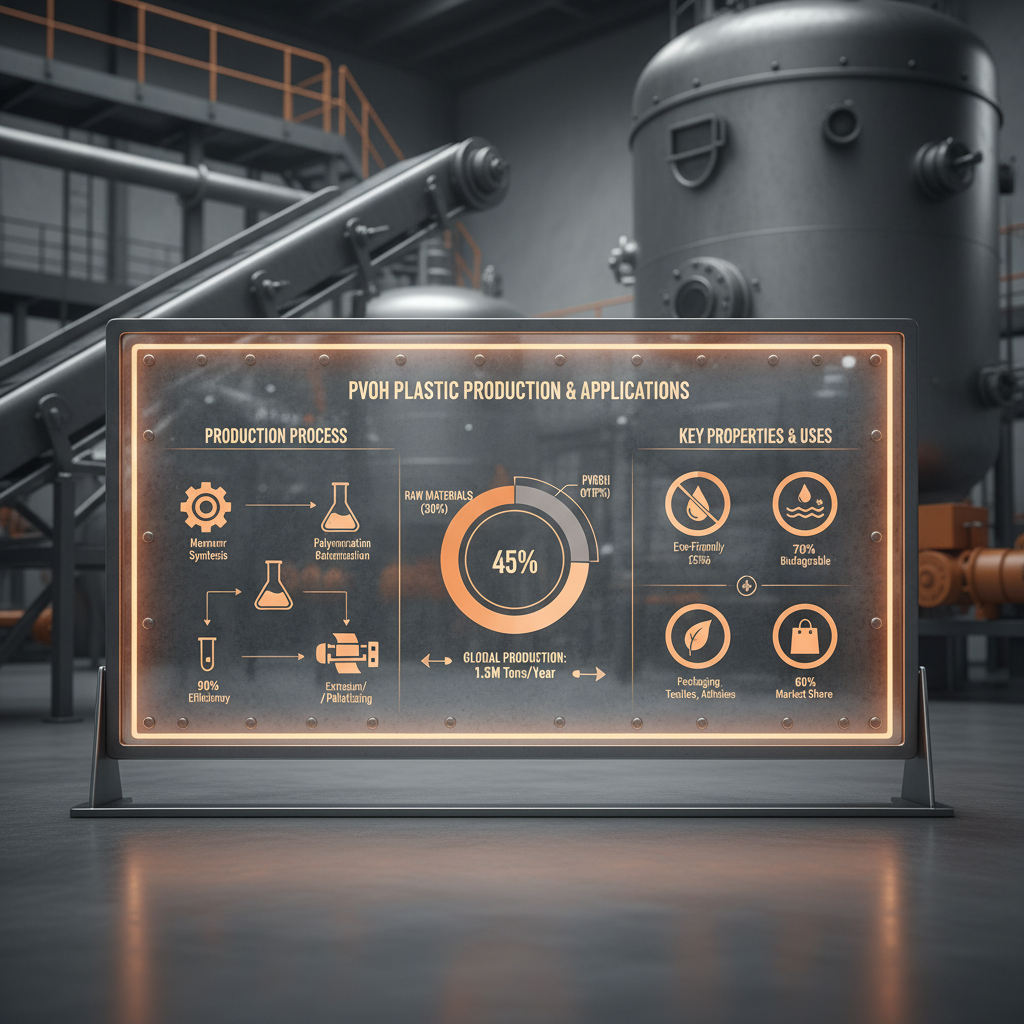
PVOH plastic represents a significant advancement in sustainable materials. Its biodegradability and versatility make it an attractive alternative to traditional plastics across numerous industries. Sourcing high-quality PVOH from reputable suppliers like Tangzhi HPMC ensures optimal performance and reliability. As environmental concerns continue to grow, PVOH is poised to play an increasingly important role in shaping a more sustainable future.
Frequently Asked Questions (FAQs)
Is PVOH plastic truly biodegradable?
Yes, PVOH is considered biodegradable under specific conditions. It breaks down into non-toxic components, primarily water and carbon dioxide, through microbial activity. However, the biodegradation rate depends on factors like temperature, humidity, and the presence of microorganisms. It's important to note that not all PVOH films degrade rapidly in all environments. Specific formulations and additives can influence biodegradability, and industrial composting facilities provide optimal conditions for breakdown.
What is the difference between PVOH and PVA?
PVOH and PVA (Polyvinyl Acetate) are often confused, but they are distinct polymers. PVA is the precursor to PVOH. It's produced through the polymerization of vinyl acetate. PVOH is created by hydrolyzing PVA, which essentially removes the acetate groups. This hydrolysis process is what gives PVOH its water solubility. Therefore, PVA is water-resistant, while PVOH is water-soluble. They have different applications based on these key property differences.
How does the degree of hydrolysis affect PVOH properties?
The degree of hydrolysis is a crucial factor determining PVOH's characteristics. A higher degree of hydrolysis means more acetate groups have been removed, resulting in increased water solubility. Higher hydrolysis grades also tend to have greater tensile strength and improved film-forming properties. Conversely, lower hydrolysis grades exhibit greater flexibility and water resistance. Choosing the appropriate hydrolysis level is essential for tailoring PVOH to specific applications.
-
HPMC High-Performance Thickener | Hebei TangzhiNewsMar.06,2026
-
Wholesale Water Reducing Admixture for Special Cement: Performance and Market InsightsNewsFeb.28,2026
-
The Complete Guide to HPMC: Types, Applications, Grades, and Manufacturing InsightsNewsFeb.28,2026
-
Redispersible Polymer Powder: Types, Applications, and Performance AdvantagesNewsFeb.28,2026
-
Hydroxymethyl Ethyl Cellulose (MHEC): Properties, Applications, and Market InsightsNewsFeb.28,2026
-
Hydroxyethyl Cellulose: Applications, Performance, and Buying GuideNewsFeb.28,2026