Exploring the Multifunctional Role of Sodium Carboxymethylcellulose in Food Applications
Sodium Carboxymethylcellulose in Food: A Comprehensive Guide
Sodium carboxymethylcellulose (CMC) is a versatile food additive widely used in the food industry for its thickening, stabilizing, and emulsifying properties. It's derived from cellulose, a natural component of plants, making it a popular choice for various applications. This article will explore the functionalities, applications, benefits, and safety aspects of sodium carboxymethylcellulose in food, offering a comprehensive overview for food manufacturers, researchers, and consumers. Understanding CMC’s role can enhance product quality and stability, leading to improved consumer satisfaction.

Understanding Sodium Carboxymethylcellulose (CMC)
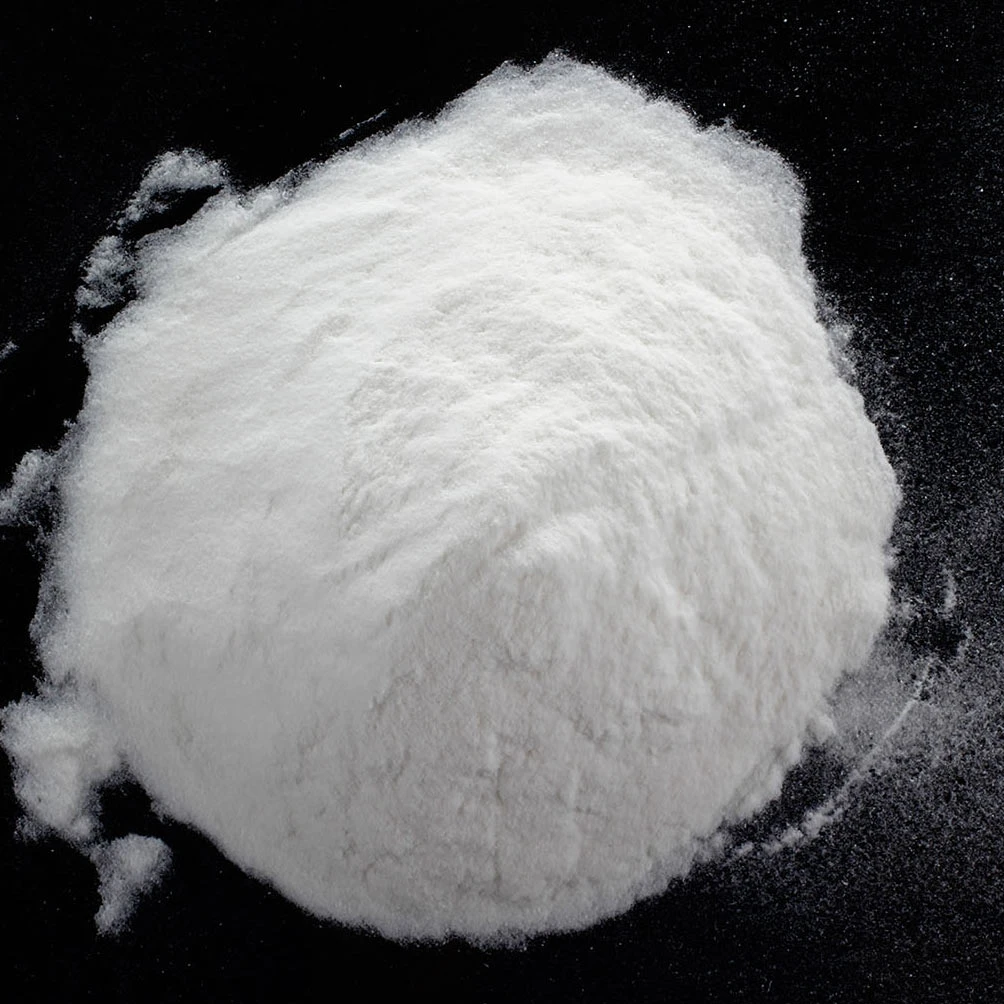
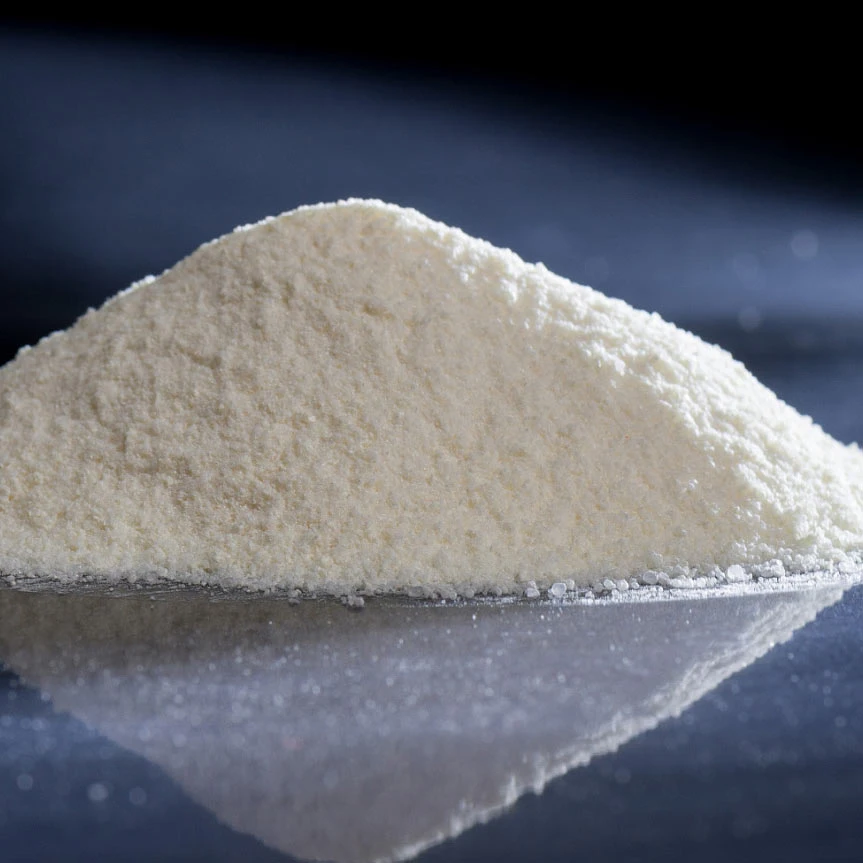
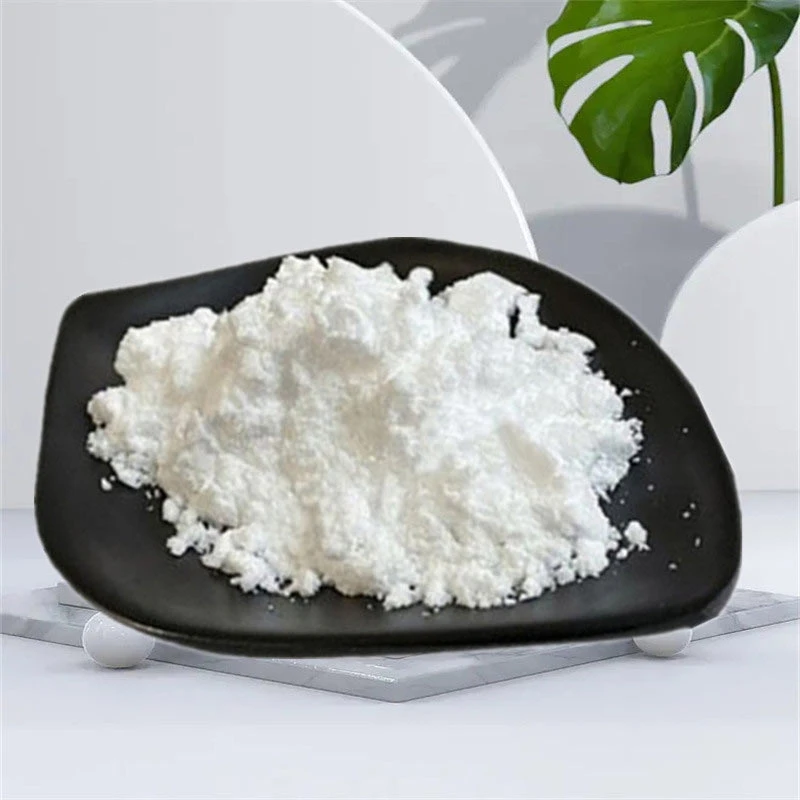
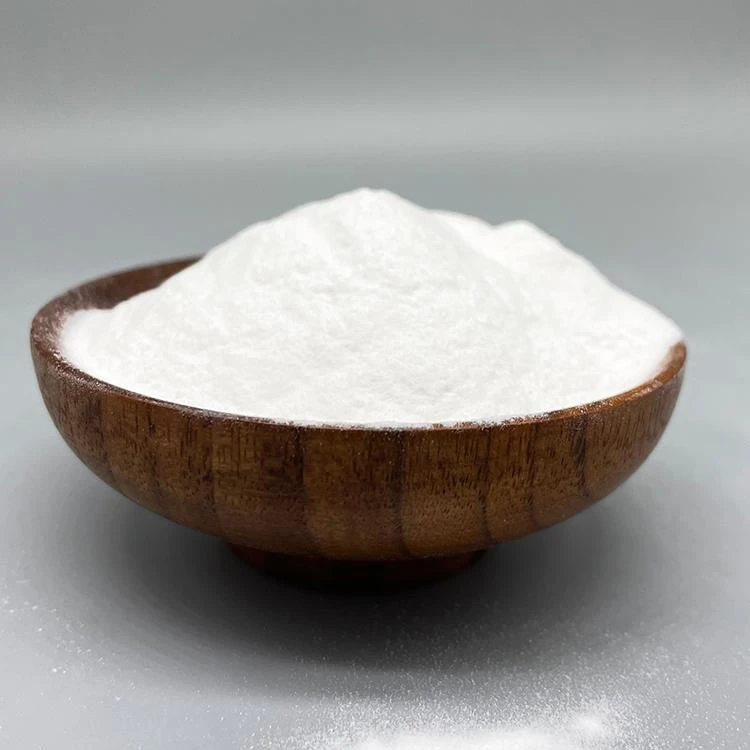
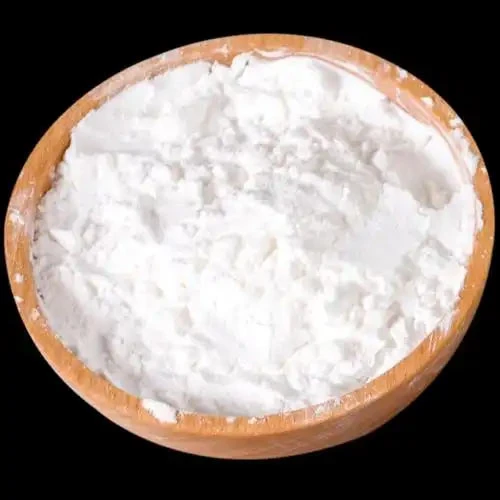
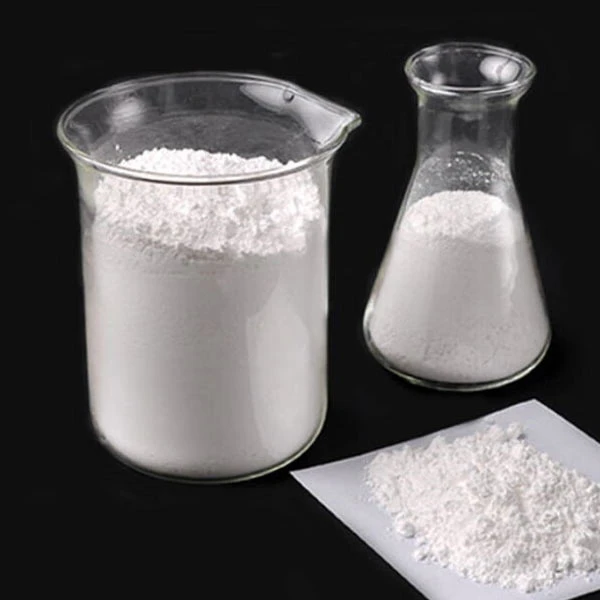
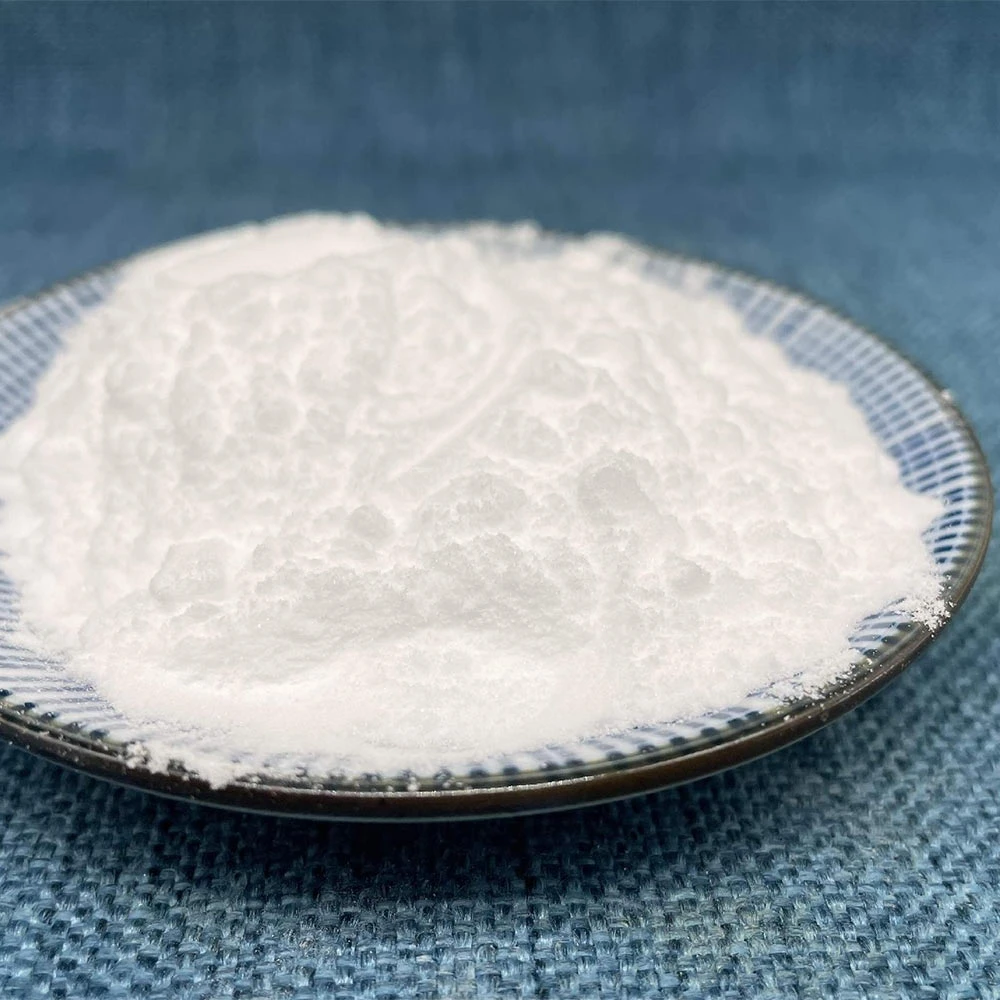
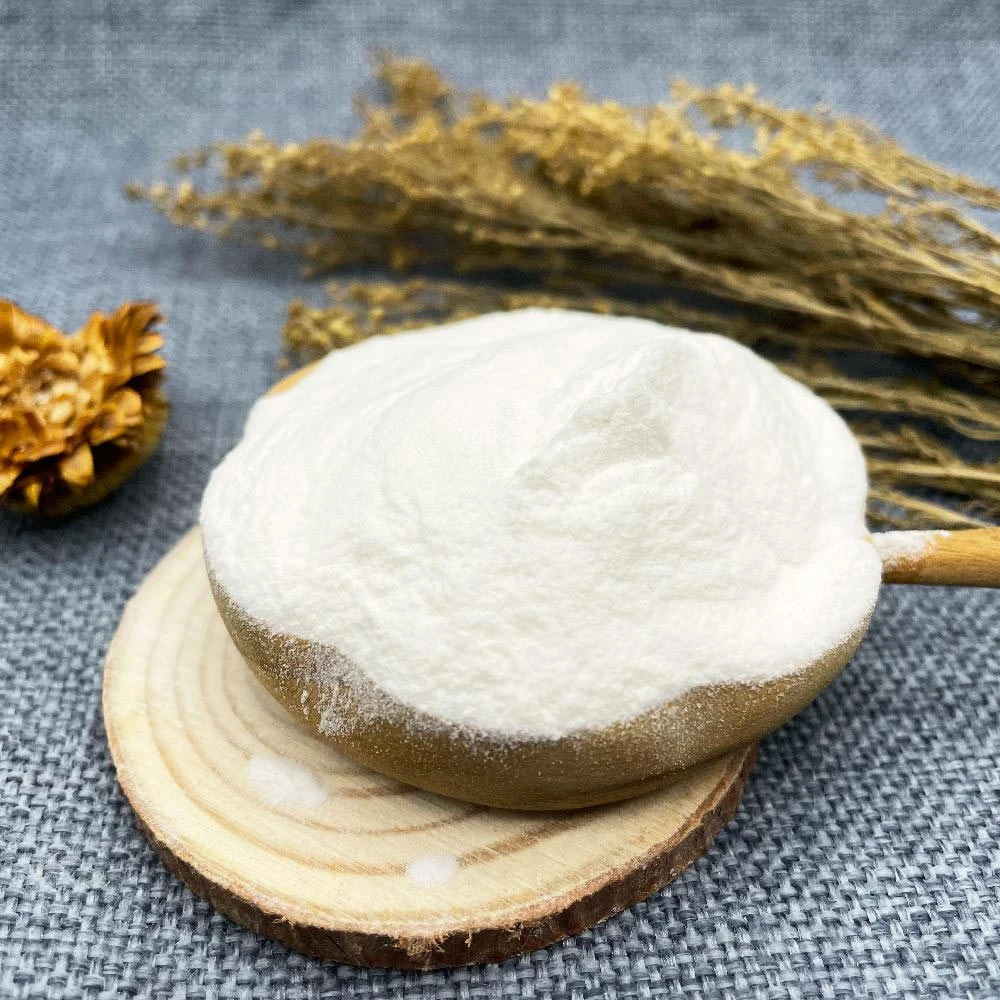
Sodium carboxymethylcellulose is a cellulose derivative created by chemically modifying cellulose obtained from sources like wood pulp or cotton linter. This modification involves introducing carboxymethyl groups, which provide CMC with its unique properties. It’s a white to off-white, odorless, and tasteless powder that readily dissolves in both cold and hot water. The degree of substitution (DS) – the average number of carboxymethyl groups per glucose unit – influences the characteristics of CMC, impacting its viscosity and solubility. CMC is available in various grades, tailored for specific food applications.
Key Characteristics: Odorless, tasteless, readily soluble in water, available in various grades.
Key Applications of Sodium Carboxymethylcellulose in the Food Industry
CMC finds a wide range of applications in the food industry. It’s commonly used as a thickener in sauces, dressings, and gravies, providing a desirable texture and mouthfeel. In ice cream and frozen desserts, it prevents ice crystal formation, resulting in a smoother product. It’s also utilized as a stabilizer in beverages like chocolate milk and fruit juices, preventing sedimentation and maintaining a homogenous mixture. Furthermore, CMC acts as a binder in processed meats, improving texture and reducing cooking loss. It also serves as a suspending agent in bakery products and a foam stabilizer in whipped toppings.
Common Food Applications:
• Sauces & Dressings
• Ice Cream & Frozen Desserts
• Beverages
• Processed Meats
Sodium Carboxymethylcellulose in Food: Benefits and Advantages
The use of CMC offers numerous benefits to food manufacturers. Its excellent thickening properties reduce the need for other ingredients, potentially lowering production costs. Its stabilizing effect enhances product shelf life by preventing separation and maintaining a consistent texture. CMC's emulsifying capabilities contribute to a smoother, more appealing product. Moreover, it’s a relatively inexpensive and readily available ingredient, making it an economically viable option. The versatility allows for customization to meet diverse formulation requirements.
Safety Considerations and Regulatory Status
Sodium carboxymethylcellulose is generally recognized as safe (GRAS) by the U.S. Food and Drug Administration (FDA) and is approved for use in food products in many countries worldwide. Regulatory bodies have established acceptable daily intake (ADI) levels. While generally well-tolerated, some individuals may experience mild gastrointestinal discomfort with very high consumption. It’s essential to adhere to established usage levels and quality standards. Tangzhi HPMC provides high-quality CMC that meets rigorous safety and regulatory requirements.
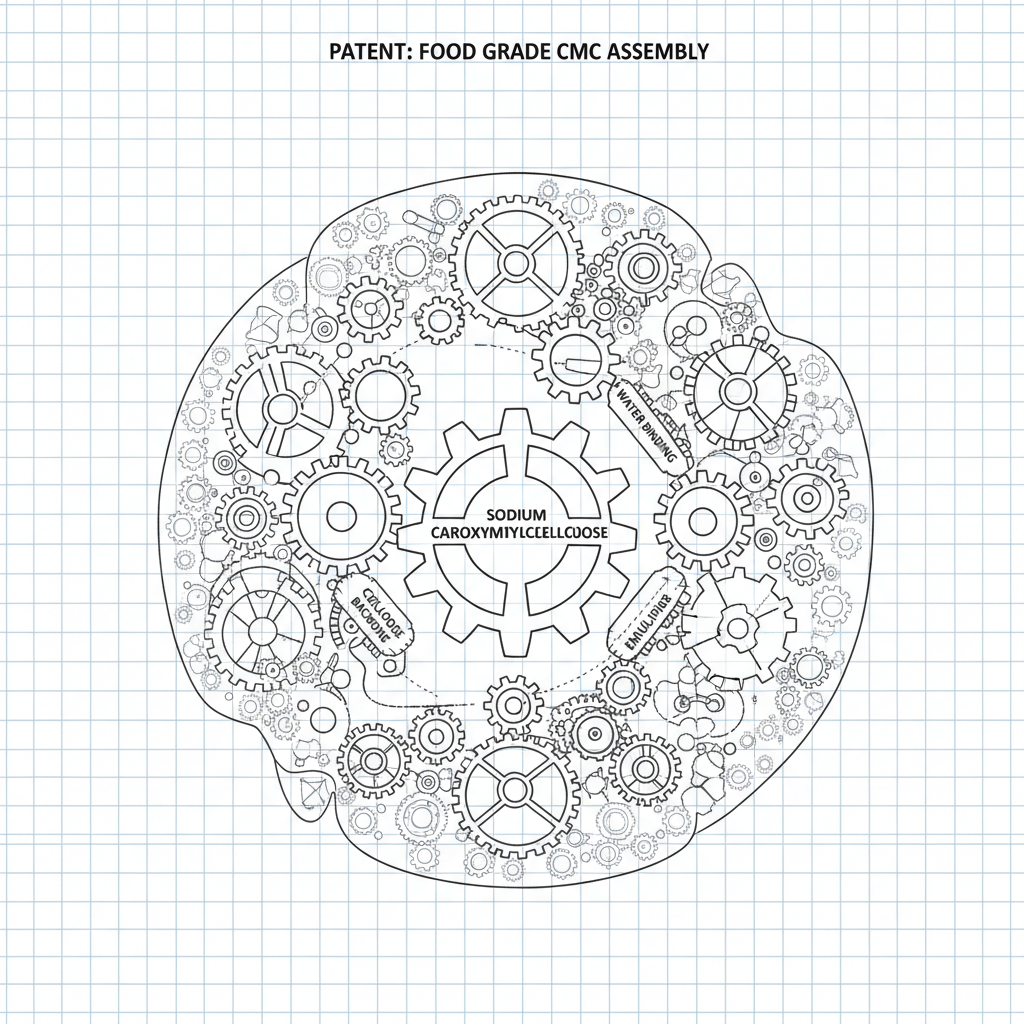
Product Specifications (Typical Values)
Here's a general overview of typical product specifications for food-grade sodium carboxymethylcellulose:
Conclusion: Enhancing Food Quality with CMC
Sodium carboxymethylcellulose is an invaluable tool for food manufacturers seeking to improve product texture, stability, and shelf life. Its versatile properties and safety profile make it a preferred choice for a diverse range of food applications. By sourcing high-quality CMC from a reputable supplier like Tangzhi HPMC, you can ensure optimal performance and compliance with industry standards.
Frequently Asked Questions (FAQs)
What is the difference between CMC grades?
Different CMC grades are categorized based on their viscosity, which is a measure of their thickening ability. Higher viscosity grades are suitable for applications requiring substantial thickening, such as sauces and dressings, while lower viscosity grades are better for applications where a less pronounced thickening effect is desired, like beverages. The degree of substitution also influences the properties of different grades. Selecting the right grade is crucial for achieving the desired texture and functionality in your food product.
Can CMC be used in gluten-free products?
Yes, CMC is frequently used in gluten-free products as it can mimic some of the functional properties of gluten, such as providing structure and binding. It helps to improve the texture and mouthfeel of gluten-free baked goods and other products. It’s a valuable ingredient for formulating products suitable for individuals with celiac disease or gluten sensitivity.
How should sodium carboxymethylcellulose be stored?
To maintain its quality and functionality, sodium carboxymethylcellulose should be stored in a cool, dry, and well-ventilated area, away from direct sunlight and moisture. It's best to keep it in its original, tightly sealed container to prevent absorption of moisture from the air. Proper storage will ensure a longer shelf life and consistent performance in your food applications.
-
HPMC High-Performance Thickener | Hebei TangzhiNewsMar.06,2026
-
Wholesale Water Reducing Admixture for Special Cement: Performance and Market InsightsNewsFeb.28,2026
-
The Complete Guide to HPMC: Types, Applications, Grades, and Manufacturing InsightsNewsFeb.28,2026
-
Redispersible Polymer Powder: Types, Applications, and Performance AdvantagesNewsFeb.28,2026
-
Hydroxymethyl Ethyl Cellulose (MHEC): Properties, Applications, and Market InsightsNewsFeb.28,2026
-
Hydroxyethyl Cellulose: Applications, Performance, and Buying GuideNewsFeb.28,2026