Hebei Tangzhi Technology Co., Ltd.



Carboxymethyl Cellulose (CMC) Polymer - Industrial Uses
Jan . 25, 2026 01:55
Back to list
Carboxymethyl Cellulose (CMC) Polymer - Industrial Uses
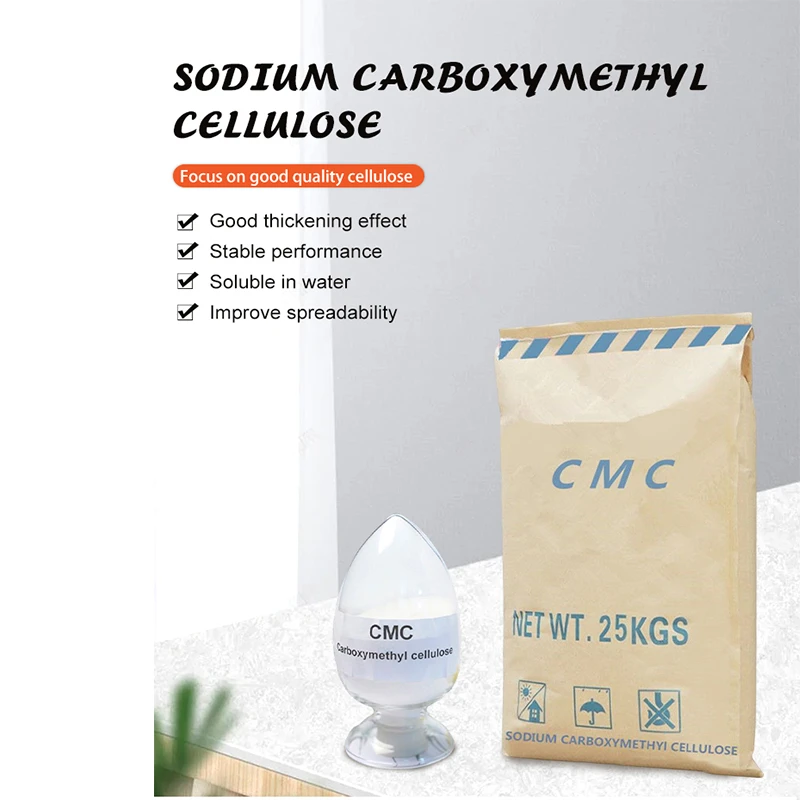
Understanding Carboxymethyl Cellulose (CMC) Polymer – A Deep Dive
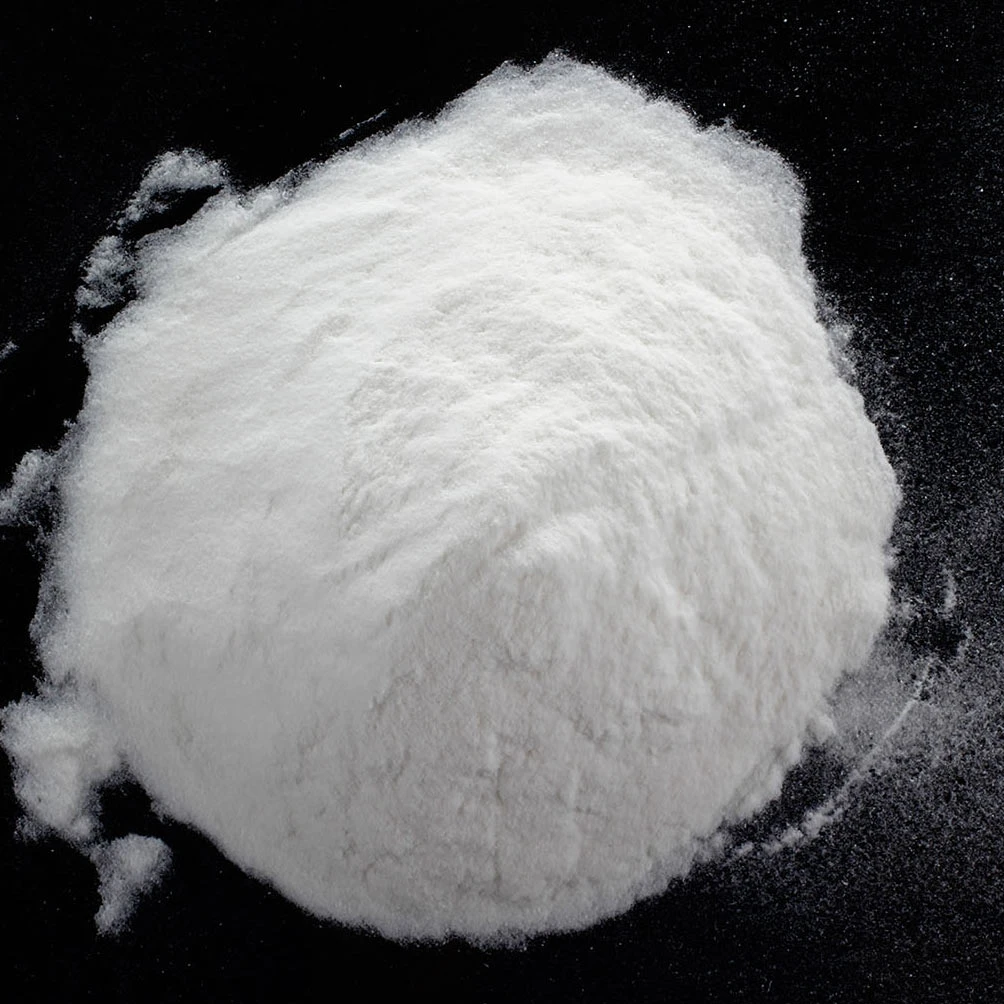
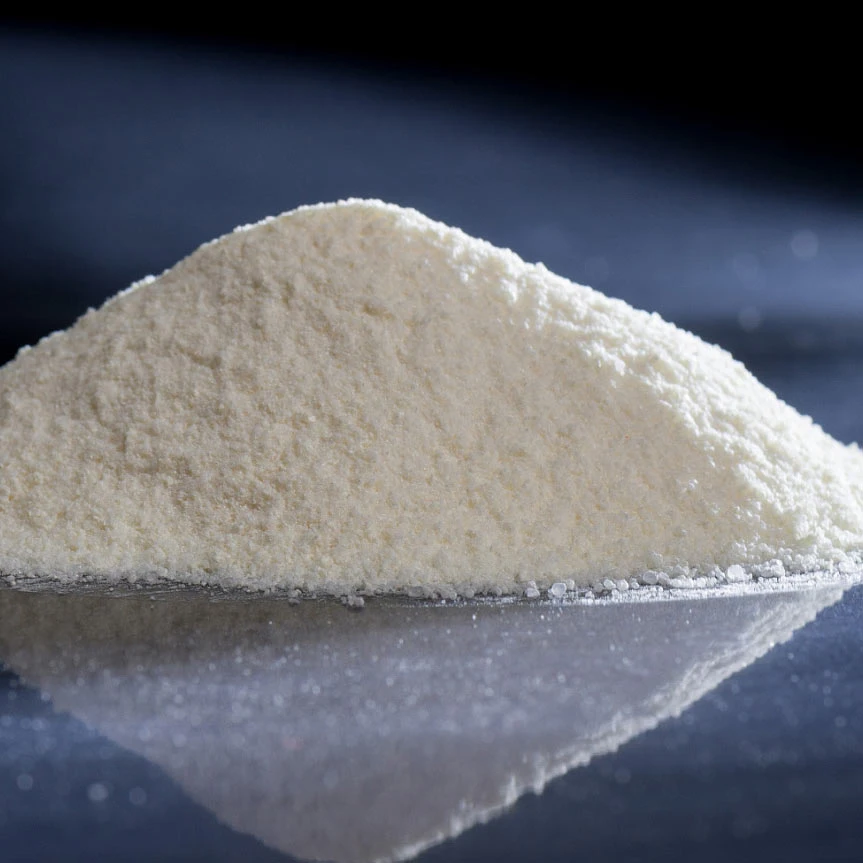
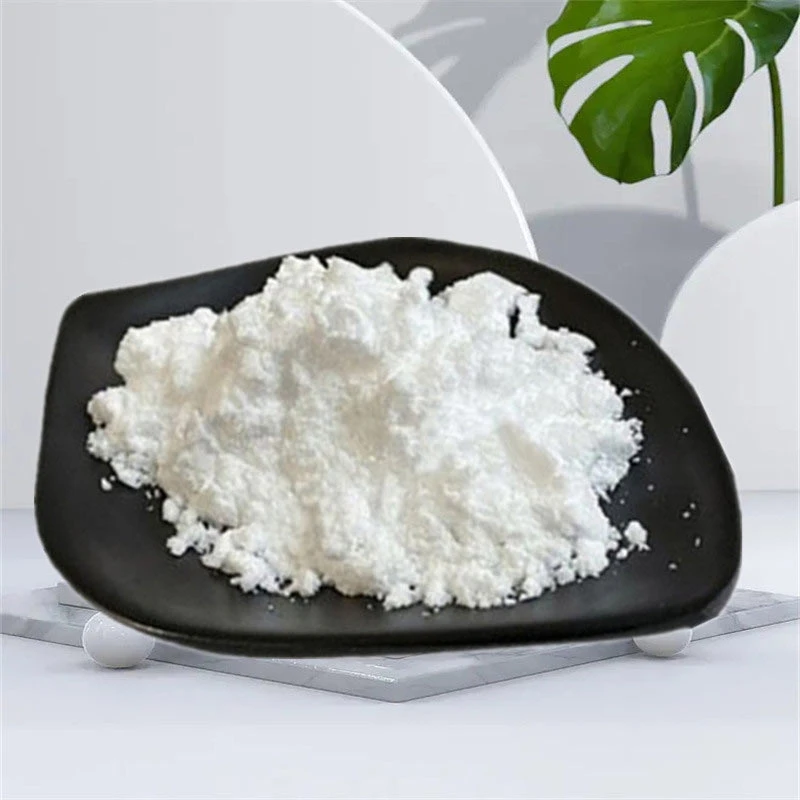
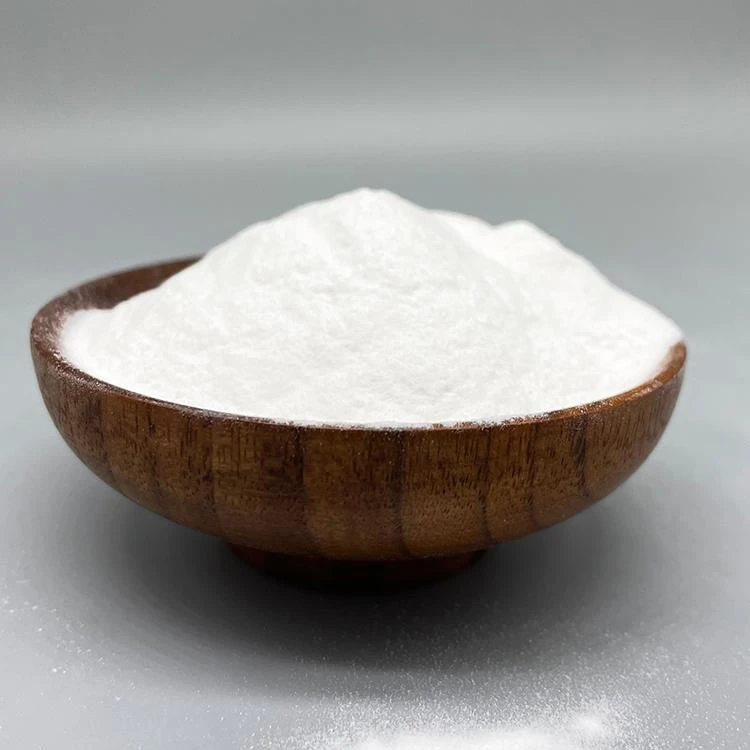
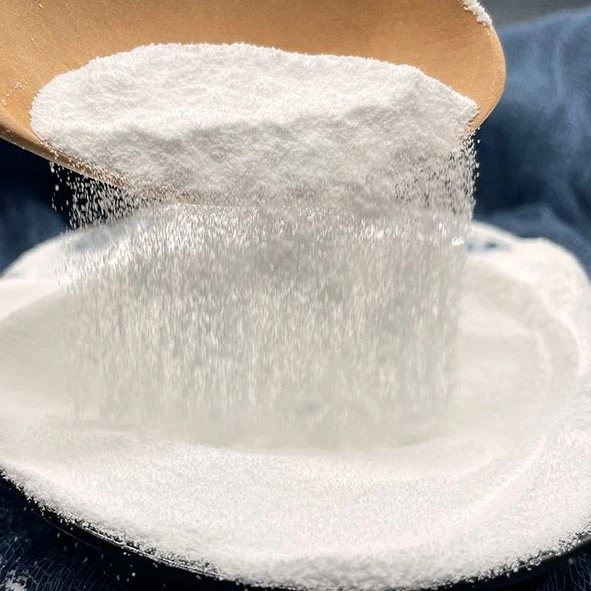
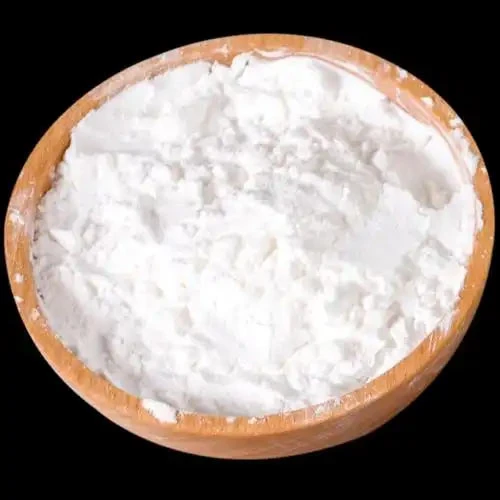
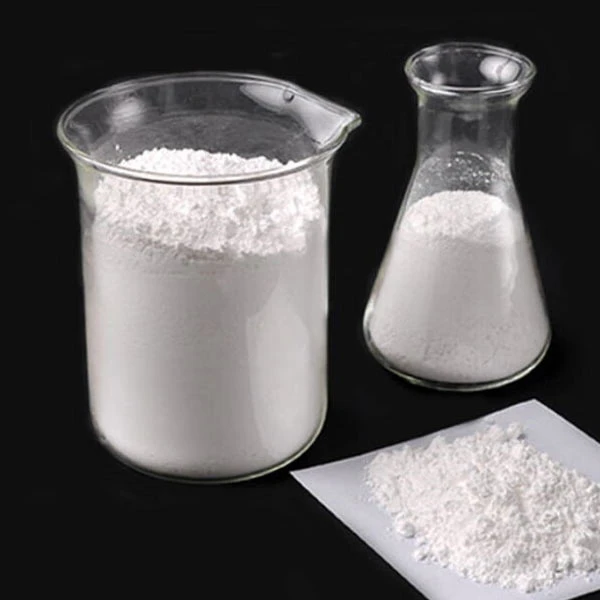
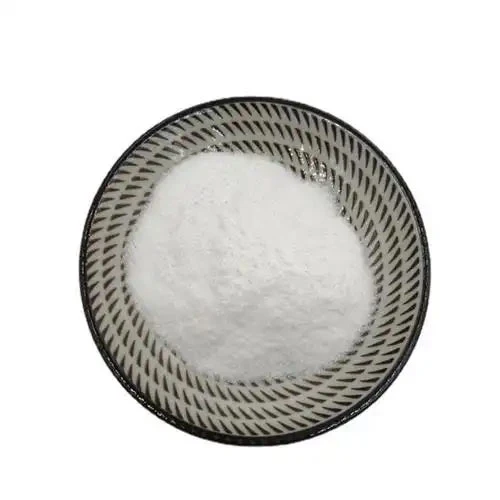
You know, I’ve spent… well, a good chunk of my career dealing with industrial polymers, and CMC is one of those workhorses that quietly makes a lot of things possible. It’s not glamorous, not something people generally talk about, but it’s fundamentally important in everything from food to pharmaceuticals to, crucially for us, industrial applications. It's a cellulose derivative—basically, it's made from wood pulp—and frankly, it's amazing how versatile something so unassuming can be. We're seeing increased demand these days, especially as companies look for more sustainable, bio-based solutions.CMC in Industrial Applications: Properties & Specs
So, what is CMC, beyond being made from trees? It's an anionic polysaccharide, which sounds intimidating, but essentially means it’s a long chain of sugar molecules with a negative charge. That charge is key to its functionality. It’s incredibly effective as a thickener, stabilizer, binder, and film-former. Oddly enough, one of the first applications I encountered was in oil drilling – preventing fluid loss in wellbores. It’s also fantastic in textile sizing, paper production, and increasingly, in ceramic manufacturing. Here's a quick look at some typical specs:| Parameter | Typical Value | Description |
|---|---|---|
| Viscosity (Brookfield, 1% solution) | 50 – 4000 mPa·s | Adjustable based on grade. |
| Degree of Substitution (DS) | 0.4 – 1.4 | Affects solubility and properties. |
| Moisture Content | Important for accurate formulation. | |
| Particle Size | Variable – Powder/Granular | Influences dispersion rate. |
Vendor Landscape & Key Considerations
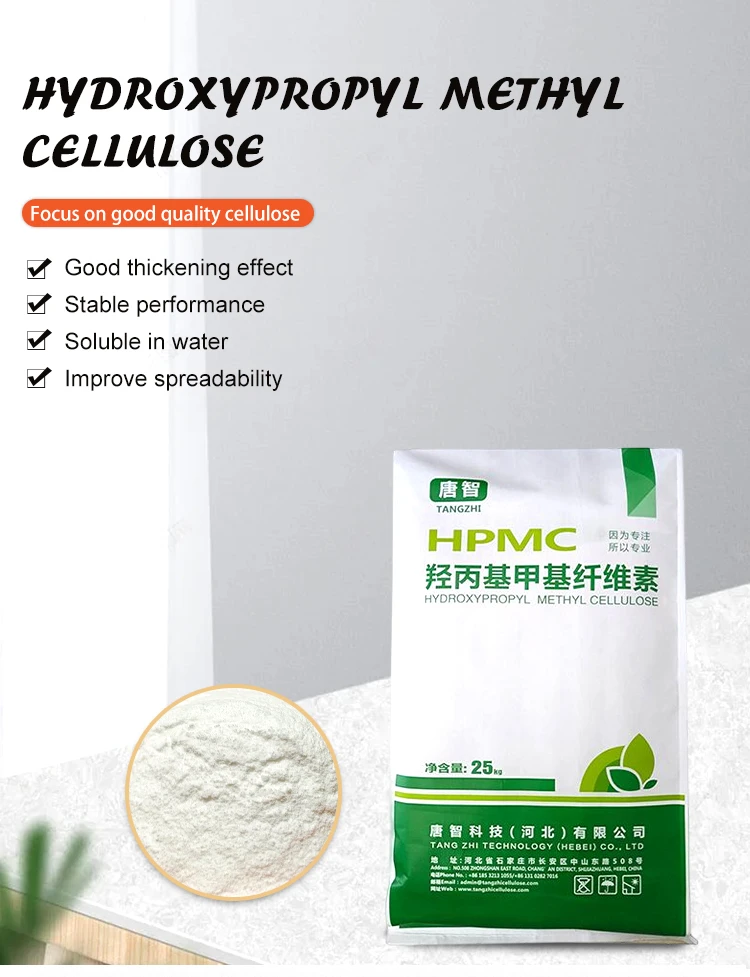
Choosing a CMC supplier isn't just about price, although that's always a factor. It’s about consistency, purity, and frankly, responsiveness. I suppose many engineers say the biggest headache is batch-to-batch variation. You need a supplier who can guarantee consistent performance. Tangzhi HPMC is one vendor gaining traction, known for their customization options. Here's a quick comparison of some common providers:| Vendor | Product Range | Customization | Price (Relative) |
|---|---|---|---|
| Tangzhi HPMC | Broad - Industrial, Food, Pharma | High – tailored DS & viscosity | Medium |
| Seiko PMC | Industrial focused | Moderate | Low |
| Ashland | Wide – all industries | Limited | High |
Conclusion: CMC – A Sustainable & Reliable Choice
Ultimately, CMC offers a compelling combination of performance, cost-effectiveness, and sustainability. We recently helped a ceramic tile manufacturer switch to a CMC-based binder, and they saw a significant reduction in cracking during firing – a small change, but a big win for them. It’s a material that rewards careful formulation and a good partnership with your supplier.
References:
- "Cellulose Derivatives" – Kirk-Othmer Encyclopedia of Chemical Technology
- Internal testing data, HKaiseal Polymer Solutions, 2022-2023
- Anecdotal evidence from field engineering visits, 2018-2023
Latest news
-
HPMC High-Performance Thickener | Hebei TangzhiNewsMar.06,2026
-
Wholesale Water Reducing Admixture for Special Cement: Performance and Market InsightsNewsFeb.28,2026
-
The Complete Guide to HPMC: Types, Applications, Grades, and Manufacturing InsightsNewsFeb.28,2026
-
Redispersible Polymer Powder: Types, Applications, and Performance AdvantagesNewsFeb.28,2026
-
Hydroxymethyl Ethyl Cellulose (MHEC): Properties, Applications, and Market InsightsNewsFeb.28,2026
-
Hydroxyethyl Cellulose: Applications, Performance, and Buying GuideNewsFeb.28,2026