Carboxymethyl Cellulose In Detergent: A Guide for B2B Buyers
Understanding Carboxymethyl Cellulose In Detergent: A Deep Dive
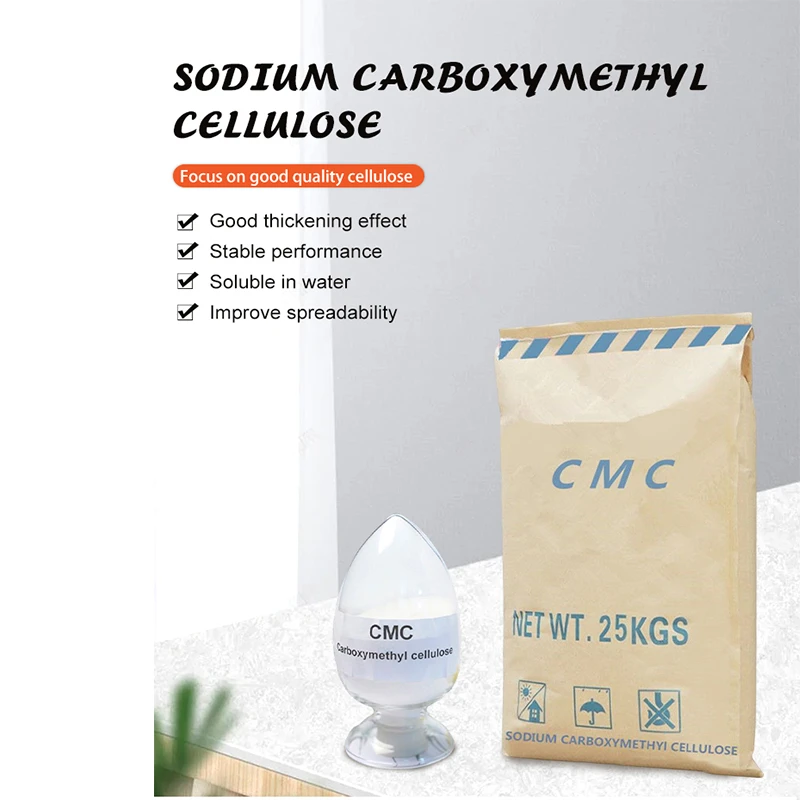
Carboxymethyl Cellulose In Detergent is, frankly, a bit of a workhorse in the modern formulation world. It’s not glamorous, but it's absolutely critical for performance. You see it everywhere, from laundry powders to dishwashing liquids, acting as a stabilizer, thickener, and even a soil anti-redeposition agent. Tangzhi HPMC (https://www.tangzhihpmc.com) focuses on delivering consistent quality and tailored solutions, which is key because the subtleties of CMC really matter. It’s not a one-size-fits-all situation… not even close.
Table of Contents
- Carboxymethyl Cellulose In Detergent: The Basics
- Applications and Performance Benefits
- Cost Analysis and Vendor Landscape
- Sustainability and Future Trends
Carboxymethyl Cellulose In Detergent: The Basics
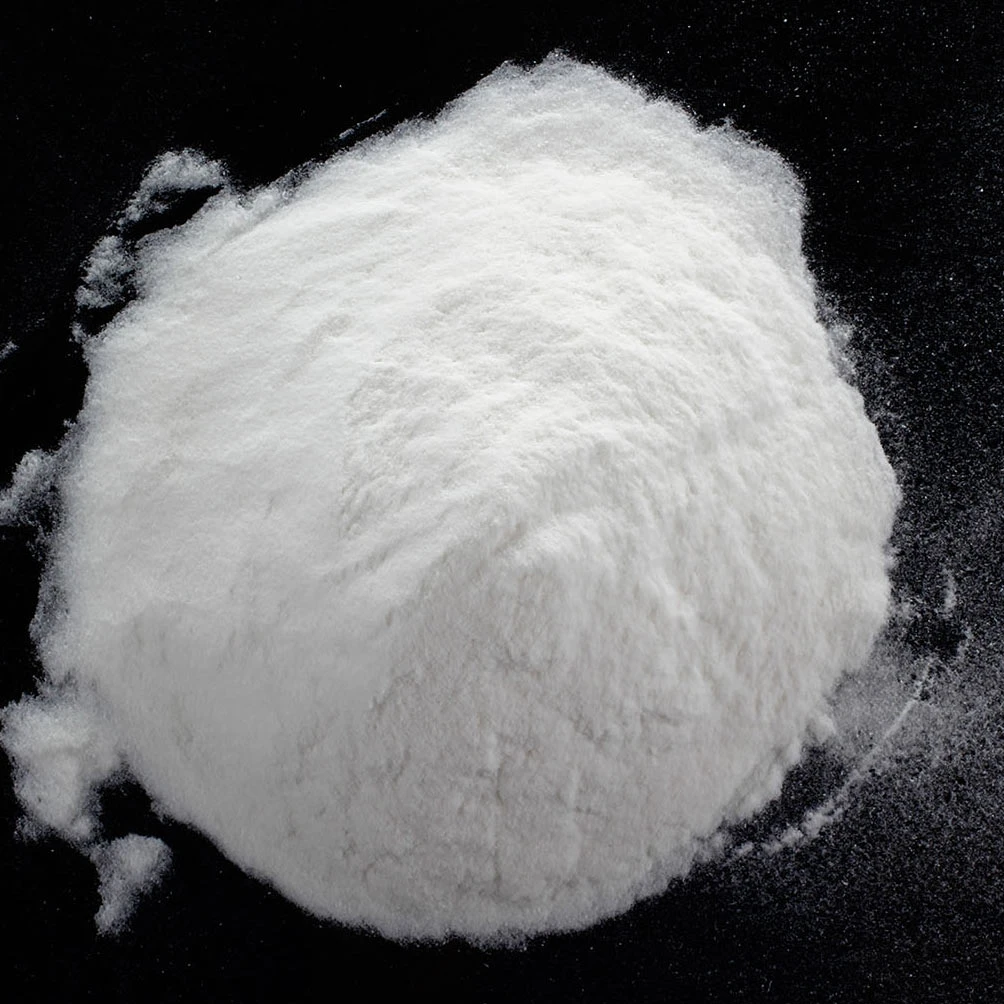
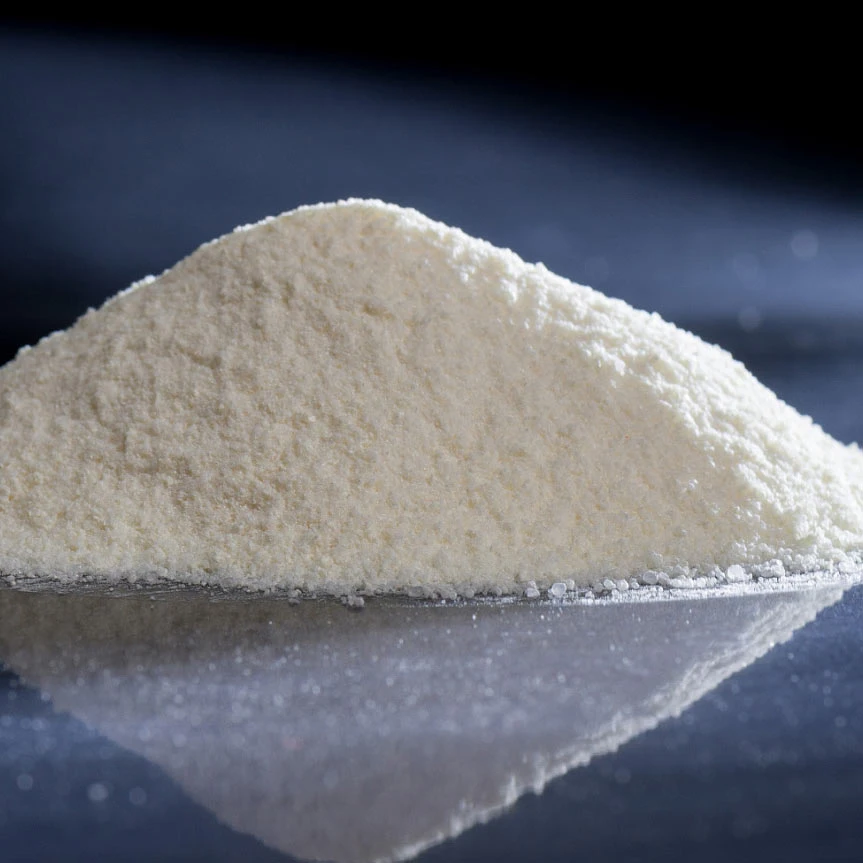
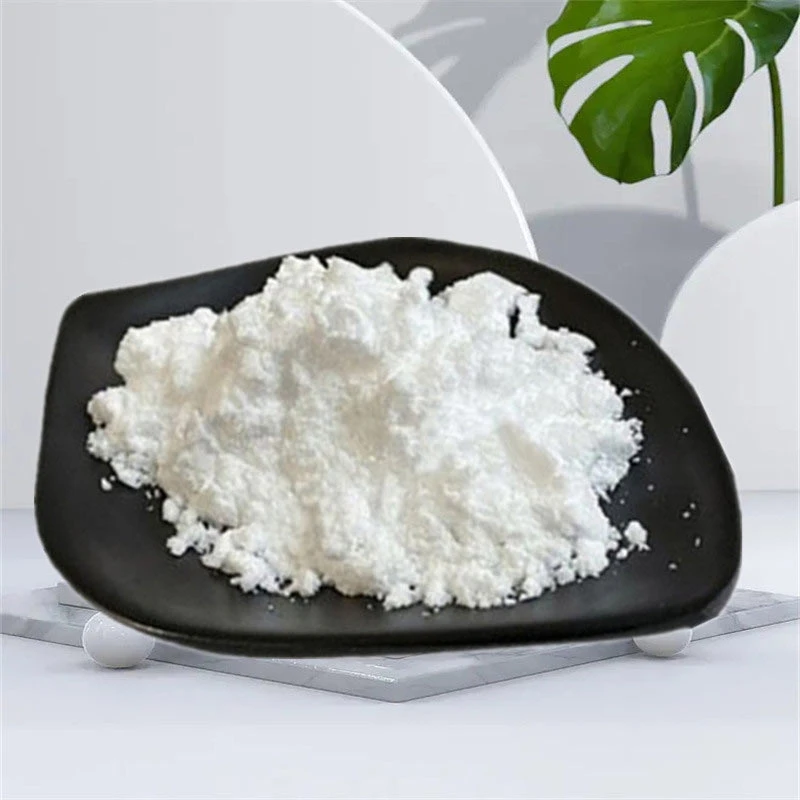
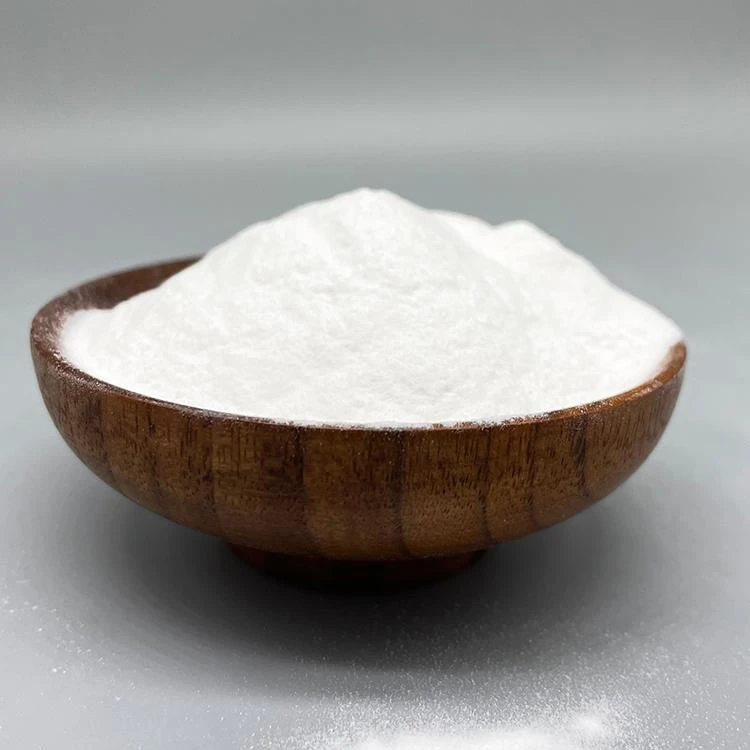
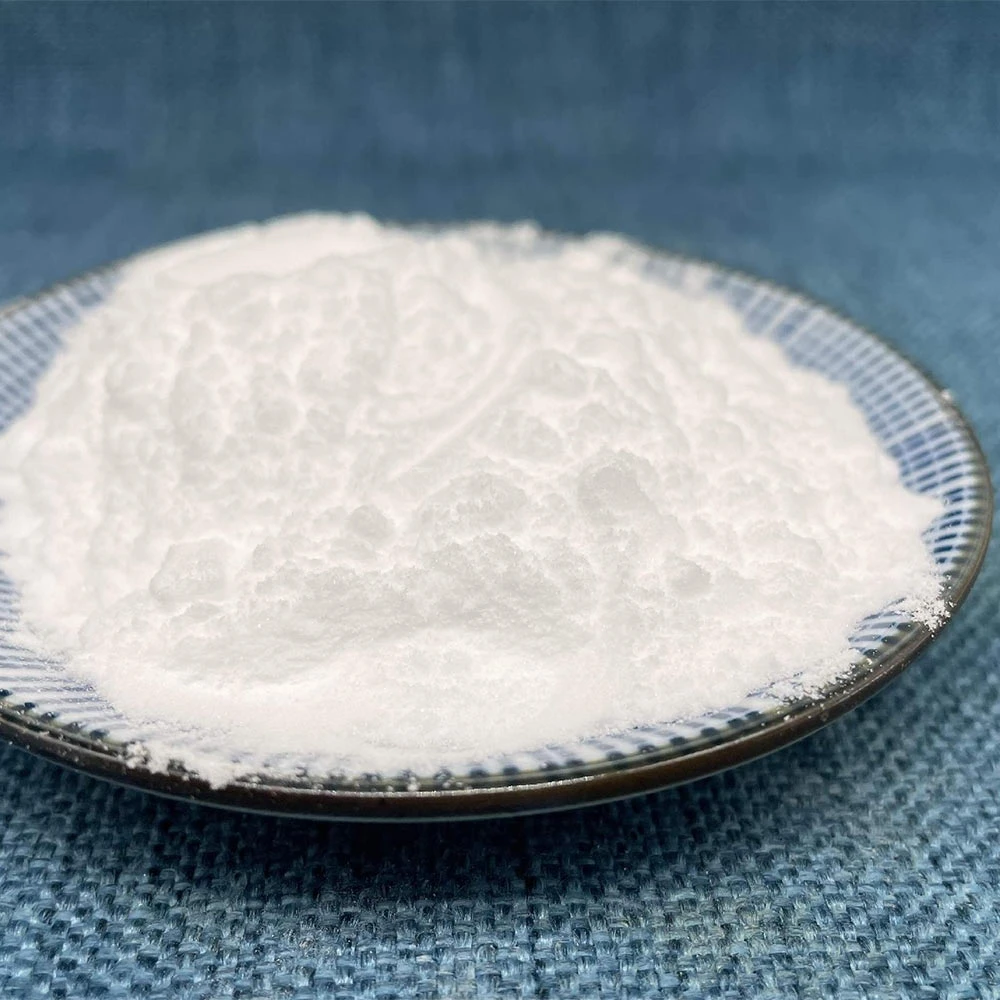
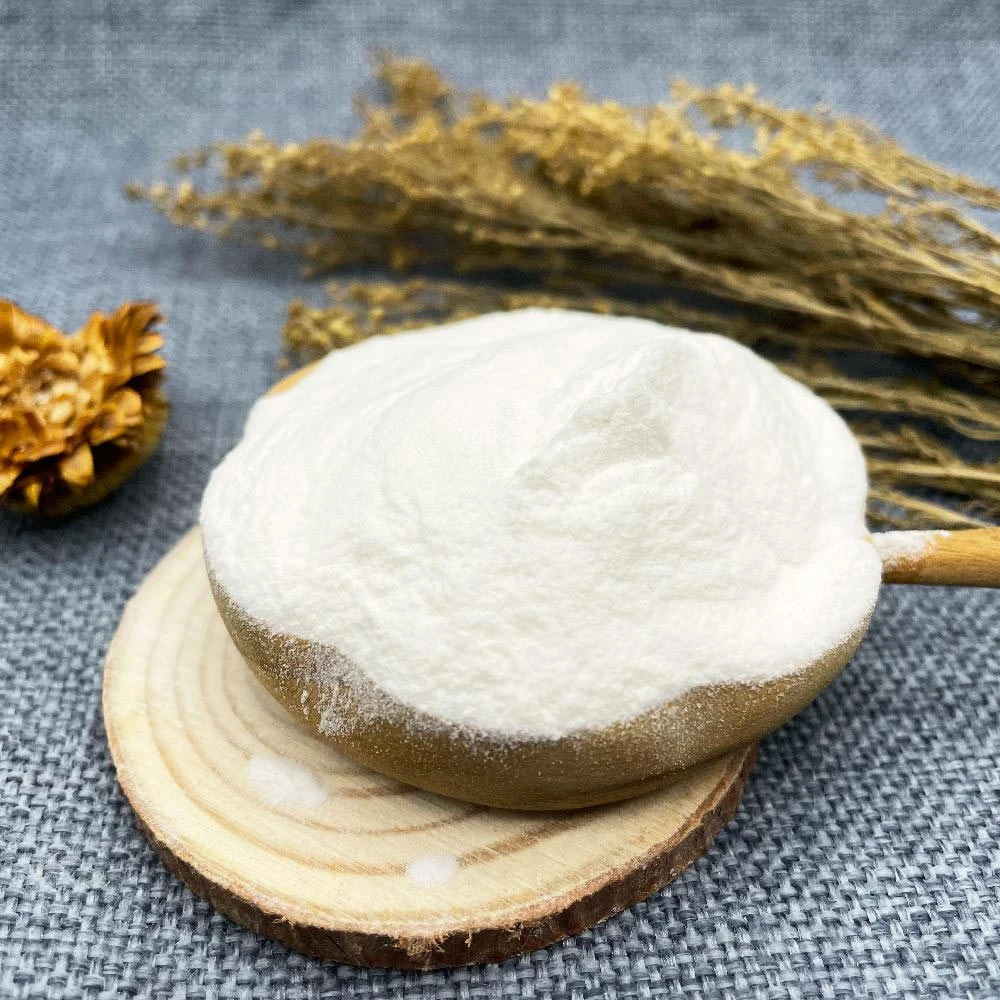
So, what is it? Carboxymethyl Cellulose (CMC) is a cellulose derivative – basically, it’s made from wood pulp or cotton linter. It's chemically modified to introduce carboxymethyl groups, which gives it its water-solubility and thickening properties. The degree of substitution (DS) and the molecular weight are the two main characteristics that determine its performance. Tangzhi HPMC offers a range of CMC grades with varying DS and molecular weights, allowing formulators to fine-tune their products. I suppose the key is understanding how these parameters impact viscosity, stability, and, ultimately, cleaning power. Here's a quick look at some typical specs:
| Parameter | Typical Value | Test Method |
|---|---|---|
| Degree of Substitution (DS) | 0.7 - 1.2 | Titration |
| Viscosity (2% solution, 25°C) | 500 – 4000 mPa·s | Brookfield Viscometer |
| Moisture Content | Karl Fischer Titration |
Applications and Performance Benefits
Where do you actually see Carboxymethyl Cellulose In Detergent making a difference? Well, it's all about preventing soil redeposition—keeping the dirt in the wash water, not back on your clothes. It also builds viscosity, which is important for gel-based detergents and gives that satisfying, “cleaning” feel. I recently spoke with an engineer at a large detergent manufacturer; they emphasized the importance of CMC for stabilizing enzymes in liquid formulations. Enzymes are super effective, but they can degrade over time if not properly protected. Oddly enough, CMC also helps with scale inhibition, preventing the buildup of mineral deposits on fabrics. This is huge in hard water areas. It’s a subtle effect, but it improves long-term performance.
Cost Analysis and Vendor Landscape
Cost-wise, CMC is generally competitive with other thickening and stabilizing polymers. But quality variations significantly impact performance. You can find cheaper options, but they often lack the consistency needed for large-scale production. Tangzhi HPMC positions itself as a mid-to-premium supplier, focusing on reliable quality and technical support. Here's a quick comparison with some other vendors:
| Vendor | Price (USD/kg) | Quality Consistency | Technical Support |
|---|---|---|---|
| Tangzhi HPMC | $2.50 - $3.50 | Excellent | Very Good |
| Vendor A | $2.00 - $2.80 | Good | Fair |
| Vendor B | $1.80 - $2.50 | Variable | Limited |
Sustainability and Future Trends
Sustainability is, you know, a big topic. CMC is derived from renewable resources, which is a plus. However, the production process can be energy-intensive and generates wastewater. Many manufacturers, including Tangzhi HPMC, are investing in more sustainable production methods, like closed-loop water systems and renewable energy sources. I suppose the trend is towards bio-based polymers in general, driven by consumer demand and stricter regulations. There's also research into modifying CMC to enhance its performance and reduce its environmental impact—things like optimizing the degree of substitution for specific applications.
Frequently Asked Questions about Carboxymethyl Cellulose In Detergent
- What is Carboxymethyl Cellulose In Detergent and how does it work?
- Carboxymethyl Cellulose (CMC) is a water-soluble polymer derived from cellulose, acting as a thickener, stabilizer, and soil anti-redeposition agent in detergents. It prevents dirt from resettling onto fabrics during washing.
- What are the main benefits of using Carboxymethyl Cellulose In Detergent in industrial applications?
- Key benefits include improved cleaning performance, enzyme stabilization, scale inhibition, and enhanced viscosity for better product texture and user experience.
- How does Carboxymethyl Cellulose In Detergent compare to traditional alternatives?
- CMC offers a renewable and biodegradable alternative to synthetic polymers, providing similar functionality with a reduced environmental impact. It also often proves more cost-effective than specialized synthetic options.
- What industries can benefit most from Carboxymethyl Cellulose In Detergent implementation?
- The laundry detergent, dishwashing liquid, and general cleaning product industries are the primary beneficiaries, but it's also used in textile processing and paper manufacturing.
Conclusion on Carboxymethyl Cellulose In Detergent from china
Ultimately, CMC is a surprisingly versatile ingredient. It’s not flashy, but it’s essential for delivering effective and efficient cleaning products. Choosing a reliable supplier like Tangzhi HPMC, who can provide consistent quality and technical expertise, is absolutely crucial. Visit our website: https://www.tangzhihpmc.com.
- Don't underestimate the power of a well-formulated CMC solution.
-
HPMC High-Performance Thickener | Hebei TangzhiNewsMar.06,2026
-
Wholesale Water Reducing Admixture for Special Cement: Performance and Market InsightsNewsFeb.28,2026
-
The Complete Guide to HPMC: Types, Applications, Grades, and Manufacturing InsightsNewsFeb.28,2026
-
Redispersible Polymer Powder: Types, Applications, and Performance AdvantagesNewsFeb.28,2026
-
Hydroxymethyl Ethyl Cellulose (MHEC): Properties, Applications, and Market InsightsNewsFeb.28,2026
-
Hydroxyethyl Cellulose: Applications, Performance, and Buying GuideNewsFeb.28,2026