Carboxymethyl Cellulose Solution: A Versatile Industrial Additive
Carboxymethyl Cellulose Solution is, frankly, becoming indispensable in a lot of industrial processes. You see it everywhere, from construction to textiles… it's almost invisible, which is sort of the point, isn't it? This article explores how Tangzhi HPMC supports professionals with durable, high-performance products, and explains why it’s increasingly an ideal choice for businesses needing reliable solutions.
Table of Contents
- Carboxymethyl Cellulose Solution Overview
- Benefits & Use Cases of Carboxymethyl Cellulose Solution
- Cost, Maintenance & User Experience
- Sustainability & Market Trends
Carboxymethyl Cellulose Solution Overview
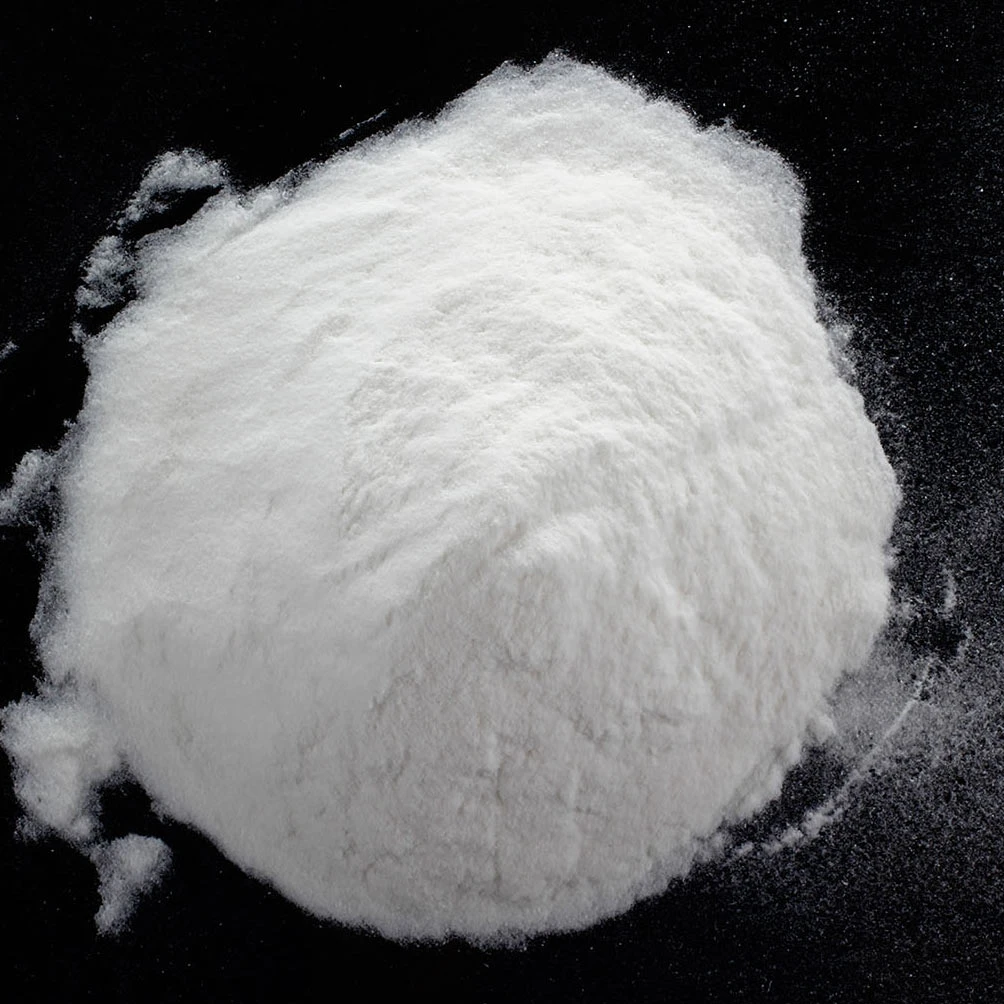
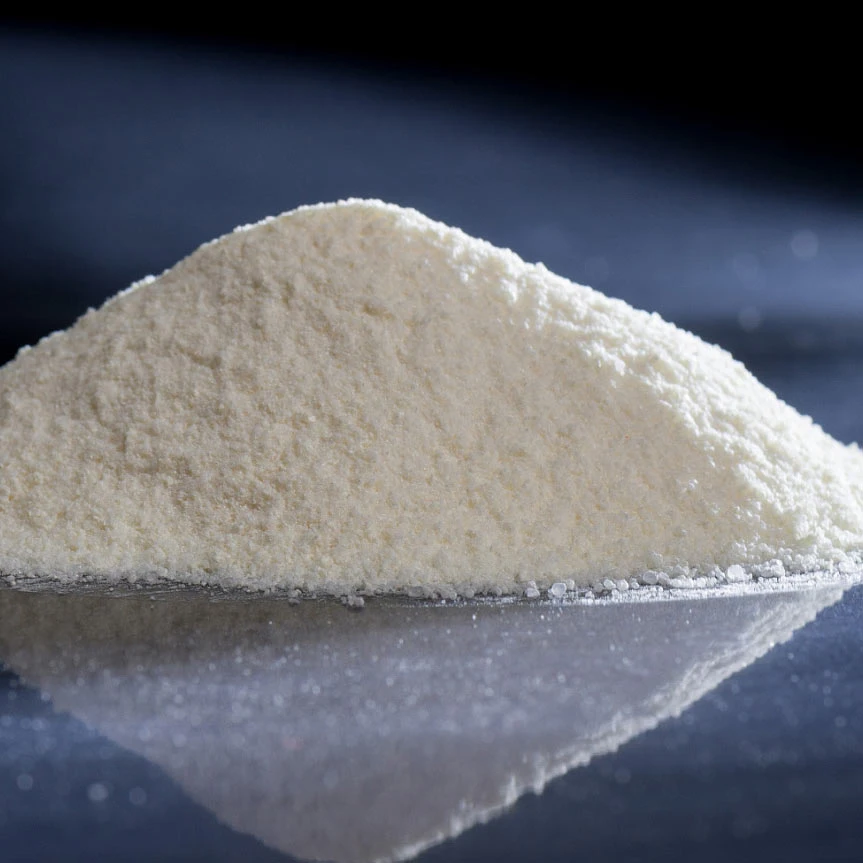
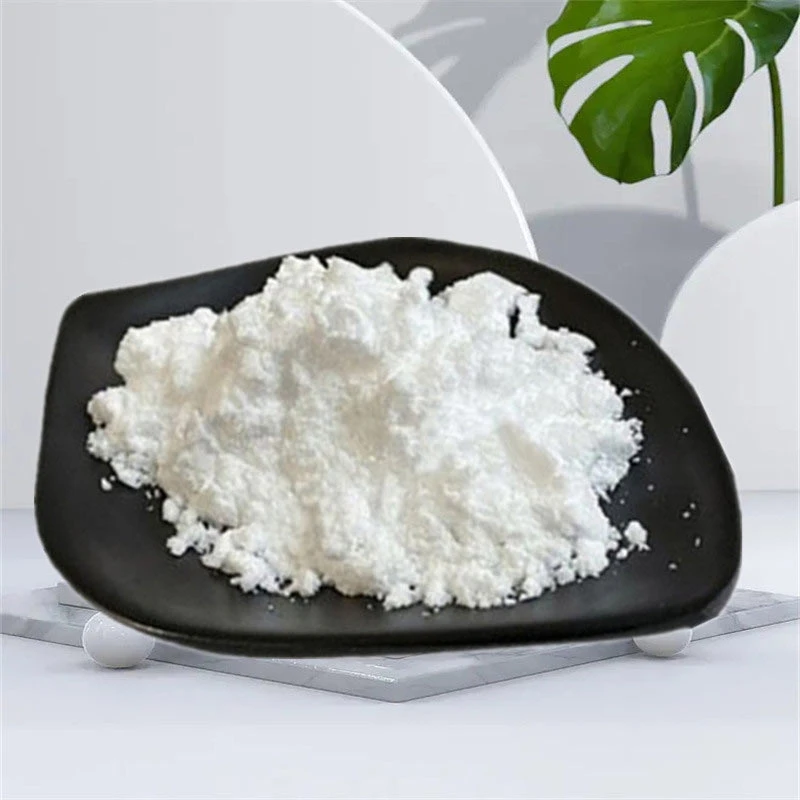
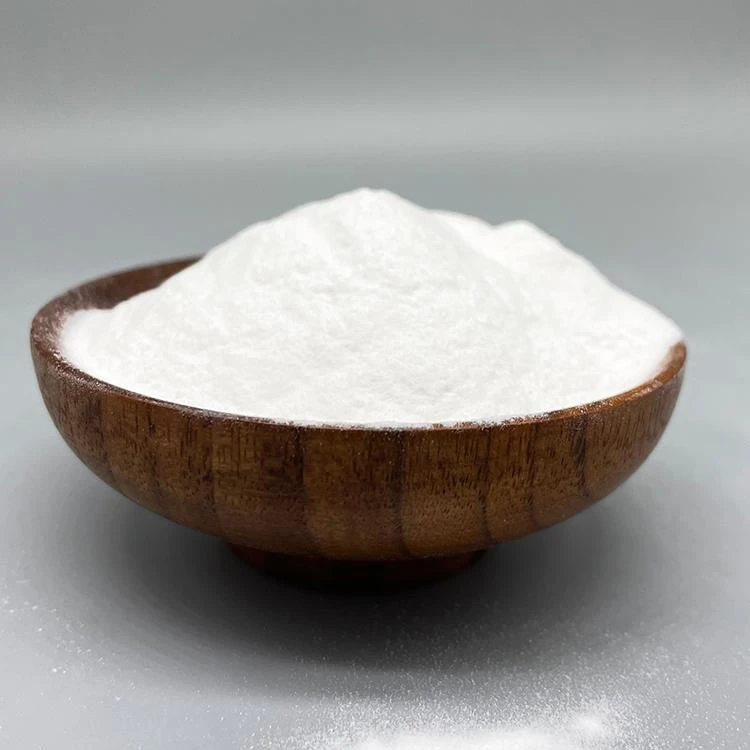
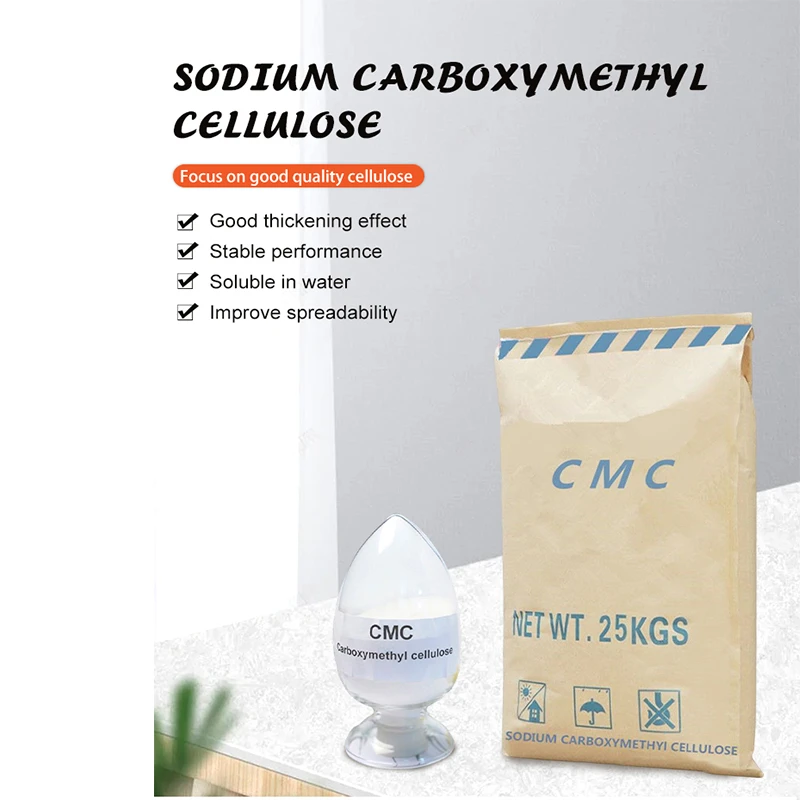
So, what is Carboxymethyl Cellulose (CMC) solution? It's a water-soluble cellulose derivative, basically a modified form of cellulose from wood pulp or cotton linters. It acts as a thickener, stabilizer, and binder—sounds simple, but that versatility is key. Many engineers I’ve spoken with appreciate its non-toxic nature and its ability to control viscosity with surprising precision. Tangzhi HPMC offers a range of CMC solutions, with varying viscosity levels and substitution degrees to meet different application demands. It's not a new invention, mind you—been around for decades—but the manufacturing processes have gotten a lot more refined, leading to more consistent and higher-performing products.
| Property | Specification | Typical Value |
|---|---|---|
| Viscosity (2% solution) | Brookfield | 50-4000 mPa·s |
| Degree of Substitution | DS | 0.6-1.2 |
| pH Value (1% solution) | - | 6.0-8.0 |
Benefits & Use Cases of Carboxymethyl Cellulose Solution
Where do you even start with applications? Construction is a big one—it's used in tile adhesives, cement mortars, and self-leveling compounds to improve workability and adhesion. The oil and gas industry uses it in drilling fluids to control viscosity and prevent fluid loss. Textile printing relies on CMC for its thickening and stabilizing properties, creating sharp, defined prints. And, oddly enough, it's even used in some food applications as a stabilizer. Tangzhi HPMC's CMC solution really shines in situations demanding high consistency and reliable performance. I remember talking to a contractor who swore by it for large-scale flooring projects—said it drastically reduced cracking and improved overall finish quality. It feels like a hidden hero in a lot of these industries.
| Vendor | CMC Grade | Price Range (USD/kg) | Technical Support |
|---|---|---|---|
| Tangzhi HPMC | Industrial Grade | $2.50 - $4.00 | Excellent |
| DuPont | Walocel™ | $3.00 - $5.50 | Good |
| Ashland | Cellosize™ | $3.50 - $6.00 | Average |
Cost, Maintenance & User Experience
Cost-wise, CMC solution is generally pretty competitive, especially when you consider its effectiveness. The total cost of ownership, though, depends on the grade and application. Higher viscosity grades will obviously cost more. Maintenance is minimal—it’s a solution, so no special handling is required beyond standard safety procedures for handling chemicals. User experience is… straightforward. It dissolves readily in water, and the consistency is predictable. Many engineers say that Tangzhi HPMC provides consistent batch-to-batch quality, which eliminates a lot of troubleshooting headaches. That consistency is a big win, really. It reduces waste and rework.
Sustainability & Market Trends
Sustainability is a growing concern, and CMC isn’t immune. It’s derived from cellulose, a renewable resource, which is a plus. However, the production process can have environmental impacts, so responsible sourcing and manufacturing are crucial. There's a trend toward bio-based polymers in general, driven by stricter regulations and consumer demand. I suppose the CMC market will continue to grow as more industries seek sustainable and versatile additives. It’s a dynamic field, and companies like Tangzhi HPMC seem to be actively investing in greener production methods.
Frequently Asked Questions about Carboxymethyl Cellulose Solution
- What is Carboxymethyl Cellulose Solution and how does it work?
- Carboxymethyl Cellulose (CMC) solution is a water-soluble polymer derived from cellulose. It works by increasing viscosity, stabilizing emulsions, and acting as a binder in various applications. Its molecular structure allows it to effectively interact with water and other substances, altering their physical properties.
- What are the main benefits of using Carboxymethyl Cellulose Solution in industrial applications?
- The benefits include improved product consistency, enhanced stability, increased adhesion, and cost-effectiveness. It also offers excellent thickening properties and is environmentally friendly due to its origin from renewable cellulose sources.
- How does Carboxymethyl Cellulose Solution compare to traditional alternatives?
- Compared to traditional alternatives like starches or synthetic polymers, CMC offers superior stability, better control over viscosity, and a more consistent performance. It's also non-toxic and biodegradable, making it a more sustainable option.
- What industries can benefit most from Carboxymethyl Cellulose Solution implementation?
- Key industries include construction (tile adhesives, cement mortars), oil and gas (drilling fluids), textiles (printing), food processing, pharmaceuticals, and detergents. It is adaptable to various processes and formulations, making it a versatile component in many products.
Conclusion on Carboxymethyl Cellulose Solution from china
Ultimately, Carboxymethyl Cellulose solution is a workhorse chemical—not glamorous, but incredibly useful. It's a reliable solution for a wide range of industrial challenges, and Tangzhi HPMC consistently delivers high-quality products with excellent support. Visit our website: https://www.tangzhihpmc.com to learn more.
- Recap the value of Carboxymethyl Cellulose Solution.
- - "Visit our website: https://www.tangzhihpmc.com"
-
HPMC High-Performance Thickener | Hebei TangzhiNewsMar.06,2026
-
Wholesale Water Reducing Admixture for Special Cement: Performance and Market InsightsNewsFeb.28,2026
-
The Complete Guide to HPMC: Types, Applications, Grades, and Manufacturing InsightsNewsFeb.28,2026
-
Redispersible Polymer Powder: Types, Applications, and Performance AdvantagesNewsFeb.28,2026
-
Hydroxymethyl Ethyl Cellulose (MHEC): Properties, Applications, and Market InsightsNewsFeb.28,2026
-
Hydroxyethyl Cellulose: Applications, Performance, and Buying GuideNewsFeb.28,2026