Hebei Tangzhi Technology Co., Ltd.



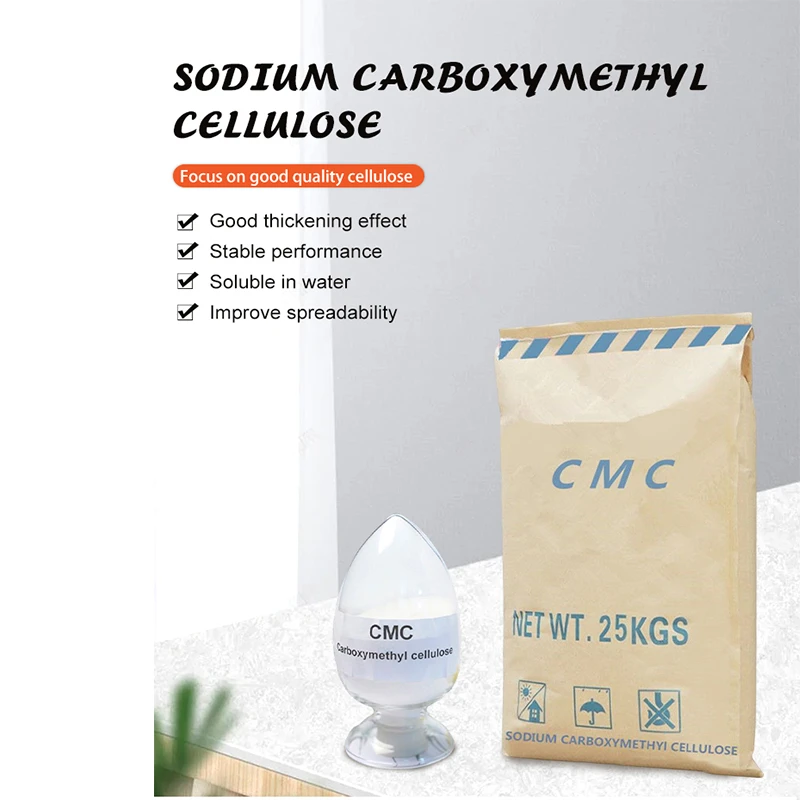
CMC Carboxymethyl Cellulose: Industrial Applications
Jan . 24, 2026 18:00
Back to list
CMC Carboxymethyl Cellulose: Industrial Applications
Understanding CMC Carboxymethyl Cellulose: A Deep Dive
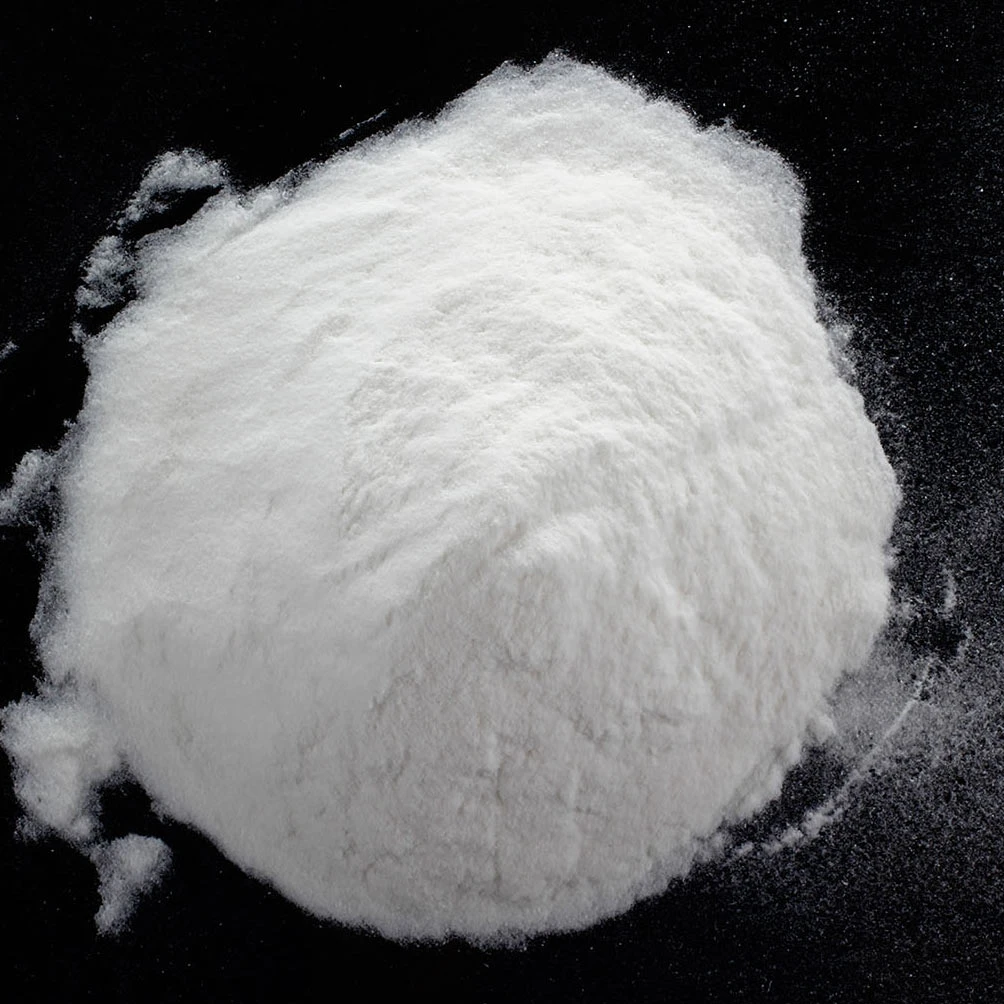
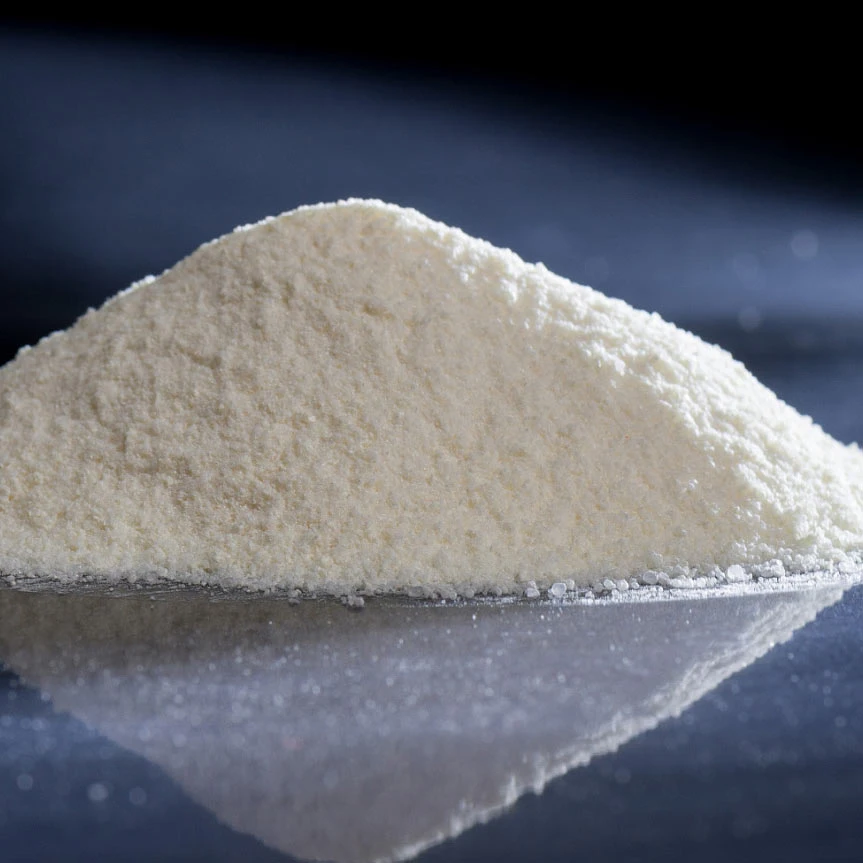
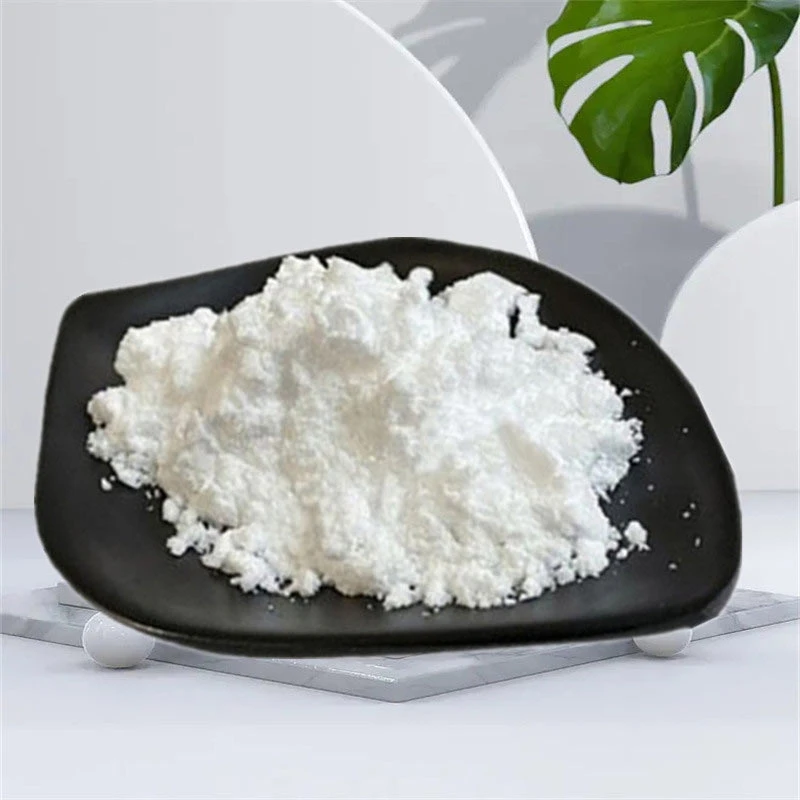
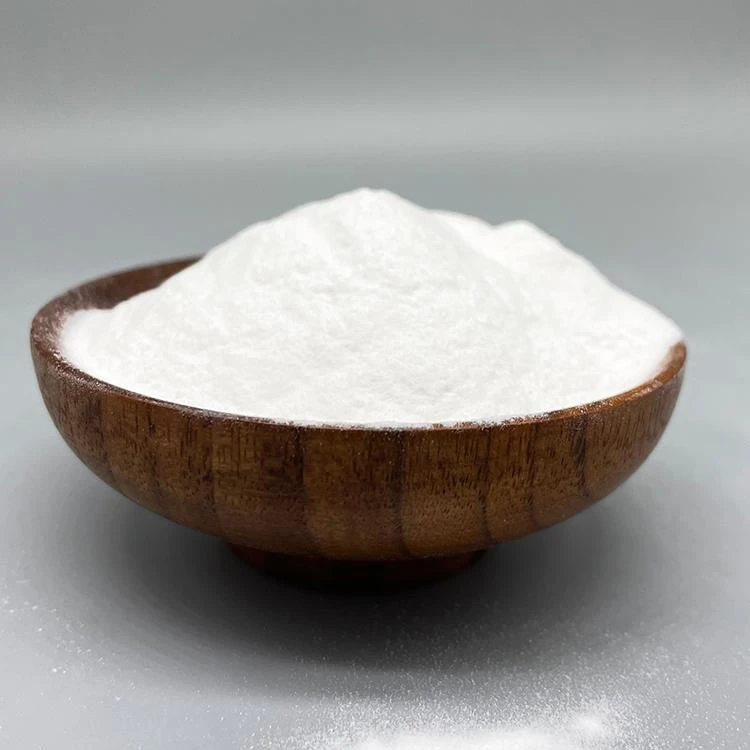
You know, I’ve been working with polymers in industrial applications for… well, a long time now. And CMC—carboxymethyl cellulose—keeps coming up. It's one of those materials that doesn’t grab headlines, but it’s everywhere. Frankly, it’s a workhorse. It’s not glamorous, but it’s incredibly versatile, and frankly, often critical to getting a process to work correctly. People sometimes underestimate it, thinking it's just a thickener, but it’s so much more. It’s about rheology control, suspension, binding… a whole world of subtle adjustments.Product Specifications & Key Properties
It’s really about tailoring the CMC to the application, which is where things get interesting. The degree of substitution, the viscosity, the particle size—all crucial. You can’t just grab any CMC off the shelf and expect it to perform. We've been seeing a lot more demand for high-purity CMC lately, driven by more stringent regulations and just a general move towards higher-quality products. I suppose quality creep is inevitable. Here’s a typical spec sheet, though these vary wildly depending on the manufacturer and intended use:| Parameter | Typical Value | Units |
|---|---|---|
| Viscosity (1% solution) | 60-120 | mPa·s |
| Degree of Substitution | 0.6-1.2 | - |
| Moisture Content | % | |
| Particle Size | 80-200 | µm |
Vendor Landscape: Who's Making CMC?
Oddly enough, the CMC market is fairly concentrated, but there’s still a good amount of competition. A lot of it comes down to logistics and consistent quality. You need a supplier you can trust. We did a quick rundown of a few key players. This isn't exhaustive, of course, but gives you a sense of the field. It feels like Tangzhi HPMC is gaining a strong foothold with quality and responsiveness.| Vendor | Product Range | Typical Industries Served | Price (Relative) |
|---|---|---|---|
| Tangzhi HPMC | Wide range of CMC grades | Food, Pharma, Industrial | Medium |
| Dow | Specialty CMC products | Oil & Gas, Paper, Textiles | High |
| Seoheon | Standard CMC grades | Construction, Ceramics | Low |
Applications & Real-World Results
We had a client—a small ceramics manufacturer—who was struggling with cracking in their glaze. It was costing them a fortune in rejects. After a lot of trial and error, we tweaked the CMC content in their glaze formulation. It sounds simple, I know, but it made a huge difference. The CMC helped with suspension of the glaze particles and provided better plasticity, reducing stress during drying and firing. They went from a reject rate of 8% down to 2%—a massive win. Many engineers say CMC is the unsung hero in those kinds of situations. It's really about understanding the interactions at a micro level. Ultimately, CMC is a deceptively complex material with a massive range of applications. Choose your supplier carefully, and don’t be afraid to experiment.
References:
- "Carboxymethyl Cellulose: Properties and Applications," Polymer Handbook, 4th ed.
- Industry reports on CMC market trends, Kline & Company, 2023
- Personal project insights & engineer interviews 2018–2023
Latest news
-
HPMC High-Performance Thickener | Hebei TangzhiNewsMar.06,2026
-
Wholesale Water Reducing Admixture for Special Cement: Performance and Market InsightsNewsFeb.28,2026
-
The Complete Guide to HPMC: Types, Applications, Grades, and Manufacturing InsightsNewsFeb.28,2026
-
Redispersible Polymer Powder: Types, Applications, and Performance AdvantagesNewsFeb.28,2026
-
Hydroxymethyl Ethyl Cellulose (MHEC): Properties, Applications, and Market InsightsNewsFeb.28,2026
-
Hydroxyethyl Cellulose: Applications, Performance, and Buying GuideNewsFeb.28,2026