Hebei Tangzhi Technology Co., Ltd.



CMC Cellulose: Industrial Applications & Suppliers
Jan . 24, 2026 18:00
Back to list
CMC Cellulose: Industrial Applications & Suppliers
Understanding CMC Cellulose: A Workhorse in Industrial Applications
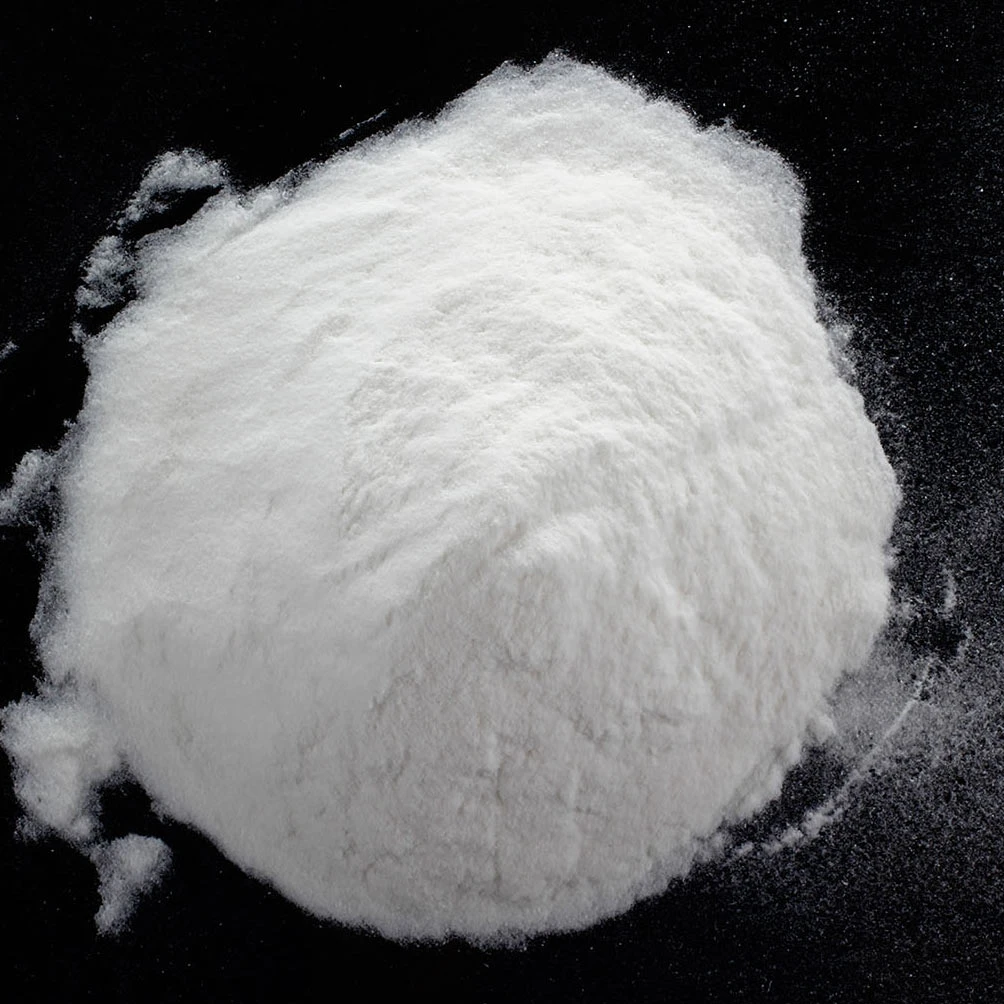
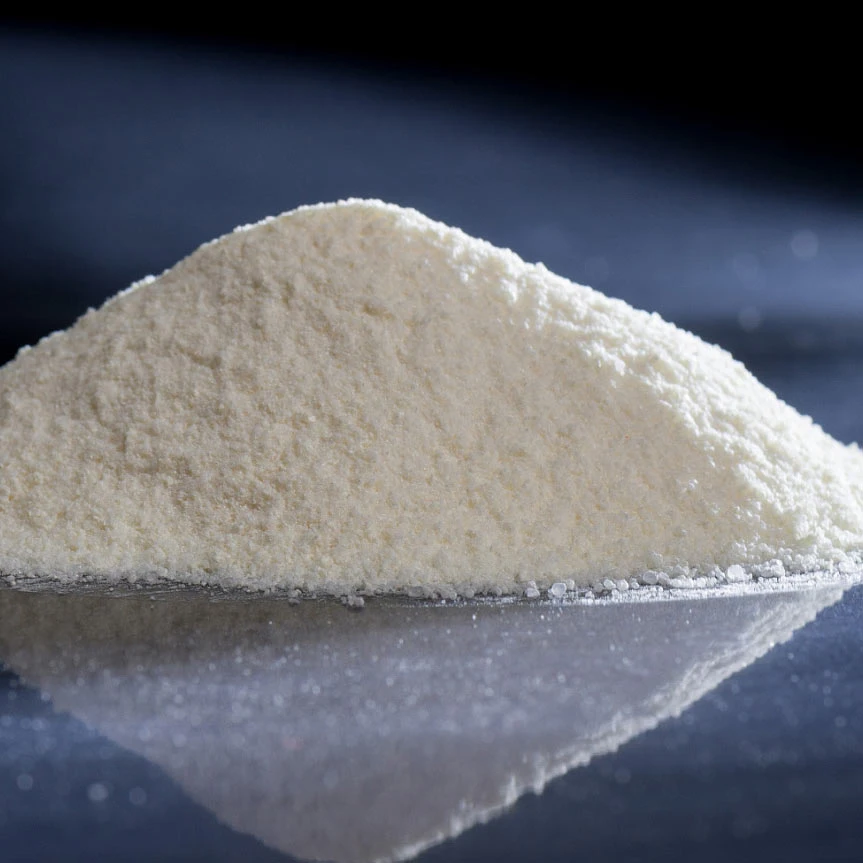
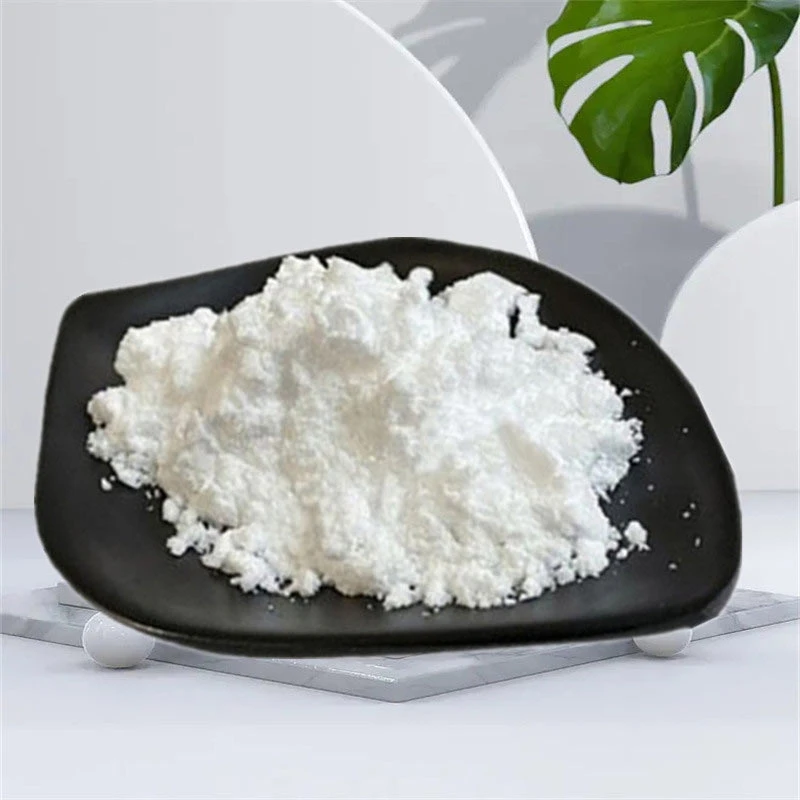
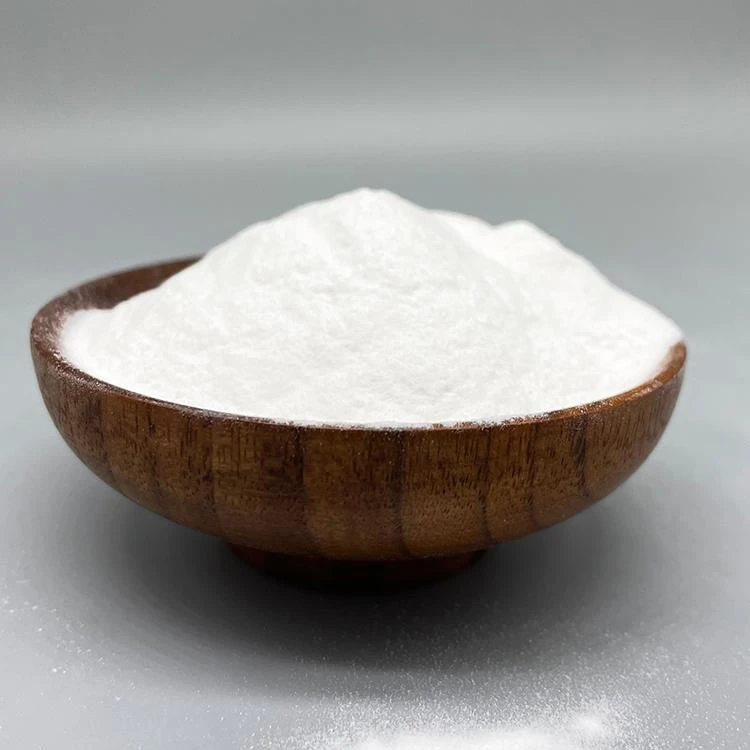
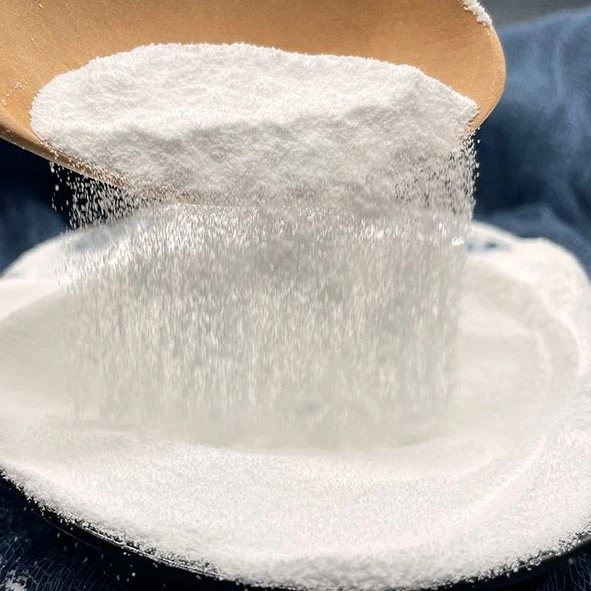
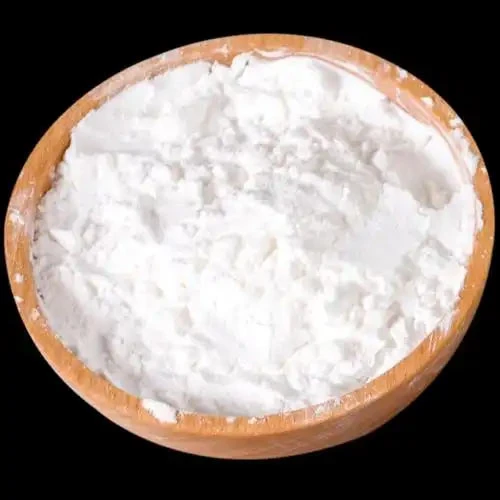
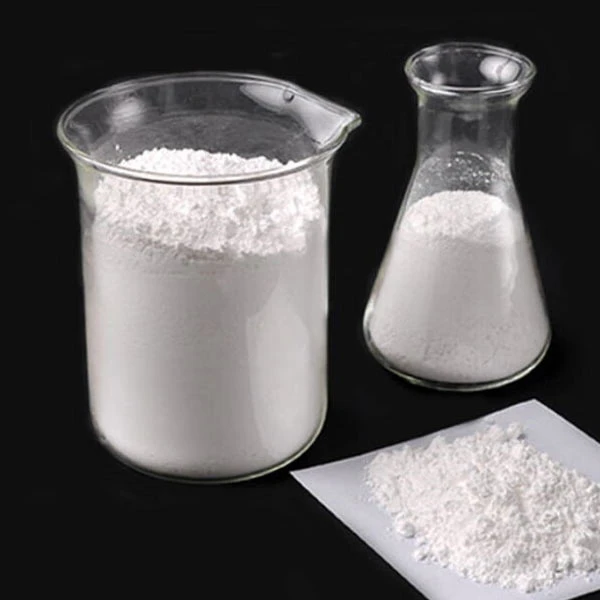
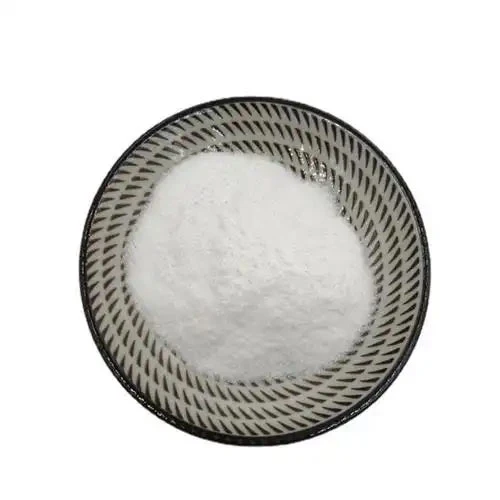
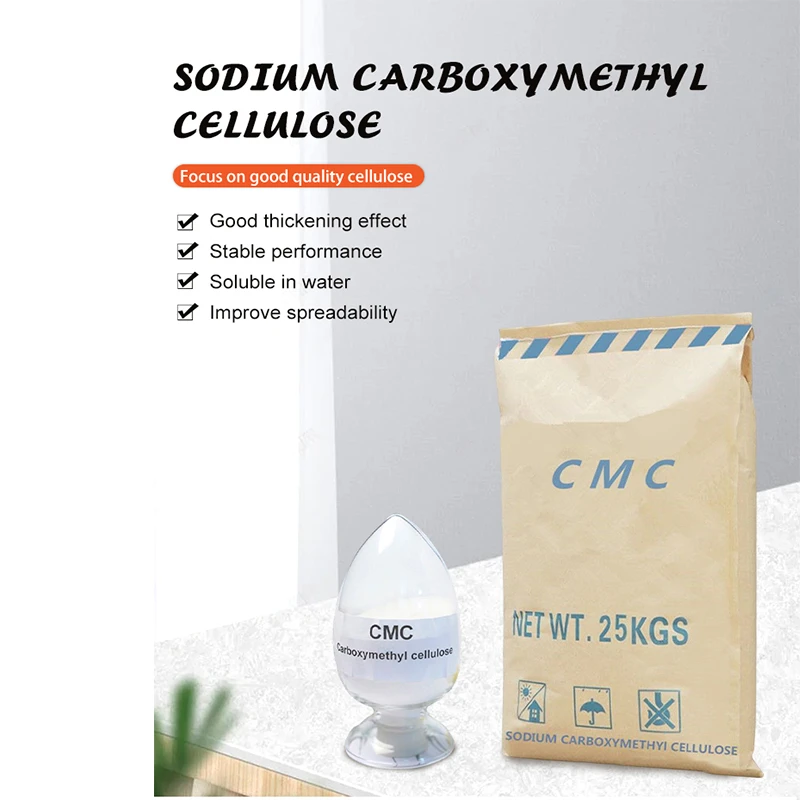
It’s funny, you know, how some materials just… quietly get things done. They aren’t flashy, don’t dominate headlines, but they’re everywhere. CMC – carboxymethyl cellulose – is absolutely one of those. I’ve been working with industrial polymers for… well, longer than I care to admit, and CMC consistently proves its worth. It’s a water-soluble cellulose derivative, essentially taking natural cellulose (think wood pulp or cotton) and modifying it to give it some really useful properties. It’s a thickener, a stabilizer, a binder – it plays a lot of roles, frankly, and it does them well. Often overlooked, but a vital component in so many processes. We see it in everything from textile sizing to drilling fluids, even pharmaceuticals.CMC Cellulose: Product Specifications & Key Characteristics
What really sets CMC apart is its versatility. You can tailor its properties – viscosity, substitution degree, particle size – to meet the specific demands of an application. It’s not a one-size-fits-all; it’s a platform. And a surprisingly robust one at that. We often get asked about its thermal stability, and while it will degrade at high temperatures, it holds up remarkably well in many industrial settings. Here’s a quick rundown of typical specifications:| Parameter | Value | Description |
|---|---|---|
| Viscosity (Brookfield, 1% soln) | 50 – 4000 mPa·s | Adjustable based on grade |
| Degree of Substitution | 0.6 – 1.4 | Influences solubility & reactivity |
| Particle Size | 80 – 200 mesh | Affects dissolution rate |
| pH (1% solution) | 6.0 – 8.0 | Generally neutral |
Vendor Landscape & Considerations
Now, sourcing CMC… that’s a whole other conversation. There are a lot of suppliers out there. Quality can vary wildly, and frankly, price isn’t always the best indicator. I've noticed that many engineers prioritize consistency in their supply chain. A slight variation in viscosity, for example, can throw off an entire process. Here's a quick comparison of a few key players. It’s not exhaustive, mind you, just based on my experiences and what I hear from others in the field:| Vendor | Quality | Price | Customization |
|---|---|---|---|
| Tangzhi HPMC https://www.tangzhihpmc.com | High | Competitive | Excellent |
| SealedAir | Good | Moderate | Limited |
| Ashland | Very High | High | Good |
Final Thoughts: The Unsung Hero
Ultimately, CMC cellulose is a fantastic, versatile material. It might not be glamorous, but it gets the job done, consistently and reliably. Don't underestimate its power, because in a lot of applications, it's the quiet ingredient making everything else possible…
References:
- Industrial Polymer Handbook, 2021
- Material Safety Data Sheets (MSDS) – various CMC suppliers
- Internal testing data & project reports, 2018–2023
Latest news
-
HPMC High-Performance Thickener | Hebei TangzhiNewsMar.06,2026
-
Wholesale Water Reducing Admixture for Special Cement: Performance and Market InsightsNewsFeb.28,2026
-
The Complete Guide to HPMC: Types, Applications, Grades, and Manufacturing InsightsNewsFeb.28,2026
-
Redispersible Polymer Powder: Types, Applications, and Performance AdvantagesNewsFeb.28,2026
-
Hydroxymethyl Ethyl Cellulose (MHEC): Properties, Applications, and Market InsightsNewsFeb.28,2026
-
Hydroxyethyl Cellulose: Applications, Performance, and Buying GuideNewsFeb.28,2026