Hebei Tangzhi Technology Co., Ltd.



CMC Sodium Carboxymethyl Cellulose: Industrial Guide
Jan . 25, 2026 01:50
Back to list
CMC Sodium Carboxymethyl Cellulose: Industrial Guide
Understanding CMC Sodium Carboxymethyl Cellulose for Industrial Applications
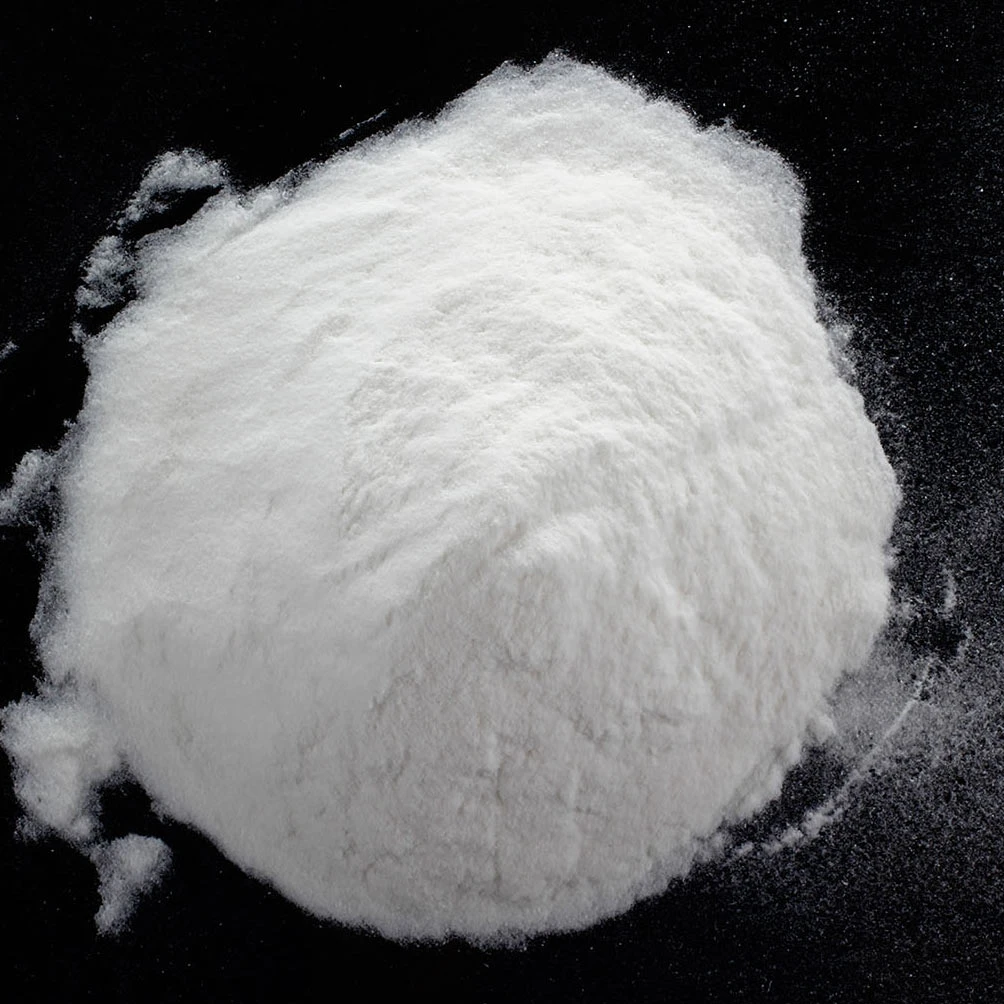
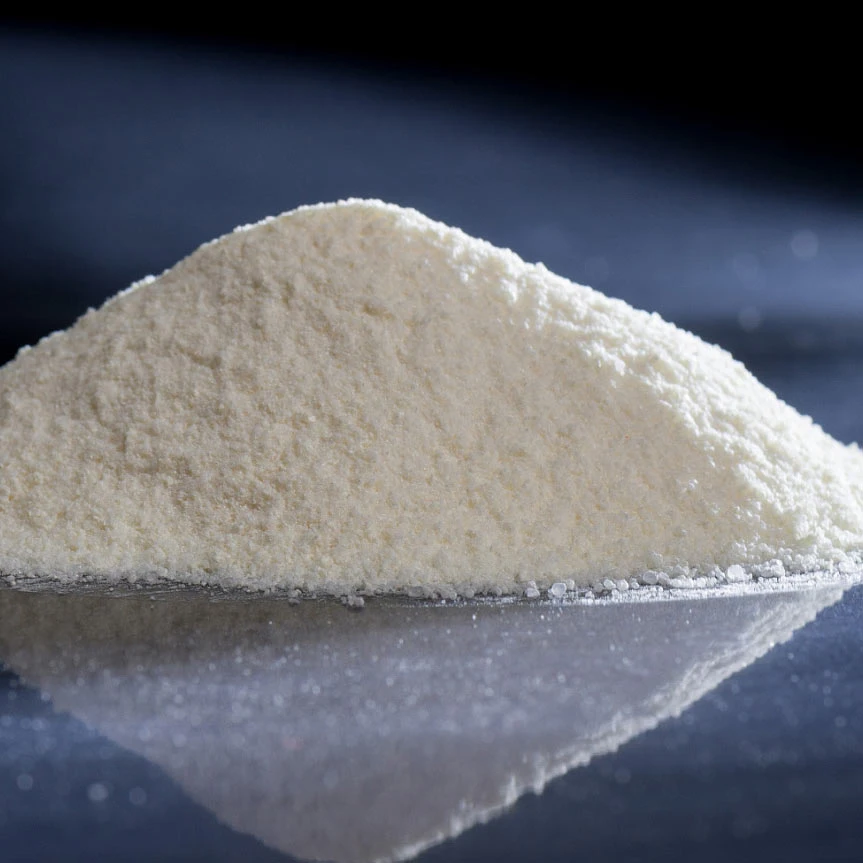
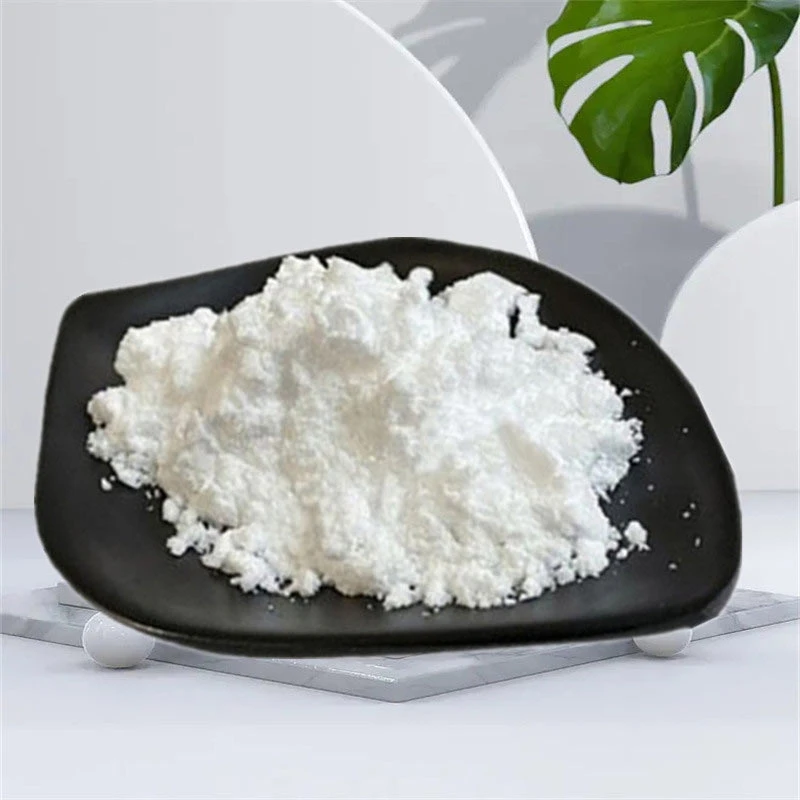
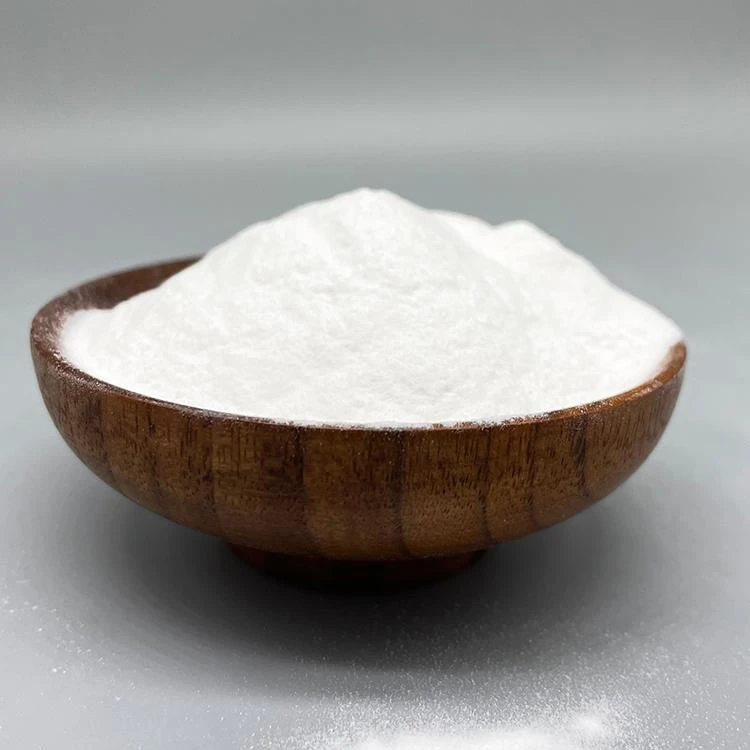
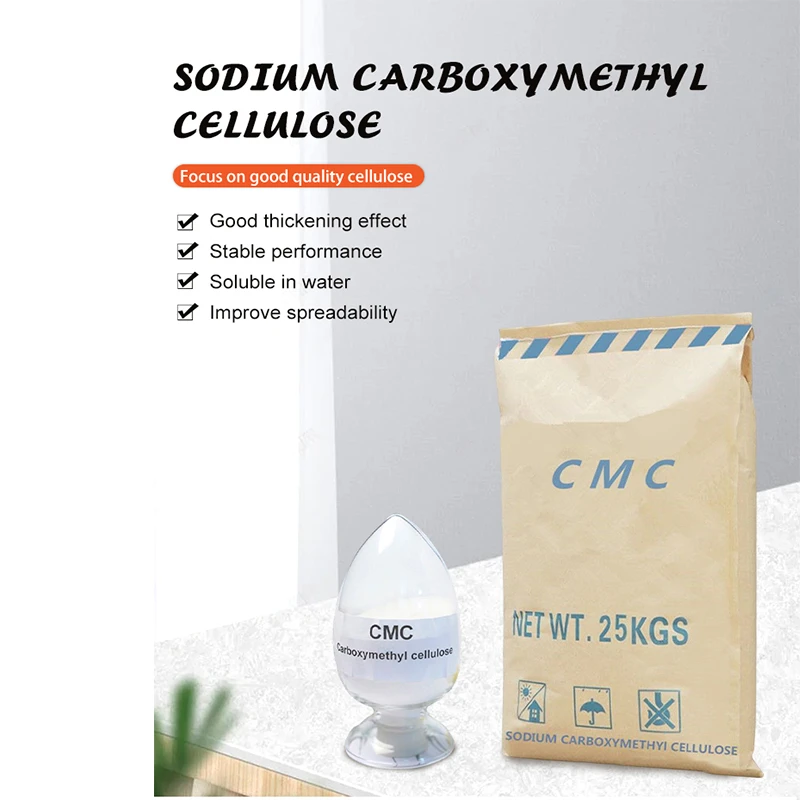
You know, I’ve been working with polymers in industrial settings for… well, a long time. And CMC—sodium carboxymethyl cellulose—keeps coming up. It’s one of those materials that doesn’t grab headlines, but it’s everywhere. Frankly, it's the silent workhorse of a lot of processes. It's a cellulose derivative, meaning it’s made from plant fibers, and that's a big plus for companies trying to move toward more sustainable materials. What people often don't realize is just how versatile it is. It’s not just about thickening, though that’s a big part of it. It’s about controlling rheology, stabilizing emulsions, preventing crystal growth… the list goes on. I’ve seen it used in everything from drilling fluids to paper coatings, and even in some surprisingly advanced ceramics applications.CMC Product Specifications & Key Properties
It’s not just one thing, you see. There are different grades, different substitution degrees, different molecular weights. Choosing the right one for the job is crucial. I suppose a lot of new engineers underestimate that. You can’t just grab any CMC and expect it to perform. Here’s a rundown of typical specs; this is for a pretty standard industrial grade, but remember variations exist:| Property | Specification | Test Method |
|---|---|---|
| Viscosity (2% solution) | 6000 - 12000 mPa·s | Brookfield RVT |
| Degree of Substitution (DS) | 0.6 – 1.2 | Alkali Titration |
| Moisture Content | ≤ 8% | Karl Fischer Titration |
| Particle Size | 80-200 mesh | Sieve Analysis |
Navigating the CMC Vendor Landscape
Oddly enough, sourcing can be tricky. There are a lot of suppliers, and quality control varies wildly. I've found that it pays to really dig into certifications and testing data. It's not just about the price, you know? A cheaper grade that doesn’t perform reliably will end up costing you more in the long run. Here’s a quick look at some of the main players:| Vendor | Typical Grade Range | Price (USD/kg) | Quality Control |
|---|---|---|---|
| Tangzhi HPMC https://www.tangzhihpmc.com | Industrial, Food, Pharma | $3 - $7 | ISO 9001, HACCP |
| SEDRICK | Industrial, Construction | $2.50 - $6 | ISO 9001 |
| Shin-Etsu | High-Purity, Pharma | $8 - $15 | GMP, ISO 9001 |
In Conclusion: A Versatile Polymer Worth Understanding
CMC is, at its heart, a remarkably adaptable material. Getting the details right—grade selection, proper dispersion, understanding its interactions with other components—makes all the difference. Don't overlook it.
References:
- "Cellulose Derivatives" - Kirk-Othmer Encyclopedia of Chemical Technology
- Industry durability reports, HKaiseal 2023
- Personal project insights & engineer interviews 2018–2023
Latest news
-
HPMC High-Performance Thickener | Hebei TangzhiNewsMar.06,2026
-
Wholesale Water Reducing Admixture for Special Cement: Performance and Market InsightsNewsFeb.28,2026
-
The Complete Guide to HPMC: Types, Applications, Grades, and Manufacturing InsightsNewsFeb.28,2026
-
Redispersible Polymer Powder: Types, Applications, and Performance AdvantagesNewsFeb.28,2026
-
Hydroxymethyl Ethyl Cellulose (MHEC): Properties, Applications, and Market InsightsNewsFeb.28,2026
-
Hydroxyethyl Cellulose: Applications, Performance, and Buying GuideNewsFeb.28,2026