Comprehensive Guide to Redispersible Polymer Powder Manufacturers and Applications
Redispersible Polymer Powder Manufacturers: A Comprehensive Guide
Redispersible polymer powder (RDP) is a crucial additive in numerous construction and industrial applications, enhancing the performance and workability of cement-based products. Choosing the right redispersible polymer powder manufacturers is vital for ensuring the quality and reliability of your final products. This article will explore the key considerations when selecting a supplier, delve into the applications of RDP, and highlight the advantages of partnering with a reputable manufacturer like Tangzhi HPMC. Understanding these factors can significantly impact your projects’ success and long-term durability.
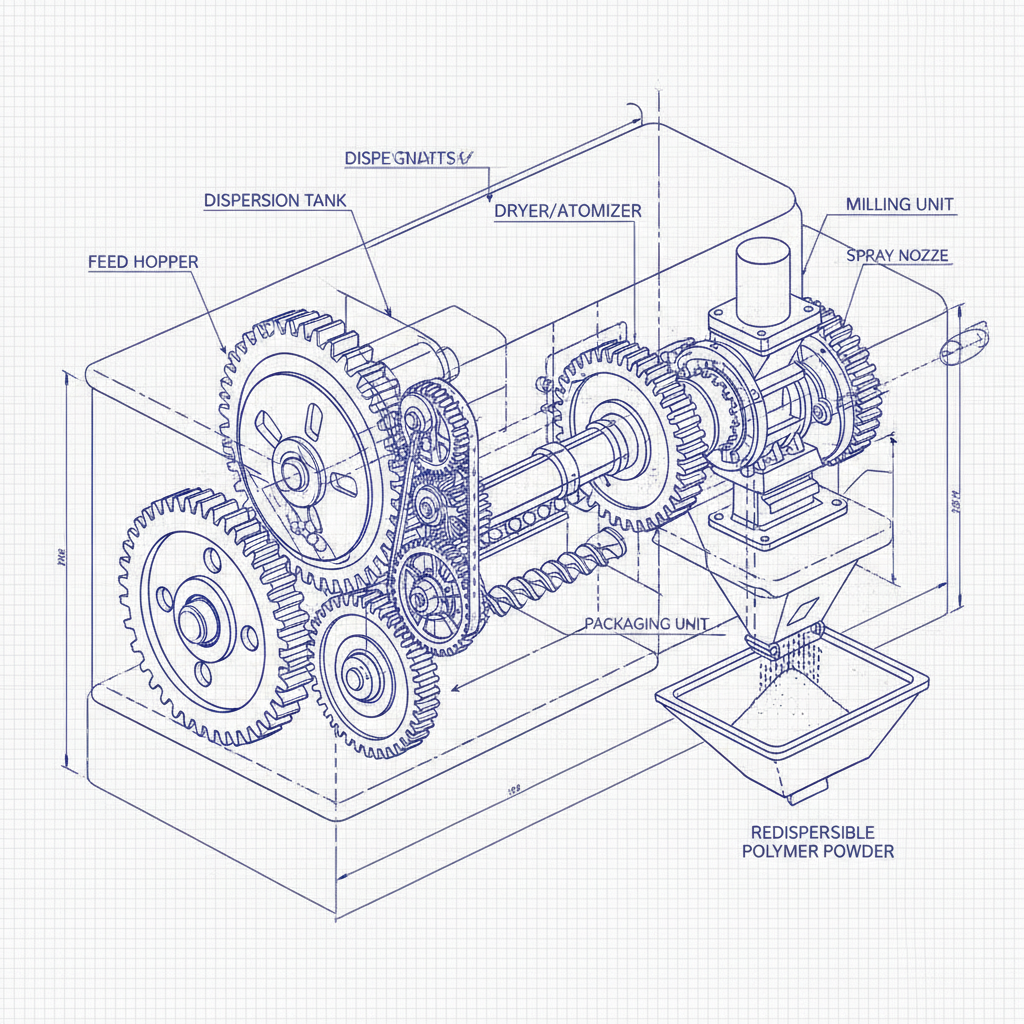
What is Redispersible Polymer Powder (RDP)?
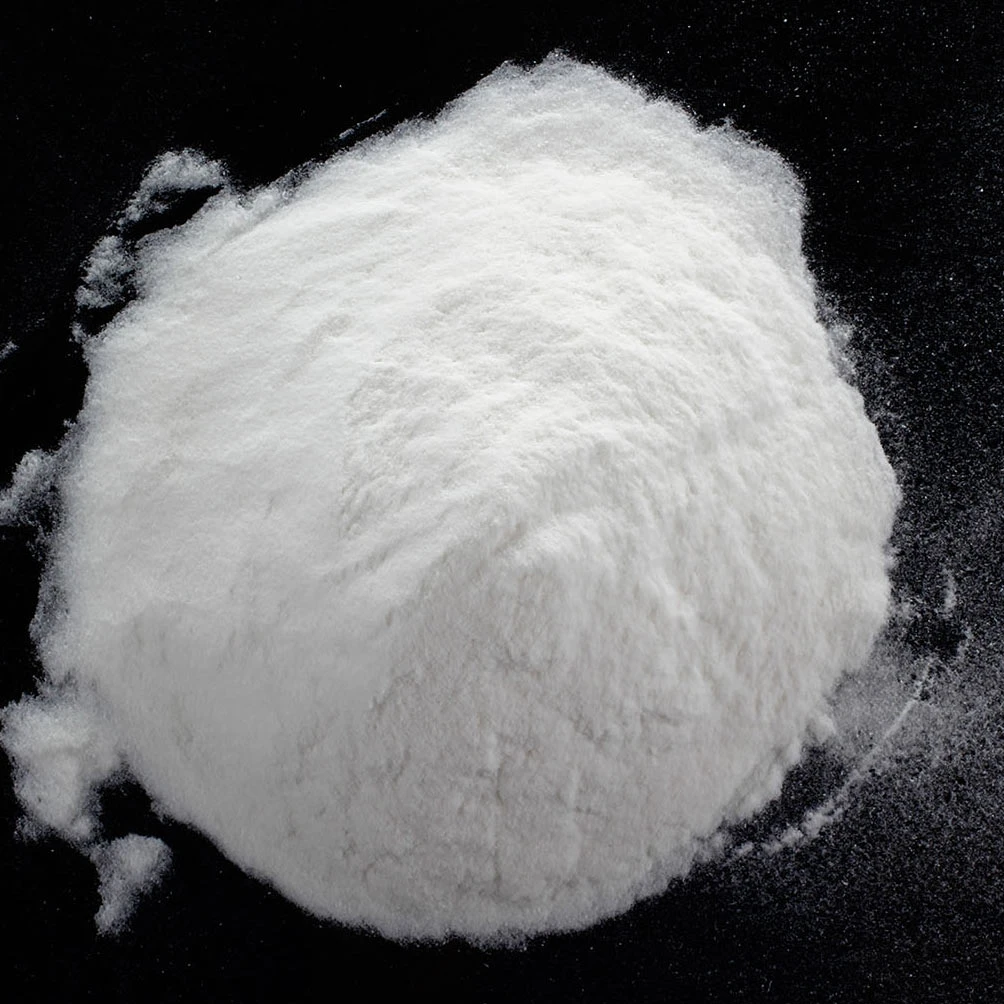
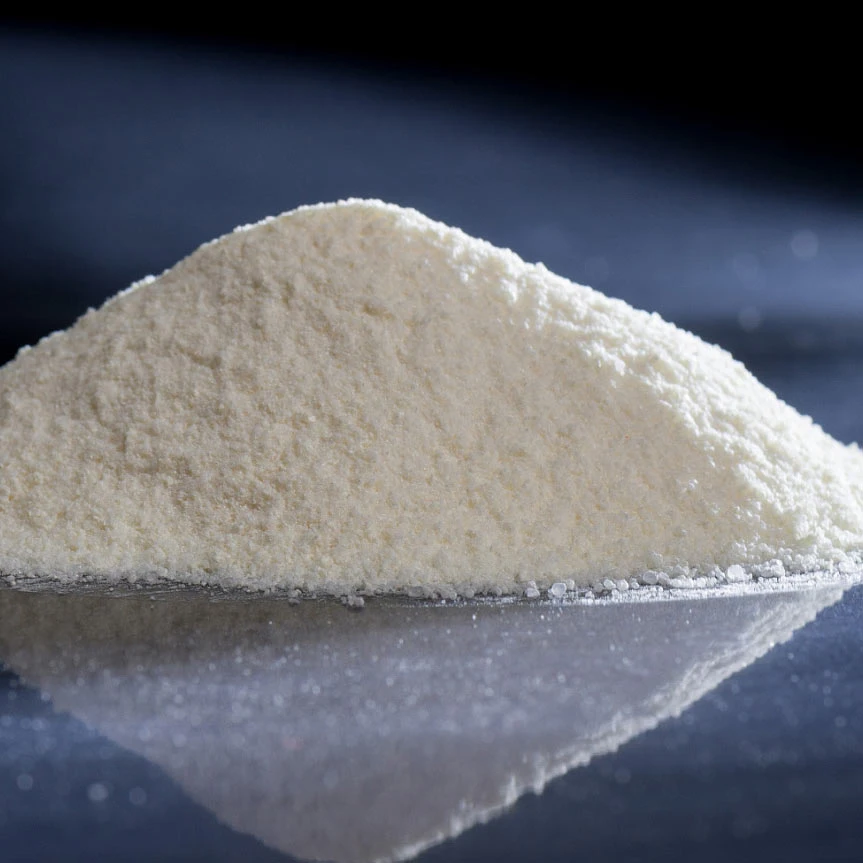
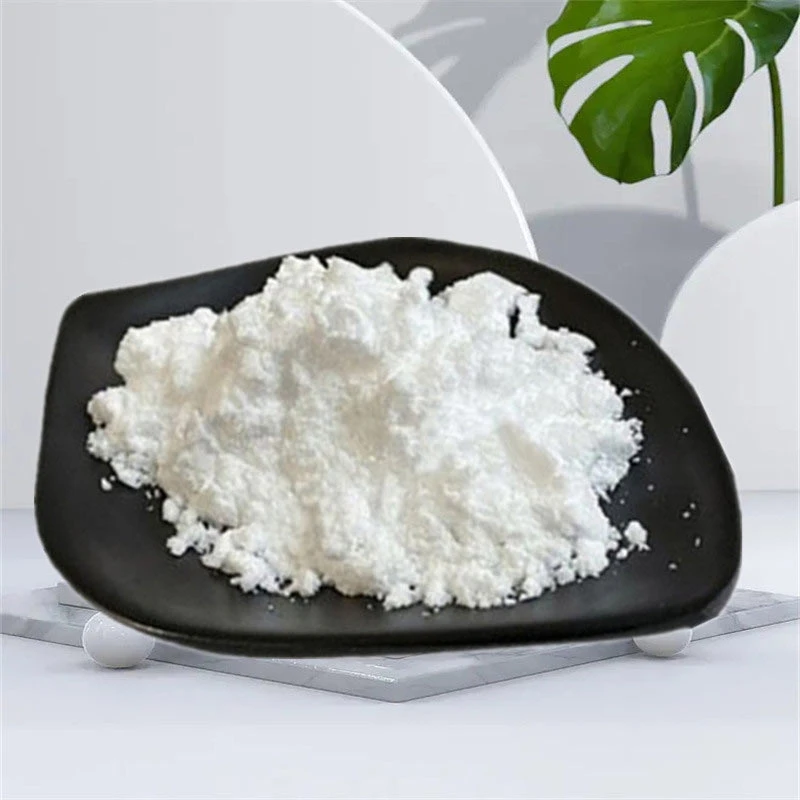
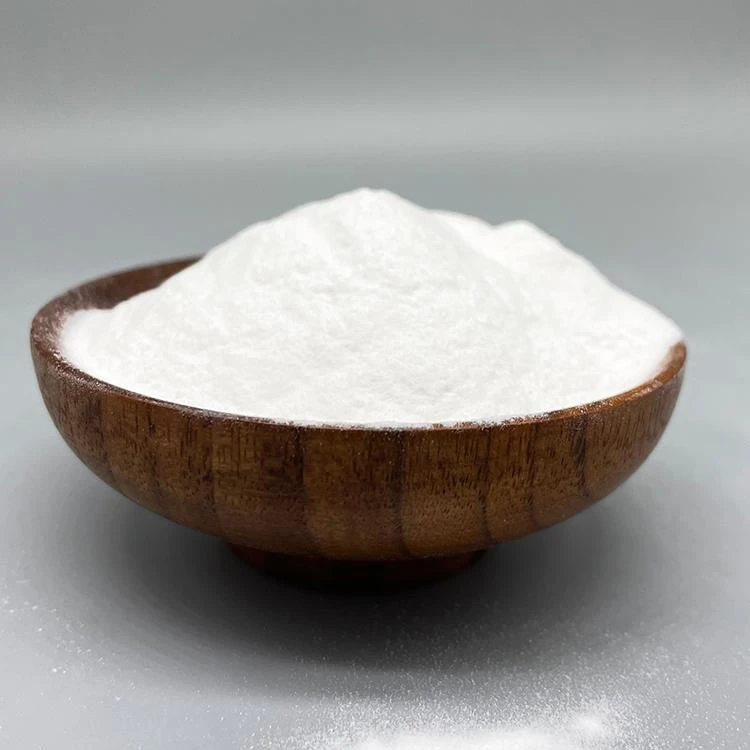
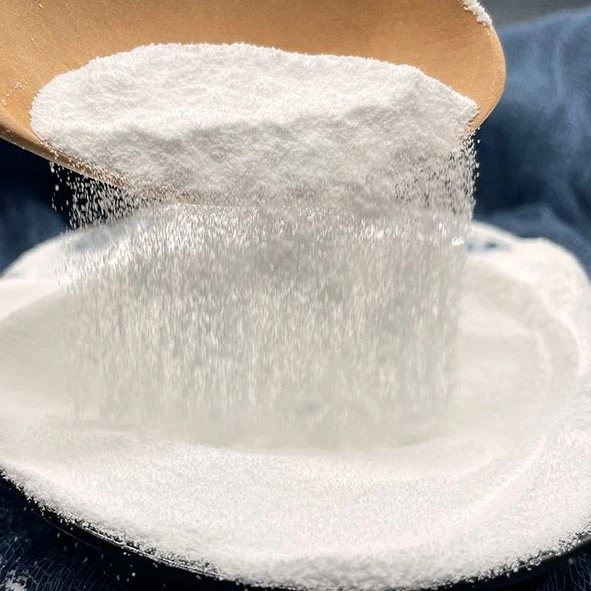
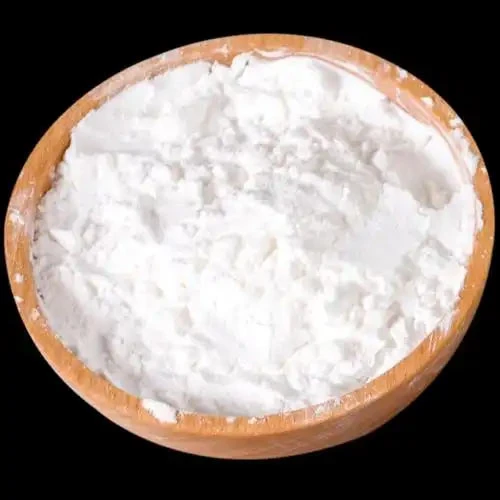
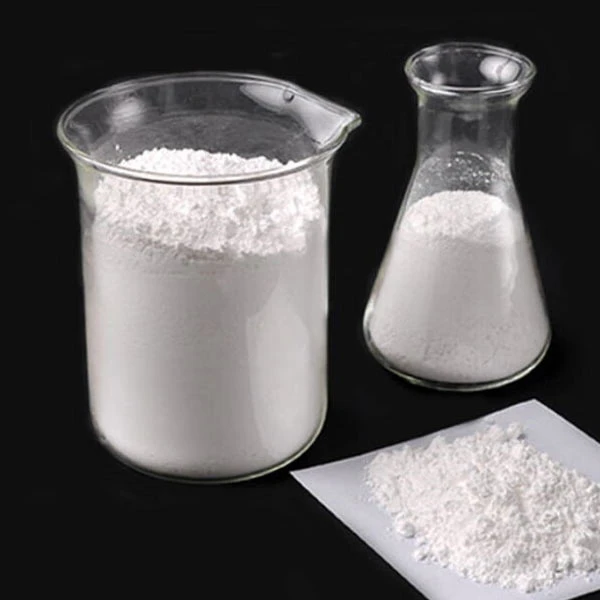
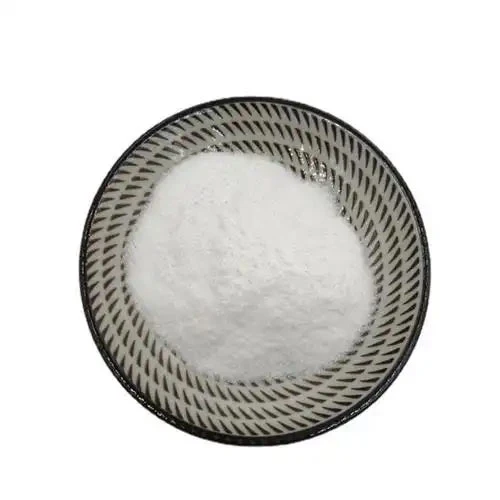
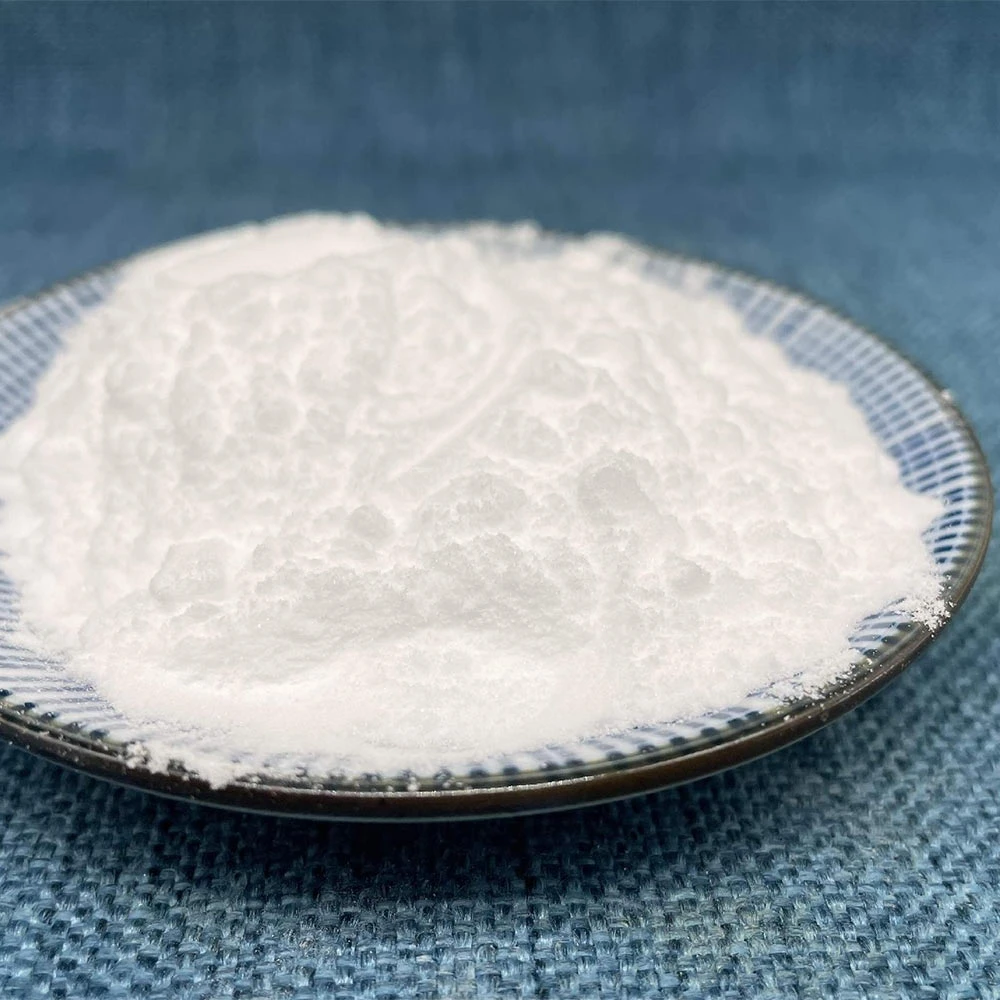
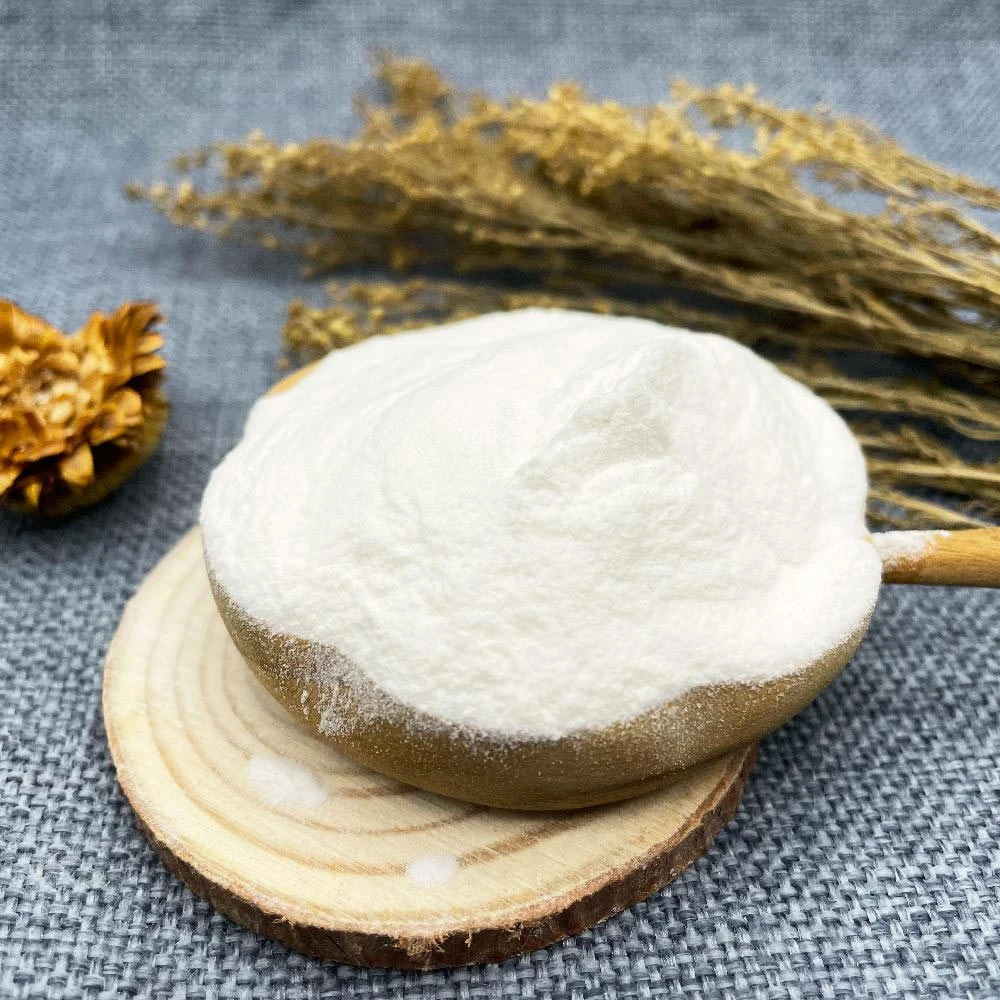
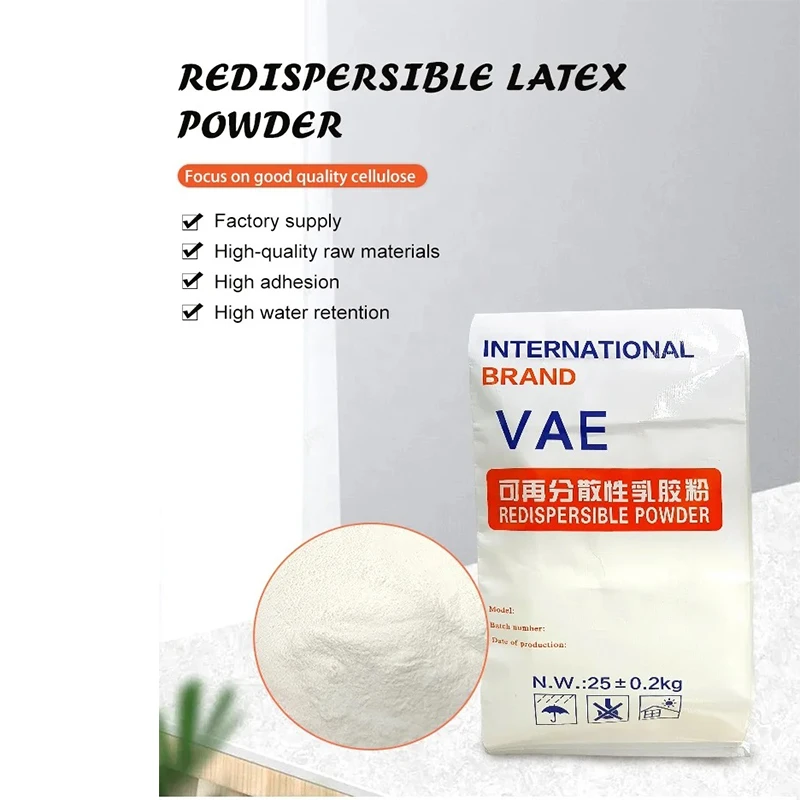
Redispersible polymer powder is a modified acrylic polymer that is spray-dried to produce a free-flowing powder. When added to dry-mix cementitious materials and water, it redisperses to form a stable emulsion, enhancing the adhesive strength, flexibility, and workability of the resulting mixture. RDP improves the bonding of mortars to various substrates and reduces cracking due to shrinkage. It’s a key ingredient in tile adhesives, self-leveling compounds, repair mortars, and external wall insulation systems (EWIS). The quality and characteristics of the RDP directly affect the final product performance; therefore, selecting a reliable manufacturer is paramount.
Key Benefits of Using RDP: Improved adhesion, enhanced flexibility, reduced cracking, increased water retention, improved workability, and enhanced durability.
Key Considerations When Choosing Redispersible Polymer Powder Manufacturers
Selecting the right redispersible polymer powder manufacturers involves several crucial considerations. Production capacity, quality control procedures, product consistency, technical support, and pricing are all important factors. A reputable manufacturer will offer a range of RDP grades tailored to specific applications, along with comprehensive technical data sheets and assistance with formulation development. Additionally, adherence to international quality standards (like ISO 9001) is a strong indicator of a manufacturer’s commitment to excellence. Consider their responsiveness to your inquiries and their ability to deliver consistent, high-quality products on time.
Essential Factors to Evaluate:
• Production Capacity & Supply Chain Reliability
• Quality Control & Certification (ISO 9001)
• Range of RDP Grades Available
• Technical Support & Formulation Assistance
Applications of Redispersible Polymer Powder
RDP finds extensive application across a diverse range of construction and industrial segments. Some of the most common uses include: Tile adhesives (enhancing bonding strength and flexibility), Self-leveling compounds (improving flowability and reducing cracking), Repair mortars (providing excellent adhesion to concrete and masonry), External Wall Insulation Systems (EWIS) (enhancing thermal performance and durability), Cementitious waterproofing membranes (improving flexibility and crack resistance), and Skim coats & plasters (improving workability and adhesion). The specific grade of RDP chosen will depend on the specific requirements of the application.
Why Choose Tangzhi HPMC as Your RDP Supplier?
Tangzhi HPMC is a leading redispersible polymer powder manufacturer dedicated to providing high-quality products and exceptional customer service. We offer a comprehensive range of RDP grades to meet diverse application needs, backed by stringent quality control procedures and a commitment to innovation. Our state-of-the-art manufacturing facility and experienced technical team ensure consistent product quality and reliable supply. We’re dedicated to building long-term partnerships based on trust and mutual success.
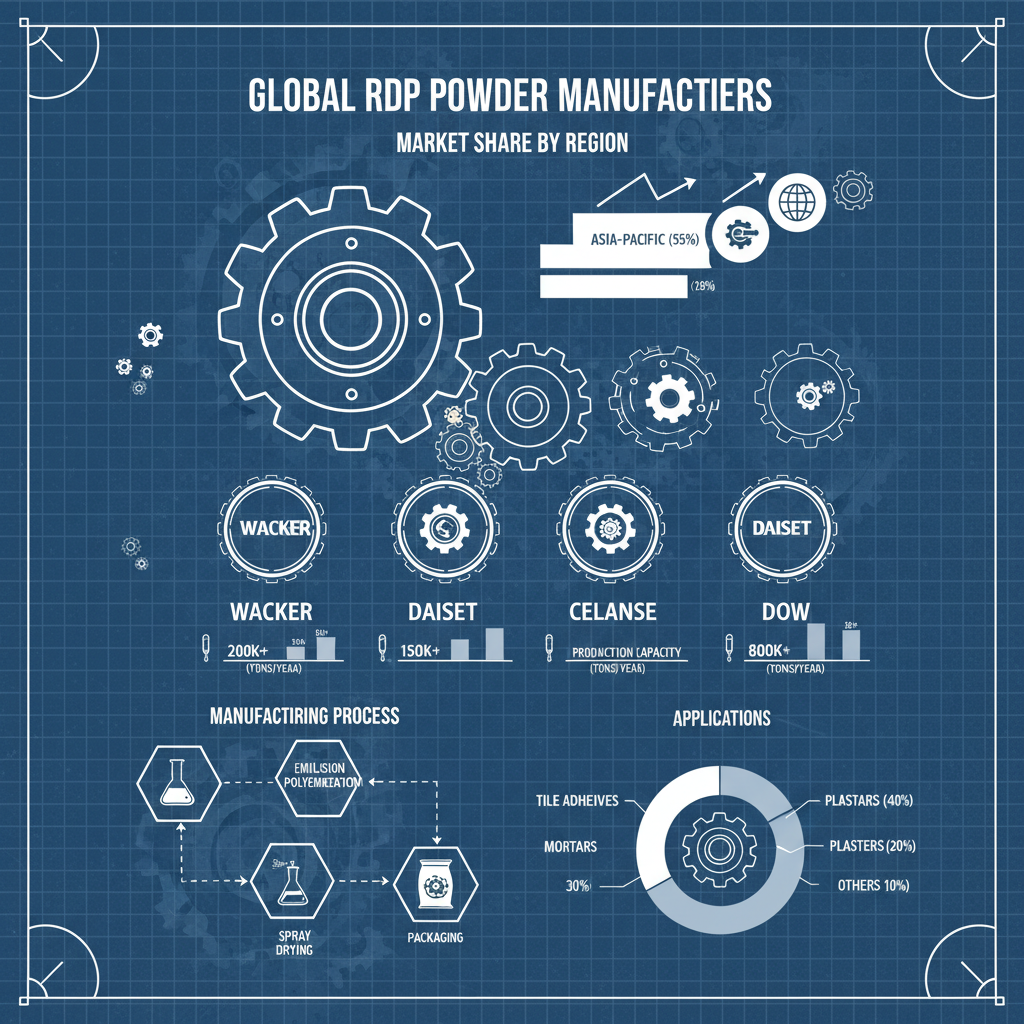
Conclusion: Partnering for Success with Tangzhi HPMC
Investing in Quality RDP for Superior Performance
Choosing the right redispersible polymer powder manufacturer is a critical decision that can significantly impact the performance and durability of your products. Tangzhi HPMC offers a reliable partnership, providing high-quality RDP, technical expertise, and dedicated customer support. Contact us today to discuss your specific requirements and discover how we can help you achieve your project goals.
Frequently Asked Questions (FAQs)
What is the shelf life of redispersible polymer powder?
Generally, RDP has a shelf life of 12-18 months when stored in a cool, dry place away from direct sunlight. Proper storage is crucial to maintain its redispersibility and performance characteristics. Exposure to moisture or extreme temperatures can lead to caking or degradation. It's always best to consult the manufacturer’s datasheet for specific storage recommendations and shelf-life information. Tangzhi HPMC ensures our RDP is packaged to maximize its shelf life and protect its quality.
How much RDP should I add to my cement mixture?
The optimal dosage of RDP varies depending on the specific application and the desired properties of the final product. Typically, RDP is added at a rate of 2-6% by weight of cement. However, it's crucial to conduct trial mixes to determine the ideal dosage for your formulation. Factors to consider include the type of cement, the aggregate size, and the desired workability and strength. Tangzhi HPMC provides technical support to assist customers in optimizing their RDP dosages.
What are the key differences between different types of RDP?
RDP varies based on the monomer composition (e.g., acrylic, vinyl acetate), molecular weight, and particle size. Higher molecular weight RDP generally provides better adhesion and flexibility, while lower molecular weight RDP improves workability and flowability. The monomer composition influences the RDP's water resistance and compatibility with other additives. Tangzhi HPMC offers a diverse range of RDP grades tailored to specific performance requirements.
Can RDP be used with other cement additives?
Yes, RDP is often used in combination with other cement additives, such as cellulose ethers, air-entraining agents, and pigments, to achieve synergistic effects. However, compatibility should be carefully considered to avoid adverse interactions. Tangzhi HPMC can provide guidance on the compatibility of RDP with other additives commonly used in cementitious formulations.
-
HPMC High-Performance Thickener | Hebei TangzhiNewsMar.06,2026
-
Wholesale Water Reducing Admixture for Special Cement: Performance and Market InsightsNewsFeb.28,2026
-
The Complete Guide to HPMC: Types, Applications, Grades, and Manufacturing InsightsNewsFeb.28,2026
-
Redispersible Polymer Powder: Types, Applications, and Performance AdvantagesNewsFeb.28,2026
-
Hydroxymethyl Ethyl Cellulose (MHEC): Properties, Applications, and Market InsightsNewsFeb.28,2026
-
Hydroxyethyl Cellulose: Applications, Performance, and Buying GuideNewsFeb.28,2026