Comprehensive Guide to Sourcing High Quality RDP Powder China for Construction
RDP Powder China: A Comprehensive Guide to Redispersible Polymer Powder
Redispersible Polymer Powder (RDP) is a crucial ingredient in modern construction materials, particularly in tile adhesives, cement mortars, and external wall insulation systems. China has become a leading global producer and exporter of RDP, offering a wide range of qualities and applications. This article will delve into the world of RDP powder from China, exploring its benefits, applications, key manufacturers, and considerations for sourcing. Understanding RDP is key for anyone involved in the building materials supply chain.
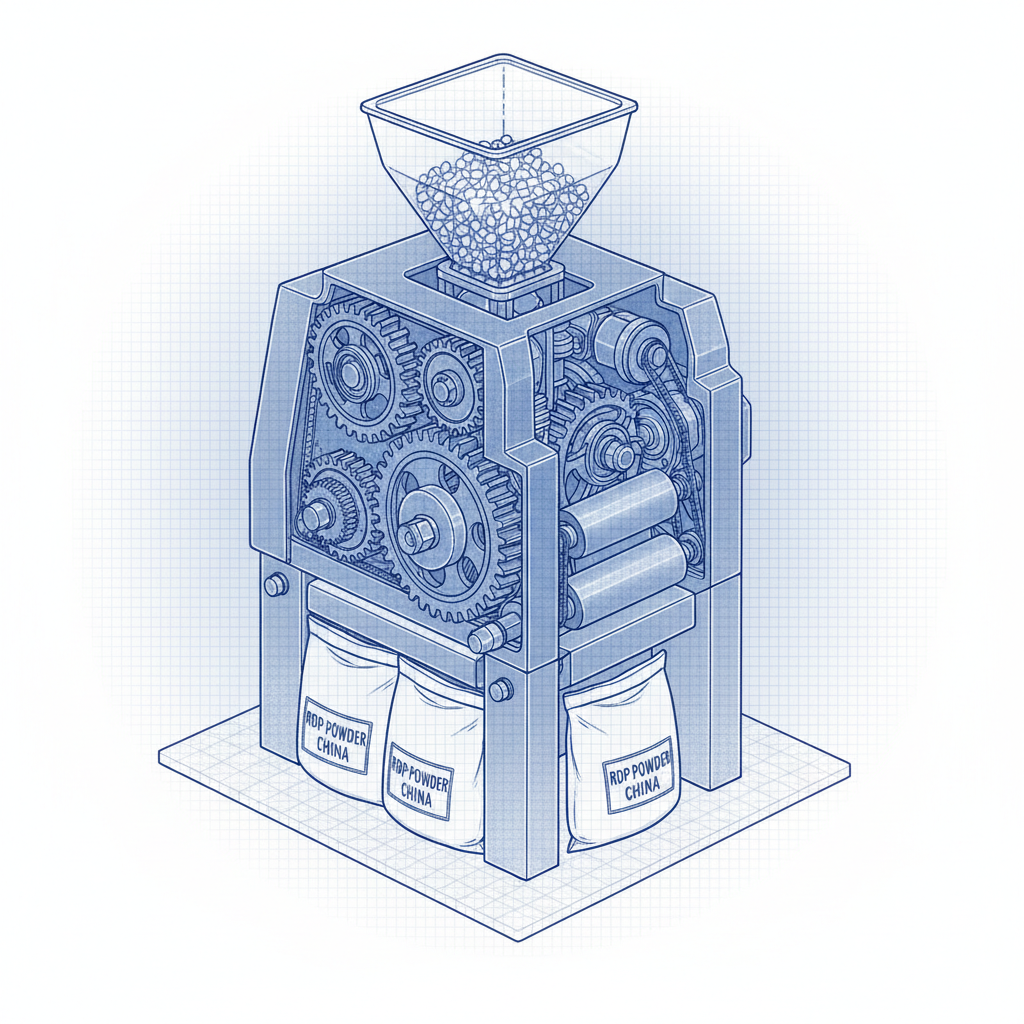
What is Redispersible Polymer Powder (RDP)?
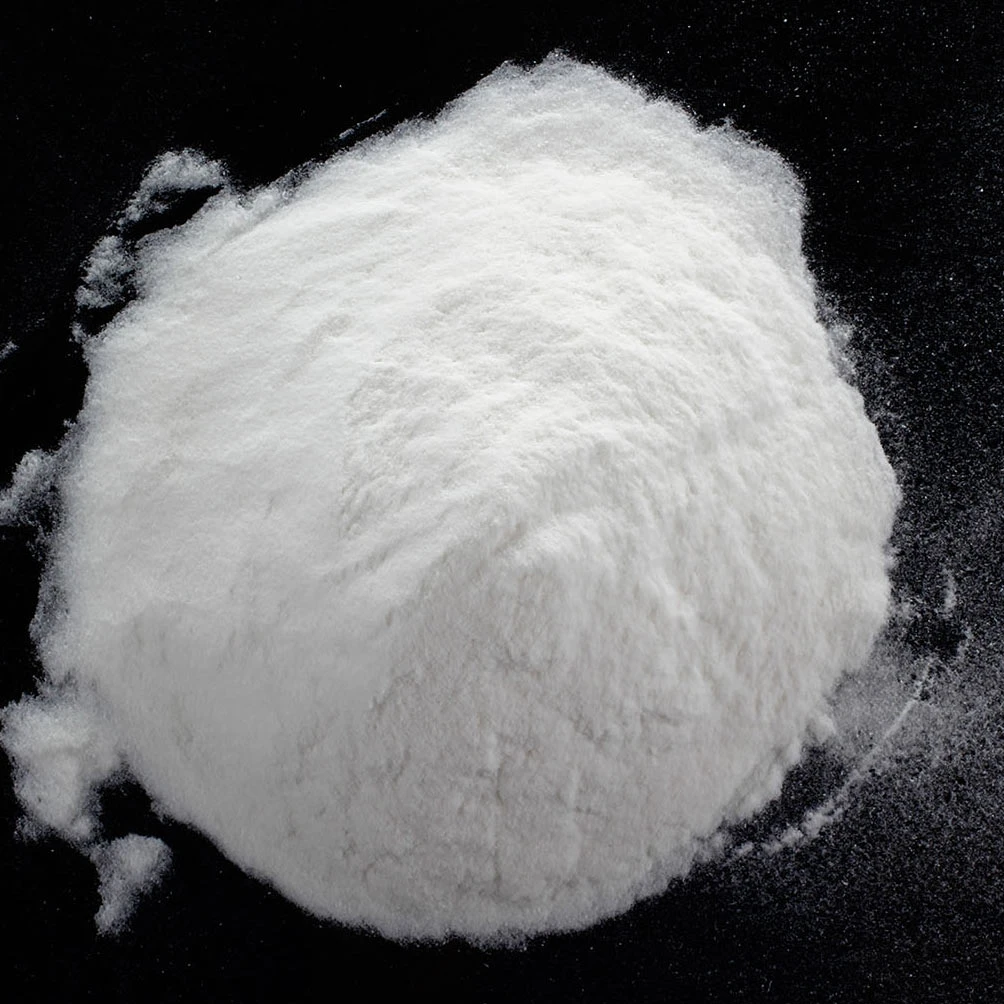
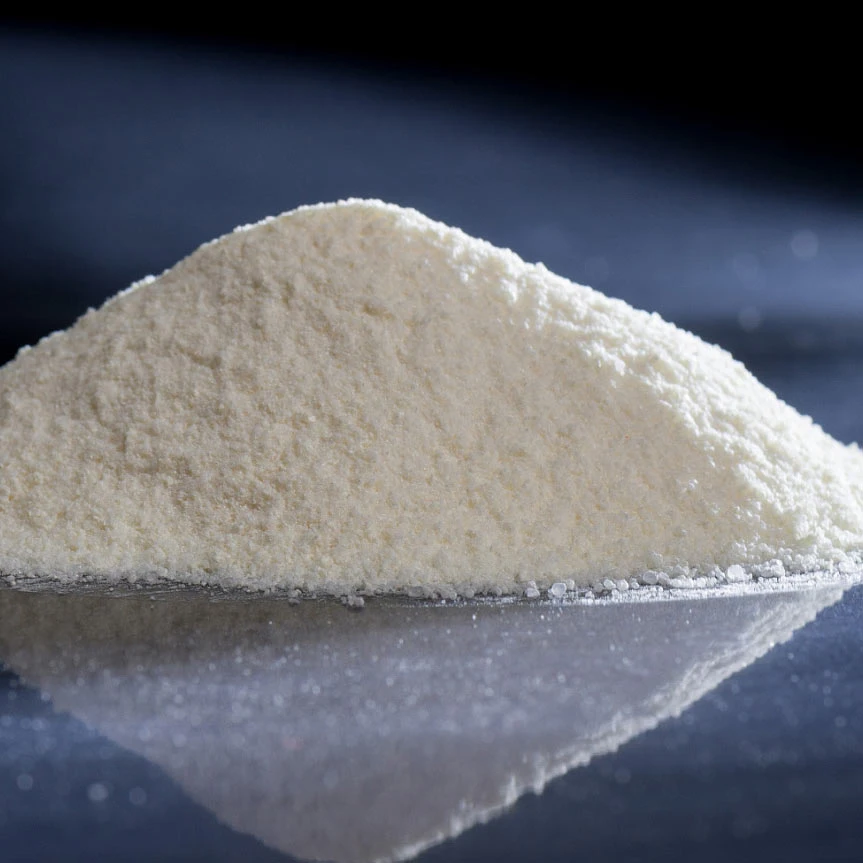
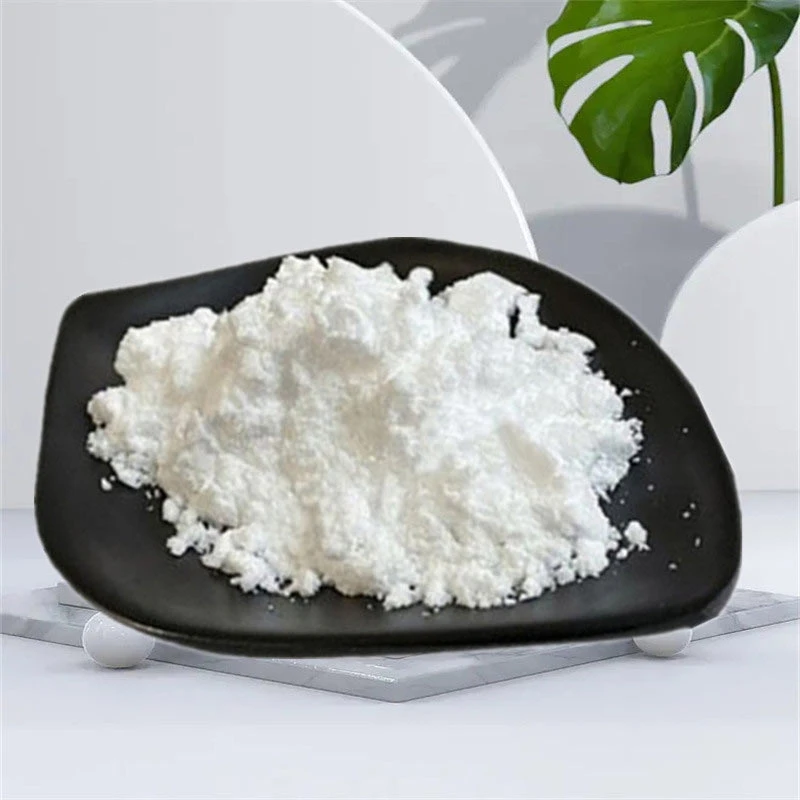
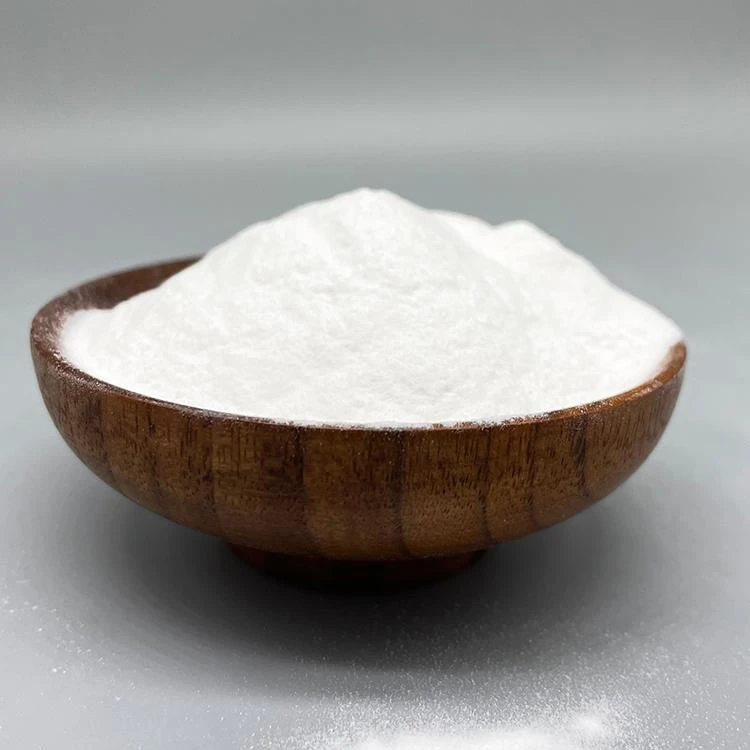
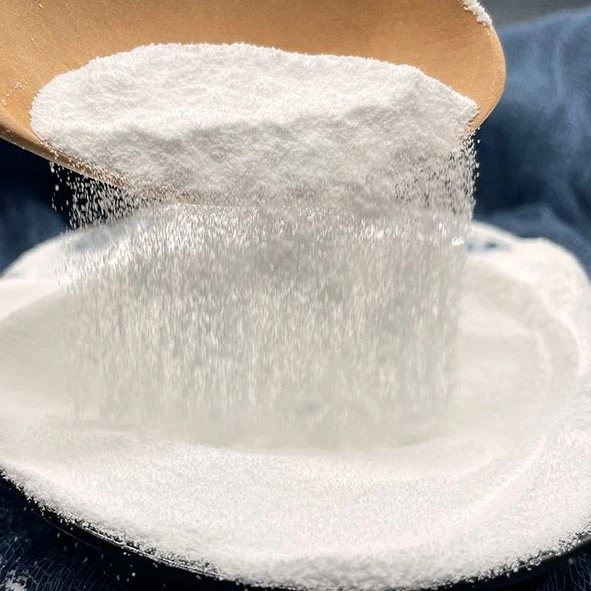
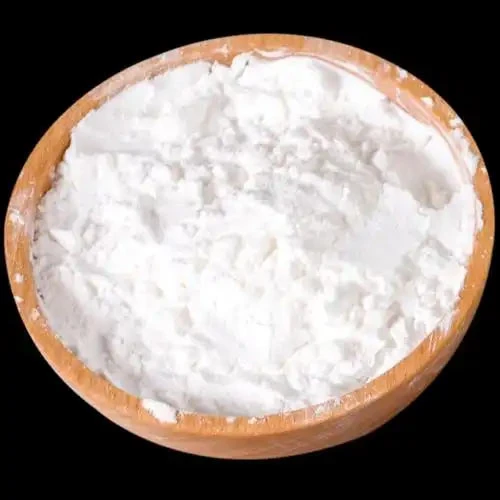
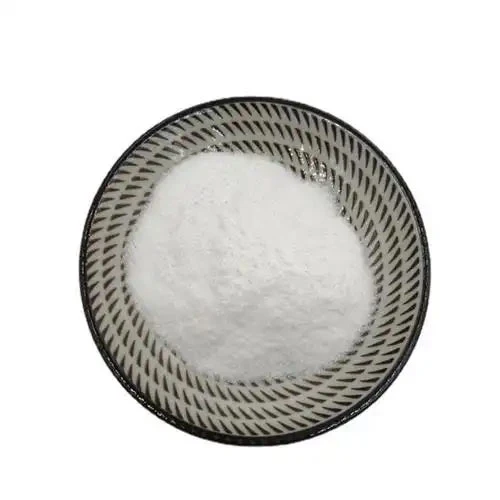
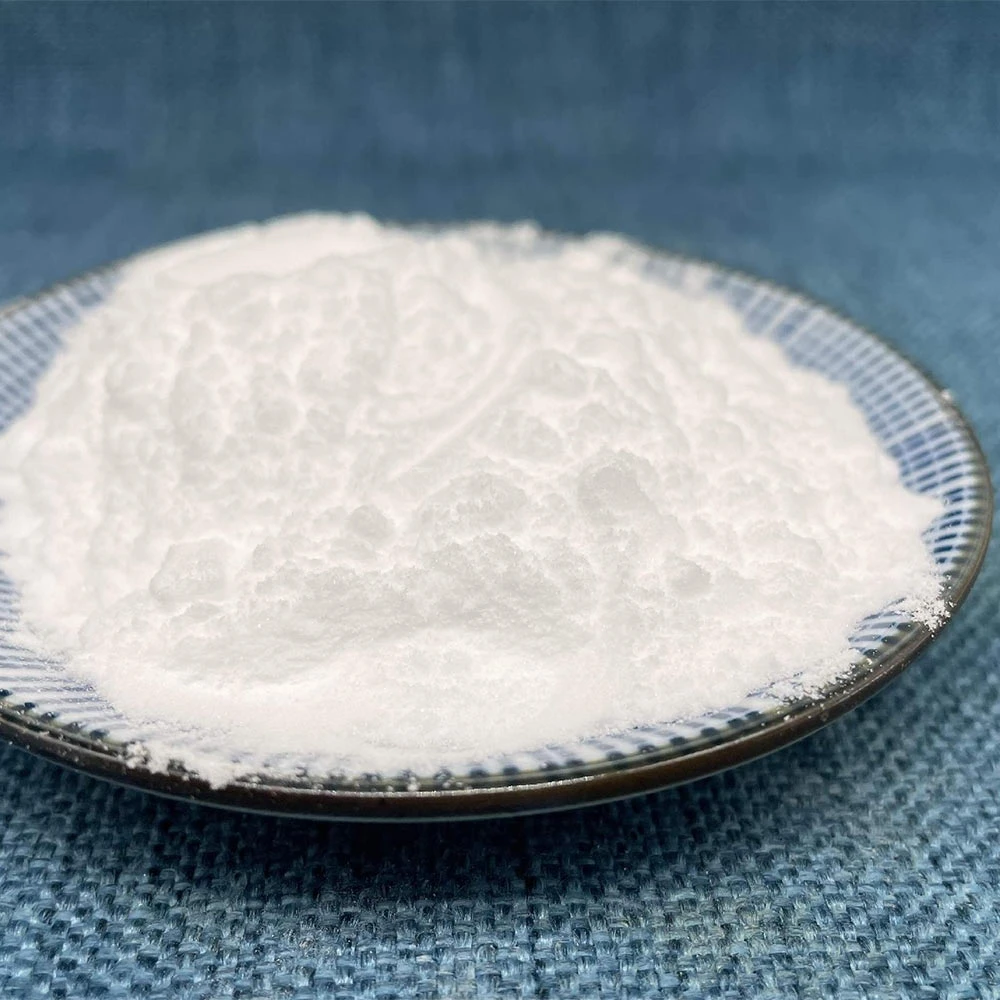
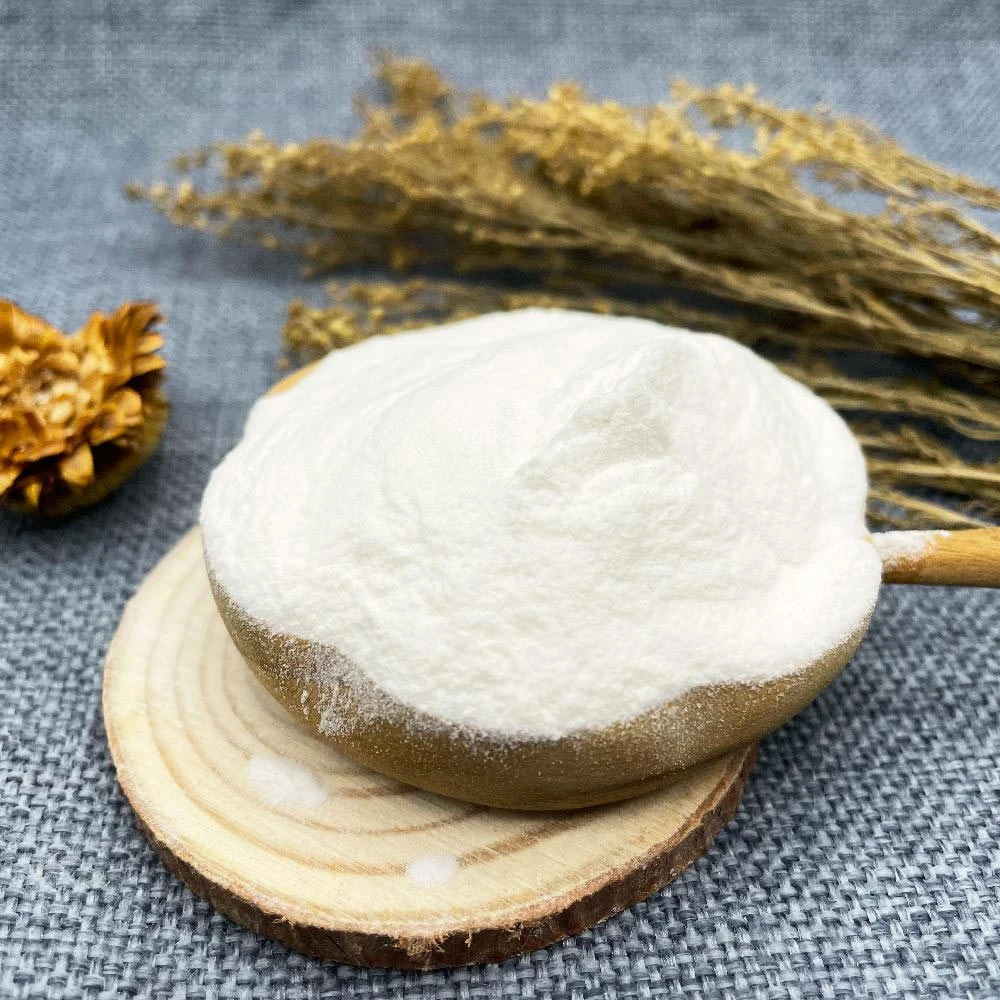
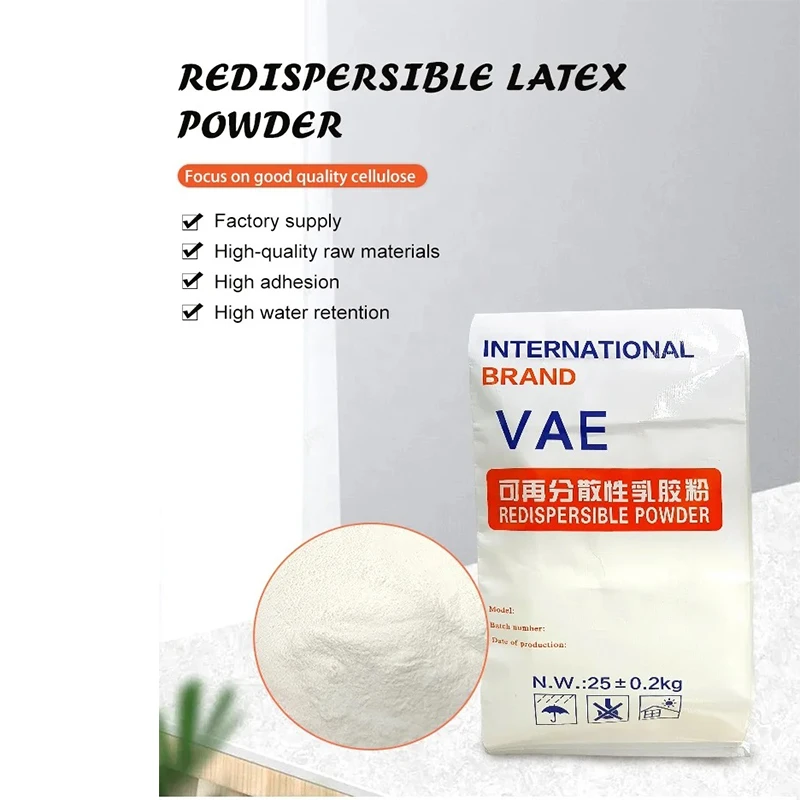
RDP is a free-flowing powder produced by spray-drying a polymer emulsion. When mixed with water, it redisperses to form a stable emulsion, enhancing the performance of cement-based systems. Its primary function is to improve adhesion, flexibility, workability, and water resistance. RDP acts as a binder, bridging the gap between cement and other materials, leading to stronger, more durable constructions. Different types of RDP exist, each tailored for specific applications such as tile adhesives, self-leveling compounds, or EIFS (Exterior Insulation and Finishing Systems).
Key Benefits: Improved adhesion, enhanced flexibility, increased workability, improved water resistance, reduced cracking, and increased durability.
Applications of RDP Powder from China
Chinese RDP powder is widely used in numerous construction applications. Tile adhesives benefit from improved bonding strength and open time, facilitating easier and more reliable tile installation. Cement mortars gain enhanced workability and crack resistance, making them ideal for plastering and rendering. EIFS systems utilize RDP to increase flexibility and impact resistance, protecting building facades from the elements. Other applications include self-leveling compounds, repair mortars, and joint fillers. The versatility of RDP makes it an essential component in a broad spectrum of building projects.
Common Application Areas:
• Tile Adhesives
• Cement Mortars
• External Wall Insulation (EIFS)
• Self-Leveling Compounds
• Repair Mortars
RDP Powder China: Comparing Polymer Types
Different polymer types are used to manufacture RDP, each offering unique properties. Vinyl Acetate Ethylene (VAE) RDP is the most common type, offering a good balance of performance and cost. Vinyl Acetate Butyrate (VAB) RDP provides improved flexibility and adhesion, making it suitable for demanding applications. Styrene Acrylic (SA) RDP offers excellent water resistance and durability. Choosing the right polymer type depends on the specific application and desired performance characteristics. Tangzhi HPMC offers a variety of RDP powders tailored to different construction needs.
Sourcing RDP Powder from China: Key Considerations
When sourcing RDP powder from China, it's crucial to select a reputable manufacturer with consistent quality control. Consider factors like production capacity, technical support, and supply chain reliability. Checking certifications (ISO 9001) and conducting thorough product testing are essential. Establish clear communication channels with the supplier to ensure timely delivery and address any technical concerns. Negotiating favorable payment terms and shipping arrangements can also optimize your sourcing strategy. Partnering with a trusted supplier like Tangzhi HPMC will give you peace of mind.
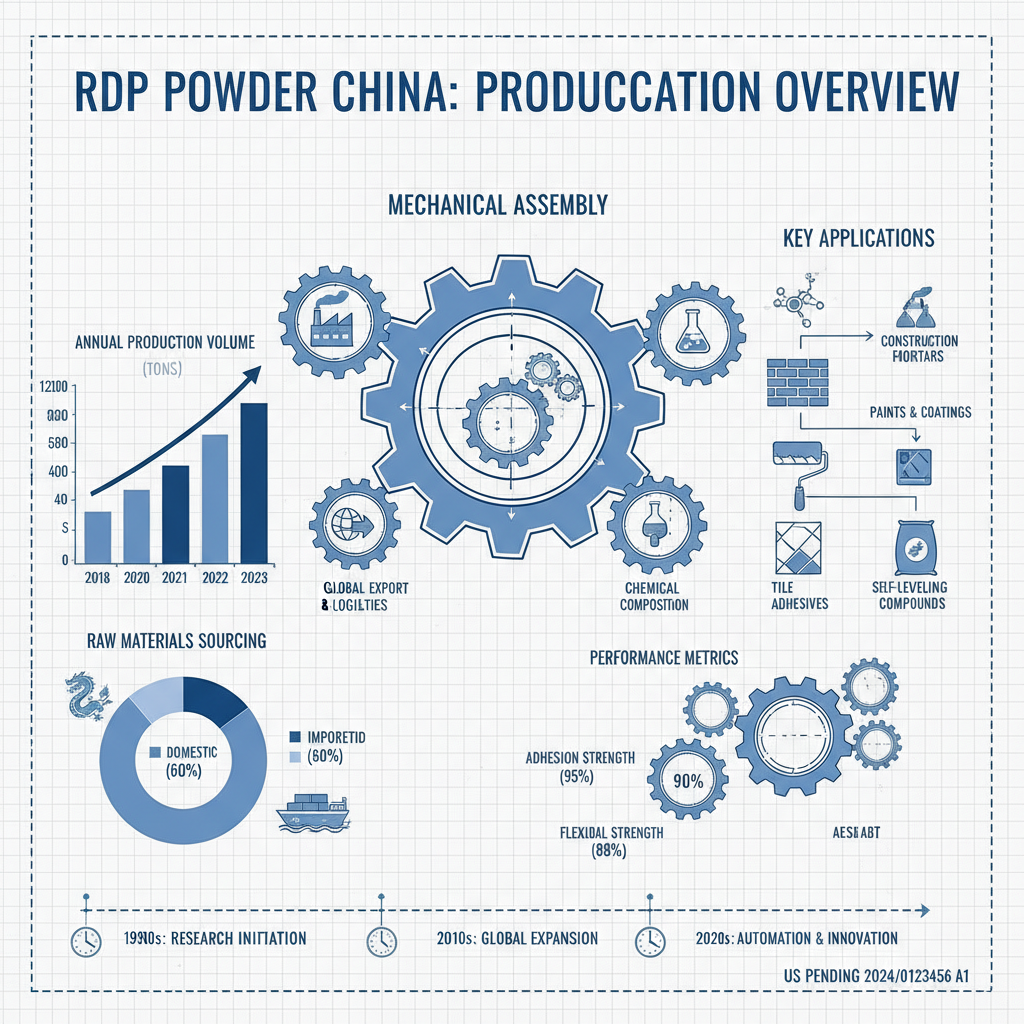
RDP Powder Specifications and Quality Control
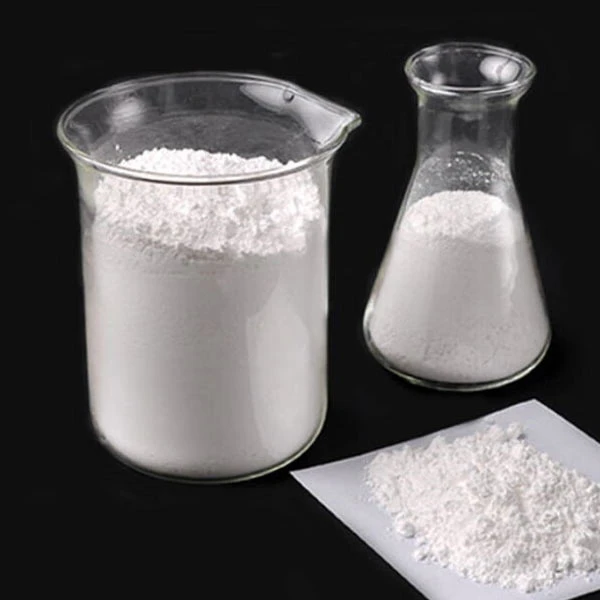
Key specifications to consider when evaluating RDP powder include particle size distribution, viscosity, solid content, and residual monomer content. Manufacturers should provide a certificate of analysis (COA) with each batch, detailing these parameters. Quality control measures should include regular testing for consistency and adherence to industry standards. Visual inspection for color and flowability is also important. A reliable supplier will be transparent about their quality control processes and readily available to answer your questions.
Conclusion: Leveraging the Benefits of RDP from China
Sourcing rdp powder China offers a cost-effective and reliable solution for enhancing the performance of construction materials. By understanding the different polymer types, key specifications, and sourcing considerations, you can ensure you select the right RDP for your specific needs. Investing in quality RDP is an investment in the durability and longevity of your construction projects.
Frequently Asked Questions (FAQs)
What is the shelf life of RDP powder?
Generally, RDP powder has a shelf life of 12-24 months when stored in a cool, dry, and sealed environment. However, it's essential to check the manufacturer's specific recommendations as shelf life can vary depending on the polymer type and storage conditions. Exposure to moisture, heat, and direct sunlight can degrade the powder, reducing its effectiveness. Proper storage is crucial to maintain its quality and performance. Always refer to the packaging for the latest expiry date and storage instructions.
What is the typical dosage rate of RDP in tile adhesives?
The typical dosage rate of RDP in tile adhesives ranges from 2% to 6% by weight of the cementitious material. However, the optimal dosage depends on the specific adhesive formulation, the type of tiles being used, and the desired performance characteristics. Higher dosages generally result in increased adhesion and flexibility, but can also affect workability and setting time. It’s recommended to consult the adhesive manufacturer’s guidelines or conduct trial mixes to determine the optimal dosage rate for your application.
Can RDP be used in exterior applications?
Yes, RDP can be used in exterior applications, but it's crucial to select a polymer type that offers good water resistance and UV stability. Styrene Acrylic (SA) RDP is often preferred for exterior applications due to its excellent durability and resistance to weathering. Ensure the formulation also includes appropriate additives to protect against freeze-thaw cycles and other environmental factors. Proper application and surface preparation are also essential for long-term performance.
-
HPMC High-Performance Thickener | Hebei TangzhiNewsMar.06,2026
-
Wholesale Water Reducing Admixture for Special Cement: Performance and Market InsightsNewsFeb.28,2026
-
The Complete Guide to HPMC: Types, Applications, Grades, and Manufacturing InsightsNewsFeb.28,2026
-
Redispersible Polymer Powder: Types, Applications, and Performance AdvantagesNewsFeb.28,2026
-
Hydroxymethyl Ethyl Cellulose (MHEC): Properties, Applications, and Market InsightsNewsFeb.28,2026
-
Hydroxyethyl Cellulose: Applications, Performance, and Buying GuideNewsFeb.28,2026