The Essential Role of Sodium Carboxymethyl Cellulose in Toothpaste Formulations
Sodium Carboxymethyl Cellulose in Toothpaste: A Comprehensive Guide
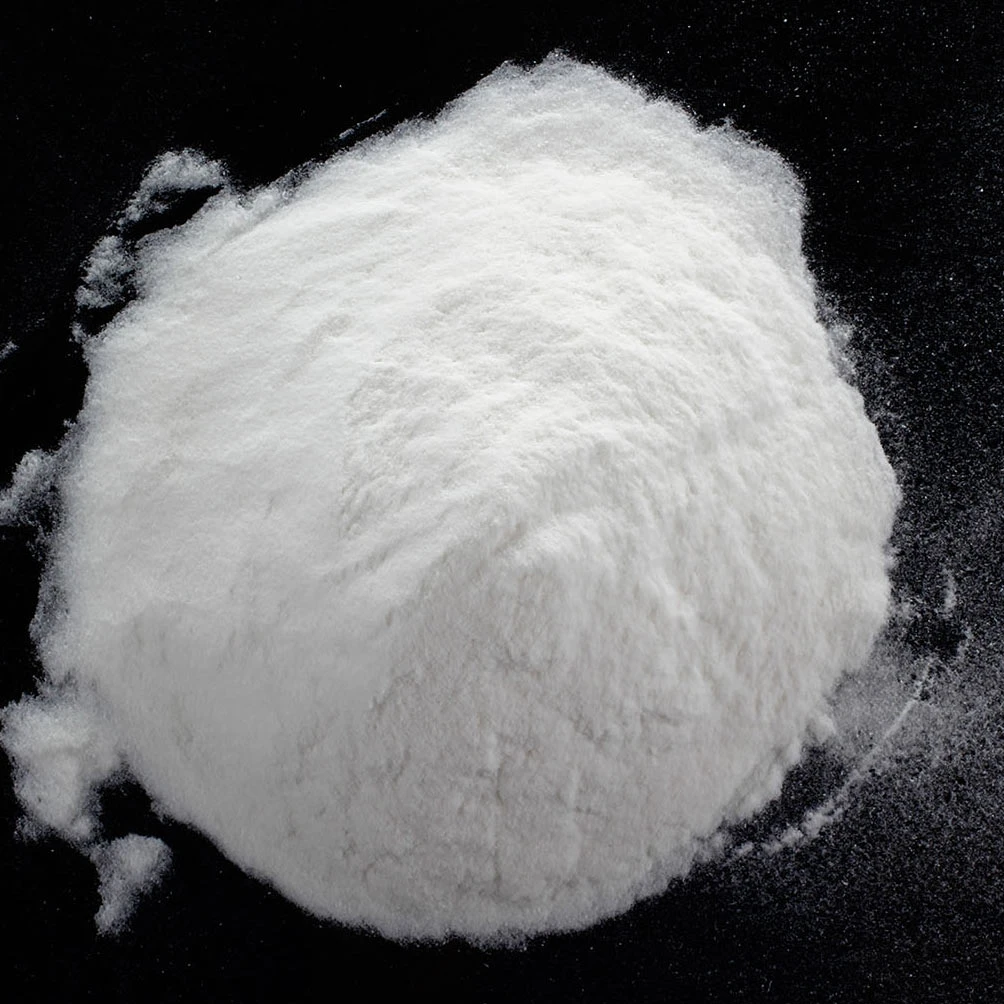
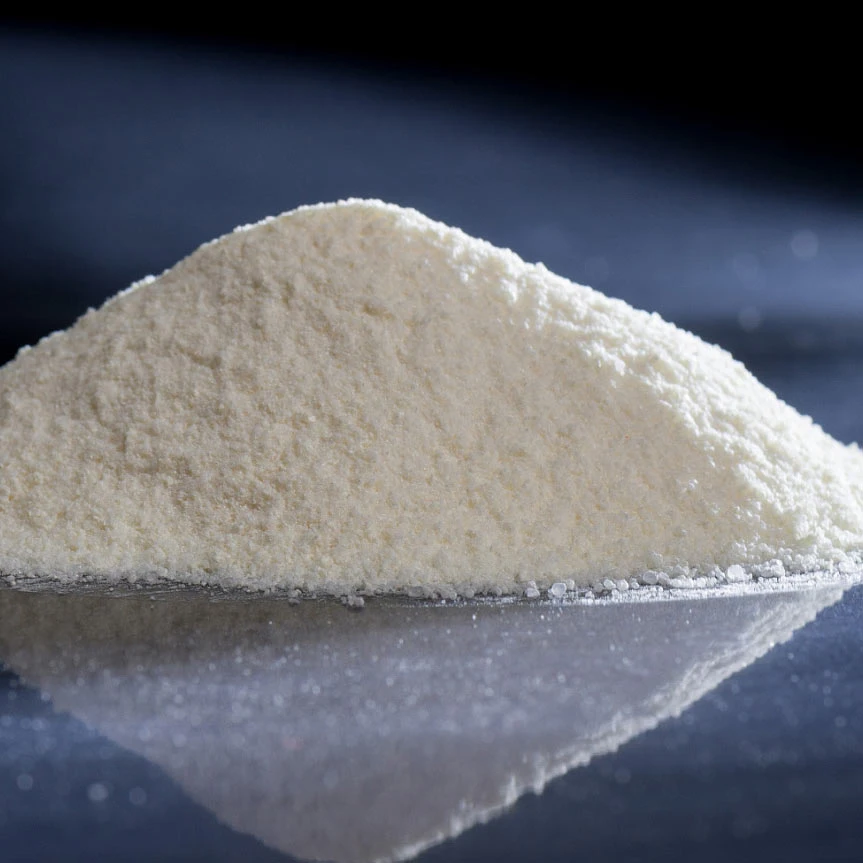
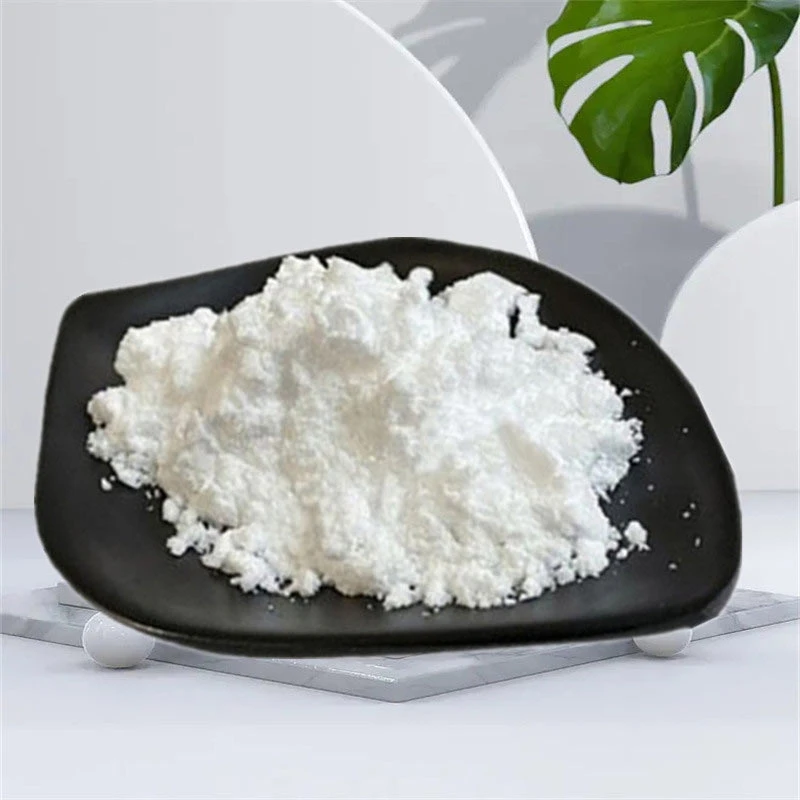
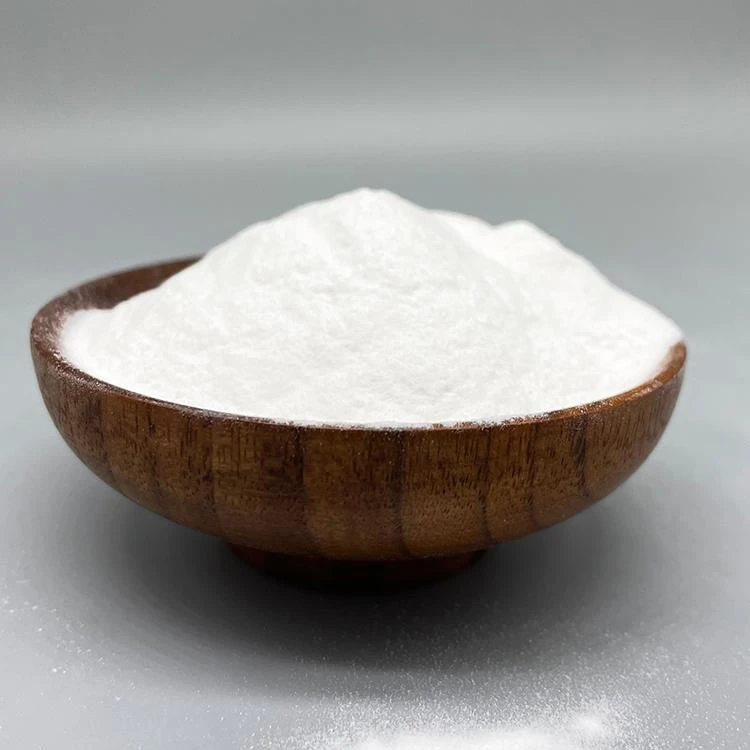
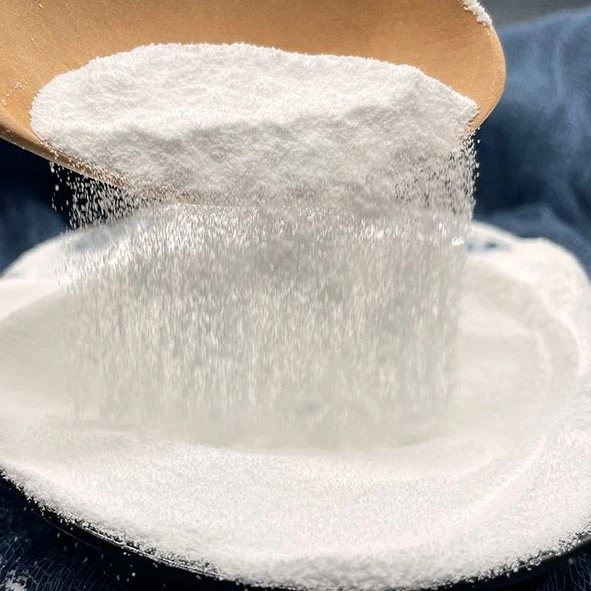
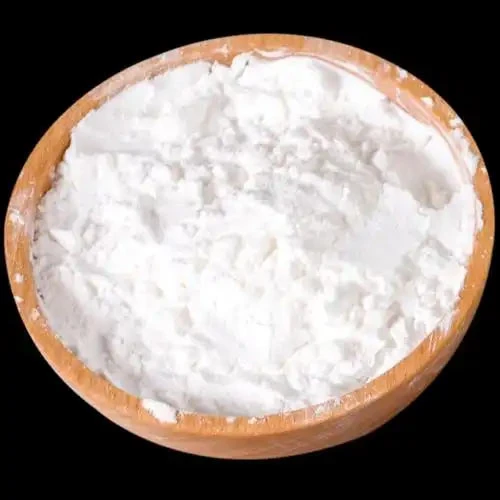
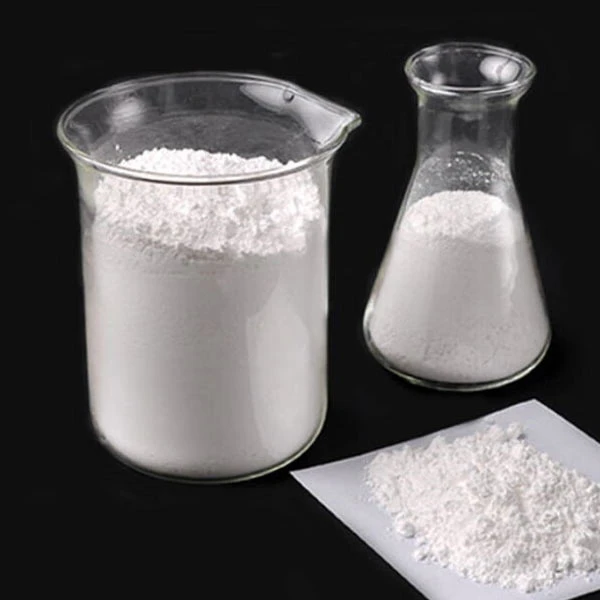
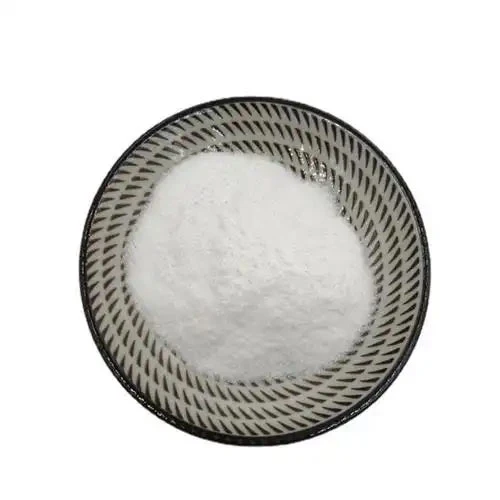
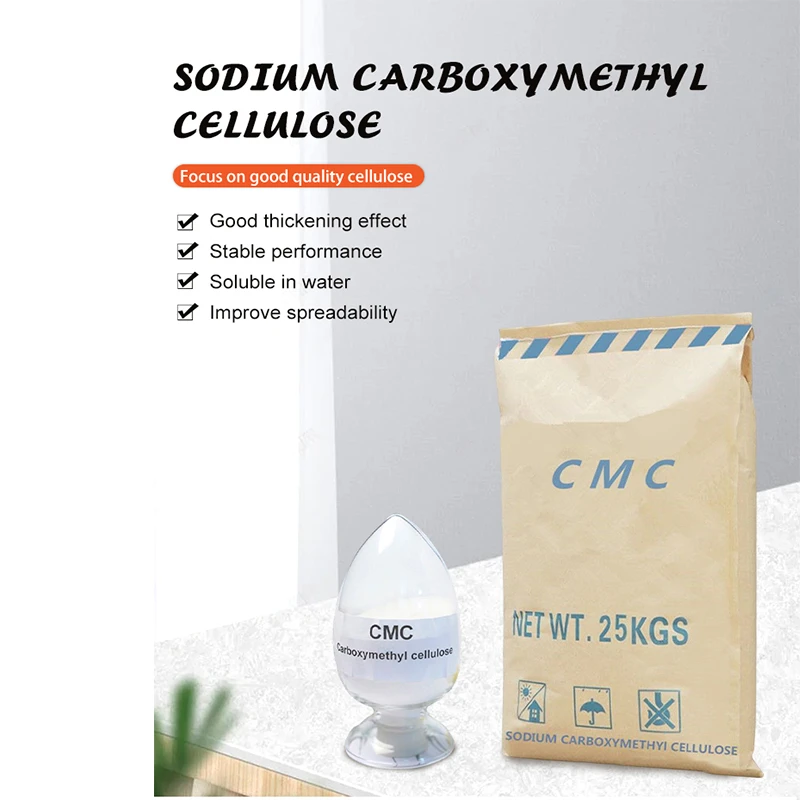
Sodium carboxymethyl cellulose (CMC) is a crucial ingredient in many toothpaste formulations. It acts as a thickener, stabilizer, and binder, contributing significantly to the texture and performance of your daily oral hygiene product. Understanding its role can help appreciate the science behind a healthy smile. This article dives deep into the function of sodium carboxymethyl cellulose within toothpaste, its benefits, safety considerations, and how it compares to other thickening agents. We'll also explore the different grades available and how Tangzhi HPMC delivers high-quality CMC for toothpaste manufacturers.
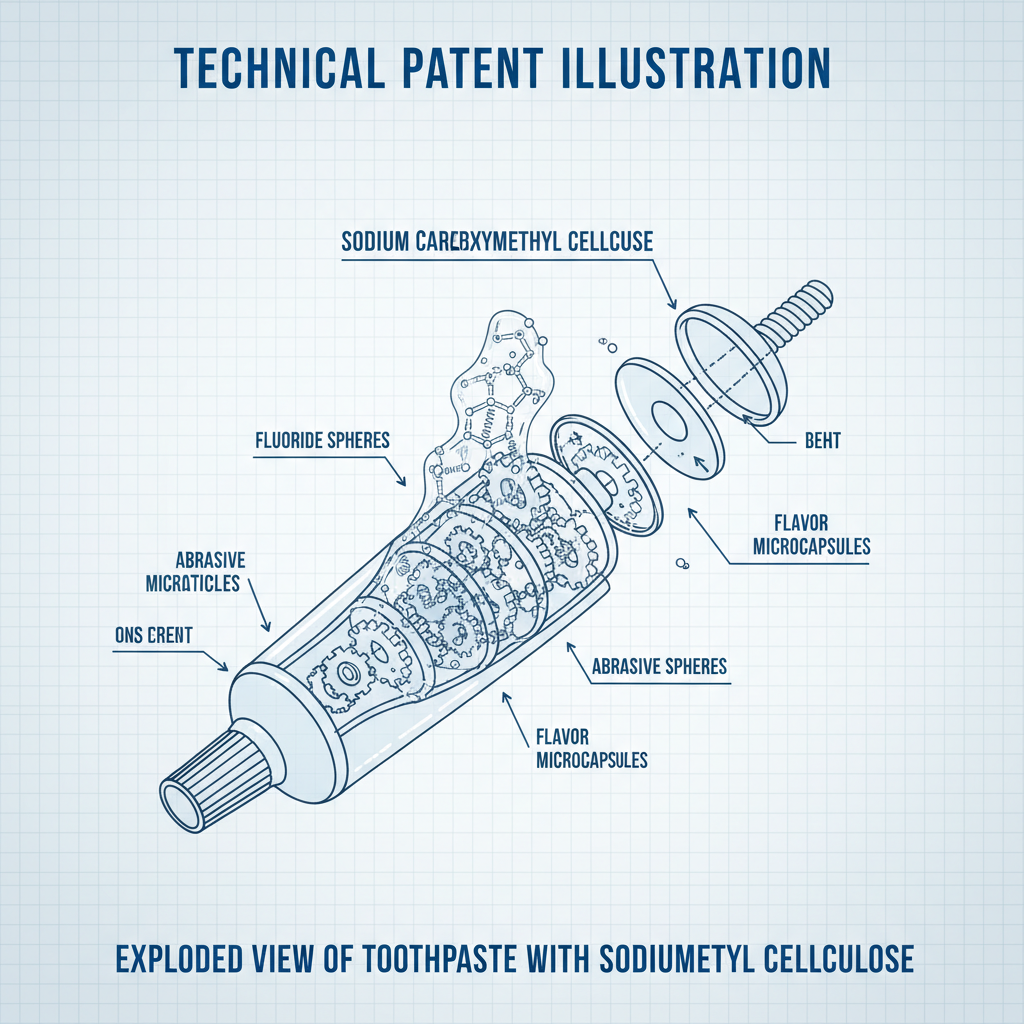
The Role of Sodium Carboxymethyl Cellulose in Toothpaste
CMC is a water-soluble polymer derived from cellulose, a natural component of plant cell walls. In toothpaste, it performs several vital functions. Firstly, it acts as a thickener, giving the toothpaste its desired consistency. Without CMC, toothpaste would be too runny and difficult to apply. Secondly, it’s a stabilizer, preventing separation of the liquid and solid components of the formulation, ensuring a homogenous product over its shelf life. Finally, it functions as a binder, holding all the ingredients together. It also contributes to the toothpaste's foaming properties and improves its overall texture, making it more pleasant to use.
Key Benefits: Provides desirable texture, prevents ingredient separation, and enhances the overall user experience.
Understanding the Different Grades of Sodium Carboxymethyl Cellulose
Sodium carboxymethyl cellulose isn’t a one-size-fits-all ingredient. It comes in various grades, categorized by viscosity (thickness) and substitution degree (the amount of carboxymethyl groups attached to the cellulose chain). Different toothpaste formulations require different grades. Higher viscosity CMC is used for gel toothpastes, providing a thicker, more substantial feel. Lower viscosity grades are used in paste toothpastes where a smoother consistency is desired. The substitution degree affects the CMC's solubility and functionality; a higher degree generally leads to better solubility and thickening power. Tangzhi HPMC offers a wide range of CMC grades tailored to meet the specific needs of toothpaste manufacturers.
CMC Grade Selection Guide:
• Low Viscosity: Smooth paste toothpastes.
• Medium Viscosity: All-purpose toothpastes.
• High Viscosity: Gel toothpastes.
Sodium Carboxymethyl Cellulose vs. Other Thickeners in Toothpaste
While several thickeners can be used in toothpaste, CMC stands out for its unique properties. Alternatives include xanthan gum, carbomer, and silica. However, CMC offers a superior balance of thickening power, stability, and cost-effectiveness. Xanthan gum, while effective, can sometimes create a slimy texture. Carbomer requires neutralization, adding complexity to the formulation. Silica, though a good abrasive, doesn't provide the same level of thickening. This makes CMC the preferred choice for many toothpaste manufacturers. Tangzhi HPMC's CMC consistently delivers optimal performance compared to alternatives.
Safety and Regulatory Aspects of Sodium Carboxymethyl Cellulose
Sodium carboxymethyl cellulose is generally recognized as safe (GRAS) by regulatory bodies like the FDA. It’s non-toxic and doesn’t pose significant health risks when used in toothpaste at recommended concentrations. However, ensuring the CMC is of high purity and complies with relevant pharmacopeial standards (like USP/NF) is crucial. Tangzhi HPMC prioritizes quality control and adherence to international regulations, providing customers with CMC that meets the highest safety standards.

Choosing the Right Supplier: Why Tangzhi HPMC?
Selecting a reliable supplier of sodium carboxymethyl cellulose is critical for maintaining product quality and consistency. Tangzhi HPMC is a leading manufacturer dedicated to providing premium CMC for the toothpaste industry. We offer: Wide range of grades to match your specific formulation needs, Strict quality control ensuring purity and consistency, Competitive pricing and Dedicated technical support to assist with formulation challenges. Partner with Tangzhi HPMC and experience the difference quality CMC can make.
Conclusion: Ensuring Quality Oral Care with Superior CMC
Sodium carboxymethyl cellulose plays a vital role in the creation of effective and enjoyable toothpaste. By choosing a high-quality supplier like Tangzhi HPMC, toothpaste manufacturers can ensure the consistency, stability, and safety of their products, ultimately contributing to better oral health for consumers.
Frequently Asked Questions (FAQs)
What is the recommended concentration of CMC in toothpaste?
The typical concentration of sodium carboxymethyl cellulose in toothpaste formulations ranges from 0.5% to 2.0%, depending on the desired viscosity and texture. Gel toothpastes generally require higher concentrations (around 1.5-2.0%) compared to paste toothpastes (around 0.5-1.0%). The optimal concentration should be determined through careful formulation testing to achieve the desired consistency and stability without compromising other properties of the toothpaste. Tangzhi HPMC’s technical team can provide guidance on selecting the appropriate grade and concentration for your specific needs.
Is CMC biodegradable?
Sodium carboxymethyl cellulose is considered biodegradable under certain conditions. However, the biodegradation rate can vary depending on factors such as the environment, temperature, and microbial activity. While it breaks down more readily than some synthetic polymers, it's not as rapidly biodegradable as some natural polymers. This is an area of ongoing research and development, with efforts focused on enhancing the biodegradability of CMC-based materials.
How is CMC manufactured?
CMC is manufactured through a chemical modification process of cellulose. Cellulose, typically sourced from wood pulp or cotton linters, is treated with monochloroacetic acid in the presence of a strong alkali, such as sodium hydroxide. This process introduces carboxymethyl groups onto the cellulose backbone, creating sodium carboxymethyl cellulose. The resulting product is then purified, dried, and ground into a powder. Tangzhi HPMC utilizes advanced manufacturing techniques to ensure a high-quality and consistent product.
Does CMC affect the taste of toothpaste?
High-quality sodium carboxymethyl cellulose, like that produced by Tangzhi HPMC, is generally tasteless and odorless. It should not significantly affect the overall taste of toothpaste. However, lower-grade CMC may contain impurities that can impart a slight aftertaste. Careful sourcing and purification are crucial to ensure the CMC doesn't compromise the flavor profile of the toothpaste.
-
HPMC High-Performance Thickener | Hebei TangzhiNewsMar.06,2026
-
Wholesale Water Reducing Admixture for Special Cement: Performance and Market InsightsNewsFeb.28,2026
-
The Complete Guide to HPMC: Types, Applications, Grades, and Manufacturing InsightsNewsFeb.28,2026
-
Redispersible Polymer Powder: Types, Applications, and Performance AdvantagesNewsFeb.28,2026
-
Hydroxymethyl Ethyl Cellulose (MHEC): Properties, Applications, and Market InsightsNewsFeb.28,2026
-
Hydroxyethyl Cellulose: Applications, Performance, and Buying GuideNewsFeb.28,2026