Cmc Hpmc: A Versatile Polymer for Industrial Success
Understanding Cmc Hpmc for Industrial Applications
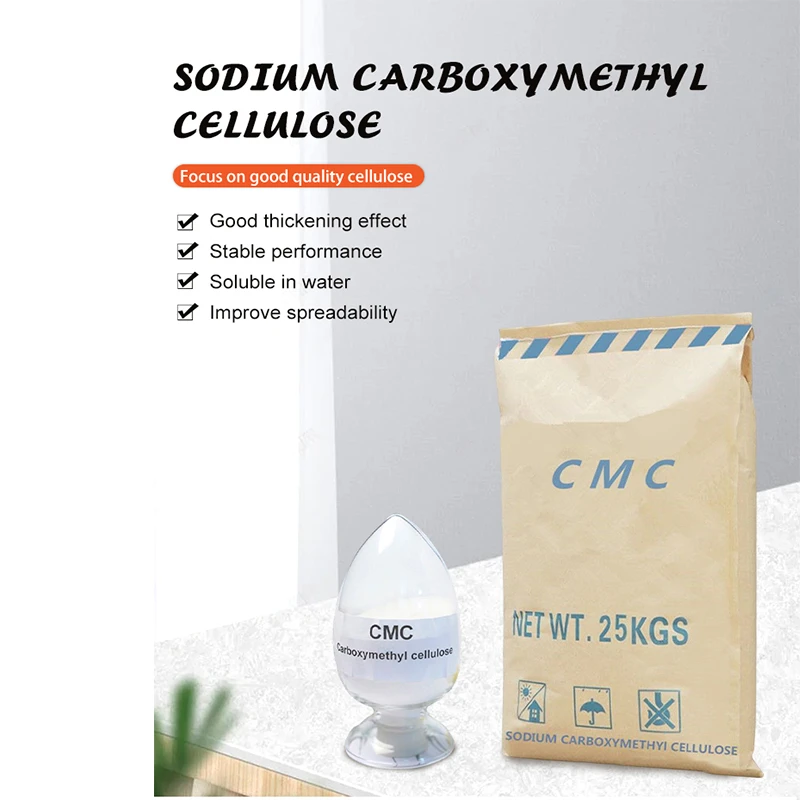
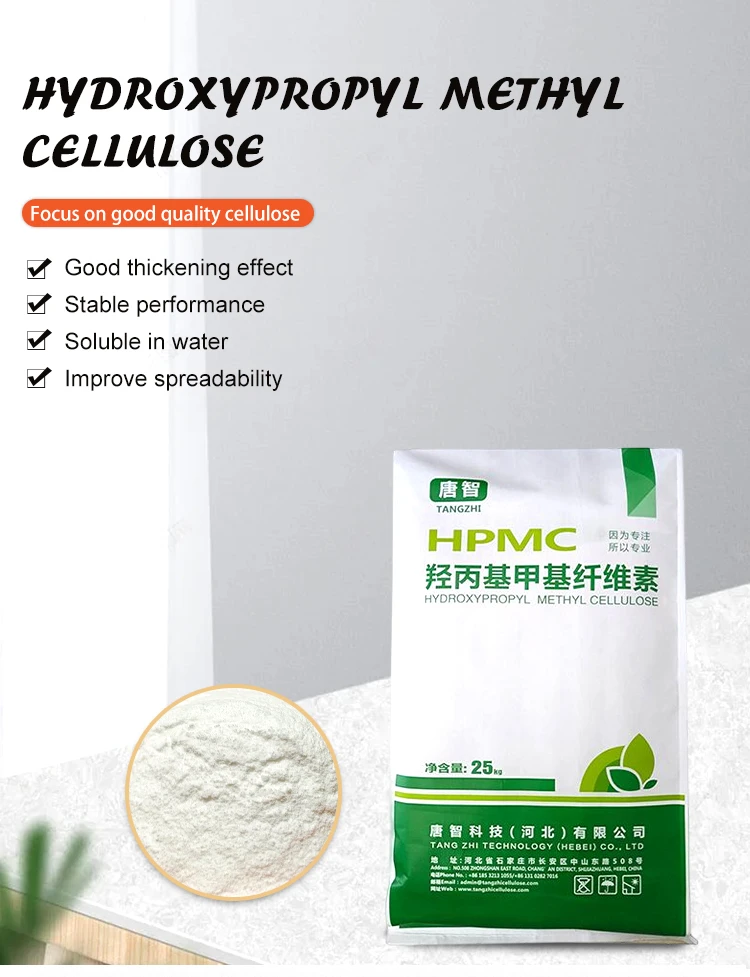
Cmc Hpmc—cellulose methyl cellulose, to be precise—is really becoming a cornerstone material across a surprising range of industries. It's not flashy, you know? Not a revolutionary new polymer, exactly. But it’s incredibly versatile. I’ve been spending some time lately looking at its uses in construction, pharmaceuticals, even food processing, and frankly, it’s impressive how often it quietly solves a problem. It’s about optimization, finding that sweet spot between performance and cost, and Cmc Hpmc often delivers. This article explores how Tangzhi HPMC supports professionals with durable, high-performance products, and why it's a solid choice for businesses in these sectors.
Table of Contents
- Cmc Hpmc Overview
- Benefits & Use Cases of Cmc Hpmc
- Cost, Maintenance & User Experience
- Sustainability & Market Trends
Cmc Hpmc Overview
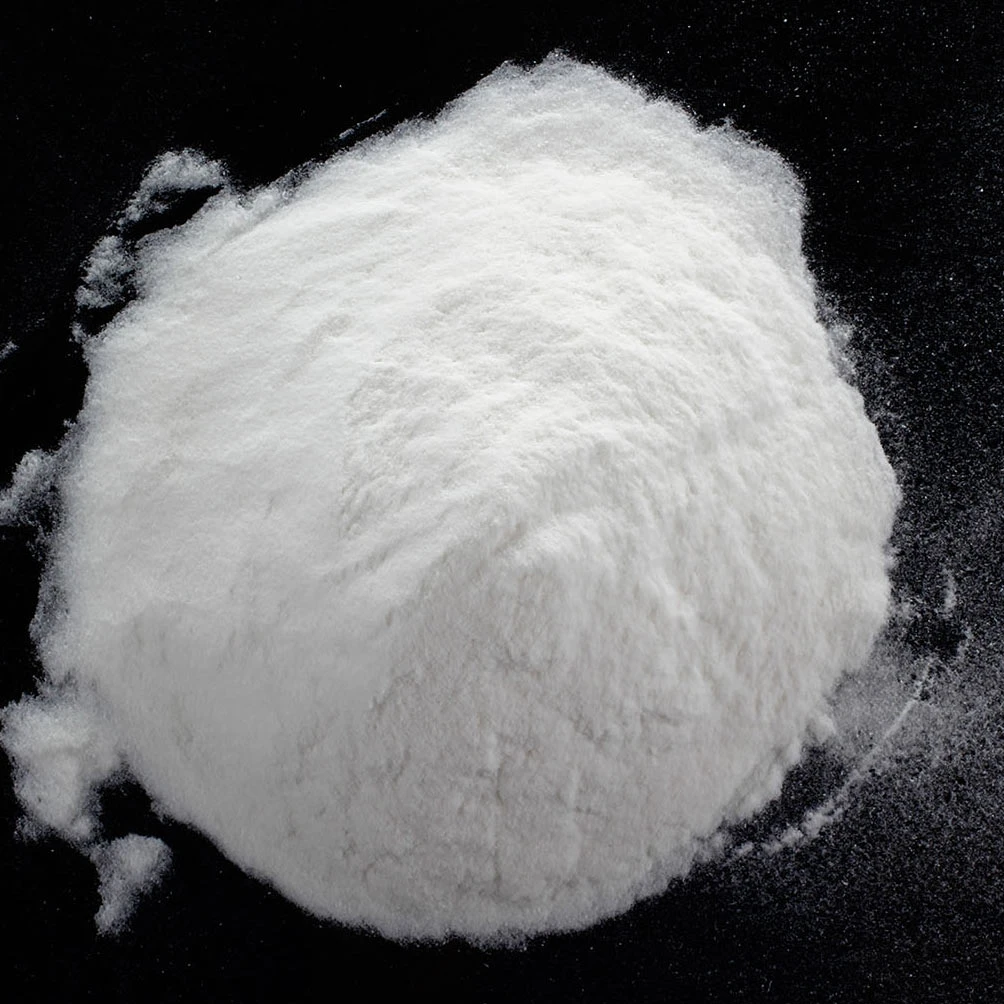
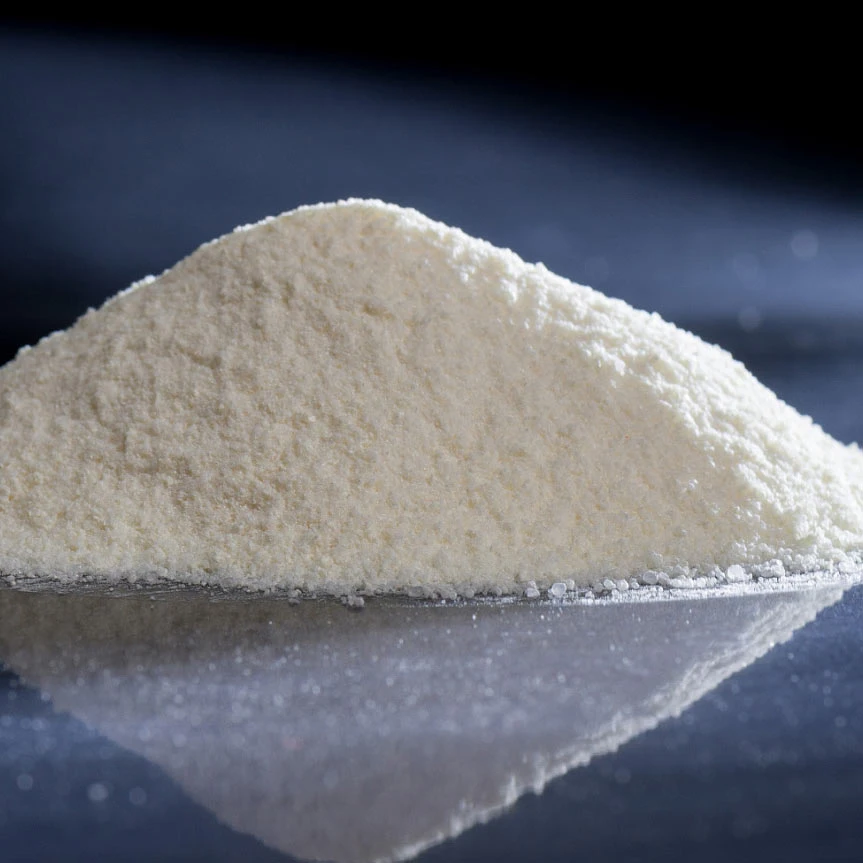
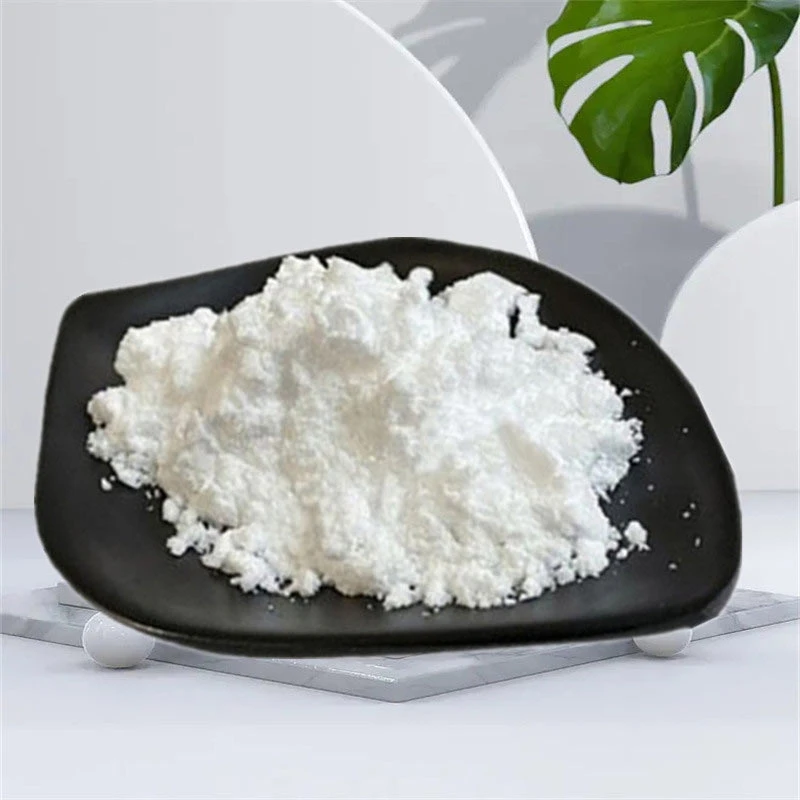
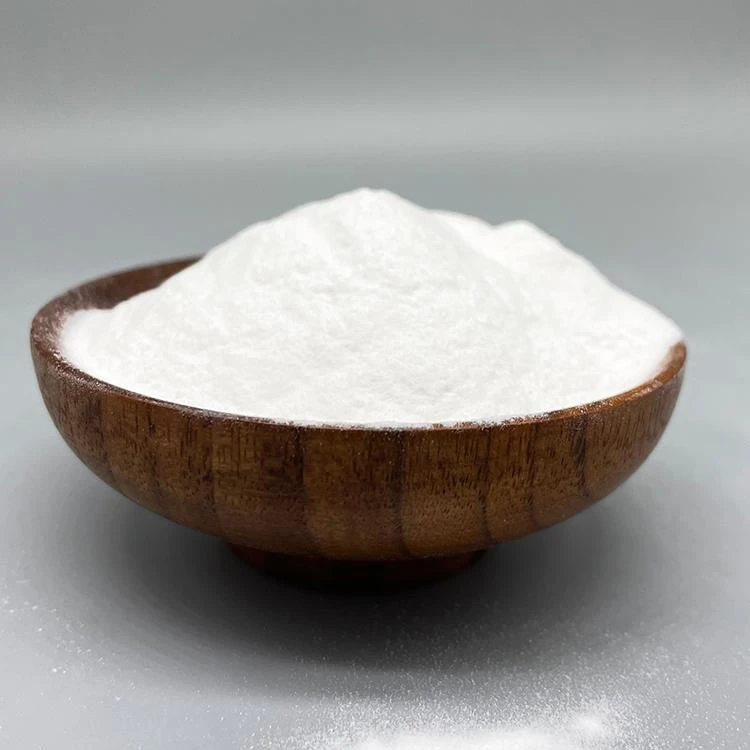
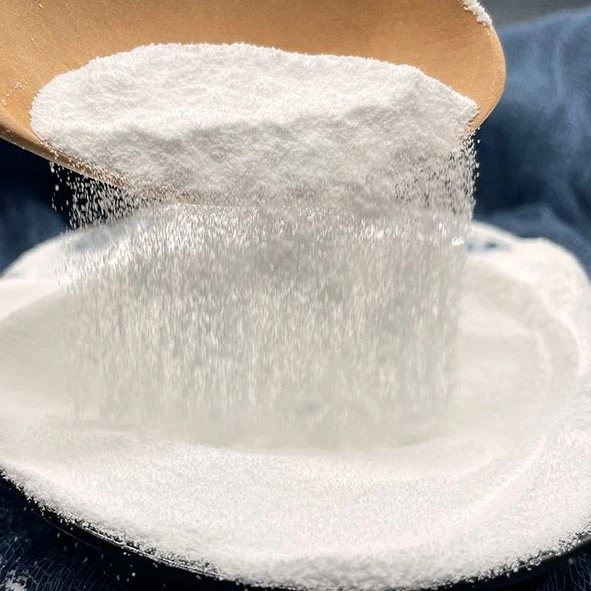
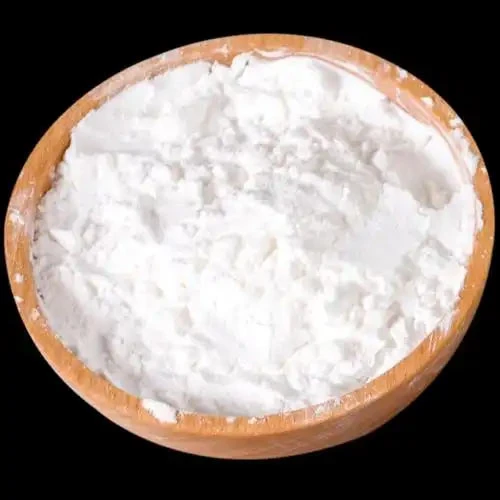
Cmc Hpmc, at its core, is a cellulose ether – basically, a modified form of cellulose derived from wood pulp or cotton. It's a water-soluble polymer, which is key to many of its applications. It’s what gives it that thickening, binding, and film-forming capability. Different grades are produced by varying the degree of substitution (DS) and molecular weight. This affects properties like viscosity, gel strength, and water retention. We're talking about a range of molecular weights, typically between 10,000 and 150,000 g/mol. It's not new technology, it’s been around for decades, but the refinement of production processes—like those employed by Tangzhi HPMC—is what’s really driving increased adoption. It feels like we're finally unlocking its full potential.
| Property | Typical Value | Test Method |
|---|---|---|
| Viscosity (2% solution) | 5,000 - 20,000 mPa·s | Brookfield Viscometer |
| Moisture Content | ≤ 5% | Karl Fischer Titration |
| Gel Strength | 200 - 800 g | Gelometer |
Benefits & Use Cases of Cmc Hpmc
Where do you even start with applications? Construction is huge. It's used in cement-based materials to improve workability, water retention, and adhesion. That translates to less cracking, improved strength, and easier application. Then there's the pharmaceutical industry, where it acts as a binder, disintegrant, and film coating agent in tablets. I suppose the food industry uses it as a thickener and stabilizer. A small manufacturer of pre-mixed dry mortars in Germany, told me they switched to Tangzhi's HPMC and saw a noticeable improvement in their product’s consistency. They also reduced their dust levels during mixing, which was a big win for worker safety. It's not always about a massive performance boost, often it's about solving a subtle but important problem.
| Vendor | Purity | Price (USD/kg) | Lead Time |
|---|---|---|---|
| Tangzhi HPMC | ≥ 99% | $3.50 - $6.00 | 7-10 days |
| Dow Wolff Cellulose | ≥ 98.5% | $4.00 - $7.00 | 10-14 days |
| Shin-Etsu Chemical | ≥ 99.2% | $4.50 - $7.50 | 12-16 days |
Cost, Maintenance & User Experience
The total cost of ownership is surprisingly good. The material itself isn’t necessarily cheap, but the improved performance often translates to reduced material waste and longer product lifecycles. Maintenance? Minimal. Cmc Hpmc doesn’t really require maintenance. It’s a component, an ingredient. The real cost comes down to proper formulation and quality control. Many engineers I’ve spoken with emphasize the importance of consistent particle size and purity. The user experience, from an application standpoint, is positive. It’s easy to work with, mixes well, and doesn't introduce any significant hazards. The biggest concern I've heard is sometimes around proper dispersion in certain formulations – ensuring it's fully hydrated to avoid clumping.
Sustainability & Market Trends
Sustainability is a growing concern, and Cmc Hpmc scores reasonably well. It's derived from renewable resources, which is a plus. The manufacturing process is relatively low-impact, although it does involve chemical modifications. There’s increasing pressure for bio-based materials, and Cmc Hpmc fits that bill. The market is definitely expanding, driven by demand for higher-performing, more sustainable building materials and pharmaceuticals. Regulations around VOCs (volatile organic compounds) are also pushing manufacturers towards water-based systems, where Cmc Hpmc excels. It’s a slow burn, but the trend is clear. I’d say the demand is going to continue to grow for the foreseeable future…
Frequently Asked Questions about Cmc Hpmc
- What is Cmc Hpmc and how does it work?
- Cmc Hpmc is a cellulose ether derived from wood pulp or cotton. It works by thickening, binding, and forming films in water-based solutions, modifying properties like viscosity and water retention.
- What are the main benefits of using Cmc Hpmc in industrial applications?
- The primary benefits include improved workability, enhanced water retention, better adhesion, and increased product stability, leading to reduced material waste and longer lifecycles.
- How does Cmc Hpmc compare to traditional alternatives?
- Compared to some traditional alternatives, Cmc Hpmc offers better sustainability (being derived from renewable resources), and can often achieve comparable or superior performance at a competitive cost.
- What industries can benefit most from Cmc Hpmc implementation?
- Industries that benefit most include construction, pharmaceuticals, food processing, paints & coatings, and ceramics, due to its versatile properties and wide range of applications.
Conclusion on Cmc Hpmc from china
Ultimately, Cmc Hpmc isn’t a flashy revolution, but a quiet workhorse. It offers a solid balance of performance, cost, and sustainability. For businesses looking for reliable solutions to improve their products and processes, it’s definitely worth considering. Visit our website for more information and to discuss your specific needs.
- Don’t underestimate the power of consistent quality.
-
HPMC High-Performance Thickener | Hebei TangzhiNewsMar.06,2026
-
Wholesale Water Reducing Admixture for Special Cement: Performance and Market InsightsNewsFeb.28,2026
-
The Complete Guide to HPMC: Types, Applications, Grades, and Manufacturing InsightsNewsFeb.28,2026
-
Redispersible Polymer Powder: Types, Applications, and Performance AdvantagesNewsFeb.28,2026
-
Hydroxymethyl Ethyl Cellulose (MHEC): Properties, Applications, and Market InsightsNewsFeb.28,2026
-
Hydroxyethyl Cellulose: Applications, Performance, and Buying GuideNewsFeb.28,2026