Comprehensive Guide to Understanding Different PVA Types and Applications
Understanding PVA Types: A Comprehensive Guide
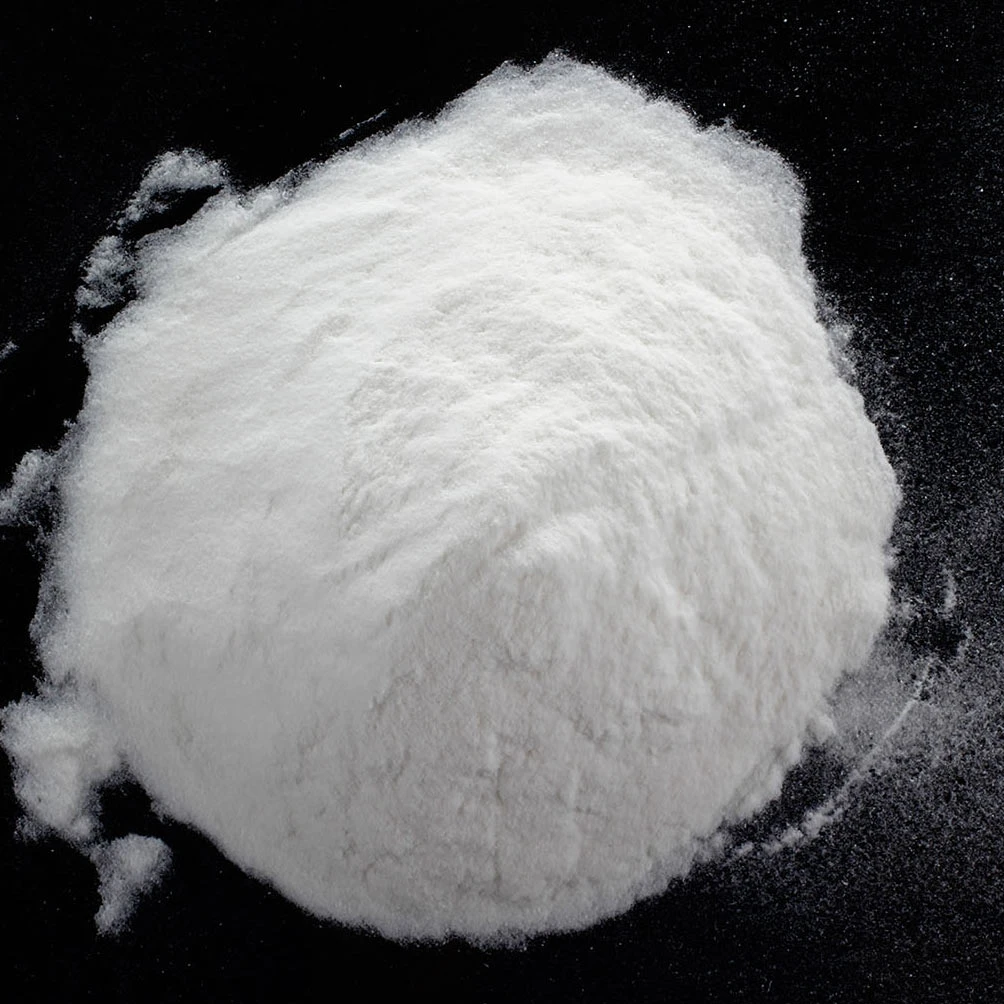
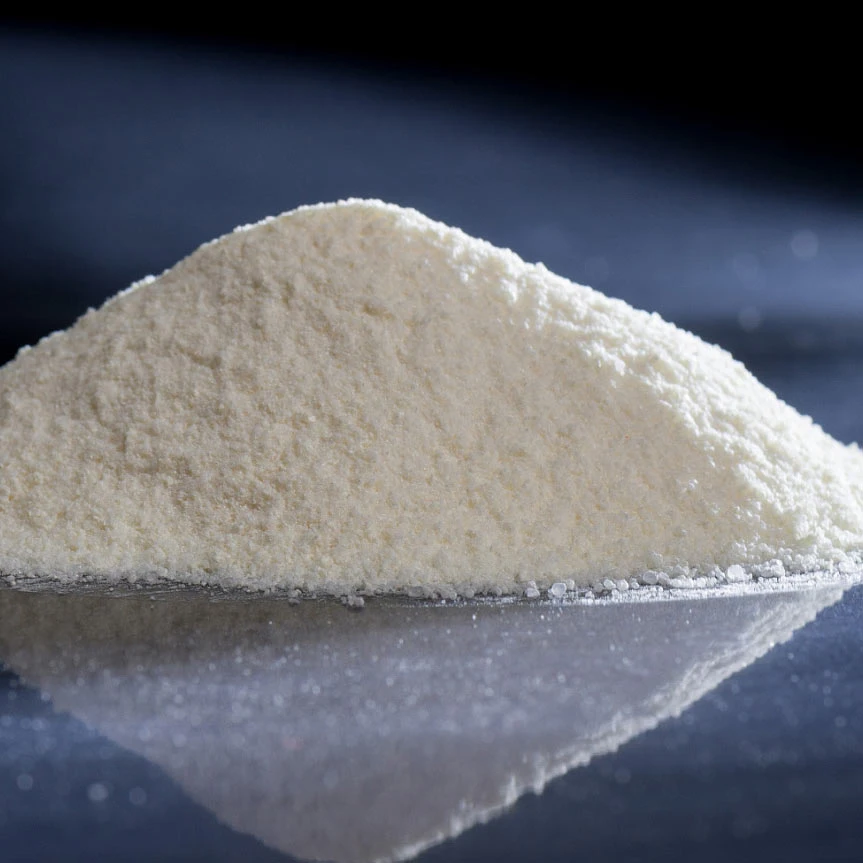
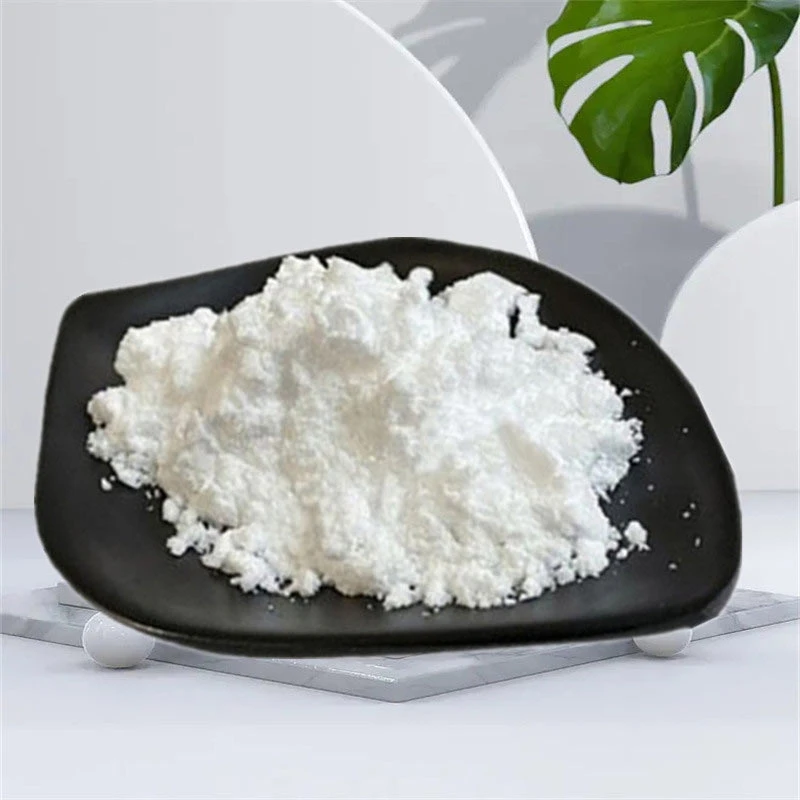
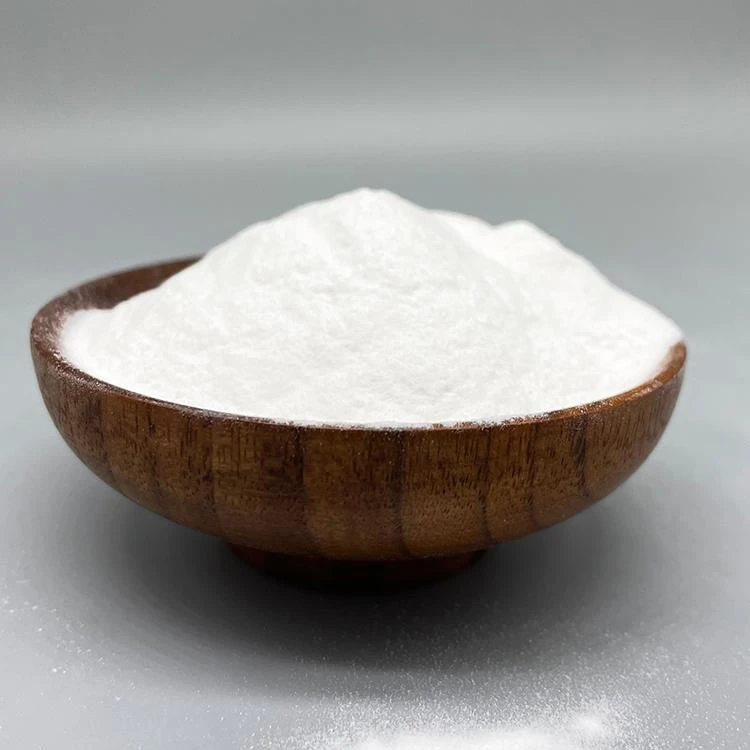
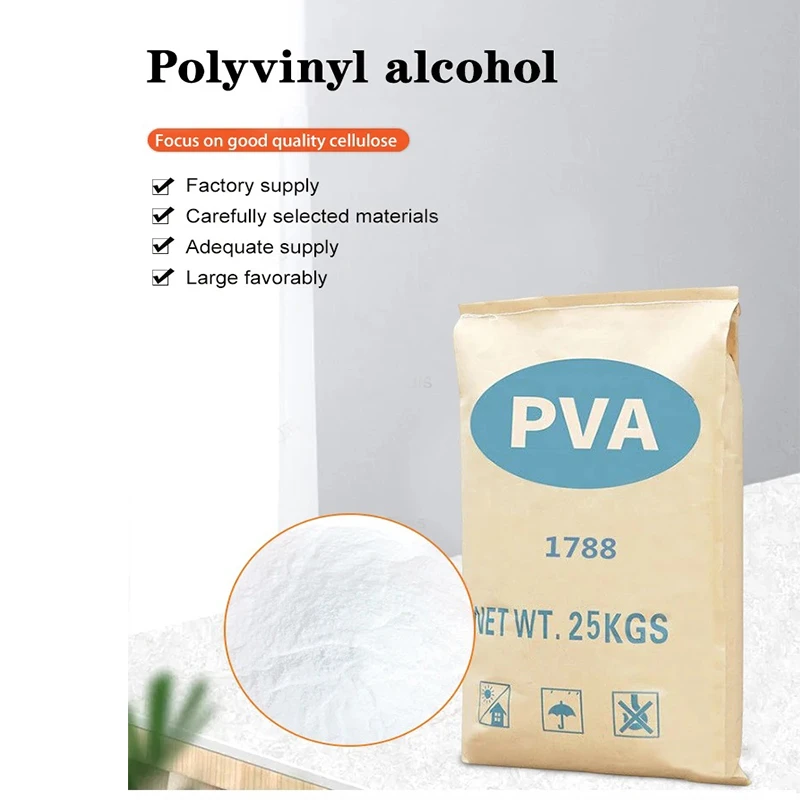
Polyvinyl Alcohol (PVA) is a versatile synthetic polymer with a wide range of applications, from adhesives and textiles to packaging and medical uses. However, not all PVA is created equal. Different PVA types offer unique properties tailored to specific needs. This article will delve into the various categories of PVA, exploring their characteristics, applications, and key considerations for selection. Choosing the right PVA grade is crucial for achieving optimal performance in your intended application. We’ll cover fully hydrolyzed, partially hydrolyzed, and specialty PVA resins, giving you a clear understanding of the options available.
Key Properties of Polyvinyl Alcohol
PVA’s properties are largely determined by its degree of hydrolysis – the percentage of acetate groups converted to alcohol groups. This affects its water solubility, tensile strength, and film-forming ability. Higher hydrolysis levels generally result in stronger, more water-soluble PVA. Other important characteristics include viscosity, molecular weight, and polymer chain length. These factors influence the PVA's performance in different applications. For instance, high viscosity PVA is ideal for thickeners, while low viscosity PVA is used in coatings and adhesives. Understanding these properties is fundamental to selecting the appropriate PVA grade. Tangzhi HPMC offers a diverse range of PVA products designed to meet varied application requirements.
Key Highlights: PVA's water solubility, tensile strength, and film-forming ability are all influenced by its degree of hydrolysis, molecular weight, and viscosity. Careful consideration of these factors ensures optimal performance in any application.
PVA Types Based on Hydrolysis Degree
The degree of hydrolysis is a critical factor in defining PVA types. We can categorize PVA into three main types based on this parameter: fully hydrolyzed, partially hydrolyzed, and intermediate hydrolyzed. Fully hydrolyzed PVA (over 99% hydrolysis) exhibits excellent water solubility and is widely used in applications requiring strong film formation and adhesion. Partially hydrolyzed PVA (70-90% hydrolysis) offers better water resistance and flexibility, making it suitable for adhesives, coatings, and textile sizing. Intermediate grades offer a balance of properties. The choice depends largely on the desired balance between water solubility and resistance.
Hydrolysis Degree Benefits:
• Fully Hydrolyzed: Excellent water solubility & strong film formation.
• Partially Hydrolyzed: Enhanced water resistance & flexibility.
• Intermediate Hydrolyzed: Balanced properties for versatile applications.
Comparing PVA Grades: Key Differences
Selecting the optimal PVA grade requires a comparison of their key differences. Here's a table outlining the properties of different hydrolysis levels:
Specialty PVA Types & Their Applications
Beyond the standard classifications, specialty PVA types cater to niche applications. These include: PVA fibers used in textiles for strength and durability, PVA emulsions employed in paper coatings for improved printability, and PVA films utilized in biodegradable packaging. Modified PVA with grafted monomers offers enhanced properties like improved adhesion or thermal stability. The expanding range of specialty PVA resins demonstrates the polymer’s adaptability and continued innovation. Tangzhi HPMC is continuously developing and refining PVA solutions for a broad spectrum of industrial applications.
Conclusion: Choosing the Right PVA for Your Needs
Selecting the Ideal PVA Grade
Understanding the nuances of PVA types is crucial for maximizing performance in your application. By carefully considering the degree of hydrolysis, molecular weight, and intended use, you can choose the optimal PVA grade to achieve your desired results. Tangzhi HPMC offers a comprehensive range of PVA solutions and expert technical support to help you navigate the selection process.
Frequently Asked Questions (FAQs)
What factors influence the cost of PVA?
Several factors affect the price of PVA, including the degree of hydrolysis, molecular weight, purity, and quantity purchased. Fully hydrolyzed PVA and higher molecular weight grades generally command a higher price due to their more complex manufacturing processes and enhanced properties. Bulk orders typically benefit from discounted pricing. Market conditions and raw material costs also play a role. Sourcing PVA from a reputable supplier like Tangzhi HPMC ensures consistent quality and competitive pricing.
Is PVA biodegradable?
PVA is considered biodegradable under specific conditions. However, the biodegradation rate is highly dependent on factors like temperature, moisture, and the presence of microorganisms. Standard PVA typically requires a specialized environment with high microbial activity for efficient degradation. Modified PVA, designed for enhanced biodegradability, is also available for applications prioritizing environmental sustainability.
What safety precautions should be taken when handling PVA?
While PVA is generally considered non-toxic, it's essential to follow standard safety protocols. Avoid inhaling PVA dust, as it can cause respiratory irritation. Wear appropriate personal protective equipment (PPE), such as gloves and safety glasses, when handling PVA solutions or powders. Ensure adequate ventilation in the work area. Refer to the Safety Data Sheet (SDS) for detailed safety information and handling instructions.
What are the key applications of fully hydrolyzed PVA?
Fully hydrolyzed PVA finds extensive use in various applications, including: as a protective colloid in emulsion polymerization, as a film-forming agent in adhesives and coatings, in textile sizing to enhance yarn strength, in paper coatings to improve surface properties, and as a component in water-soluble packaging films. Its strong film-forming ability and excellent water solubility make it a versatile choice for numerous industrial processes.
-
HPMC High-Performance Thickener | Hebei TangzhiNewsMar.06,2026
-
Wholesale Water Reducing Admixture for Special Cement: Performance and Market InsightsNewsFeb.28,2026
-
The Complete Guide to HPMC: Types, Applications, Grades, and Manufacturing InsightsNewsFeb.28,2026
-
Redispersible Polymer Powder: Types, Applications, and Performance AdvantagesNewsFeb.28,2026
-
Hydroxymethyl Ethyl Cellulose (MHEC): Properties, Applications, and Market InsightsNewsFeb.28,2026
-
Hydroxyethyl Cellulose: Applications, Performance, and Buying GuideNewsFeb.28,2026