Exploring Polyvinyl Alcohol Plastic Properties Applications and Sustainable Benefits
Understanding Polyvinyl Alcohol Plastic: Properties, Applications & Benefits
Polyvinyl alcohol (PVA) plastic is a fascinating and versatile synthetic polymer with a wide range of applications, from packaging and textiles to adhesives and biomedical engineering. Its unique properties – including high tensile strength, biodegradability, and water solubility – make it an increasingly popular alternative to traditional plastics. This article will delve into the characteristics of PVA, explore its diverse applications, and highlight the benefits it offers. Choosing the right polymer for your needs is crucial, and understanding PVA's capabilities is a great starting point.
What is Polyvinyl Alcohol Plastic?
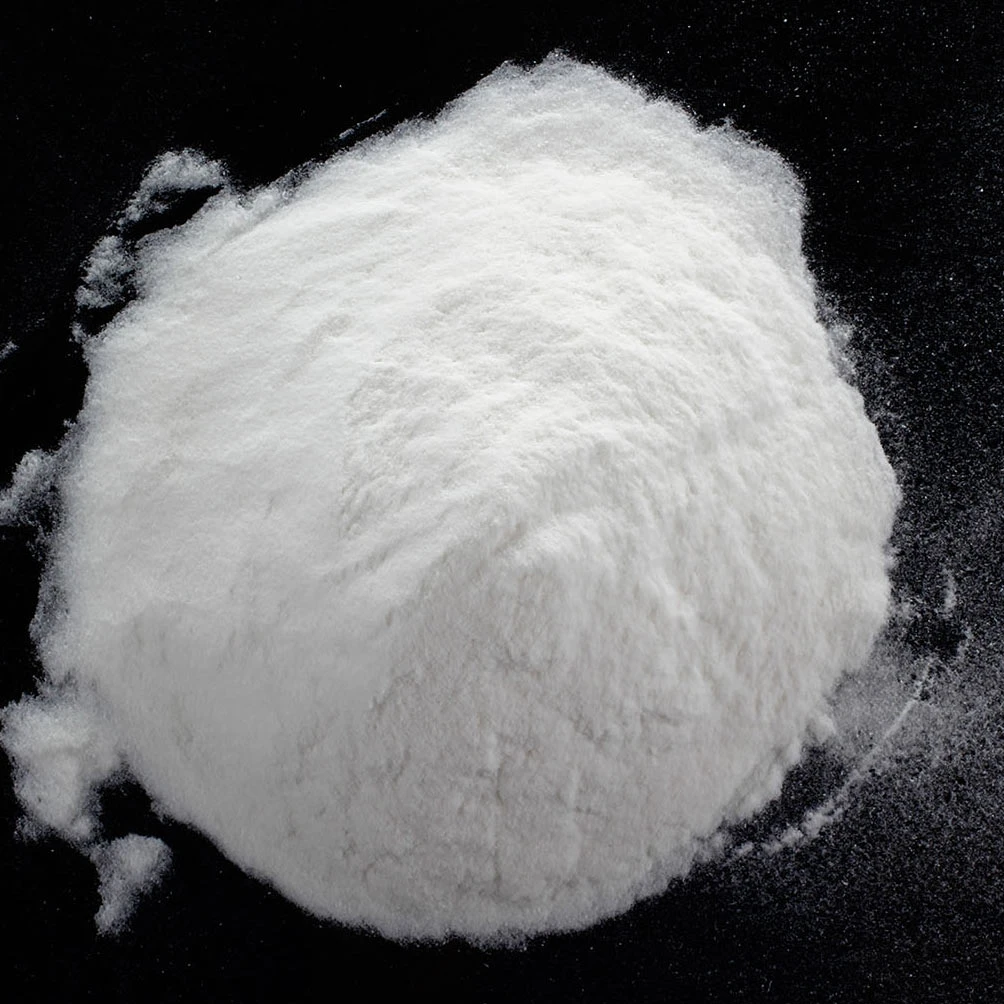
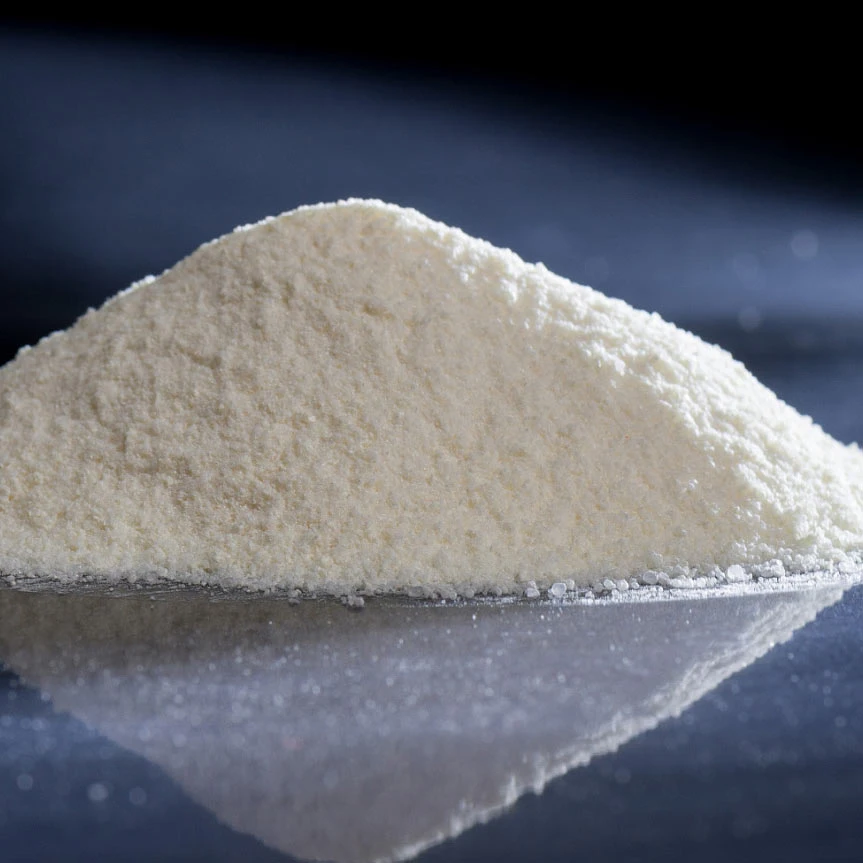
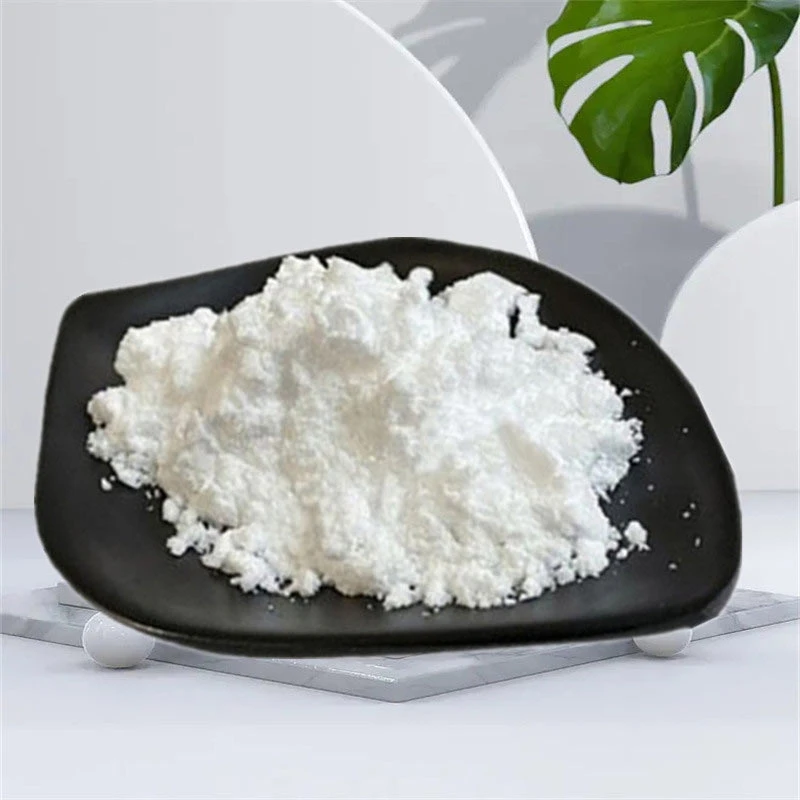
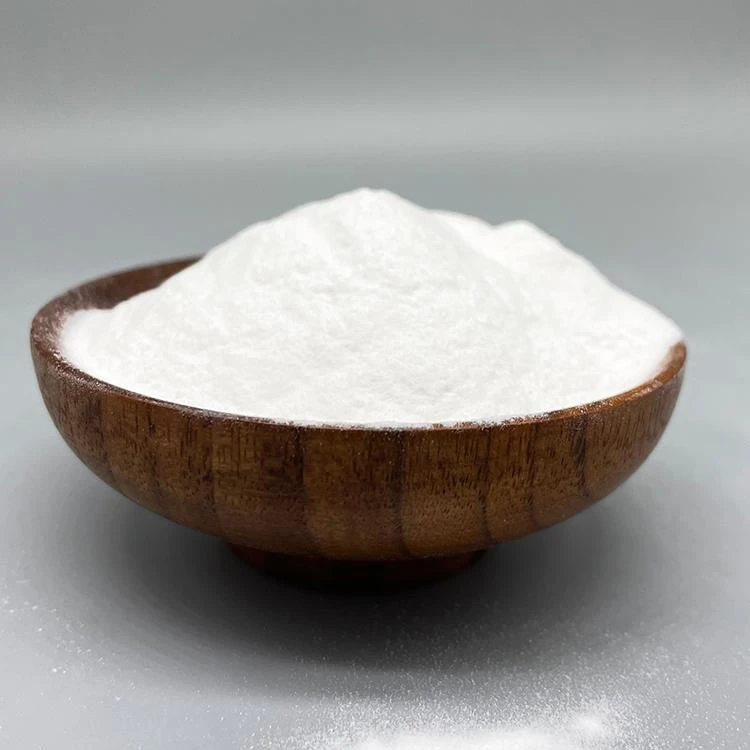
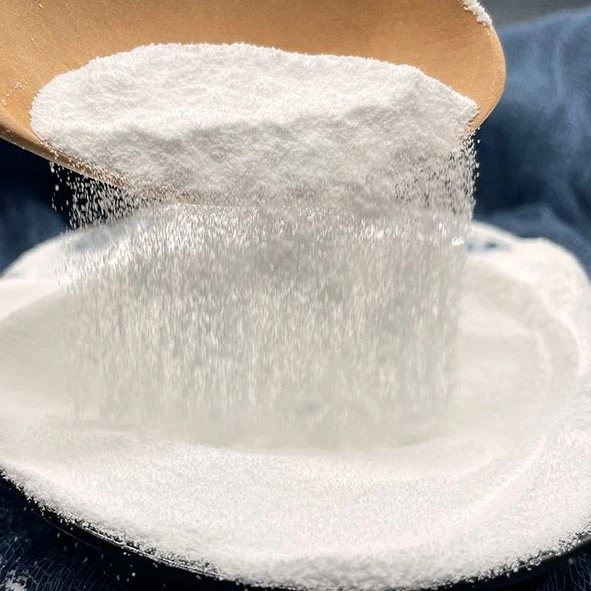
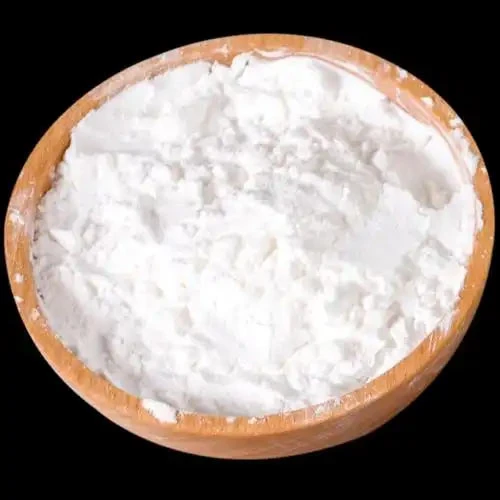
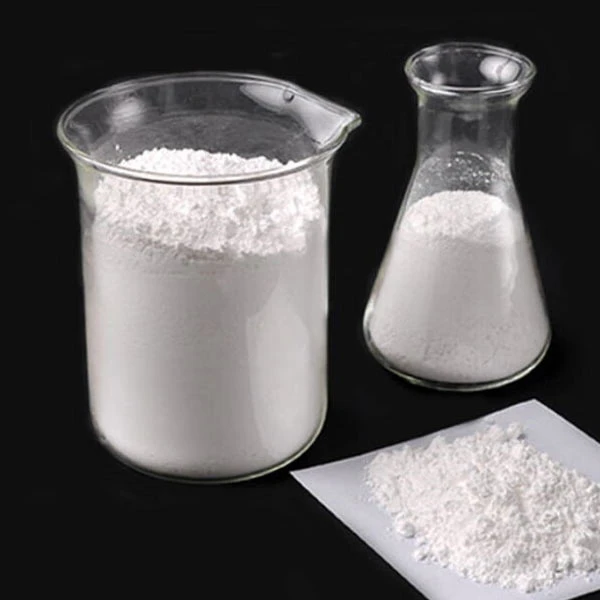
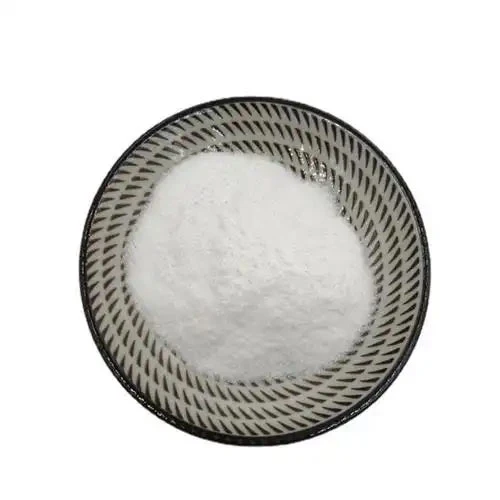
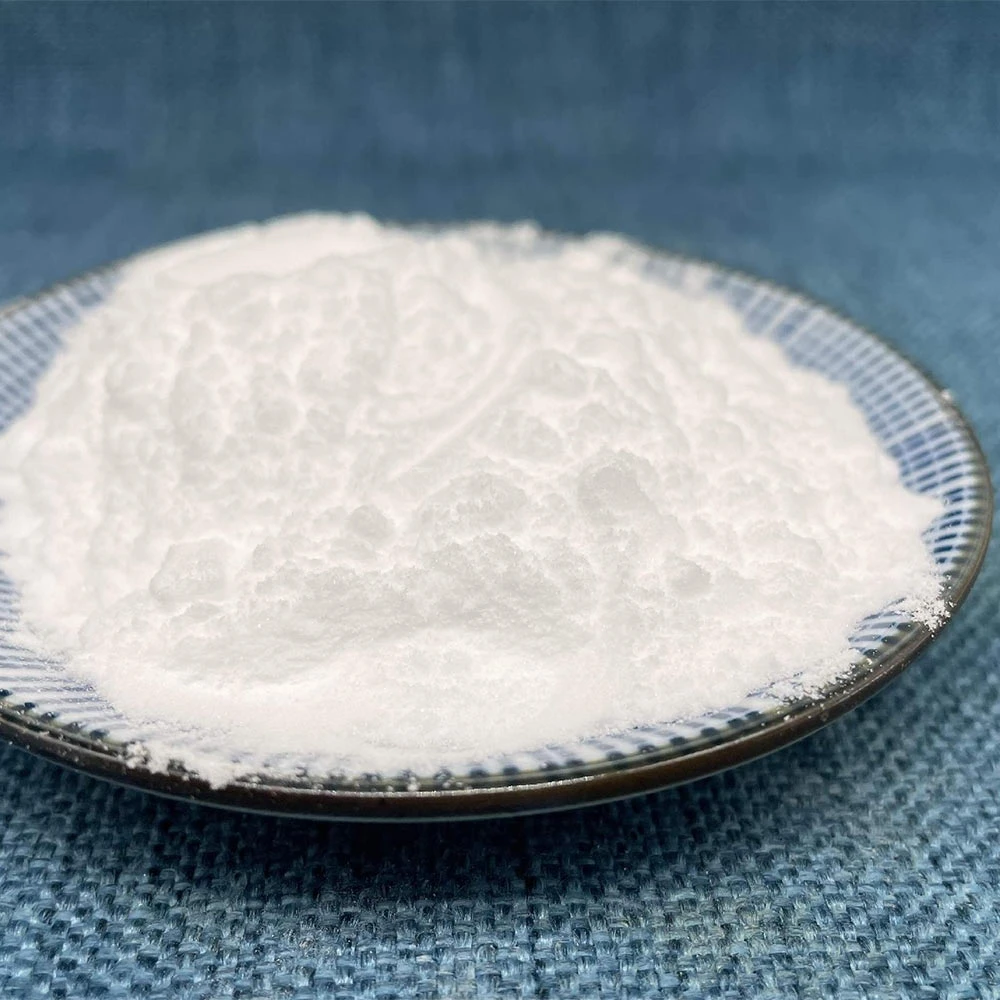
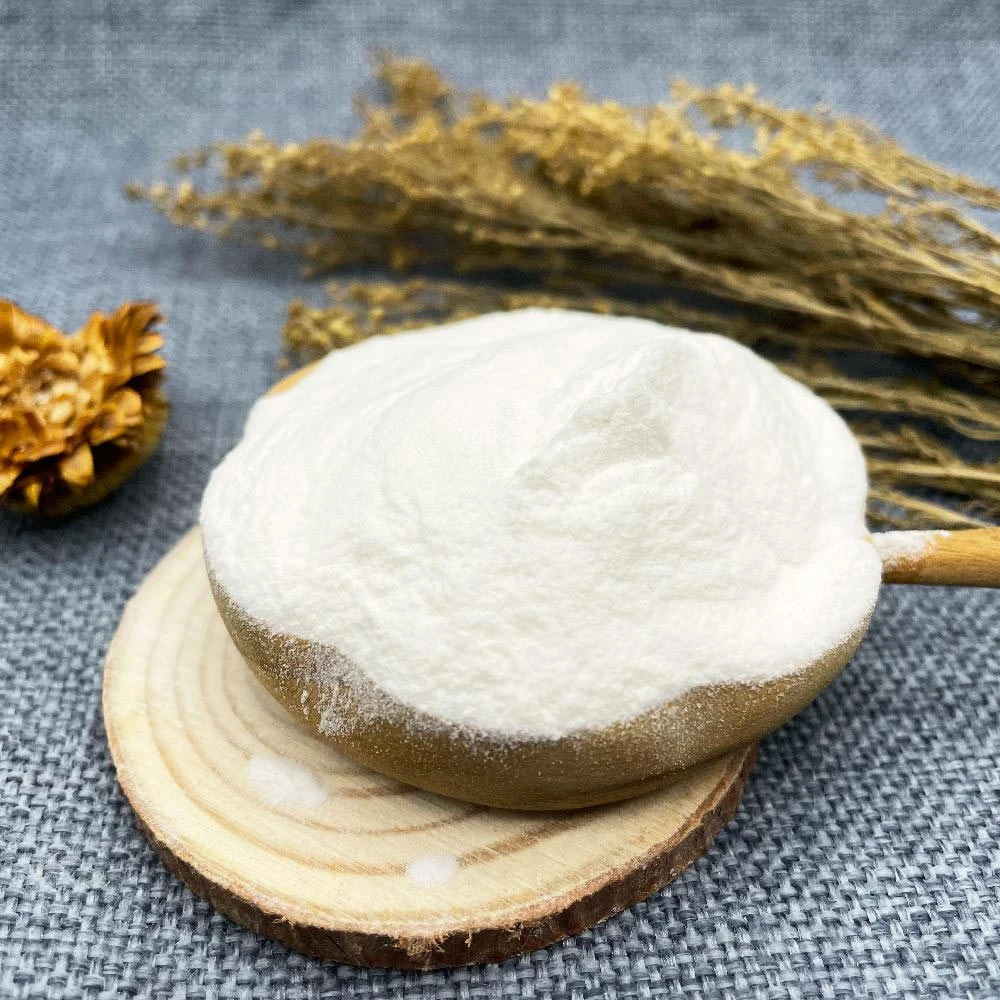
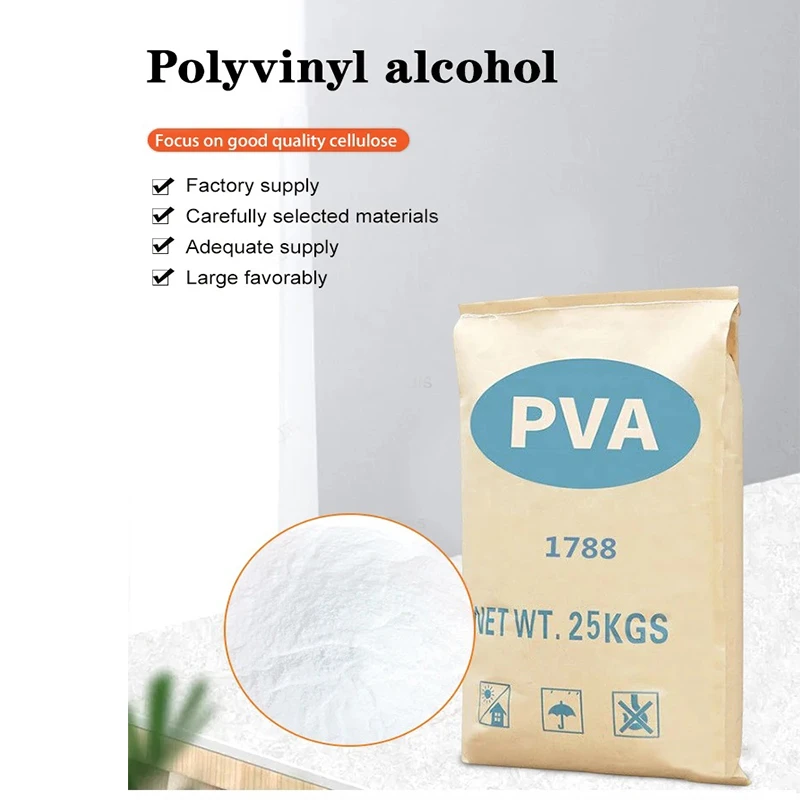
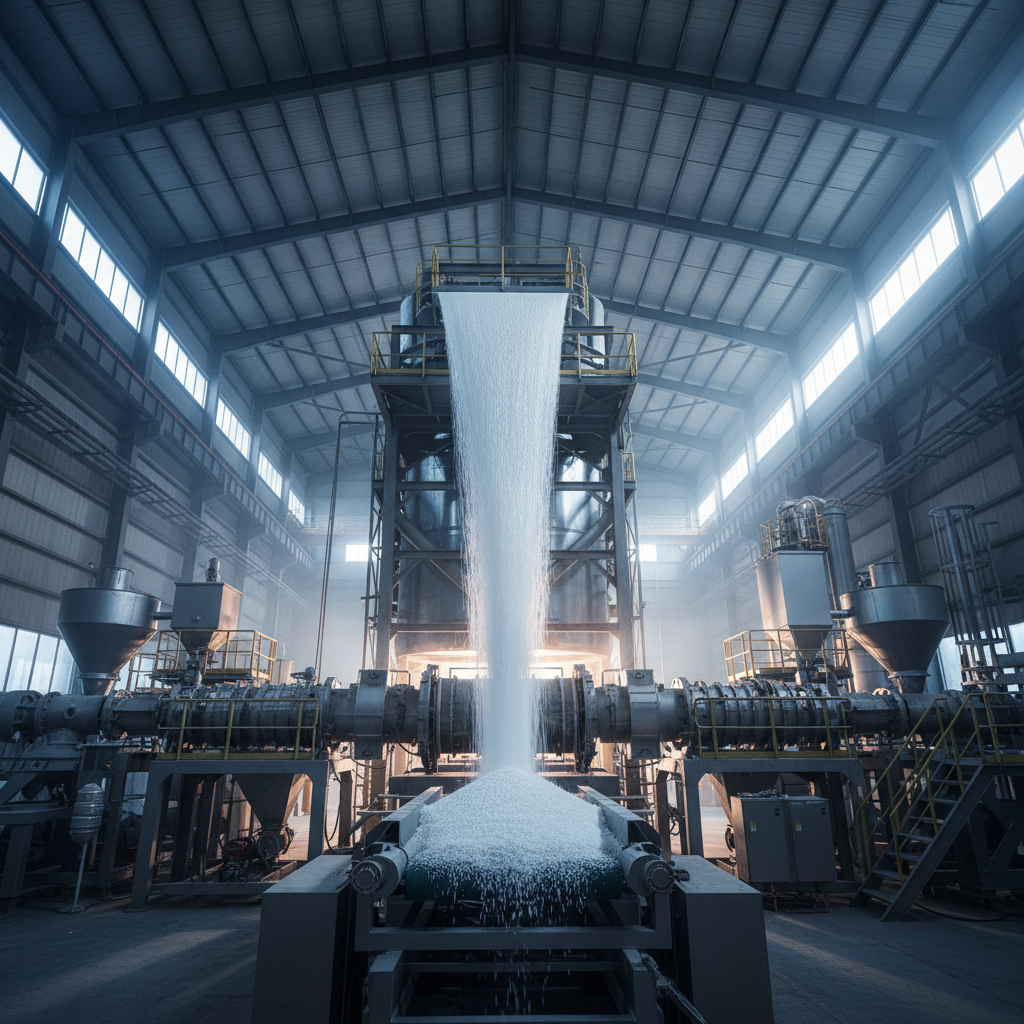
PVA is created through the hydrolysis of polyvinyl acetate. This process breaks down the acetate groups, leaving behind a water-soluble polymer. The degree of hydrolysis significantly affects PVA's properties; higher hydrolysis levels result in increased water solubility and tensile strength. PVA is often supplied as granules or powders which can be dissolved in water to form solutions or films. It is a thermoplastic polymer, meaning it can be repeatedly softened by heating and hardened by cooling. This characteristic allows for versatility in manufacturing processes. We at Tangzhi HPMC specialize in providing high-quality PVA solutions for various industrial applications.
Key Highlights: PVA is a water-soluble synthetic polymer known for its high tensile strength, biodegradability, and versatility in applications ranging from textiles to biomedical materials.
Key Properties of Polyvinyl Alcohol
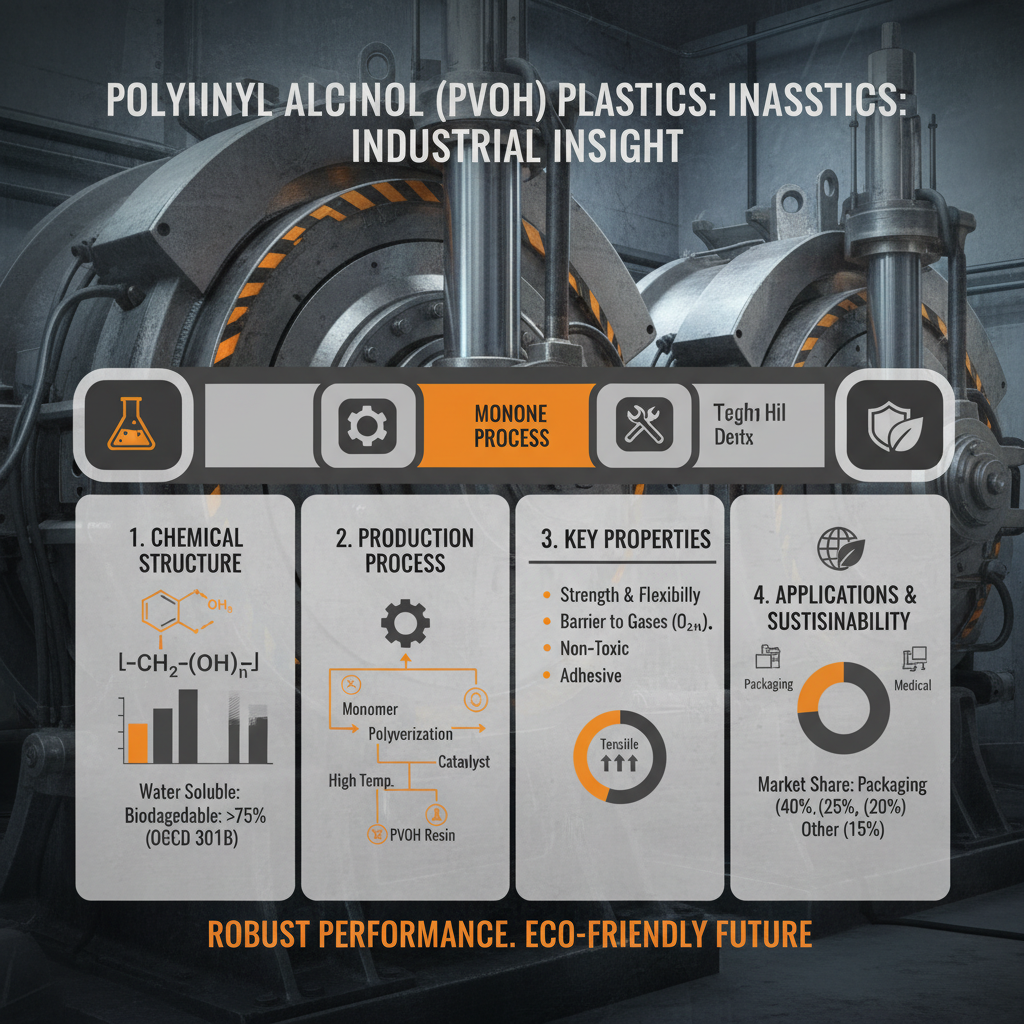
PVA boasts a unique combination of properties that make it an attractive material for diverse applications. Its excellent film-forming capabilities result in clear, strong, and flexible films. PVA also exhibits good barrier properties against oxygen and other gases, making it useful in packaging applications. Crucially, it's biodegradable under certain conditions, offering a more sustainable alternative to many conventional plastics. Finally, PVA displays excellent adhesion to various surfaces.
PVA's Remarkable Properties:
• High tensile strength and flexibility
• Excellent film-forming properties
• Water solubility
• Biodegradability
• Good gas barrier properties
Applications of Polyvinyl Alcohol Plastic
The applications of PVA plastic are incredibly diverse. It's widely used in the production of packaging films, particularly for food and pharmaceuticals, due to its excellent barrier properties and non-toxicity. In the textile industry, PVA is used as a warp sizing agent to improve yarn strength and reduce breakage during weaving. It also finds applications in adhesives, paper coatings, and as a thickener in various formulations. Increasingly, PVA is being explored in biomedical applications, such as drug delivery systems and wound dressings, leveraging its biocompatibility and biodegradability.
PVA vs. Other Plastics: A Comparative Look
Compared to traditional plastics like polyethylene and polypropylene, PVA offers distinct advantages in terms of biodegradability and water solubility. However, it generally has lower heat resistance and mechanical strength. PET and HDPE offer superior strength and temperature resistance, but lack PVA's environmental benefits. The choice depends heavily on the specific application requirements. For applications prioritizing sustainability, PVA is a compelling alternative.
Benefits of Using Polyvinyl Alcohol Plastic
The benefits of utilizing PVA plastic are numerous. Its biodegradability reduces environmental impact, aligning with growing sustainability initiatives. Its water solubility allows for easy removal and cleanup in certain applications. The excellent film-forming properties create high-quality packaging and coatings. Furthermore, its versatility makes it adaptable to a wide range of industries and processes. At Tangzhi HPMC, we’re committed to providing sustainable solutions like PVA to help our clients achieve their environmental goals.
Conclusion: Embracing a Sustainable Future with PVA
Polyvinyl alcohol offers a unique combination of properties that make it a valuable material in today’s world. From its biodegradability and water solubility to its diverse range of applications, PVA presents a compelling alternative to traditional plastics. As we move towards a more sustainable future, PVA is poised to play an increasingly important role in various industries.
Frequently Asked Questions (FAQs)
Is PVA truly biodegradable?
While PVA is considered biodegradable, the rate of degradation depends on environmental conditions such as temperature, humidity, and the presence of microorganisms. It typically biodegrades in aerobic and anaerobic environments, but complete degradation can take several months to a year. Some specialized grades of PVA are designed for faster degradation. The biodegradability of PVA makes it a more environmentally friendly choice compared to many conventional plastics that persist in the environment for hundreds of years.
What are the limitations of PVA?
PVA has some limitations, including lower heat resistance and mechanical strength compared to some other plastics. It is also sensitive to moisture and can dissolve in water, which may not be suitable for all applications. However, modifications and blending with other polymers can improve these properties. Proper consideration of these limitations is crucial when selecting PVA for a specific application.
How is PVA different from Polyvinyl Acetate (PVAc)?
Polyvinyl Acetate (PVAc) is the precursor to PVA. PVAc is not water-soluble, while PVA is created by hydrolyzing PVAc to remove the acetate groups, making it water-soluble. PVAc is commonly used in adhesives, paints, and coatings, whereas PVA is used in applications requiring water solubility, film-forming properties, and biodegradability.
Where can I source high-quality PVA plastic?
Tangzhi HPMC is a leading supplier of high-quality polyvinyl alcohol plastic. We offer a wide range of PVA grades to meet diverse industrial needs. Contact us today to discuss your specific requirements and receive a customized quote.
-
HPMC High-Performance Thickener | Hebei TangzhiNewsMar.06,2026
-
Wholesale Water Reducing Admixture for Special Cement: Performance and Market InsightsNewsFeb.28,2026
-
The Complete Guide to HPMC: Types, Applications, Grades, and Manufacturing InsightsNewsFeb.28,2026
-
Redispersible Polymer Powder: Types, Applications, and Performance AdvantagesNewsFeb.28,2026
-
Hydroxymethyl Ethyl Cellulose (MHEC): Properties, Applications, and Market InsightsNewsFeb.28,2026
-
Hydroxyethyl Cellulose: Applications, Performance, and Buying GuideNewsFeb.28,2026