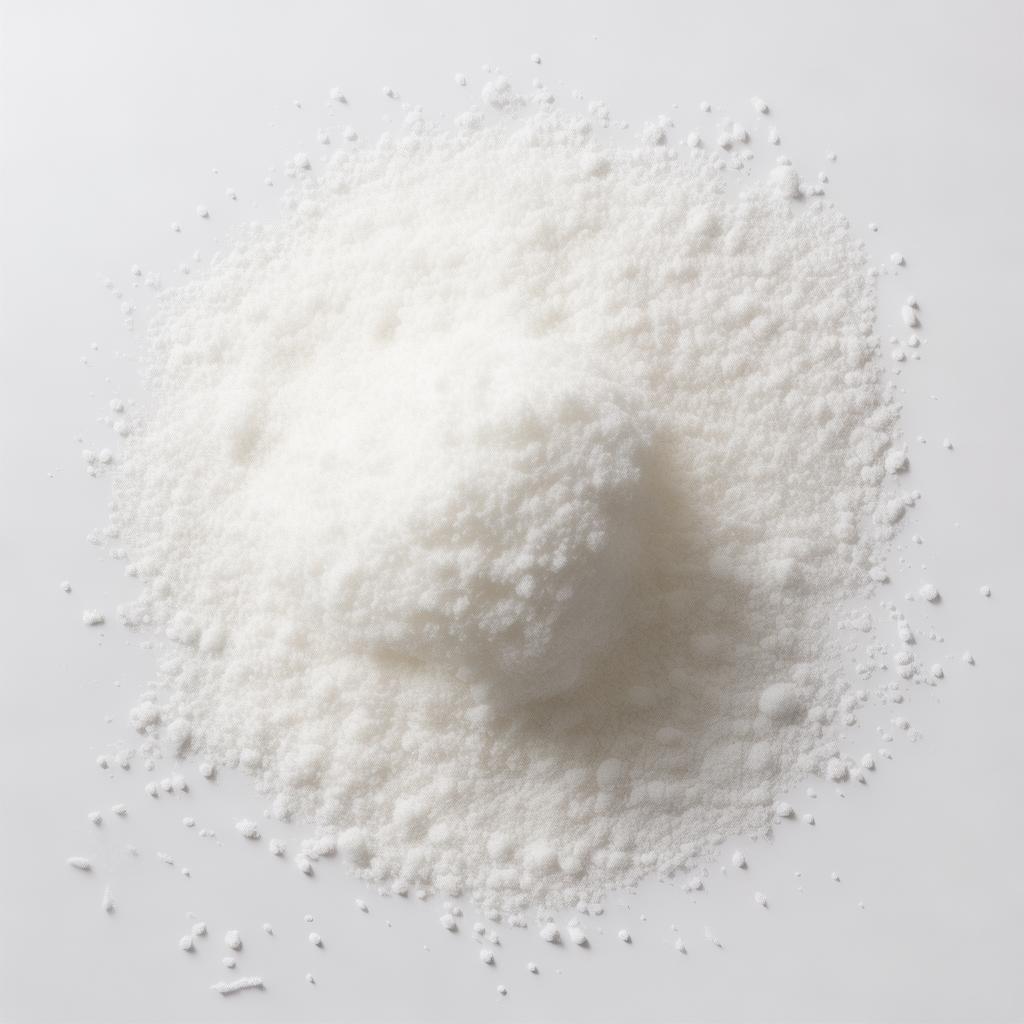
Fiber From Cellulose
Fiber from Cellulose: Industrial-Grade Supply for Construction, Textiles & Composites
Wholesale cellulose fiber direct from Hebei factories. OEM volumes, fast USA shipping. Talk specs with our engineers.
Why Procurement Teams Turn to Cellulose Fiber Sourcing
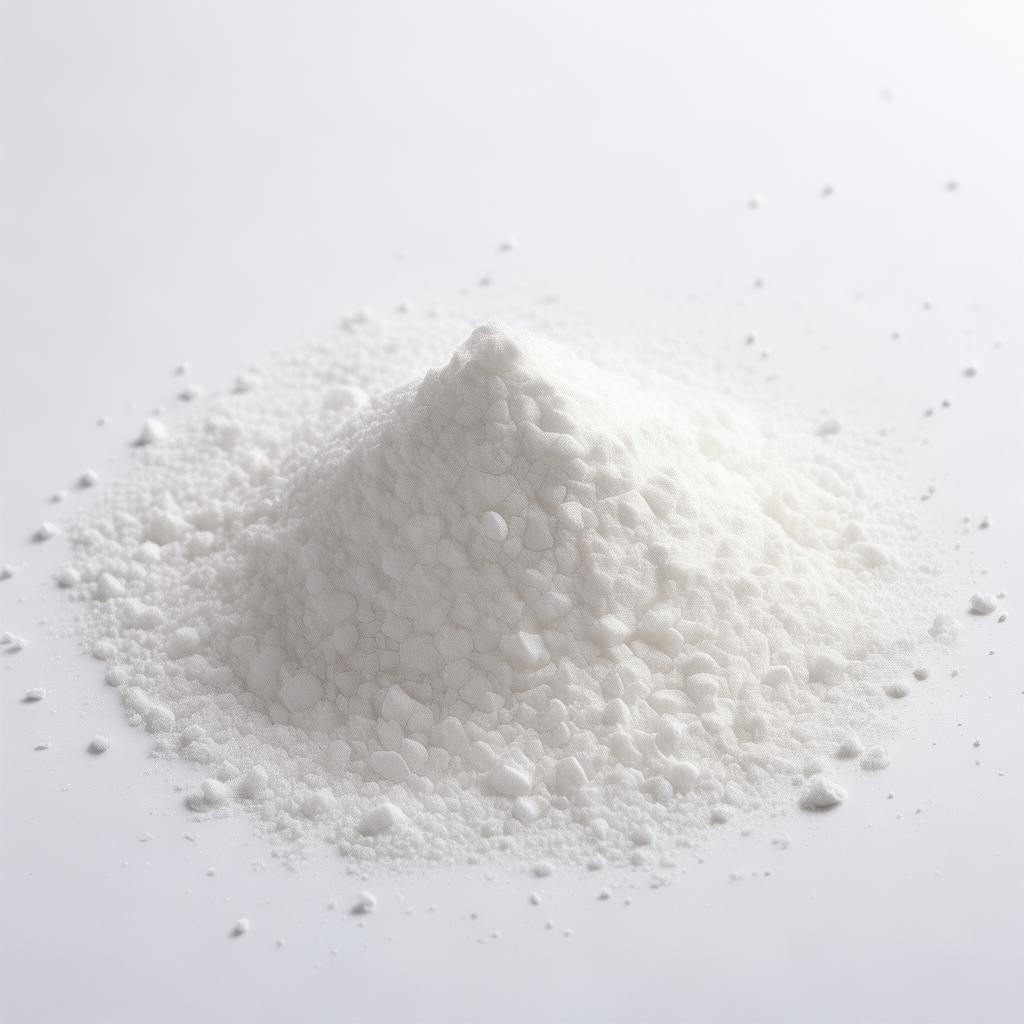
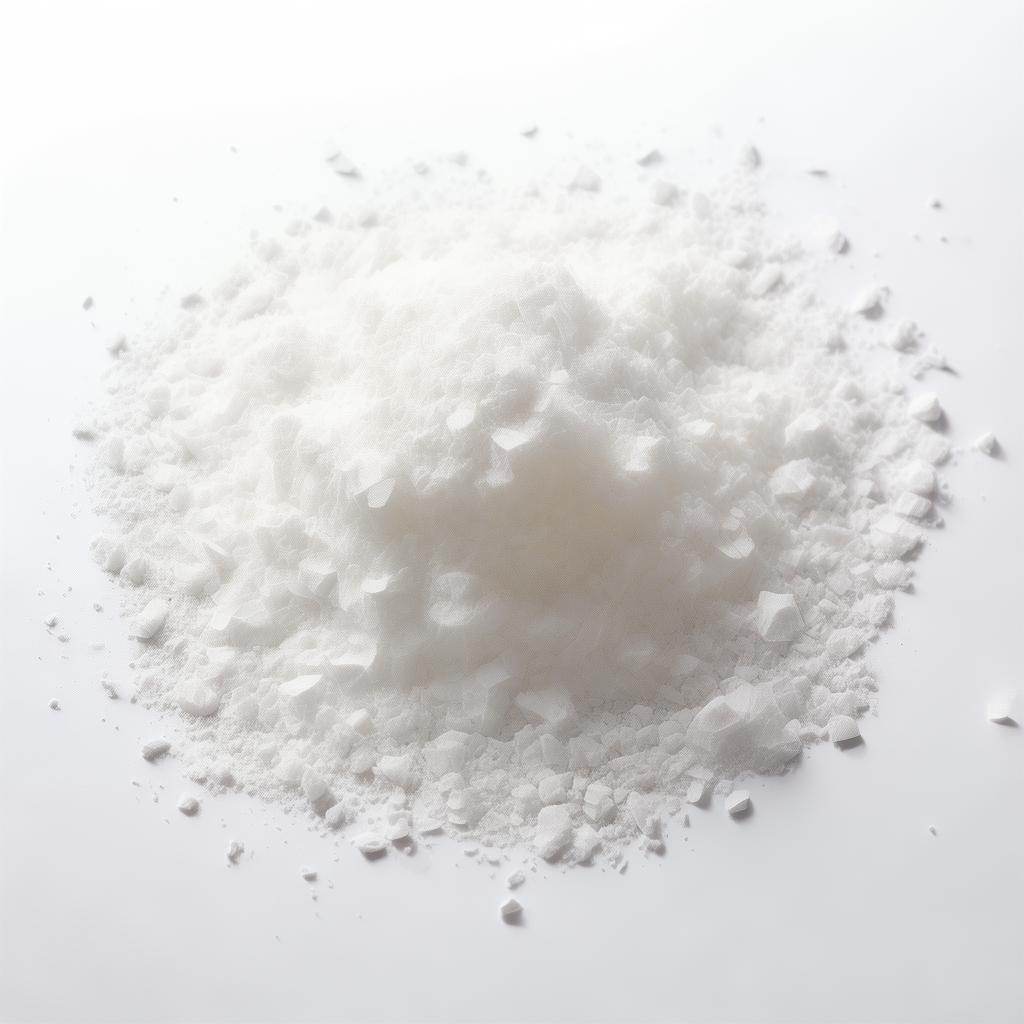
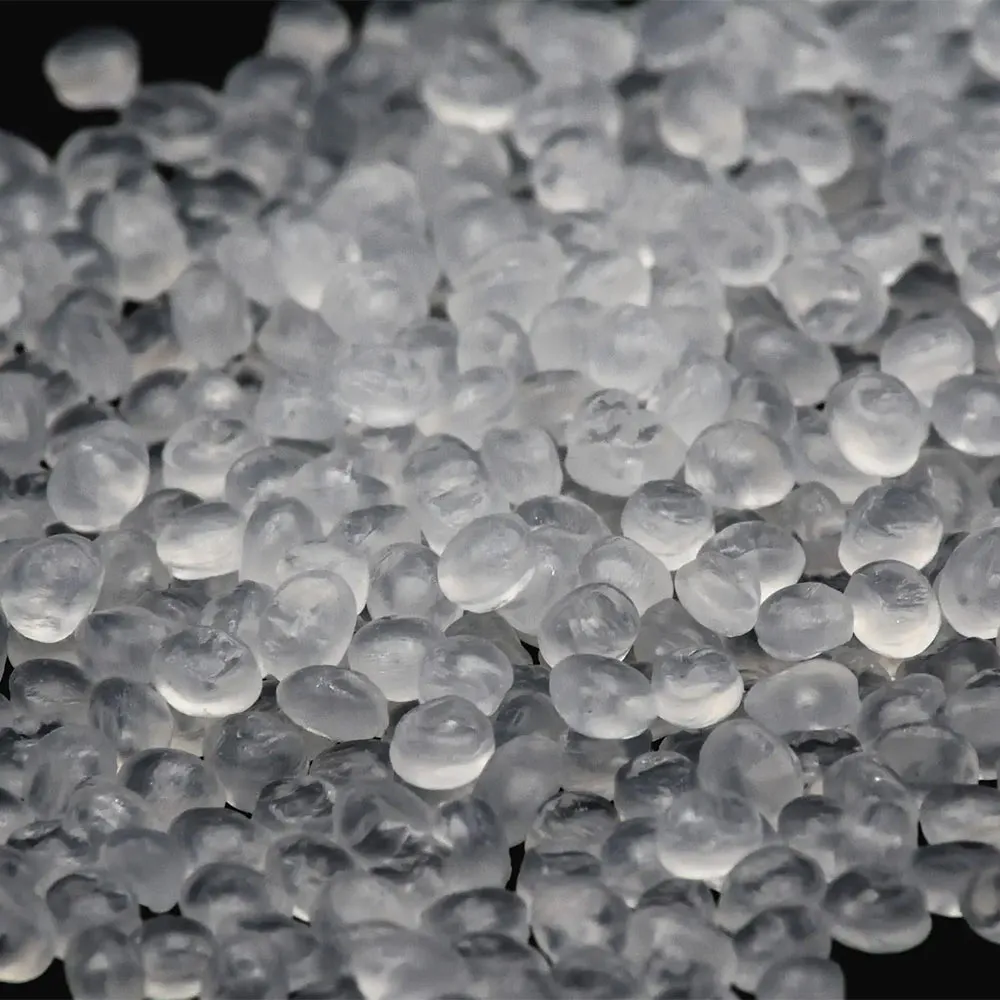
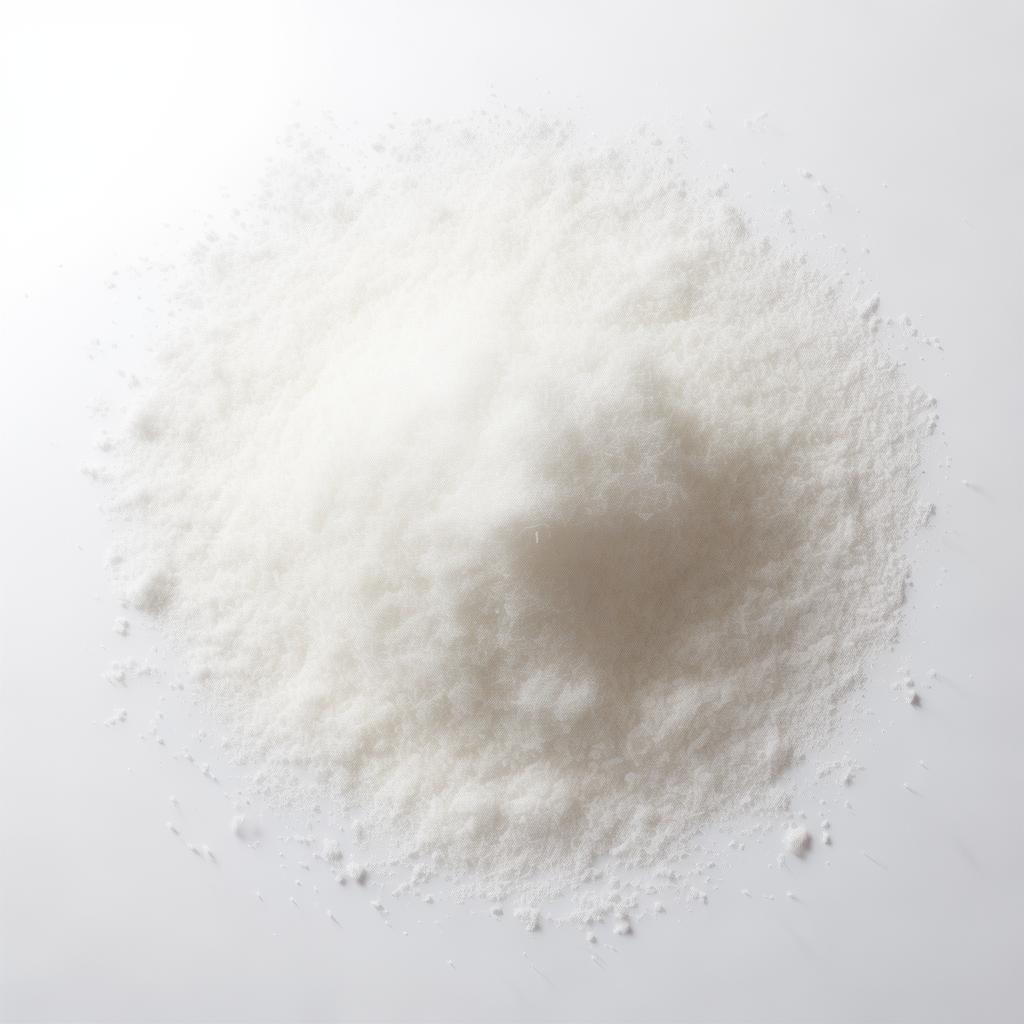
When you're managing supply chains for composites, textiles, or construction additives, fiber from cellulose often pops up as a go-to material. It's derived from natural plant sources—think wood pulp or cotton linters—processed into fine, versatile fibers that hold up in demanding applications. We've been supplying these for over a decade from our Hebei base, watching importers grapple with inconsistent quality from smaller mills.
Picture this: your ops team needs 20-ton lots for reinforcing concrete mixes or nonwoven fabrics. Spot market prices fluctuate, and lead times stretch because overseas suppliers chase domestic orders first. That's where we step in at Tang Zhi Technology. Our automated lines churn out consistent fiber from cellulose, hitting specs like 2-10 micron diameters without the batch-to-batch headaches.
It's not just about the raw fiber. Procurement directors know the real value lies in traceability—back to the pulping process—and certifications that clear customs without delays. We've shipped to ports from Long Beach to Rotterdam, bundling in compliance docs that make FDA or REACH audits straightforward. And yeah, we've seen buyers switch after one bad load of clumpy fibers wrecked a production run. Stability matters.
Cellulose fiber isn't new. It's been around since the viscose days, but modern regenerated versions pack better tensile strength and purity for high-end uses. In construction, it shortens curing times in mortars. For textiles, it blends seamlessly with synthetics. Our grades range from short staple for papermaking to longer fibrils for biocomposites. Expect denier counts from 1.5 to 5, customizable via our ODM setup.
Buyers often ask about sustainability. These fibers are biodegradable, pulling from renewable forestry sources certified under FSC chains. No microplastics leaching into your end products. We've optimized extrusion and fibrillation processes to cut energy use by about 15% over older methods—real numbers from our plant logs, not hype. If you're comparing to synthetic alternatives like polyester staple, cellulose wins on eco-credentials without sacrificing durability.
Let's drill down. Sourcing fiber from cellulose means dealing with variables like degree of polymerization (DP), typically 500-1500 for industrial grades. Too low, and it shreds under load. Too high, processing gums up your lines. Our lab controls this via precise etherification, ensuring viscosity stays predictable. That's the operational edge importers crave—fewer rejections downstream.
In the US market, we've noticed spikes in demand from composite panel makers and hygiene product lines. Tariffs hit some Asian rivals harder, opening doors for reliable partners like us. Container loads fit 18-22 MT neatly, with dunnage to prevent compression. We've handled FOB Tianjin terms down to DDP Ohio without a hitch.
This isn't brochure talk. Talk to any of our repeat clients—they'll confirm the difference between "cheap fiber" and spec-compliant supply. Short intro to capabilities: 40,000 tons annual output across cellulose derivatives, including fibers tailored for export. Ready for your RFQ?
Request Fiber Specs SheetCommon Pitfalls in Cellulose Fiber Procurement
Sourcing fiber from cellulose sounds straightforward until a shipment arrives with off-spec moisture levels. We've fielded calls from frustrated managers whose fibers balled up in extruders, halting lines for hours. Moisture over 8% is a killer—causes hydrolysis and weakens bonds.
Another trap: unverified suppliers quoting rock-bottom prices. They skimp on purification, leaving ash content above 0.5%, which fouls filters in downstream pharma apps. Always demand COAs with lot-specific tests for brightness, whiteness, and DP.
Lead time surprises hit hard too. Mills promising 15 days ship in 45 because of raw pulp shortages. Factor in seasonal forestry downtimes in Brazil or Canada sources. Our vertical integration skips that—pulp to fiber under one roof.
Customs risks? Misclassified HS codes (often 3912.39 for cellulose ethers/fibers) trigger duties. We've got the paperwork dialed in, including mill test reports aligned with ASTM D5897 standards.
One more: scalability. Small factories cap at 5 MT/month. Your expansion plans demand partners hitting 100 MT without quality dips. We've scaled for clients doubling volumes mid-year.
Our Fiber from Cellulose: Engineered for Reliability
At Tang Zhi, fiber from cellulose starts with premium alpha-cellulose pulp, beaten and regenerated via sustainable viscose or lyocell processes. No harsh chemicals lingering—our washing hits residual sulfur below 20ppm.
Key advantages stand out in real workflows. Tensile strength averages 25-35 cN/tex, beating many regenerated rivals. Brightness over 90% ISO ensures clean whites for visible apps like filters or medical wipes.
We tweak fibrillation degrees for your needs: high-fibril for reinforcement, smooth for spinning. Custom cuts available—1-6mm lengths—to match your carding or wet-laid lines.
| Property | Standard Grade | Premium Grade |
|---|---|---|
| Dry Tensile Strength | 25 cN/tex | 35 cN/tex |
| Elongation | 12-18% | 15-20% |
| Moisture Content | 6-8% | 5-7% |
| Ash Content | <0.4% | <0.2% |
Compared to cotton linters? Ours disperses better in slurries, cutting prep time. Versus synthetics, lower density (1.5 g/cc) lightens composites without strength loss.
- UV stable for outdoor geotextiles.
- Biocompatible for wound dressings.
- Thermal resistance to 150°C in short bursts.
Procure smarter: request a side-by-side with your incumbent.
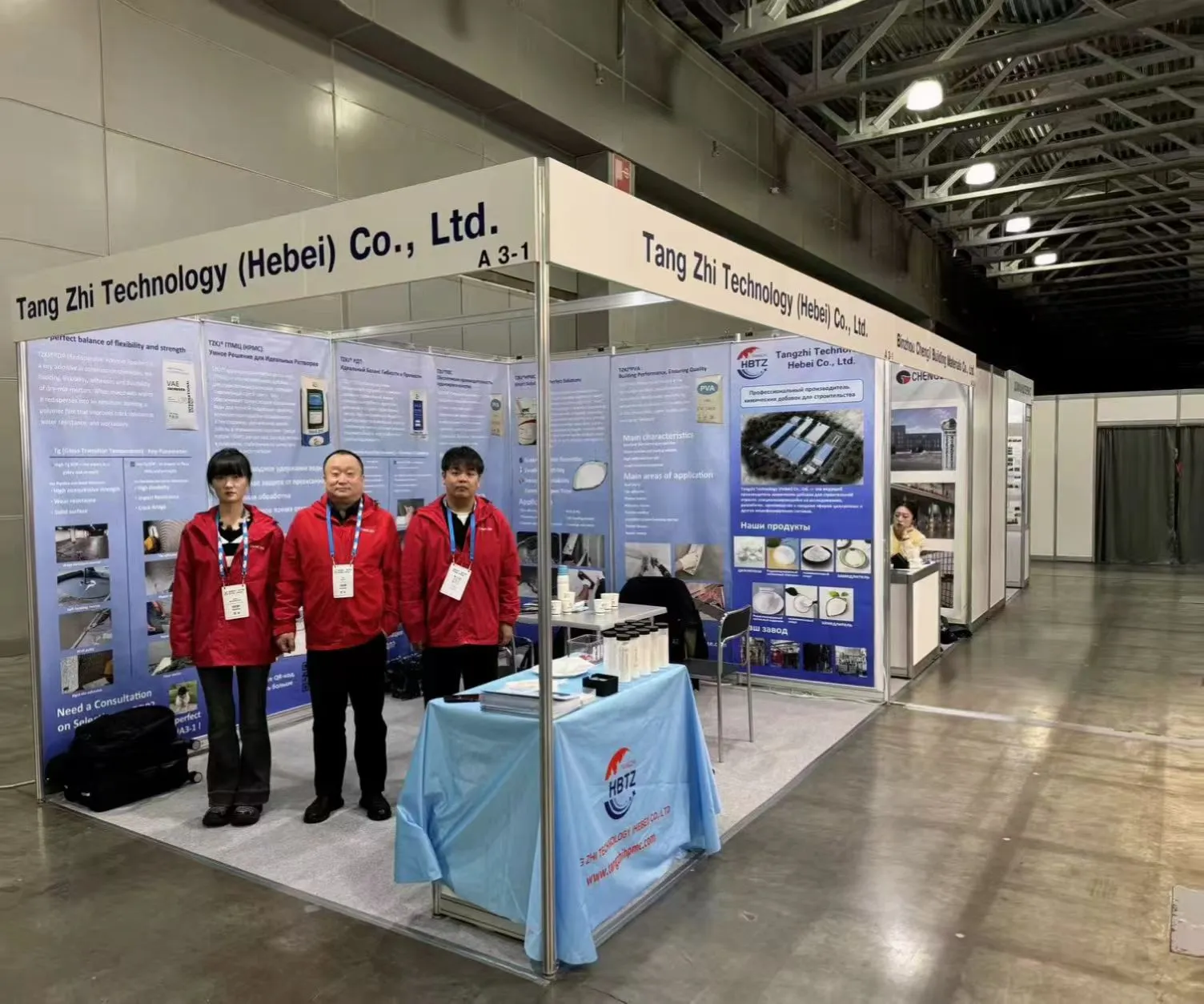
Behind Our 140,000 sqm Hebei Factory
Located in Jinzhou, our site spans 140,000 sqm with 90,000 sqm built-up. Eight automated lines handle pulping to spinning, outputting 40,000+ tons yearly across cellulose fibers and ethers like HPMC.
World-class gear from Europe: Andritz beaters, Lenzing spinners. Lab runs 24/7 tensile tests per ISO 5071. Certifications? ISO 9001, REACH, RoHS—docs ready for your compliance team.
OEM/ODM flexibility: private label your blends with 20% RDP or PCE additives. We've tooled custom dies for US clients chasing FIFA-grade turf fibers.
Export track record: 500+ containers to USA last year alone. No force majeure disruptions since 2018 floods—dual power grids and reservoirs.
Where Fiber from Cellulose Delivers Results
Construction: 0.5-2% addition to shotcrete boosts crack resistance 20-30%. Installs like standard fiber—no special prep.
Textiles: Spins into 100% cellulose yarns or 70/30 blends. Dye uptake excellent, shrinkage under 5% post-wash.
Composites: Reinforces PLA bioplastics, hitting flexural mods of 5 GPa. Wet-out fast, no voids.
Filtration: High porosity, traps 99% 5-micron particles. Backwashes clean after 50 cycles.
One caveat: avoid alkaline environments over pH 12—degrades faster. Pair with buffers if needed.
Detailed Specifications & Grades
| Grade | Length (mm) | Denier | Applications |
|---|---|---|---|
| CZ-1.5 | 1-3 | 1.5 | Paper, filters |
| CZ-3.0 | 3-6 | 3.0 | Nonwovens, hygiene |
| CZ-5.0 | 4-8 | 5.0 | Composites, concrete |
All grades RoHS compliant, heavy metals <10ppm.
Global Shipping from Tianjin Port
20' containers: 18 MT. 40': 25 MT. Palletized bales (200kg ea.), shrink-wrapped. Lead time: 20-30 days FOB.
Incoterms flexible—DDP available via partners. Tracking via Maersk/COSCO portals. Duties? HS 5601.22 for man-made cellulose fiber.
Winter tip: heated warehouses prevent frost clumping. We've air-freighted samples overnight for urgent trials.
Build Your Shipping QuoteWhat Importers Are Saying
Mike R., Procurement Mgr, Texas Composites: "Switched to Tang Zhi's cellulose fiber after clogs from Indian supply. Consistent DP saved our extruders. Shipped 40 tons last quarter—no issues."
Sarah L., Ops Director, Florida Nonwovens: "Blends perfectly at 80/20 with PP. Tensile beats spec every lot. Fast response on custom lengths too."
John K., Supply Chain Lead, California Filters: "MOQ flexibility for trials helped. Ash low enough for clean runs. Recommend for USA buyers."
Anna T., Project Engineer, Midwest Construction: "Added to UHPC mix—crack width down noticeably. Logistics smooth, docs cleared CBP first try."
Buyer FAQs on Fiber from Cellulose
cellulose fiber fiber made from cellulose cellulose based fiber
Q: Minimum order? 1 MT for samples, 10 MT production.
Q: Shelf life? 24 months dry-stored under 60% RH.
Q: Custom formulations? Yes, blend with HPMC for viscosity tweaks.
Q: Testing standards? ISO 9001, ASTM D578/D777.
Q: Payment terms? 30% TT advance, balance LC at sight.
Q: Samples free? Paid samples, freight collect. Deduct from first order.
Ready to Source Fiber from Cellulose?
Connect with our export team for pricing, samples, or factory tour.
Tang Zhi Technology (Hebei) Co., Ltd.
Room 2308, Dongsheng Plaza 2, No. 508 Zhongshan East Road, Chang’an District, Shijiazhuang, Hebei, China
Phone: +86-15032625168 | WhatsApp: +86 15032625168
Email: admin@tangzhicellulose.com
Contact Form
By Li Wei, Export Director – 15+ years in cellulose supply chains. Last updated: Oct 2026