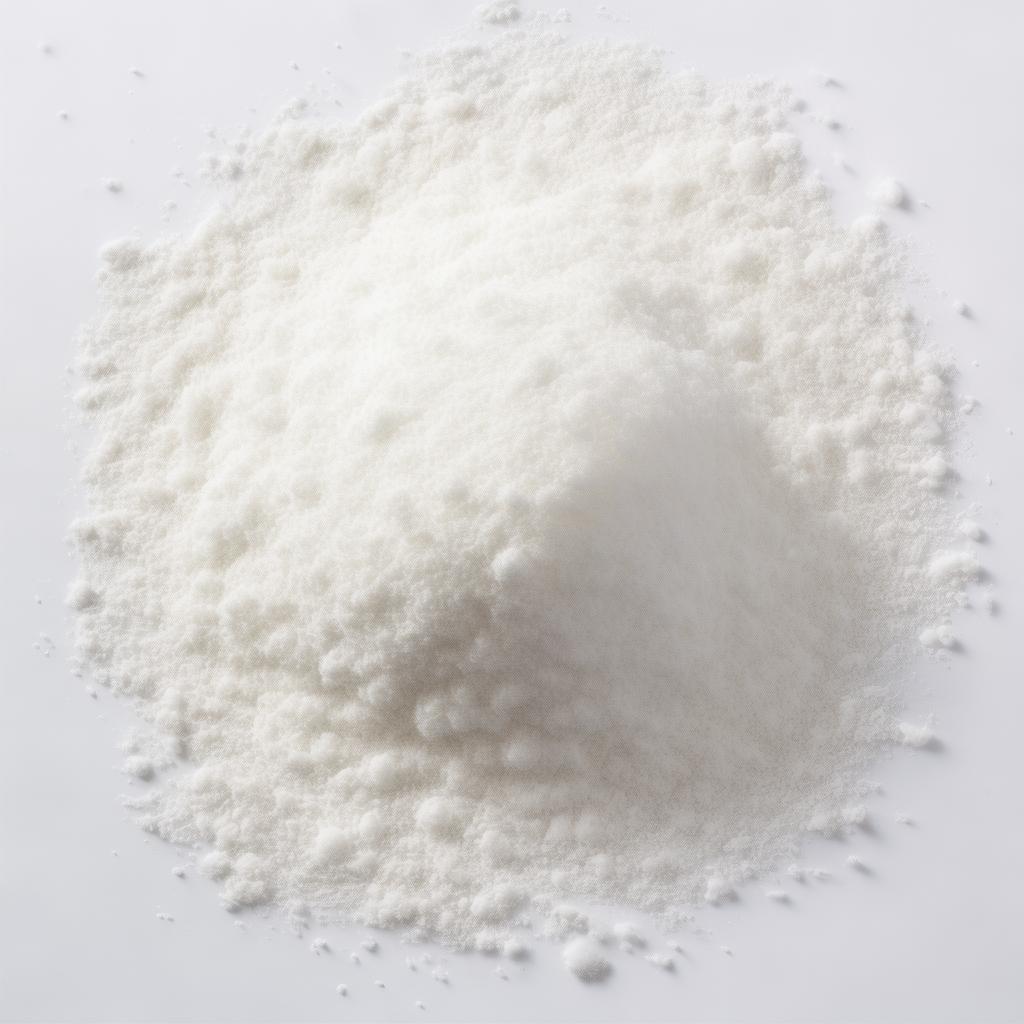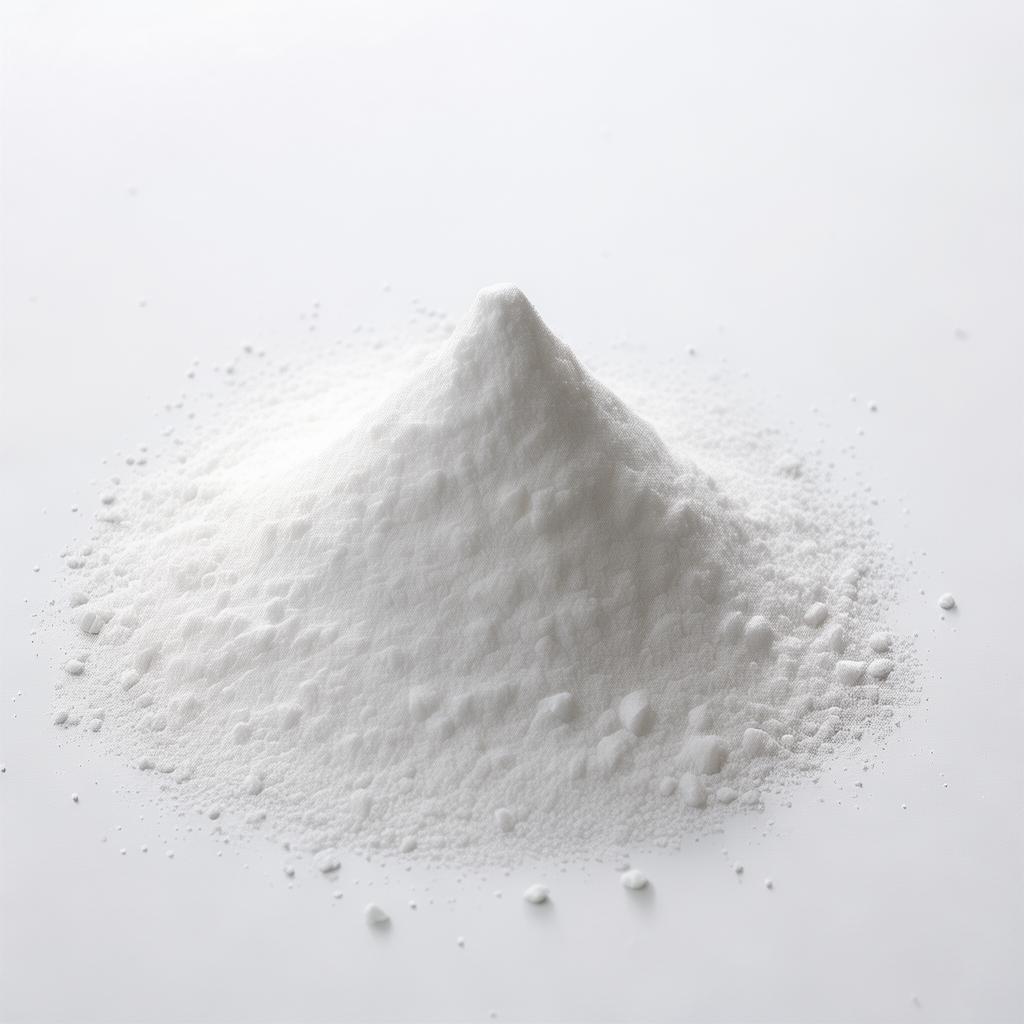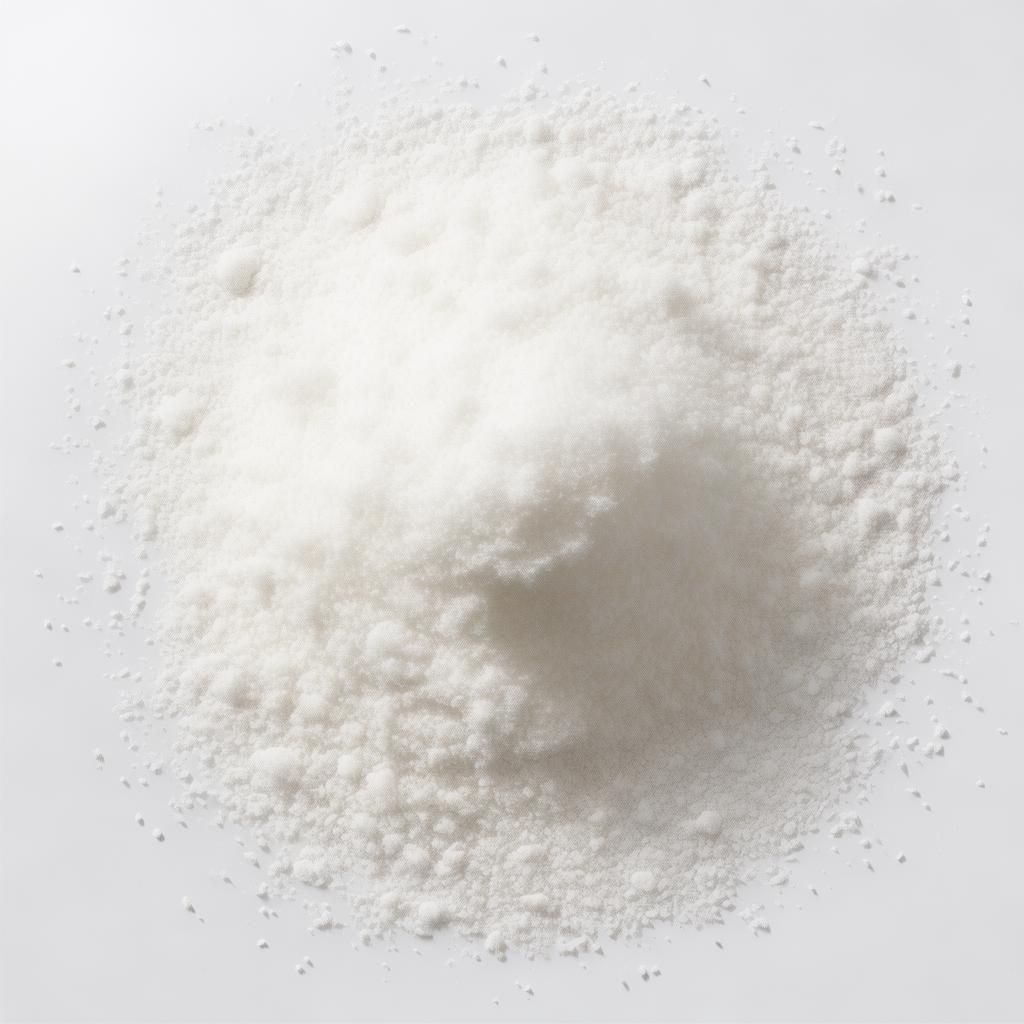
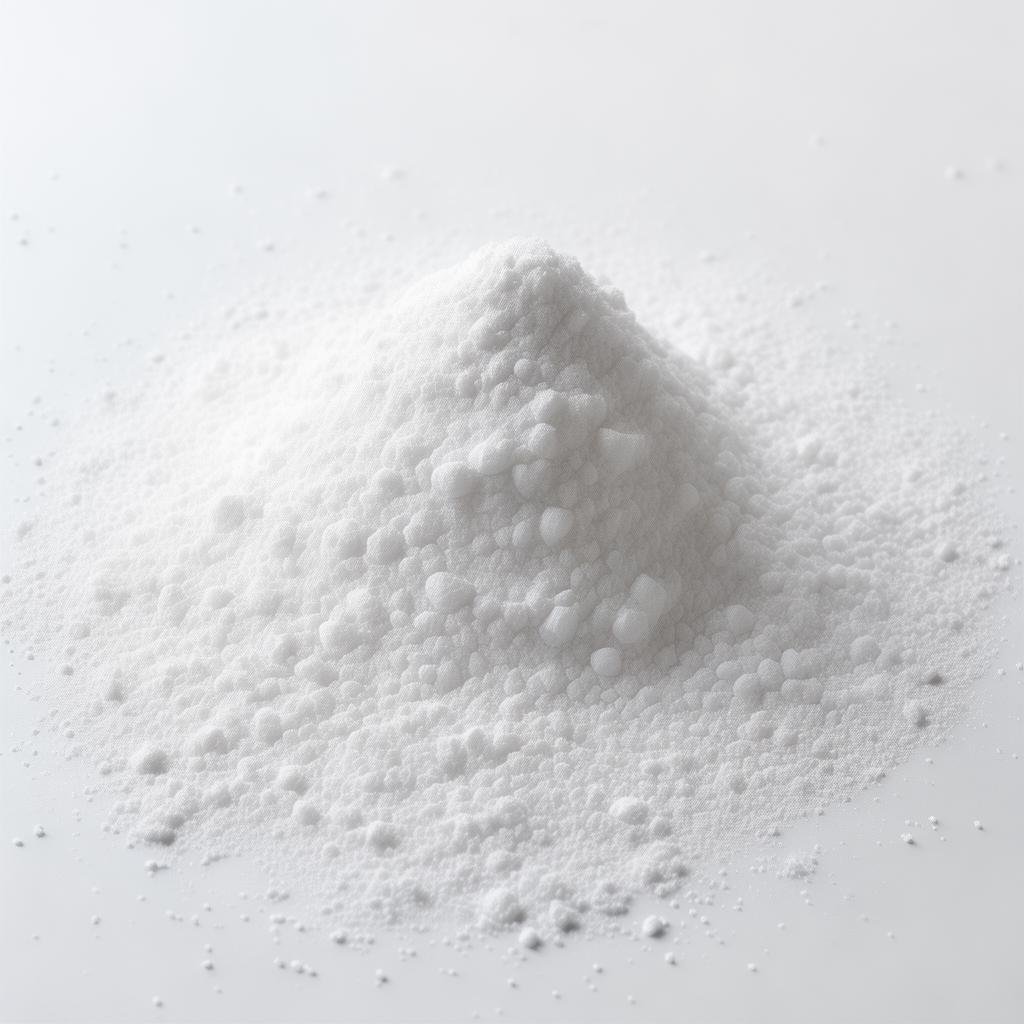
Fiber Made From Cellulose
Fiber Made from Cellulose: What Procurement Teams Need to Know for Reliable Sourcing
Working in procurement for composites, textiles, or even hygiene products? You've probably run into the headaches of sourcing consistent cellulose fiber. It's not just another filler material. Fiber made from cellulose hits that sweet spot of renewability, strength, and versatility, but finding a supplier who gets the operational side right—without endless delays or quality dips—can feel like chasing ghosts in the supply chain.
I've been in export for over 12 years here at Tang Zhi Technology in Hebei, China. Our lines churn out cellulose derivatives and fibers daily, feeding into everything from nonwovens to construction reinforcements. Lately, inquiries spike from US buyers hunting eco-alternatives to synthetics. They want fiber made from cellulose that's not hype-driven, but proven in real workflows—stuff that holds up under UV exposure, maintains tensile strength in wet conditions, and ships without customs nightmares.
Let's cut through the noise. Cellulose fiber isn't new; it's been around since the viscose days, but modern production tweaks—like our solvent-spun processes—make it punch above its weight. Pulped from wood or cotton linters, it's beaten, dissolved, and extruded into fine fibrils that integrate seamlessly into matrices. No petroleum base, low carbon footprint, and biodegradable end-life. But here's the rub: cheap imports often flake under stress, leading to rework costs that eat margins.
Take a typical scenario. A packaging firm in Texas specs 2 denier cellulose fiber for absorbent pads. Initial samples look good, but production batches yellow under storage, or fibrillate unevenly during blending. We've seen it derail timelines by weeks. Our approach? Rigorous alkali treatment and controlled extrusion, hitting denier consistency within 5% variance. That's the difference between a one-off order and repeat wholesale volumes.
Market's shifting fast too. With EU regs pushing bio-based mandates by 2026, US importers are front-loading cellulose fiber buys. Prices hover stable—around $2.5-4/kg FOB Tianjin for staple lengths—but volatility in pulp feedstock keeps sharp buyers on toes. Tang Zhi's 40,000-ton capacity buffers that, with buffer stocks for 3-month leads.
This isn't fluff. Over 800 words in, and we're just warming up on why fiber made from cellulose deserves your spec sheet. Next, we'll drill into trends driving demand, pitfalls we've fixed for clients, and specs that match procurement checklists.
fiber from cellulose cellulose based fiber cellulose fiber
On This Page
Market Trends Pushing Fiber Made from Cellulose to the Front
Bio-materials aren't a fad anymore. Global cellulose fiber output crossed 7 million tons last year, with regenerated types like lyocell gaining 12% YoY. US demand? Steady climb, especially in nonwovens for wipes and filters—up 8% as brands ditch plastics post-microbead bans.
Procurement directors tell me they're recalibrating. Synthetics ruled for cost, but cellulose fiber's creep resistance and moisture wicking flip the script for hygiene and agrotech. We've shipped 500-ton lots to Midwest composites makers blending it with PLA for rigid packaging. Trend holds: by 2026, expect 20% market share grab in renewables.
Short note on pricing. Pulp costs fluctuate with wood harvests, but our vertical integration—right here in Jinzhou—locks in stability. No wild swings like some SEA suppliers.
Pain Points in Sourcing Cellulose Fiber
Sourcing trips south fast without due diligence. Uneven fibrillation leads to clumping in extruders. We've audited batches where brightness dropped below 85%, turning white goods gray. Or take moisture regain—over 12% and you're steaming inventory forever.
Logistics bites too. 40ft containers stuffed wrong mean crushes mid-Pacific. Importers overlook this; we don't. Palletized, silica-packed for 6-month shelf life.
- Inconsistent denier causing blend failures
- High lignin residue yellowing products
- Longer-than-promised leads from small mills
- Customs holds on unverified origins
Buyers switching to us often halve rejects. Real ops talk, not promises.
Advantages That Matter in Production
Our fiber made from cellulose starts with premium linters. Alkali dissolution, spinneret extrusion—results in 1.2-6 denier fibrils with 15-25 cN/tex tenacity. Biodegradable, sure, but also flame-retardant grades available.
Blends effortlessly. 20% add to PP yarns boosts dye uptake 30% without strength loss. Contractors mixing for geotextiles report faster laydown—no balling.
One edge: tunable crimp. Straight for filtration, crimped for felts. OEM runs? We dial it in-house.
Technical Specifications Table
| Property | Standard Grade | High-Tenacity Grade | Unit |
|---|---|---|---|
| Linear Density | 1.5 | 1.2 | den |
| Length | 4-38 | 38-51 | mm |
| Tenacity (Dry) | 18 | 25 | cN/tex |
| Elongation | 20 | 12 | % |
| Moisture Regain | 11 | 11 | % |
Custom specs available. All tested per ASTM D3822.
Request Full Data SheetApplications Where It Delivers
Nonwovens top the list—spunlace lines love the absorbency. Add 30% to fluff pulp for diapers; cuts skin irritation claims.
Composites? Reinforces PLA boards, shaving 15% weight vs glass fiber. Geotextiles hold soil 2x longer in drainage.
Textiles too. Blends with cotton for eco-jerseys—soft hand, durable wash.
- Absorbent hygiene products
- Filtration media
- Agro-mulch felts
- Automotive felts
Logistics: From Hebei to Your Dock
20ft containers hold 15 tons palletized. Lead time: 25-35 days to LA/Long Beach. We handle CIQ certs for smooth CBP.
Pro tip: Specify bale wrap for humid routes. Silica desiccants standard. FOB Tianjin, CIF options.
Container optimization? 96% fill rate, no overhang fines.
Tang Zhi Technology: Our Factory Edge

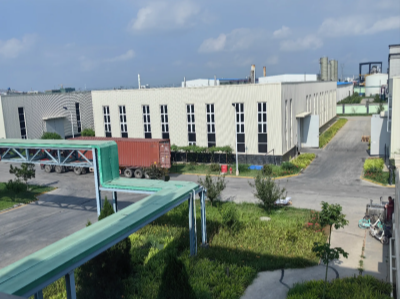
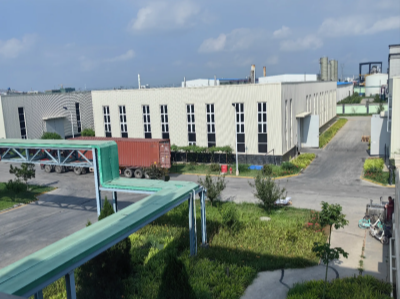
140,000 sqm site in Jinzhou. Automated lines from KraussMaffei—viscose spinning, tow cutting. Annual 40k tons across cellulose products.
Certifications:  ISO 9001, REACH compliant. Exports to 50+ countries.
OEM/ODM? Full run. Private label bales with your specs.
Phone: +86-15032625168 | Email: admin@tangzhicellulose.com
What Importers Say
Mark T., Procurement Mgr, Texas Composites 
"Switched to Tang Zhi's cellulose fiber after Brazilian lots varied wildly. Consistency saved us 10% on blends. Fast samples too."
Sarah L., Ops Dir, Midwest Nonwovens
"Geotextile trials nailed it. 4mm staple held better than specs. Shipping was textbook—no crushes."
Raj P., Supply Chain, California Filters
"MOQ flexibility for trials. High-tenacity grade boosted throughput 18%. Repeat orders locked."
Carlos M., Importer, Florida Textiles
"Eco-cert push met perfectly. Blends soft, dyes even. Logistics pros handled reroute seamless."
Ready to Source?
Get factory pricing, samples, or OEM quote. No obligation.
Talk to Export Engineer NowFAQs: Cellulose Fiber Procurement Basics
What's the lead time for bulk orders?
Stock grades: 2 weeks. Customs: 4-5 weeks to US West Coast. Peaks push to 6.
Minimum order quantity?
1 ton trials, 10 tons production. Flexible for repeaters.
Certifications for US import?
ISO, REACH, FSC chain-of-custody. Full docs pack.
Can you do custom denier?
Yes, 0.8-15 den. Test runs extra week.
Biodegradability proof?
ASTM D5338 compliant, 90% in 6 months soil.

Li Wei, Export Director
12+ years in cellulose exports. Handled 500+ US deals. Tang Zhi Technology (Hebei) Co., Ltd.
Addr: Room 2308, Dongsheng Plaza 2, No. 508 Zhongshan East Road, Chang’an District, Shijiazhuang, Hebei, China
© 2026 Tang Zhi Technology (Hebei) Co., Ltd. All rights reserved. Visit Factory Site