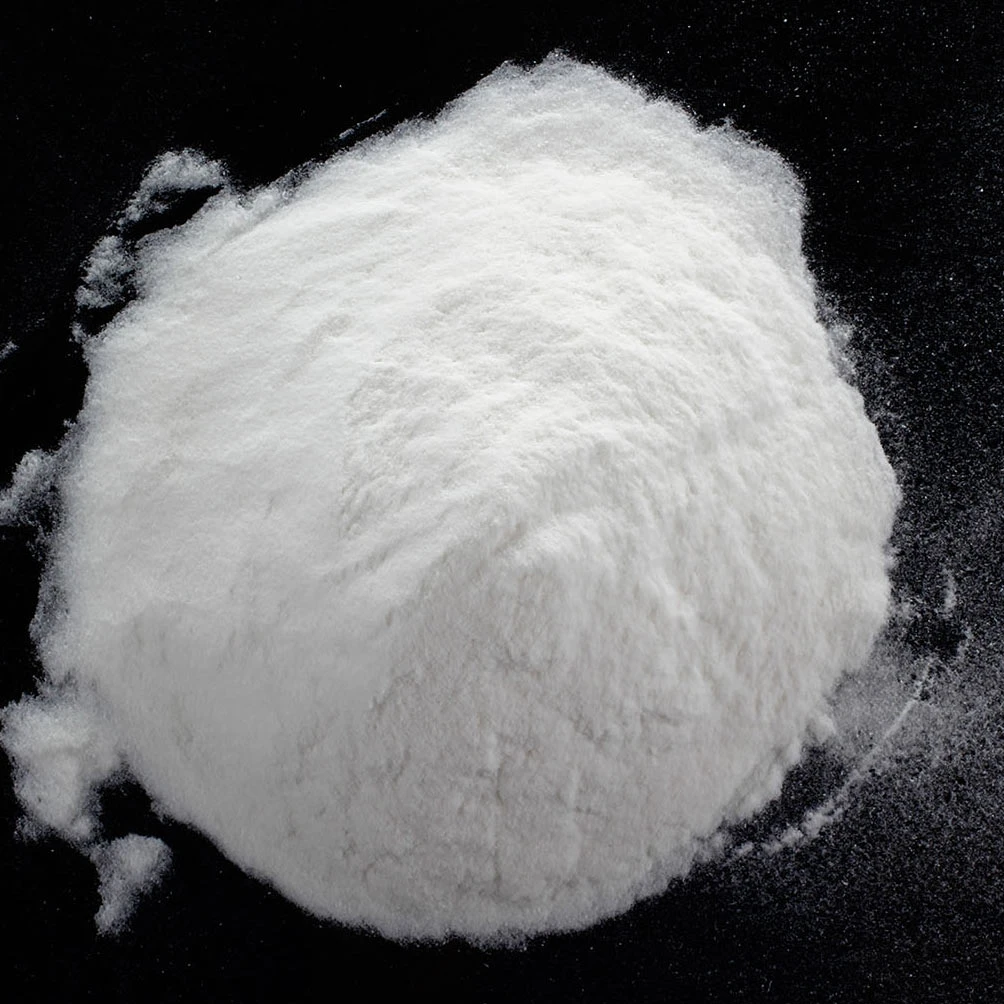
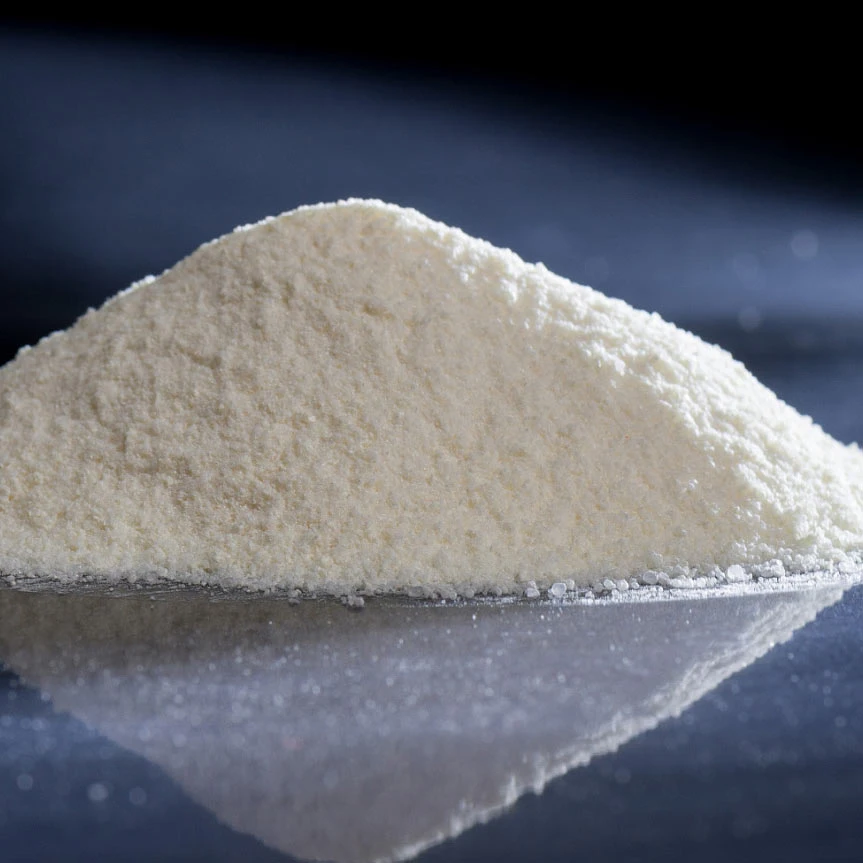
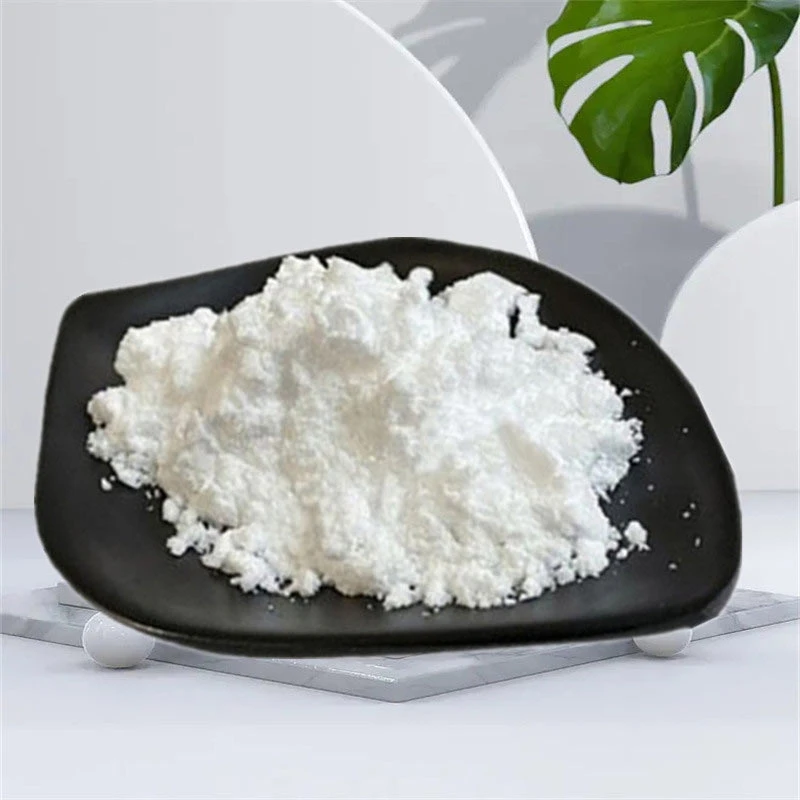
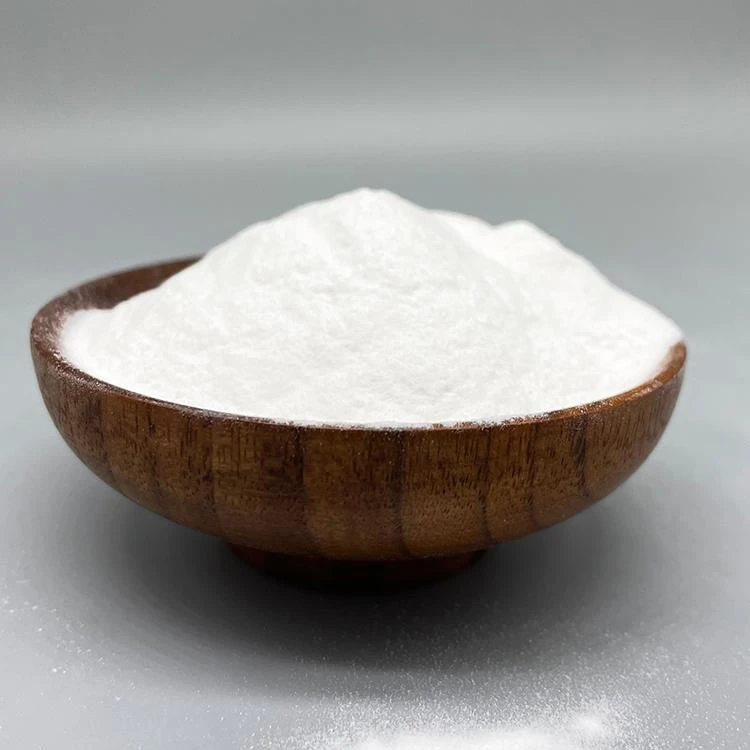
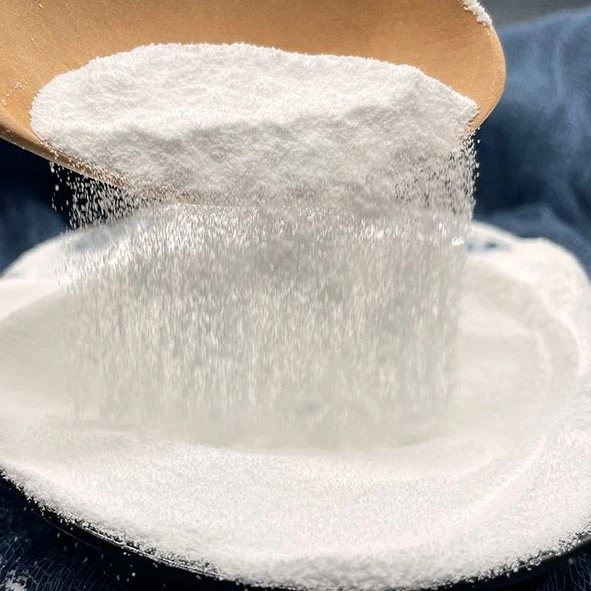
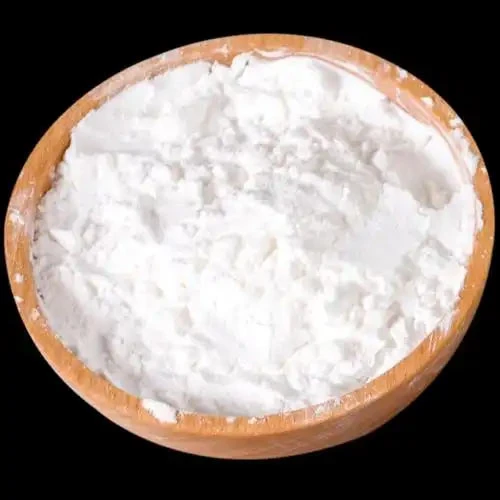
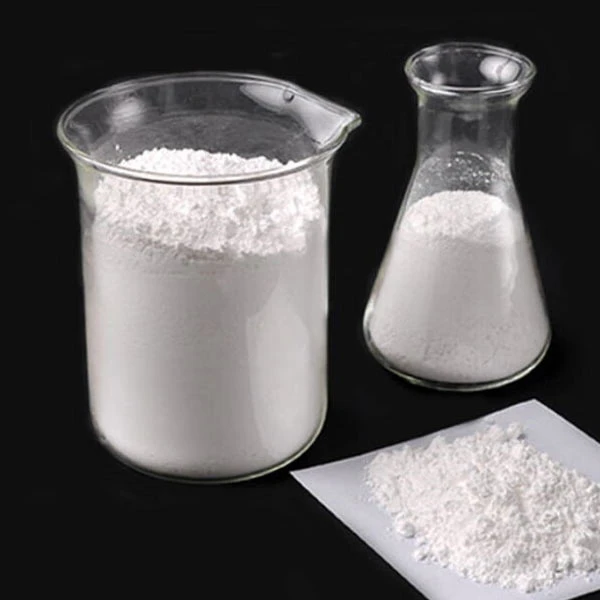
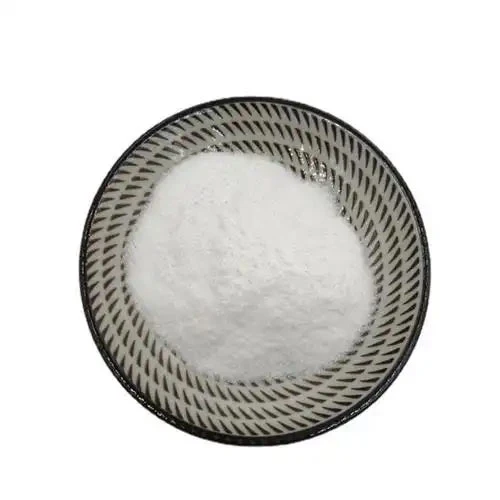
Exploring Polyvinyl Alcohol Powder Properties Applications and Sourcing Options
Understanding Polyvinyl Alcohol Powder: Properties, Applications & Sourcing
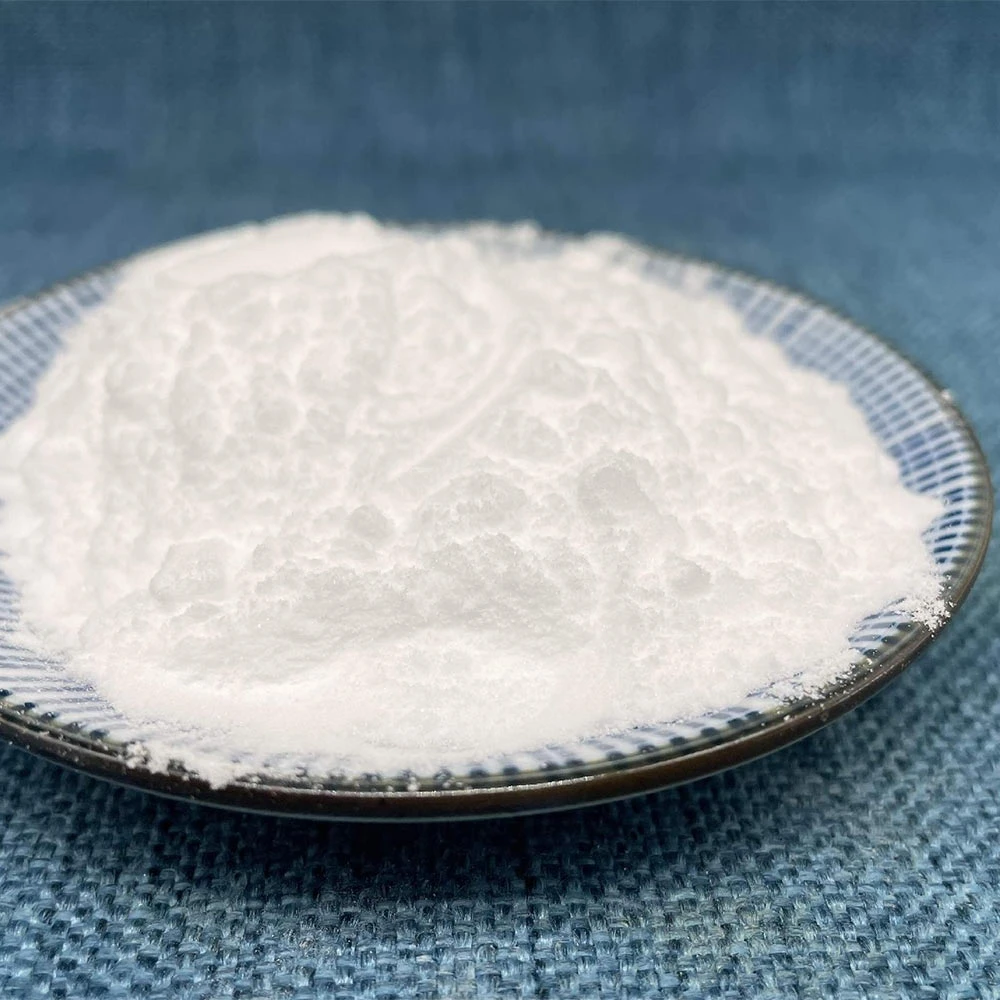
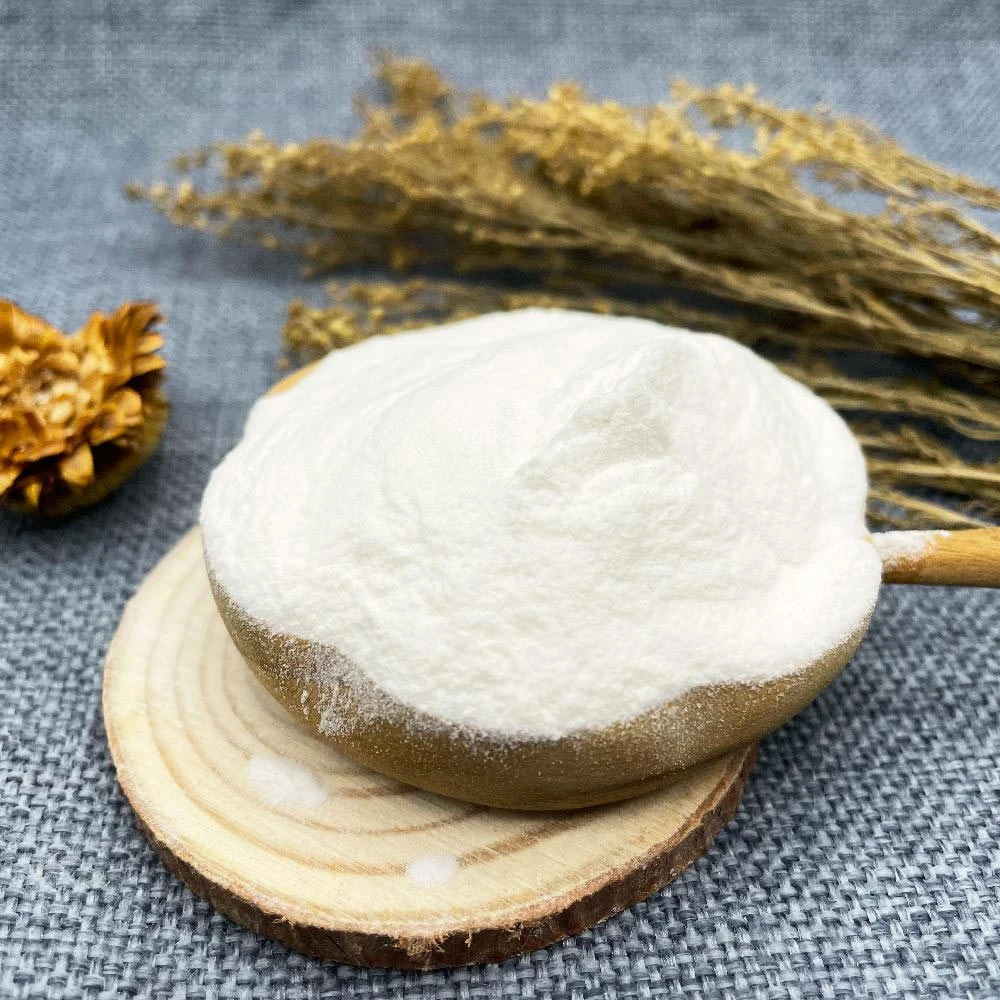
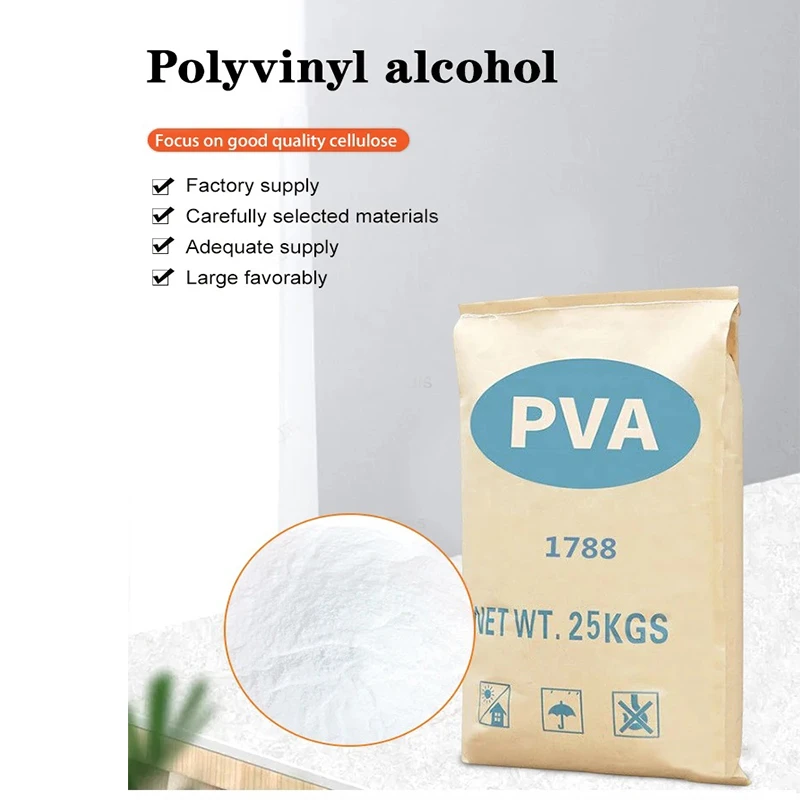
Polyvinyl alcohol (PVA) powder is a versatile synthetic polymer with a wide range of industrial and consumer applications. Known for its excellent film-forming, emulsifying, and adhesive properties, PVA powder plays a crucial role in industries like textiles, paper, adhesives, construction, and more. This article provides a comprehensive overview of PVA powder, exploring its key characteristics, diverse applications, and factors to consider when sourcing high-quality PVA powder. Understanding its nuances is key for optimizing product performance and achieving desired results.
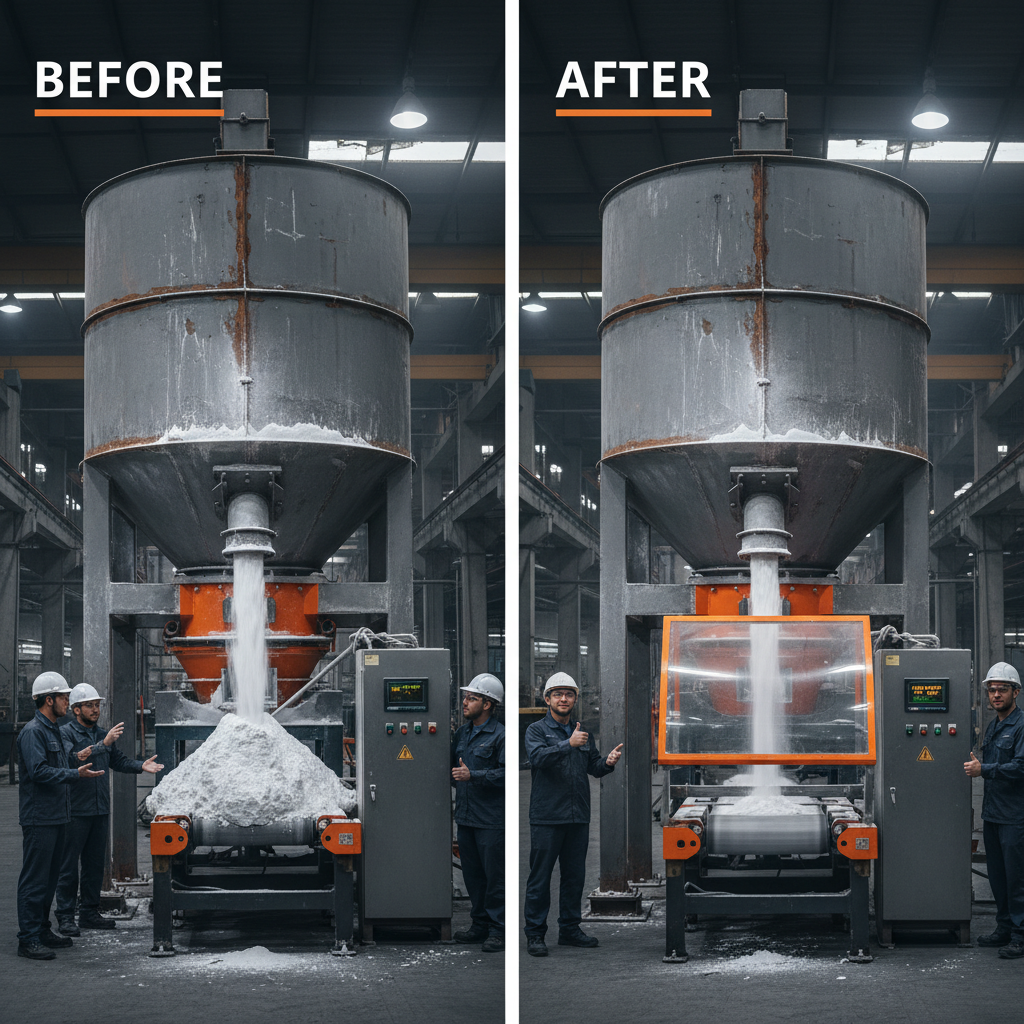
Key Properties of Polyvinyl Alcohol Powder
PVA powder exhibits several unique properties that contribute to its widespread use. These include high tensile strength, flexibility, excellent film-forming capabilities, water solubility, and resistance to oil and solvents. The degree of hydrolysis and molecular weight significantly influence these characteristics. Higher hydrolysis levels result in increased water solubility and film strength, while molecular weight impacts viscosity and adhesive properties. The powder’s ability to create strong, clear, and odorless films makes it ideal for various coating and packaging applications. It is also non-toxic and biodegradable, making it an environmentally friendly choice.
Key Highlights: PVA powder is characterized by its high tensile strength, excellent film-forming ability, water solubility and non-toxic nature, making it a versatile and environmentally-friendly polymer.
Diverse Applications of Polyvinyl Alcohol Powder
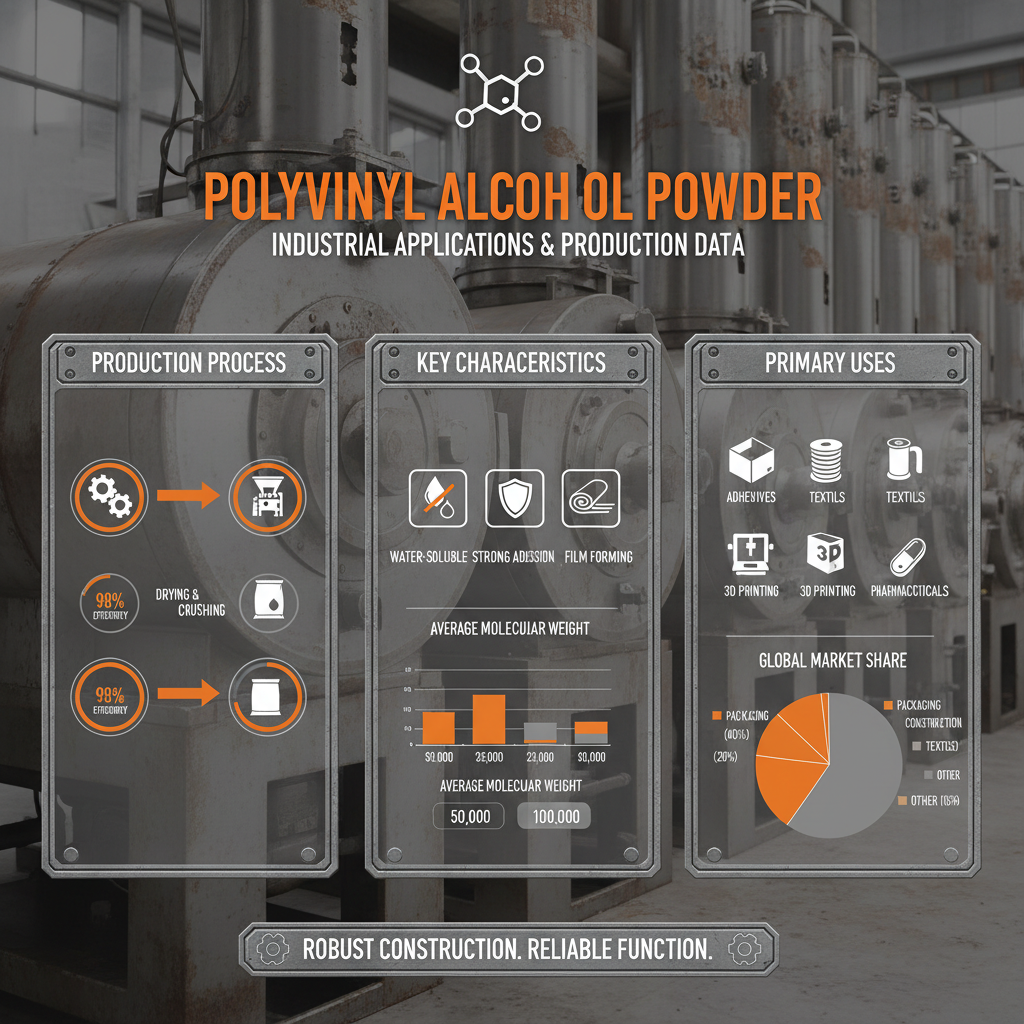
The applications of PVA powder are remarkably diverse. In the textile industry, it's used as a sizing agent to enhance yarn strength and improve weaving efficiency. The paper industry utilizes PVA as a coating to improve surface smoothness and printability. Adhesives benefit from PVA's strong bonding properties, and it is a common component in wood glues and wallpaper pastes. Furthermore, PVA is employed in construction materials like cement and mortar modifiers, enhancing workability and adhesion. Its use extends to packaging films, temporary tattoos, and even as a protective colloid in polymerization processes.
Application Areas:
• Textiles: Yarn sizing agent
• Paper: Coating for smoothness and printability
• Adhesives: Wood glues, wallpaper pastes
• Construction: Cement and mortar modifiers
Polyvinyl Alcohol Powder Grades and Specifications
PVA powder isn't a one-size-fits-all product. It comes in various grades based on its degree of hydrolysis (typically 88%, 99%, and 99.5%) and molecular weight (ranging from 8500 to 146000). The degree of hydrolysis determines the water solubility and film strength. Higher hydrolysis grades offer better water solubility but may be less flexible. Molecular weight influences viscosity – higher molecular weight PVA results in higher viscosity solutions. Selecting the appropriate grade depends heavily on the specific application requirements.
Choosing a Reliable PVA Powder Supplier
Sourcing PVA powder from a reputable supplier is critical to ensure consistent quality and performance. Look for suppliers who provide detailed specifications, certificates of analysis, and technical support. Consider factors like production capacity, quality control processes, and logistics capabilities. A supplier with a strong commitment to sustainability and ethical sourcing practices is also a valuable asset. Tangzhi HPMC offers a wide range of PVA powder grades, backed by stringent quality control and responsive customer service.
Conclusion: Harnessing the Potential of PVA Powder
Polyvinyl alcohol powder is a remarkably versatile polymer with a vast array of applications across numerous industries. Understanding its properties, available grades, and sourcing best practices is essential for maximizing its benefits. By partnering with a reliable supplier like Tangzhi HPMC, businesses can ensure access to high-quality PVA powder that meets their specific requirements and drives innovation.
Frequently Asked Questions (FAQs)
What is the difference between fully hydrolyzed and partially hydrolyzed PVA?
Fully hydrolyzed PVA (typically 99%+) exhibits higher water solubility and is ideal for applications requiring rapid dissolution and strong film formation, such as adhesives and textile sizing. Partially hydrolyzed PVA (like 88% hydrolysis) offers greater flexibility and resistance to solvents, making it suitable for applications like paper coatings and temporary protective films. The degree of hydrolysis directly impacts the polymer's properties and suitability for specific applications. Choosing the right type is crucial for optimizing performance.
How is PVA powder typically stored to maintain its quality?
PVA powder is hygroscopic, meaning it readily absorbs moisture from the air. Therefore, it should be stored in a cool, dry, and well-ventilated area, in tightly sealed containers to prevent moisture absorption and caking. Avoid exposure to direct sunlight and high temperatures, as these can degrade the polymer. Proper storage is essential to maintain the powder’s free-flowing characteristics and ensure consistent performance in applications.
Is PVA powder biodegradable?
Yes, PVA is considered biodegradable under certain conditions. While it doesn't readily degrade in all environments, it is broken down by microorganisms in soil and wastewater treatment plants. The biodegradability depends on factors like the degree of hydrolysis, molecular weight, and environmental conditions. Its relatively eco-friendly nature is a significant advantage over some other synthetic polymers.
Can PVA powder be used in cosmetic formulations?
Yes, PVA powder is utilized in certain cosmetic formulations as a film-forming agent, binder, and viscosity enhancer. It’s commonly found in hair sprays, lotions, and masks. However, it’s crucial to use a cosmetic-grade PVA powder that meets specific purity and safety standards. The concentration of PVA in cosmetic products is carefully regulated to ensure it is safe for topical application.
-
HPMC High-Performance Thickener | Hebei TangzhiNewsMar.06,2026
-
Wholesale Water Reducing Admixture for Special Cement: Performance and Market InsightsNewsFeb.28,2026
-
The Complete Guide to HPMC: Types, Applications, Grades, and Manufacturing InsightsNewsFeb.28,2026
-
Redispersible Polymer Powder: Types, Applications, and Performance AdvantagesNewsFeb.28,2026
-
Hydroxymethyl Ethyl Cellulose (MHEC): Properties, Applications, and Market InsightsNewsFeb.28,2026
-
Hydroxyethyl Cellulose: Applications, Performance, and Buying GuideNewsFeb.28,2026