Hebei Tangzhi Technology Co., Ltd.



Carboxymethyl Ethyl Cellulose (CMEC) Deep Dive
Jan . 26, 2026 10:45
Back to list
Carboxymethyl Ethyl Cellulose (CMEC) Deep Dive
Understanding Carboxymethyl Ethyl Cellulose: A Deep Dive
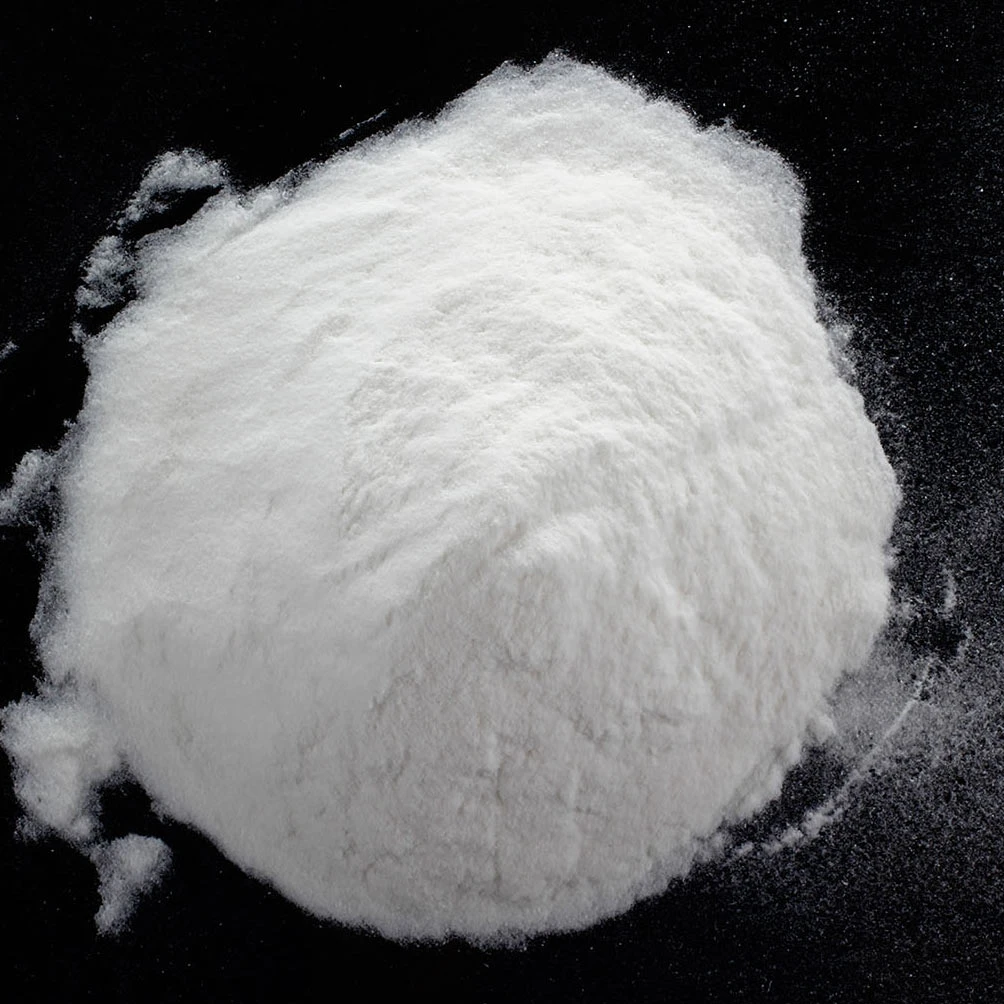
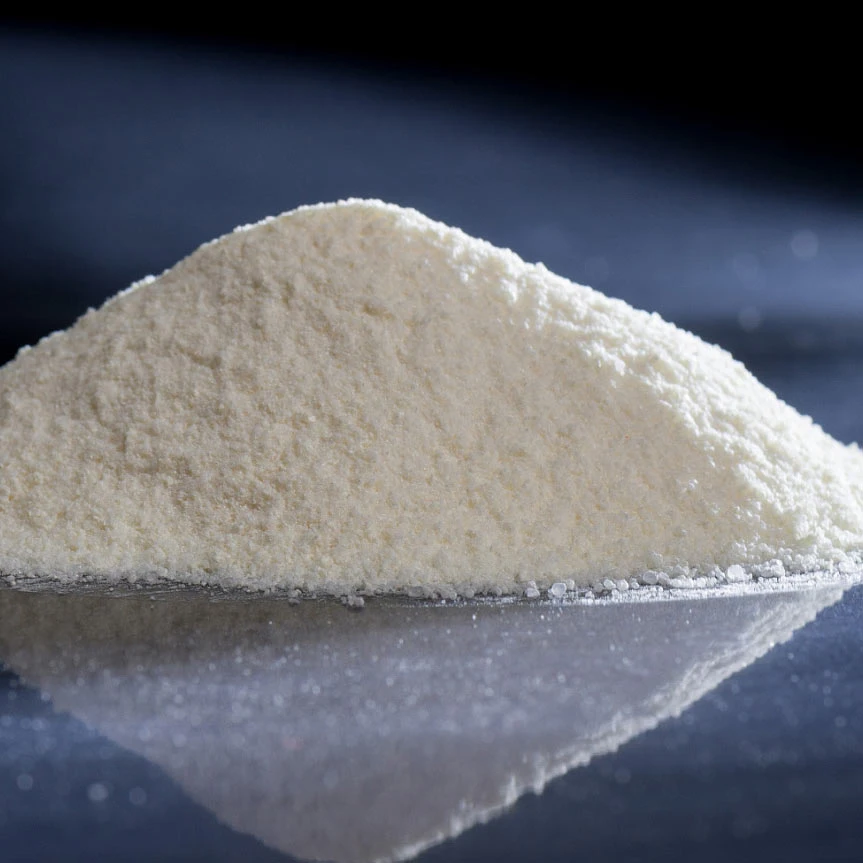
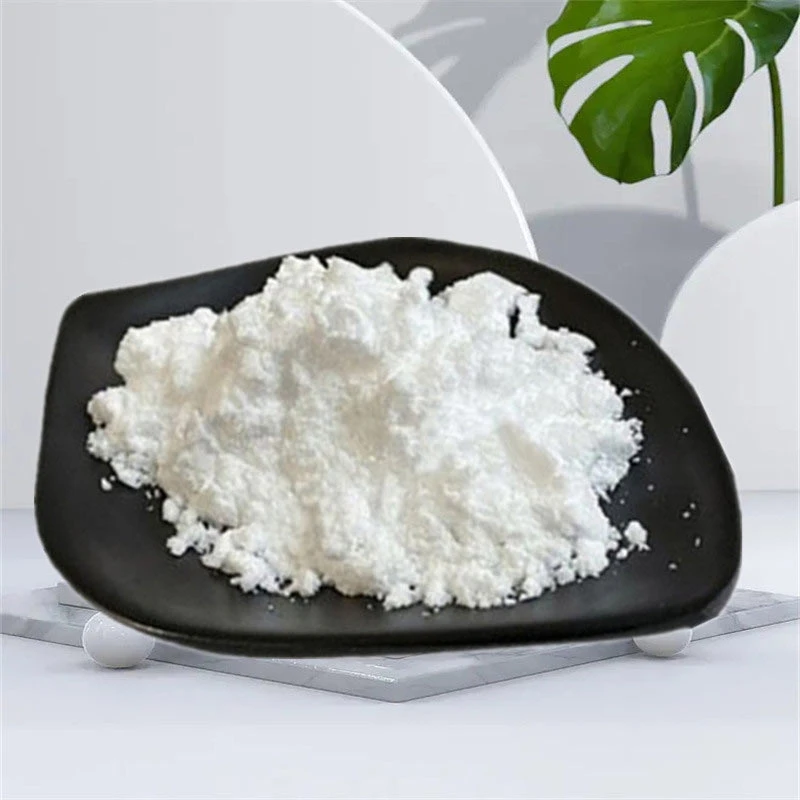
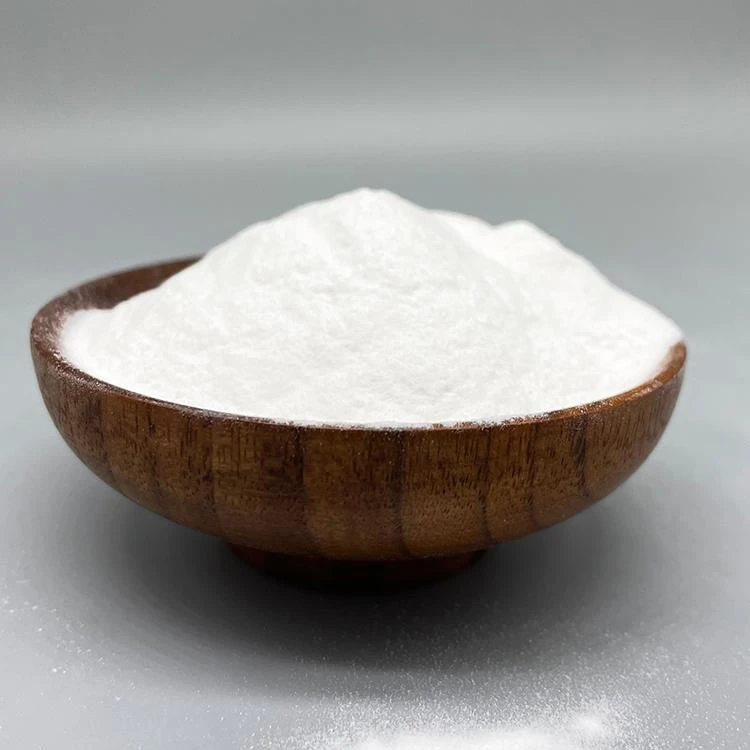
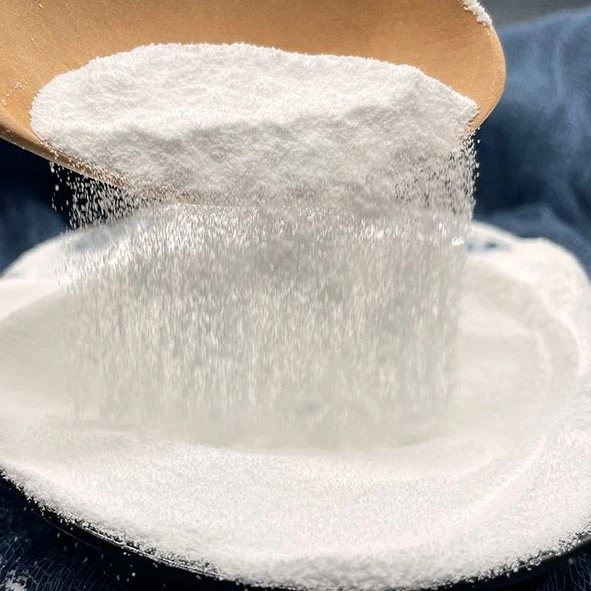
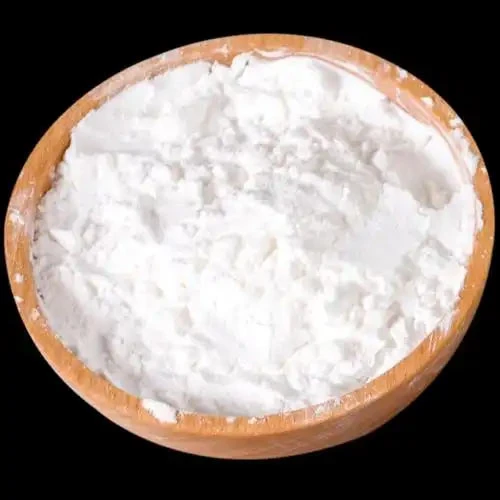
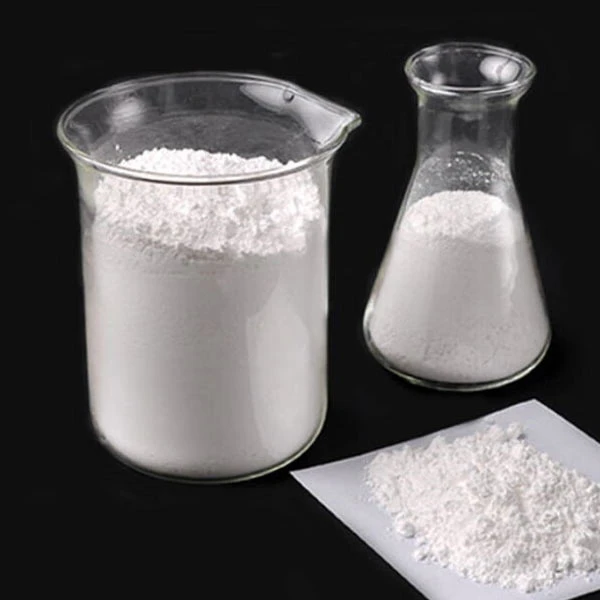
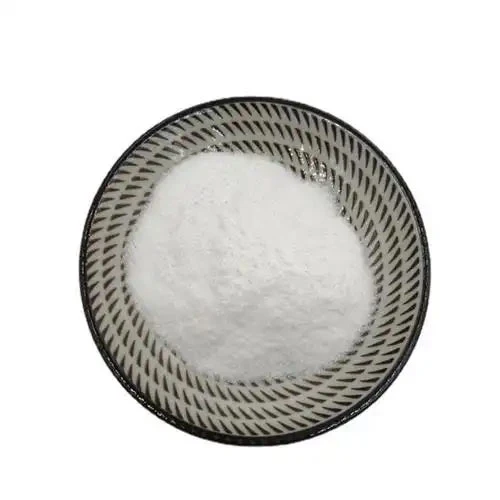
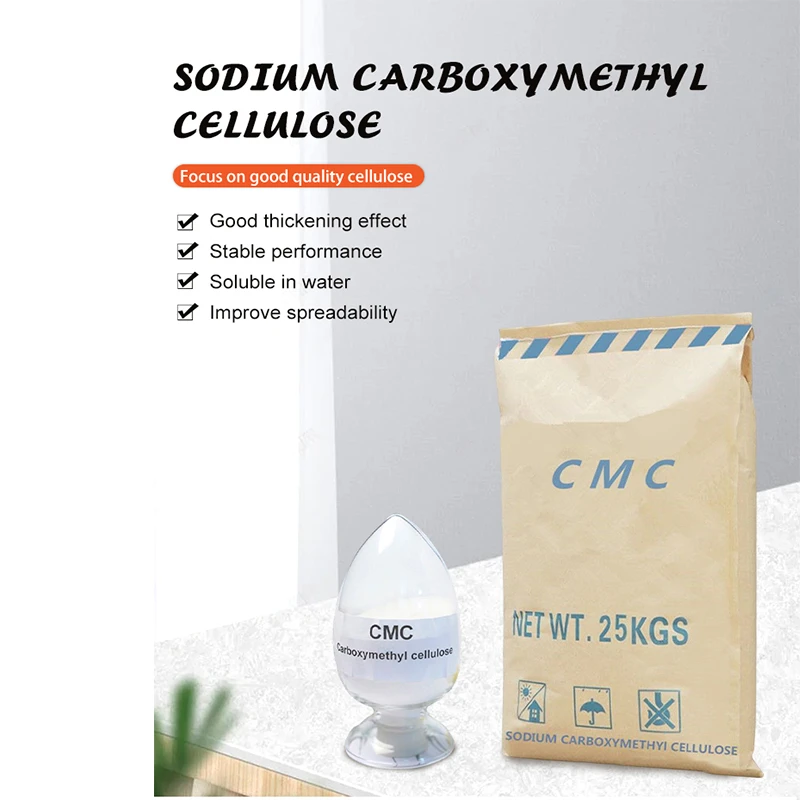
You know, I've been working with industrial polymers for… well, longer than I care to admit. And one material that consistently impresses me with its versatility is carboxymethyl ethyl cellulose, or CMEC. It’s not a flashy ingredient, not something you see on the front of packaging, but it’s everywhere. Frankly, it's a workhorse. We’re seeing a real uptick in demand, especially as companies look for more sustainable and effective thickeners, stabilizers, and film formers. It’s replacing a lot of older, less environmentally friendly options – and that’s a good thing, I suppose. It’s a cellulose derivative, meaning it’s made from plant-based materials, which is increasingly important these days.CMEC: Specifications and Performance
Let's get a bit technical. CMEC’s properties are really tuneable, depending on the degree of substitution and the ethoxyl content. That’s where the real magic happens, honestly. You can tailor it for a huge range of applications. Here’s a breakdown of some typical specifications; it’s worth noting that different grades exist, and these are general guidelines:| Parameter | Typical Value | Description |
|---|---|---|
| Viscosity (2% solution) | 2000 – 8000 cps | Determines thickening ability |
| Degree of Substitution (DS) | 0.8 – 1.2 | Impacts solubility and reactivity |
| Moisture Content | Affects handling and storage | |
| pH (1% solution) | 6.0 – 8.0 | Generally neutral |
Vendor Landscape & CMEC Sourcing
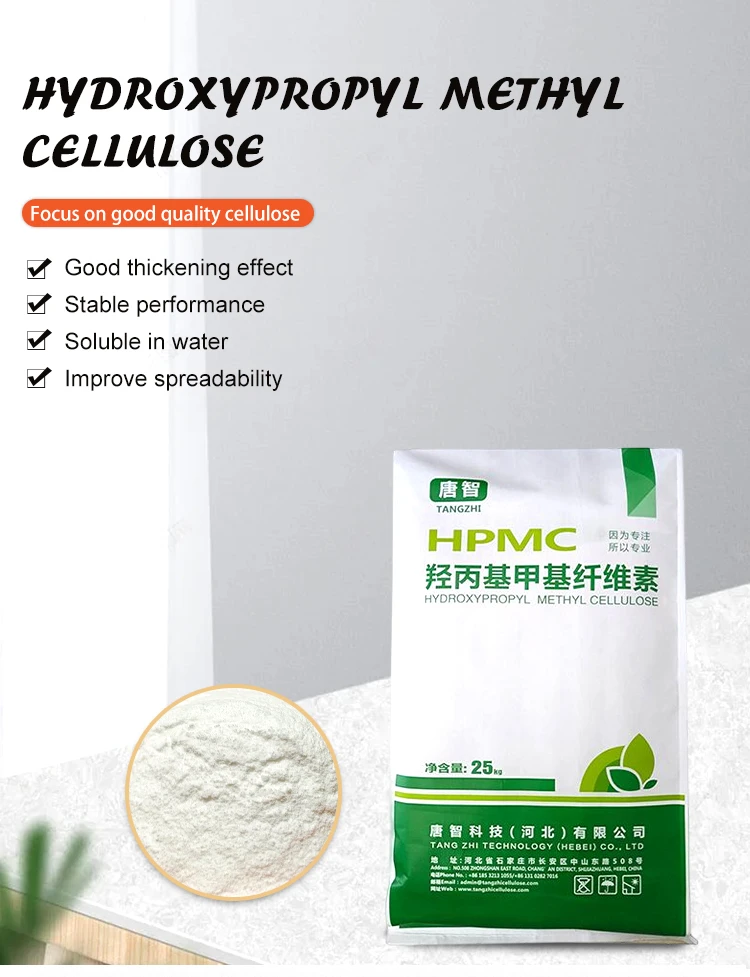
Oddly enough, choosing a supplier isn't just about price. Consistency is huge. You need a reliable source, especially if you're formulating something critical. I've worked with several over the years, and here's a quick, simplified comparison. It’s not exhaustive, of course, but it gives you a starting point. Tangzhi HPMC is a company I've been impressed with recently. Their quality control seems particularly strong, and they are responsive to technical inquiries.| Vendor | Product Range | Price (approx.) | Technical Support |
|---|---|---|---|
| Tangzhi HPMC | Wide, customizable | $8 - $15/kg | Excellent |
| Shin-Etsu | Specialty grades | $12 - $20/kg | Good |
| Dow Chemical | Broad portfolio | $10 - $18/kg | Average |
CMEC in Action: A Real-World Example
I remember working with a coatings manufacturer a few years back. They were struggling with film cracking in their water-based paints. After a lot of trial and error, CMEC – specifically a low-viscosity grade – solved the problem. It improved the film’s flexibility and adhesion, and they saw a significant reduction in defects. It’s a small story, but it kind of illustrates the power of this material. Many engineers say it's about getting the right grade for the application, which is often overlooked. Ultimately, CMEC is a versatile and effective polymer that deserves a closer look.
References:
- Polymer Handbook, Brandrup, Immergut, Grulke, 1999
- Cellulose Chemistry and Its Applications, Klemm et al., 2010
- Internal testing reports, various manufacturers, 2018–2023
Latest news
-
HPMC High-Performance Thickener | Hebei TangzhiNewsMar.06,2026
-
Wholesale Water Reducing Admixture for Special Cement: Performance and Market InsightsNewsFeb.28,2026
-
The Complete Guide to HPMC: Types, Applications, Grades, and Manufacturing InsightsNewsFeb.28,2026
-
Redispersible Polymer Powder: Types, Applications, and Performance AdvantagesNewsFeb.28,2026
-
Hydroxymethyl Ethyl Cellulose (MHEC): Properties, Applications, and Market InsightsNewsFeb.28,2026
-
Hydroxyethyl Cellulose: Applications, Performance, and Buying GuideNewsFeb.28,2026