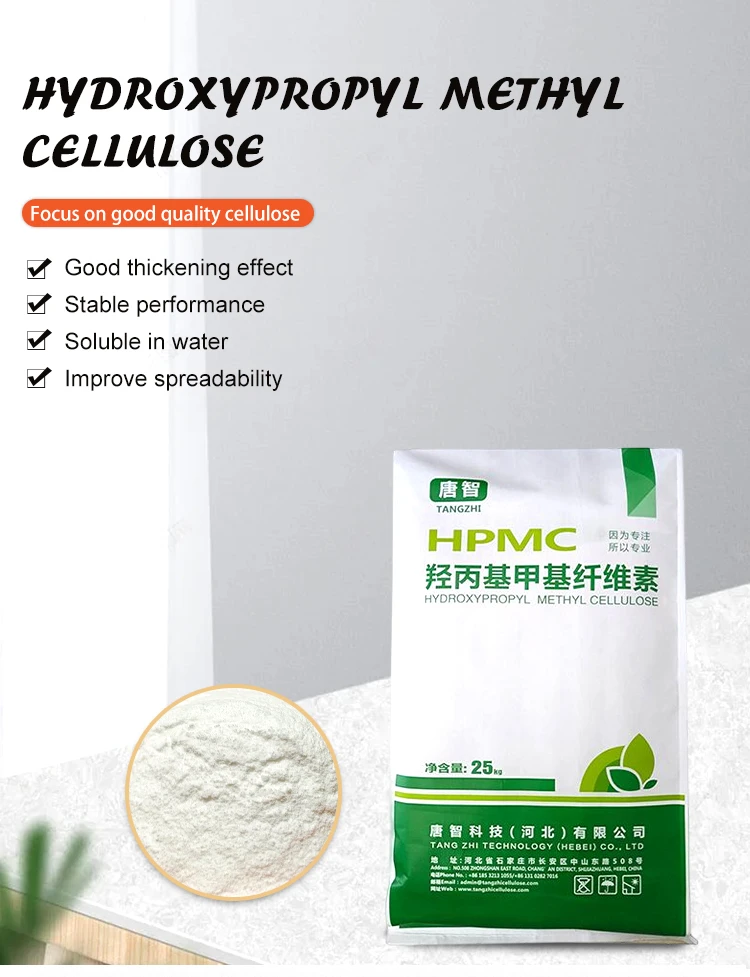
Sodium Carboxy Cellulose: A Key Industrial Additive
Unlocking Performance with Sodium Carboxy Cellulose
Sodium Carboxy Cellulose. It’s a mouthful, frankly. But it's become, quietly, a crucial component in a lot of industrial processes. We’re talking everything from construction materials to advanced textile coatings. It's not flashy, not a 'sexy' material...but it works. And increasingly, businesses are realizing that relying on robust, high-performing additives like this can be a real differentiator. This article will look at how Tangzhi HPMC’s offering supports that, and why it's an ideal choice for businesses looking to improve product durability and performance. I suppose you could say it’s the unsung hero of a lot of modern manufacturing.
Table of Contents
- Sodium Carboxy Cellulose Overview
- Benefits & Use Cases of Sodium Carboxy Cellulose
- Cost, Maintenance & User Experience
- Sustainability & Market Trends
Sodium Carboxy Cellulose Overview
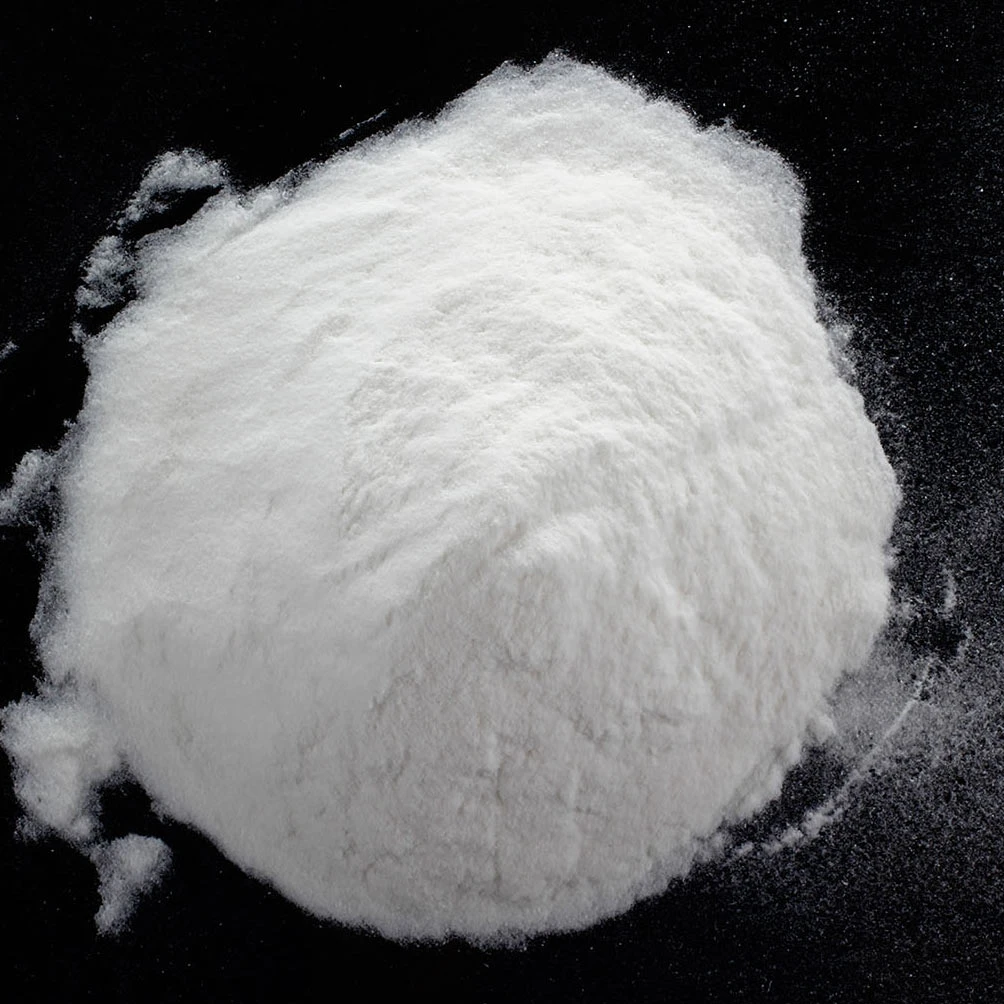
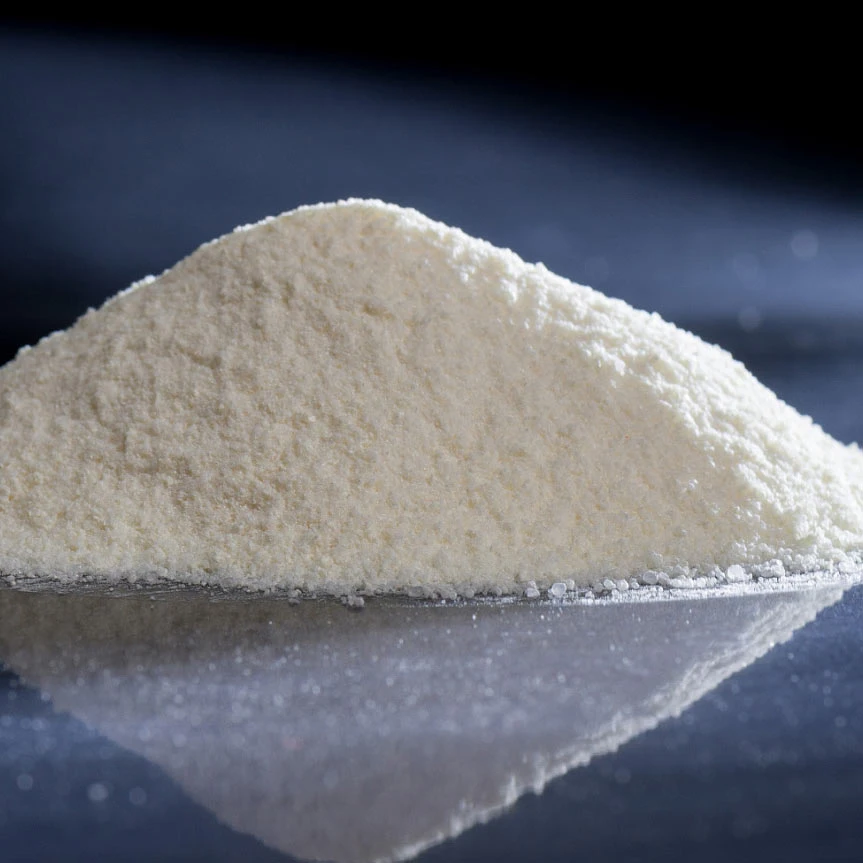
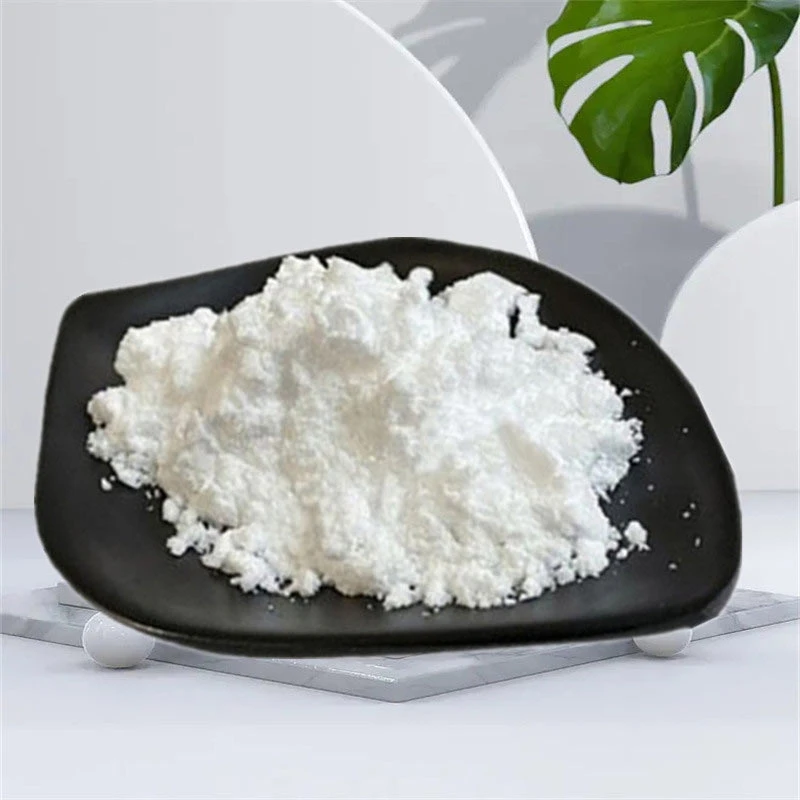
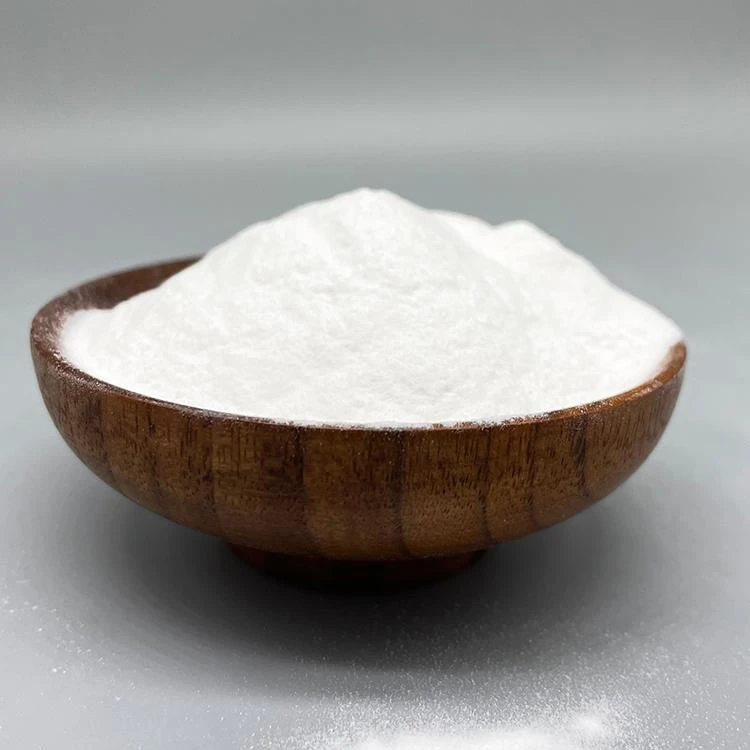
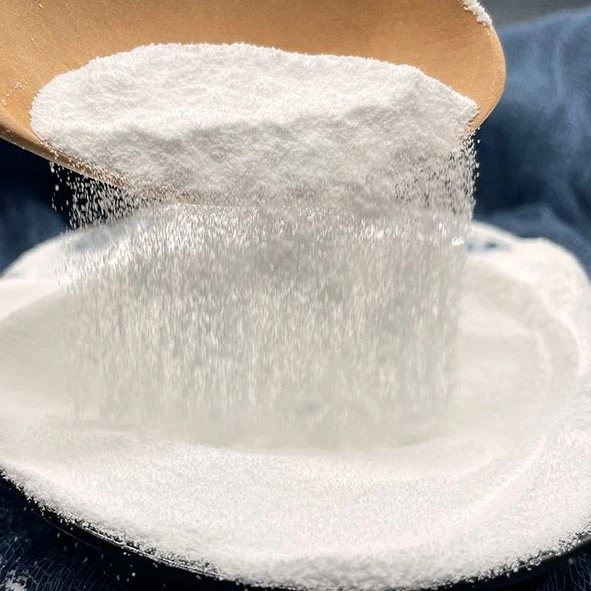
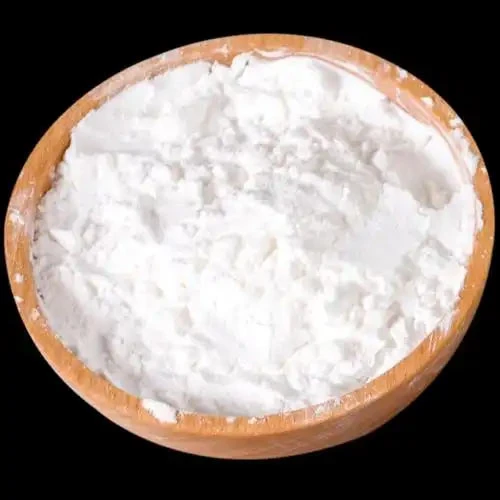
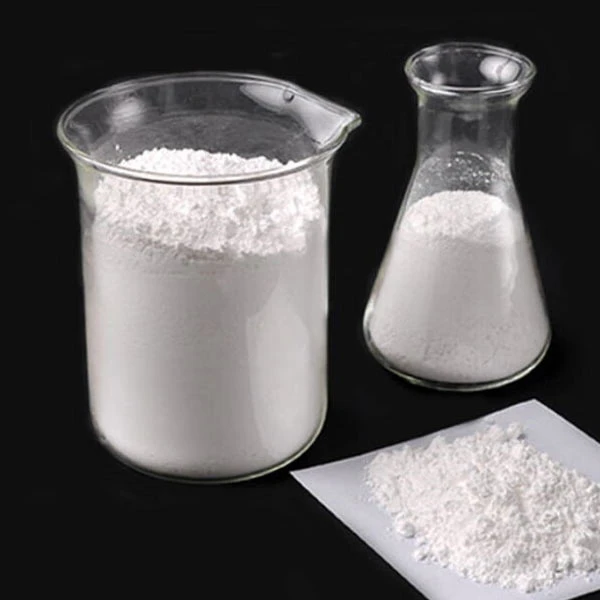
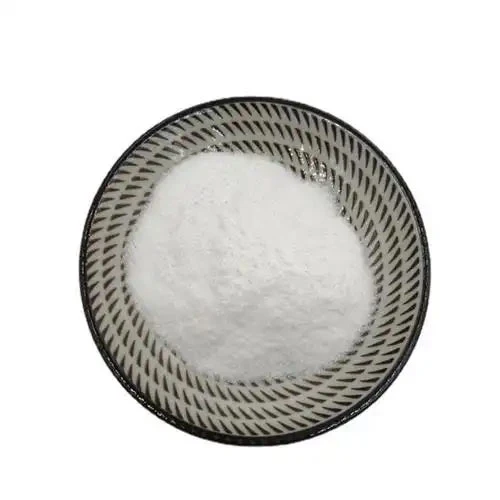
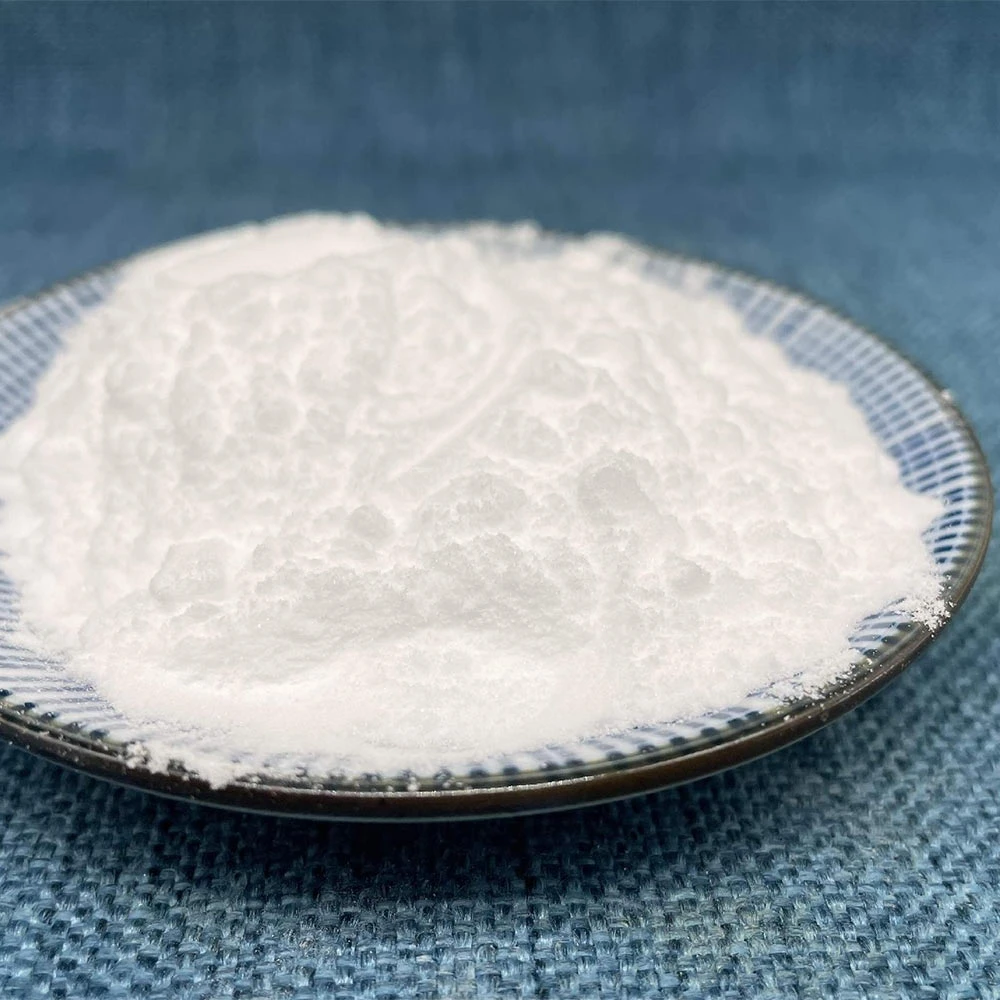
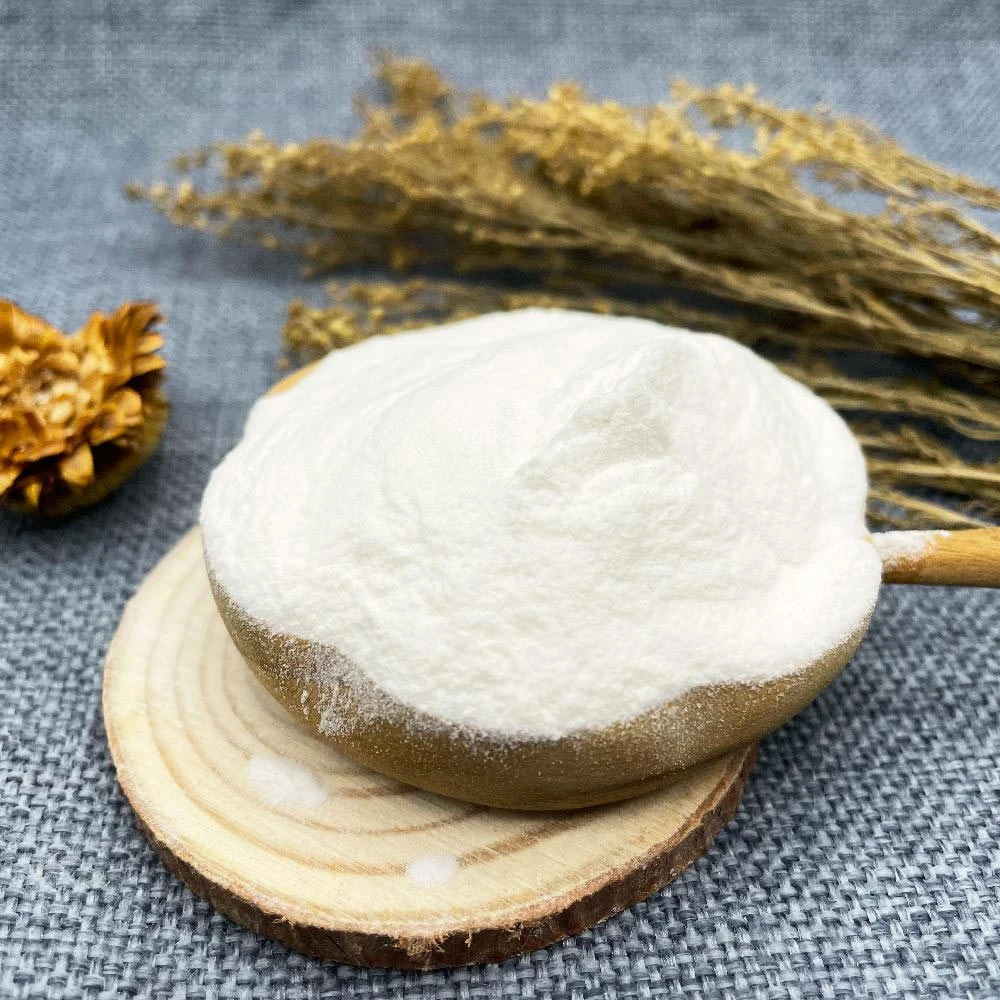
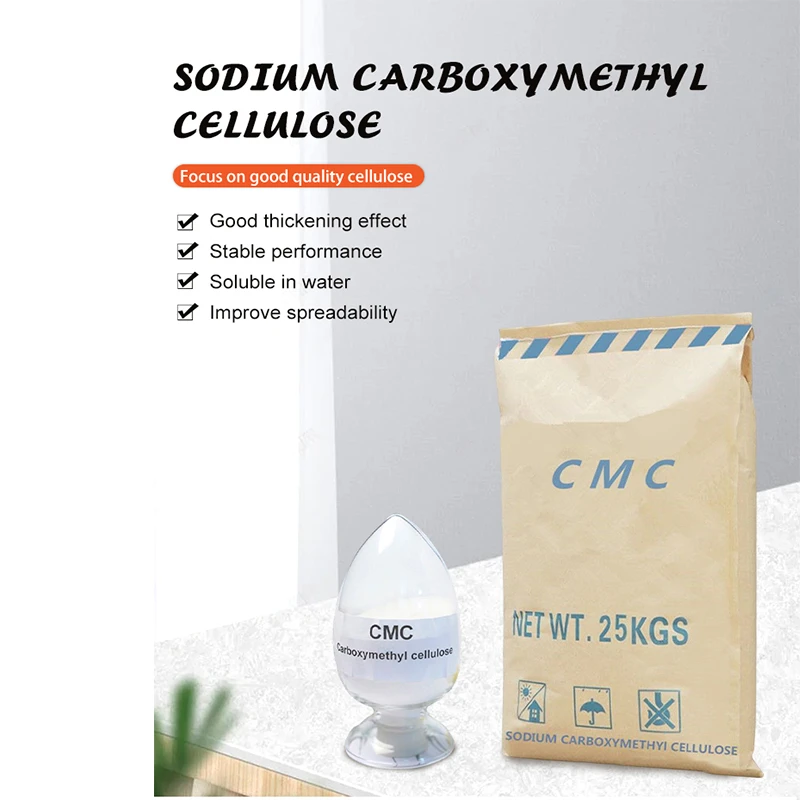
So, what is it? Sodium Carboxy Cellulose (SCC) is essentially a cellulose derivative – meaning it’s derived from plant cellulose – that’s been modified with carboxymethyl groups. That’s the technical bit. What that does, in real terms, is give it exceptional water-absorbing and thickening properties. It’s a water-soluble polymer, incredibly versatile, and surprisingly stable. It's often used as a rheology modifier, a thickener, a binder, and a film former… all in one. We’ve seen it incorporated into everything from cement-based products to adhesive formulations. Tangzhi HPMC’s SCC is produced using a tightly controlled process to ensure consistent quality and performance. Here’s a quick spec breakdown:
| Property | Specification | Test Method |
|---|---|---|
| Viscosity (2% solution) | 2000-4000 mPa·s | Brookfield Viscometer |
| Substitution Degree | 0.6-1.0 | Potentiometric Titration |
| Moisture Content | Karl Fischer Titration |
Benefits & Use Cases of Sodium Carboxy Cellulose
Where does it shine? Honestly, it’s surprisingly broad. In construction, it’s a game-changer for improving the workability of cement-based products, reducing cracking, and increasing water retention. In textiles, it's used in sizing agents to enhance yarn strength and reduce breakage during weaving. I’ve seen it used in paints and coatings to improve viscosity control and film formation. And in adhesives… well, it just makes them stick better! Many engineers say it's about achieving a consistent, predictable performance. One client, a manufacturer of pre-cast concrete elements, reported a 15% reduction in cracking after switching to a formulation incorporating Tangzhi HPMC’s SCC. That’s a significant saving in both material costs and rework. It's a subtle, but impactful change.
Cost, Maintenance & User Experience
Let’s talk dollars. The initial cost of SCC isn’t necessarily the lowest upfront, but the long-term value proposition is strong. Because it improves product performance, reduces waste, and extends lifespan, the total cost of ownership is often lower than cheaper alternatives. Maintenance is…non-existent, really. It’s an ingredient, not a machine! The user experience – for formulators, that is – is generally positive. It disperses readily in water, is compatible with a wide range of other ingredients, and doesn’t require any special handling procedures. Comparing a few vendors:
| Vendor | Price (USD/kg) | Lead Time | Technical Support |
|---|---|---|---|
| Tangzhi HPMC | $2.50 - $3.50 | 5-7 days | Excellent |
| ABC Chemicals | $2.80 - $4.00 | 7-10 days | Good |
| XYZ Polymers | $2.20 - $3.00 | 10-14 days | Limited |
Sustainability & Market Trends
The push for sustainable materials is obviously huge right now, and SCC fits into that narrative quite well. It’s derived from a renewable resource (cellulose), and its use can often lead to reduced material consumption overall due to improved product performance. There’s a growing demand for bio-based polymers, and SCC is perfectly positioned to benefit from that trend. Regulations surrounding VOC emissions are also tightening, and SCC can help formulators meet those requirements. Oddly enough, I’ve noticed an increase in inquiries specifically requesting sustainably-sourced SCC, which is something Tangzhi HPMC is actively addressing.
Frequently Asked Questions about Sodium Carboxy Cellulose
- What is Sodium Carboxy Cellulose and how does it work?
- Sodium Carboxy Cellulose is a water-soluble polymer derived from cellulose, modified to enhance its water absorption and thickening properties. It works by creating a viscous solution that improves the flow and consistency of various formulations.
- What are the main benefits of using Sodium Carboxy Cellulose in industrial applications?
- The key benefits include improved workability, reduced cracking, enhanced water retention, increased adhesion, and better overall product performance, leading to cost savings and increased durability.
- How does Sodium Carboxy Cellulose compare to traditional alternatives?
- Compared to traditional thickeners or binders, Sodium Carboxy Cellulose often offers superior performance in terms of stability, consistency, and ease of use, while also being a more sustainable option.
- What industries can benefit most from Sodium Carboxy Cellulose implementation?
- Industries like construction, textiles, paints and coatings, adhesives, and detergents can all significantly benefit from incorporating Sodium Carboxy Cellulose into their formulations.
Conclusion on Sodium Carboxy Cellulose from china
Ultimately, Sodium Carboxy Cellulose is a workhorse material that delivers real value across a diverse range of applications. It's not about flashy innovation; it's about reliable performance, consistent quality, and a long-term cost benefit. If you're looking for an additive that can genuinely improve your products, it's definitely worth exploring. Visit our website to learn more and request a sample.
- Don’t underestimate the power of a well-chosen additive.
-
HPMC High-Performance Thickener | Hebei TangzhiNewsMar.06,2026
-
Wholesale Water Reducing Admixture for Special Cement: Performance and Market InsightsNewsFeb.28,2026
-
The Complete Guide to HPMC: Types, Applications, Grades, and Manufacturing InsightsNewsFeb.28,2026
-
Redispersible Polymer Powder: Types, Applications, and Performance AdvantagesNewsFeb.28,2026
-
Hydroxymethyl Ethyl Cellulose (MHEC): Properties, Applications, and Market InsightsNewsFeb.28,2026
-
Hydroxyethyl Cellulose: Applications, Performance, and Buying GuideNewsFeb.28,2026