Types Of Cellulose For Daily And Industrial Use
Cellulose is everywhere in modern life, yet most people rarely stop to understand what it really is and why it matters. From food and medicine to paper, textiles, and cosmetics, cellulose plays a quiet but essential role. Today, as sustainability, low-carbon materials, and plant-based solutions become global hot topics, understanding types of cellulose is more practical than ever. This article explains cellulose in a clear, simple way and shows why choosing the right cellulose product can bring real value to your business or daily use.
Cellulose Is A Type Of Natural Polymer
Cellulose is a type of natural polymer compound that exists widely in plants and forms the basic structure of plant cell walls. This simple fact explains why cellulose is so abundant and affordable. Because it comes directly from plants, cellulose is fully renewable and does not rely on petroleum resources, making it especially important in today’s environmentally conscious market.
Cellulose is a type of material that aligns perfectly with global sustainability goals. It is biodegradable, environmentally friendly, and safe for both humans and ecosystems. When cellulose products are discarded, microorganisms in nature can break them down naturally, reducing long-term waste and environmental pressure. This degradability is one of the main reasons cellulose is replacing synthetic materials in many industries.
Cellulose is a type of low-carbon material with a relatively small environmental footprint. Compared with many synthetic polymers, the production and processing of cellulose require less energy, helping reduce overall carbon emissions. As governments tighten environmental regulations and consumers demand greener products, cellulose continues to gain market importance.
Cellulose is a type of material with strong physical and chemical advantages. Its molecular structure gives it high mechanical strength, excellent toughness, and reliable tensile performance. These characteristics make cellulose especially suitable for papermaking, textiles, packaging, and construction-related applications where durability matters.
Cellulose is a type of substance with high crystallinity and thermal stability. Even under higher temperatures, cellulose can maintain stable performance, which is why it is widely used in industrial processing, food production, and pharmaceutical manufacturing. This balance of strength and stability makes cellulose a dependable choice across many sectors.
Cellulose In Everyday Products
Cellulose is one of the most commonly used natural materials in daily life, even if people do not always notice it. Paper products, cardboard packaging, tissues, and books all rely heavily on cellulose fibers for structure and strength. Without cellulose, these everyday essentials would not exist in their current form.
Cellulose also plays a major role in food products. It is often used as a texture modifier, stabilizer, or dietary fiber additive. Thanks to its excellent moisture absorption and water retention properties, cellulose helps improve mouthfeel and consistency in processed foods while remaining safe and plant-based.
Cellulose is widely applied in cosmetics and personal care products. Its ability to absorb water and form smooth textures makes it ideal for creams, lotions, facial masks, and sprays. Consumers increasingly prefer products made with natural ingredients, and cellulose meets this demand without compromising performance.
Cellulose is important in pharmaceutical applications as well. It is commonly used as an excipient in tablets and capsules, helping control drug release and improve stability. Because cellulose is non-toxic and biocompatible, it is trusted in medical formulations around the world.
Cellulose also supports innovation in textiles. Modified cellulose fibers such as viscose offer softness, breathability, and excellent moisture control. These fibers provide a comfortable alternative to synthetic fabrics while maintaining durability and affordability.
Microcrystalline Cellulose In Modern Manufacturing
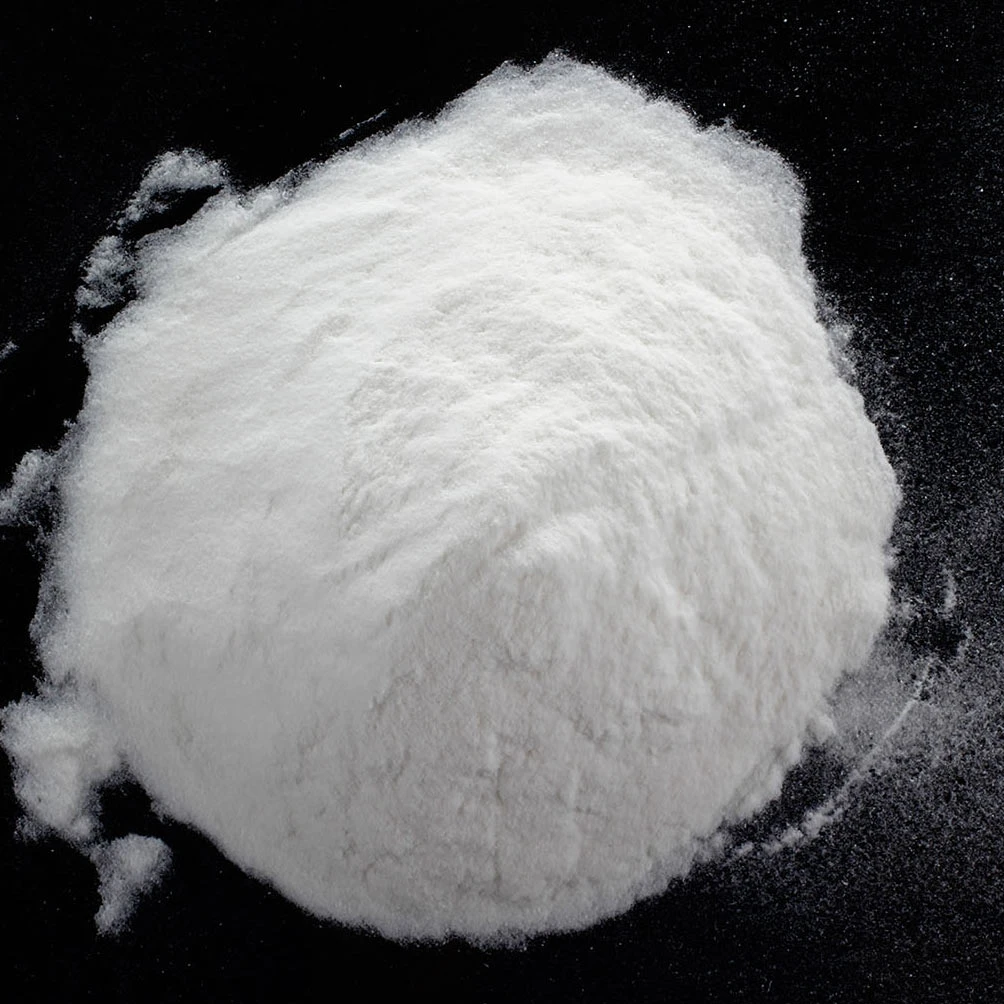
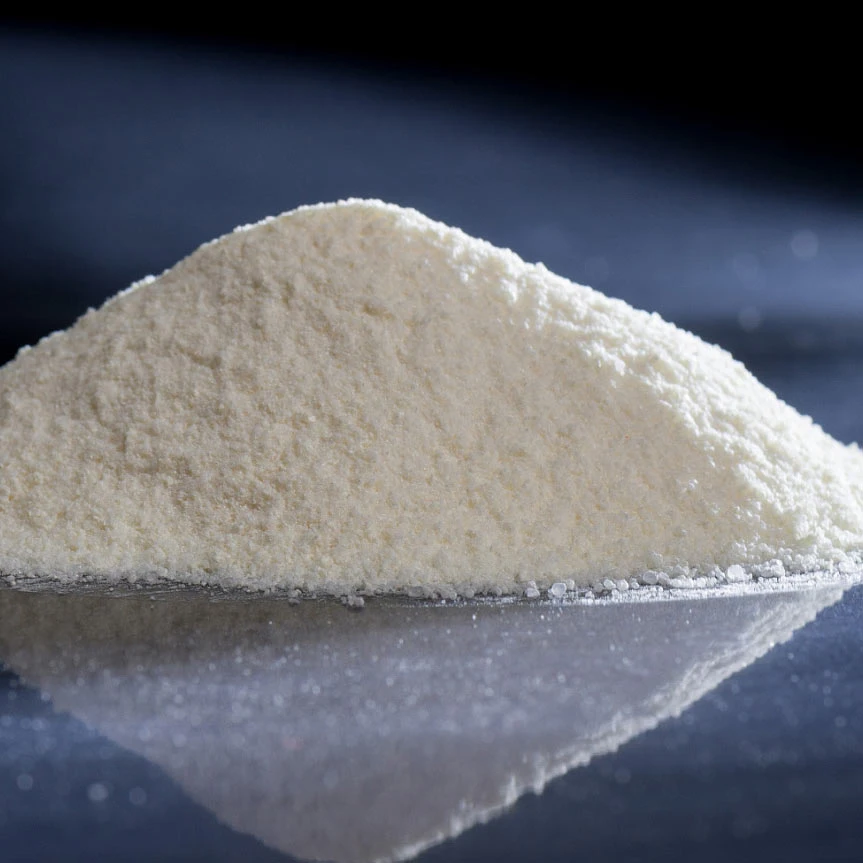
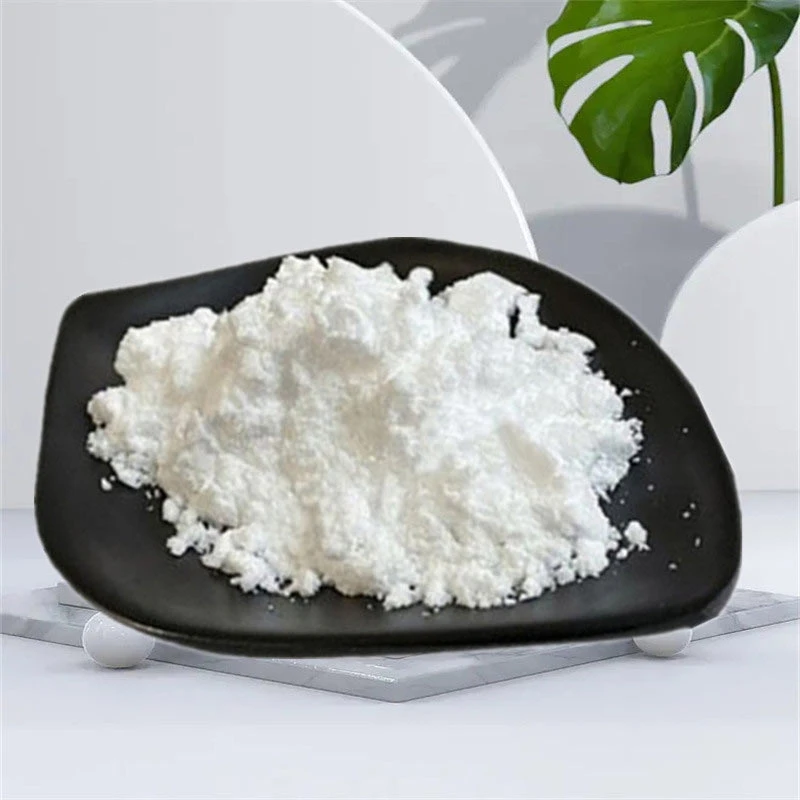
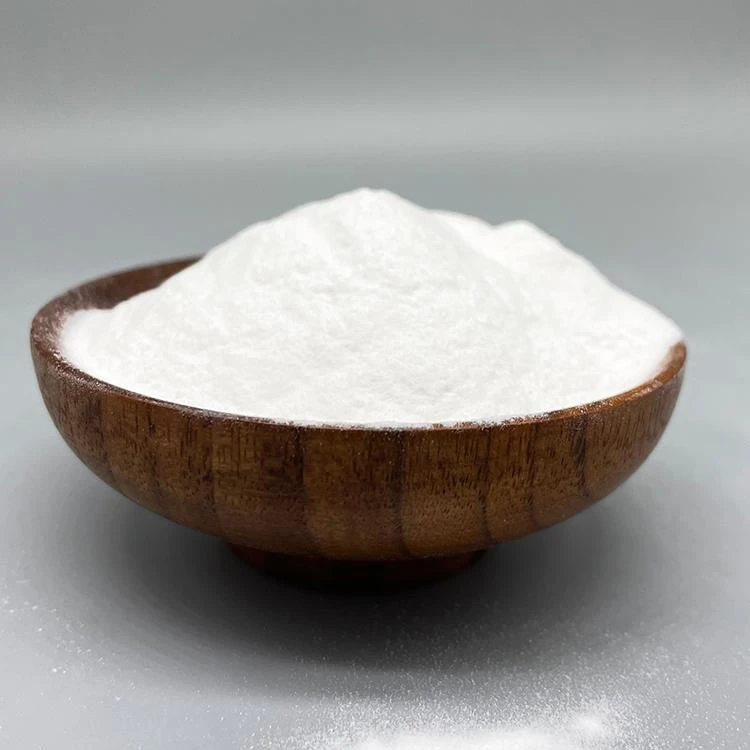
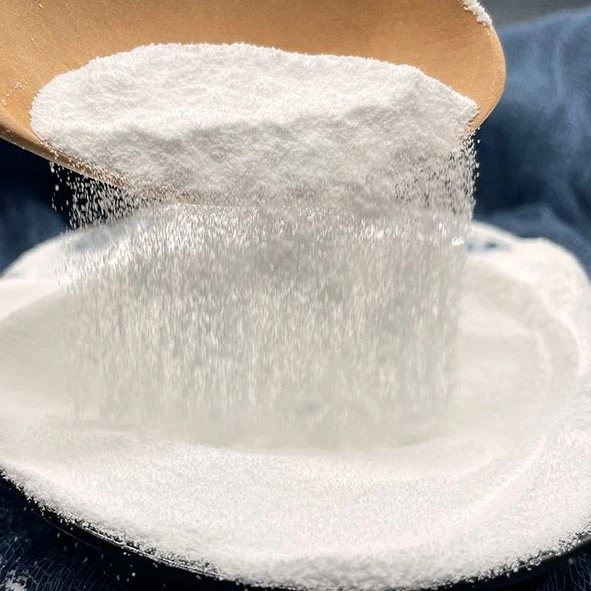
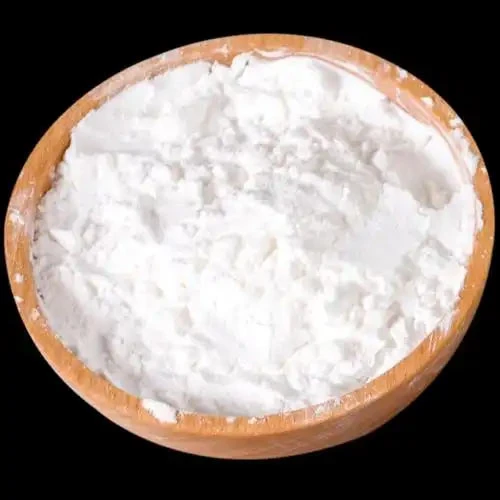
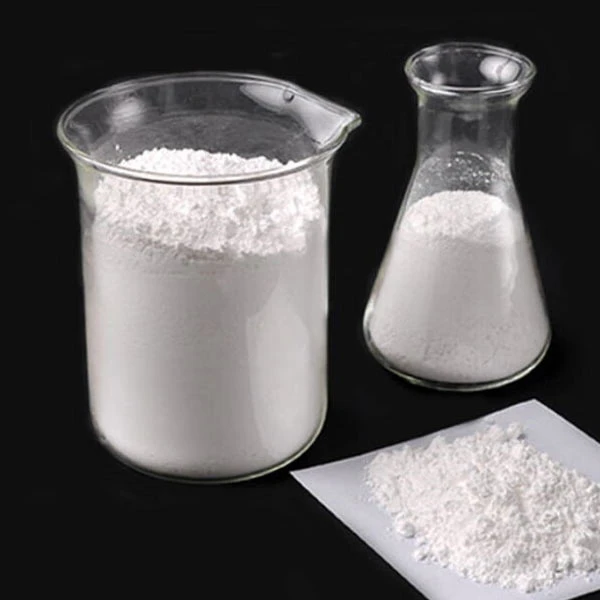
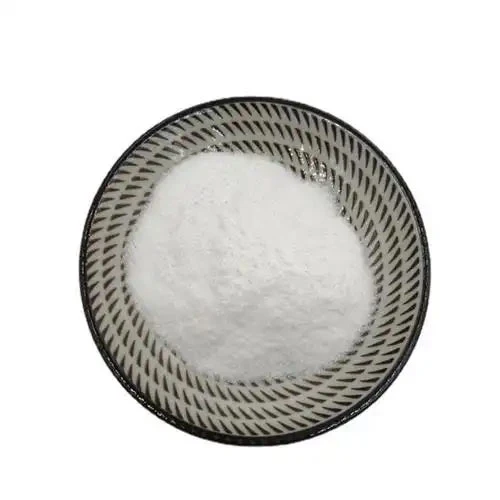
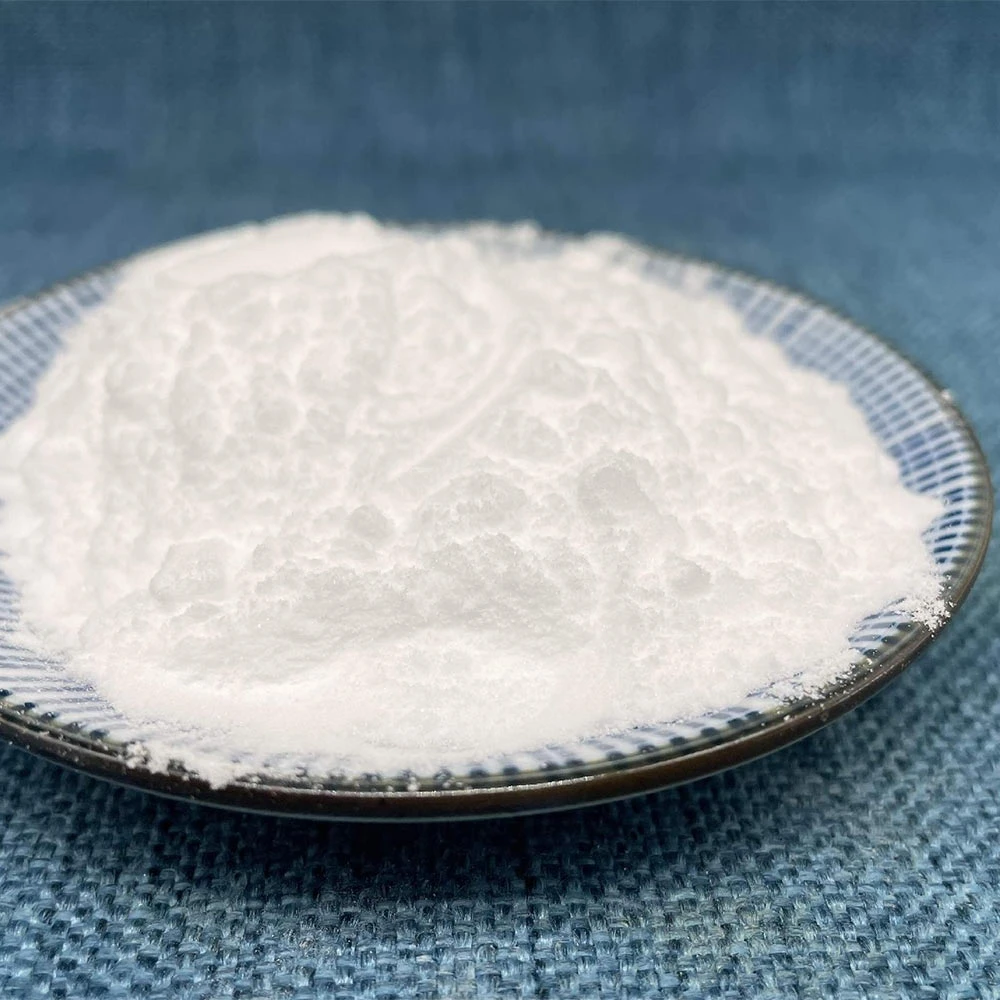
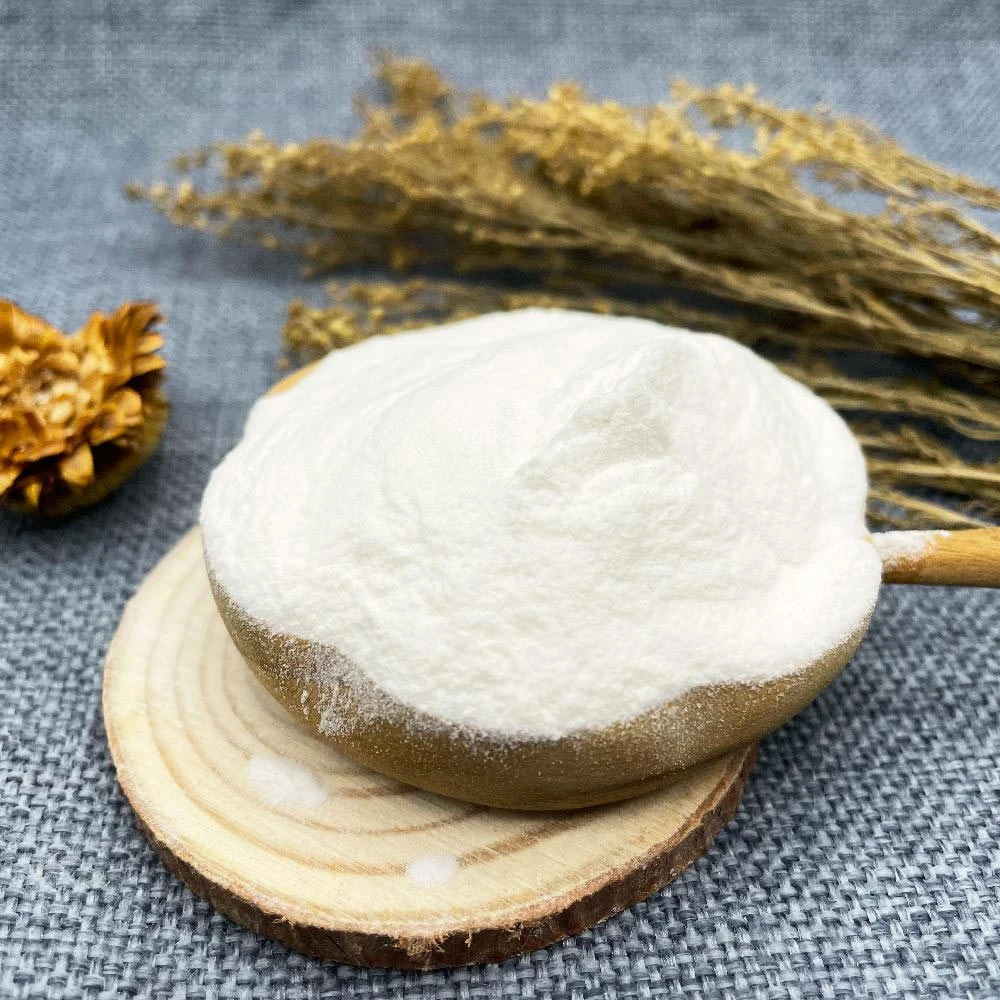
Microcrystalline cellulose is a refined form of cellulose produced through controlled processing. It appears as a fine white powder and is known for its excellent stability and uniform particle size. These features make it highly popular in pharmaceutical, food, and supplement industries.
Microcrystalline cellulose is widely used as a binder and filler in tablet production. It helps tablets maintain their shape while ensuring consistent drug distribution. Manufacturers rely on it because it improves compressibility without affecting active ingredients.
Microcrystalline cellulose also functions as a safe anti-caking agent in food products. It prevents powders from clumping and improves flow properties, which is essential for efficient packaging and processing. Because it is derived from plants, it fits well into clean-label and natural product trends.
Microcrystalline cellulose contributes to texture improvement in low-fat and low-calorie foods. It can simulate fat-like mouthfeel, helping brands maintain taste and quality while meeting health-conscious consumer demands.
Microcrystalline cellulose is cost-effective due to its wide availability and efficient production process. This affordability allows manufacturers to maintain high product quality while controlling costs, making it a smart choice in competitive markets.
Carboxymethyl Cellulose For Functional Performance
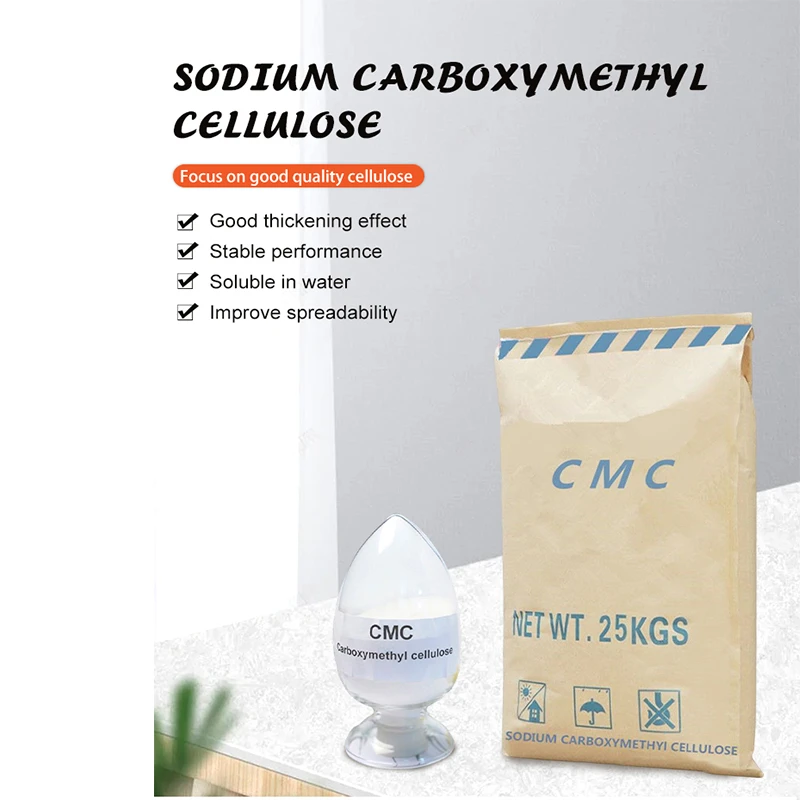
Carboxymethyl cellulose is a chemically modified cellulose derivative designed to enhance solubility and functionality. Often known as CMC, it dissolves easily in water and forms stable, viscous solutions, which makes it extremely versatile.
Carboxymethyl cellulose is commonly used as a thickener and stabilizer in food products such as sauces, beverages, and dairy items. It improves texture and prevents separation, ensuring consistent quality from production to consumption.
Carboxymethyl cellulose is essential in cosmetics and personal care formulations. It helps stabilize emulsions, improves product feel, and enhances moisture retention. Consumers benefit from smoother, more reliable products that remain effective over time.
Carboxymethyl cellulose also plays a key role in pharmaceuticals. It is used in syrups, suspensions, and topical formulations to control viscosity and improve usability. Its safety profile and plant origin make it suitable for sensitive applications.
Carboxymethyl cellulose supports industrial uses such as coatings, detergents, and adhesives. Its film-forming ability and chemical stability allow manufacturers to create reliable products with predictable performance.
Types Of Cellulose FAQs
Types of cellulose products continue to gain popularity as industries shift toward sustainable, high-performance materials. Whether you are sourcing for food, medicine, cosmetics, or industrial use, choosing the right cellulose supplier matters. Reliable manufacturers provide consistent quality, technical support, and customized solutions to match your application needs. If you are looking to upgrade materials, improve sustainability, and control costs, exploring professional cellulose products is a smart step. Visit our official website, browse detailed product specifications, and discover how the right cellulose solution can support your business growth and product innovation.
What Are The Main Types Of Cellulose Used Today?
The main types include natural cellulose, microcrystalline cellulose, and carboxymethyl cellulose, each designed for different performance and application needs.
Why Is Cellulose Considered Environmentally Friendly?
Cellulose is renewable, biodegradable, and plant-based, with a low carbon footprint compared to many synthetic materials.
Is Microcrystalline Cellulose Safe For Food And Medicine?
Yes, it is widely approved and used globally as a safe excipient and functional ingredient.
What Makes Carboxymethyl Cellulose So Versatile?
Its water solubility, thickening ability, and stability make it suitable for food, cosmetics, pharmaceuticals, and industrial products.
Where Can I Buy High-Quality Cellulose Products?
You can purchase directly from trusted manufacturers through their official websites, where you can request samples, technical data, and customized solutions.
-
HPMC High-Performance Thickener | Hebei TangzhiNewsMar.06,2026
-
Wholesale Water Reducing Admixture for Special Cement: Performance and Market InsightsNewsFeb.28,2026
-
The Complete Guide to HPMC: Types, Applications, Grades, and Manufacturing InsightsNewsFeb.28,2026
-
Redispersible Polymer Powder: Types, Applications, and Performance AdvantagesNewsFeb.28,2026
-
Hydroxymethyl Ethyl Cellulose (MHEC): Properties, Applications, and Market InsightsNewsFeb.28,2026
-
Hydroxyethyl Cellulose: Applications, Performance, and Buying GuideNewsFeb.28,2026